The Ultimate Guide to Cornmeal Substitutes: Never Run Out Again!
Ever found yourself in the middle of a recipe, only to realize you’re out of cornmeal? Don’t panic! Cornmeal is a versatile pantry staple, beloved for its ability to add unique flavor and texture to everything from fluffy cornbread and crunchy fried foods to creamy polenta. But if your pantry is bare, a quick trip to the grocery store isn’t always an option. This comprehensive guide will walk you through the best cornmeal substitutes, ensuring your culinary creations never miss a beat. We’ll cover excellent alternatives like polenta, corn grits, corn flour, and even creative solutions like ground corn chips and oat flour, helping you replicate that desirable flavor and texture with ease.
Overview of Cornmeal
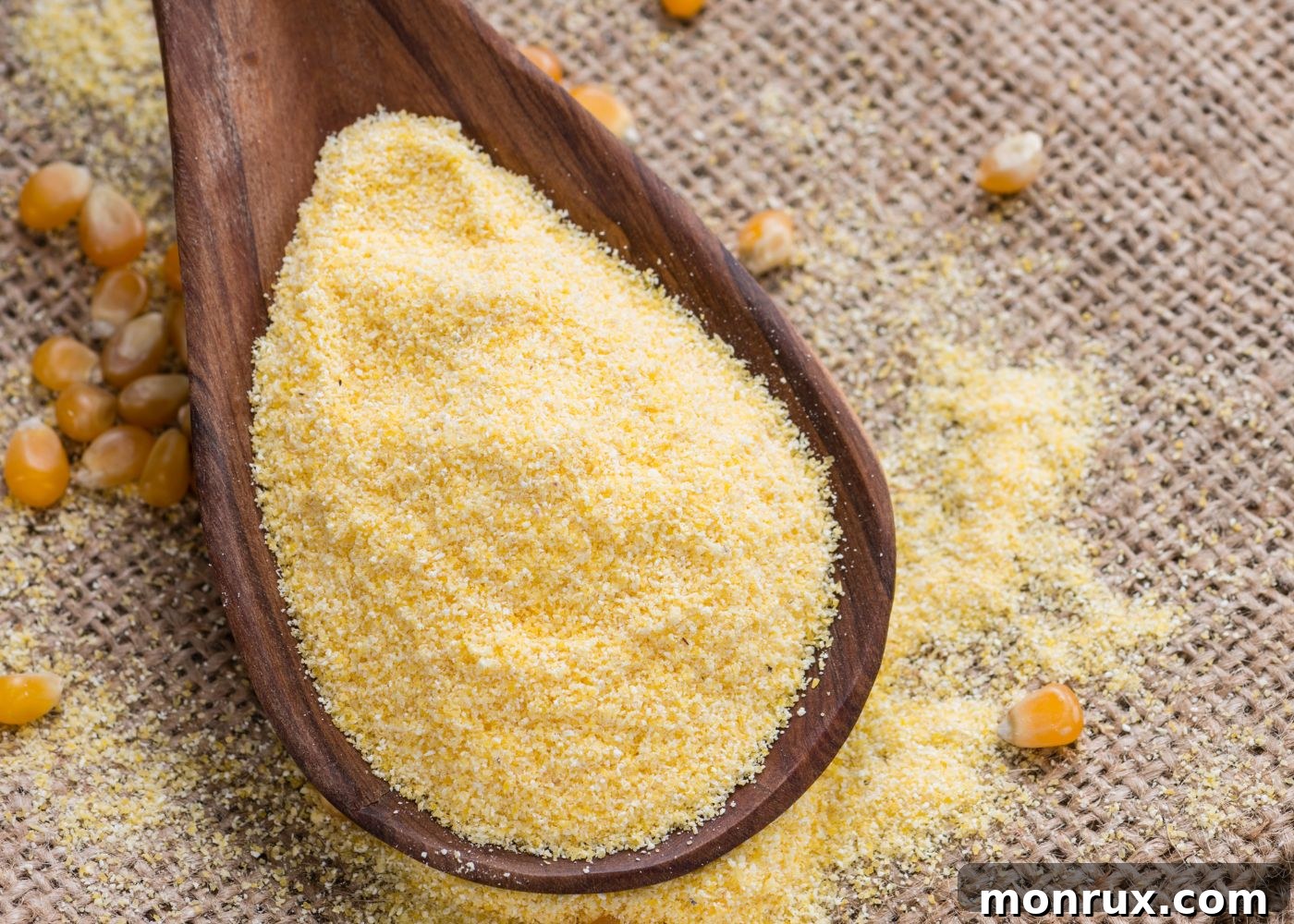
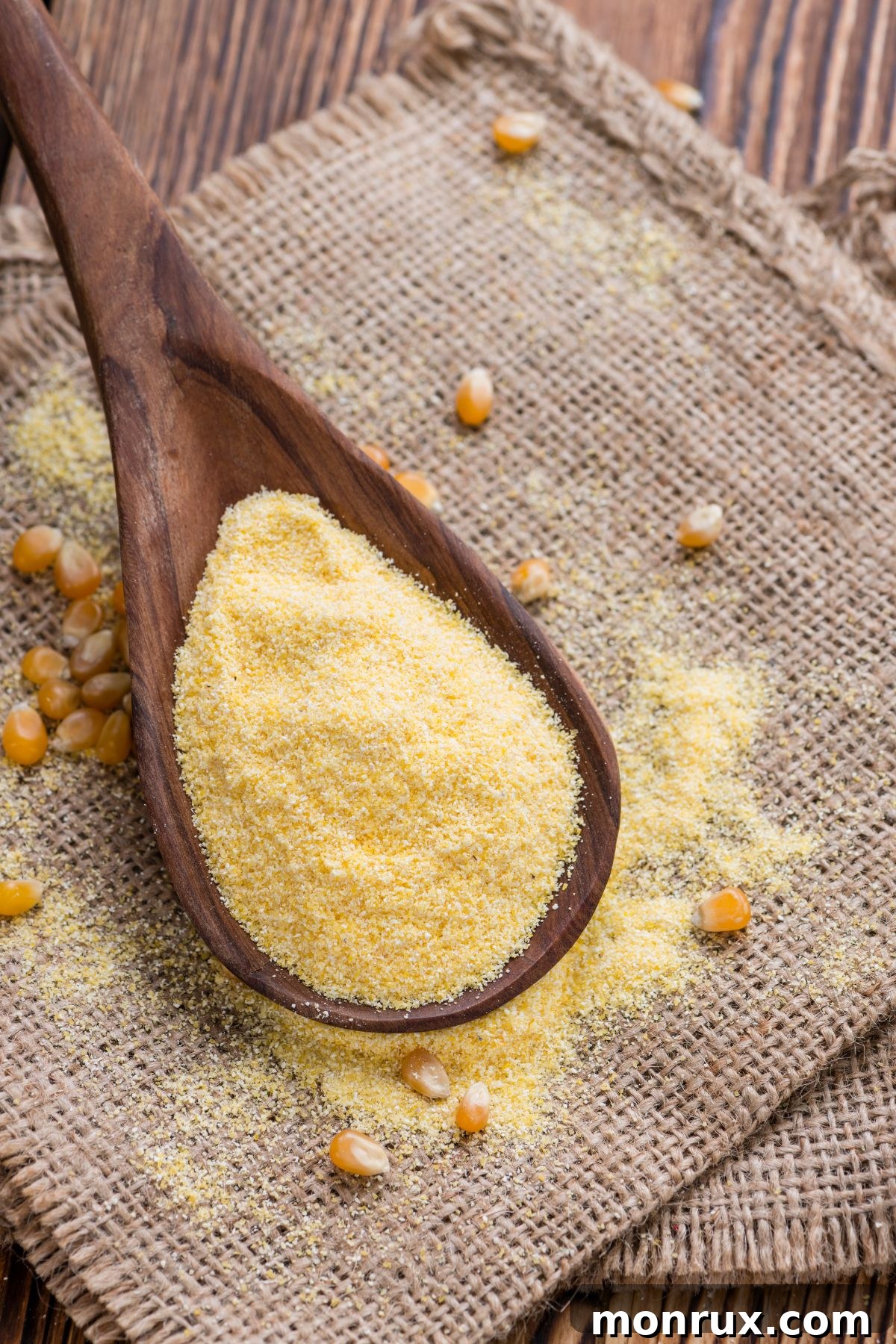
Cornmeal is a fundamental ingredient derived from dried corn kernels that have been ground into a coarse flour. Its distinctive texture and sweet, earthy flavor make it indispensable in countless regional cuisines worldwide. From the hearty American South to the sun-drenched kitchens of Italy and beyond, cornmeal offers a unique character that’s hard to replicate.
Understanding Cornmeal Varieties
When selecting cornmeal, you’ll encounter a few key distinctions:
- Color: Cornmeal can be either yellow or white, depending on the corn variety used. Yellow cornmeal, made from yellow corn, tends to have a slightly sweeter flavor and a vibrant golden hue, which is often preferred for traditional cornbread. White cornmeal, made from white corn, offers a more delicate flavor and is common in certain regional dishes, particularly in the Southern U.S. and Latin American cuisine.
- Grind: The grind refers to the coarseness of the cornmeal, significantly impacting the final texture of your dish.
- Fine Grind: Similar in consistency to wheat flour, ideal for lighter baked goods like pancakes or thin coatings.
- Medium Grind: The most common type, offering a pleasant gritty texture that’s perfect for cornbread, muffins, and thickening stews.
- Coarse Grind: Features larger, more distinct corn particles, excellent for heartier dishes such as polenta or for adding substantial crunch to fried foods.
- Stone-Ground vs. Steel-Ground: Stone-ground cornmeal retains more of the corn kernel’s germ and bran, resulting in a more nutritious product with a robust, earthy flavor and often a coarser, more irregular texture. Steel-ground cornmeal, typically degerminated, has a finer, more uniform texture and a longer shelf life due to the removal of the germ.
Considering the type and grind of cornmeal is crucial for achieving the desired outcome in your recipes. A finer grind is typically better suited for lighter baking applications, while a coarser grind delivers that characteristic hearty texture often associated with classic cornbread.
Culinary Uses of Cornmeal
Cornmeal’s versatility extends across a wide spectrum of culinary applications:
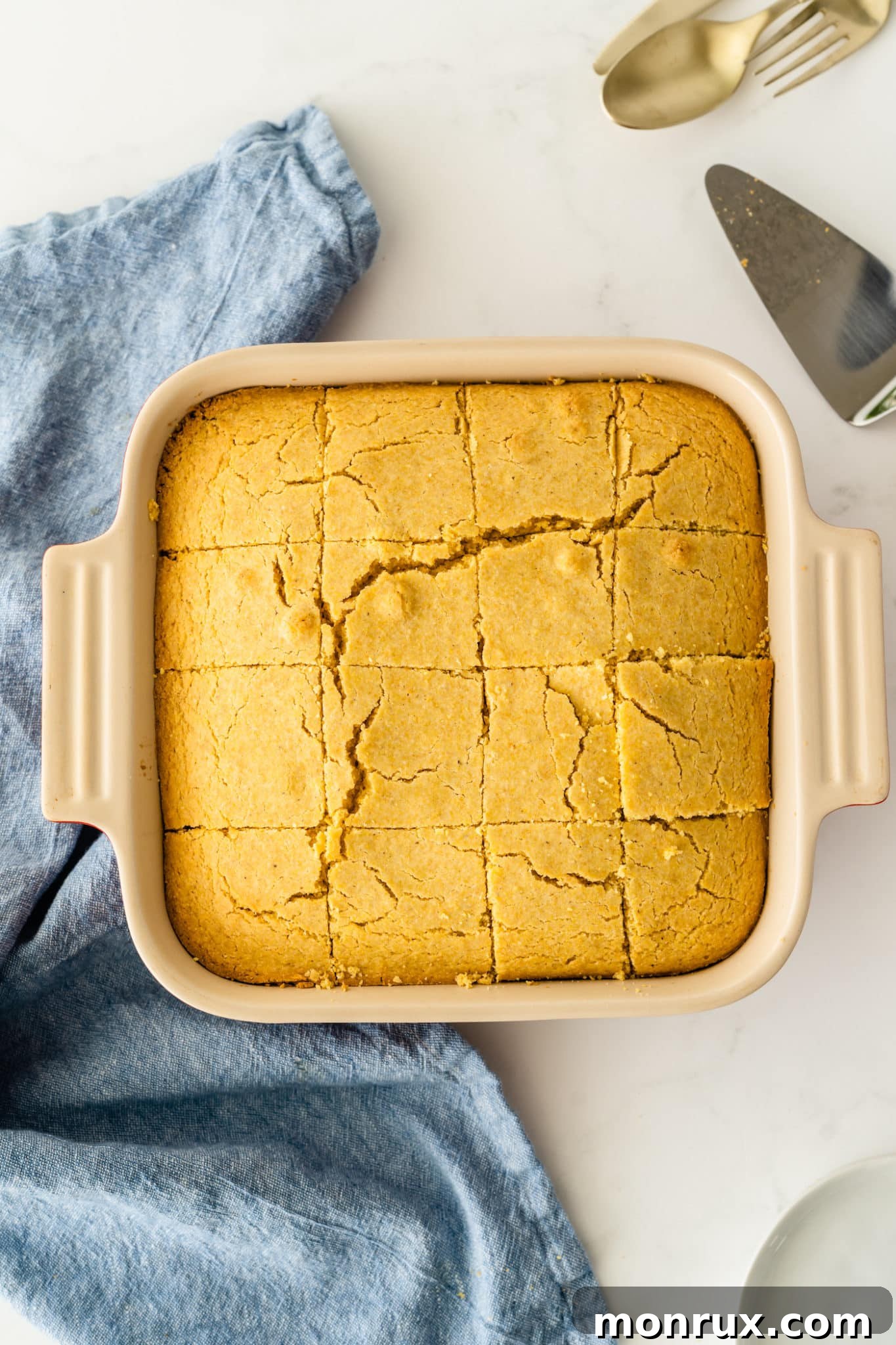
- Baking: It’s the star ingredient in classics like cornbread, corn muffins, corn pancakes, and hushpuppies, providing a distinctive crumb and flavor profile.
- Coating: Its gritty texture makes it an excellent coating for fried foods, such as fried fish, chicken, or vegetables, creating a crispy, golden crust.
- Thickening: Cornmeal can be used as a natural thickener for soups, stews, chilis, and gravies, adding body and a subtle corn flavor. Its starches absorb liquid, creating a rich, creamy consistency.
- Porridges and Grains: Dishes like Italian polenta or Southern grits are comforting examples of cornmeal prepared as a cooked grain, often served savory with cheese, meat, or vegetables.
- Dusting: It can be lightly dusted onto baking sheets for pizzas or breads to prevent sticking and add a crisp bottom crust.
Whatever the dish, cornmeal is a chameleon ingredient that can elevate the flavor and texture of almost any meal it graces.
Cornmeal vs. Cornstarch: What’s the Difference?
While both cornmeal and cornstarch originate from corn, they are fundamentally different in their production, texture, and culinary applications:
- Cornmeal: As discussed, cornmeal is made by grinding dried whole corn kernels (or degerminated kernels), resulting in a product with a noticeable texture ranging from fine to coarse. It retains more of the corn’s natural flavor and is used as a primary ingredient in baking or for textural purposes.
- Cornstarch: In contrast, cornstarch is a very fine, powdery substance derived solely from the endosperm of the corn kernel. It’s essentially pure starch, stripped of all fiber, protein, and fat. It has no discernible flavor and is primarily used as a powerful thickening agent for sauces, gravies, and desserts, creating a clear, glossy finish without adding opacity or texture. It is rarely used as a standalone flour for baking due to its lack of gluten and fiber.
Understanding this distinction is crucial, as they are not interchangeable in most recipes. Using cornstarch instead of cornmeal will not provide the same flavor or textural contribution, and vice versa.
Top Cornmeal Substitutes
When you’re out of cornmeal, these pantry heroes and clever alternatives can save your recipe. The best substitute often depends on the specific dish you’re preparing and the desired texture.
1. Polenta
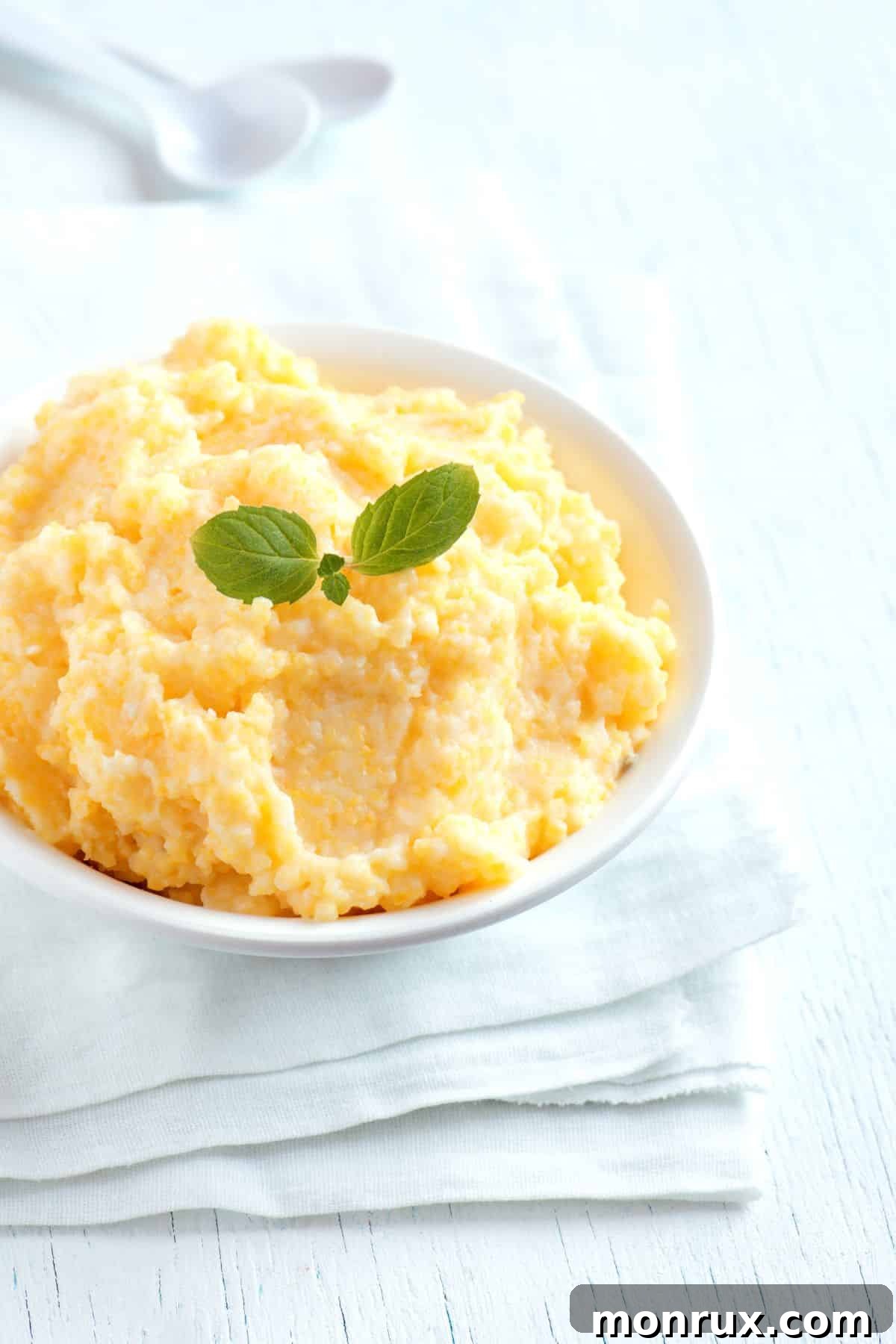
Polenta is essentially a specific type of coarsely ground cornmeal, primarily from yellow corn, that is a staple in Northern Italian cuisine. While it’s often served as a creamy porridge, the raw ingredient itself is an excellent and highly accessible cornmeal substitute due to its identical base material.
Polenta typically has a coarser texture than most standard cornmeal, offering a heartier bite and a more pronounced corn flavor. If your recipe calls for medium or coarse cornmeal, polenta is a near-perfect match. It will impart a similar rustic charm and slightly chewy texture to your baked goods or coatings.
- How to Substitute: Use a 1:1 ratio. For every cup of cornmeal required, use one cup of polenta.
- Best For: Cornbread, muffins, pancakes, breading for fried foods, and any recipe where a slightly coarser texture is desired.
- Considerations: If a very fine texture is crucial, polenta might be too coarse. However, for most applications, its similarities in flavor and composition make it an ideal stand-in.
2. Corn Grits
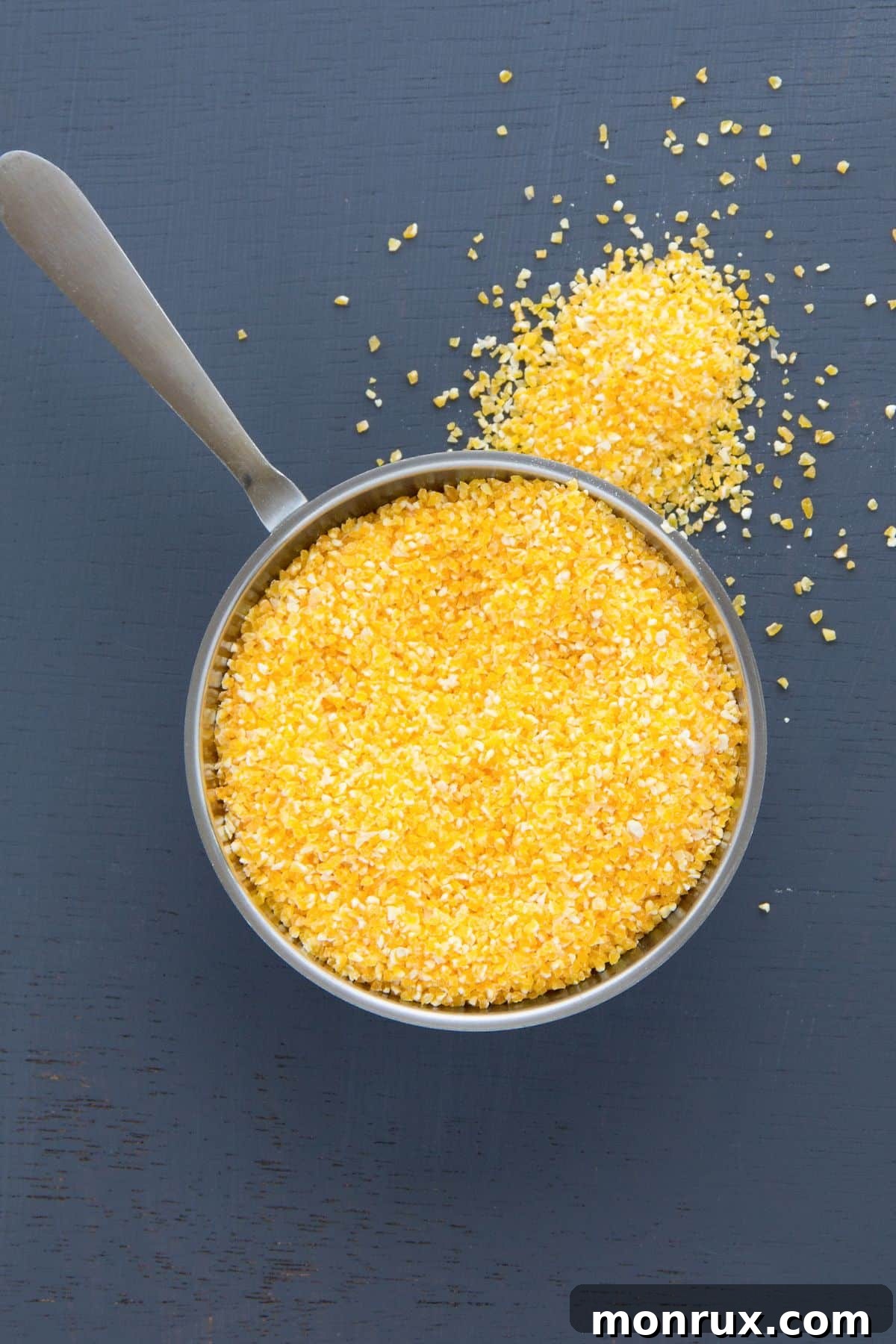
Corn grits, particularly popular in the Southern United States, are another fantastic corn-based substitute. Like polenta, grits are made from dried, ground corn kernels, often hominy (corn that has been treated with an alkali process). They come in various grinds, from quick-cooking to stone-ground, each offering a unique texture.
Grits typically have a coarse, granular texture, even more so than many types of cornmeal or polenta. When cooked, they become creamy and hearty, but in their dry form, they add significant body and crunch. Their mild corn flavor blends well into many dishes, making them a versatile choice.
- How to Substitute: Due to their coarser grind and potentially higher absorbency, use approximately 3/4 cup of corn grits for every 1 cup of cornmeal. You may need to adjust the liquid in your recipe slightly.
- Best For: Hearty cornbread, crunchy coatings for fried chicken or fish, and thickening casseroles.
- Considerations: If your recipe requires a very fine texture, grits might be too coarse. If using quick-cooking grits, they might absorb liquid faster, so monitor your batter/dough consistency. Stone-ground grits will provide the most rustic texture and flavor.
3. Corn Flour
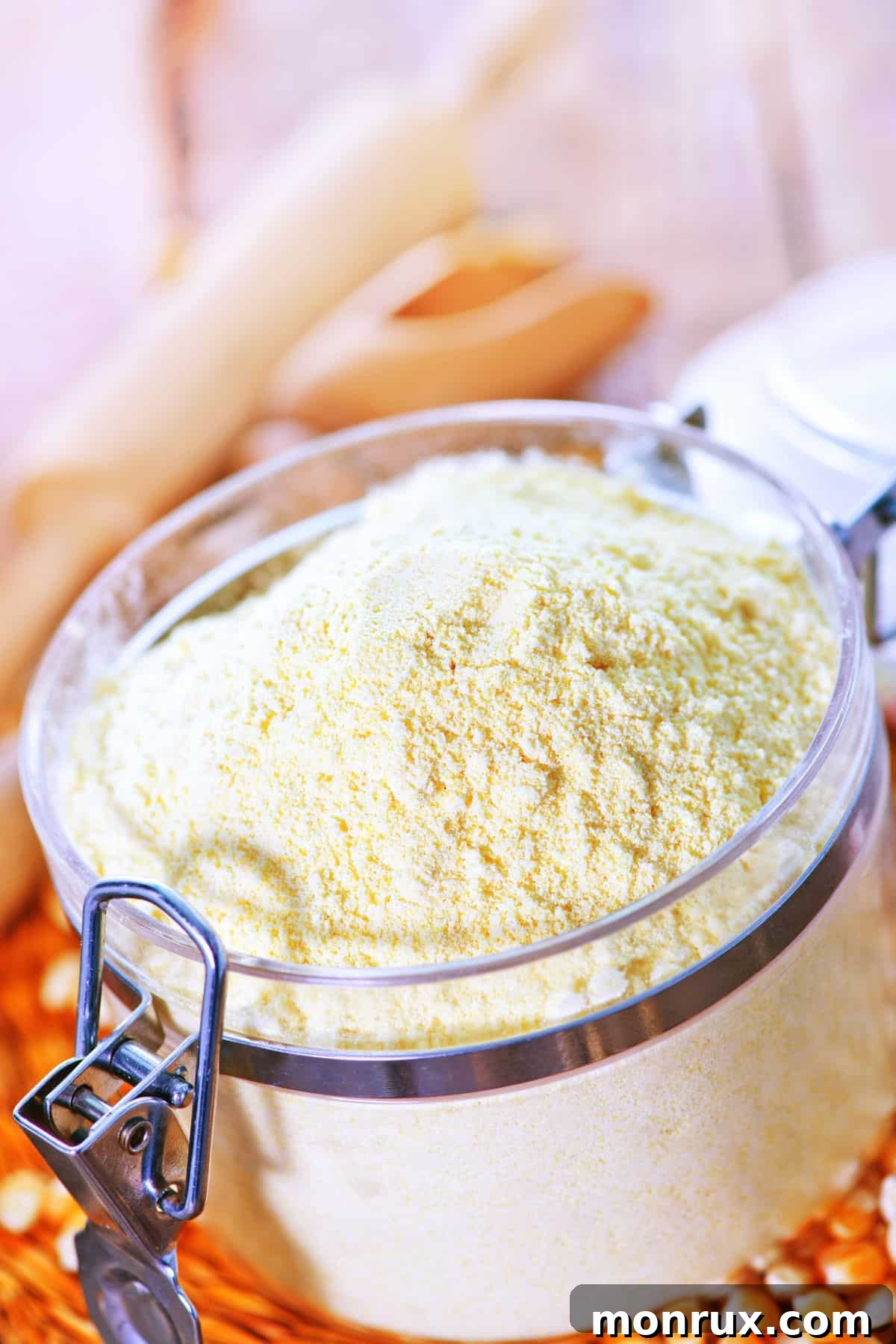
Corn flour is essentially cornmeal ground to a very fine powder, much finer than even fine-grind cornmeal. It’s comparable to wheat flour in consistency but retains the distinct flavor of corn. Because it’s made from whole dried corn kernels, it offers valuable dietary fiber, vitamins, and minerals.
This substitute is excellent when you need a smooth texture or when a delicate crumb is desired in baked goods. It creates a lighter, fluffier result compared to the more rustic texture of cornmeal. Corn flour is also naturally gluten-free, making it a valuable option for those with celiac disease or gluten sensitivities (always verify with certified gluten-free brands).
- How to Substitute: Since corn flour is much finer and less dense, use approximately 3/4 cup of corn flour for every 1 cup of cornmeal. You might also need to slightly reduce the liquid in your recipe or add it gradually to achieve the right consistency, as it can absorb differently.
- Best For: Muffins, pancakes, delicate cornbread, and as a gluten-free thickener where a smooth finish is preferred. It’s also great for dusting surfaces or as a light coating.
- Considerations: The finer texture means it won’t provide the characteristic “gritty” texture of traditional cornmeal. If that texture is crucial for your dish (e.g., crispy fried foods), another substitute might be better.
4. Ground-up Corn Chips
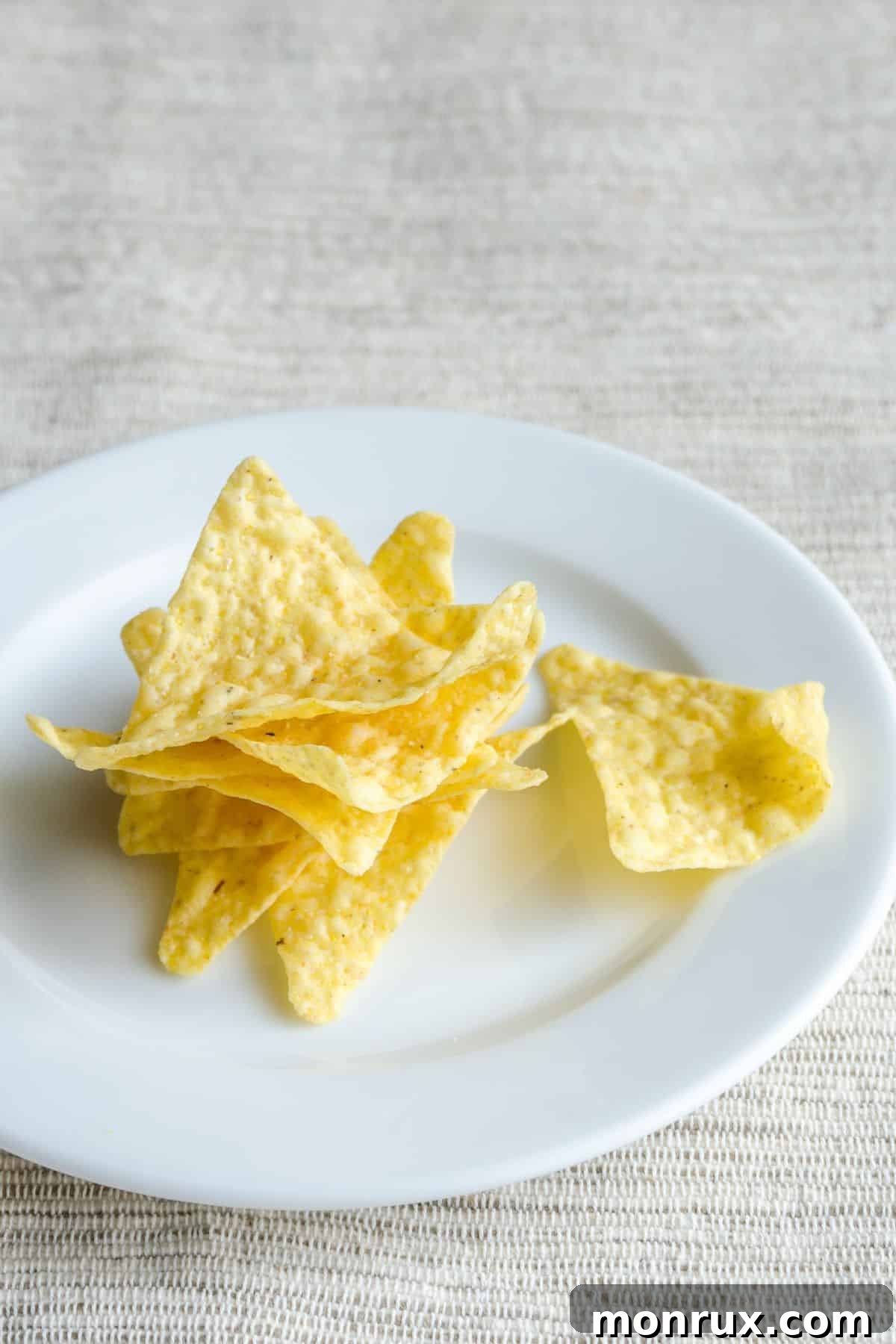
This might seem unconventional, but ground-up corn chips (like tortilla chips) can be a surprisingly effective and flavorful emergency substitute for cornmeal, especially in savory applications where a crispy texture and a hint of salt are welcome. Corn chips are, after all, made from corn!
The key here is their texture and inherent seasoning. They’ll add a salty, savory corn flavor and a wonderfully crunchy coating or textural element. This makes them particularly suitable for breading or as a topping.
- How to Substitute: Use a 1:1 ratio. For every cup of cornmeal, use one cup of finely ground corn chips. To grind, pulse them in a food processor until they resemble coarse cornmeal, or place them in a bag and crush them with a rolling pin.
- Best For: Breading for fried chicken, fish, or vegetables; toppings for casseroles; adding crunch to chili or soups; or as a binder in meatloaf or meatballs.
- Considerations: Be mindful of the salt content in the corn chips. You might need to adjust the salt in your recipe. Also, this substitute is best for savory dishes, as the inherent saltiness might clash with sweet recipes.
5. Additional Versatile Substitutes
Beyond the primary corn-based options, several other ingredients can step in as cornmeal replacements, each offering unique characteristics:
- Masa Harina: A traditional Mexican flour made from nixtamalized corn (corn treated with limewater). It has a very fine texture and a distinct earthy, slightly tangy corn flavor. It’s an excellent substitute for texture and flavor, particularly in savory baking or for dusting. Use a 1:1 ratio, but be aware its unique flavor profile might subtly alter your dish.
- Oat Flour (or Ground Oats): For a gluten-free and neutral-flavored option, oat flour (finely ground rolled oats) works well in baked goods. It provides a similar binding quality and can mimic the texture of fine cornmeal. Grind regular rolled oats in a blender or food processor until powdery. Use 1:1 ratio, but note that it will change the flavor profile from corn to oat.
- Bread Crumbs: If you need a coarse texture for breading or a topping, plain bread crumbs can be a quick fix. They won’t provide the corn flavor, but they offer similar textural properties for crispy coatings. Use 1:1 for texture, adjusting seasonings as needed.
- Ground Flaxseed: A very fine, gluten-free option, ground flaxseed works primarily as a binder and adds a nutty flavor. It won’t replicate the corn flavor or texture but can provide structure in some baked goods. Use cautiously, as it absorbs a lot of liquid and can make baked goods dense. Best for small quantities as a binder.
- Semolina Flour: Made from durum wheat, semolina has a coarse, gritty texture similar to fine cornmeal or polenta. It’s excellent for dusting, breading, or in certain baked goods, though it introduces gluten and lacks the corn flavor. Use 1:1 for texture.
- Rice Flour: A fine, gluten-free flour that can be used for dusting or in some delicate baked goods where a smooth texture is desired. It won’t add corn flavor or the coarser texture of cornmeal but is a good neutral binder. Use 3/4 cup rice flour for 1 cup cornmeal, adjusting liquid.
The best “additional” substitute will truly depend on the specific requirements of your recipe – whether it’s the corn flavor, the gritty texture, or just a gluten-free binder that you need.
More Substitute Articles You Might Like
Frequently Asked Questions (FAQs)
Can I use all-purpose flour instead of cornmeal?
While all-purpose flour can provide structure in baked goods, it’s generally not an ideal substitute for cornmeal, especially when the characteristic texture and flavor of cornmeal are desired. All-purpose flour will result in a much finer, softer crumb and will entirely lack the distinct corn flavor and slightly gritty texture. For recipes where cornmeal is merely a binder or a minor component, you might get away with it, but for cornbread or polenta, the outcome will be significantly different.
Is cornmeal gluten-free?
Yes, pure cornmeal made solely from ground corn kernels is naturally gluten-free. This makes it an excellent choice for individuals with celiac disease or gluten sensitivity. However, always check the label to ensure that the product is certified gluten-free, as some brands may process cornmeal in facilities that also handle gluten-containing grains, leading to potential cross-contamination.
What’s the difference between cornmeal and masa harina?
Both are made from corn, but the key difference lies in the processing. Masa harina (Spanish for “dough flour”) is made from nixtamalized corn, meaning the corn kernels are cooked and steeped in an alkaline solution (usually limewater) before being ground. This process enhances the corn’s nutritional value, improves its flavor, and makes it easier to process into dough. Cornmeal, on the other hand, is simply dried corn kernels ground without this alkaline treatment. Masa harina has a distinct earthy flavor and aroma, and a finer, softer texture that’s perfect for tortillas, tamales, and pupusas.
Can I make my own cornmeal from dried corn kernels?
Yes, you can! If you have dried, whole corn kernels (popcorn kernels can even work in a pinch, though they’ll produce a slightly different texture), you can grind them into cornmeal using a high-powered blender, food processor, or a grain mill. The finer you grind them, the more like corn flour it will become. For a coarser cornmeal, pulse them until you reach your desired consistency. Be aware that homemade cornmeal might not be as uniform as commercially ground varieties, but it’s a great fresh alternative.
How should I store cornmeal and its substitutes?
Cornmeal, like other grain products, should be stored in an airtight container in a cool, dark, and dry place. Due to its natural oils, especially stone-ground varieties that retain the germ, it can go rancid over time. For longer storage, it can be kept in the refrigerator or freezer, which significantly extends its shelf life. Most cornmeal substitutes should be stored similarly to ensure freshness and prevent spoilage.