The Ultimate Guide to Rice Flour Substitutes: Your Gluten-Free Baking & Cooking Companion
Navigating the world of gluten-free baking and cooking can present its own unique set of challenges, especially when a recipe calls for a specific flour. Rice flour is a popular staple in many gluten-free kitchens, prized for its neutral flavor and versatile texture. However, what happens when you run out, or simply need a different option? Finding suitable rice flour substitutes is crucial for ensuring your culinary creations turn out perfectly. This comprehensive guide will explore the best alternatives, including cornstarch, all-purpose flour, specialized gluten-free flour blends, almond flour, and coconut flour, equipping you with the knowledge to make informed choices for your next dish.
Overview of Rice Flour
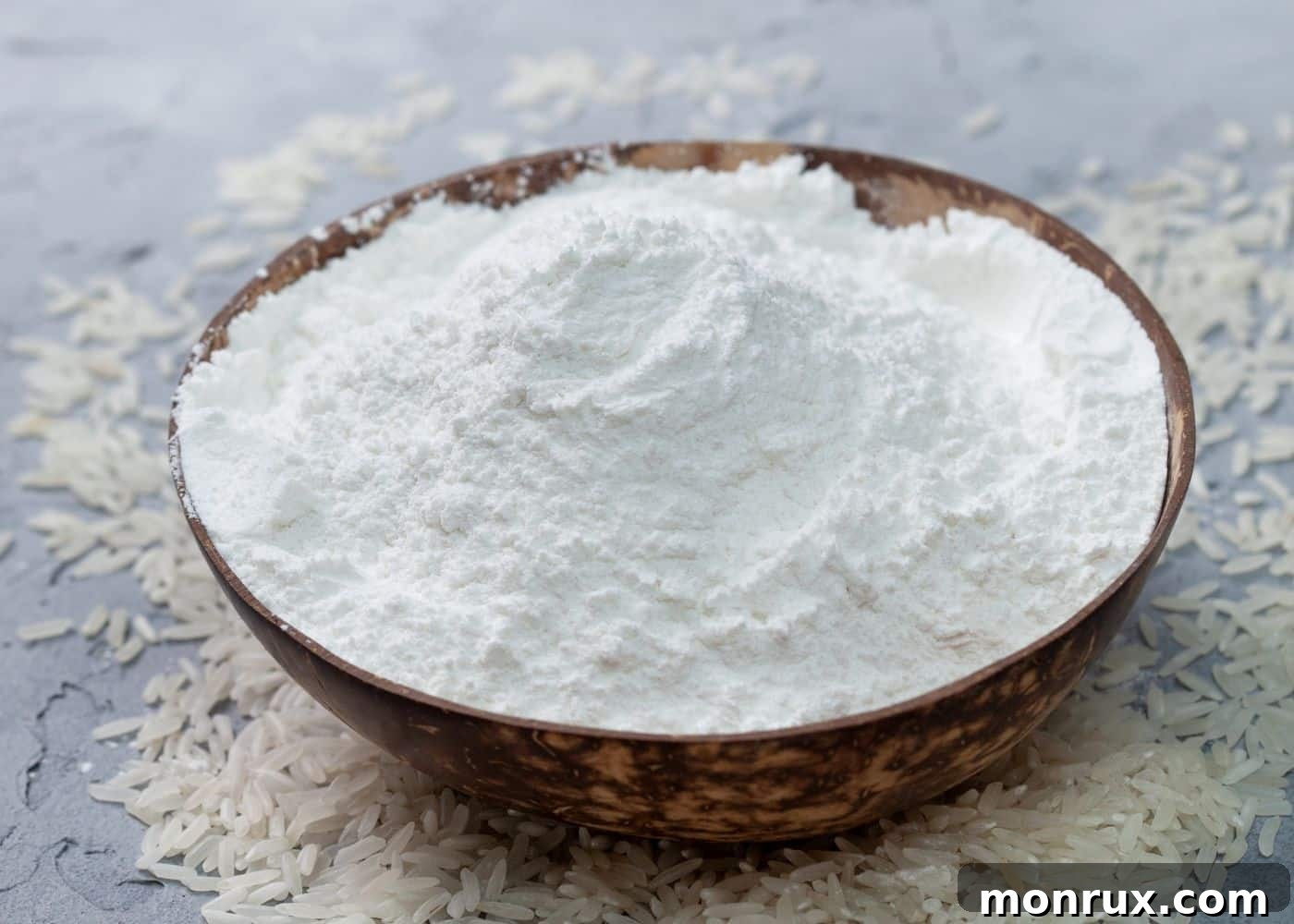
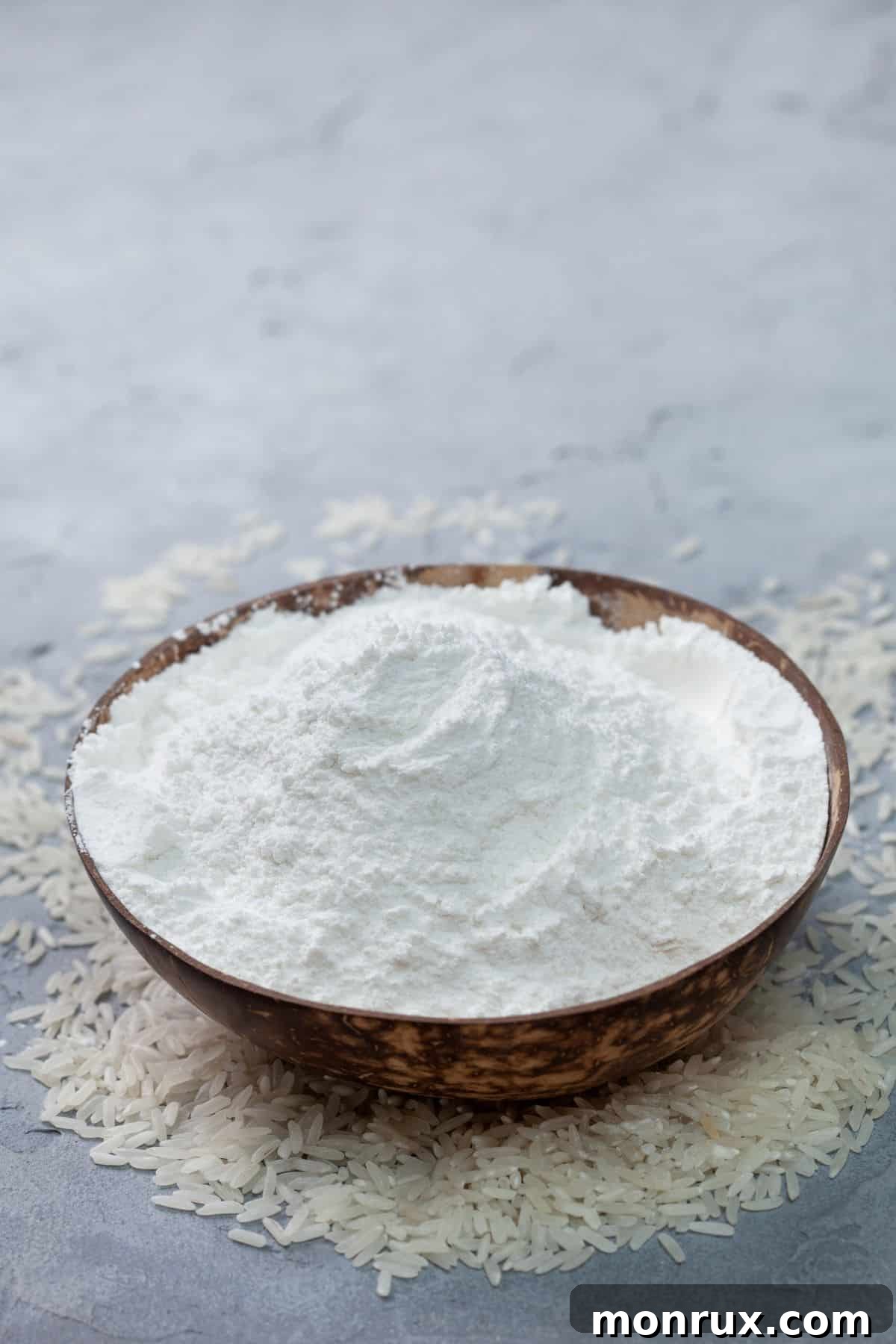
Rice flour is precisely what it sounds like: a fine powder made by grinding raw rice grains. It’s a cornerstone ingredient, particularly in Asian cuisine and increasingly in gluten-free recipes worldwide. Unlike wheat flour, rice flour is naturally gluten-free, making it an excellent choice for individuals with celiac disease, gluten sensitivity, or those simply choosing to avoid gluten in their diet.
There are typically three main varieties of rice flour:
- White Rice Flour: Made from polished white rice, it has a very fine texture and a neutral flavor, making it versatile for many applications.
- Brown Rice Flour: Produced from whole-grain brown rice, it retains more nutrients, fiber, and has a slightly nutty flavor and coarser texture compared to white rice flour.
- Sweet Rice Flour (Glutinous Rice Flour): Don’t let the name fool you – it’s not sweet, but “glutinous” refers to its sticky texture when cooked, due to its high amylopectin starch content. It’s ideal for mochi and other chewy desserts.
Common Uses for Rice Flour:
- Baking: Rice flour is frequently used in cakes, cookies, muffins, and pancakes. Its light texture can create delicate baked goods, though it often benefits from being combined with other flours to improve structure and prevent crumbliness in gluten-free baking. It’s particularly popular for creating crispier crusts and light, airy textures. Try these rice flour pancakes for a delicious gluten-free breakfast.
- Thickening Agent: Due to its starch content, rice flour is an excellent thickener for sauces, gravies, soups, and puddings. It provides a smooth consistency without a strong flavor, similar to cornstarch.
- Frying and Coating: It makes a fantastic gluten-free coating for meats, fish, or vegetables before frying, contributing to a crispy exterior.
- Desserts: Beyond its role in baking, sweet rice flour is essential for traditional dishes like mochi, while regular rice flour can be used to make creamy rice pudding and other Asian desserts.
Why Look for Rice Flour Substitutes?
Even if you frequently use rice flour, there are several reasons why you might need to find an alternative:
- Availability: Sometimes, rice flour simply isn’t in stock at your local grocery store, or you might find yourself in the middle of a recipe only to realize you’ve run out.
- Dietary Preferences/Allergies: While gluten-free, some individuals may have specific dietary restrictions, sensitivities, or allergies to rice itself, necessitating other grain-free or nut-based alternatives.
- Recipe Requirements: Certain recipes might benefit from the unique properties (flavor, texture, binding capabilities) that other flours offer, which rice flour might not fully provide on its own.
- Desired Texture and Flavor: While neutral, rice flour can sometimes produce a slightly gritty texture in certain applications. Different substitutes can introduce unique flavors (e.g., nutty, sweet) or alter the texture to be chewier, softer, or denser.
When selecting a substitute, consider the specific role the rice flour plays in your recipe. Is it for thickening? For structure in baking? For coating? Understanding its function will guide you to the best possible alternative.
Top Rice Flour Substitutes
Now, let’s dive into some of the most effective and commonly available substitutes for rice flour, complete with usage tips and considerations.
1. Cornstarch
Cornstarch is a fantastic and readily available substitute for rice flour, particularly when its primary function in a recipe is to thicken. It’s naturally gluten-free and can be found in nearly any grocery store.
- Best For: Thickening sauces, gravies, soups, puddings, pie fillings, and providing a crisp coating for fried foods (like chicken or tofu). It excels in achieving a glossy finish in stir-fries.
- Substitution Ratio: To substitute one cup of rice flour for thickening, use one cup of cornstarch. For baking, start with a 1:1 ratio but be aware that cornstarch can make baked goods very delicate or chewy if used in large quantities.
- Usage Tips: When using cornstarch as a thickener, always create a slurry first by mixing it with an equal amount of cold liquid (water, broth, or milk) until smooth. This prevents lumps when added to hot liquids. Add the slurry gradually to your hot dish, stirring constantly, until the desired thickness is achieved. For recipes like Vegan Pumpkin Pudding, it contributes to a wonderfully smooth texture.
- Considerations: Cornstarch is purely a starch and lacks the nutritional value of whole-grain flours. It doesn’t provide structure in the same way protein-rich flours do, so it’s less ideal as a primary flour in yeast breads or cakes where structure is paramount.
2. All-Purpose Flour
For those who do not adhere to a gluten-free diet, all-purpose flour is an easy and versatile substitute for rice flour. It’s a kitchen staple, making it a convenient option when rice flour is unavailable.
- Best For: General baking and cooking where gluten is not an issue. It can be used in almost any recipe that calls for rice flour, especially in thickening or as a base for baked goods.
- Substitution Ratio: You can generally substitute all-purpose flour for rice flour in a simple 1:1 ratio.
- Usage Tips: Use it exactly as you would rice flour. Keep in mind that all-purpose flour contains gluten, which will give baked goods a different texture – typically more elasticity and chewiness – than rice flour. This can be an advantage in some recipes, but a disadvantage if you’re trying to replicate the light crispiness often associated with rice flour.
- Considerations: The most significant caveat is its gluten content. If you or someone you’re cooking for has celiac disease or gluten sensitivity, avoid this substitute entirely.
3. Gluten-Free Baking Flour Blends
Modern gluten-free baking has come a long way, thanks to expertly crafted gluten-free flour blends. These blends are often a mix of various gluten-free flours and starches (like rice flour, tapioca starch, potato starch, and xanthan gum) designed to mimic the properties of wheat flour.
- Best For: Almost any baking application where rice flour is called for, including cakes, cookies, muffins, and breads. These blends are specifically formulated to provide good structure and texture in gluten-free recipes.
- Substitution Ratio: Most reputable gluten-free baking flour blends are designed for a 1:1 substitution with wheat flour, and often with single gluten-free flours like rice flour. My personal favorite is Bob’s Red Mill 1-to-1 Gluten-Free Baking Flour, which offers a neutral flavor and reliable results.
- Usage Tips: Follow the specific instructions on the packaging of your chosen blend, as ratios can vary slightly between brands. These blends often contain xanthan gum, which helps with binding and elasticity, so you may not need to add it separately.
- Considerations: While excellent, the results can vary depending on the brand and composition of the blend. Always check the ingredient list to ensure it meets any additional dietary needs you may have (e.g., grain-free if the blend still contains other grains).
4. Almond Flour
Almond flour is a popular grain-free and paleo-friendly option that serves as an excellent, nutrient-dense substitute for rice flour. It’s made from blanched, finely ground almonds, giving it a moist texture and a slightly sweet, nutty flavor.
- Best For: Baked goods where a richer flavor and denser, moister texture are desired, such as cookies, muffins, quick breads, and certain cakes. It adds protein and healthy fats, making it a nutritious alternative. Try these Almond Flour Peanut Butter Cookies.
- Substitution Ratio: In many recipes, almond flour can be substituted for rice flour in a 1:1 ratio.
- Usage Tips: Be aware that almond flour is heavier and absorbs more liquid than rice flour, but less than coconut flour. It can also lead to a denser final product and contributes significantly more calories and fat. You might need to slightly reduce liquids or add an extra egg for binding if your recipe relies heavily on rice flour’s lighter texture.
- Considerations: Almond flour introduces a distinct nutty flavor, which might not be suitable for all recipes. It’s also not suitable for individuals with nut allergies. Its higher fat content can also affect browning and overall texture.
5. Coconut Flour
For a low-carb, high-fiber, gluten-free, and grain-free alternative, coconut flour is an intriguing option. Made from dried, defatted coconut meat, it boasts an impressive nutritional profile.
- Best For: Recipes that can benefit from its slightly sweet, distinct coconut flavor and its ability to add significant fiber. It’s fantastic in muffins, quick breads, and certain cookies. These Coconut Flour Muffins are a great starting point.
- Substitution Ratio: This is where coconut flour differs significantly. Due to its extreme absorbency, you should only use about 1/4 to 1/2 cup of coconut flour for every 1 cup of rice flour.
- Usage Tips: Coconut flour is notoriously tricky to work with because it soaks up a tremendous amount of liquid. You will almost certainly need to increase the liquid content in your recipe significantly – often by adding more eggs, milk, or water – to achieve the correct consistency. It also benefits from extra eggs to provide structure and moisture.
- Considerations: Its strong absorbency requires considerable recipe adjustments, making it less of a direct substitute and more of an ingredient to reformulate around. The prominent coconut flavor is also a factor to consider for your desired outcome.
Bonus Flour Recommendations
Beyond the primary five, several other gluten-free flours can serve as excellent rice flour substitutes, each bringing its own unique characteristics to your cooking and baking:
- Sorghum Flour: A mild, slightly sweet, and relatively neutral-flavored whole grain flour. It’s a good all-around gluten-free flour that adds a tender texture to baked goods and can often be used in a 1:1 ratio for rice flour in recipes.
- Chickpea Flour (Gram Flour/Besan): Known for its earthy, slightly nutty flavor and high protein content. It’s excellent for savory dishes like flatbreads, fritters, and for thickening. In baking, it can add moisture and structure, but its distinct flavor might not suit all sweet recipes.
- Oat Flour: Made from finely ground oats, this flour offers a mild, slightly sweet, and earthy flavor. It adds chewiness and moisture to baked goods and is a good source of fiber. Ensure it’s certified gluten-free if needed, as oats can be cross-contaminated.
- Tapioca Starch/Flour: This light, white starch derived from the cassava root is primarily used as a thickening agent, much like cornstarch. It provides a chewy texture and crispness. It’s not a direct 1:1 substitute for rice flour in terms of bulk but can replace it for thickening or to add chewiness when combined with other flours.
- Buckwheat Flour: Despite its name, buckwheat is not related to wheat and is naturally gluten-free. It has a robust, earthy flavor and a darker color. It’s great for pancakes, blinis, and certain rustic baked goods, but its strong flavor means it’s best used in recipes where its taste is welcomed.
These flours all make a great gluten-free substitute for rice flour, offering varied textures and flavors to experiment with in your kitchen.
Pros and Cons of Rice Flour Substitutes
To help you quickly compare your options, here’s a summary of the best rice flour substitutes and their key advantages and disadvantages:
| Substitute | Pros | Cons |
|---|---|---|
| Cornstarch | Gluten-free, excellent for thickening and achieving crispy coatings, neutral flavor. | Lacks nutritional value, provides little structure for baking, can make baked goods delicate. |
| All-purpose Flour | Widely available, versatile, behaves similarly to rice flour in many applications. | Contains gluten, unsuitable for gluten-free diets, can alter texture slightly. |
| Gluten-Free Baking Flours | Designed for 1:1 substitution, neutral flavor, good for general gluten-free baking. | Quality and blend can vary between brands, some may contain unwanted additives. |
| Almond Flour | Nutrient-rich (protein, healthy fats), grain-free, adds moisture and flavor. | Heavier and denser texture, higher in calories and fat, distinct nutty flavor, not nut-allergy friendly. |
| Coconut Flour | High in fiber, low in carbs, gluten-free and grain-free, distinctive sweet flavor. | Extremely absorbent, requires significant liquid adjustments, strong coconut flavor. |
| Sorghum Flour | Mild flavor, good texture, nutrient-rich, versatile for baking. | Can be slightly crumbly, may need binders in some recipes. |
| Chickpea Flour | High protein, good for savory dishes, adds moisture. | Distinct earthy flavor, not ideal for all sweet recipes. |
| Oat Flour | Mild flavor, good source of fiber, adds chewiness. | Requires certified gluten-free if sensitive, can be slightly denser. |
| Tapioca Starch | Excellent thickener, adds chewiness and crispness. | Pure starch, offers minimal nutritional value, not a standalone flour for most baking. |
| Buckwheat Flour | Gluten-free, distinctive earthy flavor, good for rustic baking. | Strong flavor not suitable for all dishes, darker color. |
How Does Rice Flour Differ from Wheat Flour?
The fundamental difference between rice flour and wheat flour lies in their composition, which dramatically impacts their behavior in recipes:
- Gluten Content: The most significant distinction is that wheat flour contains gluten, a protein network that provides elasticity, strength, and structure to baked goods, allowing them to rise and hold their shape. Rice flour, on the other hand, is completely gluten-free. This means recipes made primarily with rice flour will lack the stretchy texture of wheat-based doughs and batters.
- Texture and Consistency: Wheat flour typically yields a chewier, more elastic product due to gluten development. Rice flour tends to produce a lighter, more delicate, and sometimes crumbly texture. While this is desirable for certain dishes (like crispy coatings or delicate pastries), it often requires combining with binders (like xanthan gum or extra eggs) or other gluten-free flours to achieve adequate structure in gluten-free baking.
- Flavor Profile: White rice flour has a very neutral flavor, which makes it versatile for both sweet and savory applications. Brown rice flour has a slightly nutty, earthy taste. Wheat flour, especially whole wheat, can also impart a distinct flavor to baked goods.
- Absorption: Rice flour has a moderate absorption rate compared to some other gluten-free flours like coconut flour. Wheat flour’s absorption can vary depending on its protein content (e.g., bread flour versus cake flour).
- Nutritional Differences: While both provide carbohydrates, brown rice flour generally contains more fiber and nutrients than refined white wheat flour, as it retains the bran and germ.
General Tips for Substituting Flours
When venturing into the world of flour substitutions, particularly in gluten-free baking, a few general guidelines can help ensure success:
- Start Small: If you’re unsure about a substitute, try replacing only a portion of the original flour initially. This allows you to observe the changes in texture and flavor without risking the entire recipe.
- Consider the Recipe’s Function: Is the flour primarily for thickening, binding, or providing structure? Choose a substitute that excels in that specific role. For instance, cornstarch is great for thickening but poor for structure.
- Adjust Liquids: Different flours absorb liquids at different rates. Coconut flour is extremely absorbent, while almond flour absorbs less. Be prepared to add more liquid (water, milk, eggs) or reduce it as needed.
- Add Binders: Gluten-free flours often lack the binding properties of gluten. Incorporating a binder like xanthan gum, guar gum, psyllium husk, or extra eggs can significantly improve the structure and texture of your gluten-free baked goods, preventing crumbling. Start with small amounts (e.g., 1/4 to 1/2 teaspoon per cup of flour for xanthan gum).
- Taste and Texture: Be open to slight variations in the final product. Each flour has its own unique flavor and textural contribution. Embrace the subtle differences and experiment to find what you enjoy most.
- Weigh Your Flours: For precision, especially in baking, weighing flour is always more accurate than using volume measurements. Different flours have different densities.
Frequently Asked Questions (FAQs)
No, sweet rice flour is distinct from regular white or brown rice flour. Regular rice flour (white or brown) is made from standard rice varieties and contains a balance of amylose and amylopectin starches, resulting in a fine, somewhat crumbly texture. Sweet rice flour, also known as glutinous rice flour, is milled from short-grain glutinous rice, which is high in amylopectin. This gives it a uniquely sticky, chewy, and elastic quality when cooked, making it ideal for dishes like mochi and certain Asian desserts, but not a direct substitute for regular rice flour in all recipes.
For making mochi, you would ideally use sweet rice flour (glutinous rice flour). Its high amylopectin starch content is crucial for achieving the characteristic chewy, stretchy, and sticky texture of mochi. White rice flour or brown rice flour will not provide the same results; they will yield a crumbly or pasty consistency rather than the desired elasticity. Always look for “sweet rice flour” or “glutinous rice flour” specifically when making mochi.
Absolutely! Many experienced gluten-free bakers create their own blends to achieve specific textures and flavors. A common approach is to combine a starchy flour (like tapioca starch or potato starch) for lightness and chewiness, a more neutral-flavored flour (like white rice or sorghum flour) for bulk, and a protein-rich flour (like almond or chickpea flour) for structure and nutrients. Adding a small amount of xanthan gum or guar gum is also often recommended to mimic gluten’s binding properties.
Yes, it can. White rice flour is very pale and contributes little color. Brown rice flour, almond flour, chickpea flour, and buckwheat flour, for example, are naturally darker and can impart a noticeable hue to your final product. This is usually not an issue for flavor but is something to consider for aesthetic reasons, especially in light-colored baked goods.
More Best Substitutes Articles You Might Like
- Best Substitutes for Arrowroot Powder
- Best Substitutes for Butter in Chocolate Chip Cookies
- Best Substitutes for Cornmeal
- Best Substitutes for Ghee
- Best Substitutes for Milk in Instant Pudding
- How to Use Almond Flour Substitutes
Don’t Miss These Gluten-Free Recipes!
Final Thoughts on Rice Flour Alternatives
As you can see, the world of rice flour substitutes is vast and varied, offering numerous options to suit different dietary needs, recipe requirements, and flavor preferences. Whether you’re seeking a simple thickener, a gluten-free baking staple, or a nutrient-dense alternative, there’s a flour out there for you.
The key to successful substitution lies in understanding the characteristics of each flour – its absorption rate, flavor profile, and how it contributes to texture. Don’t be afraid to experiment, especially when it comes to gluten-free baking, as a combination of flours often yields the best results. With this guide, you’re well-equipped to confidently tackle any recipe, ensuring your gluten-free culinary adventures are always delicious and rewarding.
Do you have a favorite substitute for rice flour that wasn’t mentioned? Share your go-to alternatives and tips in the comments below!
Don’t forget to join my newsletter list to get exclusive clean eating recipes and tips. The newsletter is 100% free with no spam; unsubscribe anytime.
About the Author: Carrie Forrest has a master’s degree in public health with a specialty in nutrition and is a certified holistic nutritionist. She is a top wellness and food blogger with over 5 million annual visitors to her site. Carrie has an incredible story of recovery from chronic illness and is passionate about helping other women transform their health. Send her a message through her contact form.