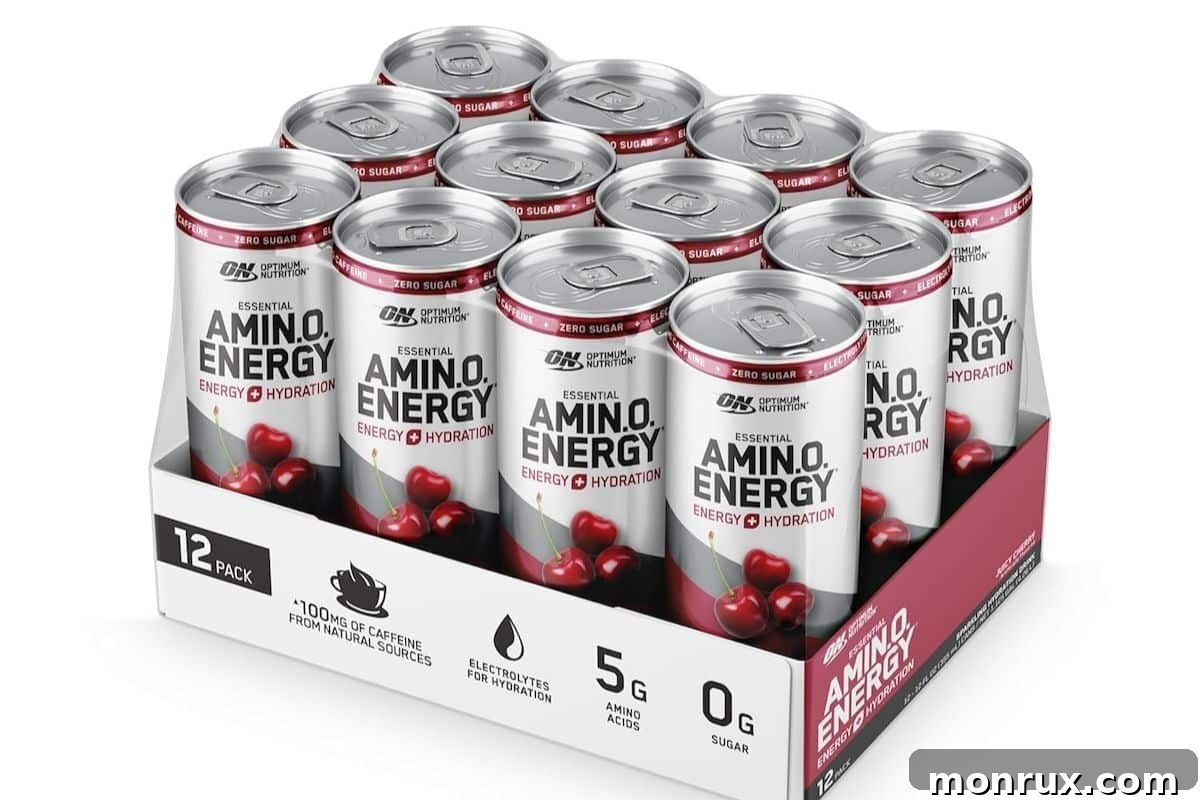
Welcome to an in-depth review where we explore the crucial question: Is Amino Energy Drink truly healthy for you? As a certified holistic nutritionist, I frequently encounter popular supplements like Optimum Nutrition’s Amino Energy, and it’s my mission to help you make informed choices. This article will meticulously break down the product’s nutritional profile, highlighting both its purported benefits and its often-overlooked drawbacks. We’ll dive deep into its ingredients, dissecting the nutrition pros and cons, and ultimately, present some significantly healthier alternatives for your energy and fitness needs.
My professional stance is clear: I do not consider Amino Energy to be a healthy product. This conclusion stems from its reliance on highly processed ingredients and artificial sweeteners, which can have detrimental effects on overall health and well-being. Join me as we uncover the facts behind this widely consumed supplement.
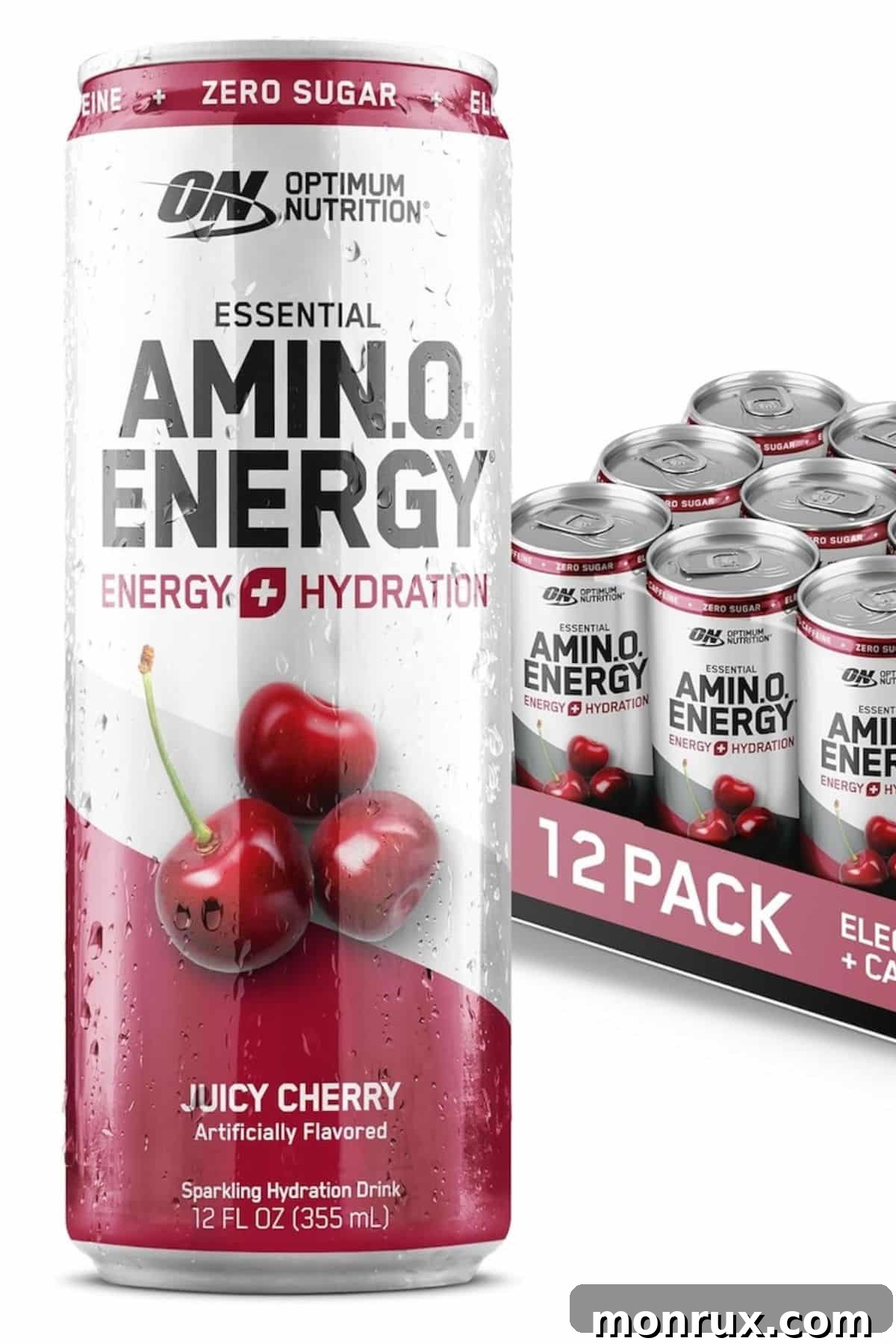
Table of Contents
Essential Amin.o Energy Facts
Optimum Nutrition’s Essential Amin.o Energy is a widely recognized dietary supplement, primarily marketed to individuals seeking a dual benefit: an energy boost and effective amino acid replenishment. Manufactured by Optimum Nutrition, a leading entity in the competitive sports nutrition landscape, this product stands alongside their extensive portfolio, which includes everything from protein powders and pre-workout formulas to various vitamins and health supplements.
This particular product is strategically formulated to cater to the demands of active lifestyles. Its target demographic spans professional athletes, dedicated fitness enthusiasts, and indeed, anyone in pursuit of a quick and convenient method to elevate their energy levels, enhance focus, and support muscle recovery processes. The brand promises a synergistic blend of vital amino acids, a controlled dose of caffeine, and other key ingredients designed to bolster physical performance and mental acuity.
Amino acids, fundamentally, are the building blocks of proteins. Their supplementation is a common practice among those aiming to build muscle mass, facilitate muscle repair, or generally enhance muscle growth and strength. Essential Amin.o Energy aims to deliver these benefits within a low-calorie, minimal-carbohydrate framework.
Upon reviewing the nutrition label, the product boasts moderate caffeine content, derived from a proprietary blend of natural sources such as green tea extract and coffee extract. It also includes essential amino acids crucial for muscle protein synthesis and recovery, notably L-leucine, L-isoleucine, and L-valine (often referred to as Branched-Chain Amino Acids or BCAAs). While these aspects might appear beneficial, a deeper inspection reveals the inclusion of potentially unhealthy, highly processed ingredients such as artificial flavors and colors, sucralose, xanthan gum, soy lecithin, and soy. These additions raise significant concerns from a holistic nutrition perspective.
Amino Energy Drinks are conveniently available in various sizes, typically 180g and 270g containers, offering a diverse array of flavor options to suit consumer preferences.
Main Ingredients Breakdown
To provide a clear understanding of what goes into this popular energy drink, let’s examine the ingredient list for a common flavor, such as cherry, at the time of this comprehensive review. Understanding each component is vital for assessing the product’s overall health implications.
- Carbonated water
- Amino blend (L-Threonine, L-Leucine, L-Citrulline, L-Theanine, Sustamine L-Alanyl-L-Glutamine, Micronized Taurine, L-Lysine Hydrochloride)
- Natural and artificial flavors
- Citric acid
- Malic acid
- Caffeine (100 mg of caffeine per serving)
- Potassium sorbate
- Sodium benzoate
- Sucralose
- Acesulfame potassium
- Electrolytes: (Sodium citrate, Magnesium phosphate, Potassium chloride)
Now, let’s delve into some of these main ingredients, exploring their nature and what they signify for your health, moving beyond surface-level claims.
Natural Flavors: A Closer Look
The label “natural flavors” on food products often leads to significant consumer confusion, primarily due to the regrettable lack of a universally clear and precise definition for what genuinely constitutes “natural.” This definitional ambiguity allows manufacturers considerable leeway, enabling them to classify a wide spectrum of ingredients as natural, even when certain components or processing methods used in their creation might be far from what most consumers would consider healthy or whole.
In the case of Essential Amin.o Energy, the nutrition label conspicuously omits specifics regarding the exact source or the extraction process of its so-called natural flavors. This lack of transparency is a major red flag. Without explicit disclosure, there’s no guarantee that the manufacturer hasn’t resorted to synthetic chemicals or otherwise unhealthy methods during the flavor production process. For instance, many “natural” flavors are created through complex enzymatic reactions or fermentation processes that can involve solvents and high heat, none of which are typically disclosed to the consumer as they’re often deemed “incidental additives.”
Furthermore, without a rigorously standardized definition of “natural,” the door is left open for ingredients derived from genetically engineered crops to be labeled as natural. This can be particularly concerning for individuals who actively seek to avoid GMOs for health or ethical reasons. Another critical issue is the potential presence of undisclosed allergens. Some natural flavors may contain common allergens, such as sesame, yet current regulations often do not obligate manufacturers to explicitly list these on the label. This omission poses significant health risks for individuals with allergies or sensitivities, potentially leading to severe reactions.
This overarching lack of transparency underscores a pressing need for more stringent regulations and precise labeling practices. Such reforms are essential not only to ensure consumer safety but also to empower individuals to make truly informed choices about the products they consume, rather than relying on vaguely defined terms.
The Concerns with Artificial Flavors
Beyond natural flavors, Essential Amin.o Energy also incorporates artificial flavors, which present an even clearer set of health concerns. Artificial flavors are meticulously engineered chemical compounds, heavily processed and designed to mimic specific tastes. Unlike their natural counterparts, which can at least originate from plant or animal sources, artificial flavors are entirely synthetic.
Their consumption is frequently associated with various health risks, largely attributed to their potential toxicity and the complex chemical cocktail they represent. These synthetic compounds are known to trigger or exacerbate food sensitivities and allergies in many individuals. Depending on the intricate manufacturing processes involved, artificial flavors can also contain harmful substances, including residual solvents and byproducts that are not intended for human consumption but may linger in the final product.
The most alarming aspect of artificial flavors is the palpable lack of robust oversight from regulatory bodies. This regulatory gap makes it exceedingly difficult for average consumers to fully comprehend the safety profile of these additives. Without more rigorous testing, clear labeling, and stricter enforcement, individuals are left largely in the dark, unable to ascertain the long-term impact of consuming these synthetic chemicals. This situation unequivocally highlights the urgent necessity for more precise and comprehensive regulations to genuinely safeguard the safety and integrity of our food supply.
Sucralose: The Artificial Sweetener Debate
Sucralose, perhaps one of the most controversial ingredients in Essential Amin.o Energy, is a synthetic artificial sweetener renowned for being highly processed and notably chlorinated. Despite receiving approval from regulatory bodies like the FDA as a food additive, a persistent and growing debate surrounds its potential long-term health effects. For a significant and increasing number of health-conscious individuals, sucralose is an ingredient they actively choose to avoid, opting for more natural sugar alternatives.
While sucralose boasts an impressive sweetness level—approximately 600 times greater than that of ordinary sugar, meaning only minute quantities are needed for sweetening—the implications of prolonged and regular consumption are increasingly being questioned. Emerging research suggests that ingesting sucralose may be associated with various adverse health outcomes, including systemic toxicity and chronic inflammation within the body. These inflammatory responses can contribute to a cascade of health issues over time.
Furthermore, this non-nutritive sweetener is increasingly implicated in metabolic dysfunction. Studies indicate that sucralose may play a role in the development or exacerbation of obesity and type 2 diabetes, contradicting the common perception that artificial sweeteners are a ‘diet-friendly’ choice. Perhaps one of its most concerning impacts is on gut health. Sucralose has been shown to disrupt the delicate balance of the body’s gut microbiome, specifically by reducing beneficial gut bacteria. This imbalance can lead to a host of significant digestive issues, compromise nutrient absorption, and negatively affect immune function.
Given these accumulating concerns, for individuals who continue to consume foods or beverages containing sucralose, it is strongly recommended that they do so with extreme moderation or, ideally, consider complete avoidance to mitigate potential health risks and support long-term well-being.
Citric Acid: Friend or Foe?
Citric acid, a compound that occurs naturally in citrus fruits, is widely valued as an effective flavor enhancer, lending a tangy, refreshing zest to a vast array of food products, including Essential Amin.o Energy. While naturally occurring citric acid is generally considered safe and even beneficial in its whole-food form, the citric acid used in industrial food production is often a different beast altogether. This manufactured version is typically produced through the fermentation of a sugar source by the black mold Aspergillus niger.
A significant concern arises from the fact that its extraction and subsequent usage in manufacturing processes are not as rigorously regulated as one might expect. This lack of strict oversight raises pertinent questions about the safety of the production methods employed across numerous food and beverage products containing this additive. Residues from the mold, or impurities from the fermentation process, could potentially make their way into the final product, leading to sensitivities in some individuals.
Beyond potential manufacturing impurities, while citric acid undoubtedly contributes a pleasant tangy taste, its inherent corrosive nature can lead to adverse effects with prolonged or excessive consumption. Specifically, it may contribute to dental issues, including erosion of tooth enamel and increased sensitivity. For regular consumers of products like Amino Energy, the cumulative exposure to manufactured citric acid warrants consideration for dental health and potential internal sensitivities.
Xanthan Gum: A Common Thickener
Xanthan gum serves as a popular and versatile thickening and stabilizing agent in the food industry, used to improve texture and consistency in everything from salad dressings to certain beverages like Essential Amin.o Energy. It can be derived from the bacterial fermentation of sugars (typically by the bacterium Xanthomonas campestris) or, less commonly, produced synthetically. The resulting gum creates a viscous solution that prevents ingredients from separating and gives products a desirable mouthfeel.
While xanthan gum is generally recognized as safe (GRAS) by regulatory bodies for human consumption, concerns arise when it is consumed in significant or excessive quantities. High intake of xanthan gum has been linked to digestive discomfort in some individuals. This can manifest as bloating, gas, and even diarrhea, particularly for those with sensitive digestive systems or underlying gastrointestinal conditions. Its bulking properties can contribute to increased stool volume and altered gut transit time.
Therefore, while not as overtly problematic as some other additives, individuals who are mindful of their digestive health or who experience symptoms of discomfort might consider using products containing xanthan gum in moderation. Paying attention to how your body reacts to such additives is always a prudent approach to maintaining optimal health.
Red 40: Potential Health Risks
Red 40, an ubiquitous artificial food colorant, is a prominent ingredient in many processed foods and beverages, including certain flavors of Amino Energy. This vivid dye contains benzidine, a compound that is unequivocally classified as a known human and animal carcinogen. Despite this alarming fact, the FDA continues to deem Red 40 safe for consumption, but only in what they consider “smaller quantities.” This regulatory stance often leaves consumers wondering about the cumulative effects of frequent exposure.
However, scientific research continues to raise serious red flags. At least one significant study has linked red food dye to bowel disease, suggesting potential adverse impacts on gastrointestinal health. Furthermore, extensive research has explored and continues to investigate potential connections between red food dye and Attention-Deficit Hyperactivity Disorder (ADHD) in children, with some studies showing exacerbation of symptoms. This is a particularly sensitive area, as children are often more susceptible to the effects of artificial additives.
Beyond these specific links, scientific evidence also suggests that red food dye may pose broader health risks. It has been theorized to potentially deplete essential micronutrients like iron and zinc, both of which are critical for robust physical development, cognitive function, and immune system health. Moreover, Red 40 is understood to induce chemical changes within the brain, potentially leading to increased hypersensitivity, systemic inflammation, and a propensity for allergic reactions in a subset of the population.
Given the weight of these concerns, it is strongly advisable to avoid consuming this ingredient entirely, or at the very least, to use it with extreme caution. This recommendation is especially pertinent when considering the health and well-being of children, who are more vulnerable to such additives.
Yellow 5 and 6: More Than Just Color
Following in the footsteps of Red 40, artificial colorants Yellow 5 (Tartrazine) and Yellow 6 (Sunset Yellow) also raise significant health concerns. Both dyes, like Red 40, contain benzidine, a known carcinogen, which the FDA controversially deems safe in minimal quantities. Adding to the concern, Yellow 6 specifically contains 4-amino-biphenyl, another compound with documented carcinogenic properties, intensifying questions about its safety profile.
Considering the presence of these well-documented carcinogenic components, individuals are entirely justified in questioning the overall safety of ingesting these synthetic additives, regardless of the quantity. The cumulative effect of these compounds over time, particularly with regular consumption, remains a critical area of concern not fully addressed by current regulatory standards.
Compounding these worries, one particular study has notably indicated that Yellow 5 can induce DNA damage in human blood cells. This finding is particularly alarming, as DNA damage is a precursor to a range of serious health issues, including cancer. Such evidence further amplifies concerns regarding the potential negative health effects of these widely used artificial colorants. As with Red 40, a precautionary principle suggests minimizing or eliminating exposure to these artificial dyes for optimal long-term health, especially in the context of children’s diets.
Carrageenan: A Controversial Additive
Carrageenan is a common food additive extracted from red seaweed, widely employed in the food and beverage industry as a thickening, emulsifying, and stabilizing agent. It contributes to a desirable texture and prevents ingredient separation in many processed products, including some energy drinks or supplements. However, despite its widespread use, carrageenan remains a highly debated ingredient within scientific and health communities due to emerging concerns about its potential impact on human health.
Numerous studies have suggested that carrageenan, particularly its degraded form (poligeenan), may induce a significant inflammatory response within the digestive tract. This inflammation can contribute to and exacerbate various gastrointestinal issues. Common symptoms reported by sensitive individuals after consuming carrageenan include bloating, excessive gas, abdominal discomfort, and a worsening of irritable bowel syndrome (IBS) symptoms. It’s believed to trigger immune responses that lead to gut lining damage and increased intestinal permeability.
While the overall safety of food-grade carrageenan (undegraded) continues to be debated by regulatory bodies, and some argue it is safe in small amounts, the accumulating evidence and anecdotal reports from individuals with GI sensitivities are difficult to ignore. Consequently, individuals with pre-existing gastrointestinal conditions, those who experience digestive upset after consuming processed foods, or anyone actively seeking to minimize their exposure to potentially harmful food additives, might prudently choose to avoid products containing carrageenan or consume them with extreme moderation.
Nutrition Pros of Amino Energy
Despite the concerns regarding its processed ingredients, Essential Amin.o Energy does offer some specific advantages that appeal to its target demographic. One notable positive is its declaration as GMO-free, which aligns with the preferences of many health-conscious consumers seeking to avoid genetically modified organisms in their diet.
More significantly, the product contains a beneficial blend of BCAAs (branched-chain amino acids), specifically L-leucine, L-isoleucine, and L-valine. These essential amino acids play a crucial and scientifically recognized role in human health and fitness, particularly for individuals engaged in regular physical activity. BCAAs are well-known for their capacity to help reduce muscle soreness and mitigate exercise-induced fatigue, significantly aiding in faster and more efficient recovery post-workout. By supporting muscle repair and regeneration, they help individuals return to their training routines sooner and with less discomfort.
Furthermore, BCAAs may also contribute positively to weight loss efforts. Research suggests that they can assist by promoting fat metabolism and helping to preserve lean muscle mass during periods of calorie restriction. Maintaining muscle mass is vital for a healthy metabolism and body composition, making BCAAs a valuable component for those on a weight management journey. The inclusion of caffeine also provides an immediate energy boost and can enhance focus, which many users find beneficial for pre-workout or during periods of low energy.
Nutrition Cons of Amino Energy
When assessing the overall health implications of Essential Amin.o Energy, the cons significantly outweigh the pros from a holistic nutrition standpoint. The primary concern revolves around the inclusion of several highly processed and potentially unhealthy ingredients that have been linked to various health problems and negative side effects. These include:
- Sucralose and Acesulfame Potassium: These artificial sweeteners can disrupt gut health, potentially contribute to metabolic dysfunction, and have been linked to inflammation.
- Artificial Flavorings: As discussed, these synthetic chemicals lack transparency and can pose toxicity risks and trigger sensitivities.
- Artificial Food Colorings (e.g., Red 40, Yellow 5 & 6): These dyes contain known carcinogens and have been associated with issues ranging from ADHD in children to DNA damage and chronic inflammation.
- Carrageenan: This additive can induce gastrointestinal inflammation and contribute to digestive discomfort in sensitive individuals.
Beyond these additives, the product also contains a notable amount of caffeine (100 mg per serving). While caffeine offers energy-boosting effects, this level can be problematic for individuals with caffeine sensitivities, leading to undesirable side effects such as jitters, anxiety, increased heart rate, and disrupted sleep patterns. For those with underlying medical conditions, such as cardiovascular issues or anxiety disorders, regular consumption of this amount of caffeine could pose significant health risks. It is always prudent to speak to your healthcare provider for personalized medical advice before incorporating any new supplement, especially one containing significant stimulants or artificial ingredients.
Nutrition FAQs About Amino Energy
For individuals managing diabetes or adhering to specific dietary restrictions, products like Essential Amin.o Energy require careful consideration. While it may not instantly cause severe health problems, the long-term consumption of products containing sucralose, an artificial sweetener, can have concerning implications for blood sugar regulation and metabolic health. Despite being non-caloric, studies suggest that artificial sweeteners can still influence insulin response and disrupt the gut microbiome, potentially affecting glucose metabolism and contributing to insulin resistance over time. For people with diabetes, this can complicate blood sugar management and may negate the perceived benefits of a “sugar-free” product. Always consult with a doctor or registered dietitian to determine if such products align with your specific health needs and dietary requirements.
Teenagers interested in using Essential Amin.o Energy for strength training should generally be advised against it, and parents must thoughtfully consider the potential risks involved. The supplement industry, including products like Essential Amin.o Energy, is not regulated with the same stringent oversight as pharmaceutical drugs. This lack of strict regulation can lead to inconsistencies in product quality, undisclosed ingredients, and varying safety profiles, making it difficult to ascertain the true impact on a developing adolescent body.
A primary concern for adolescents is the caffeine content in Essential Amin.o Energy. For young, developing bodies, excessive caffeine intake can lead to a range of adverse health effects, including an increased heart rate, heightened anxiety, nervousness, jitters, digestive upset, and significant disruption to sleep patterns. Adequate sleep is crucial for hormonal balance, muscle repair, and overall growth in teenagers. Furthermore, relying on supplements might overshadow the fundamental importance of a well-balanced, nutrient-dense diet and consistent, proper exercise as the cornerstones of strength building and muscle mass development. These natural approaches provide sustainable benefits without the associated risks of artificial additives and stimulants. Before allowing your son to use Essential Amin.o Energy or any other dietary supplement, it is absolutely essential to consult with a healthcare professional or a certified nutritionist to ensure it aligns with his overall health and fitness goals and to rule out any potential contraindications.
Instead of relying on processed supplements like Essential Amin.o Energy, you can significantly boost your amino acid intake through a wide variety of whole, nutrient-dense foods. These foods provide not only a complete spectrum of essential amino acids but also a wealth of vitamins, minerals, fiber, and antioxidants that contribute to overall health without the drawbacks of artificial ingredients. Excellent sources include:
- Lean Meats: Chicken breast, turkey, lean cuts of beef, and pork are rich in all essential amino acids, particularly important for muscle growth and repair.
- Fish and Seafood: Salmon, tuna, cod, shrimp, and other seafood provide high-quality protein and beneficial omega-3 fatty acids.
- Eggs: Often referred to as nature’s perfect protein, eggs contain all nine essential amino acids in optimal ratios, making them highly bioavailable.
- Dairy Products: Milk, Greek yogurt, cottage cheese, and whey protein from dairy sources are excellent for muscle protein synthesis and recovery.
- Legumes: Lentils, beans (black beans, kidney beans, chickpeas), and peas are fantastic plant-based protein sources, especially when combined to form complete proteins.
- Nuts and Seeds: Almonds, walnuts, chia seeds, flax seeds, pumpkin seeds, and hemp seeds offer protein, healthy fats, and fiber.
- Whole Grains: Quinoa (a complete protein), oats, and brown rice contribute to amino acid intake while providing complex carbohydrates for sustained energy.
- Soy Products: Tofu, tempeh, and edamame are complete plant-based protein sources, versatile for various meals.
- Leafy Greens and Vegetables: While lower in total protein, spinach, broccoli, and other vegetables contribute to your daily amino acid needs and offer crucial micronutrients.
For protein-rich drink options, consider wholesome choices like organic cow’s milk, unsweetened soy milk, almond milk, or smoothies blended with Greek yogurt, natural protein powders (like grass-fed whey or plant-based pea protein), and fresh fruits and vegetables. Incorporating a diverse range of these natural, whole foods into your diet ensures a balanced and healthy intake of essential amino acids, supporting your body’s needs more effectively and safely than highly processed supplements.
Explore More Energy Drink Reviews
Conclusions: Is Amino Energy Right For You?
In conclusion, while Essential Amin.o Energy is widely marketed as a convenient and effective supplement for individuals looking to enhance their energy levels, improve workout performance, and support post-exercise recovery, a holistic nutritional assessment reveals significant concerns. The product does indeed contain beneficial branched-chain amino acids and a caffeine blend that can provide an immediate boost, which may appeal to those seeking quick results.
However, these potential benefits are overshadowed by the inclusion of several unhealthy, highly processed ingredients. The presence of artificial flavors and colors, synthetic sweeteners like sucralose, thickening agents like xanthan gum, and controversial additives like carrageenan are major red flags. These components have been linked to a range of potential health problems, from digestive issues and inflammatory responses to concerns about carcinogens and metabolic disruption.
For optimal health and sustainable energy, it is consistently recommended to prioritize more natural and whole food sources of amino acids and stimulants. These alternatives provide comprehensive nutritional support without the risks associated with high levels of caffeine and potentially harmful artificial ingredients found in products like Essential Amin.o Energy. Making informed choices about what you consume is paramount for long-term well-being and peak performance.
Don’t forget to join my newsletter list to get exclusive clean eating recipes and tips. The newsletter is 100% free with no spam; unsubscribe anytime.
About the Author: Carrie Forrest has a master’s degree in public health with a specialty in nutrition and is a certified holistic nutritionist. She is a top wellness and food blogger with over 5 million annual visitors to her site. Carrie has an incredible story of recovery from chronic illness and is passionate about helping other women transform their health. Send her a message through her contact form.
Note: this post is for informational purposes only and is not intended as medical advice. Please consult your healthcare provider for recommendations related to your individual situation.