Ashwagandha for PCOS: Unlocking Natural Support for Hormonal Balance and Symptom Management
Polycystic Ovary Syndrome (PCOS) is a prevalent and complex hormonal disorder affecting millions of women globally. Characterized by a challenging array of symptoms—from irregular menstrual cycles and elevated androgen levels to insulin resistance and difficulties with weight management—PCOS can significantly impact a woman’s physical and emotional well-being. As more women seek holistic approaches to complement conventional medical treatments, traditional herbs like ashwagandha have emerged as a subject of considerable interest and growing research.
In this comprehensive article, we will delve into the multifaceted ways ashwagandha may support women with PCOS, exploring its potential to alleviate common symptoms and promote overall health. We’ll examine the scientific understanding behind this revered Ayurvedic herb and discuss why it might be a valuable and natural addition to your PCOS management strategy.
What is Ashwagandha? A Traditional Herb with Modern Promise
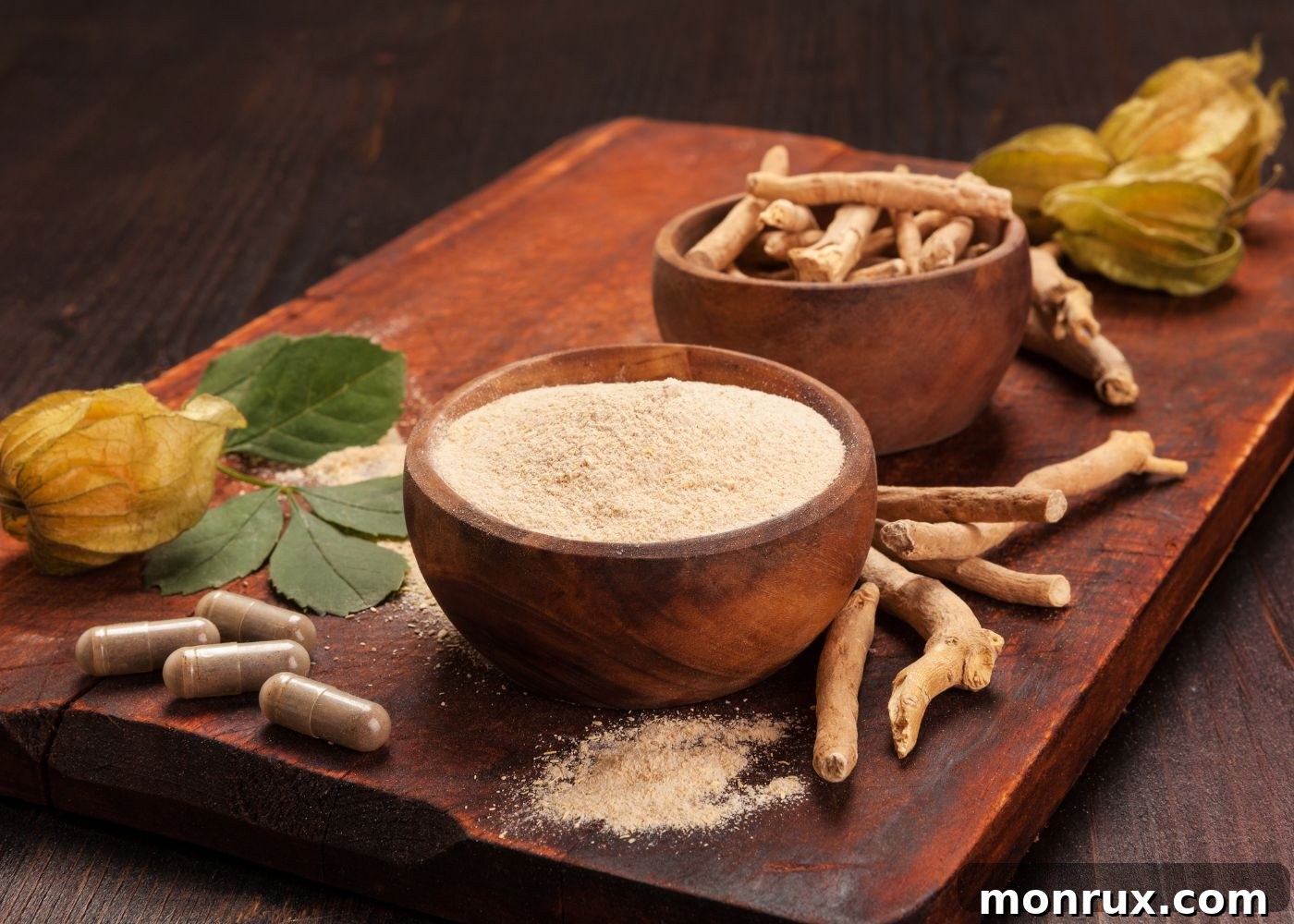
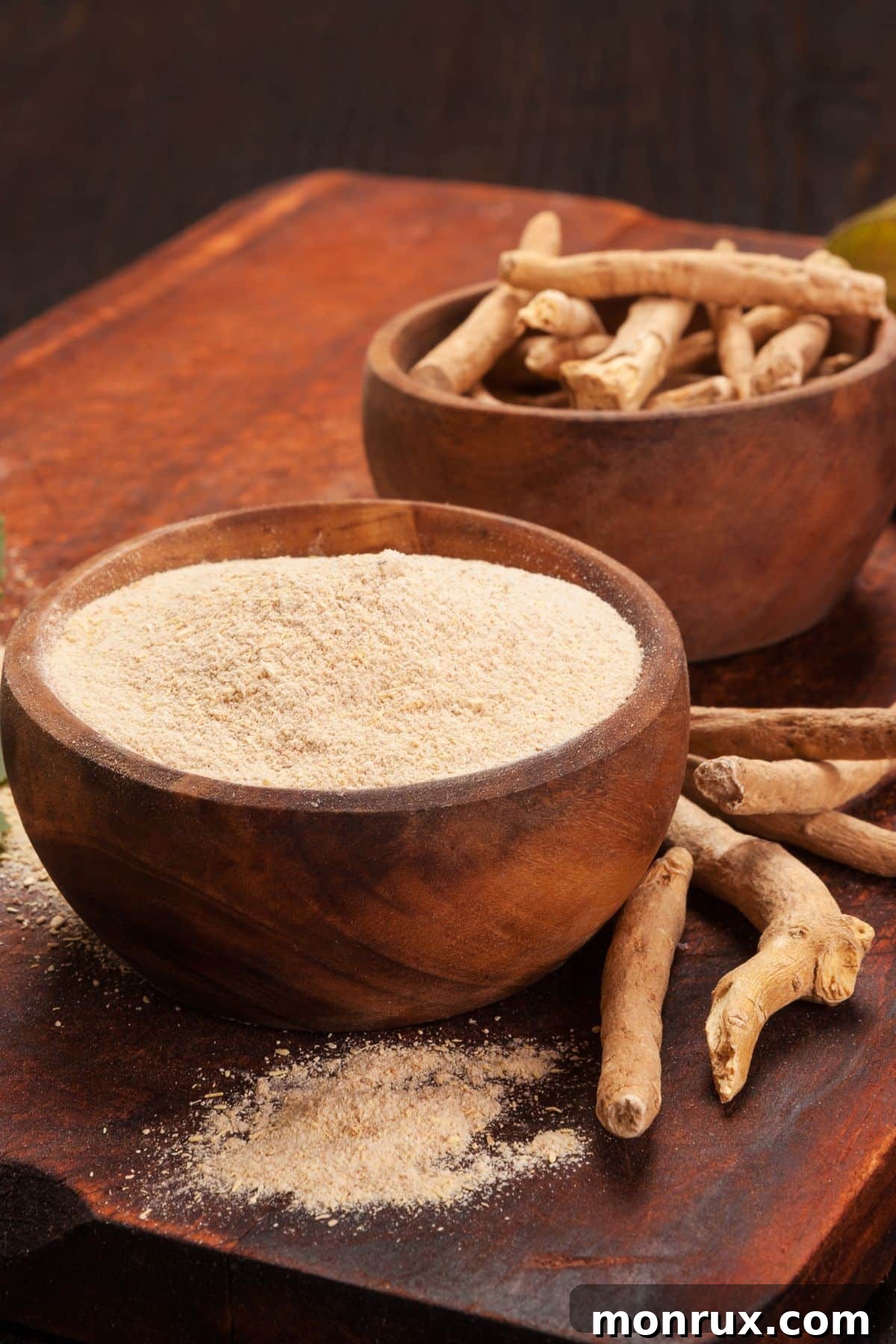
Ashwagandha (Withania somnifera) is a cornerstone herb in traditional Ayurvedic medicine, an ancient Indian system of natural healing. Often referred to as “Indian ginseng” or “winter cherry,” this powerful botanical is primarily sourced from the root of the ashwagandha plant, which is native to India and parts of Southeast Asia. Its therapeutic benefits are typically delivered through extracts or powders.
The remarkable healing properties of ashwagandha are largely attributed to a unique group of naturally occurring compounds known as withanolides. These bioactive steroids are thought to underpin many of the herb’s health-promoting effects. Beyond its specific compounds, ashwagandha is widely recognized for its adaptogenic qualities. An adaptogen is a natural substance that helps the body adapt to various forms of stress—whether physical, chemical, or biological—thereby promoting balance and resilience within the endocrine, nervous, and immune systems. For individuals managing a complex condition like PCOS, these adaptogenic properties offer a compelling avenue for potential symptom relief and improved systemic health.
While the interest in ashwagandha’s role in women’s health, particularly in the context of PCOS, is rapidly expanding, it is important to acknowledge that scientific research is still advancing. Early studies show promising indications, but further comprehensive clinical trials are continuously underway to establish conclusive evidence regarding its specific efficacy for PCOS symptoms. As with any significant change to your health regimen, always consult with your healthcare provider before incorporating ashwagandha or any new supplement into your routine.
Table of Contents
Potential Benefits of Ashwagandha for PCOS
Ashwagandha’s reputation as a powerful adaptogen stems from its wide array of potential health benefits, many of which are particularly relevant for women navigating the complexities of Polycystic Ovary Syndrome. Let’s explore six key areas where ashwagandha may offer significant support, potentially alleviating symptoms and improving overall well-being.
1. Promoting Hormonal Balance
One of the defining and most challenging characteristics of PCOS is hormonal imbalance, which can manifest in various ways across the body’s endocrine system. Many women with PCOS commonly experience elevated levels of:
- High Prolactin: This hormone, typically associated with breast milk production, can interfere with the normal ovulatory cycle and menstrual regularity when present in excessive amounts outside of pregnancy.
- Elevated Testosterone: Increased androgen levels, particularly testosterone, are a primary cause of common PCOS symptoms such as hirsutism (excessive body or facial hair growth), persistent acne, and androgenic alopecia (pattern hair loss).
- Luteinizing Hormone (LH) Imbalance: While crucial for triggering ovulation, an excessively high ratio of LH to Follicle-Stimulating Hormone (FSH) can disrupt healthy ovarian function and contribute to anovulation.
- Reduced Sex Hormone-Binding Globulin (SHBG): SHBG is a protein that binds to sex hormones, making them inactive. Low levels of SHBG mean more free, biologically active testosterone circulates in the bloodstream, intensifying androgenic symptoms.
These intricate hormonal disruptions collectively contribute to a cascade of issues for women in their reproductive years, including irregular periods, anovulation (the absence of ovulation), difficulties with conception, and visible androgenic symptoms. The precise origin of these imbalances—whether stemming from the ovaries, adrenal glands, or the brain’s hypothalamic-pituitary axis—is often complex, yet their daily impact is undeniable.
Encouragingly, several studies suggest ashwagandha may play a significant role in restoring hormonal equilibrium. For instance, research in 2018 indicated that ashwagandha could help normalize levels of thyroid-stimulating hormone (TSH) in individuals with subclinical hypothyroidism. This finding is particularly pertinent given that thyroid dysfunctions frequently co-exist with PCOS. When thyroid function is compromised, SHBG levels can drop, leading to an increase in free testosterone—a common and problematic feature of PCOS.
Further investigations involving women during perimenopause also highlighted ashwagandha’s ability to support hormone balance, with participants showing significantly increased estrogen levels after a period of supplementation. Beyond its direct effects on hormone levels, ashwagandha indirectly contributes to overall hormonal health by significantly improving sleep quality. Adequate and restorative sleep is a fundamental pillar of optimal endocrine function. Studies have shown that daily ashwagandha intake not only enhances sleep quality but can also boost mental alertness and cognitive function upon waking. By mitigating stress and fostering better sleep, ashwagandha offers a crucial, indirect pathway towards achieving and maintaining hormonal harmony.
2. Enhancing Insulin Sensitivity
Insulin resistance is a pervasive metabolic dysfunction affecting a significant majority of women with PCOS, often regardless of their body weight. This condition occurs when the body’s cells become less responsive to insulin, the vital hormone responsible for regulating blood sugar levels. In response to this cellular resistance, the pancreas is forced to work harder, producing excessive amounts of insulin in an attempt to maintain normal blood glucose levels. This state of chronically high insulin is known as hyperinsulinemia.
Under normal physiological conditions, after a meal, insulin levels rise, signaling cells in the muscles and liver to absorb glucose from the bloodstream for energy. Consequently, blood sugar levels fall, and insulin returns to baseline. However, with insulin resistance, this intricate process is impaired. The body’s constant struggle to overcome cellular resistance leads to persistently high insulin levels, creating a metabolic imbalance.
Chronic hyperinsulinemia is profoundly detrimental. It is a major precursor to the development of type 2 diabetes when the pancreas eventually loses its capacity to produce the necessary high levels of insulin. More specifically for PCOS, elevated insulin levels directly disrupt ovulation, severely impacting fertility, and also stimulate the ovaries to produce excessive amounts of testosterone, thereby exacerbating many androgenic symptoms.
Ashwagandha has been extensively investigated for its potential antidiabetic effects and has demonstrated encouraging results in improving insulin sensitivity. A notable study conducted on rats revealed that ashwagandha supplementation could effectively decrease elevated blood sugar and insulin levels. Experts concluded that the herb could be a valuable supplementary intervention for the prevention of diabetic complications. Other human research further supports its ability to help stabilize blood sugar levels in both individuals with and without a diagnosis of diabetes.
While ashwagandha shows significant promise, it is crucial to underscore that comprehensive lifestyle interventions remain paramount in managing insulin resistance. A holistic approach that integrates a nutrient-dense diet—such as an anti-inflammatory PCOS diet—and regular physical activity is absolutely fundamental. These lifestyle adjustments are clinically proven to enhance insulin sensitivity, facilitate weight management, and significantly improve a wide range of PCOS symptoms, irrespective of their underlying cause. Ashwagandha acts as a powerful support, not a replacement, for these foundational health practices.
3. Stress and Cortisol Reduction
The intricate connection between chronic stress and PCOS is well-documented; persistent psychological or physiological stress can significantly worsen PCOS symptoms and exacerbate existing hormonal imbalances. This connection is primarily mediated by the adrenal glands’ heightened production of cortisol, often dubbed the “stress hormone” or the primary hormone of the “fight-or-flight” response.
Cortisol plays a vital role in enabling our bodies to react quickly to perceived hazardous situations or high-pressure demands (e.g., looming work deadlines, significant life changes like moving house). However, when cortisol levels remain chronically elevated due to ongoing stress, the body enters a state of prolonged physiological alert. This chronic exposure to high cortisol can lead to a cascade of negative effects throughout the body, with particular relevance to PCOS due to its direct impact on androgen production and overall endocrine system disruption.
As a renowned adaptogen, ashwagandha excels at helping the body manage and adapt to stress. It achieves this by modulating the stress response system, specifically the hypothalamic-pituitary-adrenal (HPA) axis, thereby reducing the negative physiological and psychological impacts of stress. Its effectiveness in this regard is supported by multiple robust scientific investigations.
A comprehensive study review highlighted ashwagandha’s capacity to block stress pathways, significantly reduce anxiety, and improve sleep disorders. Similar positive outcomes were reported in a 6-week placebo-controlled study, where participants experienced notable reductions in stress and anxiety. Furthermore, research involving 60 participants found that nearly 70% experienced a noticeable reduction in their anxiety levels and insomnia after consistent ashwagandha supplementation. A study published in the Journal of Evidence-Based Complementary and Alternative Medicine further confirmed ashwagandha’s potential to help lower serum cortisol levels, offering tangible physiological relief from the burden of chronic stress.
By effectively mitigating chronic stress and moderating excessive cortisol production, ashwagandha offers a crucial supportive role in managing PCOS, potentially alleviating symptoms that are known to be exacerbated by the stress response, thereby fostering a calmer internal environment conducive to healing.
4. Anti-Inflammatory Support
Systemic low-grade inflammation is increasingly recognized as a fundamental component and an exacerbating factor in many cases of Polycystic Ovary Syndrome. Clinical blood tests frequently reveal that women with PCOS tend to have higher levels of various inflammatory markers, such as C-reactive protein (CRP), compared to individuals without the condition. This chronic inflammation is not merely a symptom but a significant contributor to insulin resistance, hormonal imbalances, and other metabolic disturbances commonly observed in PCOS, creating a vicious cycle that perpetuates the syndrome.
Fortunately, ashwagandha possesses potent anti-inflammatory properties, largely attributed to its key bioactive compound, Withaferin A (WA). WA is a powerful agent believed to help reduce the levels and activity of pro-inflammatory proteins (cytokines) within the body. This theory was supported by a 2021 study, which observed WA’s role in modulating inflammatory responses, including a reduction in interleukin-10 (IL-10), a pro-inflammatory marker, in specific contexts.
Beyond its direct impact on inflammatory proteins, ashwagandha has also demonstrated efficacy in reducing inflammation in individuals with various arthritic conditions, showcasing its broad anti-inflammatory potential. This extensive evidence suggests that by actively addressing and reducing chronic systemic inflammation, ashwagandha can play a crucial role in alleviating a wide range of symptoms associated with PCOS, thereby improving overall cellular health, metabolic function, and contributing to a more balanced internal environment.
5. Supporting Fertility and Ovulation
One of the most distressing and impactful aspects of PCOS for many women is the challenge of infertility, primarily stemming from irregular menstrual cycles and anovulation (the absence of ovulation). The hormonal chaos—including elevated androgens, pervasive insulin resistance, and heightened chronic stress—collectively creates an unfavorable physiological environment for regular follicular development, egg release, and successful conception.
While research into ashwagandha’s direct impact on female fertility and ovulation specifically in women with PCOS is still in its nascent stages, existing studies offer encouraging hints and suggest broader reproductive benefits. These investigations indicate that ashwagandha may be beneficial in addressing certain aspects of infertility in both women and men. Its mechanism of action in this context is likely multifaceted, arising from its ability to:
- Balance Reproductive Hormones: By helping to regulate key hormones involved in the menstrual cycle, ashwagandha can potentially create a more stable and conducive environment for healthy follicular development and the timely release of an egg.
- Reduce Oxidative Stress: Oxidative stress is a known culprit that can damage egg quality, impair uterine receptivity, and interfere with various reproductive processes. Ashwagandha’s potent antioxidant properties may help mitigate this cellular damage, thereby protecting reproductive health.
- Lower Stress and Cortisol: As extensively discussed, chronic stress profoundly impacts the hypothalamic-pituitary-adrenal (HPA) axis, which can, in turn, suppress the delicate balance of reproductive hormone production. By effectively reducing stress and moderating cortisol levels, ashwagandha supports a healthier and more functional reproductive endocrine system, which is crucial for fertility.
By promoting overall reproductive health through these systemic mechanisms, ashwagandha may enhance the likelihood of regular ovulation and ultimately improve the chances of conception for women with PCOS. However, it is vital to emphasize that more targeted, large-scale, and extensive clinical research is needed to fully ascertain its specific efficacy and optimal application as a fertility aid for women actively trying to conceive with PCOS. Always consult with a fertility specialist or healthcare provider when addressing fertility concerns.
6. Aiding Weight Management
Weight gain, particularly around the abdominal area, is a common and often frustrating symptom for many women with PCOS. This persistent difficulty in losing weight is strongly linked to the metabolic disturbances inherent in the syndrome, primarily insulin resistance. However, ashwagandha’s broader systemic benefits can indirectly yet significantly contribute to more effective weight management strategies for individuals with PCOS.
Consider the profound impact of chronic stress on body composition: extensive research indicates that persistent stress in women with PCOS can significantly alter body composition. High cortisol levels, a hallmark of chronic stress, are well-known to promote the accumulation of visceral fat (deep abdominal fat, which is metabolically active and harmful) while simultaneously contributing to muscle loss. Since muscle tissue is metabolically active and plays a crucial role in overall calorie burning and metabolic health, its loss can hinder weight management efforts. Because ashwagandha effectively helps lower cortisol levels, it can mitigate these adverse effects on body composition, making weight loss and body recomposition efforts more fruitful.
Furthermore, as previously detailed, ashwagandha’s proven ability to combat insulin resistance is directly and significantly relevant to weight management. Improved insulin sensitivity means the body can utilize glucose more efficiently for energy, rather than storing it as fat. This reduction in the constant fat-storage signals sent by high insulin levels can lead to better fat metabolism, a reduced tendency for weight gain, and facilitate sustainable weight loss.
Therefore, by addressing crucial underlying factors such as chronic stress and pervasive insulin resistance, ashwagandha offers a powerful supportive role within a comprehensive weight management strategy for women with PCOS. It works synergistically with foundational dietary and exercise interventions, enhancing their effectiveness and contributing to better overall metabolic health and body composition.
Ashwagandha and PCOS FAQs
Ashwagandha is generally considered safe for most healthy adults when used in moderation for short to medium durations. However, certain individuals should exercise caution or avoid it entirely. It is not recommended for pregnant or breastfeeding women due to insufficient safety data. Individuals with autoimmune conditions (such as rheumatoid arthritis, lupus, or type 1 diabetes), thyroid disorders (especially hyperthyroidism due to potential thyroid stimulation), liver issues, or those scheduled for surgery should avoid ashwagandha. It can also interact with certain medications, including sedatives, immunosuppressants, thyroid hormones, and drugs for diabetes or high blood pressure. Given the limited long-term safety research, most healthcare professionals advise a use period of up to 3 months. Always consult a healthcare provider before starting any new supplement, particularly if you have an existing medical condition like PCOS.
Ashwagandha is available in various forms, including capsules, powders, and teas. The typical dosage often ranges from 300 mg to 600 mg of a standardized extract, usually taken once or twice daily. However, the precise dosage can differ significantly based on the product’s concentration, form (e.g., raw powder vs. extract), and specific health goals. Since herbal supplements are not regulated by the FDA with the same stringency as pharmaceuticals, it is crucial to carefully adhere to the instructions provided on the product label. More importantly, always seek personalized guidance from your healthcare provider or a qualified herbalist to determine the most appropriate dosage and form for your individual needs, and to ensure safe and effective usage, especially when targeting a specific condition like PCOS.
Yes, ashwagandha has the potential to interact with several classes of medications, which makes consultation with a healthcare professional essential. Due to its calming and sedative properties, it may enhance the effects of anti-anxiety medications and hypnotics, potentially leading to excessive drowsiness. It could also interfere with thyroid hormone medications, as it might stimulate thyroid function and increase thyroid hormone levels. Additionally, its immune-modulating effects mean it could interact with immunosuppressant drugs. Individuals taking blood sugar-lowering medications or blood pressure medications should use ashwagandha with caution, as it may further lower blood glucose or blood pressure, necessitating dosage adjustments. If you are currently on any prescription medication, a detailed discussion with your physician is crucial before considering ashwagandha supplementation to prevent potential adverse interactions and ensure your safety.
While ashwagandha demonstrates significant potential in alleviating many of the challenging symptoms associated with PCOS, it is important to clarify that it is not considered a “cure.” PCOS is a chronic, multifactorial condition influenced by a complex interplay of genetics, lifestyle, and environmental factors, and there is currently no known cure. Ashwagandha’s benefits lie in its ability to address several key contributing factors, such as balancing hormones, reducing cortisol levels, mitigating anxiety, improving insulin sensitivity, and combating inflammation. These effects can lead to a notable improvement in symptoms and overall quality of life. However, ashwagandha should always be viewed as a complementary therapy—a valuable component within a broader, comprehensive treatment plan that typically includes dietary modifications, regular exercise, stress management techniques, and, when necessary, conventional medical interventions. It works best as part of a holistic approach.
Ashwagandha is generally well-tolerated by most individuals, but like all supplements, it can cause side effects in some people. Common mild side effects may include digestive upset, such as stomach upset, diarrhea, or nausea, particularly at higher doses or when taken on an empty stomach. Some individuals might also experience drowsiness due to its calming effects. Additionally, since ashwagandha can potentially influence hormone levels and thyroid function, it may have specific side effects or contraindications in people with existing hormone-sensitive conditions or thyroid disorders. In rare cases, high doses have been linked to liver issues. Always start with a lower dose to assess your individual tolerance, and discontinue use if adverse reactions occur. Consulting your doctor before use is crucial to understand potential risks tailored to your specific health profile and to ensure it’s appropriate for you.
The timeframe for experiencing the benefits of ashwagandha can vary widely among individuals, depending on factors such as the specific dosage, the severity of symptoms being addressed, individual metabolism, and overall lifestyle. Some people may begin to notice improvements in stress levels, anxiety reduction, and sleep quality within a few weeks of consistent daily use. However, more profound physiological changes, such as significant improvements in hormone balance, insulin sensitivity, or visible PCOS symptoms like acne, hirsutism, or menstrual regularity, may take a longer period—typically several months (e.g., 2-3 months or more) to become apparent. Consistent and long-term adherence to the recommended regimen, combined with other healthy lifestyle practices, is often necessary to observe its full therapeutic potential. Patience and consistency are key to reaping the benefits of ashwagandha.
Explore More PCOS Resources!
Conclusion
For women living with Polycystic Ovary Syndrome, ashwagandha emerges as a compelling natural ally, offering a multifaceted approach to symptom management and improved quality of life. Its adaptogenic properties position it uniquely to support crucial areas such as hormonal balance, enhanced insulin sensitivity, significant reduction of chronic stress and cortisol levels, and beneficial anti-inflammatory effects. While still an area of active and ongoing research, its potential to aid fertility and assist in effective weight management further solidifies its role as a valuable complementary therapy.
It is crucial to remember, however, that ashwagandha is not a standalone “cure” for PCOS. The most effective and sustainable management strategy involves a holistic approach that robustly integrates lifestyle modifications—including a nutrient-rich, balanced diet, regular physical activity, and effective stress-reduction techniques—alongside personalized conventional medical guidance. Ashwagandha, when used thoughtfully and under professional advice, can powerfully augment these foundational efforts, helping to restore balance and alleviate symptoms.
Before initiating any ashwagandha regimen, a thorough and honest consultation with your healthcare provider is absolutely essential. This vital step ensures that it is appropriate for your individual health profile, helps determine the correct dosage, and allows for ongoing monitoring of your condition and progress. Empower yourself with informed choices, working collaboratively with your medical team to navigate your PCOS journey towards improved health and well-being.
Don’t forget to join our newsletter list for exclusive clean eating recipes and valuable wellness tips. Our newsletter is 100% free with no spam; you can unsubscribe anytime.
About the Author
Carrie Forrest holds a Master’s degree in Public Health with a specialization in Nutrition and is a Certified Holistic Nutritionist. As a prominent wellness and food blogger, her website attracts over 5 million visitors annually. Carrie’s inspiring personal journey of recovery from chronic illness fuels her passion for empowering other women to transform their health. You can connect with her directly via her contact form.
Disclaimer: This article is provided for informational purposes only and does not constitute medical advice. Please consult with your healthcare provider for personalized recommendations regarding your specific health condition, diagnosis, and treatment plan. Always seek the advice of a qualified health professional with any questions you may have regarding a medical condition.