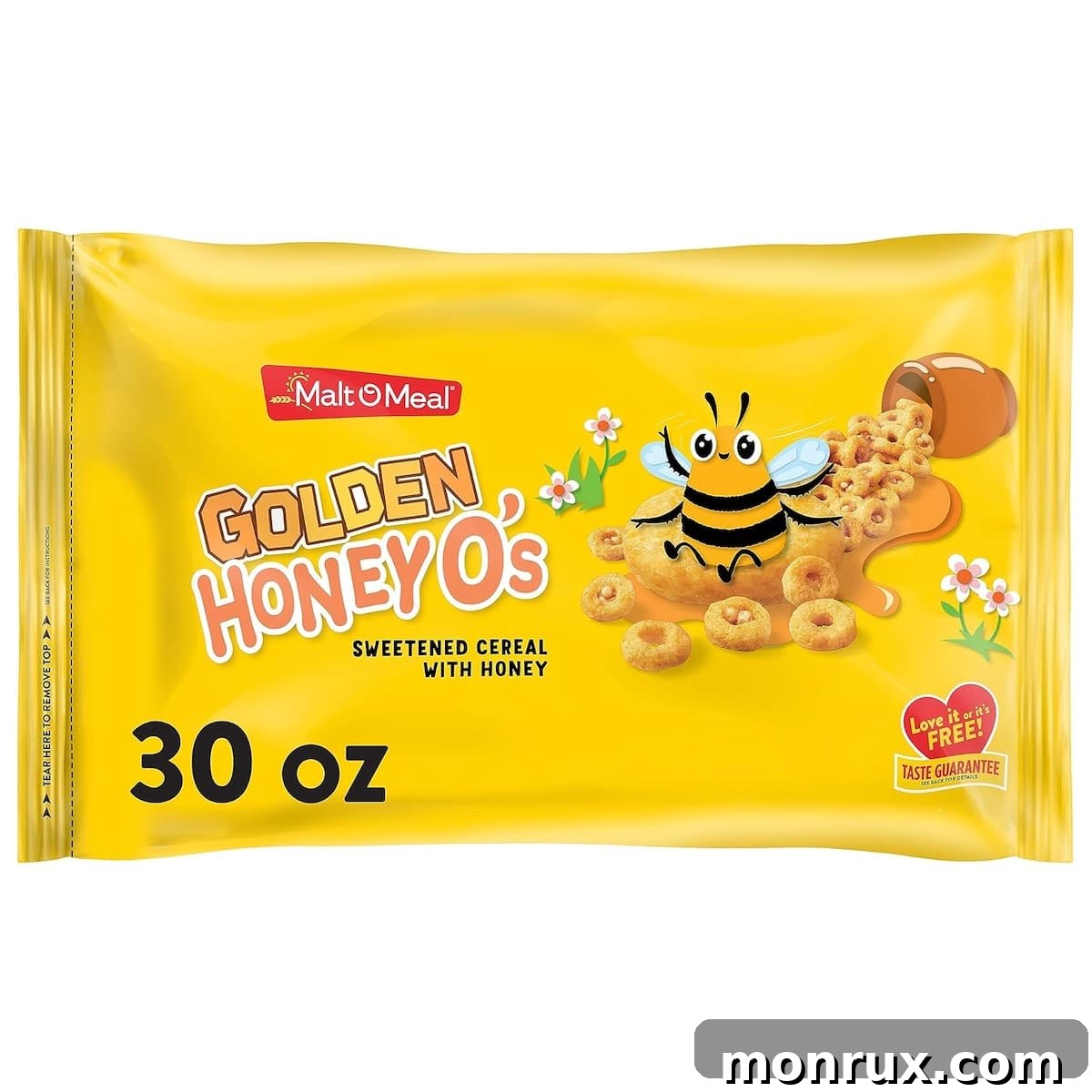
In the quest for a quick and easy breakfast, many consumers turn to cereals like Malt-O-Meal. However, convenience often comes at a cost, particularly when it compromises nutritional value. This in-depth article aims to review Malt-O-Meal cereals, dissecting their ingredients, nutritional profiles, and potential health implications. We’ll uncover why these popular breakfast options, despite their widespread appeal, are largely considered highly processed foods that cannot be deemed healthy for most individuals, including children. Join us as we explore the pros and cons and highlight healthier alternatives to kickstart your day.
Unpacking Malt-O-Meal: Key Facts and Brand Overview
Malt-O-Meal, a brand with a long history, is primarily recognized for two distinct types of breakfast cereals. The traditional, hot breakfast cereal is a simple mixture of wheat farina and malted barley, often fortified with synthetic vitamins and minerals. This classic version is typically consumed hot, offering a comforting start to the day for many.
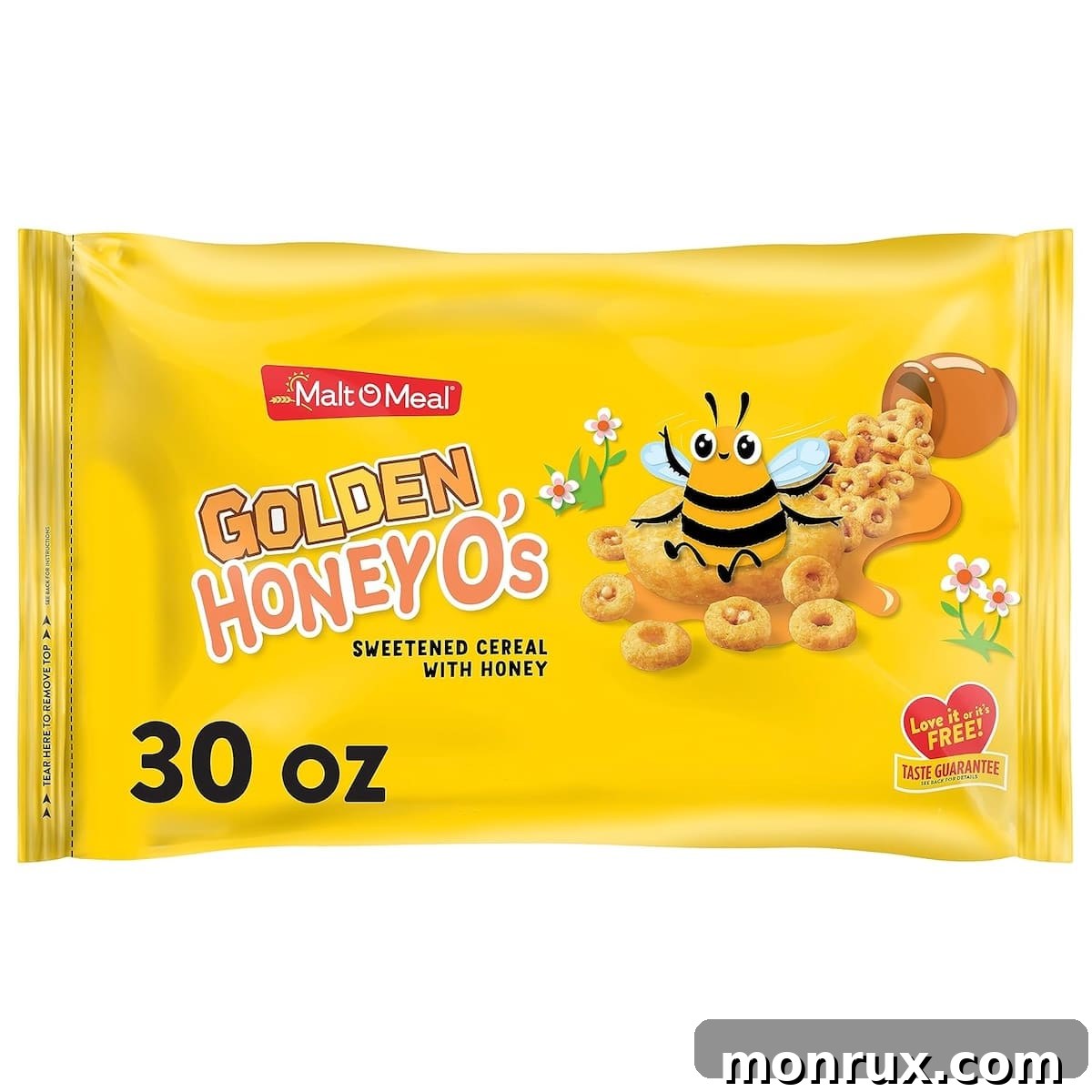
However, the brand also produces a vast array of highly processed cold cereals, which are the primary focus of health concerns. These flavored varieties are crafted from refined grain flours, including corn, wheat, and oat flour, and are marketed as quick and convenient breakfast solutions. They come in an assortment of flavors designed to appeal to a broad audience, from children to adults, with names like Golden Honey O’s, Apple Zings, Berry Colossal Crunch, Coco Roos, Frosted Flakes, Marshmallow Mateys, and Honey Graham Toasters.
Malt-O-Meal products are manufactured by Post Consumer Brands, a major player in the cereal industry. The company is known for its extensive portfolio of breakfast cereals, and Malt-O-Meal stands out for its emphasis on value and variety, often sold in large, cost-effective bags.
A significant characteristic of many Malt-O-Meal flavored cereals is the presence of numerous chemical additives. These include preservatives, emulsifiers, and a spectrum of artificial food colorings, such as Red 40 and Yellow 5, which raise notable health questions. Understanding the nature of these ingredients is crucial for making informed dietary choices.
For a related perspective on similar breakfast options, you might find my review, “Is Cream of Rice Healthy?” insightful.
A Deep Dive into Malt-O-Meal Cereal Ingredients
To truly assess the healthfulness of Malt-O-Meal cereals, we must scrutinize their ingredient lists. Let’s take the Malt-O-Meal Honey O’s cereal as a representative example, noting its composition:
- Corn flour
- Sugar
- Whole grain oat flour
- Molasses
- Canola and/or soybean oil
- Whole grain brown rice flour
- Salt
- Corn syrup
- Honey
- Palm oil
- Baking soda
- Caramel color
- Paprika extract (for color)
- Artificial flavor
- Yellow 5
- Yellow 6
- Trisodium phosphate
- Ferric orthophosphate (source of iron)
- Niacinamide (vitamin B3)
- Zinc oxide
- Thiamin mononitrate (vitamin B1)
- Calcium pantothenate (vitamin B5)
- Pyridoxine hydrochloride (vitamin B6)
- Folic acid
Upon reviewing this list, it becomes clear that while some components appear innocuous, others warrant a closer look due to their potential impact on health. Let’s break down the most concerning ingredients found in many Malt-O-Meal varieties.
Excessive Added Sugars: A Sweet Problem
One of the most significant concerns with Malt-O-Meal cereals, particularly the flavored varieties, is the exorbitant amount of added sugar. The ingredient list often features multiple forms of sweeteners, including “sugar,” “molasses,” “corn syrup,” and “honey.” While honey might seem natural, when added to processed cereals, it contributes to the overall sugar load without providing significant nutritional benefits.
These sugars are not merely for flavor; they also act as preservatives and enhance texture. However, some Malt-O-Meal cereals contain up to 21 grams of added sugar per serving. To put this into perspective, the American Heart Association recommends no more than 25 grams (6 teaspoons) of added sugar per day for women and 36 grams (9 teaspoons) for men. A single serving of Malt-O-Meal cereal can quickly consume a significant portion, if not all, of this daily allowance.
Regular consumption of high-sugar foods has been extensively linked to numerous health risks, including an increased risk of obesity, type 2 diabetes, heart disease, dental cavities, and inflammation. The rapid spike and subsequent crash in blood sugar levels can also lead to energy fluctuations, poor concentration, and irritability, particularly in children.
Refined Grains: Empty Calories and Nutritional Deficits
Many Malt-O-Meal cereals list “corn flour” and “whole grain brown rice flour” among their primary ingredients. While “whole grain” sounds healthy, the processing involved in creating these flours for cereal often strips away much of their nutritional integrity. Refined grains lack the fiber, vitamins, and minerals found in their whole, unprocessed counterparts.
When grains are refined, the bran and germ, which contain most of the fiber, B vitamins, and iron, are removed. This leaves behind primarily the starchy endosperm. Consuming refined grains leads to a rapid conversion to glucose in the body, similar to the effects of added sugar, contributing to blood sugar spikes and crashes without providing sustained energy or satiety. Over time, a diet rich in refined grains can also impair digestive health due to a lack of dietary fiber, which is crucial for a healthy gut microbiome.
Unhealthy Fats: The Role of Seed Oils and Palm Oil
“Canola and/or soybean oil” and “palm oil” are common additions to Malt-O-Meal cereals. These oils serve as emulsifiers, extend shelf life, and contribute to texture. However, they come with their own set of health concerns. Canola and soybean oils are often highly processed seed oils that undergo chemical extraction and refining processes. These processes can damage the oils, leading to the formation of harmful compounds, including trans fats, even if not explicitly labeled.
Furthermore, canola and soybean oils are typically high in omega-6 fatty acids. While omega-6s are essential, a diet that is disproportionately high in omega-6s compared to omega-3s can promote inflammation in the body, a root cause of many chronic diseases. Many conventional canola and soy oils are also derived from genetically modified organisms (GMOs), which is a concern for individuals who prefer to avoid GMO products due to debates surrounding their long-term health effects.
Palm oil, while a plant-based oil, often raises environmental concerns regarding deforestation. From a nutritional standpoint, it is high in saturated fat. While saturated fat in moderation is part of a balanced diet, excessive intake, especially from highly processed sources, can contribute to elevated LDL (bad) cholesterol levels and increase the risk of heart disease.
Navigating Sodium Levels
Sodium is another ingredient found in Malt-O-Meal cereals, added primarily for flavor enhancement and preservation. While a small amount of sodium is vital for bodily functions, most people consume far more than the recommended daily limit. Some varieties of Malt-O-Meal contain up to 360 mg of sodium per serving. Although this might appear to be a modest amount for an individual serving, sodium from various processed foods can quickly accumulate throughout the day.
High sodium intake is a well-established risk factor for high blood pressure (hypertension), which in turn significantly increases the risk of heart disease, stroke, and kidney problems. Individuals with pre-existing cardiovascular conditions, those with a family history of hypertension, or anyone aiming to maintain optimal heart health should be mindful of sodium content in breakfast cereals and other processed foods.
Artificial Colors and Flavors: A Rainbow of Concerns
To achieve their vibrant appeal, Malt-O-Meal cereals frequently incorporate artificial food colorings such as Yellow 5, Yellow 6, Red 40, and sometimes Blue 1. These synthetic dyes are added purely for aesthetic purposes, making the cereals look more appetizing, especially to children. However, their inclusion is far from benign.
Extensive research has linked artificial food dyes to hyperactivity in children, with particular concern for those diagnosed with ADHD. Beyond behavioral issues, these dyes may trigger allergic reactions or sensitivities in certain individuals. People sensitive to these artificial compounds, particularly parents looking to support their children’s health, should meticulously avoid products containing these additives.
Moreover, the potential long-term health implications of consuming artificial food colorings are even more unsettling. Studies suggest that these synthetic dyes may increase the risk of chronic inflammation and potentially contribute to carcinogenic effects in some cases. Specifically, Yellow 6 and Red 40 have been identified as containing benzidine and other compounds that have shown tumorigenic activity in animal studies, raising serious questions about their safety for human consumption. Given these widespread concerns, it is advisable to steer clear of cereals containing these synthetic dyes in favor of more natural, whole-food options.
The term “natural flavor” also deserves scrutiny. While it sounds wholesome, the process of creating these flavors can be complex, often involving numerous chemicals and extensive processing that may not align with a clean eating philosophy. Without complete transparency from manufacturers, consumers may unknowingly ingest highly processed ingredients under the guise of a “natural” label, further complicating efforts to make healthy choices.
Synthetic Fortification: A Band-Aid Solution?
Many Malt-O-Meal cereals are fortified with a range of synthetic vitamins and minerals, such as ferric orthophosphate (iron), niacinamide (B3), zinc oxide, thiamin mononitrate (B1), calcium pantothenate (B5), pyridoxine hydrochloride (B6), and folic acid. This fortification is often highlighted as a nutritional benefit, suggesting that the cereal contributes to daily micronutrient intake.
However, it’s essential to understand the context of fortification. These vitamins and minerals are typically added back to foods after extensive processing has stripped away the naturally occurring nutrients from the original grains. While fortification can prevent specific nutrient deficiencies in populations, it does not magically transform a highly processed food into a healthy one. Synthetic vitamins may not be as bioavailable or effective as those found naturally in whole foods, and they often come without the crucial cofactors and synergistic compounds present in their natural counterparts.
Ultimately, relying on fortified cereals for nutrient intake is like putting a band-aid on a deeper nutritional problem. It diverts attention from the lack of whole, unprocessed ingredients, fiber, and beneficial phytonutrients, while still delivering a heavy dose of sugars, unhealthy fats, and artificial additives. A truly nutritious breakfast should provide naturally occurring vitamins, minerals, and fiber from whole food sources, rather than relying on synthetically added nutrients.
The Scant Nutritional Advantages of Malt-O-Meal
When assessing Malt-O-Meal cereals, it’s challenging to pinpoint significant nutritional advantages. The primary “pros” tend to revolve around factors of convenience and affordability, rather than intrinsic health benefits. For busy individuals or families seeking a quick and easy breakfast solution, Malt-O-Meal cereals are undeniably ready-to-eat and require minimal preparation, a stark contrast to more involved morning meals.
Additionally, the brand is known for its value pricing, often making these cereals an economically attractive option for many households. The large bag packaging also contributes to this perception of value. It is worth noting that the original, plain hot breakfast cereal made from wheat farina and malted barley is considerably less processed than the multitude of flavored cold cereals. While still fortified, this version avoids many of the artificial colors, excessive sugars, and unhealthy oils found in its sweeter, more colorful counterparts. However, even this simpler hot cereal typically lacks the diverse nutritional profile of truly whole, unprocessed foods.
The Overwhelming Nutritional Disadvantages
Despite the minor convenience factors, the nutritional disadvantages of consuming most Malt-O-Meal cereals are extensive and far outweigh any perceived benefits. These cereals are the epitome of highly processed foods, engineered for taste and shelf life rather than genuine nourishment. The cumulative effect of their ingredient profile paints a clear picture of an unhealthy breakfast option.
The high levels of added sugars and refined grains contribute to poor blood sugar control, energy crashes, and an increased risk of chronic metabolic diseases. The presence of unhealthy processed seed oils and palm oil adds to the intake of inflammatory omega-6 fatty acids and saturated fats, potentially impacting cardiovascular health. Moreover, the array of artificial colors, flavors, and preservatives introduces compounds linked to behavioral issues in children, allergic reactions, and even more severe long-term health risks like inflammation and carcinogenic potential.
Beyond these problematic ingredients, Malt-O-Meal cereals typically lack essential nutrients that are crucial for a healthy start to the day. They are generally low in dietary fiber, which is vital for digestive health and promoting satiety. They also offer minimal quality protein and healthy fats, components that contribute to sustained energy and prevent mid-morning hunger pangs. Consequently, consuming these cereals can lead to quick hunger, overeating later in the day, and a vicious cycle of craving more sugary, processed foods. For anyone aiming to maintain a nutritious diet and support long-term health, Malt-O-Meal cereals, especially the flavored varieties, represent a poor choice.
Wholesome Breakfast Alternatives for Better Health
Thankfully, transitioning away from highly processed cereals like Malt-O-Meal is both achievable and incredibly beneficial for your health. Opting for real, whole-food ingredients provides superior nutritional value, sustained energy, and promotes overall well-being. Here are some delicious and nutritious alternatives to consider:
- Oatmeal: A classic for a reason, oatmeal (especially steel-cut or rolled oats) is packed with soluble fiber, which helps regulate blood sugar, lowers cholesterol, and keeps you feeling full. Customize it with fresh fruits, nuts, seeds, and a touch of cinnamon instead of added sugars.
- Smoothie Bowls: These vibrant bowls are a fantastic way to pack nutrients into your morning. Blend frozen fruits, leafy greens, a source of protein (like Greek yogurt or protein powder), and a liquid base. Top with granola, coconut flakes, or chia seeds for added texture and nutrients. Try a delicious and nutritious chocolate smoothie bowl or a Flat Belly Smoothie for inspiration.
- Homemade Granola: Take control of your ingredients by making your own granola. A recipe for homemade air fryer granola allows you to use whole grains, healthy fats, and natural sweeteners, avoiding the excessive sugars and unhealthy oils found in many store-bought versions.
- Eggs: Versatile and protein-rich, eggs are an excellent breakfast choice. Whether scrambled, poached, or in an omelet with vegetables, they provide high-quality protein and essential nutrients for lasting satiety and energy.
- Greek Yogurt with Berries: Greek yogurt offers a significant protein boost and beneficial probiotics for gut health. Pair it with fresh berries, which are loaded with antioxidants and fiber, for a balanced and satisfying meal.
- Whole-Grain Toast with Healthy Toppings: Choose 100% whole-grain bread and top it with avocado, nut butter, or even a poached egg for a nutrient-dense option.
- Chia Seed Pudding: Chia seeds are tiny powerhouses, rich in fiber, omega-3 fatty acids, and protein. Prepare chia pudding overnight with milk (dairy or non-dairy) and top with fruit and nuts.
These real food options offer a wealth of fiber, vitamins, and minerals without the burden of added sugars, unhealthy fats, and artificial chemicals prevalent in highly processed cereals. They support overall health, promote sustained energy, and provide lasting satiety throughout the day, ensuring you start your morning feeling nourished and energized.
For more ideas on invigorating beverages, check out my Weight Loss Juice recipes.
Explore More Product Reviews
Final Verdict: Making Informed Choices
While Malt-O-Meal cereals offer undeniable convenience and affordability, a thorough examination of their nutritional profile reveals significant health concerns. The prevalent inclusion of high levels of added sugars, refined grains, unhealthy fats, and a cocktail of artificial ingredients positions most varieties as a suboptimal choice for a nutritious breakfast.
Regular consumption of products like Malt-O-Meal cereals, which are often devoid of essential fiber, quality protein, and beneficial micronutrients while being laden with potentially harmful additives, can have adverse effects on long-term health. These effects range from blood sugar dysregulation and weight gain to an increased risk of chronic diseases and behavioral issues, particularly in sensitive individuals like children.
In conclusion, when it comes to prioritizing health and well-being, the fleeting convenience of Malt-O-Meal cereals is overshadowed by their nutritional drawbacks. Consumers are encouraged to make informed choices by understanding ingredient labels and opting for whole, unprocessed food alternatives that provide genuine nourishment for a vibrant and healthy life. Your body deserves a breakfast that fuels it properly, not one that merely fills it with empty calories and artificial compounds.
Don’t forget to join my newsletter list to get exclusive clean eating recipes and tips. The newsletter is 100% free with no spam; unsubscribe anytime.
About the Author: Carrie Forrest has a master’s degree in public health with a specialty in nutrition and is a certified holistic nutritionist. She is a top wellness and food blogger with over 5 million annual visitors to her site. Carrie has an incredible story of recovery from chronic illness and is passionate about helping other women transform their health. Send her a message through her contact form.
Note: this post is for informational purposes only and is not intended as medical advice. Please consult your healthcare provider for recommendations related to your individual situation.