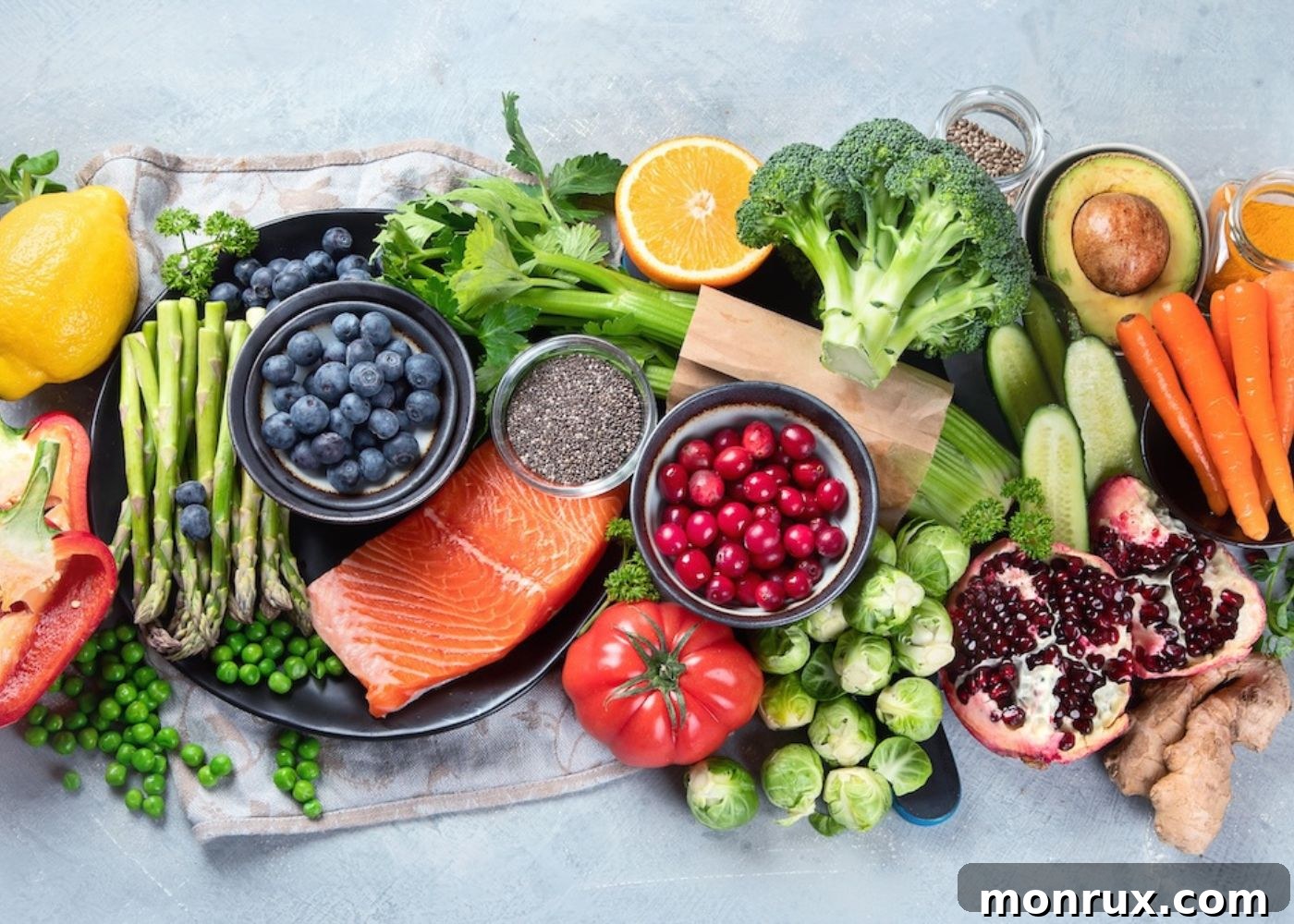
Lymphedema is a chronic condition characterized by swelling, typically in the arms or legs, often linked to damage or removal of lymph nodes. Managing this condition effectively involves a multi-faceted approach, and diet plays a pivotal role. In this comprehensive guide, we will explore the foundations of an Anti-Inflammatory Diet for Lymphedema, delving into specific foods that can support lymphatic health and those that should be limited or avoided. Understanding the connection between nutrition and your lymphatic system can significantly help in managing symptoms, reducing inflammation, and improving your overall quality of life.
Table of Contents
What is Lymphedema?
Lymphedema is a chronic and progressive condition arising from a compromised lymphatic system. This vital system, part of our immune defense, is responsible for collecting excess fluid, waste products, and immune cells from tissues and returning them to the bloodstream. When there is a blockage or damage within this intricate network of lymph vessels and nodes, lymph fluid cannot drain properly. Consequently, this fluid accumulates, leading to uncomfortable and often painful swelling, most commonly observed in the arms and legs, but potentially affecting the abdomen, chest wall, or neck.
The severity of lymphedema can vary significantly. In some instances, the swelling may be subtle and barely noticeable. However, for many individuals, the condition can progress to severe levels, where limbs become significantly enlarged and heavy. This can dramatically limit range of motion, making everyday activities challenging and impacting quality of life. Left unmanaged, lymphedema can also lead to secondary complications such as skin changes (thickening, hardening, blistering, discoloration), increased risk of infection (cellulitis), and, if affecting the head and neck, difficulties with breathing, swallowing, or speech.
Affecting millions worldwide, lymphedema is a condition without a definitive cure, but effective management strategies can significantly alleviate symptoms and prevent progression. Among these strategies, adopting an appropriate dietary approach and maintaining a healthy body weight are cornerstone interventions that empower individuals to take an active role in their lymphedema care.
The Lymphatic System and Swelling
To understand lymphedema, it’s essential to appreciate the critical functions of your lymphatic system. Comprised of a vast network of lymph vessels, lymph nodes, and lymphatic tissues (like the spleen and tonsils), this system acts as the body’s natural drainage and defense mechanism. It tirelessly filters waste products, toxins, and pathogens, while also transporting white blood cells crucial for fighting infections throughout the body.
In individuals with lymphedema, this delicate balance is disrupted. Damage to the lymphatic system impedes the proper circulation and drainage of lymphatic fluid. This obstruction causes fluid to accumulate in the interstitial spaces beneath the skin, resulting in the characteristic chronic swelling. The most prevalent cause of this damage is often related to cancer treatments, specifically the surgical removal of lymph nodes or radiation therapy, which can impair the lymphatic pathways. However, lymphedema can also stem from congenital factors, known as primary lymphedema, where individuals are born with an underdeveloped or abnormal lymphatic system, as seen in rare conditions like Milroy disease.
Research consistently highlights that lymphedema is not merely a condition of fluid accumulation but is also associated with chronic inflammation in the affected tissues. This persistent inflammation further exacerbates swelling, can lead to tissue fibrosis (hardening), and contributes to the progressive nature of the condition. Therefore, a key objective in managing lymphedema symptoms is to actively reduce inflammation throughout the body. This is precisely where dietary interventions become incredibly powerful, offering a natural and sustainable pathway to support lymphatic function and mitigate inflammatory responses.
The Critical Role of Diet in Lymphedema Management
Embracing a tailored dietary approach is one of the most impactful steps an individual with lymphedema can take to manage their symptoms and enhance their overall well-being. A carefully considered, nutritious diet provides multifaceted benefits, working synergistically to support the compromised lymphatic system.
Firstly, diet is instrumental in achieving and maintaining a healthy body weight. Excess body weight, particularly obesity, places additional strain on the already overburdened lymphatic vessels, hindering efficient lymphatic fluid transport. Being overweight is not only recognized as a significant risk factor for developing lymphedema, especially secondary lymphedema, but it also substantially increases the risk of complications such as recurrent cellulitis infections in the affected limb. Therefore, incorporating strategies for sustainable weight loss and long-term weight control into your lifestyle is a fundamental component of lymphedema treatment and the promotion of a resilient, healthy lymphatic system.
Secondly, a diet rich in specific nutrients and characterized by its anti-inflammatory properties can directly address several key challenges of lymphedema. By focusing on whole, unprocessed foods, you can significantly reduce systemic inflammation, which is a hallmark of lymphedema and contributes to increased swelling and tissue changes. Such a diet also plays a crucial role in strengthening connective tissues, which are vital for maintaining the structural integrity of lymph vessels and surrounding tissues. Furthermore, a nutrient-dense diet bolsters the immune system, improving the body’s ability to fight off infections and support optimal cellular function. This holistic nutritional support enables the lymphatic system to perform its essential functions more effectively, promoting better lymphatic drainage and more efficient lymphatic fluid flow, thereby helping to reduce chronic swelling and discomfort.
Optimal Foods to Incorporate into a Lymphedema Diet
For individuals living with primary or secondary lymphedema, the “best” dietary approach is overwhelmingly an anti-inflammatory one. This involves prioritizing foods that actively reduce inflammation, support fluid balance, and contribute to overall circulatory and immune health. Integrating these food groups into your daily meals can significantly help in managing symptoms like fluid retention and maintaining healthy blood pressure levels.
While the following recommendations provide a strong foundation, it is highly advisable to consult with a registered dietitian or a healthcare professional experienced in lymphedema management. They can help create a personalized dietary plan tailored to your specific needs, taking into account any other health conditions, medication interactions, and lifestyle factors to optimize your lymph system’s function and overall well-being.
1. Antioxidant-Rich Foods
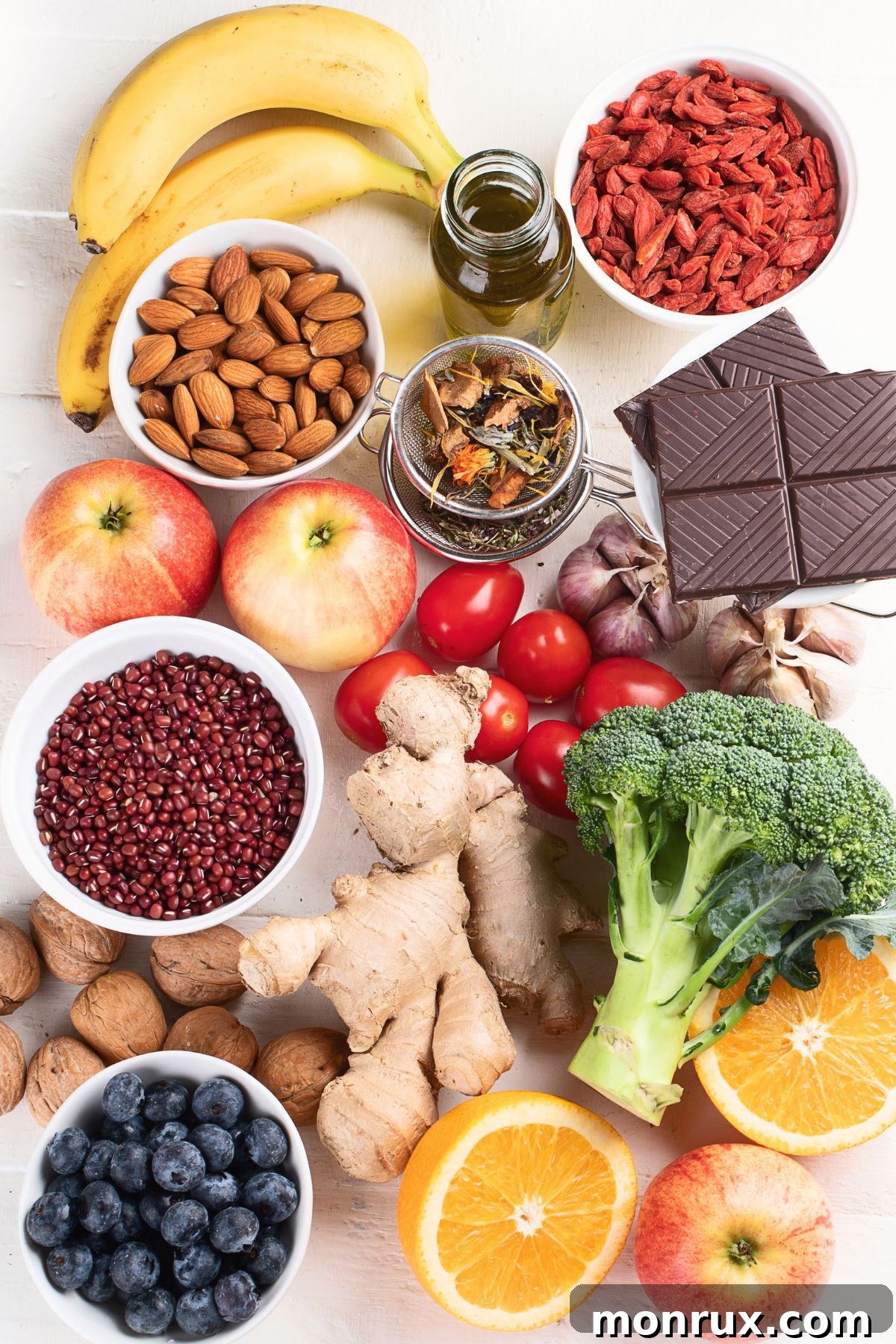
Antioxidants are powerful compounds that combat oxidative stress and cellular damage in the body, which can contribute to chronic inflammation. By neutralizing free radicals, antioxidants play a crucial role in supporting your immune system and reducing systemic inflammation throughout your body – a key strategy for managing lymphedema symptoms.
Focus on a wide variety of antioxidant-rich foods, primarily vibrant fruits, colorful vegetables, and nutrient-dense nuts and seeds. Foods particularly high in antioxidants include berries like blueberries, strawberries, and raspberries; dark leafy greens such as kale and spinach; beets; and various types of beans. Other excellent sources include artichokes, plums, cherries, and spices like turmeric and ginger.
To maximize your intake and ensure a broad spectrum of nutrients, aim to include a “rainbow” of produce in your diet. Incorporating red (tomatoes, bell peppers), green (broccoli, asparagus), purple (eggplant, grapes), orange (carrots, sweet potatoes), and yellow (lemon, corn) fruits and vegetables helps ensure you consume a diverse range of beneficial phytonutrients for optimal health and anti-inflammatory benefits.
A simple and delicious way to increase your intake of these nourishing foods is by preparing Anti-Bloating Smoothies, which can pack a powerful punch of vitamins, minerals, and antioxidants into one convenient meal or snack.
2. High-Quality Protein Sources
Protein is an indispensable macronutrient that plays a vital role in numerous bodily functions, including strengthening connective tissues, repairing cells, and maintaining fluid balance. For individuals with lymphedema, adequate protein intake is particularly crucial. Insufficient protein in the diet can lead to a condition called hypoproteinemia, where the concentration of proteins in the blood is too low. This can cause fluid to leak from the bloodstream into surrounding tissues, potentially aggravating lymphedema symptoms and increasing swelling.
When selecting protein sources, prioritize lean proteins to minimize the intake of saturated fats, which can contribute to inflammation. Opt for cooking methods such as grilling, baking, roasting, or steaming rather than frying. Aim for a balanced intake of both animal and plant-based proteins to ensure you receive a full spectrum of amino acids and other beneficial nutrients.
Some excellent sources of lean protein include:
- Lean Meats and Poultry: Skinless chicken and turkey breast, lean cuts of beef (e.g., sirloin, tenderloin), pork loin.
- Fish and Seafood: Fatty fish like salmon, mackerel, and sardines (also rich in Omega-3s), as well as leaner options like cod, tilapia, and shrimp.
- Eggs: A complete protein source, versatile and easy to incorporate.
- Dairy Products: Greek yogurt (plain, unsweetened), cottage cheese, and low-fat milk can provide significant protein, along with calcium and probiotics.
- Legumes: Beans (black beans, kidney beans, chickpeas), lentils, and peas are fantastic plant-based protein and fiber sources.
- Soy Products: Tofu, tempeh, and edamame offer complete protein and are versatile in cooking.
- Nuts and Seeds: Almonds, walnuts, chia seeds, flaxseeds, and pumpkin seeds contribute protein, healthy fats, and fiber.
Including a variety of these high-quality protein sources in your meals helps support tissue integrity, maintain healthy fluid balance, and contribute to overall satiety, which aids in weight management.
3. Nutrient-Dense Whole Grains
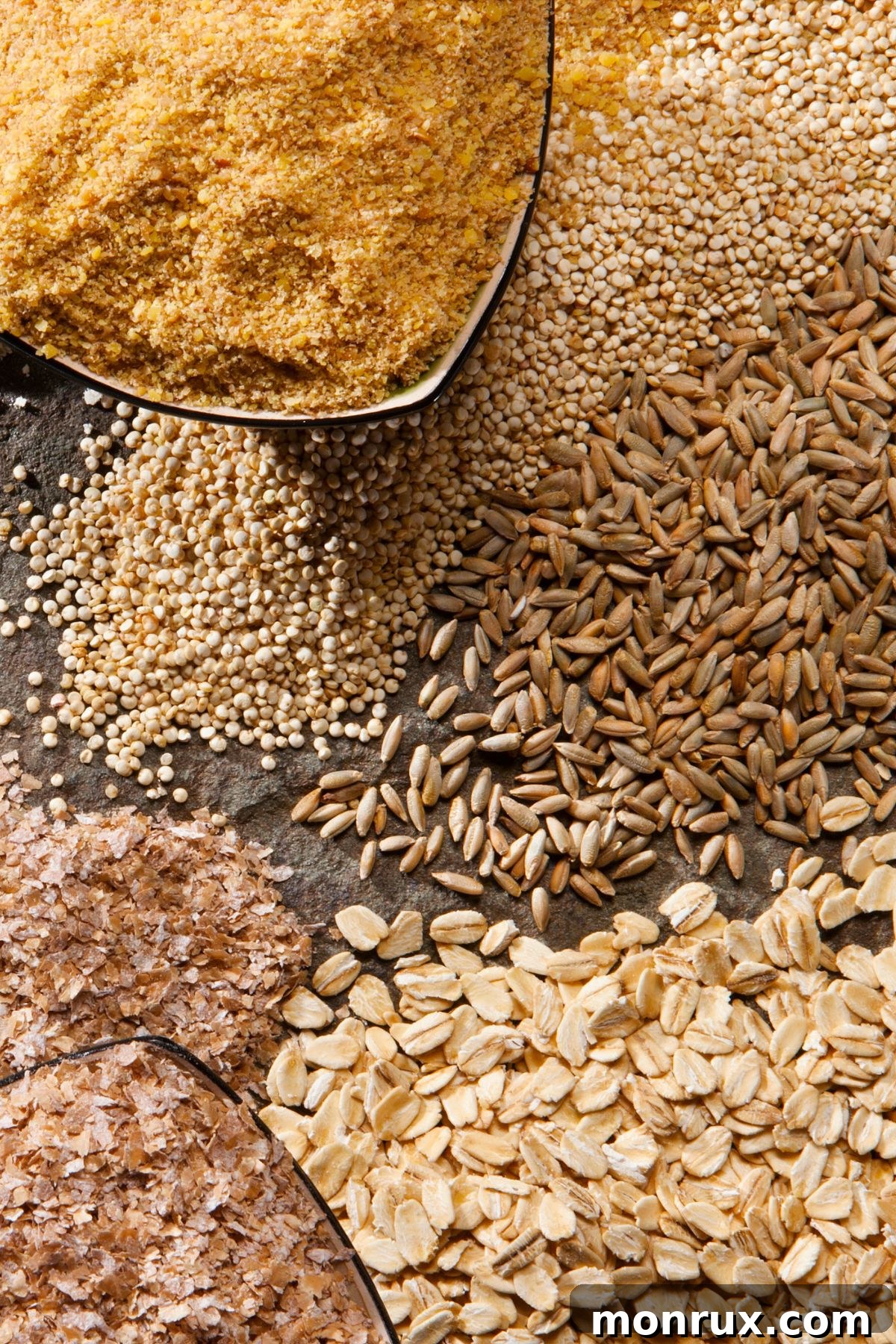
When managing lymphedema, a crucial dietary recommendation is to minimize processed foods, making whole grains the superior choice over their refined counterparts. The process of refining grains strips away two of their most nutritious layers: the bran and the germ. These layers are packed with dietary fiber, B vitamins, iron, magnesium, and other essential minerals, as well as beneficial antioxidants.
Whole grains retain all three parts of the grain kernel – the bran, germ, and endosperm – making them significantly richer in vitamins, minerals, antioxidants, and most importantly, fiber. This comprehensive nutrient profile is vastly more beneficial for your overall health, including vital digestive health, which indirectly supports a healthy immune and lymphatic system. Furthermore, the complex carbohydrates and fiber in whole grains contribute to keeping inflammation under control, thereby helping to reduce lymphedema symptoms and minimize swelling in affected areas.
Beyond their anti-inflammatory properties, whole grains are rich in dietary fiber, which aids in satiety and helps regulate blood sugar levels. Unlike refined grains that cause rapid spikes and crashes in blood glucose, whole grains release carbohydrates slowly into the bloodstream. This provides a steady and sustained source of energy, prevents sudden hunger pangs, and helps you feel fuller for longer. As a result, you’ll be less inclined to snack on less nutritious, calorie-dense foods between meals, making it significantly easier to maintain a healthy weight – a key factor in lymphedema management.
Good sources of whole grains to incorporate into your diet include:
- Oats: Oatmeal, rolled oats, steel-cut oats.
- Whole Wheat: Whole-wheat bread, pasta, tortillas, and flour.
- Brown Rice: A healthier alternative to white rice.
- Quinoa: A complete protein and gluten-free grain.
- Barley: Excellent in soups, stews, and salads.
- Bulgur: Often used in tabbouleh.
- Farro: A hearty ancient grain.
- Millet: Can be used as a rice substitute or in porridges.
- Popcorn: A whole grain snack (when air-popped and lightly seasoned).
- Whole-grain cereals: Choose options with minimal added sugar.
4. Beneficial Healthy Fats
Fats are an essential component of a balanced diet, serving multiple critical functions. They provide a concentrated source of energy, are necessary for the absorption of fat-soluble vitamins (A, D, E, and K), and play a role in hormone production and cellular integrity. Importantly, certain types of fats possess significant anti-inflammatory properties that can be highly beneficial in reducing the symptoms of lymphedema and supporting overall health.
Prioritize unsaturated fats, which include monounsaturated and polyunsaturated fats, over saturated and trans fats. These “healthy fats” help reduce bad cholesterol levels, protect against heart disease, and, crucially, help dampen inflammatory responses in the body.
Key sources of beneficial healthy fats include:
- Olive Oil: Extra virgin olive oil, in particular, is rich in monounsaturated fats and antioxidants, making it excellent for cooking at moderate temperatures and as a dressing.
- Avocados/Avocado Oil: Packed with monounsaturated fats, fiber, and vitamins, avocados are a nutritious addition to meals.
- Nuts: Almonds, walnuts, pecans, cashews, and pistachios provide healthy fats, protein, and fiber.
- Seeds: Chia seeds, flaxseeds, pumpkin seeds, and sunflower seeds are nutrient powerhouses, offering healthy fats, fiber, and various minerals.
Polyunsaturated omega-3 fatty acids are particularly notable for their potent anti-inflammatory effects. They are essential fatty acids, meaning the body cannot produce them and must obtain them through diet. Omega-3s can help reduce the production of inflammatory molecules and support the health of cell membranes, which is beneficial for overall lymphatic system function.
Excellent sources of omega-3 fatty acids include:
- Fatty Fish: Salmon, mackerel, sardines, herring, and anchovies are among the best dietary sources.
- Flaxseeds and Flaxseed Oil: Rich in alpha-linolenic acid (ALA), a plant-based omega-3.
- Chia Seeds: Another excellent plant-based source of ALA.
- Walnuts: Provide ALA and are a great snack option.
Conversely, it’s important to be mindful of unhealthy fats, particularly trans fats found in many processed foods and some highly refined vegetable oils that can become rancid. These types of fats can promote inflammation and negatively impact overall health. For guidance on cooking, consult resources on the best cooking oils to ensure you’re using healthy options.
Foods to Limit or Avoid with Lymphedema

While focusing on nutrient-dense, anti-inflammatory foods is paramount for lymphedema management, it is equally important to identify and minimize the consumption of foods that can exacerbate symptoms. Certain dietary choices can contribute to fluid retention, increase inflammation, and negatively impact the efficiency of your circulatory and lymphatic systems. By consciously reducing or eliminating these “worst foods for water retention and the circulatory system,” you can significantly help mitigate risk factors and the progression of lymphedema.
The primary culprits include high-sodium foods, highly processed items, refined sugars, and certain alcoholic beverages. These categories of food and drink can compromise lymphatic health, disrupt fluid balance, and fuel systemic inflammation. Instead, consistently opting for a healthy diet abundant in whole, unprocessed foods will support robust immune functioning and promote overall lymphatic health, contributing to a more comfortable and managed state of living with lymphedema.
1. High-Sodium Foods
One of the most direct ways diet can impact lymphedema symptoms is through sodium intake. Consuming excessive amounts of salt directly signals your body to retain water, leading to increased fluid volume and exacerbated swelling – a condition precisely what individuals with lymphedema aim to avoid. Sodium draws water into the extracellular spaces, making it harder for the lymphatic system to process and drain effectively.
The challenge lies in the pervasive presence of sodium in our modern diet. Many foods, even those that don’t taste overtly salty, contain surprisingly high levels of sodium. It’s crucial to develop a habit of checking food labels and nutritional information, specifically looking for sodium content, and making conscious choices to avoid items high in this mineral. The American Heart Association recommends limiting sodium intake to no more than 2,300 milligrams per day, with an ideal limit of 1,500 mg for most adults, especially those with conditions affecting fluid balance.
To gain better control over your sodium intake, try to focus predominantly on consuming whole, unprocessed foods. When you cook from scratch, you have complete control over how much salt, if any, is added. Actively cut down on:
- Canned and pickled foods: Soups, vegetables, and condiments often contain high amounts of sodium for preservation. Opt for low-sodium or no-salt-added versions, or fresh alternatives.
- Frozen meals or TV dinners: These convenience foods are notoriously high in sodium.
- Cured and processed meats: Bacon, sausage, deli meats, hot dogs, and smoked fish are laden with salt.
- Fast foods and restaurant meals: Portions are often large, and sodium content can be exceptionally high. Ask for meals prepared without added salt.
- Snack foods: Chips, pretzels, salted nuts, and crackers are high-sodium culprits.
- Certain cheeses: Some cheeses can be surprisingly high in sodium.
Instead of salt, experiment with herbs, spices, lemon juice, or vinegars to flavor your food, enhancing taste without contributing to fluid retention.
2. Processed Foods and Refined Sugars
The consumption of highly processed foods and refined sugars poses multiple challenges for individuals managing lymphedema. These types of foods are often detrimental in several ways, directly contributing to inflammation, weight gain, and nutritional deficiencies, all of which can worsen lymphedema symptoms.
Processed foods (such as pastries, most breakfast cereals, white bread, packaged snacks like candy bars and chips, and fried foods) are typically loaded with unhealthy ingredients. These include trans fats, high-fructose corn syrup, artificial additives, and excessive sodium. Such ingredients are notorious for triggering or exacerbating systemic inflammation in the body. Chronic inflammation creates a hostile environment for the lymphatic system, hindering its ability to drain fluid efficiently and contributing to tissue fibrosis and increased swelling.
Furthermore, processed foods and refined sugars contribute significantly to weight gain. They are often calorie-dense but nutrient-poor, meaning they provide a large number of calories with little to no beneficial vitamins, minerals, or fiber. This imbalance can quickly lead to an caloric surplus, increasing body fat. As previously discussed, being overweight or obese places additional stress on the lymphatic system, making fluid drainage even more challenging and increasing the risk of complications like cellulitis.
The calories found in processed foods are frequently “empty calories” – they offer minimal nutritional value. This can lead to deficiencies in essential vitamins and minerals that your body needs for optimal health, immune function, and tissue repair. A body lacking these vital nutrients is less equipped to manage a chronic condition like lymphedema.
Moreover, due to their low content of important nutrients like fiber and healthy fats, processed foods provide little satiety. This means you are less likely to feel full and satisfied after consuming them, leading to a cycle of overeating, frequent snacking between meals, and making it harder to consistently choose nutrient-dense foods. Breaking this cycle by eliminating processed foods and refined sugars is a crucial step toward better lymphedema management and overall health.
3. Certain Alcoholic Beverages
For individuals with lymphedema, the consumption of alcoholic beverages, particularly in excess, warrants careful consideration due to several potential negative impacts on fluid balance, inflammation, and immune function.
Firstly, alcohol acts as a diuretic, meaning it increases urine output. While this might seem counterintuitive for a condition involving fluid retention, the diuretic effect can lead to dehydration. When your body becomes dehydrated, it tends to conserve water more aggressively, which can paradoxically increase overall fluid retention and worsen existing lymphedema swelling. Maintaining optimal hydration with water, not diuretics, is key for healthy lymphatic flow.
Beyond dehydration, alcohol can directly contribute to other issues relevant to lymphedema. It is known to increase inflammation throughout the body. Given that lymphedema is inherently an inflammatory condition, adding alcohol-induced inflammation can exacerbate symptoms, leading to greater discomfort and potentially hindering lymphatic drainage. Furthermore, alcohol has been shown to weaken the immune system, which is already a concern for lymphedema patients who are at a heightened risk for infections like cellulitis. A compromised immune system makes the body more vulnerable to pathogens and slows down recovery processes.
Moreover, alcoholic beverages are often high in calories, particularly those with added sugars or mixed with sugary drinks. These “empty calories” can contribute to weight gain over time, and as established, maintaining a healthy weight is crucial for effective lymphedema management. The impaired judgment that can accompany alcohol consumption might also make individuals more susceptible to unhealthy food choices, further derailing dietary efforts. For these reasons, reducing or eliminating alcohol is generally recommended for optimizing lymphedema care.
The Paramount Importance of Hydration
While it might seem counterintuitive to increase fluid intake when managing a condition characterized by fluid retention, adequate hydration is absolutely critical for effective lymphedema management. The truth is, dehydration prompts your body’s survival mechanisms to hold onto every available drop of fluid, leading to increased overall fluid retention and potentially worsening lymphedema swelling. Therefore, maintaining proper hydration levels at all times is essential.
Sufficient water intake ensures that your lymphatic system can function optimally. Lymph fluid itself is primarily water, and adequate hydration allows it to maintain the correct viscosity, enabling it to transport waste products, toxins, and immune cells effectively through the lymph vessels and nodes. This smooth and efficient transportation is vital for effective lymphatic drainage and reducing fluid buildup in affected areas. Moreover, good hydration helps maintain the elasticity and health of your tissues, preventing them from becoming stiff, fibrotic, and uncomfortable.
However, the key is to focus on clean and beneficial sources of hydration, diligently avoiding sugary beverages, sodas, and excessive caffeine, which can have diuretic effects or contribute to inflammation. Pure water is the ideal choice. To ensure you meet your daily hydration goals, consider setting reminders on your phone to prompt you to drink at regular intervals throughout the day. Carrying a reusable water bottle that you can easily refill can also be a helpful strategy to ensure continuous access to water.
If you find plain water unappealing, there are several ways to make hydration more enjoyable without compromising your health. Try infusing your water with slices of fresh fruit (like lemon, lime, cucumber, berries) and/or herbs (mint, basil). Herbal teas can also be excellent choices. Ginger tea, for example, is renowned for its anti-inflammatory properties and can aid digestion. Green tea is another fantastic option, rich in potent antioxidants called catechins, which contribute to overall health and help combat oxidative stress. Always ensure these teas are unsweetened to avoid hidden sugars.
Herbal Considerations for Lymphedema Support
Beyond dietary adjustments, certain herbal supplements have shown preliminary promise in supporting lymphedema management and potentially reducing symptoms. However, it is crucial to approach herbal remedies with caution, understanding that research is often ongoing, and their efficacy, optimal dosages, and potential risks, particularly in conjunction with other medications or existing health conditions, are not always fully established. Always prioritize safety and consult with your healthcare provider before incorporating any new supplements into your regimen.
One herb that has garnered attention is horse chestnut seed extract (HCSE). Traditionally used for venous insufficiency, some researchers have found it to be helpful in reducing swelling when taken in conjunction with conventional compression therapy for lymphedema. HCSE is believed to improve vascular tone and reduce capillary permeability, which might indirectly aid fluid balance.
Another botanical worth noting is butcher’s broom (Ruscus aculeatus), an evergreen shrub related to the lily family. Experts have observed that extracts of butcher’s broom, particularly when combined with a type of antioxidant found in citrus fruits (hesperidin), have significantly helped reduce swelling in some lymphedema patients. Its proposed mechanism involves strengthening blood vessels and improving microcirculation.
Perhaps the most commonly discussed natural compound in the context of lymphatic health is coumarin. This natural compound is found in various plants, including sweet clover, some grasses, and cassia cinnamon. Coumarin has been investigated for its potential to reduce high protein edema and has been used in some regions for its purported lymphokinetic effects. However, it’s vital to note that coumarin can have liver toxicity at higher doses and requires careful medical supervision.
Given the complexity of lymphedema and the potential for interactions or adverse effects, it is absolutely paramount to speak to your healthcare provider, a lymphedema therapist, or a knowledgeable pharmacist before considering any herbal supplements. They can provide personalized advice based on your specific medical history, current medications, and individual needs, ensuring that any herbal interventions are safe and complementary to your established treatment plan.
Additional Lifestyle Strategies for Lymphedema Management
While an anti-inflammatory lymphedema diet plays a substantial role in reducing symptoms and enhancing overall health, it is just one component of a holistic management plan. Integrating other supportive lifestyle recommendations is crucial for comprehensive lymphedema care and can significantly help control the progression of the condition.
- Engage in Regular, Enjoyable Exercise: Physical activity is vital for stimulating lymphatic flow. Gentle, consistent exercise helps contract muscles, which in turn compresses lymph vessels and propels fluid through the lymphatic system. Activities like walking, swimming (especially water aerobics as water pressure aids compression), cycling, and yoga are ideal. These not only help increase your range of motion and boost the activity of the lymph vessels but also improve overall circulation, manage weight, and enhance mood. Always start slowly and consult with your therapist to determine appropriate exercises for your condition.
- Consider Compression Therapy: Compression therapy is a cornerstone of lymphedema management. This involves wearing specialized garments (sleeves, stockings, or wraps) designed to apply external pressure to the affected limb. This sustained pressure helps prevent lymphatic fluid from pooling in the tissues, reduces swelling, and supports lymphatic drainage. The level of compression and the specific type of garment required can vary greatly, so it is essential to speak to your healthcare provider or a certified lymphedema therapist for a proper fitting and personalized recommendations.
- Treat Yourself to Regular Massage Sessions: Manual Lymphatic Drainage (MLD) is a gentle, specialized massage technique performed by a trained therapist. This technique uses light, rhythmic strokes to stimulate lymphatic vessels, encouraging the movement of lymph fluid from swollen areas toward healthy lymph nodes where it can be processed. Regular MLD sessions can significantly help reduce swelling, soften fibrotic tissues, and alleviate discomfort. Your therapist might also teach you techniques for self-MLD to perform at home.
- Avoid Tight Clothing and Jewelry: Restrictive clothing, tight waistbands, bras, or jewelry can act as tourniquets, impeding the flow of lymphatic fluid and blood. This can exacerbate swelling in the affected areas or even trigger lymphedema in at-risk limbs. Opt for loose-fitting, comfortable clothing and avoid tight accessories to ensure unimpeded circulation.
- Manage Temperature Extremes: Be mindful of temperature fluctuations, as both excessive heat and cold can negatively impact lymphedema. Intense heat (from hot baths, saunas, steam rooms, or prolonged sun exposure) can cause vasodilation, increasing fluid accumulation and worsening swelling. Conversely, extreme cold can constrict vessels, hindering flow. Avoid applying heat pads or ice directly to the affected limb. Maintain a comfortable body temperature and be cautious in extreme weather conditions.
- Practice Diligent Skin Care: The skin in lymphedematous areas is more fragile and susceptible to infection. Keep the skin meticulously clean and moisturized to prevent dryness and cracking, which can be entry points for bacteria. Regularly inspect the affected limb for any changes, such as redness, warmth, cuts, scrapes, insect bites, or rashes. Disinfect any minor breaks in the skin quickly and thoroughly to prevent serious infections like cellulitis, which can further damage the lymphatic system.
- Elevate Affected Limbs and Avoid Prolonged Standing: Whenever possible, elevate the affected limb above heart level. This uses gravity to assist in draining lymphatic fluid away from the swollen area. This is particularly beneficial when resting or sleeping. Additionally, try to avoid standing or sitting for long periods without moving, as prolonged immobility can lead to fluid stagnation. Take frequent breaks to move around, stretch, and elevate your limb if feasible.
Lymphedema-Friendly Recipes
Concluding Thoughts on Lymphedema and Diet
Living with lymphedema presents unique challenges, but empowering yourself with knowledge about nutrition can be a transformative step in managing the condition effectively. By embracing an anti-inflammatory diet rich in antioxidant-dense whole foods, high-quality proteins, and healthy fats, you can actively support your immune system, strengthen vital connective tissues, and significantly reduce chronic inflammation within your body. These dietary pillars work in concert to promote optimal lymphatic function, minimize fluid retention, and alleviate the discomfort associated with swelling.
It’s important to remember that every individual’s journey with lymphedema is unique, and nutritional needs can vary significantly based on factors like the stage of the condition, other health considerations, and personal preferences. Therefore, while this guide provides robust general recommendations, it is always a wise decision to consult with your healthcare provider, a certified lymphedema therapist, or a registered dietitian. They can offer personalized dietary advice tailored to your specific situation, ensuring that your nutritional choices are both safe and maximally effective.
Ultimately, taking an active role in your health through informed dietary choices is incredibly reassuring and empowering. Witnessing the positive changes that a well-structured, nutritious diet, specifically designed to support your lymphatic system, can bring is immensely rewarding. It’s a powerful way to regain some control over your health and foster a greater sense of well-being while navigating life with lymphedema.
Don’t forget to join my newsletter list to get exclusive clean eating recipes and tips. The newsletter is 100% free with no spam; unsubscribe anytime.
About the Author: Carrie Forrest has a master’s degree in public health with a specialty in nutrition and is a certified holistic nutritionist. She is a top wellness and food blogger with over 5 million annual visitors to her site. Carrie has an incredible story of recovery from chronic illness and is passionate about helping other women transform their health. Send her a message through her contact form.
Note: this post is for informational purposes only and is not intended as medical advice. Please consult your healthcare provider for recommendations related to your individual situation.