The Ultimate Guide to a Grain-Free Diet: Benefits, Foods, and Considerations
In recent years, the grain-free diet has gained significant attention from health enthusiasts and medical professionals alike. While grains have long been considered a staple of human diets, some doctors and healthcare practitioners are now recommending their elimination for certain patients. But what exactly does it mean to embark on a grain-free journey, and what potential advantages can it offer? This comprehensive guide delves into the foundational principles of a grain-free diet for humans, exploring its benefits, the foods to embrace and avoid, and when it might be a suitable approach for specific medical conditions.
What Are Grains?
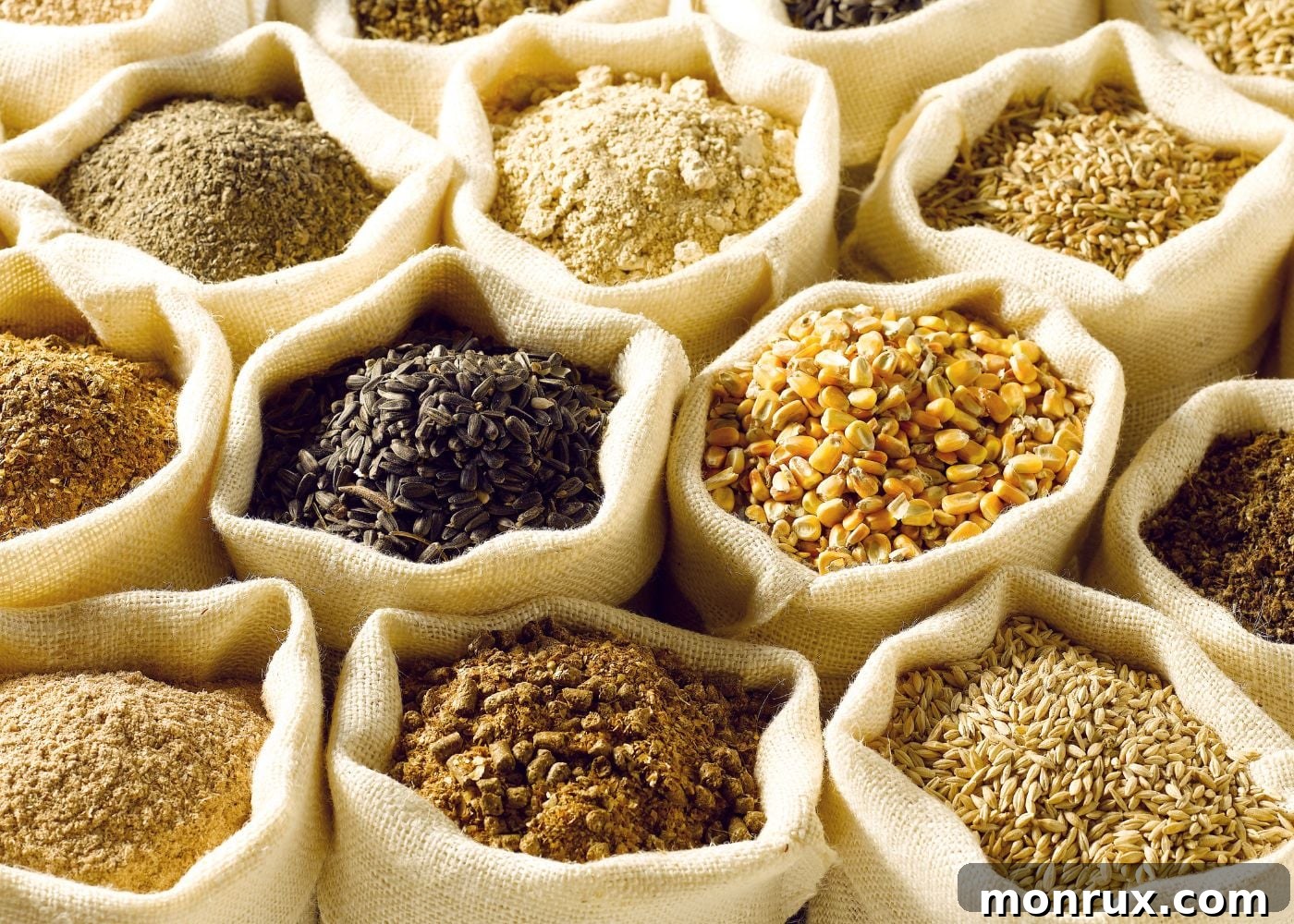
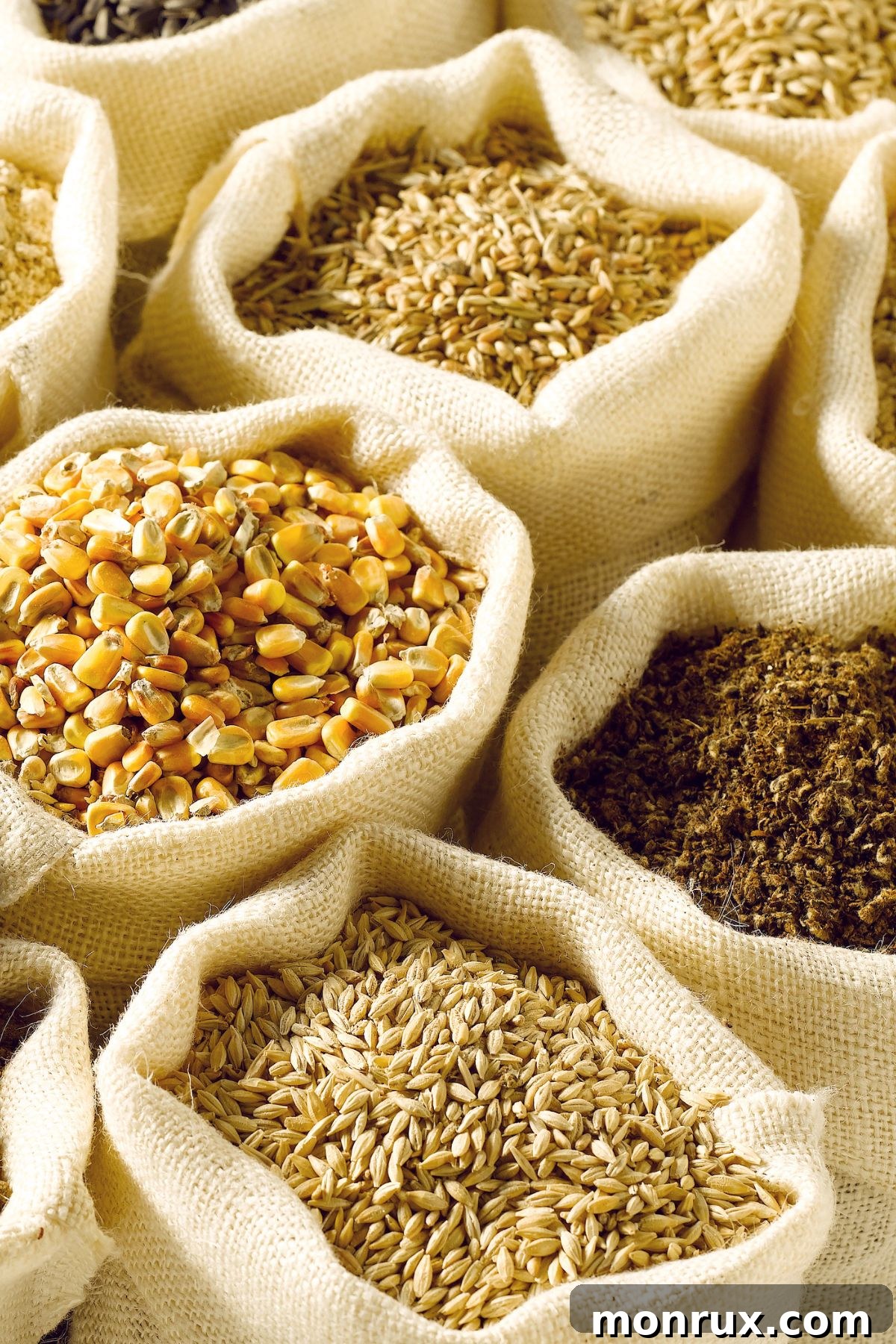
Grains are small, hard, dry seeds, harvested for human and animal consumption. They are the staple food in many cultures worldwide, offering an accessible and often abundant source of carbohydrates, protein, fiber, and various micronutrients. Botanically, grains are the fruit of grasses, known as caryopses, composed of three key parts: the bran, the germ, and the endosperm.
- Bran: This is the outer, protective layer of the grain kernel, rich in fiber, B vitamins, and antioxidants.
- Germ: The embryo of the seed, the germ is packed with healthy fats, B vitamins, vitamin E, and minerals.
- Endosperm: The largest part of the kernel, the endosperm primarily consists of starchy carbohydrates and some protein.
Common grains include wheat, oats, barley, rye, millet, sorghum, corn, and rice. These can be further categorized into “whole” or “refined” grains, a distinction that significantly impacts their nutritional value.
Whole Grains vs. Refined Grains
Whole grains are those that have undergone minimal processing, meaning all three parts—the bran, germ, and endosperm—remain intact. This preservation ensures that whole grains retain their full nutritional profile, offering a rich source of dietary fiber, essential vitamins, and minerals. Examples of whole grains commonly consumed include brown rice, oats, whole wheat, quinoa (often considered a pseudocereal but nutritionally similar), and barley.
Refined grains, in contrast, have been processed to remove the bran and germ, leaving only the starchy endosperm. While this process extends shelf life and creates a finer texture, it strips away a significant amount of fiber, B vitamins, iron, and other beneficial nutrients. White flour, white rice, and most commercial breads and pastas are made from refined grains. Some refined grains are “enriched,” meaning certain nutrients lost during processing (like specific B vitamins and iron) are added back. However, the crucial fiber content is rarely restored, making whole grains almost always the healthier choice when tolerated.
Understanding the difference between whole and refined grains is critical, as many health recommendations advocate for increased consumption of whole grains due to their association with reduced risk of chronic diseases such as heart disease, type 2 diabetes, and certain cancers.
What is a Grain-Free Diet?
A grain-free diet is a nutritional approach that involves completely eliminating all grains and any foods or ingredients derived from them. This means cutting out not only common staples like wheat, rice, and corn but also less obvious grain-based components found in many processed products. The philosophy behind a grain-free diet often stems from the belief that grains, particularly certain types or those containing gluten, can trigger adverse reactions in some individuals, leading to inflammation, digestive issues, and other health problems.
This dietary pattern is distinct from a gluten-free diet, although all grain-free diets are inherently gluten-free. A gluten-free diet specifically excludes gluten-containing grains (wheat, barley, rye), but may still permit other grains like rice and corn. A grain-free diet, however, is far more restrictive, excluding all true grains.
Many individuals explore a grain-free diet to address specific health concerns. Functional medicine practitioners, for instance, may recommend a grain-free approach for patients experiencing chronic inflammation, autoimmune diseases, digestive disorders like IBS, or suspected food sensitivities. Some even advocate for an Animal-Based Diet, which naturally eliminates all plant-based grains. It’s crucial to understand that a truly grain-free diet is very restrictive and should ideally be undertaken under the guidance of a medical professional or a registered dietitian to ensure nutritional adequacy and monitor its effects.
Foods to Avoid on a Grain-Free Diet
Adhering to a grain-free diet requires careful attention to food labels and a deep understanding of which ingredients contain grains. If you’ve been advised to follow this diet, you will need to eliminate all types of grains, whether whole or refined, as well as their derivatives. The list of foods to avoid is extensive and includes many common dietary staples:
Primary Grains to Exclude:
- Barley
- Bulgur
- Corn (dried, including cornmeal, corn flour, and popcorn)
- Farro
- Millet
- Oats (even gluten-free oats are still a grain)
- Rice (all types, including white, brown, wild, basmati, jasmine)
- Rye
- Sorghum
- Spelt
- Triticale
- Wheat (all varieties, including durum, semolina, kamut, einkorn)
Grain-Derived Products to Avoid:
Beyond the whole grains themselves, countless processed foods contain grain-based ingredients. Always read labels carefully.
- Bagels, Breads, Rolls, Buns
- Cakes, Cookies, Pastries, Donuts
- Cereals (hot and cold, including granola)
- Crackers and many snack foods
- Muffins and Scones
- Noodles and Pasta (made from wheat, rice, corn)
- Pizza Crusts
- Rice Cakes and Rice Crackers
- Tortillas and Wraps (unless specified as grain-free, e.g., made from cassava or almond flour)
- Many plant-based milks (specifically oat milk and rice milk, some soy milks might contain grain derivatives)
- Certain breaded items (chicken nuggets, fish sticks)
- Commercial gravies and sauces thickened with flour
- Soups containing noodles, barley, or flour thickeners
- Processed meats and deli meats (some use grain fillers or binders)
- Many alternative meat products (e.g., some veggie burgers contain wheat or rice)
Hidden Grains and Grain-Based Ingredients:
Grains can also hide in unexpected places, making label reading even more critical.
- Flours: Avoid all-purpose flour, corn flour, graham flour, rice flour, wheat flour, and any blends containing these.
- Sweeteners: High-fructose corn syrup, corn syrup, malt syrup, rice syrup.
- Alcoholic Beverages: Beer (made from barley), gin (often grain-based), sake (rice-based), whiskey (grain-based), Scotch (grain-based). Certain vodkas and spirits can also be grain-derived.
- Seasonings and Spices: Some spice blends or marinades may contain anti-caking agents derived from grains or grain-based fillers.
- Dressings and Condiments: Salad dressings, ketchup, mustard, and soy sauce can contain hidden grains, corn syrup, or grain-based thickeners.
- Medications and Supplements: Some pills or capsules use grain-based binders or fillers; consult your pharmacist.
For individuals with severe sensitivities or allergies, being aware of potential cross-contamination in shared kitchens or manufacturing facilities is also important.
Foods to Include on a Grain-Free Diet
While a grain-free diet eliminates a major food group, it opens the door to a diverse array of nutritious and satisfying foods. The key is to focus on whole, unprocessed options that naturally provide the nutrients often found in grains, such as complex carbohydrates, fiber, and B vitamins. Here’s a detailed look at foods you can enjoy:
Abundant Sources of Complex Carbohydrates:
Since grains are a primary source of carbohydrates, it’s essential to replace them with other healthy options. These foods will provide energy and maintain blood sugar balance:
- Starchy Vegetables: Potatoes (white and sweet potatoes), yams, plantains, taro.
- Winter Squash: Butternut squash, acorn squash, spaghetti squash, pumpkin.
- Legumes (if tolerated): Beans (black beans, kidney beans, pinto beans), lentils, chickpeas. Many individuals on a grain-free diet also avoid legumes, so assess your personal tolerance.
- Fruits: All fresh and dried fruits provide natural sugars and fiber. Berries, apples, bananas, oranges, mangoes, and dates are excellent choices.
For more specific options, you may also find my article on the best gluten-free carbohydrate foods helpful, keeping in mind that some listed there might still be grains.
Ensuring Adequate Fiber Intake:
Removing whole grains can drastically reduce your fiber intake, potentially leading to constipation and other digestive issues. To compensate, prioritize high-fiber grain-free foods:
- Vegetables: All non-starchy vegetables are excellent fiber sources, including leafy greens (spinach, kale), broccoli, cauliflower, asparagus, bell peppers, carrots, zucchini.
- Fruits: Apples, pears, berries, avocados.
- Nuts and Seeds: Almonds, walnuts, pecans, chia seeds, flaxseeds, pumpkin seeds, sunflower seeds. Nut butters are also great options.
Essential Proteins and Healthy Fats:
These foods are fundamental for satiety, muscle health, and overall bodily function, and they are naturally grain-free:
- Meat: Grass-fed beef, pasture-raised chicken, turkey, lamb, pork.
- Eggs: A versatile and complete protein source.
- Fish and Seafood: Wild-caught salmon, tuna, cod, shrimp, mussels, oysters.
- Healthy Fats: Avocados and avocado oil, olive oil, coconut oil, ghee, butter (from grass-fed sources).
- Dairy (if tolerated): Full-fat yogurt, cheese, milk (preferably organic and grass-fed).
- Plant-Based Proteins: Edamame, tofu, tempeh, natto (note: these are soy-based, and some grain-free diets also restrict soy due to inflammatory concerns).
Grain-Free Flours and Their Uses:
To replace grain-based flours in baking and cooking, a variety of alternatives are available. These can be found in most grocery stores and health food sections:
- Almond flour
- Coconut flour
- Cassava flour
- Tapioca flour/starch
- Arrowroot powder
- Chickpea flour
- Lentil flour
- Flaxseed meal (ground flaxseeds)
- Soy flour
You can use these flours to make grain-free baked goods, pancakes, and coatings for various dishes. Experimenting with these alternatives can help maintain variety and enjoyment in your diet.
Embracing Pseudocereals:
Pseudocereals are a fascinating group of plants that produce starchy seeds used in similar ways to grains, but they are botanically distinct and naturally gluten-free. They often possess similar, if not superior, nutritional profiles to whole grains.
The most common and readily available pseudocereals include:
- Quinoa: A complete protein, rich in fiber, iron, and magnesium.
- Amaranth: High in protein, fiber, and various micronutrients.
- Buckwheat: Despite its name, it’s not related to wheat; it’s a good source of fiber and antioxidants.
These pseudocereals can be excellent additions to a grain-free diet, providing texture, nutrients, and versatility in dishes like salads, porridges, and side dishes.
Potential Benefits of a Grain-Free Diet
While not universally suitable for everyone, a grain-free diet can offer several compelling health benefits for individuals sensitive to grains or grappling with specific health conditions. The potential advantages stem from reducing common allergens and inflammatory triggers, as well as focusing on nutrient-dense whole foods.
- Reduced Inflammation: Many people find that grains, especially refined ones and those containing gluten, can exacerbate systemic inflammation. By removing grains, some individuals experience a significant reduction in inflammatory markers, potentially alleviating symptoms associated with chronic inflammatory conditions like arthritis, skin issues, and certain autoimmune diseases.
- Improved Digestive Health: For individuals with conditions such as Irritable Bowel Syndrome (IBS), Crohn’s disease, ulcerative colitis, or non-celiac gluten sensitivity, grains can be a source of discomfort, bloating, gas, and irregular bowel movements. Eliminating grains may lead to a calmer digestive system, better nutrient absorption, and alleviation of gastrointestinal distress. The removal of certain fermentable carbohydrates (FODMAPs) found in some grains can also contribute to this improvement.
- Better Blood Sugar Control: Grains, particularly refined grains, are high in carbohydrates and can cause rapid spikes in blood sugar. A grain-free diet, which typically emphasizes lean proteins, healthy fats, and non-starchy vegetables, can help stabilize blood glucose levels. This can be particularly beneficial for individuals with insulin resistance, prediabetes, or type 2 diabetes, leading to more stable energy levels and reduced cravings.
- Weight Management: By eliminating processed grain-based foods (which are often calorie-dense and nutritionally poor), and focusing on whole, unprocessed foods, individuals may naturally reduce their overall calorie intake and improve satiety. This dietary shift often leads to healthy weight loss for those who have weight to lose, especially if their inflammation was contributing to weight gain.
- Alleviation of Autoimmune Symptoms: For many with autoimmune conditions like Hashimoto’s thyroiditis, rheumatoid arthritis, or celiac disease, grains (especially gluten-containing ones) can act as triggers, leading to flare-ups and worsening symptoms. A grain-free diet, often employed as part of protocols like the Autoimmune Protocol (AIP), can help calm the immune system and reduce disease activity, leading to symptom remission in some cases.
- Increased Energy and Mental Clarity: Some individuals report feeling more energetic and experiencing improved mental clarity, reduced “brain fog,” and better mood stabilization after going grain-free. This could be attributed to reduced inflammation, better blood sugar regulation, or the elimination of substances that previously caused an adverse reaction.
- Clearer Skin: For some, a grain-free diet may contribute to clearer skin, potentially reducing conditions like acne or eczema. This benefit is often linked to the reduction of inflammatory foods and improvements in gut health.
It’s important to note that these benefits are highly individual, and what works for one person may not work for another. The success of a grain-free diet often depends on careful planning, nutrient replacement, and consistent adherence.
Challenges and Considerations of a Grain-Free Diet
While a grain-free diet can offer significant benefits for some, it’s also a highly restrictive eating plan that comes with its own set of challenges and important considerations. Understanding these aspects is crucial before making such a substantial dietary change.
- Risk of Nutrient Deficiencies: Grains, especially whole grains, are important sources of dietary fiber, B vitamins (thiamine, riboflavin, niacin, folate), iron, magnesium, and selenium. Eliminating them without careful planning can lead to deficiencies. It’s essential to replace these nutrients through a diverse intake of fruits, vegetables, nuts, seeds, lean proteins, and fortified alternatives (if applicable and grain-free).
- Dietary Restrictiveness and Social Impact: A grain-free diet can be challenging to maintain in social settings, when dining out, or while traveling. Many common foods, from bread to pasta to desserts, are off-limits, which can lead to feelings of deprivation or isolation. This can make adherence difficult in the long run.
- Cost and Accessibility: Grain-free alternatives, such as almond flour or cassava flour, and specialty grain-free products, are often more expensive than their grain-based counterparts. Sourcing a wide variety of fresh, whole, grain-free foods can also be more costly and less accessible depending on geographic location.
- Difficulty Identifying Hidden Grains: As discussed, grains and their derivatives can be found in a surprising number of processed foods, sauces, condiments, and even medications. Meticulous label reading and constant vigilance are required, which can be time-consuming and frustrating.
- Not Necessary for Everyone: For individuals who tolerate grains well and do not experience adverse reactions, eliminating them might be an unnecessary and overly restrictive measure. Whole grains, when part of a balanced diet, offer numerous health benefits and are widely recommended by public health organizations.
- Misconception of “Grain-Free” vs. “Gluten-Free”: While all grain-free diets are gluten-free, the reverse is not true. Some individuals confuse the two, believing that simply avoiding gluten is sufficient when a full grain-free approach is needed. This distinction is vital for those with specific sensitivities.
- Potential for Unhealthy Substitutions: There’s a risk of simply replacing grain-based junk food with grain-free junk food (e.g., highly processed grain-free cookies). The focus should always be on whole, unprocessed foods rather than relying heavily on specialty grain-free processed items, which may still be high in sugar, unhealthy fats, and additives.
- Importance of Professional Guidance: Due to its restrictive nature and the potential for nutrient deficiencies, embarking on a grain-free diet should ideally be done under the supervision of a healthcare provider, such as a doctor or a registered dietitian. They can help assess whether it’s appropriate for your health goals, guide you on proper nutrient replacement, and monitor your health throughout the process.
Navigating these challenges requires education, planning, and often, a strong support system. Weighing the potential benefits against these considerations is an important step before adopting a grain-free lifestyle.
Who Should Consider a Grain-Free Diet?
While a grain-free diet is not a universal recommendation, it can be a highly effective therapeutic approach for specific individuals facing certain health challenges. The decision to go grain-free should ideally be made in consultation with a healthcare professional, but here are common scenarios where it might be considered:
- Individuals with Celiac Disease: Although a grain-free diet goes beyond gluten-free, it inherently covers the needs of celiac patients by eliminating all sources of gluten (found in wheat, barley, and rye). For those with severe celiac disease, a strict grain-free diet might offer additional relief or certainty against cross-contamination.
- Non-Celiac Gluten Sensitivity (NCGS): Many people experience symptoms like bloating, abdominal pain, fatigue, and brain fog after consuming gluten, even if they don’t have celiac disease. A grain-free diet removes gluten completely, often leading to significant symptom improvement.
- Autoimmune Conditions: A substantial body of anecdotal evidence and some research suggest that eliminating grains can help manage symptoms of various autoimmune diseases, including Hashimoto’s thyroiditis, rheumatoid arthritis, lupus, and multiple sclerosis. Grains, particularly those with gluten, are thought by some to increase gut permeability (leaky gut), which can exacerbate autoimmune responses.
- Irritable Bowel Syndrome (IBS) and Other Digestive Issues: For those suffering from IBS, chronic bloating, gas, diarrhea, or constipation, grains can sometimes be a trigger. Some individuals find relief by removing grains that contain fermentable carbohydrates (FODMAPs) or other compounds that irritate their digestive system.
- Food Allergies or Sensitivities: Beyond gluten, some people have allergies or sensitivities to other specific grains like corn or rice. A grain-free diet provides a framework for eliminating all potential grain allergens.
- Chronic Inflammation: If you experience persistent inflammation throughout your body, indicated by symptoms like chronic pain, fatigue, or certain skin conditions, a grain-free diet might help reduce systemic inflammation, especially if grains are a dietary trigger for you.
- Individuals Seeking Ancestral or Paleolithic Diets: Proponents of paleo or primal eating often advocate for a grain-free approach, arguing that human ancestors did not consume grains in the same way modern humans do. This dietary choice is often driven by a philosophical belief in aligning diet with ancestral eating patterns.
It cannot be overstated that self-diagnosing and implementing a restrictive diet without professional guidance can lead to nutritional imbalances or mask underlying conditions. A healthcare provider can help determine if a grain-free diet is appropriate for your unique health profile, guide you through the transition, and ensure you maintain a nutritionally complete diet.
FAQs About Grain-Free Eating
The question of whether grain-free diets are “natural” for humans is a topic of ongoing debate. Popular diets like the Paleo diet and Whole30 often argue that humans are not biologically adapted to consume grains, especially in their modern, cultivated forms. They suggest that our ancestors primarily ate a diet of lean meats, fish, fruits, vegetables, nuts, and seeds. However, archaeological evidence paints a more complex picture. For example, research indicates that starch grains were being processed and consumed by early humans in Europe as far back as 30,000 years ago. Furthermore, wheat was one of the first crops to be domesticated around 10,000 years ago, coinciding with the rise of agriculture and significant shifts in human diet and society. While the extent to which grains have always been a cornerstone of the human diet varies by region and era, it’s clear they have played an integral role for many millennia. Therefore, whether or not grains are considered a “natural” part of the human diet largely depends on the specific interpretation of human evolutionary history.
Yes, quinoa—along with buckwheat and amaranth—are generally permitted on a grain-free diet. This is because they are classified as pseudocereals, not true grains. Pseudocereals are plants that produce starchy seeds or fruits that are used similarly to grains, but they belong to different botanical families and have distinct physical and chemical properties. This distinction means they often have a different effect on the body compared to true grains. Quinoa, for instance, is highly valued for its complete protein profile and rich fiber content. However, individual sensitivities can vary, so it’s always advisable to consult with your doctor or a registered dietitian to determine whether pseudograins like quinoa are appropriate for your specific health needs and dietary goals.
In many cases, adopting a grain-free diet can significantly help in controlling or even eliminating the symptoms of certain autoimmune conditions, including Hashimoto’s thyroiditis, rheumatoid arthritis, lupus, and multiple sclerosis. This is a primary reason why medical professionals, particularly those in functional medicine, frequently advise a grain-free or even more restrictive autoimmune protocol (AIP) approach. The premise is that grains, especially those containing gluten, can trigger or exacerbate inflammation and immune responses in susceptible individuals. For example, gluten in many grains is a major factor for people with celiac disease, leading to severe nutritional deficiencies and other digestive issues. Similarly, going grain-free has been shown to help control the symptoms of IBS and may even be beneficial for conditions like ulcerative colitis. By removing potential triggers, the body’s immune system can calm down, leading to reduced inflammation and symptom improvement. Learn more about comprehensive autoimmune dietary strategies in my article on the AIP Diet for Beginners. Always consult with a healthcare professional before making significant dietary changes for an autoimmune condition.
Potentially, yes. If your body is experiencing inflammation or adverse reactions from consuming grains, then transitioning to a grain-free diet may help reduce that inflammation. Reduced inflammation can often facilitate healthy weight loss, assuming you have excess weight to lose. This can be particularly true for individuals with food allergies, irritable bowel syndrome, non-celiac gluten intolerance, an autoimmune disorder, or a wheat allergy, where systemic inflammation can hinder weight management efforts. Furthermore, a grain-free diet often naturally encourages the consumption of more whole, unprocessed foods like vegetables, fruits, lean proteins, and healthy fats, while eliminating many calorie-dense, nutrient-poor processed foods made with refined grains. This shift can lead to reduced overall calorie intake and improved satiety, contributing to sustainable weight loss. However, simply removing grains without focusing on nutrient-dense alternatives can lead to an unbalanced diet, and weight loss is not guaranteed if unhealthy grain-free processed foods are consumed in excess.
No, a grain-free diet is not the same as a gluten-free diet, though all grain-free diets are inherently gluten-free. A gluten-free diet specifically eliminates gluten, a protein found in wheat, barley, rye, and triticale. This means that individuals on a gluten-free diet can still consume other grains that do not contain gluten, such as rice, corn, oats (if certified gluten-free), and pseudocereals like quinoa. In contrast, a grain-free diet goes a step further by excluding all true grains, regardless of their gluten content. This includes not only wheat and barley but also rice, corn, oats, millet, and sorghum. Therefore, a grain-free diet is significantly more restrictive than a gluten-free diet.
Grain-Free Recipes to Try
Embarking on a grain-free journey doesn’t mean sacrificing delicious meals. Here are some fantastic grain-free recipes to inspire your culinary adventures:
- Grain-Free Crab Cakes
- Air Fryer Meatloaf
- Meatloaf with Almond Flour
- Cassava Flour Chocolate Chip Muffins
- Grain-Free Pizza Crust
- Keto Mexican Rice
More Diet Resources to Consider
Conclusions
A grain-free diet is a significant dietary intervention that can offer considerable benefits for individuals suffering from specific health conditions, particularly those involving inflammation, autoimmune responses, or digestive sensitivities. By meticulously eliminating all grains and their derivatives, some people experience profound improvements in their well-being, from reduced symptoms of chronic illness to enhanced energy and better digestive function.
However, it’s equally important to recognize that grains are a diverse food group, and for many, especially those without specific sensitivities, whole grains can be a valuable part of a healthy and balanced diet, providing essential fiber, vitamins, and minerals. Sometimes, the issue isn’t all grains, but specifically refined grains or gluten-containing grains, and simply switching to a diet rich in whole grains could yield positive effects without the need for total elimination.
Given the restrictive nature of a grain-free diet and the potential for nutrient deficiencies, it is paramount to approach this dietary change thoughtfully and responsibly. Before making any significant alterations to your diet, it is highly recommended to discuss the potential benefits, challenges, and suitability of a grain-free approach with your doctor or a qualified healthcare professional. Their personalized guidance can ensure that your dietary choices support your overall health and nutritional needs effectively.
Don’t forget to join my newsletter list to get exclusive clean eating recipes and tips. The newsletter is 100% free with no spam; unsubscribe anytime.
About the Author: Carrie Forrest has a master’s degree in public health with a specialty in nutrition and is a certified holistic nutritionist. She is a top wellness and food blogger with over 5 million annual visitors to her site. Carrie has an incredible story of recovery from chronic illness and is passionate about helping other women transform their health. Send her a message through her contact form.
Note: this post is for informational purposes only and is not intended as medical advice. Please consult your healthcare provider for recommendations related to your individual situation.