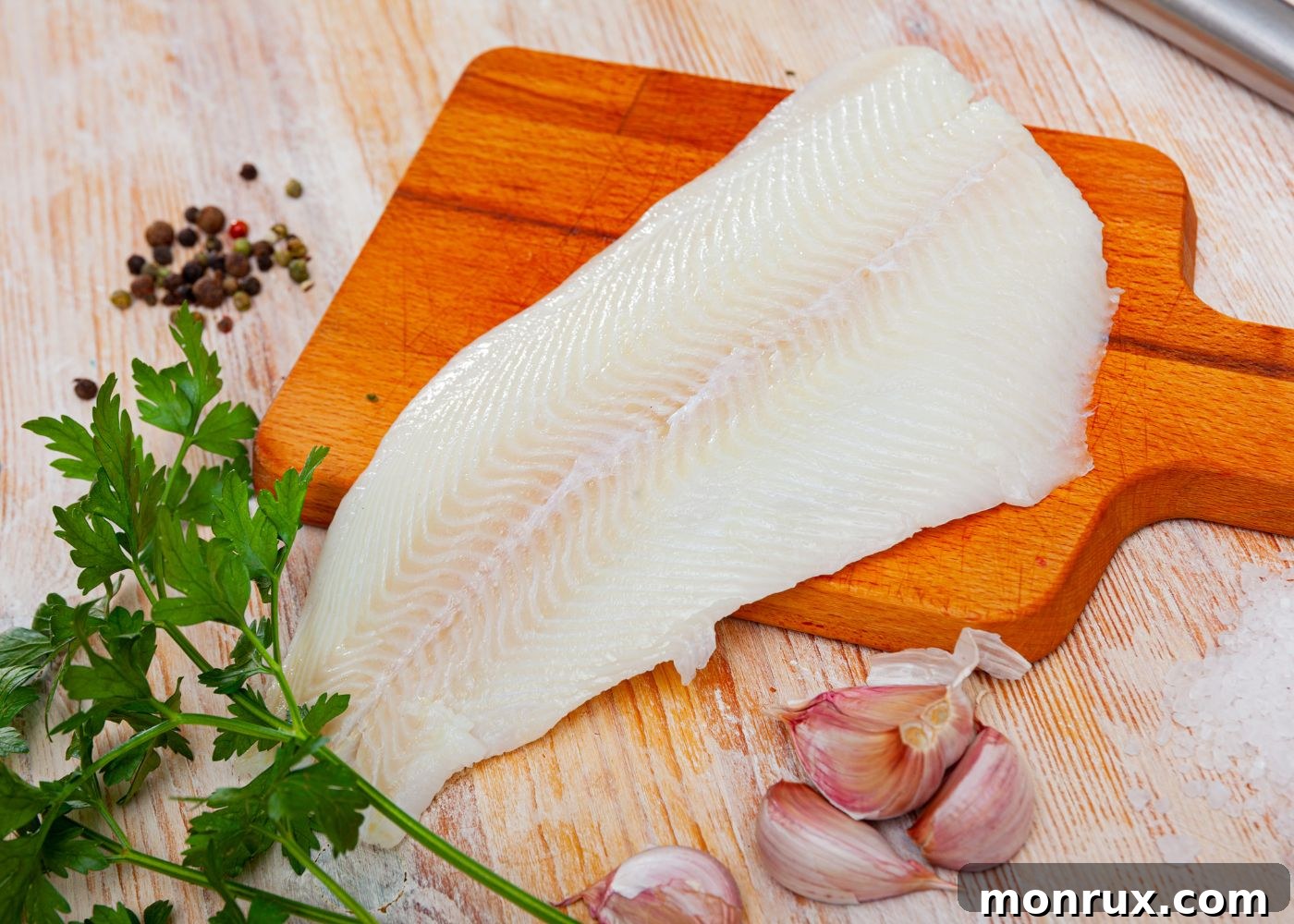
Halibut, a pristine white fish revered for its delicate flavor and firm, flaky texture, is a culinary delight often featured in sophisticated dishes, comforting fish tacos, and hearty stews. However, its premium status can sometimes lead to higher prices or limited availability in local markets. When halibut isn’t an option, whether due to budget constraints or simply being out of stock, knowing suitable alternatives becomes invaluable for any home cook or culinary enthusiast. Fortunately, the ocean offers a diverse range of fish that can step in, offering similar taste, texture, and cooking versatility. This guide explores the best substitutes for halibut, including popular choices like mahi-mahi, cod, sole, haddock, tilapia, flounder, sea bass, fluke, and tuna, ensuring your recipes never miss a beat.
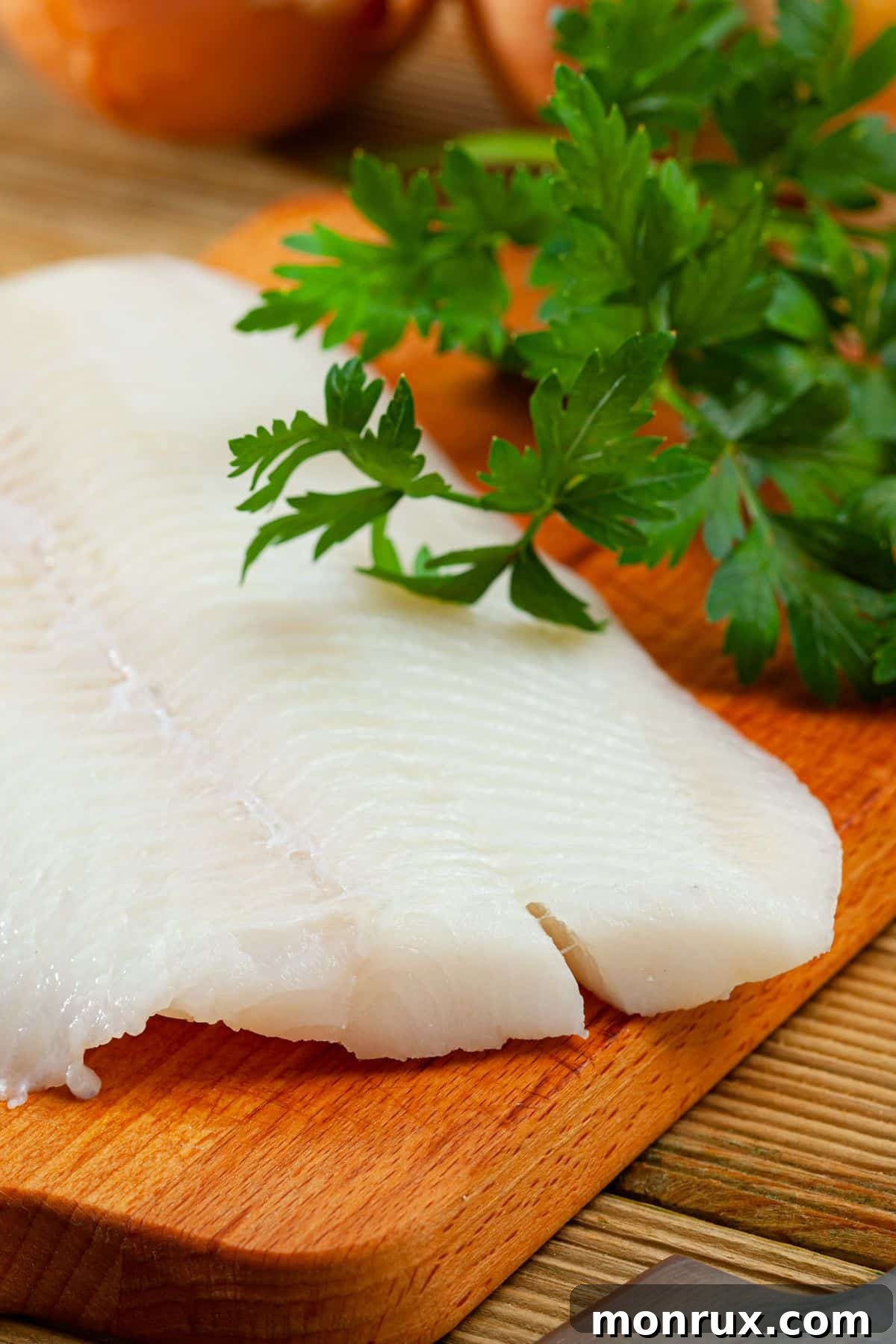
Halibut fillets are celebrated for their mild, subtly sweet flavor profile, complemented by a distinctly firm texture. As a relatively lean fish, halibut cooks into large, moist, and tender flakes, offering a truly luxurious mouthfeel. It’s frequently described as having a remarkably “clean” taste, making it a favorite among seafood aficionados and a star ingredient in many dishes. Its versatility allows it to be grilled, baked, pan-seared, or poached, adapting beautifully to various culinary preparations and seasoning styles without overpowering other ingredients.
Many chefs and home cooks, myself included, prefer wild-caught Pacific halibut, which is often available in the seafood sections of most grocery stores. To manage costs without compromising quality, purchasing halibut frozen is an excellent strategy. Freezing techniques have advanced significantly, ensuring that frozen halibut retains its flavor, texture, and nutritional value, making it a budget-friendly way to enjoy this exquisite fish. Exploring options like these is part of a broader approach to eating healthy on a budget, allowing for gourmet meals without breaking the bank.
Halibut Substitutes: A Guide to the Best Alternatives
Whether halibut is unavailable, too expensive, or you simply want to explore new flavors, a variety of fish can serve as excellent alternatives. Here are some top choices, each bringing its unique qualities to your kitchen, making it easy to adapt your favorite recipes.
1. Mahi-Mahi
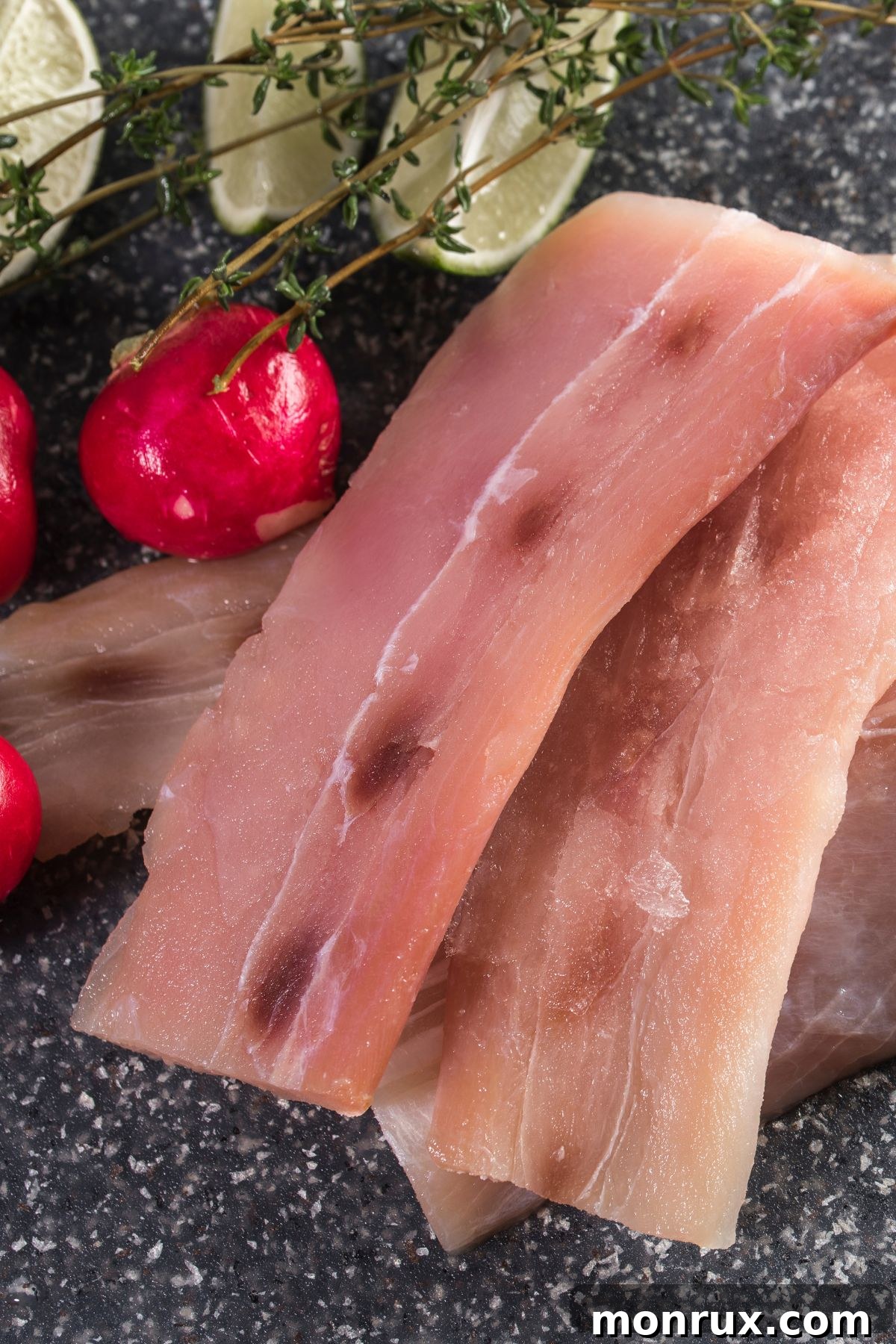
Mahi-mahi, also known as dolphin fish (though not related to marine mammals), is a widely recognized and appreciated fish in the United States and beyond. It’s prized for its delicate yet distinctive flavor and its firm, almost steak-like texture, which holds up exceptionally well to various cooking methods. This tropical fish is incredibly versatile and can be grilled to perfection, baked for a tender result, or pan-fried for a crispy exterior, making it suitable for a wide array of culinary applications, from simple weeknight dinners to gourmet presentations.
Beyond its culinary appeal, mahi-mahi is a powerhouse of nutrition. It is notably high in lean protein, essential for muscle repair and growth, and rich in omega-3 fatty acids, which are crucial for heart health and cognitive function. This makes it an incredibly healthy choice for those looking to incorporate more beneficial seafood into their diet without compromising on taste. I often feature mahi-mahi in my recipes, such as Air Fryer Mahi-Mahi with Mango Salsa or Instant Pot Coconut Mahi-Mahi, particularly when vacationing in places like Hawaii where it’s abundant and fresh.
While halibut typically offers a slightly firmer texture, mahi-mahi tends to be a bit softer, yet still very satisfyingly firm. It’s also generally lower in fat than halibut, making it a fantastic option for those monitoring their fat intake. When cooked, mahi-mahi often retains more moisture than halibut, resulting in a juicier, more succulent fillet. This moisture retention contributes to its appeal, especially for those who appreciate a flaky yet tender fish. Its sweet taste and similar textural qualities make it an excellent, almost seamless, substitute for halibut in nearly any recipe.
Substitution Tip: For one serving of halibut, use an equal serving of mahi-mahi.
2. Cod
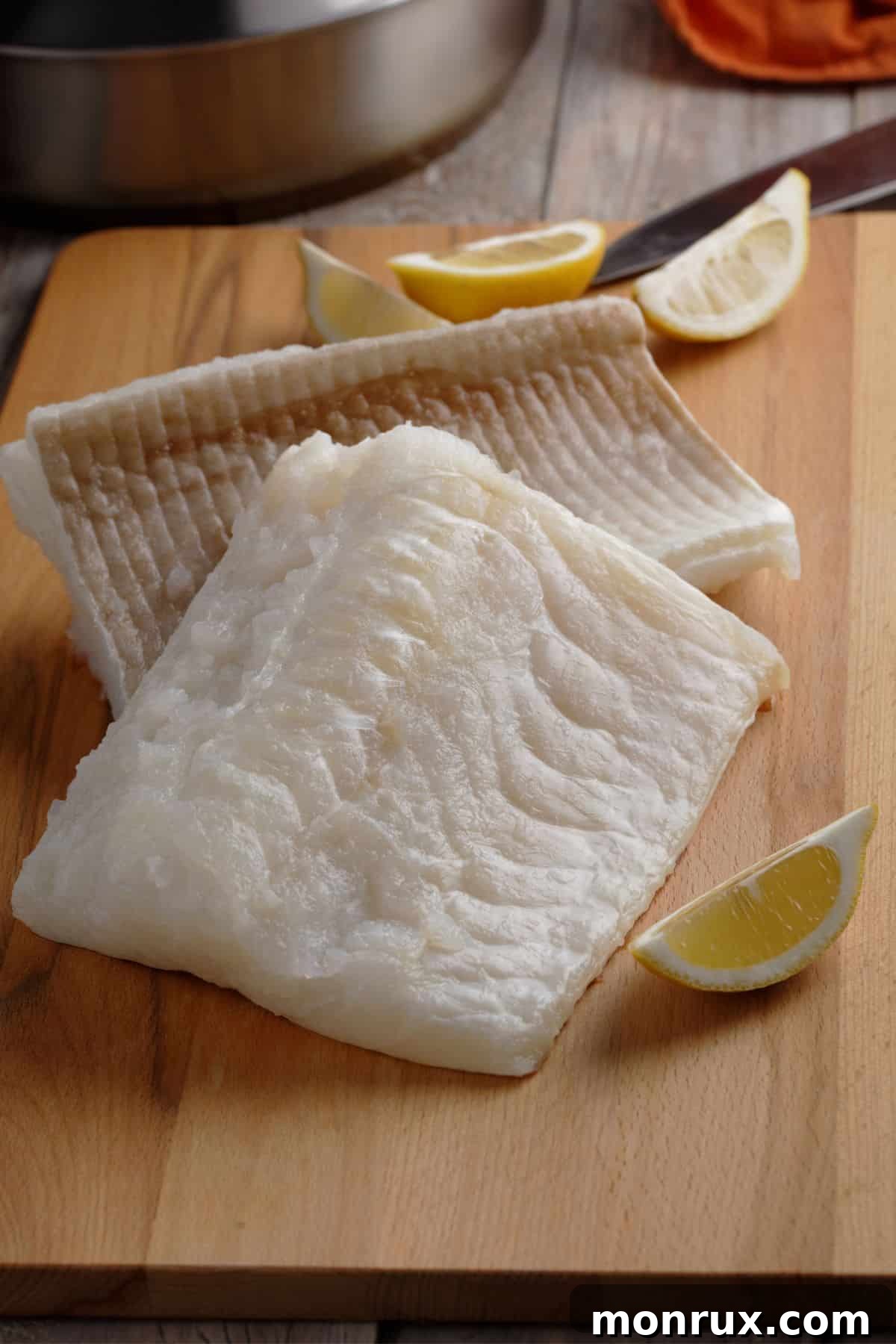
Cod is a quintessential white fish, widely celebrated for its clean flavor and distinctively firm, flaky flesh. Its mild taste makes it incredibly versatile, capable of absorbing and complementing a wide range of seasonings and culinary styles. Cod can be prepared in countless ways: it bakes beautifully, fries to a perfect crisp, and stands up well in hearty stews. It’s also an iconic ingredient in beloved dishes like classic fish tacos and the quintessential British fish and chips, where its delicate meat truly shines.
As a white fish, cod shares many desirable characteristics with halibut. It boasts a mild flavor and a texture that, while perhaps not as robustly firm as halibut, is still wonderfully flaky and satisfying. Nutritionally, cod is a lean protein source, lower in fat than halibut, yet still provides valuable omega-3 fatty acids, contributing to a balanced diet. One notable difference when cooking is that cod tends to retain more moisture, resulting in a very succulent and tender outcome. Its delicate taste and meaty texture make it an outstanding, accessible substitute for halibut, particularly in recipes where a subtle flavor and flaky consistency are desired.
Substitution Tip: Use one serving of cod for every serving of halibut required.
3. Sole
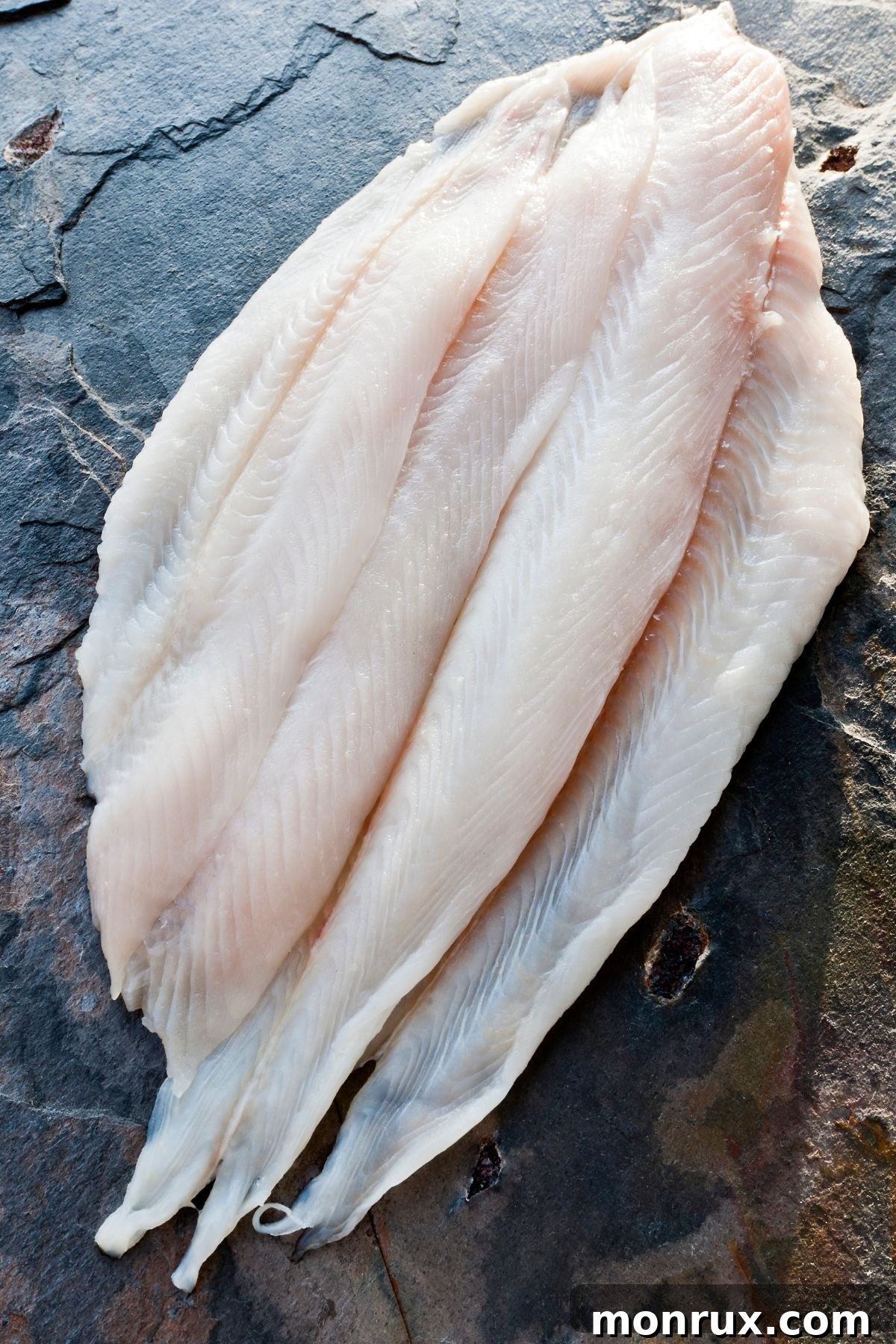
Sole is a refined member of the flatfish family, predominantly found in the rich waters of the Atlantic Ocean and the Mediterranean Sea. Esteemed for its delicate nature, sole is a highly popular food fish, frequently incorporated into elegant culinary creations such as light soups, flavorful stews, and comforting casseroles. The flesh of sole is notably white and exquisitely flaky, offering a mild, subtly sweet flavor that is both appealing and versatile.
This light-bodied fish shares considerable similarities with halibut in terms of its refined flavor and tender texture. While halibut is often characterized by a slightly milder and sweeter taste profile compared to sole, sole still presents a delightful and very close approximation. It cooks quickly and evenly, making it an excellent choice for quick preparations. Furthermore, sole is not just delicious; it’s also a nutritious option, providing a good source of lean protein and beneficial omega-3 fatty acids, aligning well with health-conscious dietary choices. Its ability to absorb flavors while maintaining its delicate structure makes it a fantastic stand-in for halibut, especially in dishes where a lighter touch is preferred.
Substitution Tip: For a one-to-one replacement, use one serving of sole for one serving of halibut.
4. Haddock
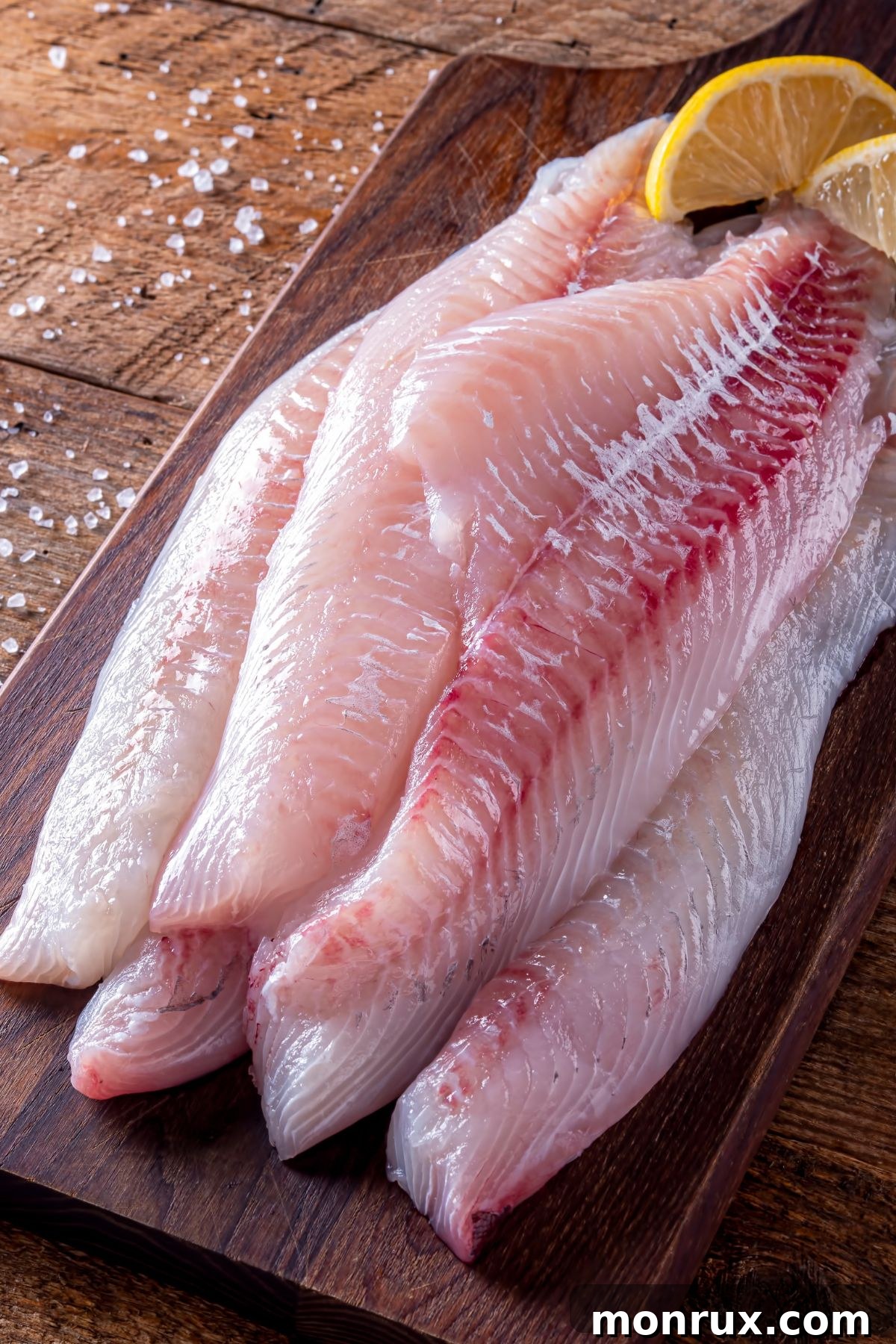
Haddock is a delicious and highly regarded white fish, celebrated for its beautifully flaky texture and mild flavor. Its subtle taste makes it incredibly adaptable, pairing exceptionally well with a wide array of seasonings and culinary preparations. Whether you choose to bake it gently, fry it to a golden crisp, or sauté it quickly, haddock consistently delivers a delightful culinary experience. It’s particularly popular in fish and chips, where its delicate flesh contrasts wonderfully with a crunchy batter.
Beyond its appealing taste and texture, haddock is also a smart dietary choice. It’s a robust source of lean protein, vital for muscle maintenance and overall health, and provides valuable omega-3 fatty acids, which contribute to cardiovascular wellness. When selecting haddock, look for fillets that are firm to the touch and exhibit a fresh, pinkish-white hue, indicating quality and freshness. Compared to halibut, haddock is generally a smaller fish with an even milder flavor profile, and it tends to be more moist when cooked. These characteristics make it a superb and reliable alternative when halibut is not available, offering a similar culinary experience with its own unique gentle qualities.
Substitution Tip: Substitute one serving of haddock directly for one serving of halibut in your recipes.
5. Tilapia
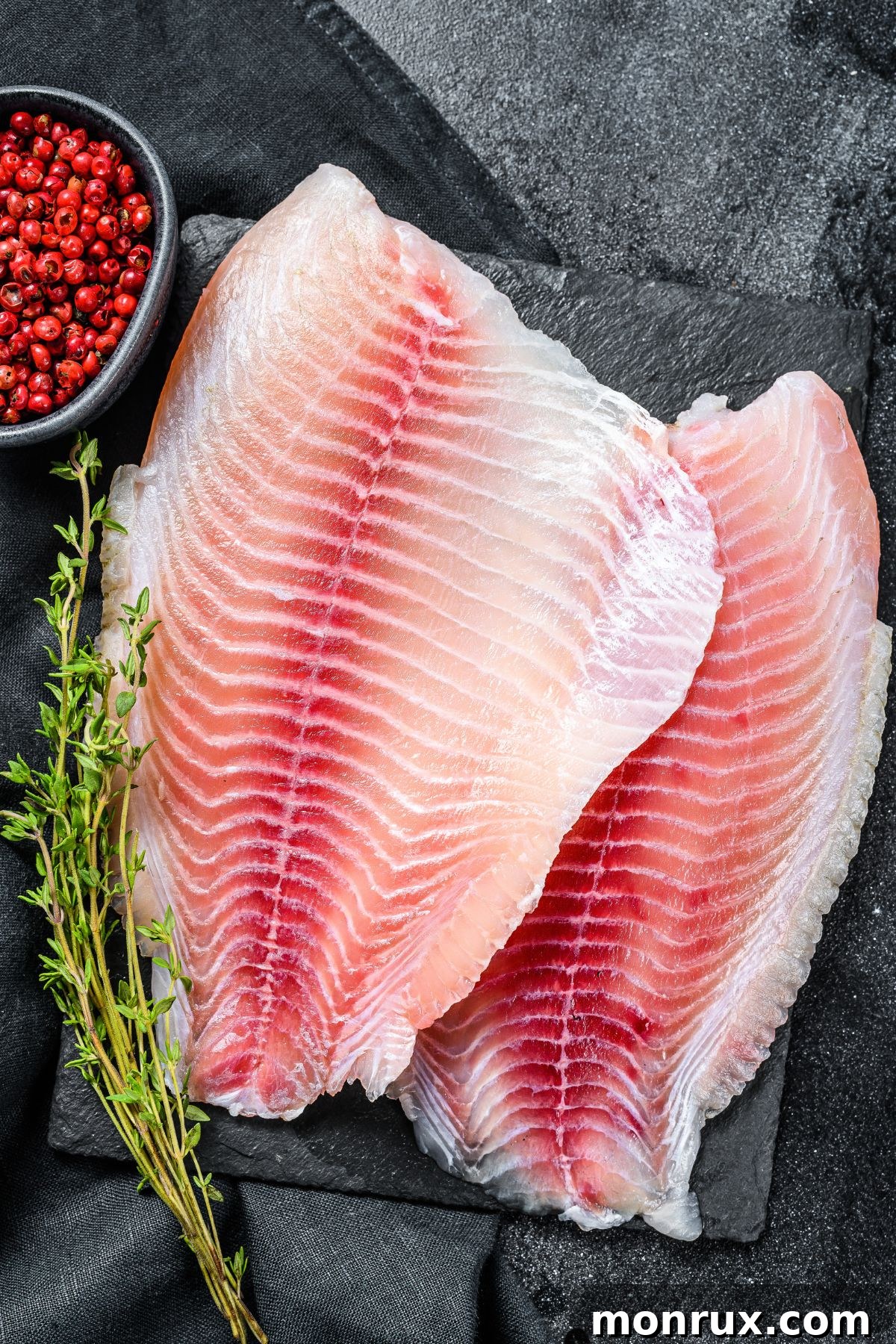
Tilapia, a freshwater fish, has soared in popularity due to its exceptionally mild flavor and remarkable versatility in the kitchen. Farm-raised tilapia is now one of the most readily available seafood options in supermarkets worldwide, offering an accessible and budget-friendly choice for countless meals. Its adaptability allows it to be prepared in numerous ways, from baking and grilling to frying and stewing, making it a staple for many households.
Often considered a healthy choice, tilapia is notably low in fat and calories, making it an excellent option for those focused on weight management or a lean diet. Furthermore, it’s a valuable source of protein, essential vitamins, and minerals, contributing to a well-rounded nutritional intake. While tilapia’s flavor is undeniably mild, some palates might find it less pronounced compared to the richer, more flavorful profile of halibut, which benefits from a higher fat content. This richness in halibut often translates to a more robust and satisfying taste experience for some.
Due to its typically thinner fillet size compared to halibut steaks, tilapia often requires a reduced cooking time. This quick cooking characteristic makes it an ideal ingredient for speedy meals. I highly recommend trying it in quick-cook recipes like my Air Fryer Fish Tacos, where its delicate flakes can absorb vibrant flavors without becoming overcooked. Its mildness and widespread availability make it a reliable and convenient substitute for halibut, especially when you need a simple, quick-cooking white fish.
Substitution Tip: Replace one serving of halibut with an equal serving of tilapia.
6. Flounder
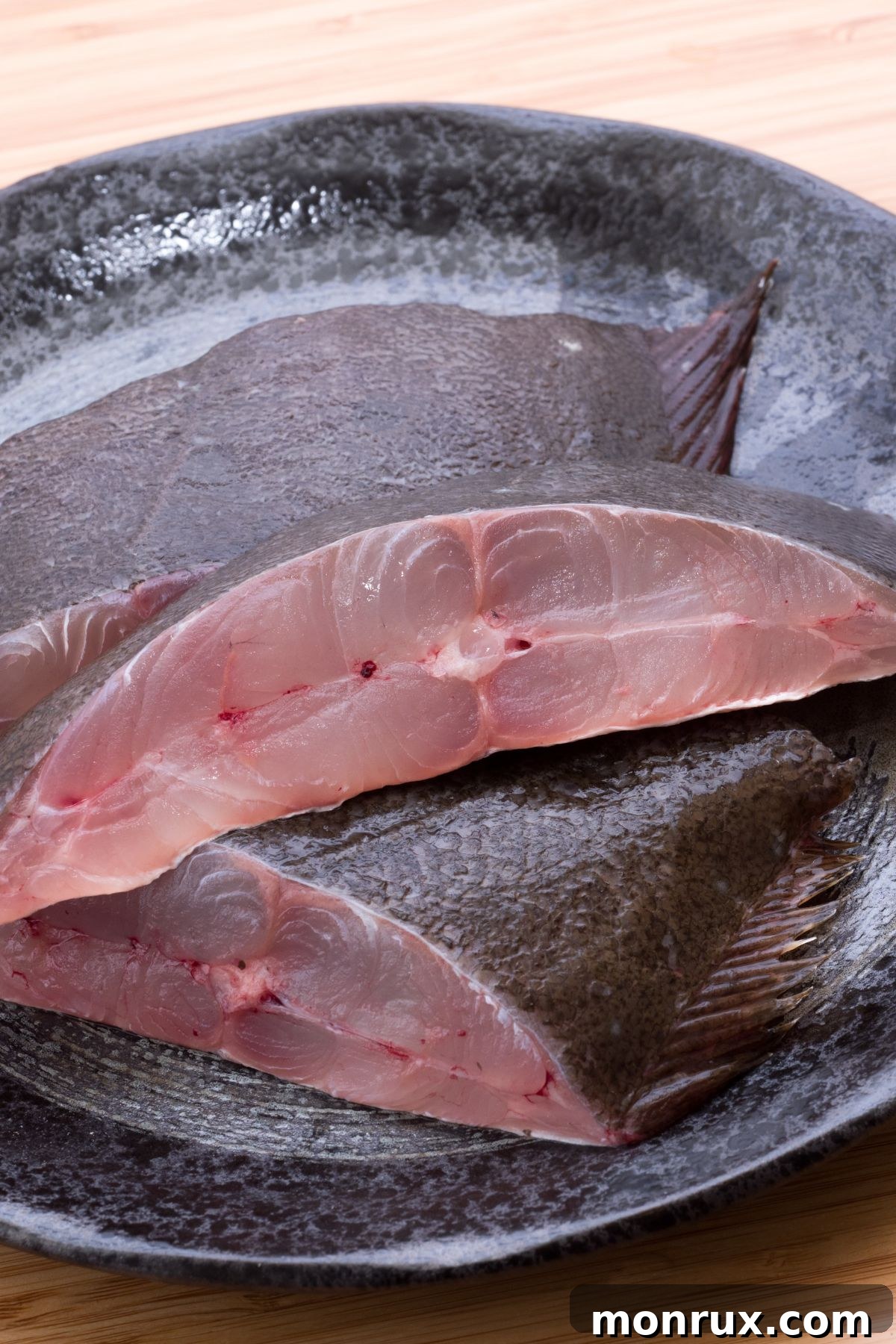
Flounder, another esteemed member of the flatfish family, is celebrated for its exceedingly mild and subtly sweet flavor. As a lean fish, it is naturally low in calories and fat, making it a cornerstone of healthy eating. Beyond its dietary benefits, flounder is also an excellent source of high-quality protein, vital potassium, and beneficial omega-3 fatty acids. These nutritional attributes make it a superb choice for individuals committed to maintaining a wholesome and balanced diet.
The versatility of flounder in the kitchen is impressive; it can be baked to tender perfection, pan-fried for a delicate crisp, or grilled lightly. Its gentle flavor profile makes it a popular ingredient in diverse culinary applications, frequently appearing in fresh fish tacos, classic fish & chips, and simple yet delicious fish sandwiches. When directly comparing taste, flounder offers a delicate, almost ethereal flavor, standing in contrast to halibut’s slightly sweeter and more robust profile. Texturally, flounder is renowned for its light and exceptionally flaky flesh, while halibut is known for its firmer, more substantial bite. Despite these subtle differences, flounder’s mildness and tender flakiness make it a very capable and delightful substitute for halibut, especially in dishes where a lighter fish is desired.
Substitution Tip: Use one serving of flounder as a direct replacement for one serving of halibut.
7. Sea Bass
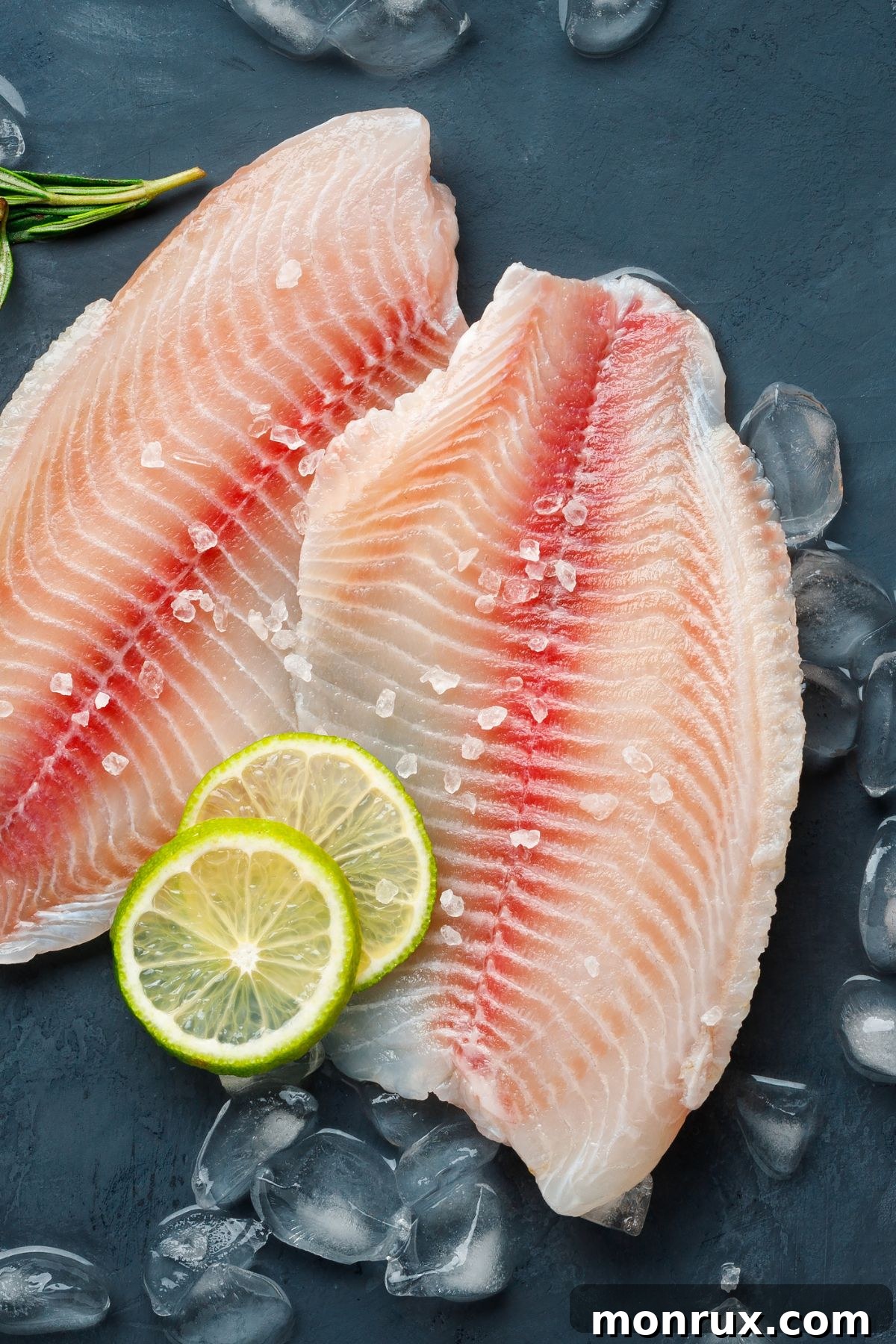
Sea bass, encompassing a variety of species like striped sea bass and the highly prized Chilean sea bass, is a perennial favorite among seafood enthusiasts. Its appeal lies in its gentle, clean flavor and its distinctively firm, yet buttery, texture. This mild fish is remarkably versatile, lending itself beautifully to a wide range of cooking techniques. Whether you prefer to grill it to highlight its natural flavors, bake it for a tender and moist result, or sauté it quickly, sea bass consistently delivers an elegant dining experience.
In terms of comparison, halibut typically boasts a larger size and a slightly milder flavor profile, while various types of sea bass tend to be smaller, offering a more delicate and sometimes richer taste. Texturally, halibut is celebrated for its flakier consistency, whereas sea bass is known for its firmer, almost meaty flesh that retains moisture exceptionally well. Despite these distinctions, sea bass remains one of the best and most adaptable alternatives to halibut. Its ability to hold its shape during cooking and its delightful flavor make it an excellent choice for recipes requiring a fish with substance and a refined taste. It’s particularly suitable for dishes where the fish is the star, as its inherent qualities shine through.
Substitution Tip: One serving of sea bass can be used interchangeably with one serving of halibut.
8. Fluke
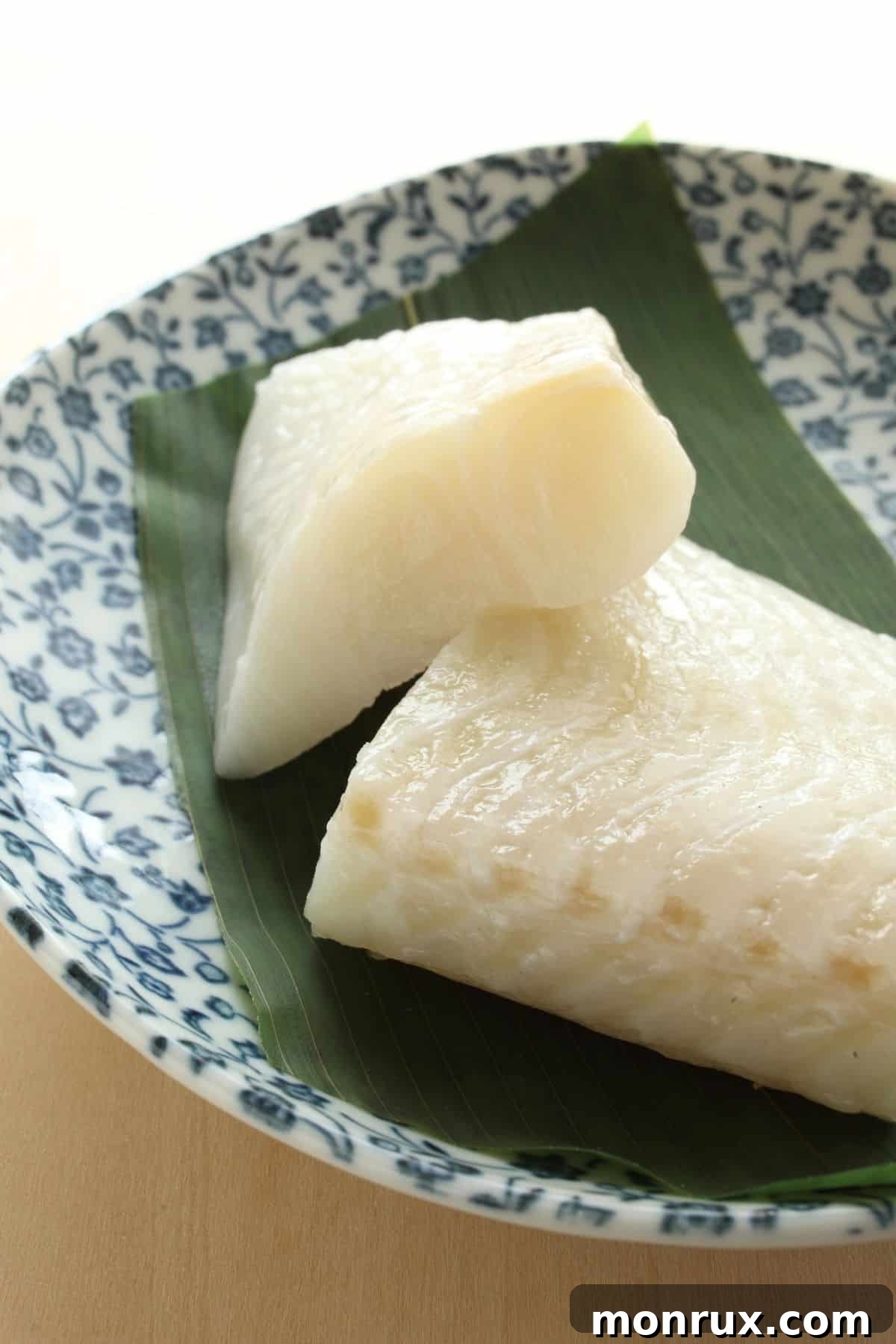
Fluke, specifically referring to summer flounder, is a sought-after flatfish known for its fine-textured white flesh and a wonderfully mild, slightly sweet flavor. It’s an excellent source of lean protein, making it a healthy addition to any diet, and its versatility in the kitchen is truly a chef’s delight. Fluke’s delicate nature means it can be prepared in various ways: it bakes beautifully, fries to a light crisp, or broils quickly, always delivering tender results.
When cooked properly, fluke develops a remarkably tender texture and a delicate flavor that garners it widespread adoration among seafood enthusiasts. In comparison to halibut, fluke typically presents a milder taste and a more delicate texture, making it a superb choice for lighter preparations. Halibut, on the other hand, is known for its ability to withstand more robust cooking methods and heartier recipes due to its firmer flesh. Despite these differences, fluke serves as a fantastic substitute for halibut in dishes where you desire a lighter, quicker-cooking fish that still brings a touch of elegance and subtle sweetness to the plate.
Substitution Tip: For a seamless swap, use one serving of fluke for one serving of halibut.
9. Tuna
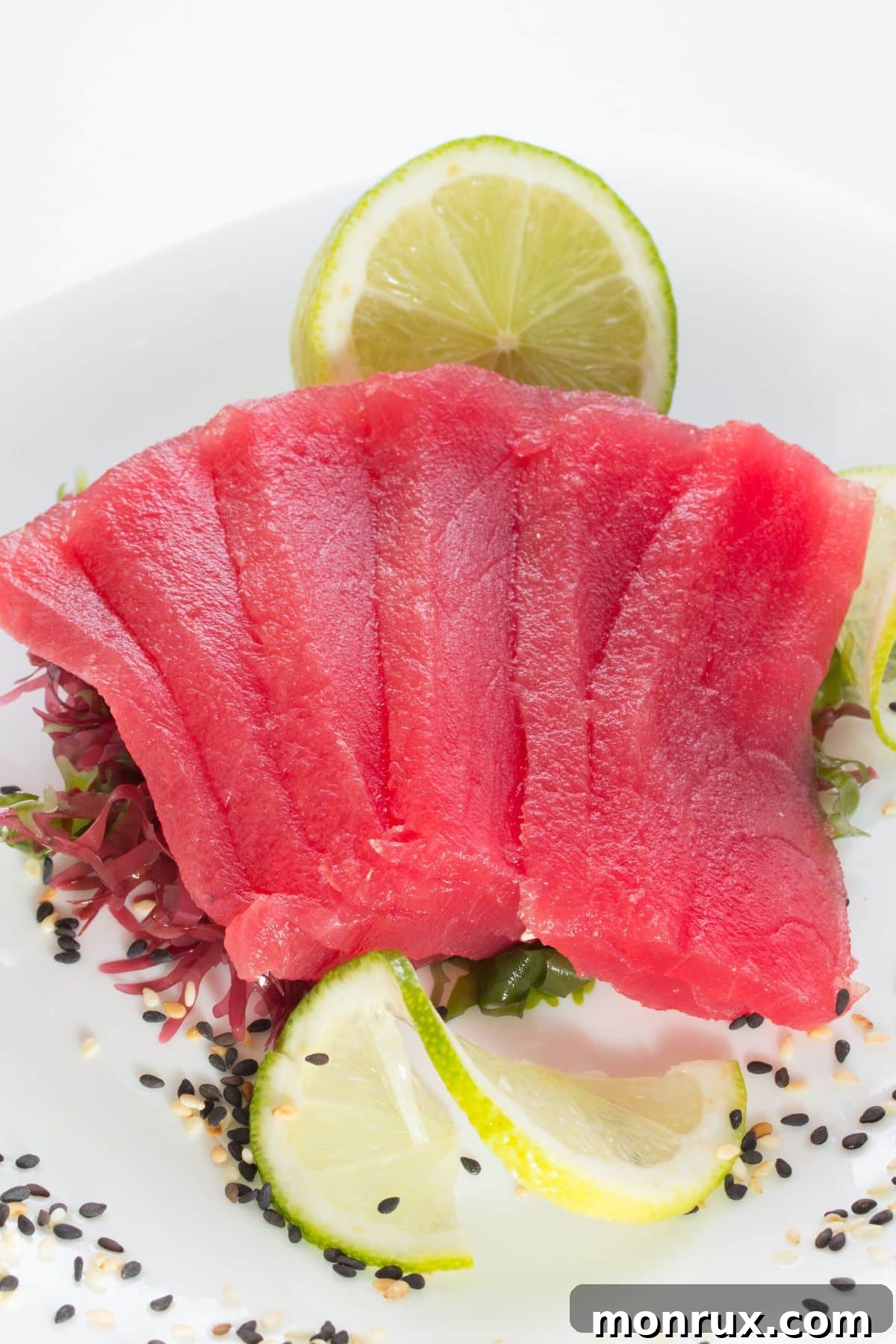
Tuna, a powerful and iconic large fish, is widely prized for its rich, meaty texture and robust flavor. It’s an exceptional source of high-quality protein and is particularly rich in omega-3 fatty acids, making it a healthy and incredibly nutritious choice for any meal. The versatility of tuna in cooking is extensive; it can be grilled for a smoky char, seared quickly to achieve a perfect rare interior, or baked for a more uniform cook. Beyond fresh preparations, tuna is also a staple in canned and prepared foods, forming the base of popular dishes like tuna salad and comforting tuna casseroles.
Compared to halibut, tuna is a much leaner fish, meaning it contains less fat and fewer calories. This contributes to its distinct texture and flavor profile. Additionally, tuna is typically darker in color than the pearly white flesh of halibut, and it boasts a far more pronounced and assertive flavor, often described as rich and savory. Despite these differences, tuna serves as an excellent alternative to halibut, especially when you desire a substantial, meaty fish. Its firm texture and ability to hold up in hearty recipes make it comparable in satisfying richness, providing a robust culinary experience that can stand in for halibut in many savory dishes, particularly those that call for a fish with a strong presence.
Substitution Tip: You can substitute one serving of halibut with an equal serving of tuna, whether fresh steaks or high-quality canned tuna.
Pros and Cons of Halibut Alternatives
Choosing the right halibut substitute depends on what you prioritize: flavor, texture, nutritional value, or cooking method. This comprehensive chart outlines the key advantages and potential drawbacks of each recommended alternative, helping you make an informed decision for your next seafood meal.
| Substitute | Pros | Cons |
|---|---|---|
| Mahi-Mahi | High in protein and omega-3s, delicate flavor, moist texture, holds shape well. | Slightly softer texture than halibut, typically lower in fat, can be pricey. |
| Cod | Mild flavor, firm, flaky texture, highly versatile in cooking, readily available. | More moist than halibut, may alter texture expectations, can be bland if under-seasoned. |
| Sole | Similar to halibut in flavor and delicate texture, good source of protein, quick-cooking. | Flavor can be even milder than halibut, very delicate, requires careful handling. |
| Haddock | Mild flavor, good with bold seasonings, high in protein, excellent for frying. | Milder flavor and smaller size than halibut, slightly softer flakes. |
| Tilapia | Low in fat and calories, extremely versatile, widely available and affordable. | Milder flavor, less rich compared to halibut, can dry out if overcooked. |
| Flounder | Mild, subtly sweet flavor, lean, very delicate, versatile in cooking. | Lighter and flakier texture than halibut, very fragile, best for gentle cooking. |
| Sea Bass | Mild flavor, firm yet buttery texture, very versatile, rich in healthy fats. | Smaller size, more delicate flavor compared to halibut, can be expensive. |
| Fluke | Mild, slightly sweet flavor, low in fat, tender texture when cooked, quick-cooking. | Milder and more delicate than halibut, very thin fillets, prone to overcooking. |
| Tuna | High in protein and omega-3s, very versatile, robust and meaty flavor, satisfying. | Leaner, darker, and more pronounced flavor than halibut, different texture profile. |
Each fish presents a unique set of characteristics. When choosing, consider the dominant flavors of your dish, the desired texture, and your budget. With this guide, you can confidently select the best alternative to ensure your meal is just as delicious and satisfying as if you had used halibut.
More Culinary Substitutes You Might Like
Conclusion
The world of seafood offers an impressive array of options when halibut isn’t readily available or doesn’t fit your budget. From the firm and delicate mahi-mahi to the mild and flaky cod, and the rich, meaty tuna, there’s a perfect substitute for nearly every recipe and palate. When selecting your alternative, consider what aspects of halibut you value most – its mild flavor, firm texture, or versatility in cooking – and then match these qualities with one of the fantastic fish listed above. Each offers unique characteristics that can elevate your culinary creations, proving that a delicious seafood meal is always within reach.
Experimentation is key to discovering your favorite halibut alternative. Don’t be afraid to try new fish and explore different cooking methods to find what works best for you and your household. This guide is designed to empower you with the knowledge to make confident choices, ensuring that your meals remain delicious, nutritious, and adaptable.
Don’t forget to join my newsletter list to get exclusive clean eating recipes and tips. The newsletter is 100% free with no spam; unsubscribe anytime.
About the Author: Carrie Forrest has a master’s degree in public health with a specialty in nutrition and is a certified holistic nutritionist. She is a top wellness and food blogger with over 5 million annual visitors to her site. Carrie has an incredible story of recovery from chronic illness and is passionate about helping other women transform their health. Send her a message through her contact form.