
The Ultimate Guide: Worst Foods for Hashimoto’s Thyroiditis – Heal Your Gut & Manage Symptoms
Hashimoto’s Thyroiditis is a prevalent autoimmune disease affecting millions worldwide, where the immune system mistakenly attacks the thyroid gland. This chronic condition can lead to a cascade of debilitating symptoms, including profound fatigue, unexplained weight gain, brain fog, digestive issues, and mood disturbances like depression and anxiety. While conventional medicine primarily focuses on thyroid hormone replacement, a robust and growing body of scientific evidence, alongside countless anecdotal success stories, highlights the profound impact of strategic dietary and lifestyle interventions in effectively managing this complex disease.
Having personally navigated the intricate challenges of thyroid disease for many years, I intimately understand the sheer frustration and exhaustion that its symptoms can bring. The journey to feeling better often feels overwhelming and confusing, but fortunately, continuous research into the root causes and triggers of Hashimoto’s has illuminated effective nutritional protocols and complementary treatments that can significantly improve quality of life and even put symptoms into remission.
If you’ve recently received a Hashimoto’s diagnosis and are seeking clear, actionable nutrition guidance to take control of your health, this comprehensive article aims to be your essential starting point. Our goal is to empower you with detailed knowledge about which foods might be exacerbating your symptoms, allowing you to begin making impactful, informed changes to your diet with confidence.
As always, it is paramount to discuss any significant dietary changes with your trusted healthcare provider, registered dietitian, or a qualified nutritionist. This ensures that your chosen path aligns perfectly with your individual health needs, existing medical conditions, and current treatment plan, guaranteeing a safe and effective approach.
For those considering a more holistic and root-cause-oriented approach to managing their condition, exploring the benefits of working with a functional medicine practitioner near you can offer a comprehensive and personalized strategy for optimizing your Hashimoto’s management. You might also find invaluable insights into recognizing and responding to periods of increased symptom severity by checking out our detailed article on the Symptoms of a Hashimoto’s Flare-Up.
Worst Foods for Hashimoto’s: Understanding the Core Triggers
When it comes to effectively managing Hashimoto’s Thyroiditis, dietary choices are often one of the first and most impactful areas to address. Certain foods can act as potent inflammatory triggers, exacerbate gut permeability (often referred to as “leaky gut”), disrupt delicate hormone balance, and directly stimulate the immune system, leading to increased autoimmune activity and worsening of symptoms. Let’s delve into the primary dietary culprits that many individuals with Hashimoto’s find immensely beneficial to eliminate or significantly reduce from their daily intake.
1. Gluten: A Major Inflammatory Trigger
Gluten, a complex protein matrix found naturally in wheat, barley, and rye grains, functions as a “glue” that provides structure and elasticity to many staple foods. While it is generally harmless for the majority of the population, gluten can act as a significant troublemaker for individuals grappling with autoimmune conditions, particularly Hashimoto’s Thyroiditis. The intricate connection between gluten consumption and Hashimoto’s is not merely theoretical; it is increasingly substantiated by a substantial and growing body of scientific research.
The Celiac Disease Link and Beyond
A crucial piece of the autoimmune puzzle lies in the strong statistical association between autoimmune thyroid disorders and celiac disease. Numerous studies consistently demonstrate that individuals diagnosed with Hashimoto’s are significantly more likely to concurrently have celiac disease than the general population. This compelling comorbidity is precisely why screening for celiac disease is often a standard recommendation following a Hashimoto’s diagnosis.
However, even in the absence of a formal celiac diagnosis, a considerable number of people with Hashimoto’s report remarkable improvements in their symptoms and overall well-being when diligently adopting a gluten-free diet. This phenomenon is frequently attributed to non-celiac gluten sensitivity (NCGS), a condition where gluten can still trigger an adverse immune response and inflammation throughout the body, but without the characteristic intestinal damage seen in celiac disease.
Scientific Evidence Supporting Gluten-Free Diets for Hashimoto’s
A growing body of scientific literature supports the therapeutic benefits of removing gluten and other problematic grains for those suffering from Hashimoto’s. For instance, a comprehensive review published in Clinical Nutrition highlighted that a gluten-free dietary approach could yield tangible benefits for patients with autoimmune thyroiditis. Furthermore, a specific study involving 16 women diagnosed with Hashimoto’s observed clear and measurable clinical improvements, including a significant reduction in thyroid antibody levels, after adhering to a gluten-free regimen for a period of six months, when compared to a control group.
The “Leaky Gut” Connection: Zonulin and Intestinal Permeability
One of the primary and most significant mechanisms underlying gluten’s detrimental effects in susceptible individuals is its proven ability to trigger the release of zonulin. Zonulin is a crucial protein that physiologically regulates the permeability of the tight junctions—the gatekeepers—in your intestinal lining. When zonulin levels become elevated, these tight junctions can loosen and remain open, leading to increased intestinal permeability, a condition commonly referred to as “leaky gut.” This compromised gut barrier then allows undigested food particles, bacterial toxins (LPS), and various microbes to inappropriately enter the bloodstream, thereby provoking a robust and widespread immune response and systemic inflammation. An unhealthy, leaky gut is increasingly recognized as a fundamental contributing factor to both the initiation and progression of autoimmune conditions such as Hashimoto’s. To delve deeper into this critical topic, explore my related article on the best leaky gut diet.
Beyond inflammation, compromised gut health also critically impairs the absorption of vital nutrients that are absolutely essential for optimal thyroid function and overall metabolic health. Selenium, for example, is an indispensable trace mineral crucial for the intricate production and metabolism of thyroid hormones. A documented deficiency in selenium is particularly relevant in the context of autoimmune thyroid disease, and numerous studies emphatically underscore the importance of maintaining optimal selenium levels for robust and healthy thyroid function.
For a more in-depth exploration into why a gluten-free diet might be the right choice for you, even if you don’t have celiac disease, I encourage you to read more about the compelling reasons to go gluten-free.
Practical Steps to Effectively Eliminate Gluten
To successfully remove gluten from your diet, you will need to diligently and strictly avoid all products meticulously made with wheat, barley, and rye. This includes the most obvious culprits such as traditional breads, pastas, cookies, cakes, pastries, and many conventional breakfast cereals. However, it’s vital to recognize that gluten is also a pervasive “hidden” ingredient found in countless processed foods, including various sauces, marinades, salad dressings, soups, processed meats, and even some medications and supplements. Developing a habit of always reading food labels carefully, specifically looking for “gluten-free” certifications or clearly listed gluten-containing ingredients, is crucial.
The encouraging news is that the market for delicious, healthy, and high-quality gluten-free alternatives has experienced an exponential boom in recent years, making this dietary transition significantly more manageable and enjoyable. You’ll now find a wide variety of gluten-free breads, pastas, flours, and baked goods in most mainstream grocery stores. For abundant inspiration and trusted recipes, remember that Clean Eating Kitchen is your dedicated resource, offering a 100% gluten-free recipe site! Explore my full gluten-free recipe index and discover the best gluten-free carbohydrate sources to build a nourishing and satisfying diet.
2. Dairy: Beyond Lactose Intolerance
Dairy products represent another common dietary trigger for many individuals managing Hashimoto’s Thyroiditis. While it’s true that not every person with this autoimmune condition is overtly lactose intolerant, research consistently indicates a significantly higher prevalence of lactose intolerance within the Hashimoto’s population compared to the general public. Intriguingly, the same 2014 study observed that patients who were placed on a lactose-free diet experienced a measurable reduction in their TSH (thyroid-stimulating hormone) levels, strongly suggesting an improvement in their overall thyroid function and reduced thyroid gland stress.
Casein and Whey: Immune System Reactivity
However, lactose intolerance is merely one facet of the potential issues surrounding dairy consumption. Beyond lactose, the complex proteins found in dairy—specifically casein (the primary protein in milk, responsible for its white color) and whey—can also pose significant problems for individuals with Hashimoto’s. For many, the immune system may mistakenly identify these dairy proteins as foreign invaders or threats. This misidentification triggers an immune response, leading to widespread inflammation not just in the delicate intestinal tract but also systemically throughout the body. This inflammatory cascade can further stress an already compromised immune system, exacerbate autoimmune activity against the thyroid, and worsen existing symptoms.
The resulting gut inflammation stemming from dairy sensitivity can closely mirror the detrimental effects often observed with gluten, significantly contributing to increased intestinal permeability (“leaky gut”). This compromised gut barrier subsequently impairs the crucial absorption of essential vitamins, minerals, and other nutrients vital for overall health and optimal thyroid function. Moreover, a sensitive and inflamed gut can also interfere with the proper absorption of prescribed thyroid medication, potentially rendering your treatment less effective and necessitating dosage adjustments.
Navigating a Dairy-Free Diet with Hashimoto’s
To successfully adopt a dairy-free diet, you must eliminate cow’s milk and all products directly derived from it, including cheese, butter, yogurt, kefir, and ice cream. Due to the presence of similar protein structures that can elicit cross-reactivity, it is also generally advisable to avoid milk and milk products from other ruminants like sheep or goats during an elimination phase. The excellent news is that the market is now flooded with an impressive array of delicious and nutritious plant-based alternatives. Explore options like almond milk, coconut milk, oat milk, rice milk, and various nut-based yogurts and cheeses. Many brands now offer high-quality dairy-free yogurts, cheeses, and ice creams made from these alternatives, making the transition more enjoyable.
Transitioning to a dairy-free lifestyle can initially seem daunting, but it is entirely achievable and incredibly rewarding with a little planning and creativity in the kitchen. For comprehensive guidance and practical advice, be sure to check out my article offering valuable tips for starting a gluten-free and dairy-free diet. You may also want to read this article detailing additional compelling reasons to go dairy-free for a more holistic understanding of its health benefits.
3. Sugar: The Sweet Path to Inflammation
Excessive consumption of sugar can be a significant and often underestimated roadblock in effectively managing Hashimoto’s Thyroiditis. Sugar is a well-established and potent driver of inflammation throughout the entire body, including the delicate lining of the intestines. Chronic systemic inflammation is a hallmark feature of all autoimmune diseases and can relentlessly perpetuate the destructive cycle of immune dysfunction and thyroid attack in Hashimoto’s.
Blood Sugar Spikes and Thyroid Stress
Beyond general inflammation, rapid and dramatic fluctuations in blood sugar levels—characterized by sharp “sugar spikes” followed by equally sharp “crashes”—are believed by many functional medicine practitioners to directly trigger and exacerbate Hashimoto’s flare-ups. These erratic shifts in glucose levels place immense additional stress on the endocrine system, contributing to adrenal fatigue and further disrupting the delicate balance of hormones, including those vital for thyroid function. This can lead to increased fatigue, irritability, and other symptoms.
It’s also crucially important to understand that the issue of sugar’s detrimental effects isn’t limited solely to refined table sugar. Studies have increasingly indicated that artificial sweeteners, often aggressively marketed as “healthy” or “diet” alternatives, can also be significantly detrimental. They may disrupt the beneficial balance of the gut microbiome, contribute to inflammation, and potentially impact insulin sensitivity, making them largely unsuitable for individuals meticulously managing Hashimoto’s.
Actionable Strategies for Reducing Sugar Intake
To significantly cut down on your sugar intake, begin by conscientiously eliminating the most obvious sources such as sweetened beverages (soda, fruit juices, energy drinks), sugary desserts, candies, cakes, and cookies. However, it’s imperative to recognize that sugar cunningly hides in a multitude of unexpected places. Always meticulously check the ingredient labels of all processed foods; sugar is often a primary component in seemingly innocuous items like various sauces, cereals, condiments (e.g., ketchup, barbecue sauce), yogurts, salad dressings, and even “healthy” granola bars. Look for terms like high-fructose corn syrup, dextrose, maltose, sucrose, and any ingredient ending in “-ose” or containing “syrup.”
Transitioning to a predominantly sugar-free lifestyle can be challenging initially due to ingrained habits and cravings, but it is unequivocally one of the most profoundly rewarding changes you can make for your health. For comprehensive guidance and practical advice to ease this transition, explore my detailed articles on the best sugar-free foods to stock your pantry, how to successfully undergo a gentle yet effective sugar detox, the myriad long-term benefits of a sugar-free diet, and practical, actionable tips for gracefully going sugar-free.
4. Grains: A Deeper Look Beyond Gluten
While adopting a strict gluten-free diet is a crucial and often foundational first step for many individuals with Hashimoto’s, some find even more profound relief and symptom improvement by taking a further step: embracing a completely grain-free approach. This involves eliminating not only wheat, barley, and rye, but also all other types of grains such as millet, amaranth, bulgur, corn, white rice, brown rice, and kamut. Furthermore, some highly experienced functional medicine practitioners recommend considering the removal of “pseudo-grains” like quinoa and buckwheat, which, despite not being botanically true grains, can still contain compounds that might irritate a particularly sensitive gut.
The Rationale Behind Grain Elimination
Although the robust scientific evidence directly linking *all* grains to Hashimoto’s aggravation is generally less extensive than for gluten itself, a significant number of sufferers report notable improvements in their symptoms, energy levels, and overall well-being when adhering to a grain-free diet. The underlying rationale frequently centers on the hypothesis that proteins present in certain grains, while not chemically identical to gluten, may still be recognized as similar by a hypersensitive or overactive immune system. This similarity can lead to a phenomenon called molecular mimicry, triggering a cross-reactive immune response and perpetuating systemic inflammation. Additionally, many grains naturally contain compounds known as anti-nutrients, such as phytates and lectins, which can not only impair the absorption of vital minerals but also potentially irritate the gut lining in genetically susceptible individuals or those with pre-existing gut dysbiosis.
A comprehensive grain-free approach is a foundational component of several popular therapeutic diets, most notably the Paleo Diet and the more advanced Autoimmune Protocol (AIP) Diet. The AIP diet, in particular, has demonstrated promising results in various studies focused on helping manage symptoms of Hashimoto’s disease by meticulously emphasizing nutrient-dense whole foods while systematically eliminating common inflammatory triggers, including all categories of grains.
If you’re contemplating a grain-free lifestyle to further optimize your health and manage Hashimoto’s symptoms, you’ll be delighted to discover a wealth of delicious and diverse culinary options available. For abundant inspiration and practical meal ideas that will keep your diet exciting and nourishing, explore all of my dedicated grain-free recipes.
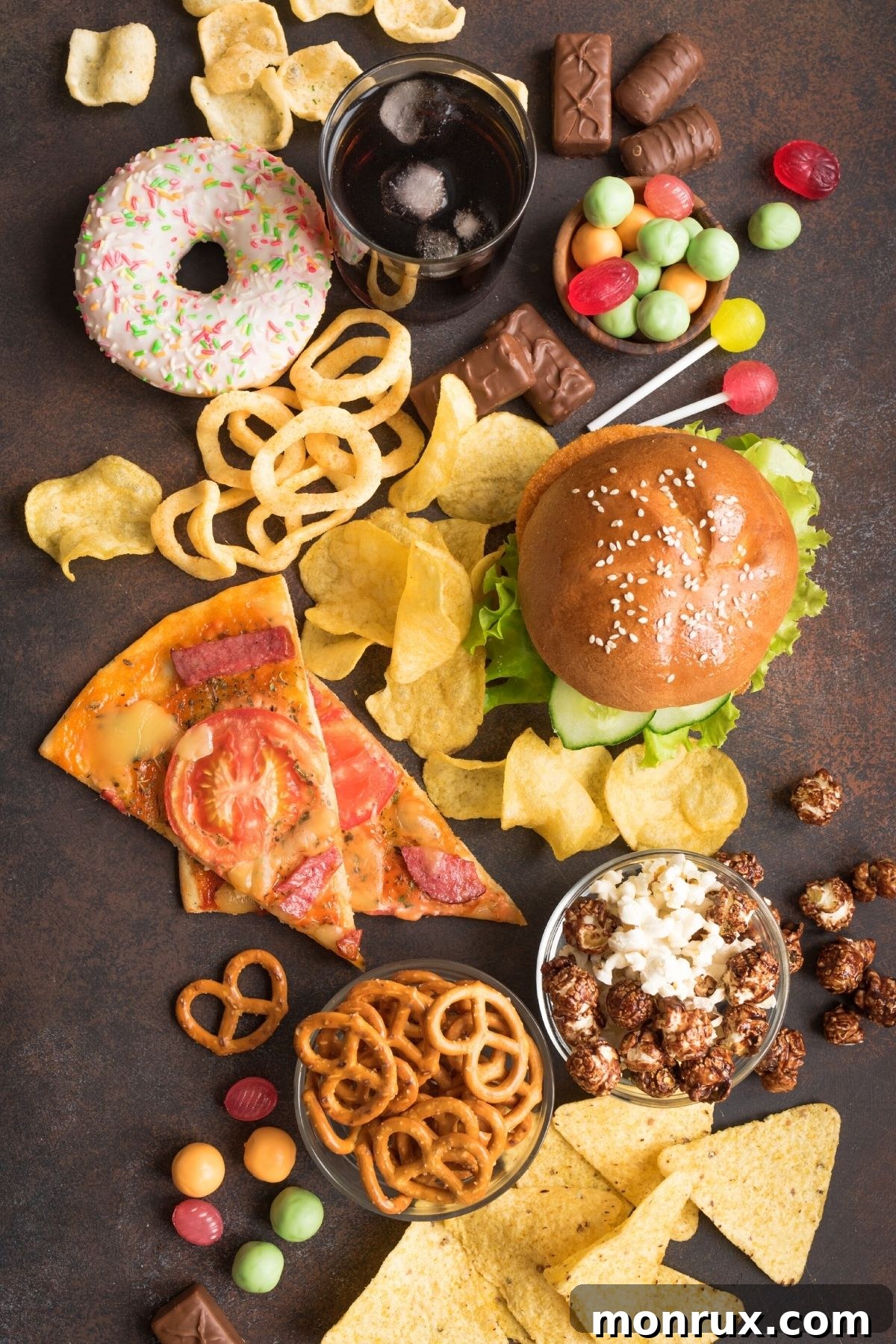
5. Fast Foods & Highly Processed Foods: Empty Calories, Big Problems
In our modern, increasingly fast-paced world, fast foods and highly processed culinary items have unfortunately become ingrained as dietary staples for a vast number of people due to their convenience and accessibility. However, for those diligently managing Hashimoto’s Thyroiditis, these seemingly convenient options can be particularly detrimental and counterproductive for several critical reasons.
Hidden Ingredients and Nutrient Deficiency
Firstly, the inherently complex and often deliberately obscure ingredient lists characteristic of fast and processed foods make it incredibly challenging, if not virtually impossible, to consistently avoid common dietary triggers like dairy, gluten, excessive added sugars, and inflammatory industrial seed oils. Hidden ingredients, cross-contamination risks, and vague labeling are rampant in this category, effectively undermining any concerted efforts to maintain a healing and anti-inflammatory diet.
More critically, fast and highly processed foods are almost universally nutrient-poor yet calorie-dense. They are typically stripped of essential vitamins, minerals, beneficial antioxidants, and dietary fiber during their extensive manufacturing processes. Simultaneously, they are heavily loaded with unhealthy fats (such as harmful trans fats and highly processed vegetable oils rich in pro-inflammatory Omega-6s), excessive amounts of sodium, artificial flavors, synthetic colors, and chemical preservatives. This cocktail of ingredients actively contributes to systemic inflammation, severely dysregulates the delicate balance of the gut microbiome, and places an undue burden on the body’s natural detoxification pathways – all of which are profoundly counterproductive to the goal of healing an autoimmune condition.
Prioritizing Whole Foods for Optimal Health
Maintaining a healthy, thriving gut and achieving a well-controlled, stable weight are absolutely vital strategies for significantly reducing Hashimoto’s symptoms and preventing debilitating flare-ups. Whole, unprocessed foods, which are naturally rich in potent antioxidants, essential vitamins, vital minerals, and anti-inflammatory compounds, are indispensable for nourishing the body at a cellular level, robustly supporting immune function, and dramatically improving overall health and resilience. Shifting your dietary focus decisively towards fresh, wholesome, and minimally processed ingredients will powerfully empower your body’s innate natural healing processes and help to effectively keep autoimmune activity at bay.
For comprehensive guidance on how to prioritize and incorporate nutrient-dense foods into your daily routine, explore my detailed suggestions for healthy foods to eat every day, building a foundation for sustained wellness.
6. Other Highly Allergenic Foods: Exploring the Autoimmune Protocol (AIP) Diet
For individuals diligently struggling to identify specific, elusive food triggers or experiencing persistent and challenging symptoms despite meticulously removing common culprits like gluten, dairy, and refined sugar, an Autoimmune Protocol (AIP) Diet might represent a powerful and transformative next step. The AIP diet is an advanced, science-backed elimination and reintroduction protocol specifically designed with the primary goal of significantly reducing inflammation, promoting profound gut healing, and calming the overactive immune system in people diagnosed with autoimmune conditions.
Understanding the AIP Elimination Phase
The core principle underpinning the AIP diet is to temporarily remove virtually all foods that possess the potential to cause inflammation, irritate the gut lining, or trigger an adverse immune response. This extensive initial elimination list typically includes, but is not limited to, the following food groups:
- Eggs: Especially egg whites, which contain albumin and other compounds that can be inflammatory or allergenic for certain sensitive individuals.
- Coffee: Can stimulate the adrenal glands, potentially disrupt the delicate gut integrity, and impact cortisol levels.
- Nuts & Seeds: While generally considered healthy, they contain lectins, phytic acid, and other compounds that can irritate a sensitive or compromised gut lining. This includes nut flours and seed-based spices.
- Alcohol: As previously discussed, it significantly impacts both thyroid function and overall gut health.
- Nightshades: This family includes common foods like tomatoes, white potatoes, bell peppers, eggplant, and most spices derived from these plants (e.g., paprika, cayenne pepper). They contain glycoalkaloids like solanine.
- All Grains: This extends beyond gluten-containing grains to include all pseudo-grains (e.g., quinoa, buckwheat) and corn, building upon the foundational gluten-free concept.
- All Dairy: Encompassing cow, goat, and sheep milk and their derived products.
- Legumes: Including beans, lentils, peas, chickpeas, and peanuts, due to their lectin and saponin content which can affect gut permeability.
- Certain Industrial Seed Oils: Such as canola oil, soybean oil, corn oil, and sunflower oil, primarily due to their high omega-6 content and extensive processing.
- Specific Food Additives: Various gums (e.g., guar gum, xanthan gum), emulsifiers, artificial sweeteners, and synthetic food colorings are also removed.
The AIP protocol commences with a strict elimination phase, which typically lasts for several weeks or even a few months, during which you meticulously monitor and document any changes in your energy levels, joint pain, digestive issues, skin conditions, brain fog, and other specific symptoms. The primary aim of this phase is to profoundly calm systemic inflammation, allow the gut lining to heal and repair, and provide a “reset” for your immune system. Following this crucial elimination phase, foods are then systematically reintroduced one at a time, very slowly, over several days, allowing you to precisely identify which specific items trigger an adverse reaction in your unique body. This highly personalized and investigative approach empowers you to construct a sustainable, long-term diet that optimally supports your individual biochemistry and autoimmune health.
While the initial elimination phase of the AIP diet can undoubtedly feel restrictive and challenging, the potential and often profound benefits are remarkably significant. Research, such as a compelling study on 16 women diagnosed with Hashimoto’s disease, compellingly demonstrated that diligent adherence to the AIP diet led to significantly reduced markers of inflammation and notable, self-reported improvements in the patients’ overall quality of life. It is crucial to remember that the AIP diet is not intended to be a permanent state of restriction, but rather a powerful, diagnostic tool for uncovering your individual food sensitivities and building a truly personalized, healing diet.
Additional Foods That May Need to Be Avoided: Individual Sensitivities
Beyond the core inflammatory foods and the comprehensive Autoimmune Protocol, some individuals with Hashimoto’s may discover further benefits by cautiously considering the temporary removal of other specific food groups. These items are frequently subject to significant individual sensitivity, meaning they do not affect everyone with Hashimoto’s in the same manner or to the same degree. For these categories, a careful and systematic elimination-reintroduction approach is particularly illuminating and useful for personalized dietary discovery.
1. Nightshades: Solanine and Individual Sensitivity
Nightshades comprise a diverse group of fruits and vegetables that belong to the Solanaceae family of plants. Common edible members of this family include:
- Bell peppers (available in various colors)
- Tomatoes (encompassing fresh tomatoes, sauces, pastes, and sun-dried forms)
- White potatoes (it’s important to note that sweet potatoes are not nightshades)
- Eggplant
- Certain spices derived from nightshades, such as cayenne pepper, crushed red pepper flakes, chili powder, and paprika.
These foods naturally contain a class of compounds known as glycoalkaloids, with solanine being the most widely recognized. Some proponents of elimination diets and specific nutritional protocols believe that solanine and other nightshade compounds can potentially trigger inflammation, exacerbate joint pain, and worsen autoimmune symptoms in particularly sensitive individuals. However, it’s important to acknowledge that robust, large-scale medical research directly supporting a universal need to avoid nightshades for all Hashimoto’s sufferers is still limited and inconclusive. Moreover, it is crucial to recognize that nightshades are also rich sources of valuable vitamins (like Vitamin C), essential minerals, and powerful antioxidants, making their blanket elimination without a clear and compelling personal reason potentially detrimental to overall nutrient intake.
How to Test for Nightshade Sensitivity
If you genuinely suspect that nightshades might be playing a role in contributing to your specific Hashimoto’s symptoms, the most effective and definitive approach is a personal elimination trial. Strictly remove all nightshade vegetables and spices from your diet for a minimum, dedicated period of four weeks. During this time, meticulously observe and record any changes in your energy levels, the presence or absence of joint pain, digestive comfort, skin conditions, or any other specific symptoms you experience. After this complete elimination period has passed, systematically reintroduce nightshades one type at a time, allowing a few days (e.g., 3-5 days) between each reintroduction, to carefully monitor for any adverse reactions or return of symptoms. If your symptoms demonstrably worsen upon reintroducing a specific nightshade, you will have successfully identified a personal dietary trigger that you may wish to avoid moving forward.
2. Alcohol: Impairing Thyroid Function and Gut Health
Alcohol consumption, even in moderate amounts, can have a multifaceted and undeniably negative impact on individuals living with Hashimoto’s. It has long been recognized to adversely affect thyroid function through several intricate mechanisms. Alcohol can directly disrupt the crucial conversion of inactive thyroid hormone (T4) to the active and usable form (T3) in the liver, thereby impairing your body’s ability to effectively utilize vital thyroid hormones. It can also interfere with the proper production of TSH (Thyroid-Stimulating Hormone) from the pituitary gland and has been shown to be directly toxic to thyroid cells themselves, potentially exacerbating thyroid damage.
Beyond Direct Thyroid Impact
Beyond its direct effects on the thyroid gland, alcohol consumption can introduce additional, significant challenges for those diligently managing Hashimoto’s. It possesses the clear potential to interact negatively with thyroid medications (such as levothyroxine), potentially reducing their efficacy or leading to unwanted side effects. Furthermore, alcohol is a well-documented gut irritant. Even relatively moderate consumption can cause inflammation and increase intestinal permeability (contributing to “leaky gut”), especially when consumed in larger quantities or on a regular basis. This compromised gut integrity can, in turn, fuel systemic inflammation throughout the body and further exacerbate the autoimmune responses characteristic of Hashimoto’s.
Given these pervasive potential issues, many individuals with Hashimoto’s wisely choose to significantly reduce or completely eliminate alcohol from their diet as part of their comprehensive healing strategy. While it remains a personal decision, a thorough understanding of alcohol’s diverse impacts can empower you to make an informed choice that best supports your long-term thyroid and overall health.
3. Legumes: Lectins and Potential Gut Irritation
For a subset of individuals with Hashimoto’s Thyroiditis, legumes—which encompass a broad category including lentils, peas, chickpeas, all types of beans (such as kidney beans, black beans, pinto beans, navy beans), and peanuts—can be a source of dietary concern. Although legumes are widely recognized as nutritious sources of plant-based protein, dietary fiber, and various micronutrients, they also naturally contain specific defense proteins known as lectins. In particularly susceptible individuals, these lectins can bind to the cells lining the digestive tract, potentially causing irritation, localized inflammation, and contributing to increased intestinal permeability, a mechanism somewhat akin to the proposed effects of gluten.
Lack of Universal Recommendation, Focus on Individual Response
It is important to emphasize that rigorous, large-scale medical studies specifically recommending the blanket elimination of all legumes for every Hashimoto’s sufferer are currently scarce. The physiological impact of lectins can vary considerably among individuals, influenced by genetics, gut microbiome health, and overall digestive function. Furthermore, proper preparation methods, such as extensive soaking, sprouting, and pressure cooking, can significantly reduce the lectin content in many legumes, potentially making them more digestible and less problematic for some people.
Identifying Legume Sensitivity: If you strongly suspect that legumes might be aggravating your Hashimoto’s symptoms, the most sensible approach is to undertake a carefully managed elimination diet. Completely avoid all legumes for a dedicated period of at least one month, meticulously tracking any changes you observe in your symptoms, such as digestive discomfort, joint pain, skin issues, or levels of fatigue. After this initial elimination phase, slowly reintroduce them, one specific type of legume at a time (e.g., black beans first, then lentils a few days later), and closely observe your body’s nuanced response over several days. If you notice a clear worsening or return of symptoms upon reintroduction, then avoiding that particular legume might be a beneficial and personalized strategy for you.
4. Soy: A Goitrogenic Food to Consider
The role of soy and its various products within a Hashimoto’s-friendly diet is a subject of ongoing scientific debate and warrants careful individual consideration. Currently, there is no universal clinical recommendation mandating that all individuals with Hashimoto’s disease must avoid soy.
Goitrogenic Effects and Iodine Metabolism
However, certain aspects of soy consumption do warrant particular attention for those with thyroid conditions. A 2016 study investigating the effects of a low-carbohydrate diet on overweight subjects with autoimmune thyroiditis specifically highlighted soy as a goitrogenic food. Goitrogens are natural compounds that possess the ability to interfere with iodine metabolism, which is absolutely crucial for the healthy and efficient production of thyroid hormones. By potentially disrupting iodine uptake by the thyroid gland or its subsequent utilization, soy could, in theory, exert a negative effect on thyroid function in some susceptible individuals, especially those with pre-existing iodine deficiencies or impaired thyroid function.
If you make the personal choice to consume soy, it is recommended that you ensure a sufficient and adequate daily intake of iodine to help mitigate any potential goitrogenic effects. Furthermore, consider prioritizing fermented soy products such as tempeh, miso, and natto over unfermented options like soy milk, tofu, or soy protein isolates. Fermentation processes can often reduce the anti-nutrient content of soy, potentially making it more digestible and less impactful on thyroid function for some individuals.
It’s also essential to be mindful that soy is an incredibly pervasive and often hidden ingredient in a vast array of pre-packaged and highly processed foods. It is frequently listed on labels under various names, including texturized vegetable protein (TVP), hydrolyzed vegetable protein (HVP), soy lecithin, or simply “vegetable oil.” Always scrutinize food labels carefully to identify hidden soy. For more detailed and informed insights on making conscious choices about soy consumption, refer to my tips on how to eat soy safely.
5. Goitrogens: Understanding Their Impact
Goitrogens are natural chemical compounds found in specific types of foods that, when consumed in very large quantities or in certain raw forms, may potentially interfere with the thyroid gland’s crucial ability to produce hormones. Their primary mechanism of action involves inhibiting the uptake of iodine by the thyroid, a vital micronutrient absolutely essential for the synthesis of thyroid hormones.
Common goitrogenic foods include:
- Cruciferous Vegetables: This large and incredibly nutritious family includes highly beneficial vegetables such as broccoli, cauliflower, cabbage, kale, Brussels sprouts, bok choy, and collard greens.
- Microgreens and Sprouts: Such as various types of broccoli sprouts, which are known for their concentrated compounds.
- Sweet Potatoes: Unlike white potatoes (which are nightshades), sweet potatoes are also classified as goitrogenic.
- Soy Products: As discussed in the previous section.
- Cassava: A starchy root vegetable, commonly processed into flour or tapioca.
You can find a more comprehensive list of goitrogenic foods here. While these foods do contain goitrogenic compounds, it is critically important not to develop an unnecessary fear or completely avoid them without good reason. Many goitrogenic foods are incredibly nutrient-dense, offering significant health benefits, including vital vitamins, minerals, and potent antioxidants. A key factor to remember is that the goitrogenic compounds are often heat-sensitive; this means that cooking methods such as steaming, boiling, or roasting can significantly reduce their activity and potential impact on the thyroid. Furthermore, ensuring adequate dietary intake of iodine and selenium can help to effectively counteract some of their potential effects.
For most individuals with a healthy thyroid gland and sufficient iodine intake, consuming these foods in moderation, particularly when cooked, poses no significant issue. However, if you have Hashimoto’s and are particularly sensitive, have a diagnosed iodine deficiency, or are struggling with thyroid regulation, it is always wise to consult directly with your healthcare provider or a knowledgeable nutritionist to determine if you need to limit raw forms of these foods or carefully moderate your overall intake of specific high-goitrogen items.
What to Eat with Hashimoto’s: Building a Healing Plate
It is perfectly understandable to feel a sense of overwhelm when presented with such an extensive list of foods that are potentially problematic for Hashimoto’s. However, please do not despair! Even with these necessary dietary considerations, an immense abundance of delicious, real, and wholesome foods remains available to nourish your body profoundly and actively support your thyroid health. The fundamental shift in perspective moves away from what you *can’t* eat, towards an exciting and expansive world of nutrient-dense, anti-inflammatory options that will truly make a difference.
Your plate, forming the foundation of your healing journey, should be consistently brimming with a vibrant and diverse array of:
- Fresh Fruits: Embrace a wide variety of berries (rich in antioxidants), apples, bananas, juicy citrus fruits, and refreshing melons – all packed with essential vitamins, fiber, and natural sweetness.
- Leafy Green Vegetables: Incorporate spinach, Swiss chard, romaine lettuce, and other dark leafy greens. (Note: cooked cruciferous vegetables are generally well-tolerated in moderation once gut health improves).
- Other Non-Starchy Vegetables: Enjoy a colorful spectrum including carrots, zucchini, cucumbers, asparagus, green beans, artichokes, mushrooms, and bell peppers (if tolerated and not a nightshade trigger).
- Healthy Fats: Prioritize avocados, high-quality extra virgin olive oil, coconut oil, and beneficial fatty fish (such as wild-caught salmon, mackerel, and sardines) which are exceptionally rich in anti-inflammatory Omega-3 fatty acids.
- Lean, Clean Proteins: Opt for high-quality, ethically sourced proteins like grass-fed beef, pastured poultry, wild-caught fish, and various seafood – all essential for muscle repair, enzyme production, and optimal hormone synthesis.
- Nuts and Seeds: (If tolerated and successfully reintroduced after an elimination phase, such as AIP) Almonds, walnuts, chia seeds, flax seeds, and pumpkin seeds provide healthy fats, fiber, and crucial micronutrients.
- Herbs and Spices: Utilize nature’s powerful anti-inflammatories like turmeric, ginger, oregano, and rosemary, which not only enhance flavor but also contribute significant health benefits.
Embracing a comprehensive “clean eating” philosophy, which fundamentally prioritizes whole, unprocessed foods, will naturally align and deeply resonate with a Hashimoto’s-friendly and healing diet. Be sure to check out my comprehensive clean eating shopping guide, which is inherently gluten-free and dairy-free, to inspire your next grocery haul and make healthy choices effortless. While consistently stocking your kitchen with wholesome ingredients and preparing nourishing meals from scratch admittedly requires some initial effort and planning, the profound and transformative positive impact on your health and overall well-being makes it more than worthwhile. Imagine experiencing dramatically reduced fatigue, enhanced mental clarity, significantly improved digestion, and a greater, sustained sense of vitality.
Nobody desires to be a passive victim of their autoimmune disease. Taking proactive control of your diet is arguably one of the most powerful and empowering steps you can take towards effectively managing symptoms and reclaiming your vibrant health. Once your dietary habits are optimally refined and consistently applied, you may also find that it becomes significantly easier to lose weight with Hashimoto’s, as systemic inflammation decreases, metabolic function improves, and energy levels stabilize.
For additional expert guidance and a personalized approach to your thyroid journey, consider actively working with a qualified functional medicine doctor who can offer advanced diagnostic testing and highly individualized treatment plans. Additionally, my friend Elle Russ’s insightful and comprehensive resource, The Ultimate Thyroid Course, provides in-depth education, practical strategies, and empowering tools for navigating all aspects of thyroid health.
More Helpful Health Resources
Conclusions: Empowering Your Journey to Wellness
Living with Hashimoto’s Thyroiditis undeniably presents unique and often challenging hurdles, with its pervasive symptoms capable of having a profound impact on your day-to-day life and overall sense of well-being. However, the overwhelmingly encouraging news is that strategic and targeted dietary modifications offer an incredibly powerful, evidence-based, and highly actionable avenue for significantly improving symptoms, effectively reducing systemic inflammation, and ultimately enhancing your overall quality of life. Embracing a healing diet is not about feeling deprived or restricted; it is fundamentally about empowerment, self-discovery, and understanding what truly nourishes and supports your body’s intricate systems.
It is perfectly natural to initially feel a sense of overwhelm when presented with the extensive list of foods discussed in this comprehensive article. Please remember this crucial point: not every single food listed will have an adverse or negative effect on every individual with Hashimoto’s. The most effective, sustainable, and truly transformative strategy is always a personalized one. Consider implementing a systematic elimination-reintroduction approach, diligently focusing on one food group at a time. This methodical process allows you to gain invaluable, first-hand insight into your unique body’s specific responses and sensitivities, thereby enabling you to confidently take back control over your health and embark on a fulfilling path towards lasting wellness and vitality.