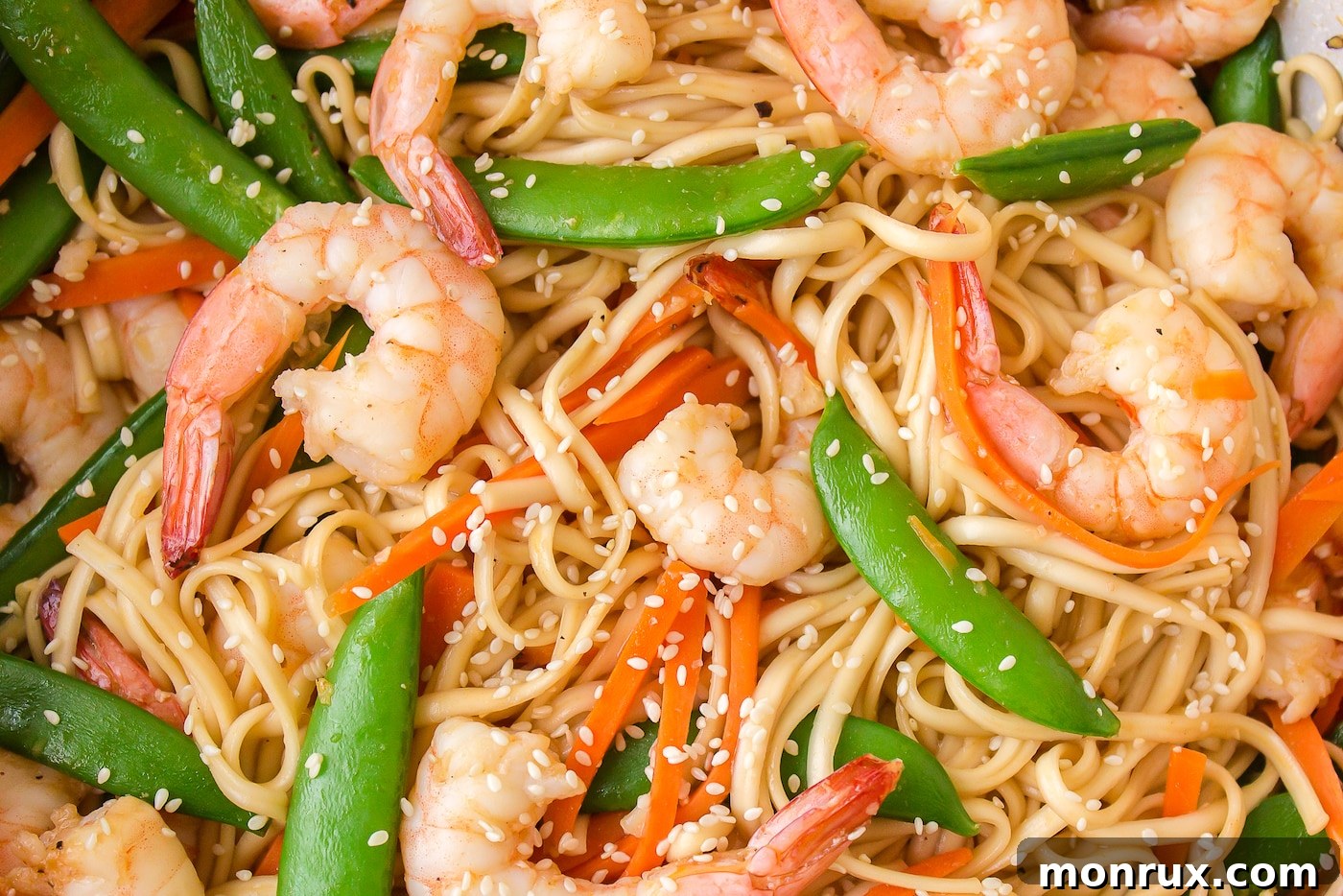
Craving the rich flavors of Japanese cuisine but don’t want to break the bank or compromise on ingredients? Look no further! This incredible Shrimp Udon recipe brings the authentic taste of your favorite Japanese stir-fry right to your kitchen. Featuring succulent, tender shrimp, crisp fresh vegetables, and a savory, umami-packed sauce, this dish is a symphony of textures and flavors. Best of all, it’s a super speedy weeknight meal, ready to serve in 35 minutes or less, and comes with a convenient gluten-free option for those with dietary restrictions.
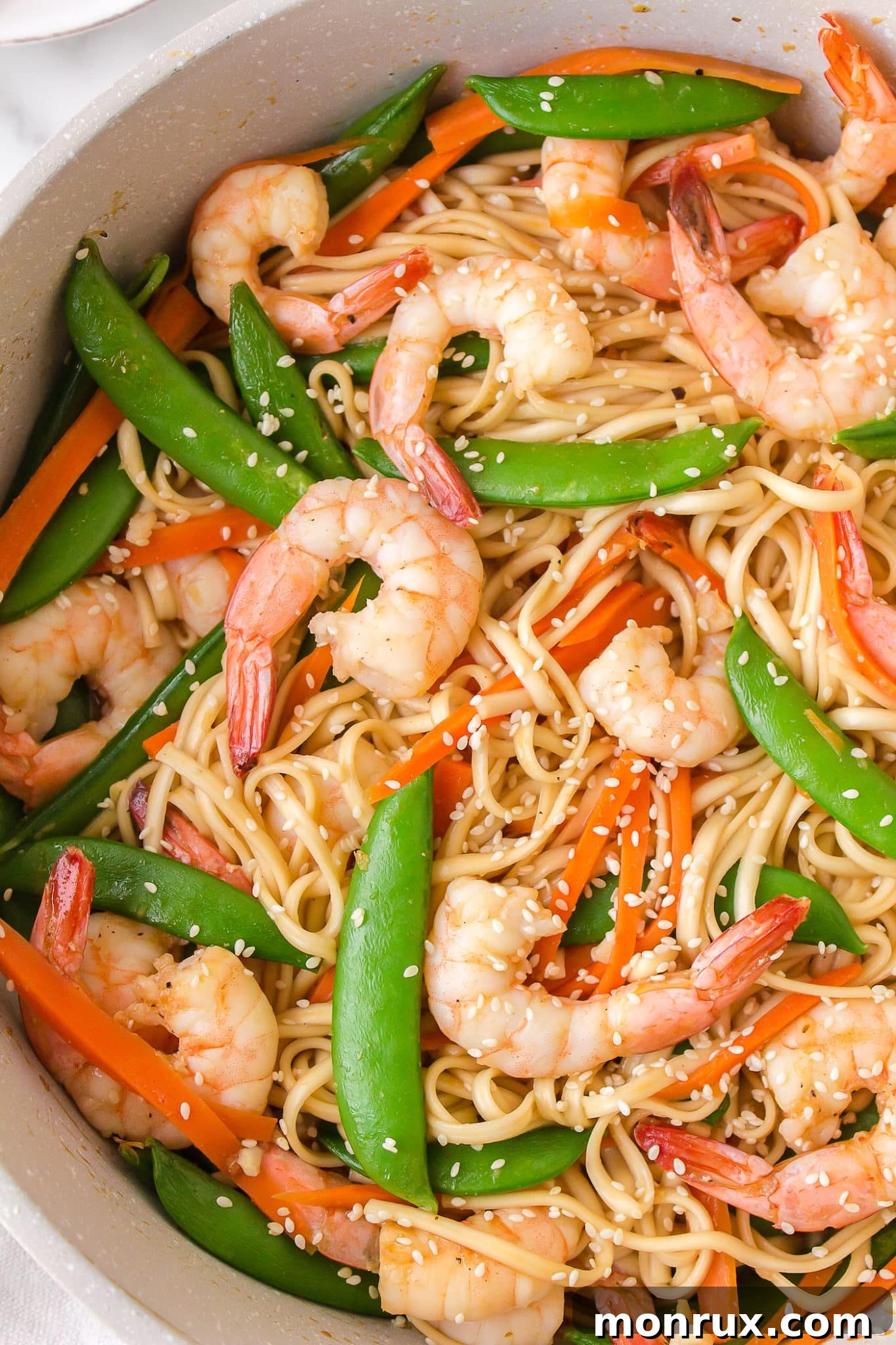
There’s an undeniable allure to Japanese takeout – the convenience, the unique flavor profiles, the comforting noodles. However, the true cost often extends beyond the price tag to include concerns about ingredient quality, excessive sodium, and added sugars. When you take the reins and prepare your favorite dishes at home, you gain complete control over every aspect.
Imagine crafting a meal where you dictate the sugar content, the spice level, and the amount of salt, tailoring it perfectly to your taste and health preferences. Furthermore, cooking at home empowers you to select the freshest, highest-quality ingredients available, ensuring a healthier and more delicious outcome. You’ll not only save a significant amount of money in the long run but also discover that whipping up a piping hot, restaurant-worthy meal often takes less time than driving to pick up takeout.
Why Make This Homemade Shrimp Udon?
Beyond the sheer enjoyment of a delicious meal, opting to create this Japanese-style Shrimp Udon at home offers a multitude of compelling benefits:
- Unparalleled Ingredient Control: You get to select premium, fresh ingredients, avoiding unhealthy additives often found in commercially prepared dishes. This means choosing wild-caught shrimp over farmed, and opting for healthier oils instead of generic vegetable oils.
- Customizable Flavor Profile: Tailor the spice level to your preference, adjust the sodium to meet dietary needs, and balance the sweetness for a perfectly personalized dish. This recipe is wonderfully flexible.
- Speed and Efficiency: Shrimp cooks incredibly fast, and udon noodles are quick to prepare, making this an ideal solution for busy weeknights when you need a satisfying and wholesome meal on the table in under 35 minutes.
- Healthier Choices: By preparing your own sauce from scratch, you can significantly reduce the amount of refined sugar and excessive sodium commonly found in store-bought options, making this a truly clean-eating friendly recipe.
- Budget-Friendly: Enjoy gourmet flavors without the gourmet price tag. Cooking at home is consistently more economical than ordering takeout, allowing you to enjoy delicious meals more often.
Essential Ingredients for Perfect Shrimp Udon
Crafting an outstanding Shrimp Udon dish begins with selecting the right components. Here’s a closer look at what makes this recipe shine:
Star of the Dish: Succulent Shrimp
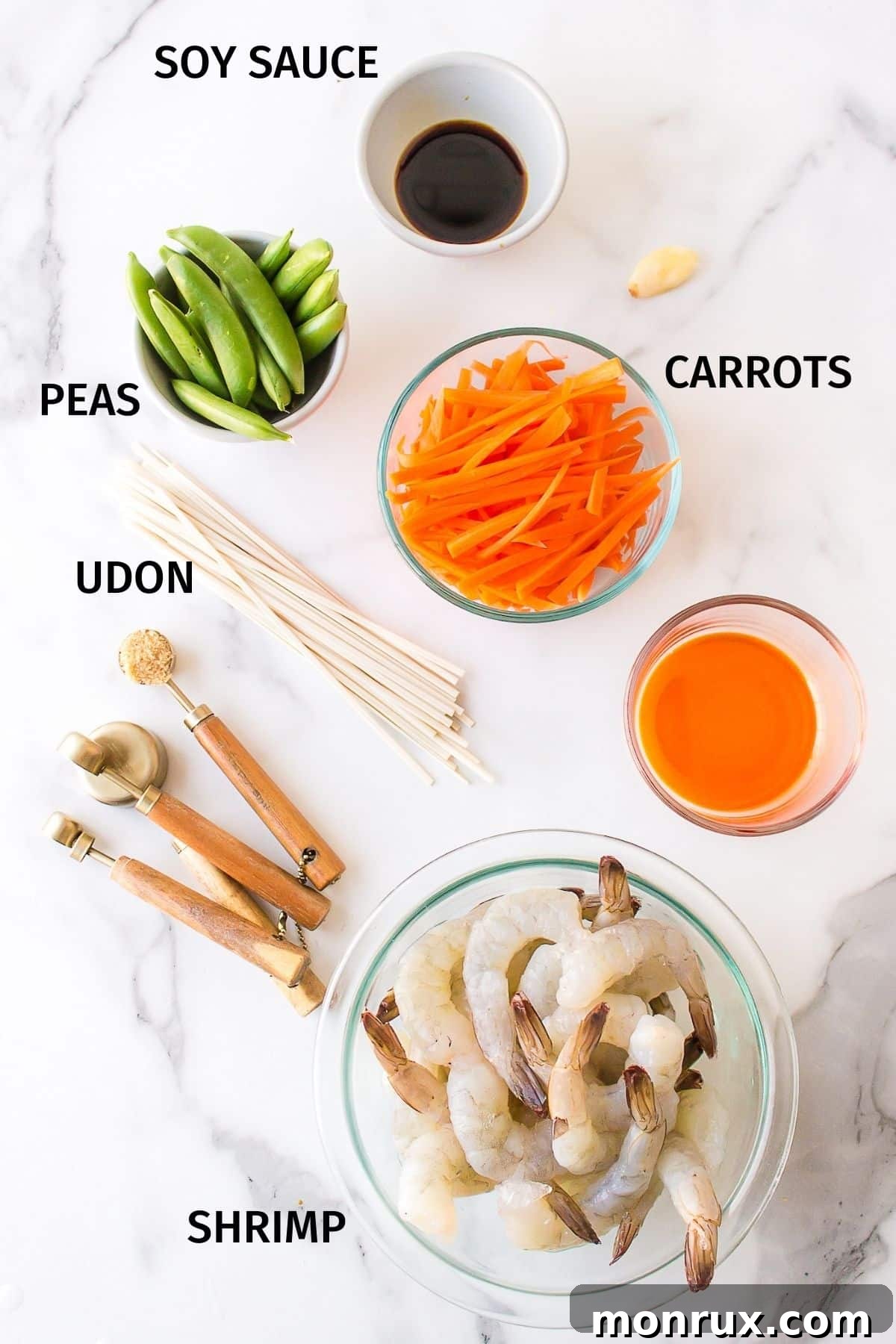
- Shrimp: These lean crustaceans are not only quick-cooking but also packed with protein and beneficial antioxidants. For the best flavor and texture, opt for fresh, wild-caught large shrimp (1 pound), peeled and deveined. You can choose to leave the tails on for presentation or remove them for easier eating. If using frozen shrimp, make sure to thaw them completely and pat them dry before cooking to prevent excess moisture.
The Hearty Noodles: Udon
- Udon Noodles: The backbone of this stir-fry, udon noodles are renowned for their thick, chewy texture and incredible ability to absorb the rich flavors of the sauce. You can find them dried, fresh, or frozen. Dried udon is commonly found in the Asian aisle of most supermarkets. Fresh or frozen udon, often available in Asian grocery stores, tends to have an even more delightful chewiness.
- Gluten-Free Option: For those following a gluten-free diet, ensure you choose rice noodles or specifically labeled gluten-free udon noodles, as traditional udon is made from wheat flour.
Vibrant Vegetables for Color and Crunch
- Sugar Snap Peas: These bright green pods are a fantastic addition, offering a sweet crunch and an appealing visual element. Their edible pods mean minimal prep! Bok choy is also an excellent alternative for a slightly different texture and flavor.
- Carrots: A universally loved vegetable, carrots add a touch of sweetness and beautiful orange color. Julienned or cut into thin matchsticks, they cook quickly and maintain a pleasant crispness.
- Garlic: The aromatic base for the stir-fry, minced garlic infuses the shrimp and vegetables with its essential pungent flavor.
- Additional Vegetables (Optional): Feel free to customize with other quick-cooking vegetables like sliced bell peppers, broccoli florets, mushrooms, or thinly sliced cabbage for added nutrients and variety.
The Umami-Packed Stir-Fry Sauce
The sauce is where the magic happens, transforming simple ingredients into a cohesive, flavorful dish. This balanced blend hits all the right notes:
- Reduced-Sodium Soy Sauce: Provides the foundational savory, umami flavor. For gluten-free diets, always use tamari (gluten-free soy sauce) or coconut aminos as a delicious soy-free alternative.
- Rice Vinegar: Adds a subtle tang and brightens the overall flavor, cutting through the richness.
- Brown Sugar (or Coconut Sugar): A touch of sweetness is crucial for balance in Asian stir-fries. Brown sugar lends a deep, caramel note, while coconut sugar is a natural, less refined alternative.
- Sesame Oil: This ingredient is a must! A small amount of toasted sesame oil adds an incredibly aromatic, nutty depth that is characteristic of many Japanese dishes.
Finishing Touches and Garnish
- Toasted Sesame Seeds: These are the perfect garnish, adding a delicate crunch and enhancing the sesame flavor.
- Green Onions (Optional): Sliced green onions offer a fresh, mild oniony bite and a vibrant pop of color when sprinkled over the finished dish.
Please see the detailed recipe card at the end of this post for exact ingredient quantities and precise measurements.
Step-by-Step Guide to Making Japanese Shrimp Udon
Creating this delicious Shrimp Udon stir-fry is straightforward and incredibly rewarding. Follow these simple steps for a perfect meal every time:
Step One: Prepare the Udon Noodles
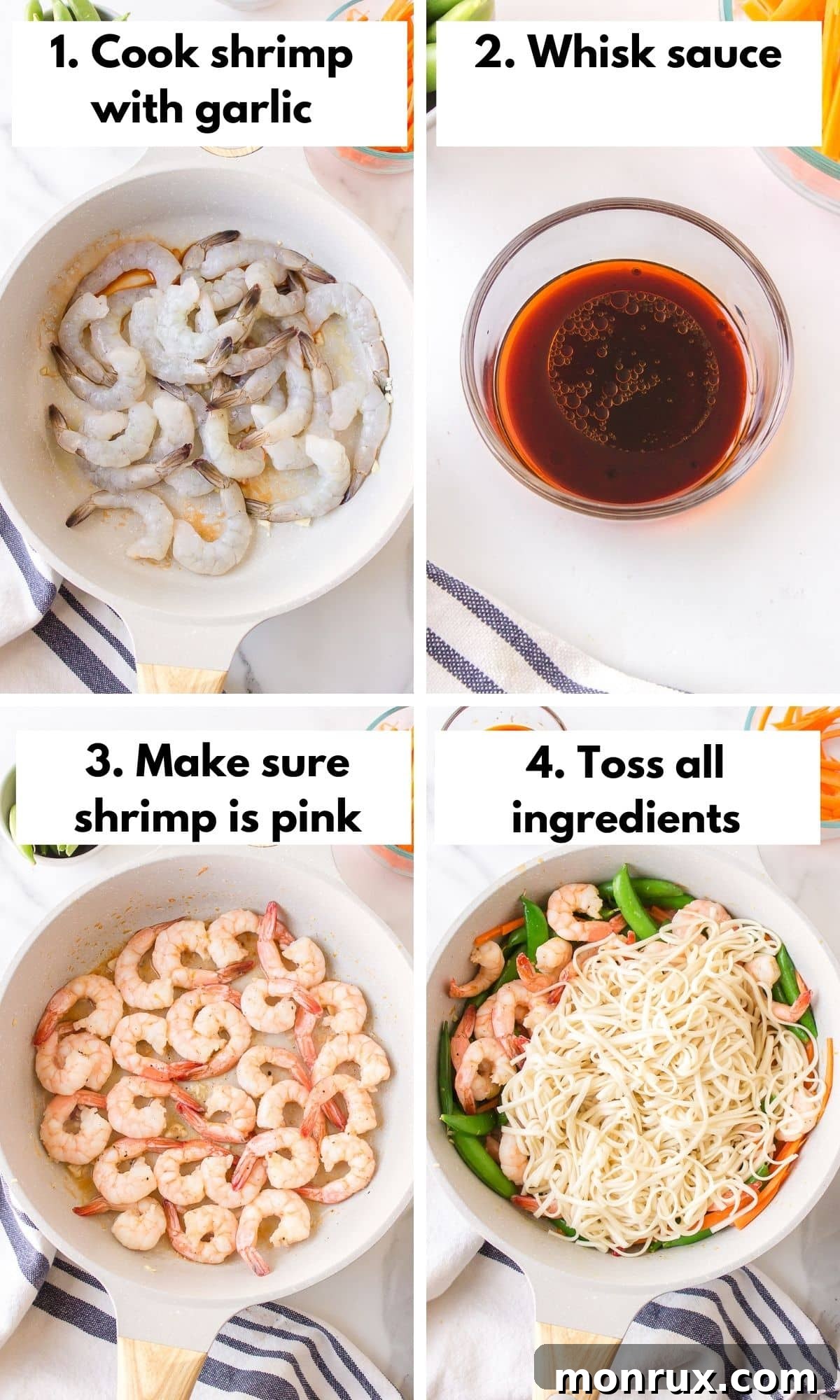
Bring a large pot of water to a rolling boil on your stovetop. Add your udon noodles (whether dried, fresh, or frozen) and cook them precisely according to the package directions. Cooking times can vary, so always refer to the instructions provided. Once cooked to your desired al dente tenderness, drain the noodles thoroughly and rinse them under cold water to prevent sticking and stop the cooking process. Set them aside while you prepare the other components. If using pre-cooked udon, simply follow the package instructions for warming.
Step Two: Perfectly Cook the Shrimp
Heat one tablespoon of olive oil in a large skillet or a wok over medium-high heat. Once the oil shimmers, add the minced garlic and the raw shrimp. Stir-fry the shrimp for about 3 minutes until they begin to turn pink and curl into a ‘C’ shape. Flip them over and cook for another 2-3 minutes until they are opaque throughout. Be careful not to overcrowd the pan, as this can steam the shrimp instead of searing them, resulting in a rubbery texture. Once cooked, remove the shrimp and garlic from the skillet and transfer them to a clean serving plate. Set aside.
Step Three: Sauté the Fresh Vegetables and Whisk the Sauce
Add the remaining tablespoon of olive oil to the same skillet or wok. Add the julienned carrots and sugar snap peas. Stir-fry for approximately 5-7 minutes, stirring occasionally, until the vegetables are tender-crisp – they should still have a slight bite to them. While the vegetables are cooking, take a small bowl and whisk together all the sauce ingredients: reduced-sodium soy sauce (or tamari/coconut aminos), rice vinegar, brown sugar (or coconut sugar), and sesame oil. Stir until the sugar is fully dissolved.
Step Four: Combine and Finish the Stir-Fry
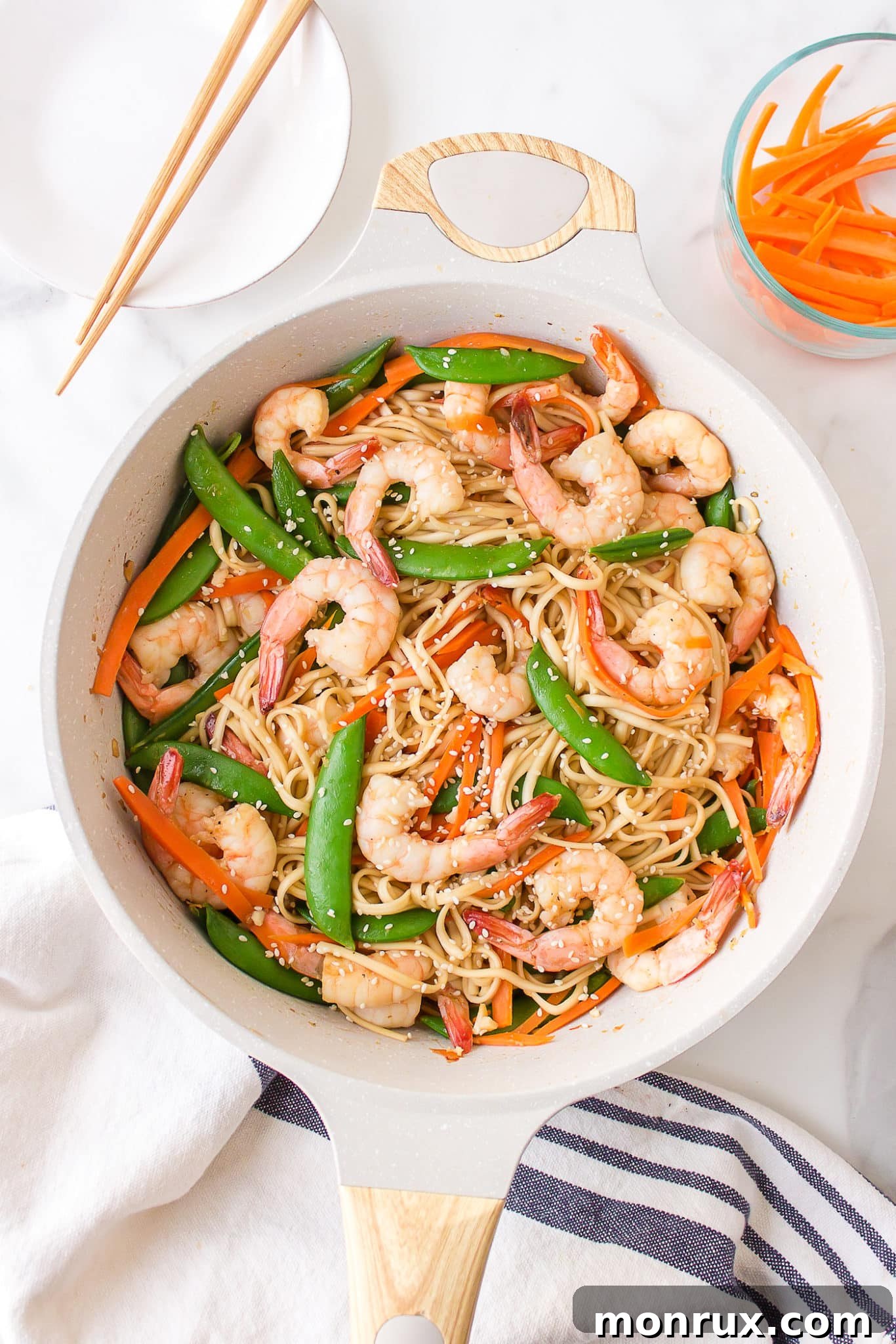
Return the cooked shrimp and garlic to the skillet with the sautéed vegetables. Add the drained udon noodles and pour the whisked sauce over all the ingredients. Using tongs or a large spoon, toss everything together until the noodles, shrimp, and vegetables are thoroughly coated in the flavorful sauce. Continue to cook for another 2-3 minutes, stirring constantly, to ensure all ingredients are heated through and the sauce has a chance to meld beautifully with the noodles and shrimp. Turn off the heat.
I am confident you will absolutely adore this healthy and vibrant dish, bursting with juicy shrimp and satisfyingly chewy udon noodles! It’s a fantastic way to incorporate a generous serving of fresh vegetables into a savory, wholesome meal that truly satisfies.
Expert Tips for Your Best Shrimp Udon Stir Fry
Elevate your homemade Shrimp Udon with these helpful tips and tricks:
- Noodle Choice Matters: You have flexibility with your udon noodles. Both dried udon from a package or frozen cooked udon noodles work beautifully in this recipe. Just remember to always prepare them according to their specific package directions before incorporating them into the stir-fry skillet with the vegetables and shrimp. Frozen udon often cooks faster and has a chewier texture.
- Gluten-Free Perfection: For those adhering to a gluten-free diet, the most crucial substitution is the noodles. Traditional udon is typically made with wheat flour, so be sure to source a gluten-free alternative such as rice-based noodles, sweet potato noodles, or udon specifically labeled gluten-free. Additionally, swap regular soy sauce for tamari or coconut aminos to ensure your sauce is also gluten-free.
- Storage and Reheating: Any delicious leftovers can be stored in an airtight container in the refrigerator for up to 4 days. When you’re ready to enjoy them again, reheat gently on the stovetop over medium heat or in the microwave until warmed through. You may want to add a splash of water or broth to loosen the noodles if they appear dry.
- Don’t Overcook the Shrimp: Shrimp cooks very quickly, typically just a few minutes per side. Overcooked shrimp becomes rubbery and tough. Look for them to turn pink and curl slightly into a ‘C’ shape; that’s your cue they are done.
- Prep Your Ingredients (Mise en Place): Stir-fries come together rapidly, so having all your ingredients chopped, measured, and ready to go before you start cooking is key to a stress-free experience. This will prevent burning and ensure even cooking.
- Heat Control is Crucial: A hot skillet or wok is essential for a good stir-fry. Ensure your pan is heated thoroughly before adding oil and ingredients to achieve that desirable sear and prevent steaming.
Frequently Asked Questions About Shrimp Udon
Making this shrimp udon gluten-free is quite simple. The primary adjustments are the noodles and the sauce. Instead of traditional soy sauce, opt for tamari (which is a gluten-free soy sauce) or coconut aminos, depending on your dietary preference for soy. For the noodles, most fresh udon noodles are made from wheat flour, so you’ll need to find rice-based noodles, sweet potato noodles, or other varieties explicitly labeled as gluten-free udon. Check the international aisle of your grocery store or an Asian market for these alternatives.
Udon noodles are becoming increasingly popular and are readily available in various forms. You can typically find them in the Asian aisle of most major grocery stores, often in dried packages. For fresh or frozen udon noodles, which tend to have a superior chewy texture, your best bet is to visit a local Asian supermarket or specialty grocery store. Always check the package instructions, as cooking times will vary depending on whether they are dried, fresh, or frozen.
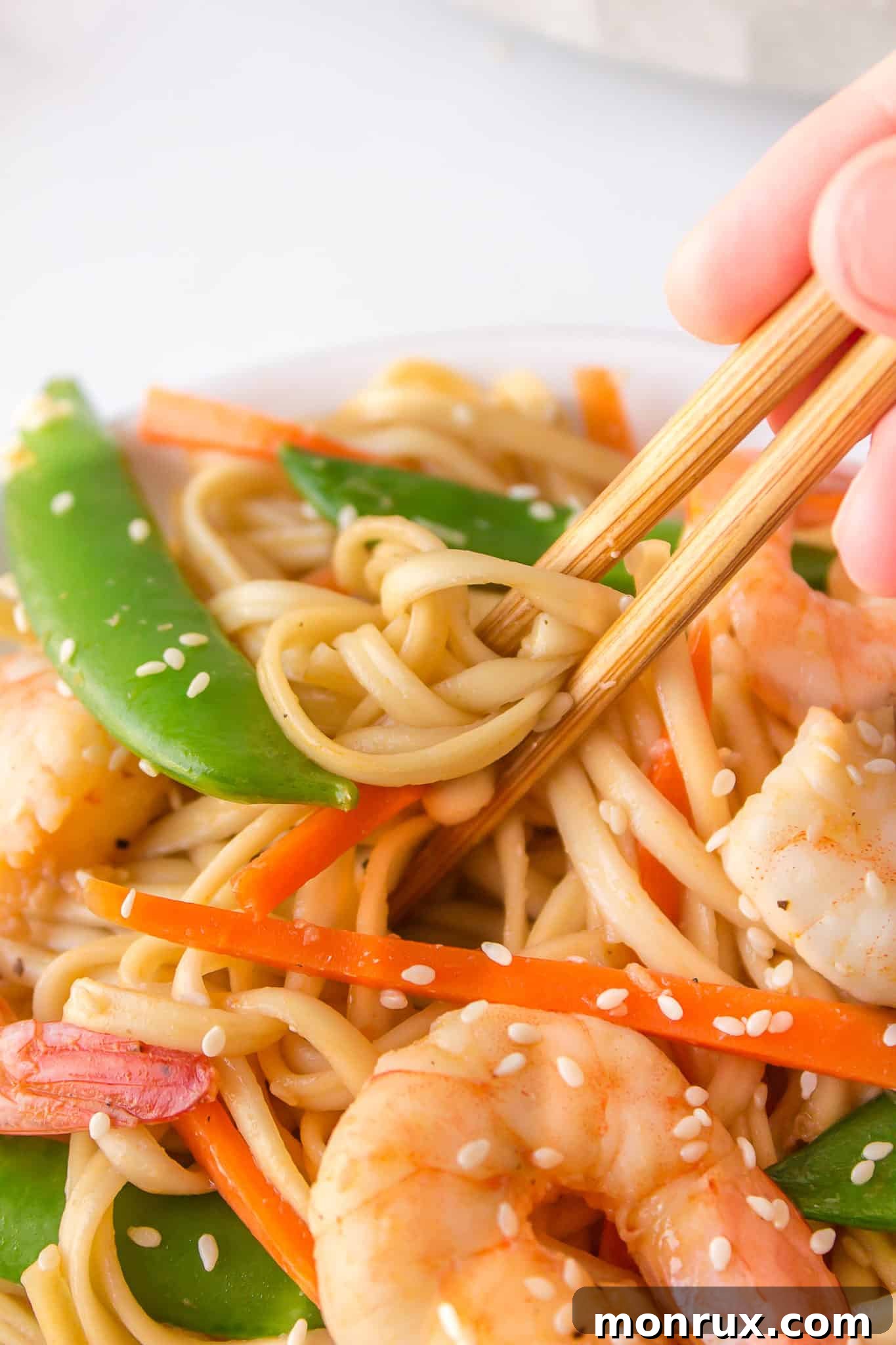
While udon noodles offer a unique chewy texture, if they are unavailable, you can certainly use other pasta or noodle varieties. Since we cook the noodles separately according to their package directions, almost any long-cut pasta would work well. Spaghetti, linguine, or even thicker rice noodles (for a gluten-free option) are excellent substitutes. The key is to choose a noodle that can hold up to the stir-fry sauce and has a good mouthfeel. For a comprehensive list of gluten-free pasta options, you can refer to my guide on the best gluten-free pasta brands.
Absolutely! This recipe is highly customizable when it comes to heat. To add a spicy kick, you can include a pinch of red pepper flakes when sautéing the garlic, or drizzle a little sriracha or chili garlic sauce into the finished stir-fry. For a deeper, more integrated heat, you could also add a teaspoon of gochujang (Korean chili paste) to the sauce mixture.
Explore More Asian-Inspired Takeout Recipes
If you loved this homemade Shrimp Udon, you’ll definitely want to try these other fantastic takeout-style recipes, all designed for clean eating and incredible flavor:
- Instant Pot Pineapple Chicken
- Homemade Gluten-Free Stir Fry Sauce
- Hibachi Shrimp with Irresistible Yum Yum Sauce
- Healthy Air Fryer Orange Chicken
- Simple and Flavorful Chicken Curry
- Instant Pot Shrimp and Rice
- P.F. Chang’s Copycat Pepper Steak
I truly hope you give this delightful Shrimp Udon recipe a try! If you do, please leave a comment and a starred review below – your feedback means a lot.
And, don’t forget to follow me on social media to stay connected and get more clean eating inspiration! You can find me on Facebook, Pinterest, Instagram, and YouTube!
Print
Shrimp Udon Stir Fry
5 Stars
4 Stars
3 Stars
2 Stars
1 Star
5 from 1 review
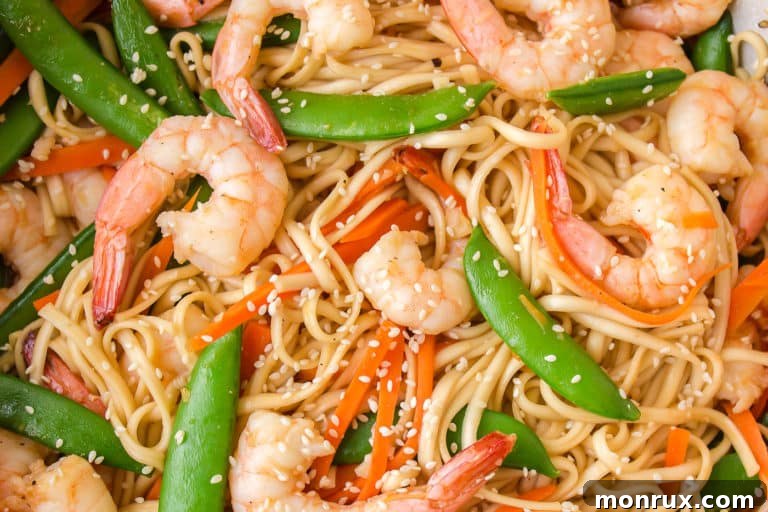
Everyone loves this Japanese-style Shrimp Udon recipe that includes tender shrimp, fresh vegetables, and a flavorful sauce. This stir fry recipe is ready in 35 minutes or less. Gluten-free option included.
Total Time: 35 minutes
Yield: 4 servings 1x
Ingredients
Units
Scale
- 1 (8-ounce) package dried Udon noodles (use rice noodles or gluten-free Udon noodles for gluten-free diets)
- 2 tablespoons olive oil, divided
- 1 pound raw large shrimp (peeled, de-veined, with the tails on or off)
- 1 garlic clove, minced
- 2 carrots, julienned or cut into matchsticks
- 1 cup sugar snap peas
For the sauce:
- 2 tablespoons reduced-sodium soy sauce (use tamari or coconut aminos for gluten-free diets)
- 1 teaspoon rice vinegar
- 1 teaspoon brown sugar or coconut sugar
- 1 teaspoon sesame oil
- 1 tablespoon toasted sesame seeds (optional, for topping)
Instructions
- Heat a large pot of water on the stovetop to cook the Udon noodles. Cook them according to the directions on the packaging until al dente. Rinse and drain them thoroughly once done to prevent sticking. You can also use pre-cooked Udon noodles for this recipe, simply warm them as per package instructions.
- While the Udon noodles are cooking, heat one tablespoon of olive oil over medium-high heat in a large skillet or wok. Add the minced garlic and the raw shrimp. Sauté for about 3 minutes, or until the shrimp begins to turn pink and curl. Flip the shrimp and cook for another 2-3 minutes until they are fully opaque and cooked through. Be careful not to overcook.
- Remove the perfectly cooked shrimp and garlic from the skillet and transfer them to a clean serving plate. Set them aside while you prepare the vegetables.
- Add the remaining tablespoon of olive oil to the same skillet or wok. Add the julienned carrots and sugar snap peas. Stir and let the vegetables cook for 5-7 minutes, stirring occasionally, until they are tender-crisp. They should still retain a slight crunch.
- While the vegetables are cooking, prepare the flavorful sauce. In a small bowl, combine the reduced-sodium soy sauce (or tamari/coconut aminos), rice vinegar, brown sugar (or coconut sugar), and sesame oil. Whisk everything together until the sugar is completely dissolved and the sauce is well combined.
- Return the cooked shrimp, along with the garlic, to the skillet with the sautéed vegetables. Add the drained Udon noodles and pour the prepared soy sauce mixture over all the ingredients. Stir everything thoroughly using tongs or a large spoon, ensuring the noodles, shrimp, and vegetables are evenly coated in the delicious sauce. Let the mixture cook for an additional 2-3 minutes to heat everything through and allow the flavors to meld beautifully.
- Turn off the heat and serve your delicious homemade Shrimp Udon immediately. Garnish with toasted sesame seeds and fresh green onions, if desired, for an extra touch of flavor and presentation. Enjoy your quick and satisfying Japanese-inspired meal!
Notes
- You can use either dried Udon noodles or frozen cooked Udon noodles for this recipe. Always prepare the noodles according to the specific directions on their package before adding them to the skillet with the vegetables and shrimp.
- For gluten-free diets, it is essential to use a gluten-free noodle option in this recipe, as traditional Udon noodles contain wheat flour. Additionally, ensure your soy sauce is replaced with tamari or coconut aminos.
- Store any leftover Shrimp Udon in an airtight container in the refrigerator for up to 4 days. Reheat gently on the stovetop or in the microwave before serving.
- Author: Carrie Forrest, MPH in Nutrition
- Prep Time: 20 minutes
- Cook Time: 15 minutes
- Category: Main Course
- Method: Stovetop, Stir Fry
- Cuisine: Asian, Japanese
- Diet: Gluten Free Option, Dairy Free
Nutrition
- Serving Size: 1/4 of recipe
- Calories: 414
- Sugar: 4.3 g
- Sodium: 576.1 mg
- Fat: 9.2 g
- Saturated Fat: 1.4 g
- Carbohydrates: 53.9 g
- Fiber: 2.5 g
- Protein: 28.3 g
- Cholesterol: 182.5 mg
Don’t Miss These Other Irresistible Shrimp Recipes
If you’re a fan of shrimp, you’re in for a treat! Explore these other fantastic shrimp-focused recipes, perfect for any day of the week:
Don’t forget to join my newsletter list to receive exclusive clean eating recipes, expert tips, and wellness inspiration directly in your inbox. The newsletter is always 100% free with no spam; you can unsubscribe at any time.
About the Author: Carrie Forrest holds a master’s degree in public health with a specialty in nutrition and is a certified holistic nutritionist. She is a highly respected wellness and food blogger, attracting over 5 million annual visitors to her site. Carrie shares an inspiring story of recovery from chronic illness and is deeply passionate about empowering other women to transform their health journeys. Feel free to send her a message through her contact form.