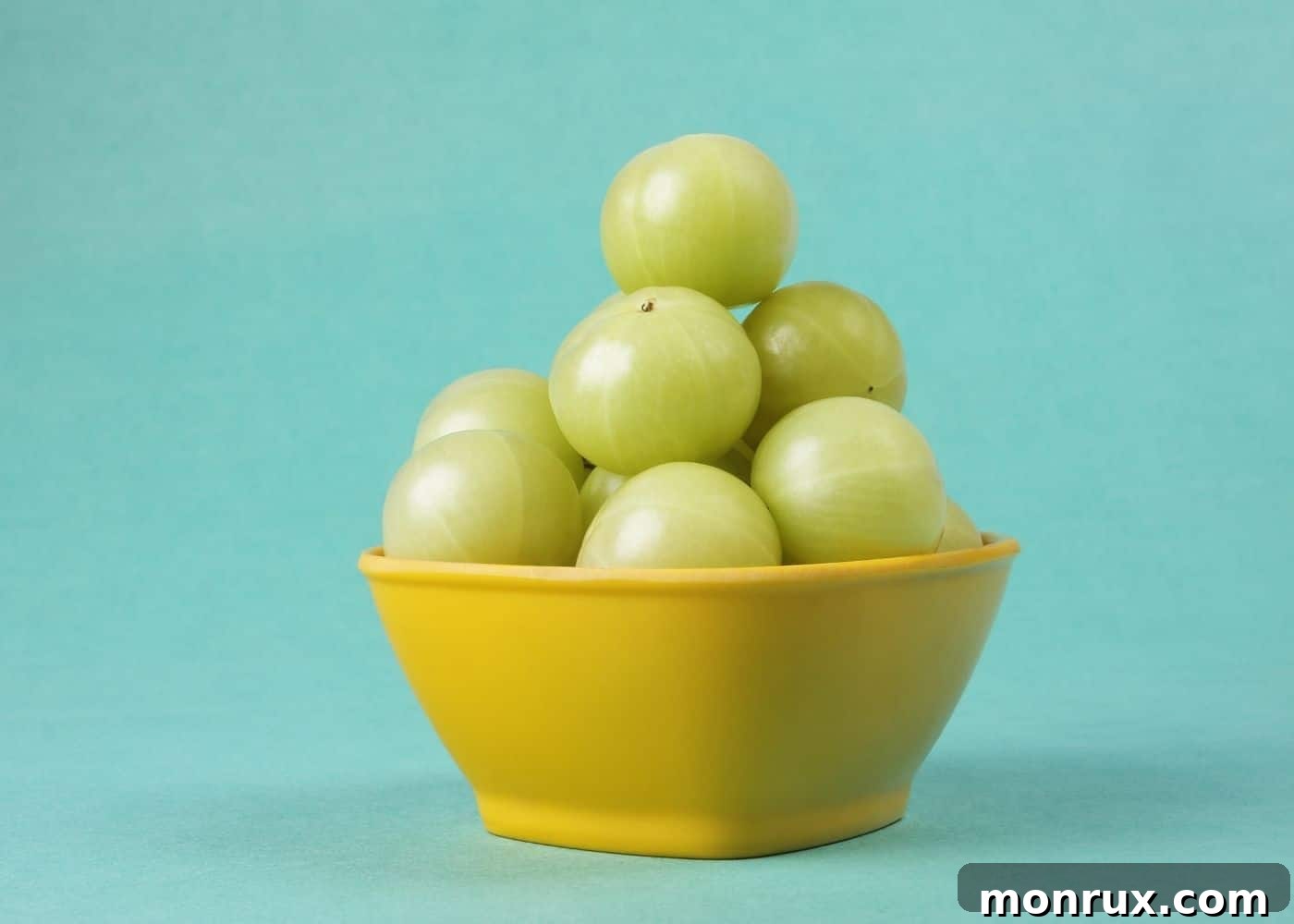
Discovering “I” Fruits: A Comprehensive Guide to Exotic and Familiar Delights
Embark on a fascinating journey through the world of fruits that start with the letter “I.” Whether you’re a culinary enthusiast seeking new flavors, a student researching rare botanical specimens, or simply looking to expand your vocabulary for word games, this extensive guide is tailored for you. From the common to the remarkably rare, we explore a diverse array of “I” fruits, offering insights into their origins, unique characteristics, and delicious potential.
Fruits are nature’s candy, packed with essential vitamins, minerals, and dietary fiber that play a crucial role in maintaining overall health and supporting a robust immune system. This article not only provides a definitive list but also delves into the intriguing details of each fruit, inviting you to explore new tastes and expand your knowledge of global produce.
Fruits That Start With I (Summarized List)
Here’s a quick overview of fruits beginning with the letter ‘I’. Scroll down or click on each name to delve deeper into their unique characteristics and fascinating facts.
- Ibope Fruit
- Icaco (Cocoplum)
- Ice Apple (Palmyra Palm Fruit)
- Ice Cream Bean
- Ilama Fruit
- Illawarra Plum Fruit
- Imbe Fruit (African Mangosteen)
- Indian Almond Fruit
- Indian Fig (Prickly Pear)
- Indian Gooseberry (Amla)
- Indian Jujube Fruit (Chinese Date)
- Indian Prune Fruit (Alu Bukhara)
- Indian Sherbet Berry (Phalsa)
- Indian Strawberry (Mock Strawberry)
- Indonesian Lime (Kaffir Lime)
Fruits That Start With I (Detailed Descriptions)
1. Ibope Fruit
The Ibope fruit, also sometimes spelled Igope, is a lesser-known but intriguing produce from the Prosopis alba tree species. This tree is native to various regions of South America, including Bolivia, Paraguay, Peru, and parts of Argentina, notably within the Gran Chaco ecoregion. The fruit itself is characterized by long, slender seedpods, containing brown seeds embedded within a sweet, paste-like pulp. Its unique flavor and texture make it a fascinating find for those exploring indigenous South American foods, often consumed directly or used in traditional preparations.
2. Icaco (Cocoplum)
Icaco, widely recognized as cocoplum, paradise plum, or abajeru, is a fruit that thrives in the warm, humid climates of tropical Africa, the Americas, and the Caribbean, extending its reach to southern Florida and the Bahamas. Scientifically known as Chrysobalanus icaco, this small, round fruit typically exhibits a brilliant green hue with hints of red and a distinctive pointed tip. As it ripens, its skin can transform into shades ranging from white to pinkish-purple, eventually reaching a deep, rich purple. The inner pulp is notably soft, sweet, and juicy, making it a delightful snack or an excellent ingredient for jams and jellies, offering a mild, pleasant flavor.
3. Ice Apple (Palmyra Palm Fruit)
Often referred to as tal palm, toddy palm, doub palm, or palmyra palm (Borassus flabellifer), the Ice Apple is a staple fruit in South and Southeast Asia. Adapted perfectly to tropical climates, this fruit is named for its striking resemblance to translucent ice. The flesh is beautifully clear and yellowish, encased in a fibrous outer layer. Its texture is remarkably similar to that of lychee fruit, offering a soft, jelly-like consistency that melts in the mouth. Flavor-wise, it provides a subtly sweet, delicate taste, often likened to a tender, less intense coconut. Ice apples are highly prized during the summer months for their hydrating and cooling properties, commonly enjoyed fresh to beat the heat.
4. Ice Cream Bean
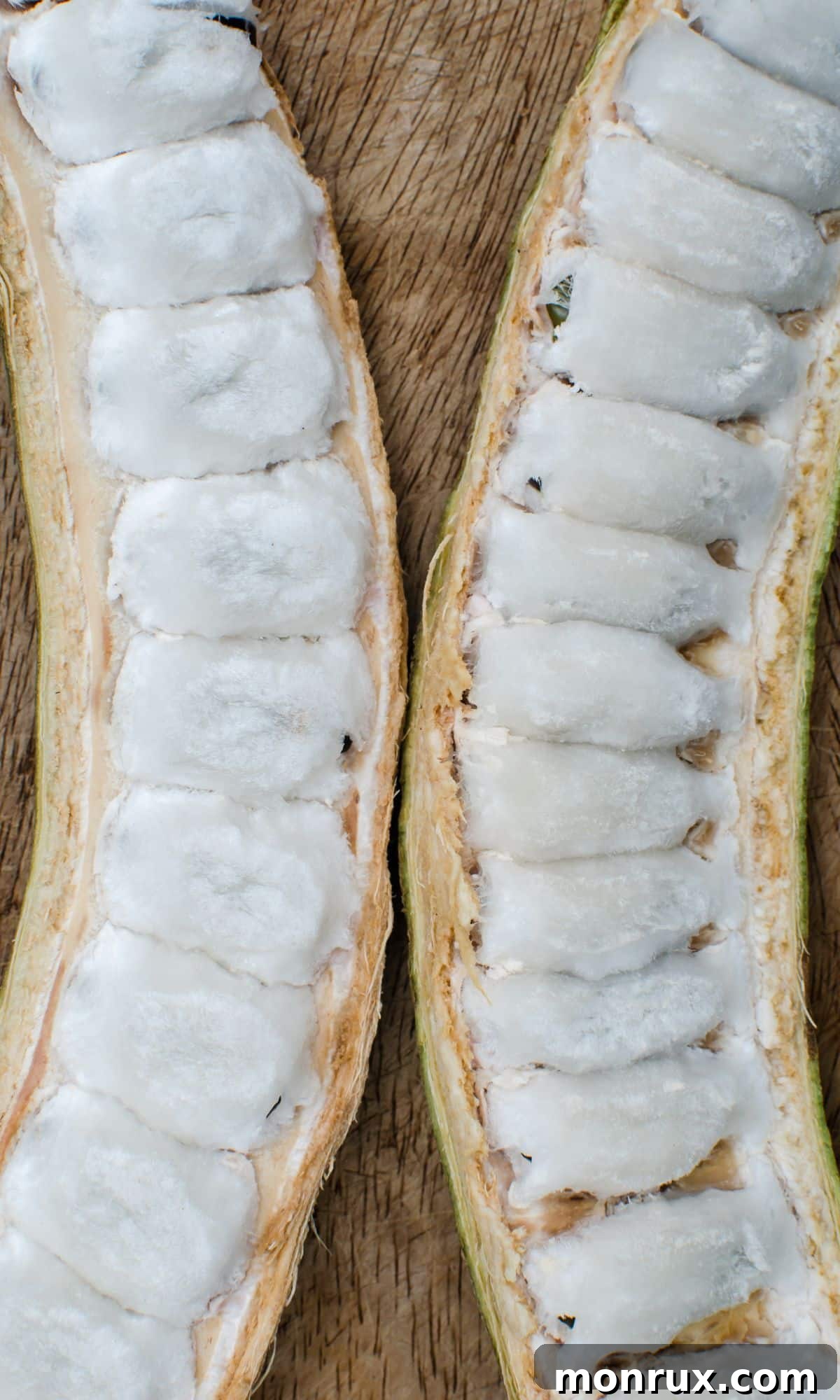
The Ice Cream Bean fruit (Inga edulis) hails from South America and is known by various local names such as joaquiniquil, cuaniquil, guama, or guaba. This fascinating fruit grows in large, elongated pods, remarkably similar in appearance to oversized pea pods. When opened, these pods reveal a brilliant white, fluffy pulp that has the delicate texture and appearance of cotton candy. What truly sets the Ice Cream Bean apart is its extraordinary flavor, which is distinctively sweet with strong notes of vanilla, reminiscent of actual vanilla ice cream. It is extensively cultivated, particularly by Indigenous Amazonian communities, not only for its delicious fruit but also for its significant role in providing shade, timber, medicine, and as an ingredient in traditional alcoholic beverages like cachiri. This versatile fruit is a true marvel of the Amazon rainforest.
5. Ilama Fruit
The Ilama fruit is a unique tropical delight native to Central America, where the tree is highly valued. Its name, “ilama,” loosely translates to “old woman’s sapote,” hinting at its traditional significance. The fruit shares a similar appearance and sometimes even the same local name as the soncoya or Cabeza de negro. Ilama fruits are notable for their varied characteristics: they typically come in two distinct types – pink and green. The green variety features sweet, creamy white flesh, while the pink variation boasts flesh with a rosy hue and a more tart, acidic flavor. The fruit’s rind, or skin, is covered in a dense, velvety, gray-white bloom, with its color ranging from pale green to deep pink or scarlet, adding to its visual appeal and making it a striking addition to any fruit collection.
6. Illawarra Plum Fruit
Indigenous to Australia, the Illawarra Plum is also known as Daalgaal, Goongum, or Plum Pine. This exquisite native fruit was a cherished food source for Aboriginal people in New South Wales and quickly gained favor among European colonists due to its delightful taste. Its luscious, pulpy fruits have a texture reminiscent of grapes, offering a juicy burst with every bite. The flavor profile is uniquely sweet, complemented by a mild, subtle pine-like essence, creating an unforgettable culinary experience. Each Illawarra Plum fruit consists of two main parts: a large, juicy purple-black berry and a hard, inedible seed within. They are versatile, perfect for eating fresh, or transforming into gourmet jams, jellies, and sauces, making them a true bush tucker gem.
7. Imbe Fruit (African Mangosteen)
The Imbe fruit, also elegantly known as the African mangosteen, is native to tropical Africa, with its natural range spanning from Côte d’Ivoire in the west to Somalia in the east, and extending southwards into South Africa. This fruit grows on trees characterized by stiff, glossy leaves. The Imbe itself is a small, vibrant orange fruit with a thick, relatively tough skin. Beneath this rind lies a fragrant, juicy pulp that delivers a delightful acidic tang. Its flavor is often compared to a blend of various tropical fruits, offering a refreshing and slightly tart experience. Imbe is typically enjoyed fresh or used in beverages, adding a unique African twist to fruit-based recipes.
8. Indian Almond Fruit
The Indian Almond fruit goes by many names, including country almond, Malabar almond, sea almond, tropical almond, beach almond, and false Kamani. Thriving in tropical and subtropical climates, particularly in North and South America, these trees produce intriguing drupes. These fruits are typically 2 to 3 inches long and undergo a beautiful color transformation during the summer, maturing from green to yellow, red, or even brown. Encasing the edible part is a corky fibrous husk, which protects a thin, green inner layer of meat. At the core of the fruit is an edible, almond-like kernel, which, true to its name, possesses a flavor remarkably similar to that of a traditional almond. This makes it a popular snack and a versatile ingredient in various cuisines.
9. Indian Fig (Prickly Pear)
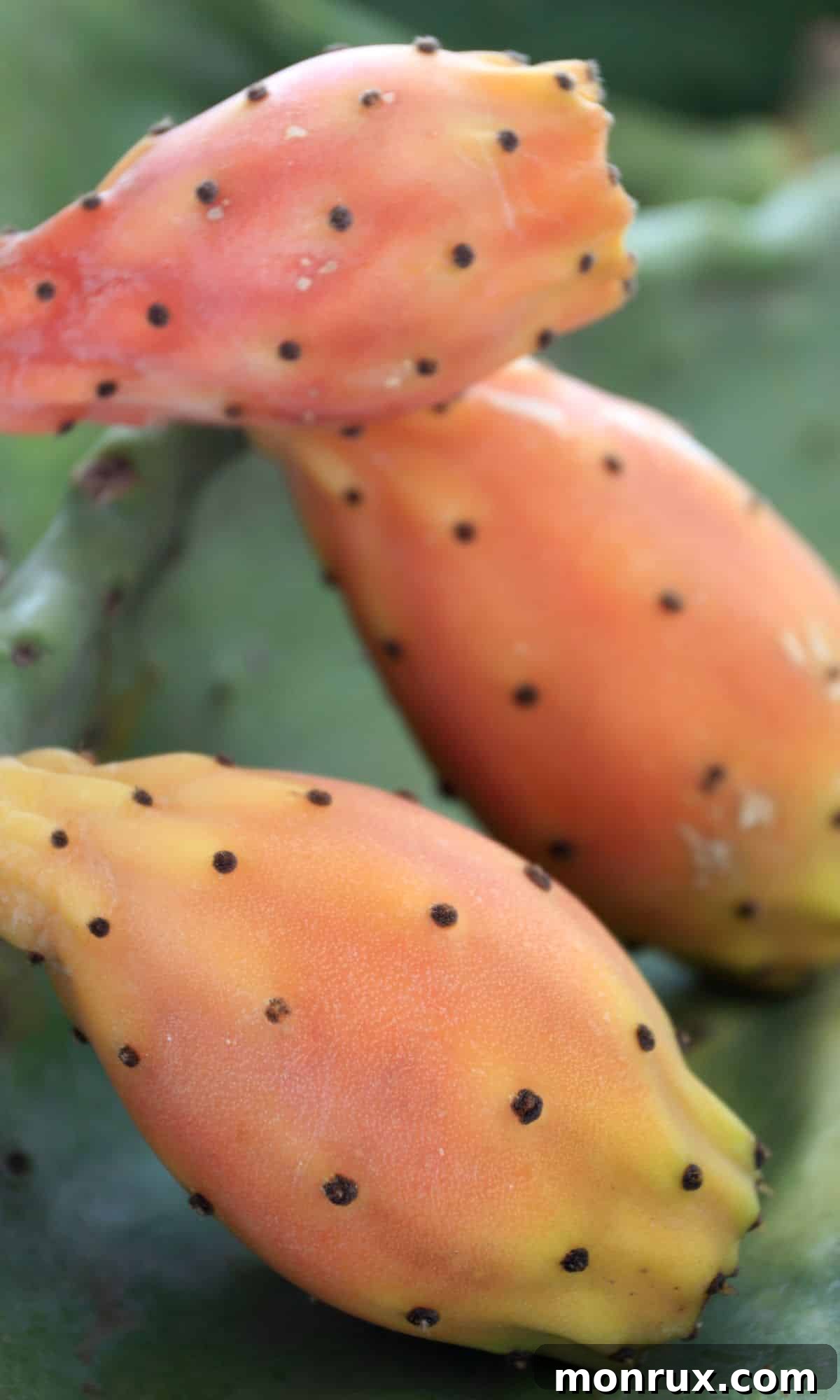
The Indian Fig, widely known as prickly pear, barbary fig, or Opuntia ficus-indica, is not just a fruit but a versatile cactus species that has been cultivated for centuries in arid and semi-arid regions globally. This resilient plant produces striking round and fleshy fruits, typically vibrant reddish-purple in color, although variations exist. Beneath its often spiky exterior lies a juicy, sweet pulp. The flavor of the Indian Fig is unique, frequently described as a delightful cross between a very sweet watermelon and a berry, with earthy undertones. It can be enjoyed fresh, peeled carefully to avoid its glochids (tiny spines), or processed into juices, jams, and even alcoholic beverages, making it a valuable crop in many desert economies.
10. Indian Gooseberry (Amla)
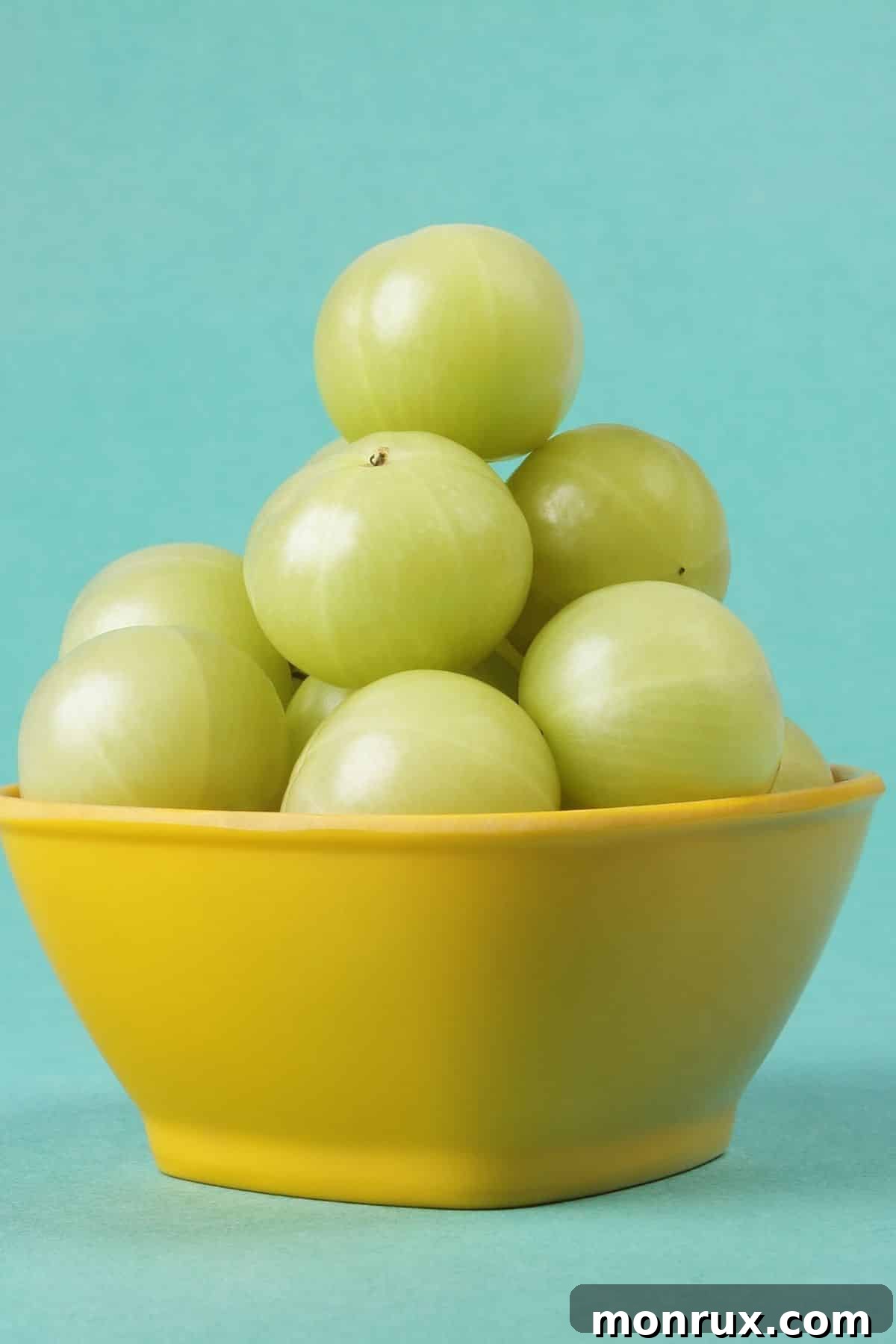
The Indian Gooseberry, scientifically known as Phyllanthus emblica, and commonly referred to as emblic, myrobalan, Malacca tree, or most notably, Amla, is a highly revered fruit native to Southern Asia. This small deciduous tree produces round, succulent fruits that match the yellow-green hue of its delicate blossoms. Approximately the size of a golf ball, these fruits feature a single pit and a relatively thin peel. Amla is renowned for its distinctive flavor profile, which is complex and often described as a compelling blend of sour, bitter, and astringent, followed by a surprising sweet aftertaste. It is a cornerstone in Ayurvedic medicine, cherished for its potent antioxidant properties and rich vitamin C content, and is consumed fresh, dried, or as part of various traditional preparations.
11. Indian Jujube Fruit (Chinese Date)
The Indian Jujube fruit, also known globally as the Indian plum or Chinese date, originated in Southern Asia but has now gained significant popularity and cultivation across various parts of the world. These small, oval to round fruits possess a single central seed pit. As they ripen, their skin transitions from green to a dark red or purple, often developing a slightly wrinkled appearance. When consumed fresh and raw, Indian Jujubes offer a crisp texture and a delightful sweet, apple-like flavor, making them an excellent healthy snack. When dried, their texture becomes wonderfully chewy, and their taste deepens to resemble that of dates, a form in which they are frequently found in grocery stores in regions like the United States. They are celebrated for their nutritional value and versatility.
12. Indian Prune Fruit (Alu Bukhara)
In India, the prune is affectionately known as Alu Bukhara, a fruit that is not only a culinary delight but also a powerhouse of nutrients. These small, visually appealing fruits closely resemble miniature plums in their structure and appearance. As they reach full maturity, they take on a striking dark blue color. The Indian Prune is characterized by its distinctively sweet and subtly savory flavor, coupled with a sticky, chewy texture that makes it incredibly satisfying to eat. Rich in dietary fiber and essential minerals, Alu Bukhara is often enjoyed fresh, dried, or incorporated into a variety of desserts, chutneys, and savory dishes, valued for both its taste and health benefits.
13. Indian Sherbet Berry (Phalsa)
The Phalsa, widely known as the Indian Sherbet Berry, is a remarkable fruit frequently used in the preparation of refreshing sherbets and cooling beverages, especially during hot summer months. This easily digestible fruit is a potent source of essential vitamins and crucial trace minerals, making it a valuable addition to a healthy diet. When fully mature, the Indian Sherbet Berry reveals a dark purple to almost black exterior, with a juicy, lighter-colored interior. It bears a striking resemblance to a grape in both its petite size and its sweet-tart flavor profile. Phalsa is cherished for its refreshing taste and its numerous health benefits, often consumed fresh or processed into popular cooling drinks.
14. Indian Strawberry (Mock Strawberry)
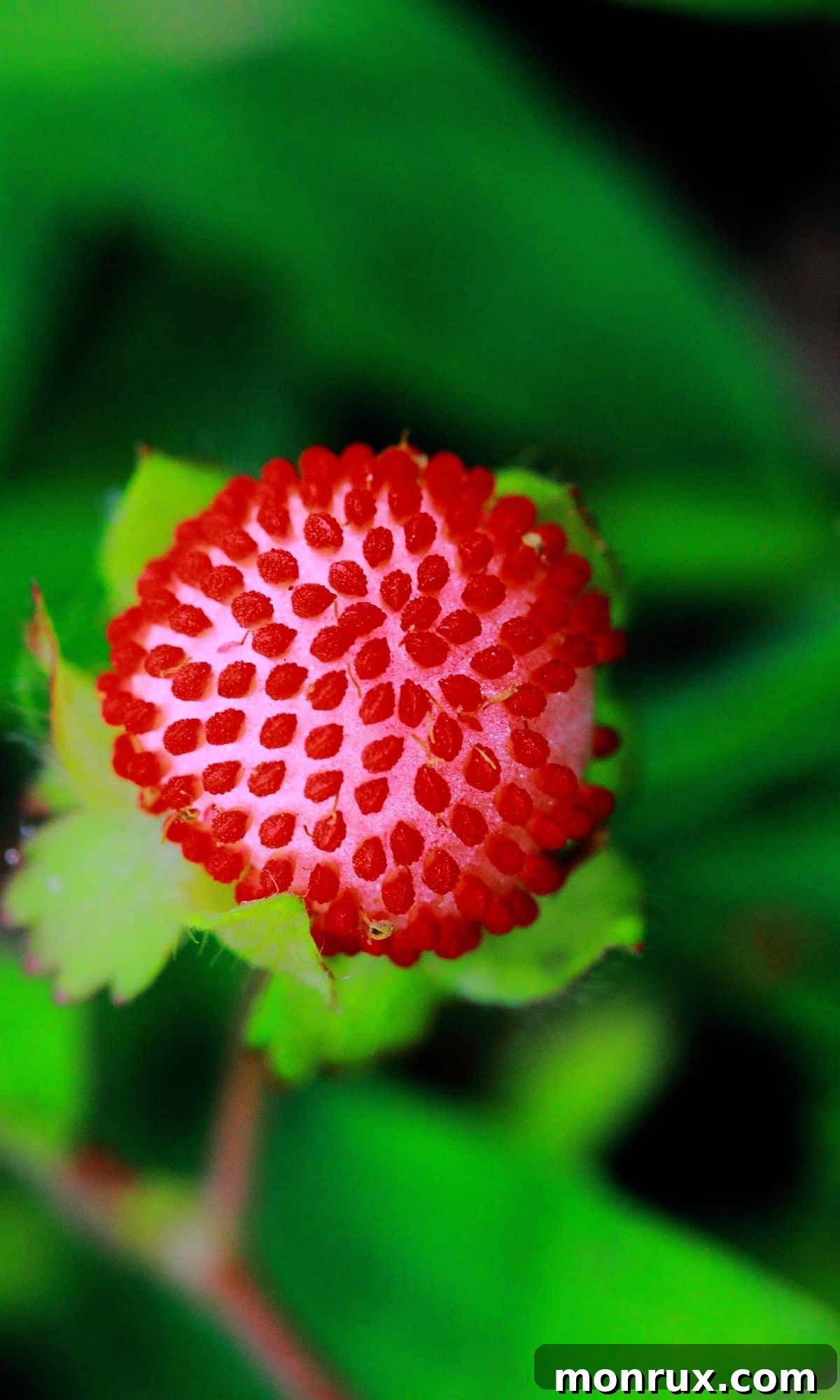
The Indian Strawberry, often recognized by its scientific name Potentilla indica, or more commonly as mock strawberries, false strawberries, or backyard strawberries, is primarily found flourishing in various regions of North America, though it originated in Asia. Visually, this fruit bears a strong resemblance to a regular wild strawberry in both its characteristic heart shape and vibrant red color, making it quite appealing to the eye. However, its flavor profile is distinctly different; it generally offers a rather bland taste, sometimes described as having a watery essence similar to a mild watermelon, lacking the intense sweetness and tang of true strawberries. Despite its muted flavor, it is edible and often used as an ornamental groundcover.
15. Indonesian Lime (Kaffir Lime)
The Indonesian Lime, famously known as Citrus hystrix, kaffir lime, or makrut lime, is a distinctive indigenous citrus fruit cherished throughout tropical Southeast Asia. This small, round green fruit is instantly recognizable by its thick, intensely bumpy, and wrinkled rind, giving it a unique textured appearance. What truly sets the Indonesian Lime apart from other lime varieties is its profoundly intense and incredibly acidic flavor, coupled with an unparalleled citrus freshness that is both sharp and aromatic. Unlike regular limes, it’s primarily the zest and leaves that are highly prized in Southeast Asian cuisine, particularly Thai and Cambodian dishes, for their potent fragrance and ability to infuse dishes with a bright, complex, and zesty aroma. Its juice is rarely used due to its extreme tartness.