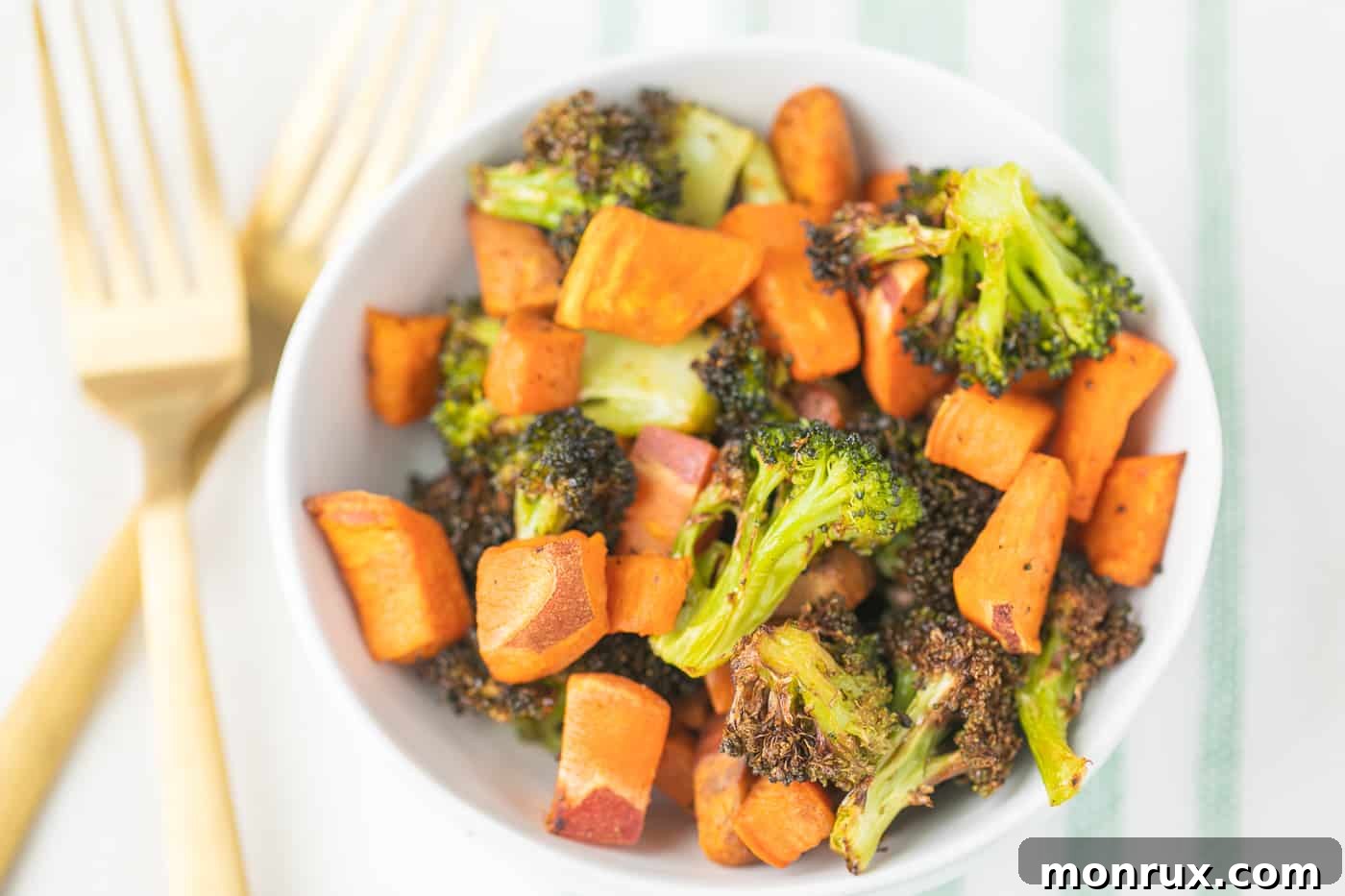
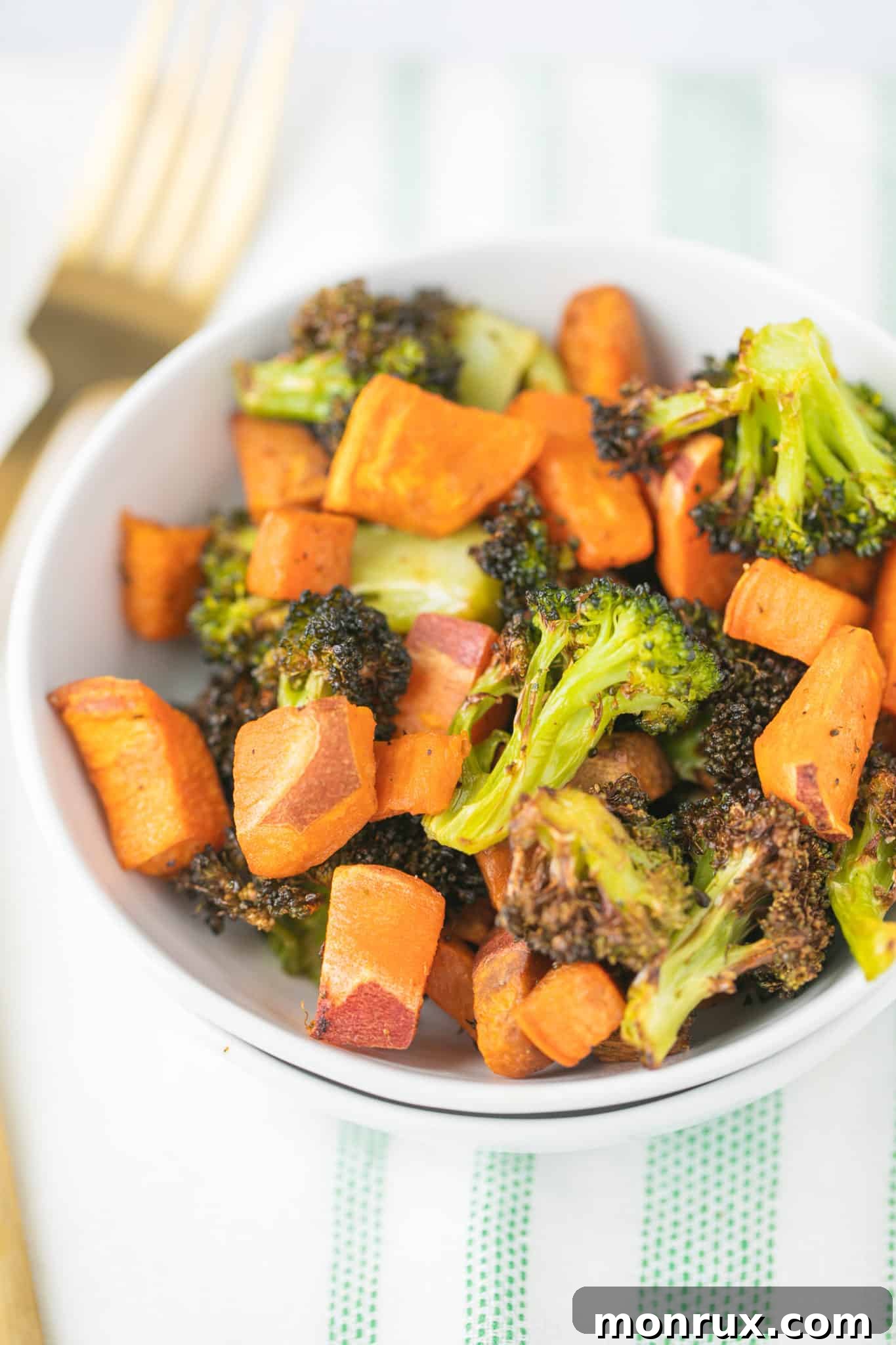
Transform your meal preparation with the delightful simplicity of ghee-roasted vegetables. This recipe offers a rich, buttery flavor without relying on traditional butter or oil, making it an ideal choice for those following Paleo, Whole30, vegetarian, and gluten-free diets. Discover how to create irresistibly tender and flavorful vegetables that will become a staple in your healthy kitchen.
Understanding Ghee: The Clarified Butter Advantage
Ghee, often referred to as clarified butter, is a staple in many cuisines worldwide, particularly in Indian and Middle Eastern cooking. It’s made by simmering butter to separate the milk solids and water, leaving behind a pure, golden fat. This process not only concentrates its rich, nutty flavor but also yields several distinct advantages over traditional butter or cooking oils for certain dietary needs and cooking applications.
What Makes Ghee Special?
For individuals with dairy sensitivities, ghee can be a game-changer. By removing the milk solids – which contain most of the lactose and casein – ghee often becomes an acceptable alternative to butter. However, it’s crucial to distinguish between sensitivity and a full-blown dairy allergy. While most lactose and casein are removed, trace amounts of proteins may still be present. Therefore, if you have a severe dairy allergy, always consult with your healthcare professional before incorporating ghee into your diet.
Beyond its digestibility, ghee’s flavor profile is exceptionally rich and buttery, with subtle caramel notes that enhance both savory and sweet dishes. This makes it an outstanding choice for baking, adding depth to pastries, and, of course, creating incredibly flavorful roasted vegetables.
The High Smoke Point Advantage
One of the most significant benefits of cooking with ghee is its remarkably high smoke point, typically around 485°F (250°C). This is considerably higher than butter (around 302°F or 150°C) and many common cooking oils. A high smoke point means ghee can withstand higher temperatures before it starts to burn and break down, which can create harmful free radicals and an unpleasant taste. This characteristic makes ghee perfectly suited for high-temperature cooking methods like roasting, sautéing, and deep-frying, ensuring your food cooks beautifully without imparting a burnt flavor.
Nutritional Powerhouse
Ghee isn’t just about flavor and cooking versatility; it also boasts an impressive nutritional profile. It’s a good source of fat-soluble vitamins, including Vitamin A, Vitamin E, and Vitamin K. Vitamin A is vital for vision and immune function, Vitamin E acts as an antioxidant, and Vitamin K plays a crucial role in blood clotting and bone health. Furthermore, grass-fed ghee contains conjugated linoleic acid (CLA), a fatty acid that may have health benefits, and a healthy balance of Omega-3 and Omega-9 fatty acids. It also contains butyrate, a short-chain fatty acid known for supporting gut health.
Rooted in ancient Indian tradition, ghee has been revered in Ayurvedic medicine for thousands of years as a healing and nourishing food. It’s believed to aid digestion, enhance cognitive function, and promote overall well-being. As with any new dietary inclusion, a conversation with your healthcare provider is always recommended to ensure ghee aligns with your individual health needs.
Choosing Quality Ghee
To fully experience the benefits and superior taste of ghee, opting for a high-quality product is key. Look for brands that source their ghee from grass-fed and pastured cows, as this typically results in a richer nutrient content and better flavor. My personal preference is Ancient Organics, which is 100% organic, grass-fed, and guaranteed lactose, casein, and gluten-free. Investing in quality ghee will elevate your cooking and enhance the nutritional value of your meals.
One of the simplest yet most rewarding ways to incorporate ghee into your diet is by roasting vegetables. The ghee coats them beautifully, caramelizing their natural sugars and creating a golden, tender result that’s bursting with flavor.
Mastering the Art of Ghee-Roasted Vegetables
Achieving perfectly roasted vegetables with ghee is an effortless process that yields incredibly satisfying results. Follow these simple steps to bring out the best in your chosen produce.
Step One: Preparation is Key
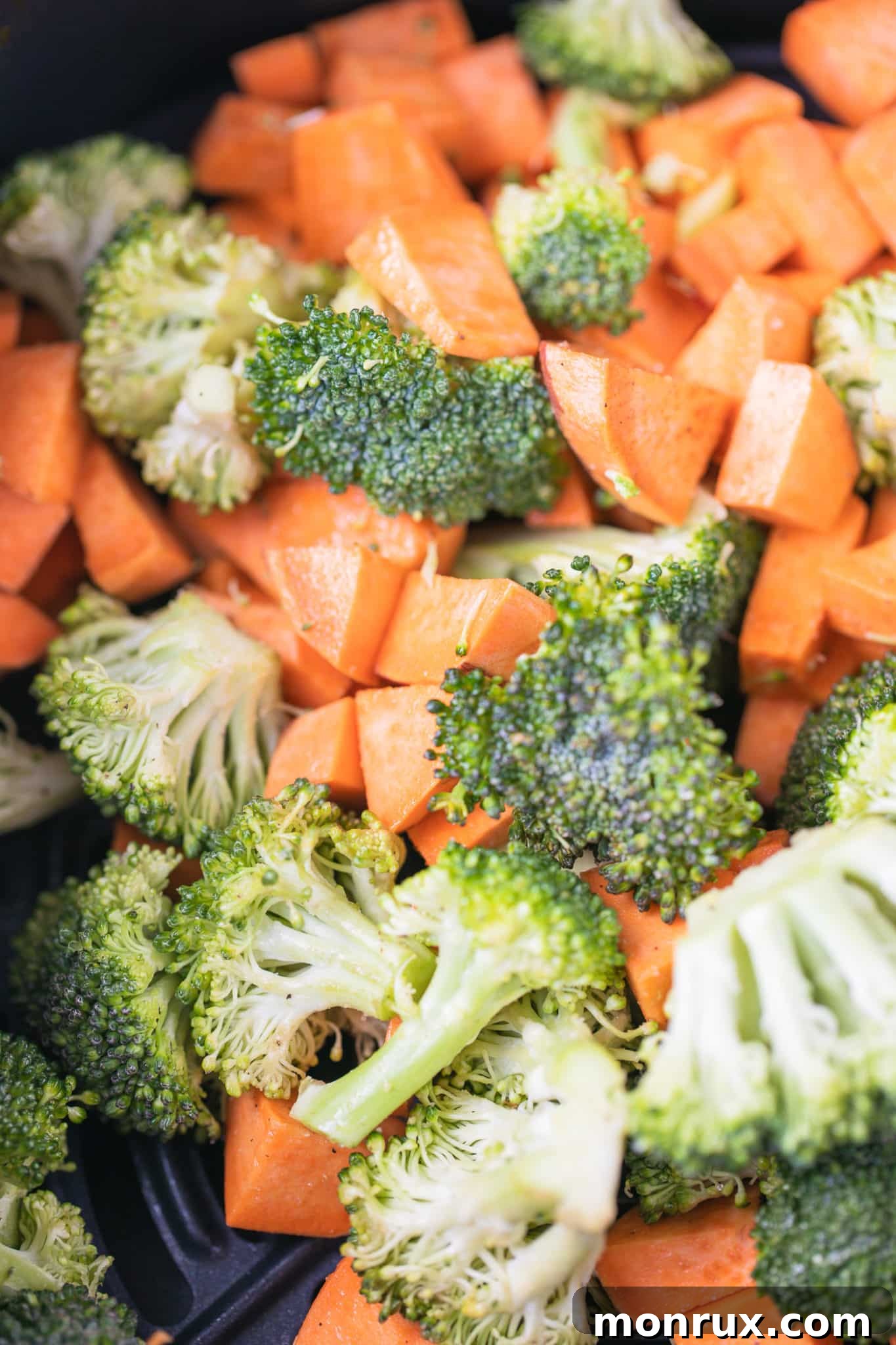
The foundation of great roasted vegetables begins with proper preparation. Start by preheating your oven to 375°F (190°C). This ensures the oven reaches the ideal temperature for even cooking and caramelization from the moment your vegetables enter. While the oven preheats, wash and thoroughly dry approximately 6 cups of your preferred hearty vegetables. Drying them is crucial, as excess moisture can steam the vegetables instead of roasting them, preventing that desirable crispy exterior.
The beauty of this recipe lies in its versatility. You can use a single type of vegetable or create a colorful medley. Excellent choices include broccoli florets, chopped sweet potatoes, Brussels sprouts, cauliflower, carrots, bell peppers, zucchini, or even regular potatoes. When mixing vegetables, try to select those with similar cooking times to ensure everything is perfectly done simultaneously. If using denser vegetables like carrots and potatoes alongside quicker-cooking ones like broccoli, cut the denser vegetables into smaller pieces to equalize cooking times.
Step Two: Season and Coat
Next, it’s time to melt your ghee. Ghee is typically solid at room temperature, so gently melt the recommended amount in a microwave-safe bowl or a small saucepan over low heat on the stovetop. Once melted, the ghee will have a beautiful liquid consistency, ready to coat your vegetables. Place your chopped and dried vegetables in a large mixing bowl. Pour the melted ghee over the vegetables, then add a generous sprinkle of sea salt and freshly ground black pepper. Use your hands or a sturdy spatula to toss the vegetables thoroughly, ensuring every piece is evenly coated with the ghee and seasonings. This step is vital for maximum flavor and consistent browning. For an extra layer of flavor, consider adding garlic powder, onion powder, paprika, dried rosemary, or thyme at this stage.
For the precise measurements and ingredient list, please refer to the detailed recipe card at the end of this post.
Step Three: Roast to Perfection
Once your vegetables are seasoned and coated, spread them out in a single layer on a large baking sheet. It’s important not to overcrowd the pan; if necessary, use two baking sheets to ensure the vegetables have enough space to roast and caramelize rather than steam. Lining the baking sheet with parchment paper or a silicone baking mat will prevent sticking and make cleanup a breeze. Bake the vegetables in your preheated oven for approximately 35-40 minutes. Halfway through the cooking time (around the 20-minute mark), give the vegetables a gentle toss to ensure even browning and to prevent any sticking. Continue roasting until the vegetables are tender when pierced with a fork and exhibit a lovely golden-brown char on the edges, indicating optimal caramelization. Serve these warm, buttery, and delicious vegetables immediately as a delightful side dish to your favorite cooked protein, such as grilled chicken, baked salmon, or a hearty lentil loaf.
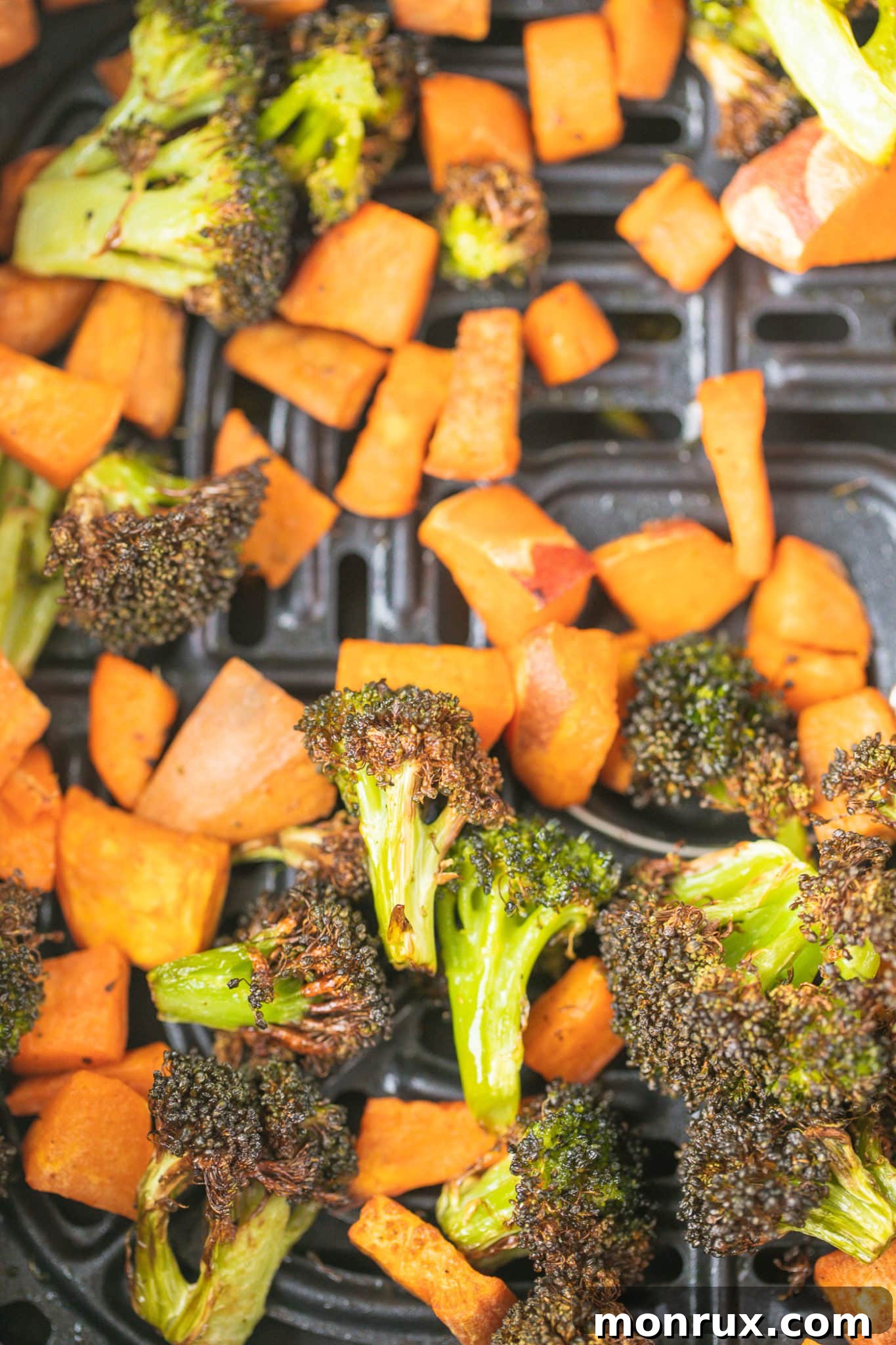
I am confident that this easy and flavorful method of roasting vegetables with ghee will quickly become a cherished recipe in your kitchen.
Frequently Asked Questions About Ghee and Roasting
Absolutely! The air fryer is an excellent tool for achieving crispy roasted vegetables with ghee. Simply toss the vegetables as directed, then air fry at 375°F (190°C) for about 15-20 minutes, shaking the basket halfway through, until tender and browned. Adjust cooking time based on your air fryer model and vegetable type.
No, one of the convenient aspects of ghee is its shelf stability. Thanks to the removal of milk solids and water, ghee has a very long shelf life and can be stored at cool room temperature for up to several months without refrigeration. Ensure it’s kept in an airtight container away from direct sunlight.
Yes, the possibilities are nearly endless! Any vegetable that benefits from a rich, buttery flavor will taste fantastic roasted in ghee. Consider asparagus, green beans, carrots, parsnips, or even mushrooms. Ghee’s versatility also extends to other cooking methods: you can sauté vegetables in it, or simply add a pat of ghee on top of steamed vegetables for an instant flavor boost, just as you would with butter.
For ultimate crispiness, several factors are key: ensure your vegetables are thoroughly dry before coating with ghee; don’t overcrowd the baking sheet (give them space to breathe); use a high enough oven temperature; and consider flipping them once or twice during roasting to expose all sides to the direct heat.
While best served fresh from the oven, you can chop and season your vegetables a few hours in advance and keep them in the refrigerator. When ready to cook, simply spread them on the baking sheet and roast. Leftovers can be stored in an airtight container in the refrigerator for up to 4 days and reheated gently in the oven or air fryer for best texture.
Explore More Healthy Vegetable Recipes
- Air-Fryer Brussel Sprouts
- Air Fryer Carrots
- Oven-Baked Kale Chips
- Red Palm Oil Roasted Zucchini
- Slow Cooker Cabbage
For even more inspiration, explore my comprehensive guide to the best green vegetables and discover compelling reasons to include these nutrient-dense foods in your daily diet.
I truly hope you enjoy making this delicious and healthy roasted vegetable recipe! If you do, please leave a comment and a starred review below. Your feedback is greatly appreciated.
Stay connected with me for more clean eating tips and recipes! You can find me on Facebook, Pinterest, Instagram, and YouTube.
Print Recipe
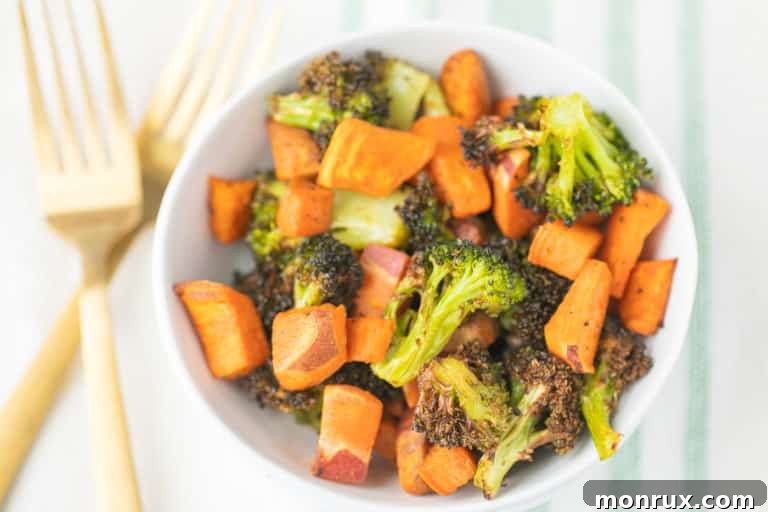
How to Roast Vegetables with Ghee
5 Stars
4 Stars
3 Stars
2 Stars
1 Star
5 from 2 reviews
Learn how to roast vegetables to golden perfection using ghee as a delicious and healthy alternative to butter or oil. This method results in incredibly buttery, tender, and flavorful vegetables that are naturally paleo, Whole30, vegetarian, and gluten-free. It’s an easy side dish that pairs wonderfully with any main course.
Total Time: 55 minutes
Yield: 4 1x
Ingredients
Scale
- 4 cups fresh broccoli florets, or your choice of hearty vegetable
- 3 medium sweet potatoes, peeled and chopped into bite-sized pieces
- 2 tablespoons ghee, melted
- 1/2 teaspoon sea salt
- 1/4 teaspoon freshly ground black pepper
Instructions
- Preheat your oven to 375°F (190°C) and line a large baking sheet with parchment paper for easy cleanup.
- In a medium bowl, combine the chopped vegetables with the melted ghee, sea salt, and ground black pepper. Toss thoroughly until all vegetables are evenly coated.
- Pour the coated vegetables onto the prepared baking sheet, spreading them into a single layer to ensure even roasting and browning. Bake for 35-40 minutes, or until the vegetables are tender-crisp and lightly caramelized, but not burned. Toss the vegetables once during cooking (around the 20-minute mark) for uniform results.
- Serve hot immediately and enjoy this delicious, buttery side dish!
Notes
- Store any leftover roasted vegetables in an airtight container in the refrigerator for up to 4 days. Reheat gently in the oven or air fryer until warmed through for the best texture.
- Feel free to experiment with different spices like garlic powder, onion powder, paprika, or dried herbs like rosemary and thyme for varied flavors.
- For extra crispiness, ensure vegetables are completely dry before tossing with ghee and avoid overcrowding the baking sheet.
- Author: Carrie Forrest, MPH in Nutrition
- Prep Time: 15 minutes
- Cook Time: 40 minutes
- Category: Side Dish
- Method: Oven
- Cuisine: Paleo
- Diet: Vegetarian
Nutrition
- Serving Size: 1/3 cup cooked vegetables
- Calories: 112
- Sugar: 3.8 g
- Sodium: 250.9 mg
- Fat: 4.1 g
- Saturated Fat: 2.4 g
- Carbohydrates: 17.5 g
- Fiber: 3.6 g
- Protein: 2.8 g
- Cholesterol: 10.2 mg
Don’t forget to join my newsletter list to receive exclusive clean eating recipes, health tips, and wellness insights directly to your inbox. It’s 100% free with no spam, and you can unsubscribe at any time.
About the Author: Carrie Forrest holds a master’s degree in public health with a specialization in nutrition and is a certified holistic nutritionist. As a prominent wellness and food blogger, her site welcomes over 5 million annual visitors. Carrie shares an inspiring journey of recovery from chronic illness and is deeply passionate about empowering other women to transform their health. Feel free to connect with her through her contact form.