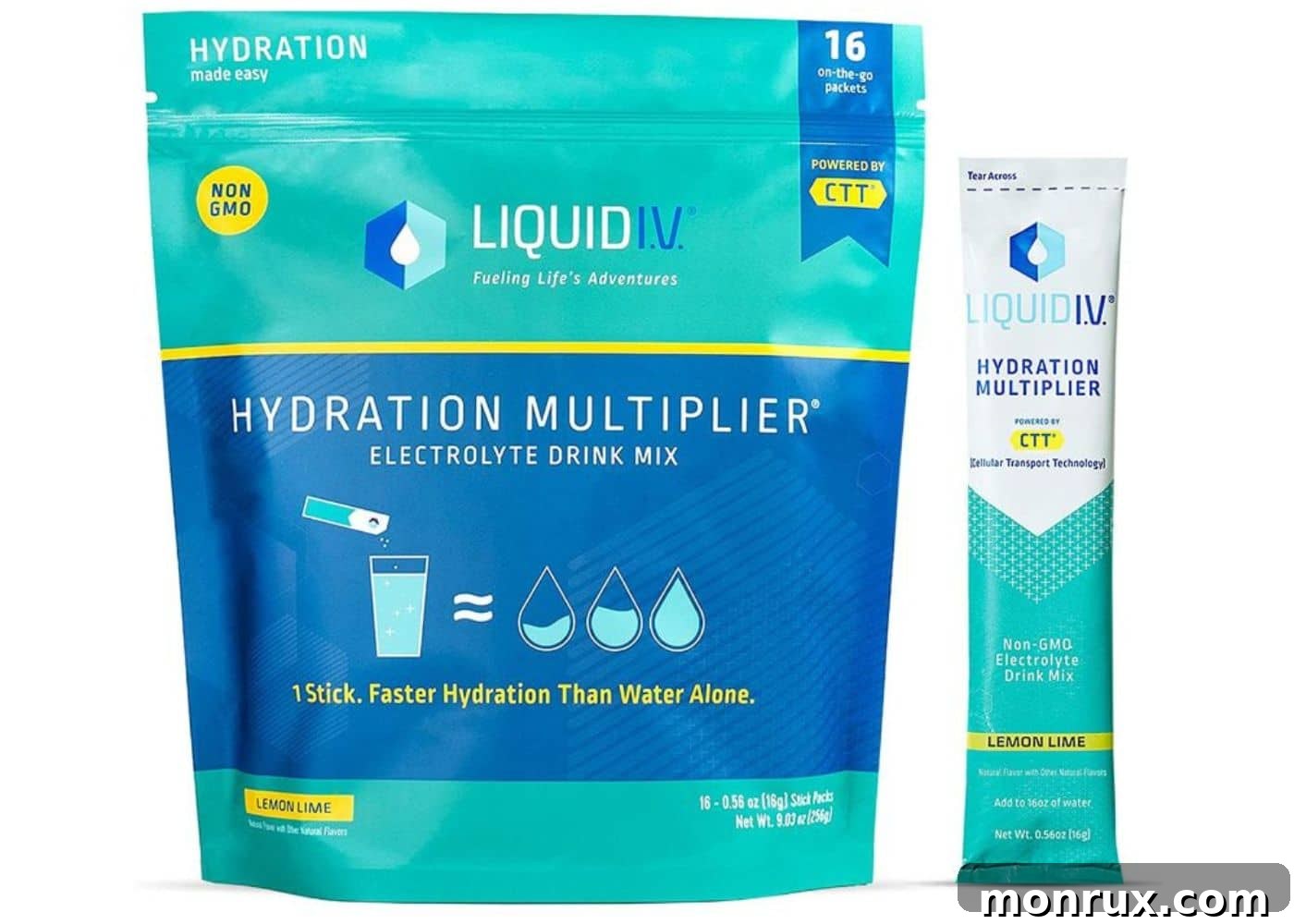
In the vast and ever-growing market of hydration solutions, Liquid I.V. has emerged as a prominent contender, promising rapid rehydration and essential nutrient delivery. But with its widespread popularity, a critical question often arises for health-conscious consumers: is Liquid I.V. truly healthy? This comprehensive review aims to dissect the product’s nutritional profile, examine its ingredients, and weigh its potential benefits against its drawbacks. We’ll explore what makes Liquid I.V. unique, scrutinize its components like added sugars and artificial flavors, and ultimately help you decide if it aligns with your health and wellness goals. For many, Liquid I.V. represents an expensive approach to hydration, incorporating unnecessary sweeteners, synthetic vitamins, anti-caking agents, and other highly processed ingredients.
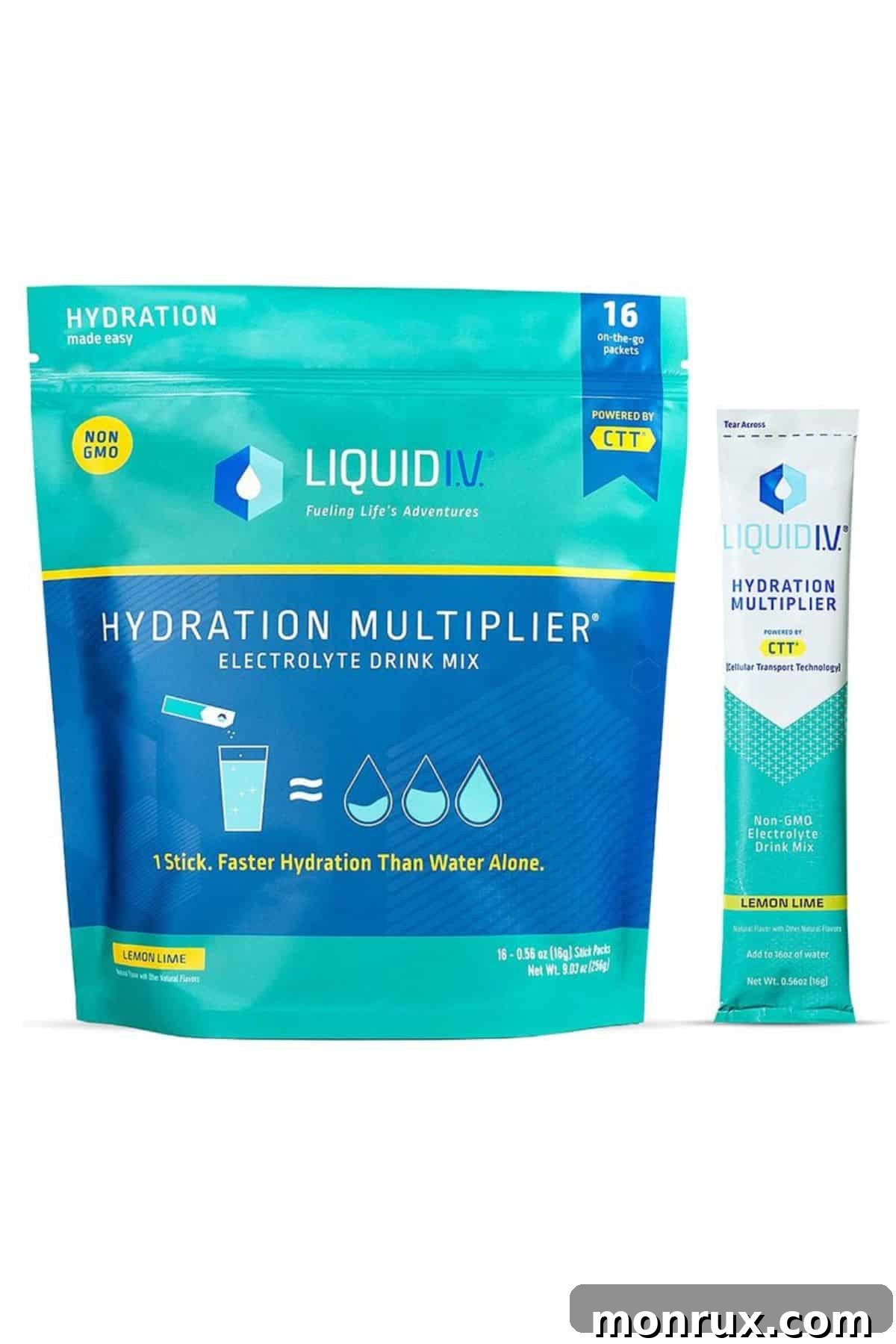
This article was originally published in 2023; it was updated and re-published in February, 2025.
Liquid I.V. Demystified
Liquid I.V. is a brand renowned for its range of electrolyte drink mixes, all of which are formulated with its proprietary Cellular Transport Technology (CTT)®️. The company asserts that this innovative technology allows Liquid I.V. products to hydrate the bloodstream more rapidly and efficiently than plain water alone. This claim positions Liquid I.V. as a functional beverage designed to optimize hydration levels and help individuals feel their best, quicker and more effectively.
The core philosophy behind Liquid I.V. is to provide a convenient and effective solution for hydration, especially for those experiencing dehydration due to exercise, travel, illness, or simply not consuming enough fluids throughout the day. Its mission, as stated by the manufacturer, is to empower people to optimize their lives by enhancing their well-being.
As of this writing, Liquid I.V. offers a diverse portfolio of five distinct product lines, each tailored to specific health objectives:
- Hydration Multiplier: This is their flagship product, focused purely on advanced hydration. It aims to replenish fluids and electrolytes lost during daily activities, exercise, or minor dehydration.
- Energy Multiplier: Designed to provide a noticeable energy boost alongside hydration, often incorporating natural sources of caffeine or adaptogens to support focus and stamina.
- Hydration Plus Immune Support: Blends the hydrating properties with ingredients known to bolster the immune system, such as additional vitamins and minerals.
- Sleep Multiplier: Aims to promote restful sleep by combining hydration with ingredients like melatonin or other calming compounds.
- Hydration Multiplier Plus Probiotic Kombucha: This variant combines the hydration benefits with probiotics to support gut health, leveraging the growing interest in fermented foods.
While each variant offers unique benefits, the cornerstone of the brand remains the original Liquid I.V. Hydration Multiplier. All products come in convenient, individual stick packets, making them exceptionally portable and easy to use on the go. Each stick typically contains a potent blend—three times the electrolytes found in many traditional sports drinks—along with five essential vitamins. This compact format is particularly appealing for busy individuals, travelers, or athletes who require efficient and mess-free hydration without the need to carry large bottles or powders.
The company’s Cellular Transport Technology (CTT)®️ is central to its marketing. This system is based on an optimized ratio of sodium, glucose, and potassium, which are crucial for driving water and other nutrients into the cells, thus enhancing absorption. This mechanism is what gives Liquid I.V. its reputation for rapid rehydration, distinguishing it from plain water or less scientifically formulated electrolyte beverages.
Understanding Liquid I.V.’s Key Ingredients
Liquid I.V. products generally share a foundational set of electrolytes and vitamins, with specific additions depending on the “multiplier” type (e.g., energy, immune support, sleep). A key selling point for the brand is its commitment to using non-GMO ingredients, and its formulations are also gluten-free, soy-free, and dairy-free, catering to a wide range of dietary preferences and restrictions. However, it’s important to delve deeper into the primary ingredients to fully understand their impact on your health.
Let’s take the popular Lemon-Lime Liquid I.V. Hydration Multiplier as a typical example. Its ingredient list usually includes:
- Cane Sugar: Provides easily digestible carbohydrates, essential for fueling the CTT mechanism and aiding in rapid hydration.
- Dextrose: A simple sugar (glucose) that works synergistically with sodium to enhance water absorption in the small intestine.
- Citric Acid: A natural organic acid found in citrus fruits, used for tartness, flavor enhancement, and as a natural preservative.
- Salt (Sodium Chloride): A fundamental electrolyte, critical for fluid balance, nerve function, and muscle contractions.
- Potassium Citrate: A vital source of potassium, another essential electrolyte that works with sodium to maintain fluid balance and support heart health.
- Sodium Citrate: Helps regulate pH levels in the body and further supports the hydration process.
- Vitamin C (Ascorbic Acid): A powerful antioxidant known for its role in immune system support and collagen synthesis.
- Natural Lemon-Lime Flavors: Add the distinctive taste, though their exact composition can be a point of discussion for some consumers.
- Stevia Leaf Extract: A natural, zero-calorie sweetener derived from the stevia plant, used to reduce the overall sugar content.
- B Vitamins (Niacinamide/B3, D-Calcium Pantothenate/B5, Pyridoxine Hydrochloride/B6, Cyanocobalamin/B12): A complex of vitamins crucial for energy metabolism, converting food into usable energy, and supporting various bodily functions.
Now, let’s explore some of these key components in more detail to help you make an informed decision about whether Liquid I.V. is suitable for your individual needs.
Sodium: The Power Behind Hydration
At the heart of Liquid I.V.’s Cellular Transport Technology (CTT)®️ lies a precise and optimized ratio of sodium combined with sugar. This critical pairing is designed to significantly accelerate the body’s ability to absorb water and other essential nutrients. Sodium, often viewed negatively due to its association with high blood pressure, is in fact an indispensable electrolyte. It plays a crucial role in maintaining fluid balance, nerve impulse transmission, and muscle function.
Liquid I.V. states it uses “mined salt,” which some consumers might perceive as being less refined or containing more beneficial minerals than regular table salt. However, it’s important to refer to scientific consensus. The Mayo Clinic, a reputable health authority, clearly states that there is no significant nutritional difference between table salt and sea salt (or mined salt). While sea salt may contain trace minerals, these are typically present in negligible amounts and do not offer a substantial nutritional advantage over iodized table salt.
While essential, sodium intake requires careful consideration. Individuals with pre-existing health conditions such as high blood pressure, specific electrolyte imbalances, impaired kidney function, or certain nervous system issues should exercise caution regarding their sodium consumption. Excessive sodium can exacerbate these conditions, leading to fluid retention, increased blood pressure, and potential strain on the kidneys. It’s always advisable for such individuals to consult with their healthcare provider to determine appropriate electrolyte intake levels, especially when considering supplements like Liquid I.V.
Dextrose: The Rapid Absorption Aid
Dextrose, a simple sugar that is chemically identical to glucose, is a key “added sugar” ingredient in Liquid I.V. Its inclusion is not merely for sweetness but is fundamental to the efficacy of the Cellular Transport Technology (CTT)®️. Dextrose works synergistically with sodium through the sodium-glucose cotransport system in the small intestine. This mechanism essentially “pulls” water and sodium into the bloodstream, making Liquid I.V. highly absorbable and contributing to its claim of rapid hydration.
Because of this rapid absorption property, dextrose is commonly utilized in products formulated for fast energy and hydration support, particularly in contexts like intense athletic performance, during recovery from illness (where quick carbohydrate and fluid intake is crucial), or when blood sugar needs to be quickly elevated. It effectively enhances the absorption of electrolytes in hydration formulas, leading to quicker rehydration.
However, it is crucial to recognize that dextrose is unequivocally classified as an added sugar. While functional in the context of CTT, its presence contributes to the overall sugar content of the product. Many health guidelines recommend limiting the intake of added sugars due to their potential negative health implications, including increased risk of type 2 diabetes, obesity, heart disease, and dental problems. While Liquid I.V. contains less sugar than many traditional sports drinks, the dextrose still contributes to your daily added sugar intake. For a deeper understanding of the distinctions, you can refer to my article explaining the differences between natural sugars and added sugars.
Stevia: A Zero-Calorie Sweetener
To mitigate the sugar content while maintaining a palatable sweetness, Liquid I.V. is also sweetened with organic stevia. Stevia leaf extract is a natural, zero-calorie sweetener derived from the plant Stevia rebaudiana, and it is remarkably potent, often cited as being 200 to 400 times sweeter than conventional sugar. This characteristic allows manufacturers to use very small amounts to achieve desired sweetness levels, significantly reducing the caloric and sugar impact of the product.
The appeal of stevia lies in its ability to provide sweetness without contributing calories or impacting blood sugar levels, making it a popular choice for individuals managing diabetes, aiming for weight loss, or simply reducing sugar intake. Some studies have even explored potential health benefits associated with stevia, such as its capacity to help lower cholesterol and its potential toxic effects against certain types of cancer cells in laboratory settings. However, it’s important to note that research in these areas is still ongoing and not yet conclusive for human health outcomes.
Despite its benefits, stevia may not be suitable for everyone. Some individuals report digestive issues such as bloating, gas, or diarrhea, particularly when consumed in larger quantities, though these effects are more commonly associated with sugar alcohols rather than pure stevia extract. Furthermore, some studies suggest stevia might subtly influence the balance of beneficial intestinal flora, which could be a concern for those focused on gut health. Another subjective drawback for some consumers is the distinct, often slightly bitter, aftertaste that stevia can impart.
For those looking to craft their own hydration drinks or oral rehydration solutions at home, natural sweeteners like a small amount of honey, maple syrup, fruit juices, or even pure cane sugar can be used to taste, offering greater control over the type and quantity of sweetener. You can explore a broader range of options in my complete lists of natural sugar alternatives and sugar-free foods.
The Mystery of Natural Flavors
“Natural flavors” are a ubiquitous category of additives used across the food and beverage industry, including in products like Liquid I.V., primarily to enhance and standardize the taste profile. While the term “natural” often evokes images of wholesome ingredients, the reality of natural flavors can be far more complex and opaque. According to the FDA, natural flavors must be derived from natural sources—such as fruits, vegetables, spices, edible yeasts, herbs, or animal products—and their primary function must be flavoring rather than nutritional.
However, the process of creating these flavors involves significant processing. A “natural flavor” might start with a natural source, but it undergoes extensive chemical modifications in a lab. The final flavor mixture can include numerous components beyond the initial extract, such as solvents, emulsifiers, preservatives, and other “processing aids,” none of which are required to be disclosed on the ingredient label. This lack of transparency means that while the base might be natural, the final compound can be far from a simple, unadulterated ingredient.
For individuals with food sensitivities, allergies, or those committed to a “clean eating” philosophy that prioritizes whole, unprocessed foods, this ambiguity can be a significant concern. Without knowing the exact components of a natural flavor blend, it becomes challenging to identify potential allergens or ingredients that might provoke adverse reactions. This opaqueness stands in contrast to the transparency offered by using whole food ingredients for flavoring, such as actual lemon juice or cucumber, where the composition is clear and understandable.
The Nutritional Advantages of Liquid I.V.
Despite some of the concerns raised about specific ingredients, Liquid I.V. does offer several compelling nutritional advantages that make it a preferable choice over many conventional hydration and sports drinks on the market. Understanding these benefits can help consumers make an informed decision aligned with their dietary needs and health goals.
Firstly, a significant pro for Liquid I.V. products is their commitment to using exclusively non-GMO ingredients. For a growing segment of the population concerned about genetically modified organisms and their potential long-term impacts, this provides a reassuring stamp of quality and adherence to a more natural sourcing standard.
Secondly, Liquid I.V. is specifically formulated to be gluten-free, soy-free, and dairy-free. This broad allergen-free profile is a considerable advantage for individuals with common dietary restrictions and allergies, such as celiac disease, gluten sensitivity, lactose intolerance, or soy allergies. Many traditional electrolyte drinks or powdered supplements may contain hidden sources of these allergens, making Liquid I.V. a safer and more accessible option for a wider audience. This dedication to allergen avoidance sets it apart from many competitors that might use ingredients derived from these common allergens or process their products on shared equipment.
When compared to a multitude of other electrolyte drinks and hydration products, Liquid I.V. often stands out for avoiding artificial sweeteners (beyond stevia, which is naturally derived), artificial colors, and synthetic flavorings that are prevalent in many conventional sports beverages. These artificial additives are often a primary concern for health-conscious consumers due to their potential links to various health issues and undesirable side effects. By opting for stevia and “natural flavors,” Liquid I.V. attempts to offer a cleaner profile in this regard.
Furthermore, the convenience of the individual stick packaging cannot be overstated. For athletes, frequent travelers, or those recovering from illness, having a readily available, easy-to-mix hydration solution can be incredibly beneficial. The targeted delivery of electrolytes and essential vitamins, especially in situations of intense sweating, vomiting, or diarrhea, can significantly aid in preventing and reversing dehydration more effectively than plain water alone.
It’s also worth noting that for individuals engaged in rigorous physical activity or living in extreme climates, simply drinking plain water may not be sufficient to replenish lost electrolytes. In such scenarios, a product like Liquid I.V. can serve as a functional tool to maintain proper electrolyte balance and support optimal performance and recovery. However, it’s always a prudent practice to consult with your healthcare provider or a registered dietitian before incorporating any new dietary supplements, including electrolyte powders, into your regimen. Every individual’s physiology is unique, and reactions can vary based on personal health status, activity levels, and specific medical conditions.
Potential Drawbacks and Nutritional Concerns
While Liquid I.V. offers distinct advantages, a critical examination reveals several potential downsides that consumers should consider before making it a regular part of their hydration strategy. These concerns range from ingredient quality to cost-effectiveness and environmental impact.
Firstly, despite the non-GMO claim, it’s important to acknowledge that Liquid I.V. products do contain ingredients that are still considered processed. Components like dextrose, citric acid, and isolated vitamins, while not inherently “bad,” are not whole, unprocessed food ingredients. For individuals striving for a diet rich in whole foods, relying heavily on a powdered supplement, even one with a “cleaner” label, might contradict their dietary philosophy. A truly “clean” hydration solution often involves simpler, real food ingredients.
Perhaps one of the most significant drawbacks for many consumers is the cost. Liquid I.V. is generally an expensive hydration option when compared to plain water or even homemade electrolyte solutions. Regular consumption can significantly add to a household’s grocery budget. This economic factor, combined with the often unnecessary packaging of individual stick packets, also raises environmental concerns about plastic waste. For a more budget-friendly, cleaner, and earth-friendly alternative, consider making your own electrolyte drinks at home. For example, my post on how to make celery juice offers a potassium-rich, natural option.
The inclusion of stevia, while intended to reduce added sugar content, can be another point of concern for some individuals. As previously mentioned, some people are sensitive to stevia and may experience adverse digestive side effects, including bloating, gas, or diarrhea. Furthermore, while research is ongoing, the study suggesting that stevia can disrupt the balance of beneficial intestinal flora raises questions for those prioritizing gut health. There’s also the subjective factor of stevia’s slightly bitter aftertaste, which some palates find unappealing.
For the majority of the population, maintaining proper hydration can be achieved simply by drinking enough plain water. Electrolyte supplements like Liquid I.V. are typically necessary only in specific circumstances, such as prolonged intense exercise, significant fluid loss due to illness (vomiting, diarrhea), or exposure to extreme heat, where the risk of electrolyte imbalance is high. For daily, moderate activity, the body is usually adept at maintaining its electrolyte balance through a balanced diet and regular water intake.
Moreover, individuals with pre-existing medical conditions, especially kidney disease, must be extremely cautious with electrolyte supplements. Kidneys play a vital role in regulating electrolyte levels. Introducing concentrated amounts of sodium or potassium when kidney function is impaired can lead to dangerous imbalances, including hyperkalemia (high potassium), which can be life-threatening. Therefore, it is absolutely essential to consult with your healthcare provider before using Liquid I.V. or any other electrolyte supplement if you have kidney disease or any other chronic medical condition.
Finally, while Liquid I.V. provides essential vitamins, overconsumption of certain fortified products, if not truly needed, can lead to excessive intake of specific vitamins and minerals, potentially causing imbalances or adverse effects over time. A balanced diet generally provides sufficient micronutrients for most healthy individuals.
Cultivating Natural Hydration Boosters
For those seeking to enhance hydration without relying on processed supplements, nature offers an abundance of delicious and effective alternatives. Focusing on whole, water-rich foods and simple homemade beverages can provide not only superior hydration but also a broad spectrum of essential vitamins, minerals, and antioxidants, all while being more budget-friendly and environmentally conscious.
To naturally boost your hydration, incorporate more water-rich fruits and vegetables into your daily diet. Fruits such as watermelon, strawberries, cantaloupe, oranges, and grapefruit are exceptional sources of water, along with natural sugars and electrolytes. Similarly, vegetables like cucumber, celery, lettuce, bell peppers, and zucchini boast high water content and contribute vital nutrients. These whole foods offer a balanced profile of electrolytes, fiber, and micronutrients that work synergistically to support overall health.
Natural electrolyte sources are readily available and highly effective. Coconut water, often hailed as nature’s sports drink, is naturally rich in potassium, sodium, magnesium, and calcium. Bananas are famous for their high potassium content, while avocados provide potassium and healthy fats. Incorporating a variety of these foods helps maintain optimal fluid balance throughout the day.
Homemade hydration drinks offer unparalleled control over ingredients, ensuring you avoid unwanted additives, excessive sugars, and artificial flavors. Simple concoctions can be incredibly refreshing and effective:
- Cucumber-Lemon Water with Sea Salt: Slice fresh cucumber and lemon into a pitcher of filtered water, add a pinch of high-quality sea salt (which provides trace minerals) for a subtle electrolyte boost.
- Chia Fresca: Mix 1-2 tablespoons of chia seeds into a glass of water with a squeeze of lime or lemon juice. Chia seeds absorb liquid and release it slowly, providing sustained hydration and a boost of omega-3s and fiber.
- Fruit-Infused Water: Experiment with various fruit and herb combinations like berries and mint, or pineapple and ginger, to create flavorful and hydrating beverages. My cucumber pineapple juice recipe is a great example.
- Electrolyte Water with Fruit Juice: Combine filtered water with a splash of 100% fruit juice (like orange or cherry), a pinch of sea salt, and a small amount of a natural sweetener if desired.
Beyond cold beverages, broths and caffeine-free herbal teas are excellent for hydration, especially in cooler weather or when feeling under the weather. Bone broth and vegetable broth provide beneficial minerals and electrolytes, along with gut-supporting compounds. Herbal teas like peppermint, chamomile, or ginger tea contribute to fluid intake without the dehydrating effects of caffeine.
Quick Hydration Boosters:
- Watermelon, cucumber, and oranges (fresh fruit)
- Coconut water (pure, unsweetened)
- Bananas and avocados (for potassium)
- Homemade cucumber-lemon water with a pinch of sea salt
- Chia fresca (water + chia seeds + lemon/lime)
- Bone broth or vegetable broth
- Caffeine-free herbal teas
For easy reference and shopping inspiration to support your clean eating and natural hydration journey, make use of my unprocessed food list PDF. Additionally, for more insights into popular beverages, you may appreciate my reviews of “Is Bai Coconut Water Good For You?” and “Is Body Armor Good For You?”
Frequently Asked Questions About Liquid I.V.
Liquid I.V. is generally a better choice than many other hydration packs and sports drinks that are loaded with artificial ingredients, high-fructose corn syrup, and synthetic dyes. It is non-GMO and suitable for individuals with common dietary needs such as gluten-free, soy-free, and dairy-free restrictions. However, for most individuals and daily hydration, plain water is sufficient and superior. A more budget-friendly and arguably healthier option is to create your own homemade hydration mix using simpler, real food ingredients like sea salt, potassium chloride (or a pinch of cream of tartar), fresh lemon juice, and cold water, perhaps with a touch of honey or maple syrup for natural sweetness. This provides control over all ingredients and avoids processed elements.
Cellular Transport Technology (CTT)® is a patented term used by Liquid I.V. to describe the scientific method their products employ to efficiently deliver hydration and essential nutrients into the bloodstream. It relies on an optimized ratio of sodium, glucose (dextrose), and potassium. This specific combination activates the sodium-glucose cotransport system in the small intestine, which dramatically enhances the absorption of water and electrolytes into the cells, leading to faster rehydration compared to consuming plain water alone.
Electrolytes are essential minerals—such as sodium, potassium, calcium, magnesium, and chloride—that carry an electric charge when dissolved in fluids like blood. They are vital for numerous bodily functions. Electrolytes play a critical role in regulating muscle contractions (including the heart), maintaining nerve function, balancing the body’s pH levels, and, crucially, helping the body absorb and retain water more effectively, thereby preventing dehydration. When you are active, especially during intense exercise or in hot weather, you lose electrolytes through sweating. Severe dehydration and electrolyte imbalances can lead to serious consequences, including muscle cramps, fatigue, dizziness, increased heart rate, and, in extreme cases, more severe health complications.
Not exactly in the conventional sense, though it shares some similarities and can fulfill similar functions for athletes. While traditional sports drinks often contain high amounts of sugar and artificial ingredients, Liquid I.V. focuses on more efficient rehydration and electrolyte replenishment. The Hydration Multiplier is primarily for hydration, but other variants like the Energy Multiplier can provide a natural boost of energy. The Energy Multiplier, for instance, contains caffeine-rich ingredients such as Coffeeberry® Energy Extract, Guayusa, and Matcha. If you’re looking for an energy boost or to replace lost electrolytes during activity, Liquid I.V. can be an option, but it’s not a direct equivalent to sugary sports drinks. For a cleaner approach, you could make your own homemade sports drink using simpler, real food ingredients. Explore my easy recipes for Cucumber Juice, Celery Carrot Juice, or Pineapple Coconut Water.
A single serving of the Liquid I.V. Hydration Multiplier typically contains about 11 grams of added sugar, primarily from cane sugar and dextrose. While this is significantly less than many traditional sports drinks that can have 20-40+ grams of sugar per serving, 11 grams still contributes to your daily added sugar intake. The World Health Organization recommends limiting daily added sugar intake to less than 10% of total calories, and ideally less than 5% (about 25 grams for an adult). Therefore, while functional for rapid absorption, it’s important to be mindful of this sugar content, especially if you consume multiple servings or are generally trying to reduce sugar in your diet.
Liquid I.V. explicitly states that its products are free from artificial flavors and artificial dyes. They use “Natural Lemon-Lime Flavors” or similar natural flavorings depending on the product variant, and they avoid the synthetic food colorings often found in conventional sports drinks. This is a positive aspect for consumers looking to avoid artificial additives. However, as discussed in the “Natural Flavors” section, the term “natural flavors” itself can encompass a complex mix of ingredients that are processed, even if derived from natural sources, and may not offer complete transparency.
While generally safe for healthy individuals, Liquid I.V. should be approached with caution or avoided by certain groups. Individuals with kidney disease or impaired kidney function should consult a doctor before use, as excessive electrolyte intake (especially potassium and sodium) can be dangerous. Those with high blood pressure or other cardiovascular conditions should also monitor their sodium intake carefully. People sensitive to stevia may experience digestive discomfort. Diabetics or those with blood sugar regulation issues should be mindful of the added sugar (dextrose) content, even if it’s less than traditional sports drinks. Pregnant or nursing women, children, and individuals on specific medications should always consult their healthcare provider before using any supplements.
More Product Reviews for Informed Choices
Beyond Liquid I.V., the market is saturated with various health and hydration products. To help you navigate these choices, here are some other detailed product reviews you might find useful:
Final Thoughts on Liquid I.V.
In conclusion, Liquid I.V. presents itself as a convenient and effective hydration solution, particularly distinguishing itself from many competitors by being non-GMO and formulated without gluten, soy, or dairy. For individuals with specific dietary restrictions or those requiring rapid electrolyte replenishment during intense physical activity, illness-induced dehydration, or exposure to extreme heat, Liquid I.V. can serve as a beneficial option that is arguably superior to many conventional sports drinks laden with artificial ingredients and excessive sugars.
However, it is crucial to approach Liquid I.V. with an understanding of its full nutritional profile. The product contains added sugars like dextrose, necessary for its Cellular Transport Technology but still contributing to overall sugar intake. The inclusion of stevia and “natural flavors” also warrants consideration for those with sensitivities or a strong preference for truly unprocessed foods. Furthermore, the cost and the environmental impact of single-serve packaging are factors that weigh against its daily, widespread use for the average individual.
For most people leading moderately active lives, the gold standard for hydration remains plain, filtered water. For situations requiring more robust electrolyte support, opting for real food ingredients and preparing homemade sports drinks or electrolyte-rich juices offers the ultimate control over ingredients, minimizes processing, and is often more economical and eco-friendly. This approach ensures you’re nourishing your body with whole nutrients without unnecessary additives.
Ultimately, the decision of whether Liquid I.V. is “healthy” for you depends on your individual health goals, activity level, dietary philosophy, and budget. It’s a tool that can be beneficial in specific circumstances, but it should not replace the foundational practices of a balanced diet and consistent plain water intake for optimal health. Empower yourself by making informed choices that align with your unique needs.
Don’t forget to join my newsletter list to get exclusive clean eating recipes and tips. The newsletter is 100% free with no spam; unsubscribe anytime.
About the Author: Carrie Forrest has a master’s degree in public health with a specialty in nutrition and is a certified holistic nutritionist. She is a top wellness and food blogger with over 5 million annual visitors to her site. Carrie has an incredible story of recovery from chronic illness and is passionate about helping other women transform their health. Send her a message through her contact form.
Note: this post is for informational purposes only and is not intended as medical advice. Please consult your healthcare provider for recommendations related to your individual situation.