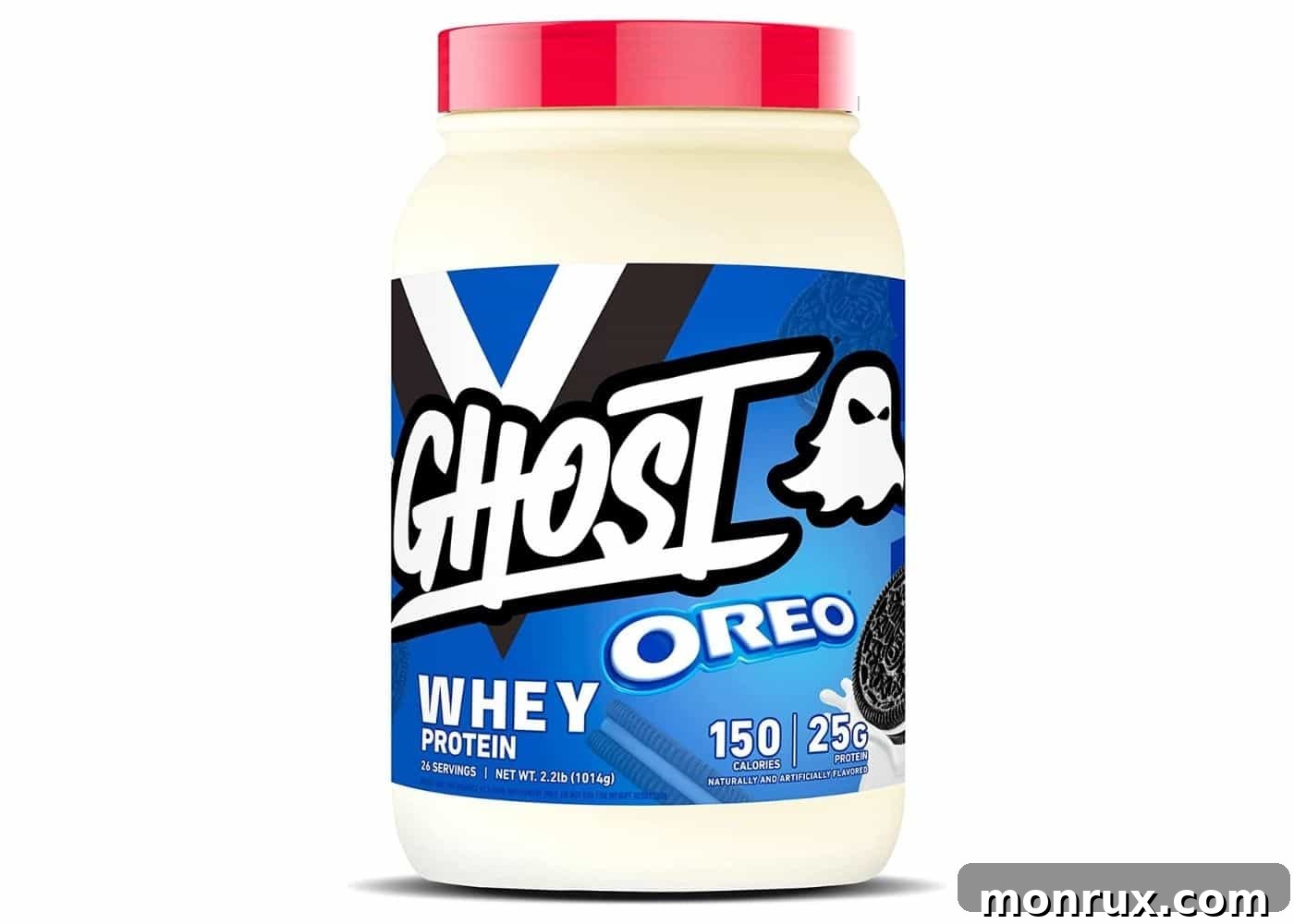
In the vast and often confusing landscape of sports nutrition, choosing the right supplements is paramount for achieving your health and fitness goals. Among the plethora of options, Ghost Protein has gained significant popularity, but a critical question remains: is Ghost Protein truly a healthy choice? This comprehensive article aims to dissect Ghost Protein’s nutritional profile, explore its key ingredients, uncover potential benefits and drawbacks, and ultimately guide you toward making an informed decision about this widely available product. In general, based on its formulation and ingredients, Ghost Whey Protein is not considered a top-tier healthy option for everyone.
Ghost Protein: A Brand Overview
Ghost is more than just a sports nutrition company; it cultivates a distinct “lifestyle” brand. Beyond its popular protein powders, Ghost offers an array of apparel and merchandise, including shakers, glow sticks, and beach towels, aiming to integrate its brand identity into various aspects of its consumers’ lives.
The core of Ghost’s supplement line includes both whey and plant-based pea protein powders. These products are primarily formulated for athletes and active individuals who seek to supplement their caloric intake, build muscle mass, aid in recovery, or achieve specific fitness objectives. In addition to protein, Ghost’s extensive product portfolio also features energy drinks and hydration formulas. (For a deeper look into their beverage line, you might consider reading our related article, “Why Ghost Energy Drinks Are Bad For You.”)
Ghost protein powders are renowned for their wide variety of unique and often nostalgic flavors, a significant factor in their market appeal. The company highlights that many of its protein powders are gluten-free and soy-free, and some claim to be free from added sugars, though it’s important to note that these claims may vary by flavor. Furthermore, Ghost offers a dedicated line of vegan protein powders, demonstrating an effort to cater to diverse dietary preferences.
Ghost Protein Ingredients: A Deep Dive
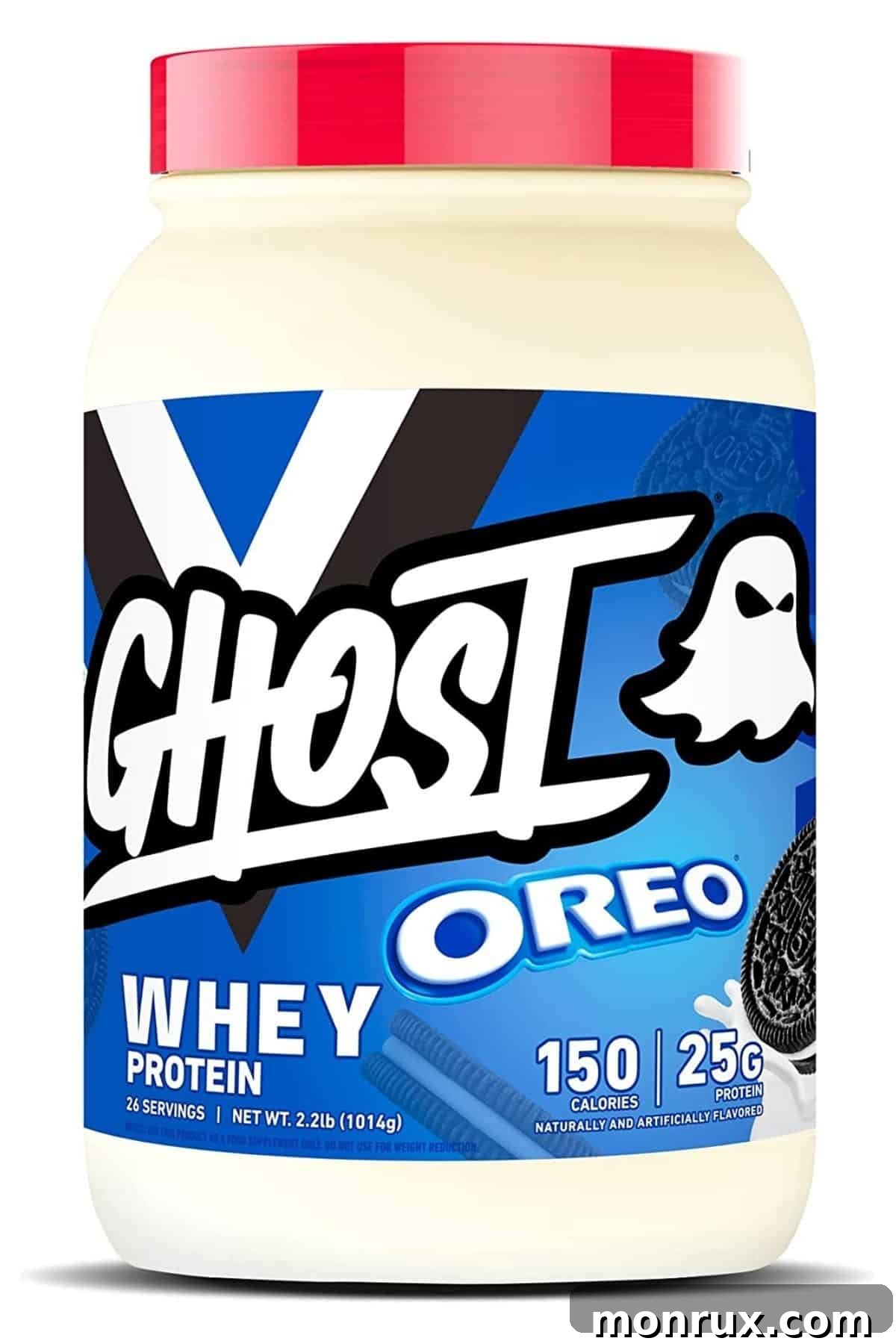
The primary source of protein in most Ghost products (excluding their plant-based options) is whey protein. To provide a clear example of what consumers are ingesting, let’s examine the ingredient list for Ghost Whey Protein Powder in the popular Oreo flavor:
- Whey Protein Blend (Whey Protein Isolate, Whey Protein Concentrate, Hydrolyzed Whey Protein Isolate)
- Oreo Cookie Pieces (Unbleached Enriched Flour, Sugar, Palm and/or Canola Oil, Cocoa (processed with alkali), Invert Sugar, Leavening (baking soda and/or calcium phosphate), Soy Lecithin, Salt, Chocolate, Artificial Flavor)
- Natural and Artificial Flavors
- Cellulose Gum
- Xanthan Gum
- Sucralose
- Sunflower Lecithin
- Enzyme Blend (Protease, Bromelain, Amylase, Lactase, Lipase)
- Salt
Now, let’s delve deeper into some of these key ingredients and their potential implications for your overall health and well-being.
The Role of Whey Protein
Ghost’s whey protein powder features a blend of whey protein isolate, concentrate, and hydrolyzed whey protein isolate. This highly processed protein source is derived from dairy, specifically as a byproduct of cheese production.
The manufacturing process of whey protein involves separating the non-protein components from milk, resulting in a product with a high protein content. Whey protein isolate undergoes further processing to remove more lactose and fat, leading to a higher protein concentration per serving compared to whey protein concentrate. The inclusion of hydrolyzed whey protein signifies that this protein has been pre-digested or broken down into smaller peptides, theoretically making it easier and quicker for the body to absorb. This hydrolysis also typically reduces lactose content, which might alleviate digestive discomfort for some individuals sensitive to dairy.
Despite these efforts to enhance digestibility, some individuals may still experience adverse digestive issues, such as bloating, gas, or stomach upset, particularly those with underlying dairy sensitivities or lactose intolerance. Beyond digestive concerns, it’s crucial to acknowledge that some scientific studies have indicated potential adverse effects of chronic, high-dose whey protein consumption on liver and kidney function, especially in susceptible individuals. While moderate intake is generally considered safe for healthy adults, those with pre-existing conditions should consult a healthcare professional. Research Link.
As a holistic nutritionist, I advocate for obtaining protein primarily from whole, unprocessed food sources whenever possible. Excellent examples include recipes like my Costco Chicken Salad Recipe, a hearty Slow Cooker Tri Tip Roast with Vegetables, or incorporating other nutrient-dense foods characteristic of an Ancestral Diet.
Sunflower Lecithin and Its Implications
Sunflower lecithin is a commonly used additive in many processed foods and supplements, including protein powders. Derived from sunflower seeds, its primary function in a product like Ghost Protein is to act as an emulsifier. This means it helps to create a smooth, creamy texture, prevents ingredients from separating, and crucially, aids in the powder’s ability to dissolve more easily when mixed with liquid, preventing clumping.
While often marketed as a “natural” alternative to soy lecithin, some health experts and emerging research suggest that sunflower lecithin may not be entirely benign for everyone. There are arguments that this additive could contribute to digestive problems in sensitive individuals. More concerning, some scientific studies hint at a potential negative impact on the gut microbiome. The gut microbiome plays a pivotal role in overall health, influencing digestion, immunity, and even mood. Any substance that disrupts its delicate balance warrants careful consideration. Research Link.
Artificial and Natural Flavors and Colors
The allure of a delicious protein shake often comes down to its flavor profile. Ghost Protein is known for its inventive and dessert-like flavors, which typically rely on both “natural” and “artificial” flavors, as well as artificial colors. However, the inclusion of these synthetic additives raises significant health concerns.
Extensive research has demonstrated troubling links between artificial food colors and various adverse health effects. For instance, studies have connected specific artificial food colors, such as Red 3, to cancer, and others (like Yellow 5 and Yellow 6) to hypersensitivity reactions. Furthermore, some research suggests a potential association between artificial food colors and neurodevelopmental issues, including autism and ADHD, particularly in children. Cancer Link, Autism Link.
General consensus from scientific literature indicates that artificial flavors and colors may exhibit toxic properties and that their consumption should be limited or avoided. Toxicity Research. A major part of the problem lies in the lack of stringent regulation. While food manufacturers must list “artificial flavors” or “natural flavors” on their labels, flavor manufacturers are not required to disclose the often complex list of proprietary ingredients that make up these flavors. This means that preservatives, emulsifiers, carriers, and even solvents can be included without the consumer’s knowledge. Because this regulatory loophole applies to both “natural” and “synthetic” flavors, it becomes incredibly difficult for consumers to ascertain the true safety and health implications of the flavors present in products like Ghost protein.
Artificial Sweeteners: Sucralose and Acesulfame Potassium
To achieve their characteristic sweet taste without adding significant calories, all Ghost protein flavors incorporate artificial sweeteners. The most prominent of these are sucralose and, in some variations, acesulfame potassium.
Sucralose, commonly known by the brand name Splenda, is a highly processed, chlorinated non-nutritive sweetener. This means it provides sweetness without metabolizing into calories by the human body. However, “non-nutritive” does not equate to “harmless.” At least one recent study suggests that long-term consumption of sweeteners like sucralose can induce chronic inflammation within the body. Inflammation is a fundamental driver behind numerous severe health conditions, including heart disease, obesity, type 2 diabetes, and certain cancers. Inflammation Research.
Acesulfame potassium (Ace-K) is another non-nutritive sweetener frequently used in conjunction with sucralose to enhance sweetness. Despite being approved by the FDA with strict guidelines on acceptable daily intake, Ace-K has a controversial scientific reputation. Research indicates that this additive might have particular implications for women with specific medical conditions. Furthermore, animal studies, such as those conducted on mice, have linked acesulfame potassium consumption to weight gain and demonstrable alterations in the gut microbiome composition. These changes in the gut flora can impact metabolism, immune function, and overall digestive health. Women’s Health Research, Gut Microbiome/Weight Gain Research.
The Addition of Digestive Enzymes
One notable feature that distinguishes Ghost Protein from many other protein powders on the market is its inclusion of a proprietary digestive enzyme blend. This blend typically comprises proteases, bromelain, amylase, lactase, and lipase, all intended to support digestive health and enhance nutrient absorption.
- Proteases are crucial enzymes responsible for breaking down complex protein molecules into smaller, more easily absorbable amino acids. This process aids in the efficient uptake and utilization of protein by the body, which is vital for muscle repair and growth.
- Bromelain, an enzyme naturally found in pineapple, possesses potent anti-inflammatory properties in addition to its protein-digesting capabilities. Its inclusion can help reduce post-workout inflammation and further assist in breaking down proteins, potentially leading to less bloating and digestive discomfort.
- Lactase is specifically responsible for breaking down lactose, the sugar found in dairy products. For individuals with lactose intolerance or sensitivity, the presence of lactase can significantly improve the digestibility of whey protein, which is dairy-derived, thereby reducing symptoms like gas and bloating.
By incorporating these digestive enzymes, Ghost aims to enhance the overall bioavailability of its protein, reduce the likelihood of digestive complaints often associated with protein supplements, and promote a smoother digestive process. This can contribute to better nutrient absorption and overall gut comfort for many users.
However, it is important to remember that while digestive enzymes are generally beneficial, they are not without potential considerations. In some sensitive individuals, they can still cause mild digestive issues. More critically, digestive enzymes can interact with certain medications, including blood thinners, diabetes medications, and antacids. Therefore, individuals on medication or with underlying health conditions should consult their healthcare provider before using enzyme-containing supplements.
Ghost Protein: Nutrition Pros
Despite the concerns regarding certain ingredients, Ghost protein products do offer some potential advantages, particularly for specific populations:
- Convenient Protein Boost: For individuals with demanding schedules or high protein requirements, Ghost protein powder offers a highly convenient way to significantly increase daily protein intake. A quick shake can deliver a substantial amount of protein without the need for meal preparation.
- Aids Muscle Growth and Recovery: As a whey protein blend, Ghost provides a rich source of essential amino acids, particularly branched-chain amino acids (BCAAs), which are vital for muscle protein synthesis. For fitness enthusiasts engaged in regular strength training, this can be instrumental in building and repairing muscle tissue, enhancing performance, and reducing post-exercise muscle soreness and recovery time. Performance Enhancement Research.
- Digestive Enzyme Inclusion: The addition of digestive enzymes like proteases, bromelain, and lactase is a notable benefit. This can improve the digestibility and absorption of the protein, potentially reducing gastrointestinal discomfort often experienced with other protein powders, especially for those with mild lactose sensitivity.
- Dietary Accommodations (Limited): Ghost offers some flavors that are soy-free and gluten-free, catering to individuals with specific sensitivities or allergies to these common ingredients. Additionally, their vegan protein line provides an option for plant-based diets.
- Flavor Variety: For many, the diverse and appealing flavor options of Ghost Protein make adherence to a high-protein diet more enjoyable compared to traditionally bland protein powders.
Ghost Protein: Nutrition Cons
On the other side of the coin, several aspects of Ghost protein raise significant nutritional and ethical concerns:
- Highly Processed Product: Ghost protein is inherently a highly processed food item. While convenient, heavily processed foods often lack the full spectrum of nutrients and beneficial compounds found in whole foods.
- Presence of Unhealthy Additives: A major drawback is the inclusion of several potentially unhealthy ingredients. These include artificial sweeteners (sucralose, acesulfame potassium), which can impact gut health and inflammation; seed oils (like palm and canola in Oreo pieces) that are often pro-inflammatory; and artificial colors and flavors with documented links to adverse health effects.
- Environmental Impact: The product is typically sold in large plastic containers, contributing to environmental waste. The industrial processing of dairy-derived whey protein also carries an environmental footprint.
- Allergen Concerns: As a whey-based product, Ghost protein is derived from milk, making it unsuitable for individuals following vegan diets or those with severe dairy allergies or lactose intolerance (despite the lactase enzyme). Furthermore, some flavors, particularly those containing inclusions like Oreo cookie pieces, contain wheat flour and soy lecithin, making them inappropriate for individuals with wheat or gluten allergies/intolerances and soy sensitivities.
- Potential for Contaminants: It is worth noting that some versions of Ghost protein products may carry warning labels regarding potential exposure to heavy metals. This is a concern common in the supplement industry, highlighting the importance of third-party testing and transparency.
For a comparison with other protein supplement brands, you might find our related review, “Is Orgain Protein Powder Healthy?” insightful.
Ghost Protein Nutrition FAQs
Yes, as a highly processed product containing a blend of whey protein, artificial sweeteners, flavors, and emulsifiers, Ghost protein can lead to several side effects. Common digestive issues include gas, cramps, bloating, diarrhea, and constipation, especially for those sensitive to dairy or artificial ingredients. Long-term consumption of artificial sweeteners has also been linked to potential inflammation and changes in gut microbiome composition, which can have broader health implications.
Ghost Whey Protein is generally not suitable for many specific dietary restrictions. Being a dairy-derived product, it is inappropriate for individuals adhering to plant-based (vegan) diets or those with a dairy allergy or severe lactose intolerance. While Ghost does offer a vegan protein line, their whey options remain restricted. Furthermore, although some flavors are marketed as soy-free and gluten-free, many contain serious allergens like wheat (in cookie pieces) and soy. The inclusion of high fructose corn syrup in some flavors (as part of flavorings or inclusions) can lead to significant insulin spikes, which is particularly problematic and potentially dangerous for individuals managing diabetes. Insulin Spike Research. Always check the specific flavor’s ingredient list carefully.
Ghost Protein often stands out from other protein supplements primarily due to its extensive and innovative range of flavors, which many users find superior to competitor brands. This focus on taste and unique flavor collaborations (e.g., cereal-inspired flavors) is a significant differentiator. Nutritionally, a key distinguishing factor is the inclusion of a proprietary digestive enzyme blend (proteases, bromelain, lactase). While some other brands may include enzymes, it is not a universally common ingredient, and Ghost emphasizes this for improved digestion and absorption.
From a purely macronutrient perspective, yes, Ghost protein can contribute to muscle building. Protein, particularly whey protein, is rich in essential amino acids necessary for muscle protein synthesis, which is the process by which your body repairs and builds new muscle tissue. The inclusion of digestive enzymes further supports this by helping to break down the protein into smaller amino acids, thereby aiding in its digestibility and absorption. This enhanced absorption means the body can more efficiently utilize the protein for muscle repair and growth, potentially improving recovery and hypertrophy outcomes when combined with consistent resistance training.
Healthier Alternatives to Ghost Protein
If you’re looking to boost your protein intake in a healthier, less processed way, there are numerous excellent alternatives to Ghost Protein:
- Whole Food Protein Sources: Prioritize lean, organic meats (chicken, turkey, beef), wild-caught fish (salmon, tuna), eggs, legumes (lentils, beans), and nuts and seeds. These provide protein alongside a wealth of vitamins, minerals, and fiber, without artificial additives.
- Less Processed Protein Powders: Look for protein powders with minimal ingredients. Opt for grass-fed whey protein isolates without artificial sweeteners, flavors, or colors. Alternatively, consider single-ingredient plant-based protein powders like organic pea protein or hemp protein.
- Bone Broth: A nutrient-dense source of protein, collagen, and amino acids, bone broth supports gut health and joint function.
- Homemade Protein Smoothies: Create your own smoothies using real ingredients. Combine unsweetened plant-based milk or water with fruits, vegetables, seeds (chia, flax), nut butter, and a clean, unflavored protein powder for a truly healthy and customizable option. Try recipes like my Flat Belly Smoothie.
- Paleo Protein Powders: For those avoiding dairy, look into paleo-friendly options, often made from beef protein isolate or egg white protein, with clean ingredient lists. Check out our recommendations in “Best Paleo Protein Powders (Gluten-Free, Dairy-Free).”
Don’t Miss These Product Reviews!
Final Thoughts on Ghost Protein
In conclusion, while Ghost protein powder can be a convenient source of protein for muscle building and recovery, it is important to acknowledge that it is a highly processed product laden with many potentially unhealthy ingredients. These include artificial sweeteners, flavors, colors, and emulsifiers, which can contribute to digestive issues, inflammation, and other long-term health concerns for sensitive individuals.
For optimal health and nutrition, the most advisable approach to increasing your protein intake is through high-quality, natural, and minimally processed whole foods. Prioritize lean, organic meats and fish, nutrient-rich bone broth, eggs, and plant-based protein sources like legumes and nuts. When considering protein supplements, seek out options with the shortest and cleanest ingredient lists, free from artificial additives. Embracing a diet rich in real, whole foods will invariably provide superior nutritional benefits and support overall well-being far more effectively than relying on highly processed supplements.
Don’t forget to join my newsletter list to get exclusive clean eating recipes and tips. The newsletter is 100% free with no spam; unsubscribe anytime.
About the Author: Carrie Forrest has a master’s degree in public health with a specialty in nutrition and is a certified holistic nutritionist. She is a top wellness and food blogger with over 5 million annual visitors to her site. Carrie has an incredible story of recovery from chronic illness and is passionate about helping other women transform their health. Send her a message through her contact form.
Note: this post is for informational purposes only and is not intended as medical advice. Please consult your healthcare provider for recommendations related to your individual situation.