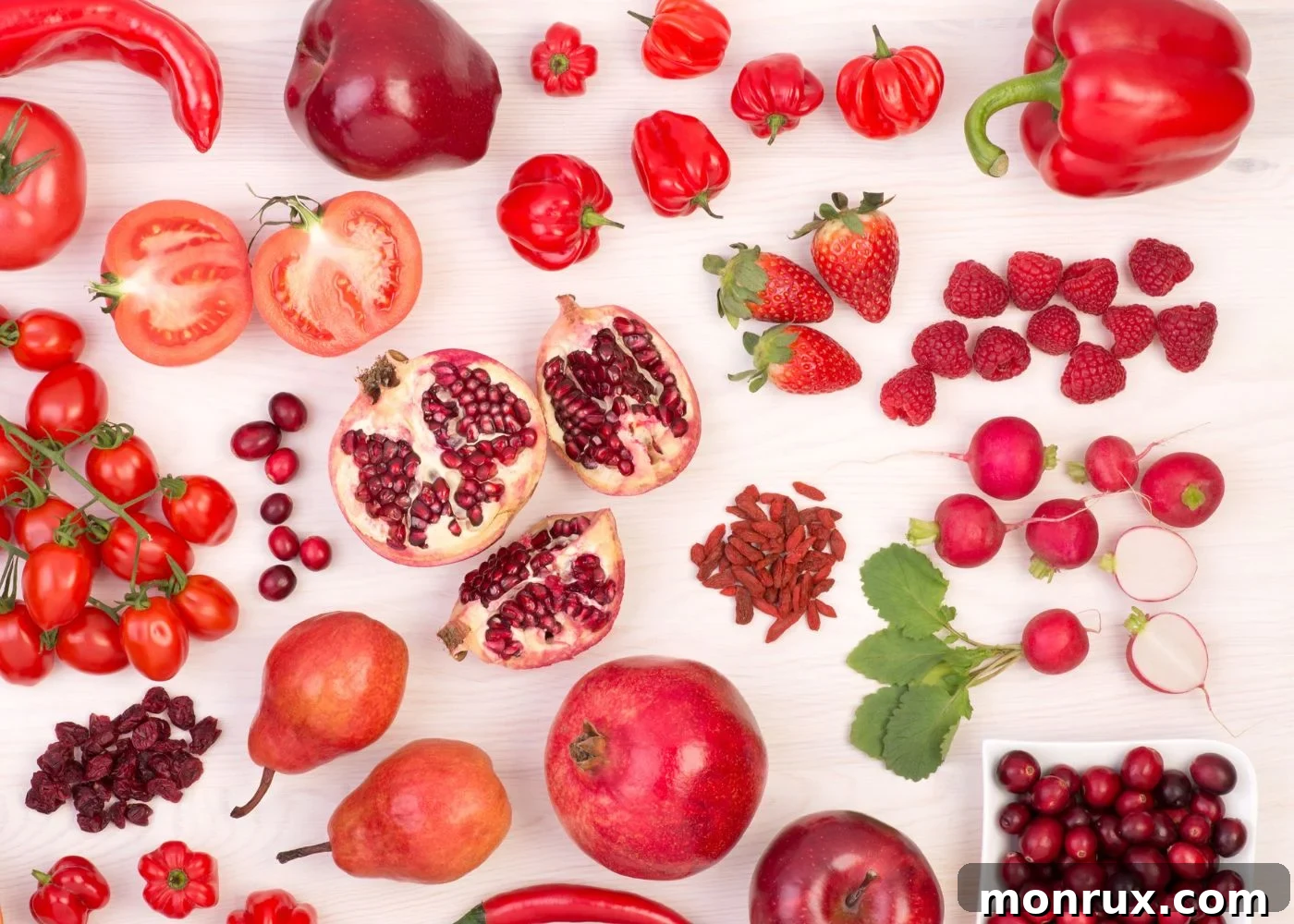
Dive into the vibrant world of red fruits! These crimson delights are not just a feast for the eyes but also a powerhouse of nutrition, offering a wealth of health benefits in every bite. Whether you’re seeking inspiration for a nutritious smoothie, a wholesome snack, or simply curious about the incredible advantages of red produce, this comprehensive guide will illuminate the best red fruits to effortlessly incorporate into your diet. Get ready to discover the amazing nutritional value, delightful flavors, and diverse culinary uses of these ruby-hued superfoods.
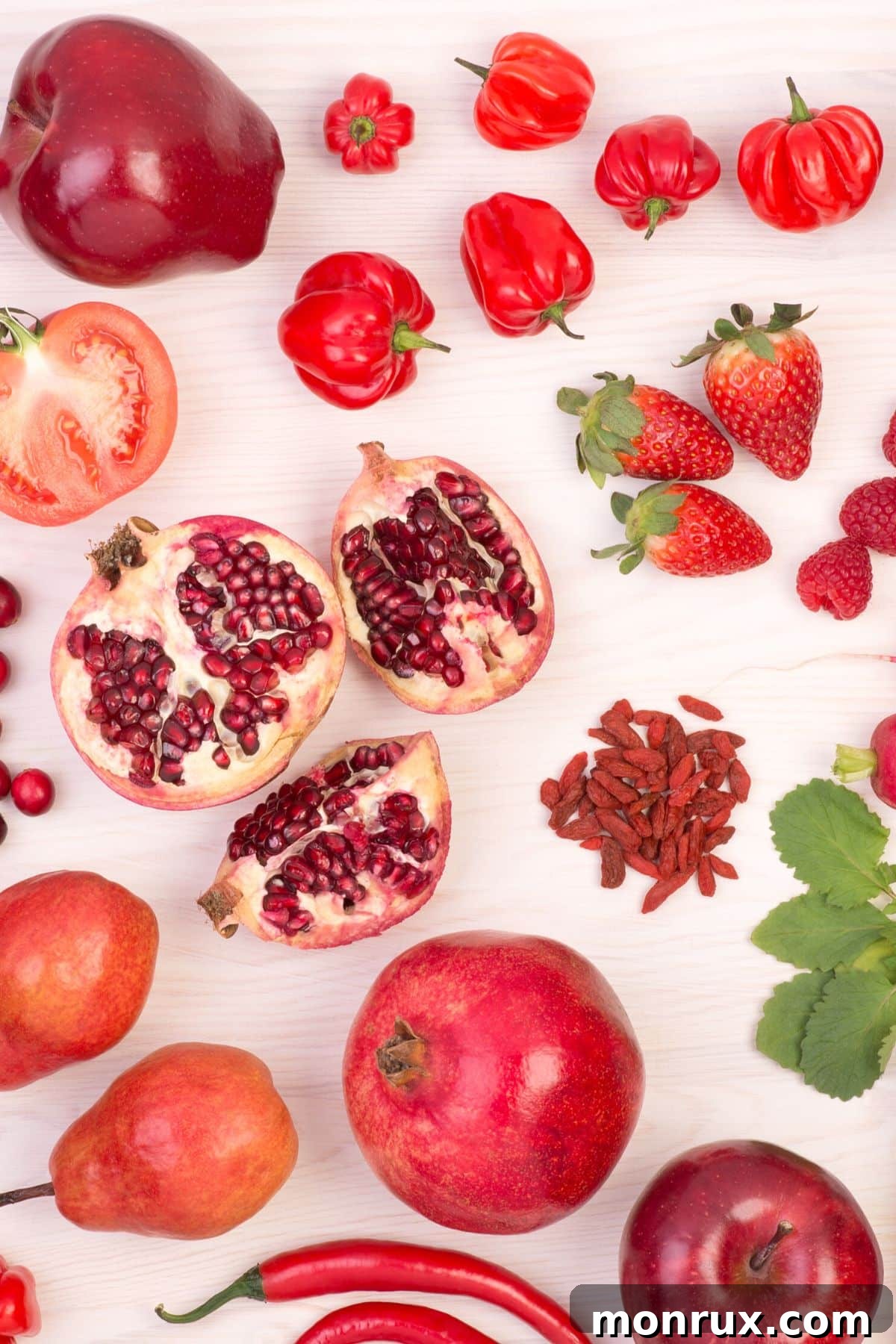
Red fruits are more than just visually appealing; they are nutritional powerhouses packed with essential vitamins, minerals, and potent antioxidants. While popular varieties like raspberries, strawberries, cranberries, cherries, and apples are widely known, the expansive spectrum of red fruits offers unique flavors and textures waiting to be explored.
Backed by scientific research, including studies published on reputable platforms like PubMed, the regular consumption of red fruits is associated with a myriad of profound health benefits. These advantages include:
- Supporting Healthy Weight Management: Their high fiber content promotes satiety, helping you feel fuller for longer and aiding in appetite control.
- Boosting Cardiovascular Health: Rich in anthocyanins and other antioxidants, red fruits can significantly improve heart health, reduce blood pressure, and help prevent chronic heart disease.
- Reducing the Risk of Chronic Diseases: The powerful antioxidant compounds found in these fruits combat oxidative stress and inflammation, playing a crucial role in lowering the risk of various chronic conditions, including certain cancers and age-related illnesses.
- Enhancing Immune Function: Many red fruits are excellent sources of Vitamin C, a vital nutrient for a robust immune system.
Integrating a colorful array of these delicious red fruits into your daily meals is a simple yet effective strategy to boost your overall health and vitality. By enjoying both their delightful taste and profound nutritional advantages, you can contribute significantly to a healthier lifestyle.
Discover the Best Red Fruits: Your Comprehensive List
Curious to learn more about each individual red fruit? Scroll down or click on any of the links below to dive deeper into their unique characteristics, health benefits, and culinary applications!
- Red Apples
- Blood Oranges
- Cherries
- Cranberries
- Red Dragon Fruit
- Red Grapes
- Red Grapefruit
- Red Pears
- Lingonberry
- Pomegranates
- Prickly Pear
- Raspberries
- Strawberries
- Tomato
- Watermelon
Exploring Each Red Fruit: Benefits, Uses, and More
1. Red Apples
Often recognized by their iconic heart shape and brilliant, deep red skin, varieties like the Red Delicious apple are staples in fruit bowls worldwide. These visually striking apples boast a thin, smooth skin that encases crisp, white or cream-colored flesh. While their flavor is generally sweet and mild, it offers a satisfying crunch, making them an excellent choice for fresh eating and a popular addition to many healthy diets.
Red apples are cultivated extensively across the globe, with major producers including China, Europe, the United States, and Turkey. Beyond their delightful taste, red apples are packed with beneficial nutrients. They are an excellent source of dietary fiber, particularly pectin, which aids digestion, promotes gut health, and helps regulate blood sugar levels. Furthermore, they provide a good amount of calcium, essential for strong bones and teeth, and a rich array of antioxidants, particularly polyphenols and quercetin, which help combat oxidative stress and inflammation in the body. Regular consumption of red apples can contribute to improved cardiovascular health and reduced risk of chronic diseases due to their robust nutrient profile.
Their versatility in the kitchen is unmatched. Red apples are perfect for snacking raw, adding a sweet crunch to salads, or incorporating into various cooked dishes. Consider baking them in recipes such as Instant Pot Baked Apples or Air Fryer Baked Apples for a warm, comforting treat. They are also ideal for making homemade Crockpot Applesauce, offering a naturally sweet and healthy alternative to store-bought versions.
2. Blood Oranges
A true jewel of the citrus family, the blood orange is named for its strikingly deep red flesh, which contrasts beautifully with its outwardly orange peel. This unique pigmentation is due to anthocyanins, the same antioxidants found in other red and purple fruits. Beyond their captivating appearance, blood oranges offer a delightful sweet and citrusy flavor, often described as having notes of raspberry or cranberry, distinguishing them from typical oranges.
These beautiful and delicious fruits are primarily cultivated in regions with specific climatic conditions, including Brazil, Italy, Spain, Malta, and California. Blood oranges are exceptionally high in Vitamin C, a powerful antioxidant vital for immune support and skin health. They also provide significant amounts of Vitamin A, crucial for vision and immune function, and folic acid (Vitamin B9), important for cell growth and metabolism. Their rich antioxidant content, particularly anthocyanins, offers robust protection against free radical damage and inflammation, potentially reducing the risk of chronic diseases.
Blood oranges can be enjoyed in countless ways. They are perfect for eating fresh, peeled like a regular orange, or sectioned and added to salads for a burst of color and flavor. Their vibrant juice makes them excellent for beverages; you could use them to create a unique twist on Orange Homemade Jello or a refreshing Carrot Orange Juice. For more insights into citrus varieties, you may also enjoy my article about Spanish Oranges.
3. Cherries
Cherries are small, round stone fruits distinguished by their vibrant deep red color and tender, juicy flesh. Their flavor profile ranges from intensely sweet (like Bing cherries) to pleasantly tart (like Montmorency cherries), each offering a unique culinary experience. The central pit, or stone, must be removed before consumption, a small effort for a delicious reward.
Originally native to Western Asia, cherries are now primarily cultivated in Turkey and the United States, among other temperate regions. These delectable red fruits are a nutritional powerhouse, offering a good source of Vitamin C, vital for immune health, and Vitamin A, essential for vision. They also provide Vitamin K, important for blood clotting and bone health, alongside a rich blend of minerals including potassium, magnesium, and calcium, which support muscle function, nerve transmission, and bone density. Cherries are particularly renowned for their high concentration of anthocyanins and other antioxidants, which possess powerful anti-inflammatory properties, making them beneficial for muscle recovery and reducing the risk of chronic diseases.
Red cherries are a beloved fruit in many households, enjoyed fresh during their peak season or frozen for year-round convenience. Sweet cherries are fantastic for snacking, adding to fruit salads, or blending into a creamy Chocolate Cherry Smoothie. Tart cherries, in particular, have gained significant attention for their unique nutritional properties and impressive health benefits, including aiding in sleep and reducing inflammation. Try them in a refreshing Tart Cherry Mocktail.
4. Cranberries
Cranberries are small, firm, round red fruits characterized by their distinctive tart and acidic taste. While rarely eaten raw due to their intense flavor, these vibrant berries transform into delicious additions when cooked, making them a popular ingredient in sauces, jams, and pies, especially during the holiday season.
Indigenous to North America, cranberries are now also widely cultivated in Canada and Chile. Often hailed as a superfood, cranberries are incredibly rich in antioxidants, particularly proanthocyanidins (PACs), which are known for their unique health properties. These powerful compounds are highly effective at boosting the immune system and fighting free radicals, contributing to overall cellular health. Their exceptional antioxidant profile helps protect the body from damage, and notably, PACs have been scientifically linked to preventing urinary tract infections (UTIs) by inhibiting bacteria from adhering to bladder walls. For more detailed information, see research on cranberry antioxidant properties.
Beyond traditional holiday dishes, cranberries can be incorporated into various recipes to add a zesty tang and nutritional boost. Explore recipes like Cranberry Walnut Chicken Salad for a savory meal, a refreshing Cranberry Mocktail, or a homemade Instant Pot Cranberry Sauce that surpasses any store-bought alternative.
5. Red Dragon Fruit
Red dragon fruit, also known as pitaya, is an exotic tropical fruit celebrated for its strikingly bright red, often spiky, skin and speckled white or red flesh. Its mild, subtly sweet flavor is often compared to a blend of kiwi and pear, making it a unique and refreshing addition to any diet. The tiny, edible black seeds scattered throughout the flesh add a pleasant crunch.
Native to Mexico, Central America, and South America, red dragon fruit is now widely cultivated in various tropical regions, including Costa Rica, El Salvador, and Guatemala. This vibrant fruit is a fantastic source of Vitamin C, bolstering immune function and skin health, and is rich in other antioxidants, particularly betacyanins, which give it its red color and help protect the body’s cells from damage. It also provides dietary fiber, important for digestive health, and prebiotics, which support a healthy gut microbiome. These nutritional components make it an excellent choice for a healthy diet, promoting overall well-being.
Red dragon fruit’s captivating appearance and delicate flavor make it ideal for culinary creativity. It is frequently used in smoothies and desserts, adding both beauty and nutrition. Don’t miss my delicious Dragon Fruit Smoothie recipe! While this variety boasts red skin, dragon fruit can also come in yellow, offering a different tropical experience. Discover more about the benefits of yellow dragon fruit for another delightful option.
6. Red Grapes
Red grapes are small, round fruits that range in color from a vibrant crimson to a deep purple. Encased in a thin, edible skin, their juicy flesh offers a delightful burst of sweet flavor, making them a universally loved snack. While most commonly associated with winemaking, red grapes are also fantastic for fresh consumption and a variety of culinary uses.
These ancient fruits are native to the Mediterranean region, Central Europe, and Southwestern Asia, and have been cultivated for thousands of years. Today, California stands out as a primary growing region, particularly for table grapes. Red grapes are a nutritional powerhouse, offering a good source of essential vitamins, including Vitamin K, crucial for blood clotting and bone health. They are also rich in copper, a trace mineral vital for energy production and iron absorption, and packed with powerful antioxidants like resveratrol and anthocyanins. These compounds are extensively studied for their potential to support heart health, reduce inflammation, and offer protective effects against certain chronic diseases, making red grapes an excellent addition to a health-conscious diet.
Despite their natural sugars, red grapes make an excellent and satisfying snack. They are wonderful eaten fresh, added to cheese boards, or incorporated into salads. For a simple yet incredibly refreshing treat, try my recipe for how to make frozen grapes. This easy-to-prepare snack is a favorite among both kids and adults, providing a cool burst of sweetness on a warm day.
7. Red Grapefruit
Red grapefruit is a captivating citrus fruit distinguished by its beautiful reddish-pink flesh. It offers a slightly sweeter taste than its pink or white counterparts, yet still retains the characteristic tangy and sometimes bitter notes that grapefruit lovers adore. Its juicy segments are refreshing and provide a wonderful complexity of flavor.
The red grapefruit’s origins are unique, as it was discovered by accident in Texas. Today, it is primarily cultivated in the warm climates of the Rio Grande Valley in Texas, celebrated for its unique flavor profile and vibrant color. This remarkable fruit is an excellent source of Vitamin C, providing a significant boost to the immune system and contributing to healthy skin. It is also rich in powerful antioxidants, particularly lycopene, which is responsible for its red hue and is known for its potential role in protecting against certain cancers and promoting heart health. Furthermore, red grapefruit contains other essential nutrients and dietary fiber, supporting digestive health and overall well-being. To learn more about the subtle differences and nutritional advantages, explore the distinctions between white and red grapefruits.
Grapefruits are wonderfully versatile. While they are famously delicious when eaten raw, halved and scooped with a spoon for a healthy breakfast, their juicy tang can also elevate other dishes. I particularly enjoy incorporating them into a refreshing Grapefruit Strawberry Smoothie – it’s an incredibly yummy and invigorating way to start the day!
8. Red Pears
Red pears, often specific varieties such as Red Anjou or Red Bartlett, are a striking deviation from their green and yellow counterparts, boasting a beautiful crimson skin. These elegant fruits offer a delightfully sweet taste, accompanied by juicy flesh that provides a pleasingly subtle crunch. Their smooth, thin skin is entirely edible, adding to their appeal.
While pears are a widely popular fruit, red pear varieties can sometimes be a specialty find, often appearing more prominently in gourmet markets or during the autumnal and holiday seasons. These attractive fruits were originally native to Europe but are now primarily cultivated in the United States, particularly in the Pacific Northwest. Red pears are a good source of several important nutrients, including Vitamin A, essential for vision and immune function, and Vitamin C, a key antioxidant for immune support and skin health. They also provide iron, vital for oxygen transport in the blood, and calcium, necessary for strong bones. Furthermore, their high fiber content aids digestion and promotes satiety, making them a healthy and satisfying snack choice.
Red pears are excellent for fresh eating, offering a juicy and sweet treat on their own. Their vibrant color makes them a beautiful addition to fruit platters, salads, or cheese boards. They can also be gently poached in spiced syrup for an elegant dessert or baked into tarts and crisps, where their delicate flavor shines through. Their distinct appearance makes them particularly appealing for festive culinary creations.
9. Lingonberry
The lingonberry is a small, bright red fruit, often mistaken for a cranberry due to its similar appearance. However, lingonberries possess a distinctly tart and acidic taste, leaning more towards sour than sweet, making them a vibrant and tangy addition to various dishes. These hardy berries grow on low-lying evergreen shrubs.
Primarily found in the boreal forests of North America, Eurasia, and Japan, lingonberries thrive in colder climates. These resilient berries are celebrated for their impressive nutritional profile. They are an excellent source of antioxidants, including potent polyphenols and flavonoids, which contribute to their vibrant color and robust health benefits. These compounds are crucial in fighting free radicals, reducing inflammation, and protecting cells from damage, potentially lowering the risk of chronic diseases. Additionally, lingonberries provide a good amount of manganese, an essential trace mineral involved in bone development, metabolism, and antioxidant defense systems. Their unique combination of nutrients makes them a valuable component of a healthy diet.
Due to their tartness, lingonberries are most commonly enjoyed cooked or processed. They are a staple in Scandinavian cuisine, often used to make delectable jams, syrups, and sauces that perfectly complement savory dishes like meatballs or game. They also feature prominently in baked goods, juices, and even some traditional medicines due to their health-promoting properties. Their distinctive flavor adds a refreshing zing to many culinary creations.
10. Pomegranates
The pomegranate is a unique and ancient red fruit, recognized by its round shape and tough, leathery crimson skin. The true treasure lies within: hundreds of glistening, jewel-like seeds, known as arils. Each aril consists of a tiny seed surrounded by a juicy, sweet, and slightly tart pulp. If you’ve never experienced the joy of eating a fresh pomegranate, it’s truly an experience worth trying!
Pomegranates boast a rich history, native to Persia and having spread across Arabia, Afghanistan, India, and China over millennia. Today, they are also successfully cultivated in warmer parts of the United States (where I first tried one as a teenager in California) and Chile. This remarkable fruit is high in an impressive array of essential nutrients. It is an excellent source of potassium, crucial for maintaining fluid balance and blood pressure, and magnesium, vital for muscle and nerve function. Pomegranates also provide a good amount of Vitamin C, a powerful antioxidant for immune support, and zinc, essential for immune function and wound healing. Their most celebrated components are their potent antioxidants, such as punicalagins, which contribute to strong anti-inflammatory effects and cardiovascular benefits.
Pomegranates offer incredible versatility in the kitchen. Their arils can be sprinkled over salads, yogurt, or oatmeal for a burst of flavor and texture. Pomegranate juice is a fantastic addition to beverages; I almost always add it to my breakfast smoothies for an antioxidant boost. In the summertime, these healthy Pomegranate Popsicles are a delightful and refreshing treat.
11. Prickly Pear
The prickly pear, also known as the red cactus fruit or tuna, is a unique and intriguing red fruit that grows on the pads of the Opuntia cactus. With its vibrant ruby-red or reddish-purple skin (which requires careful handling due to its small spines), the fruit’s interior offers a sweet and subtly tangy flavor. Its taste is often described as a delightful blend of watermelon and bubble gum, sometimes with hints of berry, making it truly distinctive.
Native to the Americas, prickly pears have adapted to arid climates and are now cultivated in many parts of the world, including Africa, Europe (especially the Mediterranean), Australia, and the United States. This exotic fruit is a nutritional powerhouse, rich in dietary fiber, which promotes digestive health and helps regulate blood sugar. It’s an excellent source of Vitamins C and E, both powerful antioxidants that protect cells from damage and support immune function. Furthermore, prickly pears provide essential minerals such as calcium, vital for bone health, and iron, crucial for oxygen transport. These nutrients contribute to the fruit’s anti-inflammatory properties and its potential to support overall wellness.
Before consumption, the prickly skin must be carefully peeled to reveal the juicy, seed-filled pulp. Once prepared, prickly pears can be eaten raw, adding a unique sweetness to fruit salads. They are also frequently used to make refreshing juices, vibrant jams, syrups, and even alcoholic beverages. Their striking color and distinct flavor make them a fantastic ingredient for creative culinary applications, from smoothies to desserts.
12. Raspberries
Raspberries are delicate, small red fruits characterized by their unique bumpy texture and hollow core. Their flavor profile is a wonderful balance of tart and acidic notes, complemented by a subtle sweetness, making them incredibly versatile. These luscious berries boast a lovely red hue and a fragrant aroma that enhances their appeal.
Originally native to Turkey, raspberries are now cultivated globally, with major producers including Mexico, Poland, Serbia, and the United States. These small but mighty fruits are nutritional champions. They are exceptionally high in Vitamin C, which is crucial for immune system function and collagen production, promoting healthy skin. Raspberries are also rich in powerful antioxidants such as quercetin, ellagic acid, and anthocyanins, which contribute to their vibrant color and robust health benefits. These compounds help protect the body from oxidative stress, reduce inflammation, and may play a role in preventing chronic diseases. Furthermore, raspberries are an excellent source of dietary fiber, supporting digestive health and promoting a feeling of fullness, making them an ideal fruit for weight management.
Raspberries are incredibly versatile in the kitchen. They are delicious eaten fresh as a snack, added to yogurt, cereal, or fruit salads. Their distinct flavor and beautiful color make them a popular ingredient in a wide range of culinary creations, including jams, pies, tarts, and other desserts. They can also be blended into smoothies for a refreshing and nutritious boost or used to create vibrant sauces for both sweet and savory dishes.
13. Strawberries
Strawberries are perhaps one of the most beloved and instantly recognizable red fruits, celebrated for their iconic heart shape, bright red color, and sweet, juicy taste. With a slightly rough texture from their tiny, edible seeds on the exterior, these berries offer a delightful sensory experience that makes them a global favorite.
Native to North America, strawberries have a rich history and are now cultivated extensively worldwide. The United States remains the largest producer, but significant production also occurs in South Korea, Poland, Germany, Egypt, Mexico, Russia, and Japan. Strawberries are nutritional powerhouses, packed with an array of beneficial compounds. They are exceptionally high in Vitamin C, exceeding the daily recommended intake in a single serving, boosting immunity and promoting skin health. They are also a good source of manganese, vital for bone health and metabolism, Vitamin B9 (folate), important for cell growth, and potassium, essential for blood pressure regulation. Beyond these, strawberries are rich in antioxidants like anthocyanins and ellagic acid, contributing to their vibrant color and powerful anti-inflammatory and protective effects against various diseases.
One of the best aspects of strawberries is their incredible versatility, allowing for countless culinary uses in both sweet and savory dishes. They are perfect for snacking fresh, adorning breakfast bowls, or adding to salads for a burst of sweetness. Frozen strawberries are excellent for blending into smoothies, such as this creamy Strawberry Banana Peanut Butter Smoothie. Other favorite strawberry recipes include refreshing Strawberry Juice (so good and hydrating!) or wholesome Gluten-Free Strawberry Muffins, showcasing their adaptability.
14. Tomato
While often treated as a vegetable in culinary contexts, botanically speaking, the tomato is indeed a fruit! This medium-sized red fruit is characterized by its smooth, fleshy texture and a flavor profile that balances slight acidity with a pleasant sweetness. Tomatoes come in various shapes and sizes, from tiny cherry tomatoes to large beefsteaks, each offering unique nuances.
Native to the Americas, specifically the Andean regions, tomatoes have transcended their origins to become one of the most widely cultivated and consumed “fruits” globally. They are now grown in virtually every corner of the world, with leading producers including China, India, the United States, Turkey, Egypt, Italy, Iran, Spain, Brazil, and Mexico. Tomatoes are an excellent source of essential nutrients, particularly folate (Vitamin B9), which is crucial for cell function and growth. They are also high in Vitamin C, a powerful antioxidant that supports immune health, and potassium, vital for maintaining healthy blood pressure and fluid balance. However, the true star nutrient in tomatoes is lycopene, a potent antioxidant responsible for their red color, which has been extensively studied for its potential in reducing the risk of heart disease and certain cancers, particularly prostate cancer. Lycopene is more bioavailable when tomatoes are cooked, making sauces and pastes especially beneficial.
Tomatoes are incredibly versatile and form the base of countless cuisines worldwide. They are a staple in salads, soups, sauces, and sandwiches. They are also one of the easiest plants to grow in a home garden, flourishing in pots or even hanging baskets. Some of my favorite tomato recipes include this hearty Vitamix Tomato Soup, offering a creamy, dairy-free delight, or this flavorful Cheesecake Factory Tomato Basil Pasta for a satisfying meal.
15. Watermelon
Watermelon is the quintessential summer fruit, beloved for its large size, distinct green striped rind, and incredibly refreshing, vibrant red and juicy interior. Its exceptionally sweet taste and high water content make it a perfect hydrating treat, especially during warm weather. The flesh is soft, crisp, and melts in your mouth.
Originating from Africa, watermelons have a long history of cultivation and are now grown in numerous countries across the globe, including Turkey, Iran, the United States, and Egypt. This delightful fruit is not only delicious but also packed with beneficial nutrients. It is a good source of Vitamin C, supporting immune health, and potassium, essential for maintaining electrolyte balance and healthy blood pressure. Watermelon also provides copper, vital for energy production, and Vitamin B5, crucial for metabolic processes. Furthermore, it contains Vitamin A, important for vision, and is famously rich in lycopene, a powerful antioxidant responsible for its red color. Lycopene contributes to heart health and offers protection against certain types of cancer, making watermelon more than just a sweet indulgence—it’s a nutritional asset, especially for hydration due to its over 90% water content.
Watermelon is incredibly versatile in culinary applications, extending far beyond simply eating it sliced. It is frequently used in desserts, refreshing juices, and unique salads. Try incorporating this classic summer melon into a surprisingly delicious Watermelon Beet Salad recipe for a sweet and earthy combination. Alternatively, whip up a revitalizing Watermelon Mint Juice! Both recipes showcase the fruit’s adaptability and offer fantastic ways to enjoy its refreshing qualities.
16. Bonus Red Fruits to Explore
While this list covers many of the most popular and readily available red fruits, the botanical world offers even more crimson treasures to discover. Some lesser-known or harder-to-find red-colored fruits include: red bananas, distinct for their purplish-red peel and sweeter flesh; red plums, offering a juicy and tart-sweet experience; red currants, tiny and tangy berries often used in jams and jellies; red passion fruit, with a sweet-tart pulp; and red durian fruits, a rare variety of the famously pungent tropical fruit. These offer unique flavors and nutritional profiles for adventurous eaters.
What other red fruits have you encountered or enjoyed? Share your favorites in the comments below, and I’ll consider adding them to this growing list!
More Fruit and Vegetable Guides You Might Enjoy
- Best Asian Fruits
- Best Green Vegetables for Optimal Health
- Discovering the Power of Purple Vegetables
- Top Blue Fruits and Their Health Benefits
- A Guide to the Best Yellow Fruits
- Explore the World of Green Fruits
- Best Vegetables for Picky Eaters
Don’t Miss These Helpful Fruit Lists
Conclusions
Red fruits are undeniably a fantastic addition to any diet, offering a powerful combination of vibrant aesthetics, diverse flavors, and significant health benefits. They serve as an excellent source of potent antioxidants, which are crucial for protecting the body against disease and cellular damage. Furthermore, these delicious fruits provide essential dietary fiber, vital for digestive health, along with a wealth of Vitamin C and potassium, contributing to overall wellness. Use this comprehensive guide and round-up of the best red fruits for abundant inspiration on your next grocery shopping trip, and empower your health with every colorful bite!
About the Author: Carrie Forrest has a master’s degree in public health with a specialty in nutrition and is a certified holistic nutritionist. She is a top wellness and food blogger with over 5 million annual visitors to her site. Carrie has an incredible story of recovery from chronic illness and is passionate about helping other women transform their health. Send her a message through her contact form.
Don’t forget to join my newsletter list to get exclusive clean eating recipes and tips. The newsletter is 100% free with no spam; unsubscribe anytime.
Note: this post is for informational purposes only and is not intended as medical advice. Please consult your healthcare provider for recommendations related to your individual situation.