In today’s evolving food landscape, the question of whether plant-based meat alternatives genuinely offer a healthier option than traditional animal protein is more pertinent than ever. This comprehensive article delves into the potential dangers of plant-based meat, dissecting the claims and scrutinizing the nutritional realities behind these popular products. Discover what truly nutritious foods you should be incorporating into your diet instead to support your health and well-being.
What Are Plant-Based Meats?
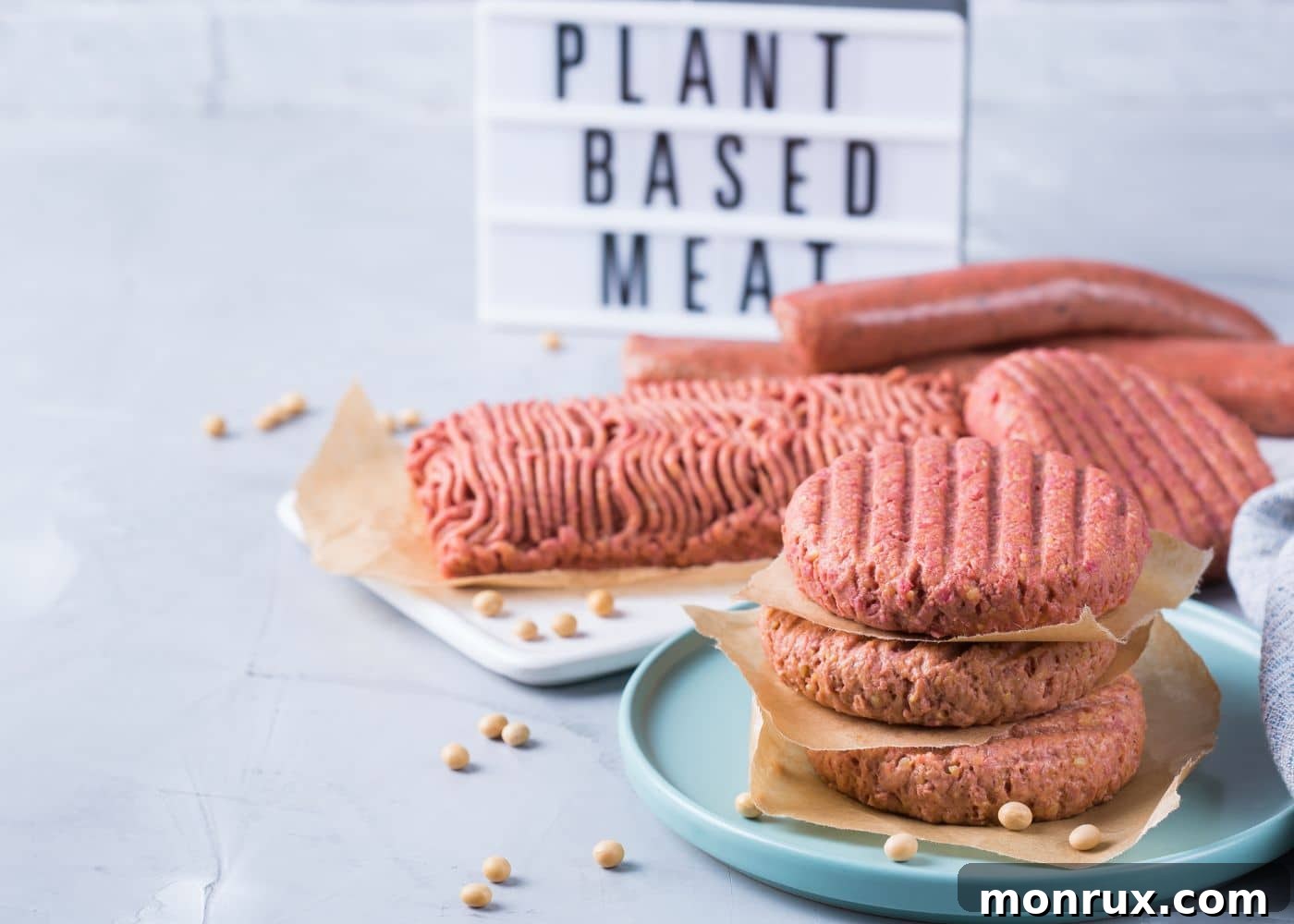
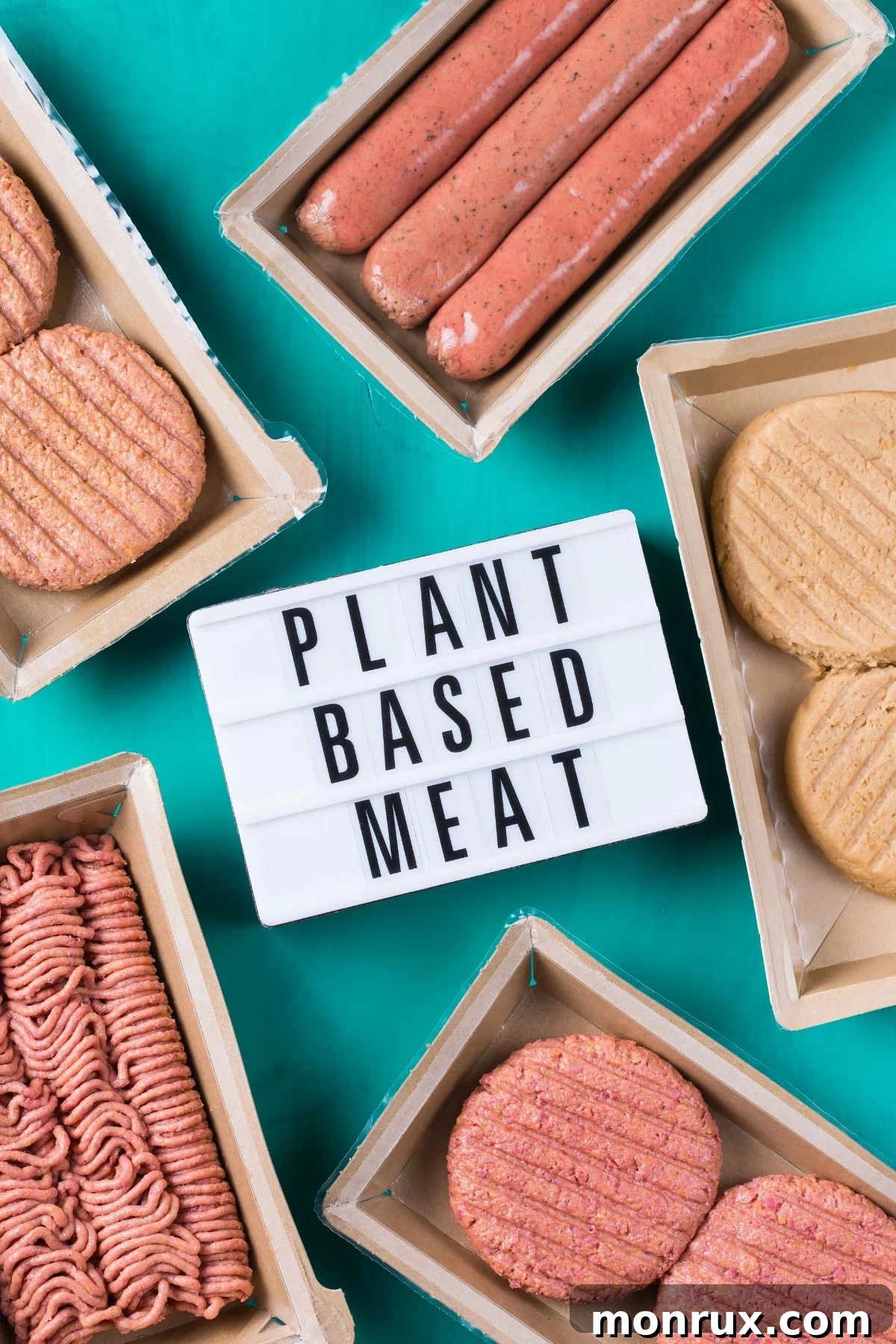
Plant-based meat alternatives, often referred to as “fake meats,” are innovative products designed to mimic the taste, texture, and appearance of traditional animal meat. These alternatives are primarily crafted from various plant sources, with pea protein isolate and soy protein isolate being among the most common foundational ingredients. In recent years, these products have surged in popularity, appealing to individuals seeking to reduce their meat consumption for ethical, environmental, or perceived health reasons.
Originally introduced to the public market within the last decade, plant-based meats are now a ubiquitous presence in most major grocery stores, including health-focused retailers like Whole Foods. They are typically sold in familiar forms, such as burger patties, ground “meat,” or sausages, often positioned right alongside their animal-based counterparts in the refrigerated meat section. This strategic placement makes the transition to a meatless lifestyle appear seamless and accessible for consumers. Beyond grocery aisles, these alternatives have also infiltrated the fast-food industry, with major chains like Burger King and Subway incorporating them into their menus to cater to a broader demographic.
The core objective of plant-based meat companies is to provide an experience that closely replicates eating real meat. Manufacturers invest heavily in research and development to achieve the desired sensory attributes—a product that looks like meat, browns like meat, and, crucially, tastes remarkably similar to real meat. Ingredients like beet juice are often used to simulate the “bleeding” effect, enhancing the realistic perception for consumers.
Furthermore, these products are meticulously engineered to offer a macronutrient profile comparable to animal meat, frequently advertising around 20 grams of plant protein per serving. This is a direct response to the long-standing “vegetarian protein” dilemma, assuring consumers that their protein needs can be met. For context, a 4-ounce serving of traditional beef typically provides approximately 21 grams of protein. The marketing narrative largely targets individuals on plant-based diets who wish to avoid animal products and the chronic diseases often associated with them, despite a growing body of evidence debunking some of these claims.
Leading Plant-Based Meat Brands
The plant-based meat market is characterized by rapid growth and intense innovation, with several key players dominating the current landscape. Among the most recognizable brands are the Impossible Burger from Impossible Foods and the Beyond Burger from Beyond Meat. Both products have achieved widespread distribution, available in major retailers and numerous restaurant chains across the nation. These brands have significantly shaped public perception and consumer expectations for meat alternatives.
The industry’s expansion shows no signs of slowing down. Investment in plant-based food technology continues to soar, signaling the imminent arrival of even more brands and product varieties in the near future. This burgeoning sector has also attracted the attention of traditional food giants. Notably, major meat producers like Tyson have announced plans to launch their own lines of plant-based alternatives, blurring the lines between conventional and alternative protein markets. This convergence underscores the mainstream acceptance and growing consumer demand for plant-based options, even as questions about their nutritional value persist.
The Nutrition Debate: Real Meat vs. Plant-Based Alternatives
The health implications of consuming highly processed plant-based meat alternatives are a subject of considerable debate within the scientific and nutritional communities. Advocates often highlight the slightly lower caloric content of these products as an indicator of superior healthfulness, while critics express deep skepticism regarding their extensive list of processed ingredients and lack of natural nutrient density.
A typical serving of plant-based meat contains approximately 250 calories, which represents a minor reduction compared to the average 290 calories found in a serving of conventional ground beef. While this difference might seem appealing at first glance, a mere 40-calorie saving is hardly a compelling argument for branding plant-based meat as definitively healthier. Moreover, this comparison often overlooks leaner beef options, such as 90% lean ground beef, which can contain as few as 200 calories per serving, further diminishing the caloric advantage of plant-based alternatives.
Crucially, calorie count alone is an inadequate measure of a food’s healthfulness. A more accurate assessment hinges on its nutrient density – the concentration of beneficial vitamins, minerals, and other compounds relative to its caloric value. The human body processes 250 calories from an ultra-processed food very differently than 250 calories derived from whole, unprocessed ingredients. For instance, a serving of real ground beef provides a wealth of bioavailable nutrients, including essential B vitamins, highly absorbable heme iron, zinc, selenium, and beneficial cholesterol and saturated fats that play vital roles in cellular function. In stark contrast, products like the Beyond Meat burger offer almost none of these naturally occurring vital nutrients, except for non-heme iron, which is significantly less bioavailable to the body. While the Impossible Burger may contain higher levels of certain B vitamins, it’s critical to note that these are typically added synthetically during the manufacturing process rather than being naturally present. This distinction is crucial, as synthetic nutrients may not offer the same synergistic benefits or absorption rates as their natural counterparts found in whole foods.
5 Dangers of Plant-Based Meat You Need to Know
While the motivations behind reducing reliance on confined animal feeding operations (CAFOs) and exploring more sustainable food systems are commendable, it is imperative to critically examine the true health impact of processed plant-based meats. These ultra-processed foods, despite their clever marketing, pose potential risks to human health that could rival or even exceed those associated with factory-farmed animal products. They are simply not a like-for-like nutritional substitute for nutrient-dense, real meat.
Before you opt for a “fake” burger, consider these five compelling reasons to choose a traditional grass-fed burger or a wholesome, homemade bean burger instead. You may also find valuable insights in my articles detailing the dangers of a vegan diet and explaining why I stopped being vegan.
1. They Are Ultra-Processed Foods
One of the most significant concerns surrounding plant-based meats is their classification as ultra-processed foods. Unlike whole, natural ingredients, these products are not found in nature; they are industrial formulations composed of multiple processed ingredients, often extracted and refined. For instance, a primary component of the Beyond Meat burger is pea protein isolate. This ingredient is created by taking peas, stripping away their fiber, carbohydrates, and other nutrients, and then using chemical processes to isolate only the protein. Similarly, the Impossible Burger derives its protein from soy protein concentrate, another highly processed derivative of a whole food. It’s also worth noting the potential dangers associated with processed soy.
The food industry has excelled at developing these ultra-processed alternatives to cater to a growing desire for reduced meat consumption. However, the long-term health consequences and broader environmental impacts of regularly consuming these highly engineered food products remain a critical area of concern. Research increasingly links frequent consumption of ultra-processed foods to various adverse health outcomes, including increased risk of obesity, cardiovascular disease, type 2 diabetes, and certain cancers. These foods often contain high levels of unhealthy fats, added sugars, and sodium, while lacking essential micronutrients and fiber found in whole foods.
2. They May Contain Hidden Gluten or Cause Cross-Contamination
Beyond the significant portion of the population suffering from undiagnosed Celiac disease, an even larger number experiences non-Celiac gluten intolerance or sensitivity. Gluten, a protein found in wheat, barley, and rye, is a common allergen and can trigger a range of inflammatory responses and digestive issues, even in individuals who can technically tolerate it. For many, adopting a gluten-free diet is optimal for maintaining digestive health and reducing systemic inflammation, making the consumption of processed foods like fake meat problematic.
A crucial point often overlooked is that a food product not explicitly listing gluten-containing ingredients does not automatically qualify as gluten-free. Manufacturing processes in shared facilities can lead to cross-contamination, where products processed on equipment used for wheat-containing items can pick up trace amounts of gluten. Since no major brand of plant-based meat is currently certified gluten-free, individuals with serious gluten sensitivities or Celiac disease face a considerable risk. Consuming these products could inadvertently expose them to gluten, leading to severe health complications and undermining their efforts to maintain a gluten-free lifestyle. Always prioritize certified gluten-free products if you have a sensitivity or allergy.
3. Plant-Based Meats Are Not Recognized as Real Food by Your Body
The human body is an incredibly complex system, exquisitely designed over millennia to process and derive nourishment from whole, natural foods. The highly processed components found in many plant-based meat alternatives are often unrecognizable and difficult for our bodies to utilize effectively. Ingredients such as pea protein isolate, soy protein concentrate, yeast extract, industrial seed oils like canola oil, “natural flavors,” potassium chloride, dextrose, and synthetic vitamins are far removed from the whole foods our digestive systems are evolved to handle. These isolated compounds and chemicals often lack the synergistic blend of nutrients and beneficial compounds found in nature.
Real, whole foods provide a complex matrix of bioavailable nutrients, fiber, antioxidants, and phytochemicals that work together synergistically to support optimal bodily functions. They are easily digested and absorbed, fueling our cells and supporting overall health. In contrast, the digestion and utilization of highly processed, isolated ingredients can place a strain on the body, potentially contributing to digestive discomfort, inflammation, and nutrient imbalances over time. For these reasons, many consider fake meats to be among the worst foods for environmental impact, not just human health, due to the extensive processing required.
To truly nourish your body, prioritize a diet rich in whole, real foods sourced from the earth and responsibly raised animals. These provide the essential nutrients and sustained energy your body deserves. Explore my comprehensive clean eating food list for inspiration, or if you’re committed to a plant-based approach, check out my list of the best gluten-free vegan recipes. You would gain significantly more nutritional value from a homemade lentil burger made from real, plant-based ingredients or a grass-fed beef burger (see my guide on where to find grass-fed beef) than from any imitation meat product.
4. Plant-Based Meats Have Poor Overall Nutritional Value
When it comes to nutritional density and quality, plant-based meats struggle to compete with real meat. One glaring nutritional deficiency in many of these alternatives is their remarkably high sodium content. For example, both the Impossible Burger and the Beyond Meat burger can contain upwards of 16% or more of your daily recommended sodium intake per serving. In stark contrast, an equivalent serving of real ground beef typically contains only about 4% of your daily value of sodium.
Beyond sodium, the overall micronutrient profile of most plant-based meats is often inferior. The Beyond Meat burger, for instance, offers very few naturally occurring vitamins and minerals. While the Impossible Burger does contain certain nutrients, these are predominantly synthetic vitamins and minerals added during processing, rather than those naturally present in whole foods. This distinction is vital because synthetic nutrients may not be absorbed or utilized by the body as effectively as naturally occurring ones. Furthermore, many plant-based meats often contain industrial seed oils, such as canola or sunflower oil, which are high in Omega-6 fatty acids. While Omega-6s are essential, an imbalance with Omega-3s can contribute to inflammation in the body. Real meat, especially grass-fed varieties, offers a better balance of fatty acids and a broader spectrum of bioavailable micronutrients, including B12, zinc, and selenium, which are often lacking or poorly absorbed from plant-based sources.
5. They May Lead to Digestive Issues and Compromised Gut Health
Our bodies are not designed to thrive on a diet dominated by heavily processed, nutrient-stripped foods. When we regularly consume these highly engineered products instead of whole, nutrient-dense ingredients, our physiological systems can become compromised. The immune system, in particular, is intrinsically linked to gut health. Many ingredients commonly found in plant-based meat products—such as highly concentrated soy and pea proteins, industrial seed oils like canola oil, dextrose, “natural flavors” (which can be chemical concoctions), and sunflower lecithin—can be inflammatory and potentially harmful to the delicate balance of the gut microbiome.
These ingredients can disrupt the beneficial bacteria in the gut, leading to dysbiosis, increased intestinal permeability (often referred to as “leaky gut”), and chronic inflammation. Such conditions can manifest as digestive discomfort, bloating, altered bowel function, and a weakened immune response. Furthermore, individuals with existing allergies or sensitivities to any of these specific ingredients face an even greater risk of adverse reactions. Beyond these concerns, a significant number of plant-based meat products are not certified organic or non-GMO. This means consumers might be introducing additional burdens to their system in the form of pesticide residues, herbicides (like glyphosate), and genetically modified organisms, the long-term health effects of which are still a subject of ongoing scientific inquiry and public concern. Prioritizing whole, organic, and minimally processed foods is key to supporting robust gut health and overall well-being.
Healthier Alternatives: What to Eat Instead
Instead of succumbing to pervasive marketing campaigns and fear-mongering tactics around traditional foods, the most effective strategy for optimal health is to consistently prioritize real, whole foods in your diet. Here are several healthy and sustainable options for incorporating protein into your meals, whether you choose animal or plant-based sources.
1. Continue Including Real, Responsibly Sourced Meat in Your Diet
When consumed in moderate amounts as part of a balanced diet, real meat can be a profoundly healthy and nutrient-rich choice. The key lies in selecting high-quality sources. Opt for grass-fed, grass-finished, and preferably organic meat. These choices not only offer superior nutritional benefits but also support more humane and environmentally responsible farming practices. For guidance on where to find such products, refer to my resource on grass-fed beef near me.
Animals raised on pastures and fed their natural diet (grass, for ruminants) yield meat with significantly higher levels of beneficial nutrients, including Conjugated Linoleic Acid (CLA), Vitamin E, and a much healthier Omega-3 to Omega-6 fatty acid ratio compared to grain-fed animals. Animal protein is recognized as a complete source of essential amino acids, making it a highly bioavailable and superior protein source compared to most plant-based products or isolated plant proteins. While factory farming poses serious ethical and environmental concerns, supporting local farmers who practice regenerative agriculture and treat their animals ethically, providing them with proper nutrition and a natural environment, offers a truly sustainable and healthy alternative.
2. Opt for Whole Food Sources of Plant-Based Protein Instead
Despite being marketed as “plant-based protein,” many fake meat products contain very little in the way of actual whole plants. If you’re seeking a genuinely plant-based option that supports your health, embrace the simplicity and nutrition of whole plant foods. Instead of imitation meat, consider making a homemade lentil burger or a delicious bean burger! Even many frozen bean or vegetable burgers found in health food sections are significantly less processed than leading plant-based meat brands, often featuring recognizable ingredients. Better yet, crafting your own is incredibly easy and allows you full control over the ingredients.
Whole-food plant-based burgers, made from ingredients like black beans, lentils, chickpeas, brown rice, and vegetables, offer a wealth of benefits. They are rich in dietary fiber, which is crucial for digestive health and satiety, and provide a diverse array of vitamins, minerals, and antioxidants that are often absent in highly processed alternatives. Legumes, nuts, seeds, and whole grains are all fantastic sources of plant-based protein that nourish your body without the added chemicals and excessive sodium.
3. Consider Including Only Poultry and Fish
Your reasons for reducing or eliminating red meat consumption are unique to you, and your dietary choices should align with those goals. If your primary concern is red meat, you might find a satisfying and healthy balance by continuing to consume poultry and fish. Turkey or chicken burgers, for instance, can be incredibly flavorful and offer a lean, nutritious protein source. Many recipes allow for creative customization with herbs, spices, and vegetables, making them a far healthier option than processed alternatives.
Similarly, fish patties, made from salmon, cod, or other sustainable fish, are an excellent choice for those who prefer to avoid land animals while still benefiting from animal protein and healthy fats, particularly Omega-3 fatty acids. Alternatively, if you wish to eliminate all meat but still consume animal products, a vegetarian approach focusing on dairy and eggs can provide essential nutrients. These options offer flexibility and allow you to tailor your diet to your personal preferences and health objectives without resorting to ultra-processed imitation foods.
Frequently Asked Questions About Plant-Based Meats
It’s challenging to find ultra-processed products that are “good” for you in the same way whole foods are. However, if you choose to consume plant-based alternatives, prioritize brands with minimal ingredients that are recognizable. Look for burgers made with whole foods like beans, lentils, mushrooms, and grains, rather than those relying heavily on protein isolates, industrial oils, and artificial flavors. Always read the labels carefully and avoid products containing numerous chemicals or highly processed isolates in their ingredient list. Simpler is always better.
The environmental impact of fake meats is a complex issue. While they often boast a lower carbon footprint and reduced land/water usage compared to conventionally farmed beef, this comparison rarely accounts for the energy-intensive processing, industrial agriculture required for monoculture crops (like soy and peas), and the extensive supply chains involved in creating these highly engineered products. Real foods grown considerably and sustainably, such as those from regenerative agriculture, offer the best bet for both human health and the environment, promoting biodiversity and soil health. It’s not as simple as “plant good, meat bad”; the devil is in the details of how the food is produced and processed.
Fake meats can often be quite expensive, sometimes even more so than conventional ground beef, placing them out of reach for many consumers on a budget. However, it’s also true that high-quality, ethically raised, grass-fed and grass-finished real meat can carry a significant price tag due to the farming practices involved. The best approach is to build your diet around a whole food philosophy, prioritizing nutrient-dense options. What you choose to spend at the grocery store is ultimately an investment in your overall health and future well-being, so consider the long-term benefits of quality ingredients over short-term price fluctuations.
Explore More Essential Nutrition Articles
Concluding Thoughts on Plant-Based Meats
The rise of processed plant-based meat alternatives has presented a compelling narrative for meat-conscious eaters, promising a guilt-free and healthier option. However, a deeper examination reveals that these products often fall short of their lofty claims. At their core, they are ultra-processed industrial products that are demonstrably nutritionally inferior to real, whole meat.
While processed plant-based meats are likely to continue gaining market traction and widespread availability, their typically high price point may prevent them from becoming a realistic or sustainable alternative for the majority of consumers. Even if cost is not a primary concern for you, the long-term investment in your health is paramount. Your body will invariably fare better with nutrient-dense, ethically-raised grass-fed real meat, or truly plant-based alternatives made from whole foods like homemade bean burgers or lentil patties.
Making informed dietary choices requires looking beyond clever marketing and focusing on ingredient quality and nutritional integrity. Prioritize whole foods, whether from responsible animal sources or unprocessed plant sources, to truly nourish your body and support your overall well-being.
About the Author: Carrie Forrest has a master’s degree in public health with a specialty in nutrition and is a certified holistic nutritionist. She is a top wellness and food blogger with over 5 million annual visitors to her site. Carrie has an incredible story of recovery from chronic illness and is passionate about helping other women transform their health. Send her a message through her contact form.
Note: this post is for informational purposes only and is not intended as medical advice. Please consult your healthcare provider for recommendations related to your individual situation.