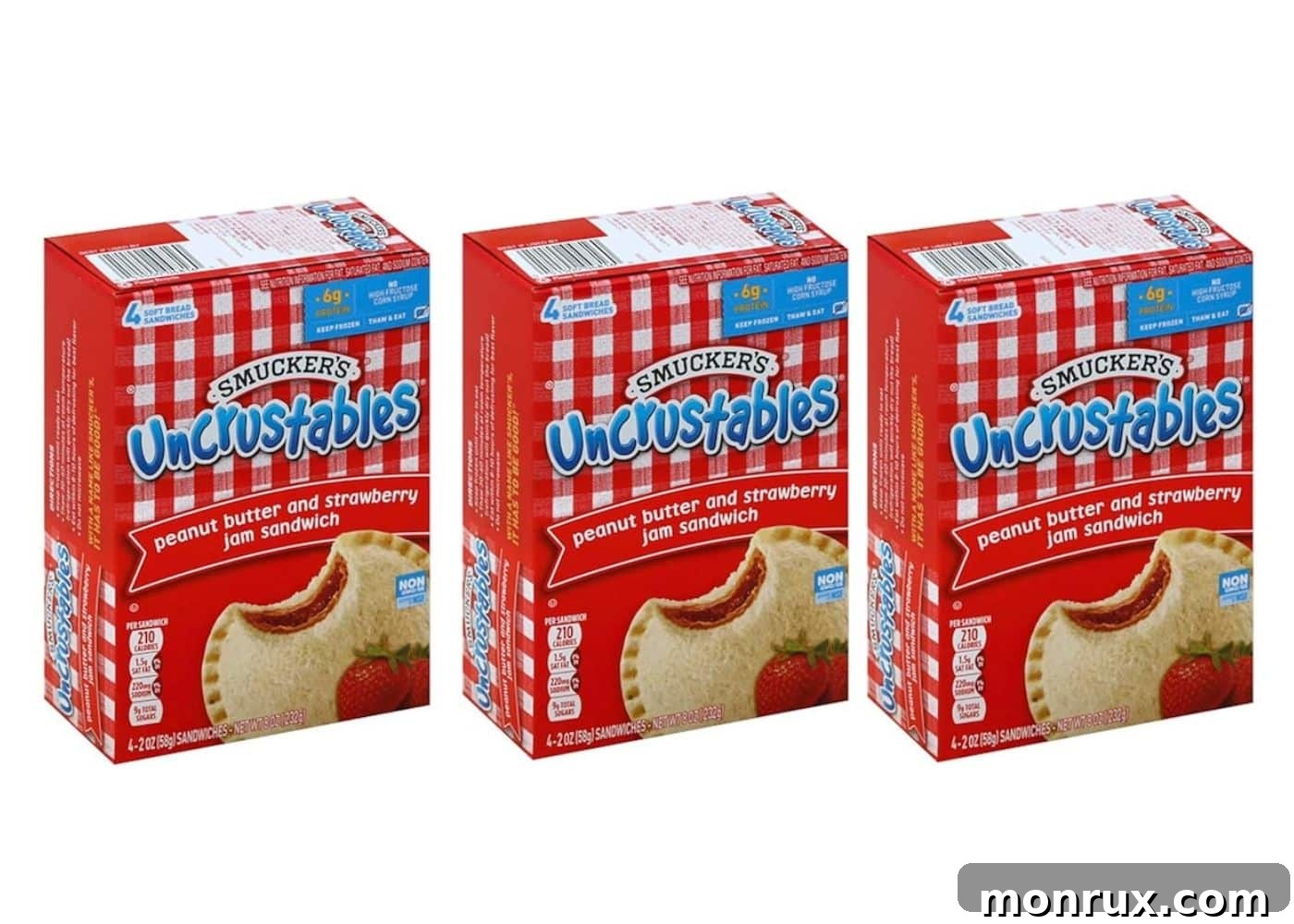
In today’s fast-paced world, convenience often takes precedence, especially when it comes to food choices. Among the myriad of ready-to-eat options, Smucker’s Uncrustables have carved out a significant niche, particularly popular among parents looking for quick lunchbox solutions and individuals seeking a hassle-free snack. These pre-packaged, crustless sandwiches filled with peanut butter and jelly promise ease and familiarity. But the pressing question remains: Are Uncrustables truly a healthy option for you and your family, or should they be avoided?
This comprehensive article will delve deep into the nutritional landscape of Uncrustables. We’ll explore their core ingredients, analyze the potential pros and cons from a health perspective, and scrutinize specific variants like the whole wheat version. Ultimately, we aim to provide you with the facts needed to make informed dietary decisions, empowering you to consider healthier alternatives that align with a wholesome lifestyle. For most health-conscious individuals, the verdict leans towards caution: Uncrustables, while convenient, are generally not considered a healthy choice and their regular consumption should be limited.
Uncrustables Overview
Uncrustables are a line of pre-packaged, frozen sandwiches distinguished by their iconic crust-free design. Launched by the J.M. Smucker Company, a prominent American food manufacturer known for its wide array of jams, jellies, peanut butter, and other spreads, Uncrustables quickly became a household name. The primary appeal of these sandwiches lies in their unparalleled convenience: they are ready-to-eat after thawing, eliminating the need for preparation and the common childhood (and sometimes adult) aversion to sandwich crusts.
The core concept behind Uncrustables is to offer a quick, mess-free solution for various eating occasions. They are widely marketed towards parents seeking effortless additions to packed school lunches, busy professionals needing an on-the-go meal, or anyone desiring a convenient snack without the fuss of making a traditional sandwich. The brand typically offers varieties filled with classic peanut butter and jelly combinations (like strawberry or grape jelly), as well as other popular spreads such as chocolate hazelnut.
Each Uncrustables product consists of a circular piece of bread with a sealed edge, encasing its filling. While the specific nutritional information and ingredients can vary slightly depending on the flavor and variety (e.g., whole wheat vs. white bread), all products share a fundamental composition of bread, a fruit spread or chocolate spread, and often peanut butter. Understanding these foundational elements is crucial to assessing their overall health implications, which we will explore in detail throughout this article.
A Closer Look at Uncrustables Ingredients
To truly evaluate whether Uncrustables fit into a healthy diet, it’s essential to scrutinize their ingredient list. While formulations can vary slightly, the typical Uncrustables Strawberry Flavor provides a representative example of what’s often found in these products. Below are the common ingredients, followed by a detailed discussion of their potential health impacts:
- Enriched Unbleached Flour (Wheat Flour, Malted Barley Flour, Niacin, Ferrous Sulfate, Thiamin Mononitrate, Riboflavin, Folic Acid)
- Water
- Strawberry Filling (Strawberries, Sugar, Water, Modified Food Starch, Citric Acid, Potassium Sorbate)
- Sugar
- Yeast
- Soybean Oil
- Contains 2% or Less of: Salt, Calcium Propionate and Sorbic Acid to Retain Freshness, Distilled Monoglycerides, Dough Conditioners (Calcium Sulfate, Mono and Diglycerides, Enzymes), Wheat Starch, Maltodextrin, Natural and Artificial Flavors, Citric Acid, Cellulose Gum, Colored with (Fruit Juice Concentrate, Paprika Extract), Malic Acid, Sucralose.
It’s always advisable to check the specific product packaging for the most accurate and up-to-date ingredient list, as recipes can sometimes change. Now, let’s break down the most significant ingredients and what they mean for your health.
Flour: The Foundation of the Bread
The bread in most Uncrustables varieties primarily uses enriched unbleached flour. This type of flour is a refined wheat flour that has undergone extensive processing. During this refining process, the wheat kernel’s bran and germ—which contain most of the fiber, B vitamins, and essential minerals—are removed. While manufacturers then “enrich” the flour by adding back some synthetic nutrients like niacin, ferrous sulfate (iron), thiamin mononitrate, riboflavin, and folic acid, it still significantly lacks the comprehensive nutritional profile of whole grains, particularly dietary fiber.
Regular consumption of refined flour has several associated health concerns. Because it lacks fiber, enriched flour has a high glycemic index. This means it can lead to rapid spikes in blood sugar levels after consumption. Over time, frequent blood sugar spikes can contribute to insulin resistance, increase the risk of type 2 diabetes, and promote weight gain, especially around the abdominal area.
In contrast, whole wheat flour, which is used in some Uncrustables variants, retains all parts of the wheat kernel: the bran, germ, and endosperm. This preserves a higher content of fiber, protein, and micronutrients, leading to a slower and more sustained release of glucose into the bloodstream. However, even the “whole wheat” Uncrustables still contain a blend of flours, and the overall nutritional balance needs consideration.
It’s also crucial to remember that wheat is a common food allergen. Individuals with celiac disease or non-celiac wheat/gluten sensitivities must avoid products containing wheat. As of the current information, there is no gluten-free version of Uncrustables available, making them unsuitable for those with gluten-related disorders.
Seed Oils and Hydrogenated Fats
Many Uncrustables products contain various seed oils, such as soybean oil and rapeseed oil (also known as canola oil), and often feature fully hydrogenated vegetable oils. These oils are typically highly processed and are often hydrogenated—a chemical process that adds hydrogen to liquid oils to solidify them and extend their shelf life. This process can lead to the formation of trans fats, which are widely recognized as detrimental to heart health.
Research has increasingly linked excessive consumption of highly processed seed oils and trans fats to a range of serious health risks. These include contributing to chronic inflammation throughout the body, which is a known underlying factor in the development of numerous chronic diseases, such as cardiovascular disease, type 2 diabetes, certain cancers, Alzheimer’s disease, obesity, and various autoimmune conditions. These oils often have an imbalanced omega-6 to omega-3 fatty acid ratio, further promoting inflammation when consumed in large quantities.
While small amounts might not be immediately harmful, regular intake of foods high in these types of oils contributes to an unhealthy dietary pattern. For those aiming for a clean eating approach, minimizing consumption of such processed fats is a key recommendation.
The Sweet Factor: Sugar Content
Uncrustables are surprisingly high in sugar. A single serving can contain up to 12 grams of added sugar, and even the “reduced sugar” versions still pack around 7 grams. This sugar is typically derived from sugar beets or sugar cane and undergoes significant processing.
While natural sugars found in whole fruits offer beneficial nutrients like fiber and antioxidants, the added, refined sugar in processed foods like Uncrustables provides empty calories. Consuming excessive amounts of refined sugar regularly is strongly linked to a multitude of adverse health effects. These include a higher risk of developing heart disease, significant weight gain (especially visceral fat), increased risk of type 2 diabetes, dental cavities, and conditions like non-alcoholic fatty liver disease.
Furthermore, sugar can negatively impact energy levels and mood, leading to “sugar crashes” that leave you feeling tired and irritable. The American Heart Association recommends limiting added sugar intake to no more than 36 grams (9 teaspoons) per day for men and 25 grams (6 teaspoons) per day for women. A single Uncrustables sandwich can contribute a significant portion of this daily limit, making it easy to exceed recommended amounts if consumed regularly alongside other sugary foods.
Peanut Butter: Quality and Allergens
Peanut butter is a staple filling in many Uncrustables variations. While natural peanut butter, made solely from peanuts, can be a highly nutritious source of protein, healthy fats, and fiber for those without allergies, the peanut butter used in Uncrustables is far from this wholesome ideal. The brand’s peanut butter is a highly processed formulation, containing added sugar, molasses, fully hydrogenated rapeseed and soybean oils, mono and diglycerides (emulsifiers), and salt.
The presence of hydrogenated oils is a major concern here, as it signifies the potential for trans fats. Trans fats are notorious for raising levels of “bad” low-density lipoprotein (LDL) cholesterol while lowering “good” high-density lipoprotein (HDL) cholesterol, significantly increasing the risk of heart disease. The added sugars and high sodium content further detract from any potential nutritional benefits that peanuts might offer.
Beyond the quality of the peanut butter, it’s critically important to acknowledge the significant allergen risk. Millions of people worldwide suffer from severe peanut allergies, which can cause life-threatening reactions. This makes the vast majority of Uncrustables products unsuitable for a substantial portion of the population and necessitates careful attention to ingredients for anyone with peanut sensitivities or allergies.
Potassium Sorbate: A Common Preservative
Potassium sorbate is a prevalent food preservative added to many processed foods, including Uncrustables. Its primary function is to inhibit the growth of molds, yeasts, and bacteria, thereby extending the product’s shelf life and preventing spoilage. While regulatory authorities generally classify potassium sorbate as safe for consumption in small, controlled amounts, there are growing concerns about the effects of excessive or regular intake.
Some individuals report experiencing adverse reactions to potassium sorbate, including allergic symptoms such as skin rashes, itching, or respiratory issues. More concerning is research suggesting that this additive can potentially form harmful byproducts when exposed to heat or combined with certain acids within the body. There are also studies that have indicated a link between potassium sorbate and DNA damage under specific laboratory conditions, although more human-based research is needed to fully understand these implications.
As with any food additive, the key concern lies in cumulative exposure. While an occasional serving might not pose a significant threat, frequent consumption of multiple products containing such preservatives could contribute to a higher overall burden on the body. For those seeking a diet free from unnecessary chemical additives, foods containing potassium sorbate would typically be avoided.
Nutritional Advantages: The Pros
While the focus often leans towards the less desirable aspects, it’s fair to acknowledge the few “pros” that Uncrustables offer, primarily centered around convenience and certain ingredient exclusions:
- Unmatched Convenience: This is arguably the biggest advantage. Uncrustables are frozen and simply require thawing, making them an incredibly quick and easy option for packed lunches, emergency snacks, or busy days when meal prep is impossible. Their crustless design also appeals to picky eaters.
- Portion Control: Each Uncrustables sandwich is a single, pre-portioned unit, which can help in managing calorie intake if one is mindful of overall daily consumption. The serving sizes are relatively small, which can be an advantage for a quick snack, rather than a main meal.
- No High Fructose Corn Syrup: Unlike many other processed sweets and snacks, Uncrustables do not typically contain high fructose corn syrup (HFCS), which is often highlighted by consumers as an undesirable ingredient. While they still contain other forms of added sugar, the absence of HFCS is a point of distinction.
- Low-Sugar Variations Available: For those particularly concerned about sugar intake, the J.M. Smucker Company does offer some “reduced sugar” versions, which contain fewer grams of sugar per serving than their standard counterparts. While still not sugar-free, it provides a slightly better option for consumers actively trying to limit sugar.
These benefits largely address the practicality and ease of consumption, rather than providing significant nutritional value. For individuals prioritizing convenience above all else, these aspects can make Uncrustables an appealing choice.
Nutritional Disadvantages: The Cons
Despite their undeniable convenience, the nutritional drawbacks of Uncrustables are substantial, making them a less-than-ideal choice for a health-focused diet:
- High in Processed Ingredients: The most significant concern is the abundance of highly processed ingredients. From enriched white flour to hydrogenated oils, added sugars, and various emulsifiers and preservatives, Uncrustables are far from a whole-food product. These ingredients offer minimal nutritional density compared to their whole-food counterparts.
- Significant Added Sugar Content: Even in their “low sugar” versions, Uncrustables contain a notable amount of added sugar, contributing to empty calories and potentially leading to blood sugar spikes, energy crashes, and long-term health risks like diabetes and heart disease.
- Unhealthy Fats: The inclusion of hydrogenated vegetable oils (like soybean and rapeseed oil) means these sandwiches may contain unhealthy trans fats, which are detrimental to cardiovascular health. These processed seed oils can also contribute to chronic inflammation.
- Lack of Fiber and Whole Nutrients: While some versions contain a small amount of whole wheat flour, the overall fiber content is generally low. The refining process strips away essential vitamins, minerals, and antioxidants found in whole grains, fruits, and unprocessed nuts, leaving a product with limited true nutritional value.
- Allergen Concerns: With wheat, peanuts, and soy being primary ingredients, Uncrustables pose significant allergen risks for a large segment of the population. There are no gluten-free or nut-free alternatives available for those with specific dietary restrictions or severe allergies.
- Cost-Effectiveness: When comparing Uncrustables to a homemade sandwich, the pre-packaged option is often more expensive. This premium price pays for convenience and extensive processing, rather than superior nutritional quality.
- Missed Opportunity for Better Nutrition: Opting for an Uncrustables sandwich means missing an opportunity to create a truly nourishing meal or snack. A homemade peanut butter and jelly sandwich, for example, can be made with 100% whole wheat or sourdough bread, natural peanut butter (ingredients: just peanuts and salt), and a fruit spread with minimal added sugar, offering significantly more fiber, healthy fats, and micronutrients.
In essence, while Uncrustables fulfill a need for quick and easy food, their reliance on processed ingredients, high sugar content, and unhealthy fats makes them a poor choice for those prioritizing long-term health and well-being. Focusing on homemade alternatives with high-quality, whole ingredients is a far superior approach for nutritious snacking and meal preparation.
Whole Wheat Uncrustables: A Healthier Alternative?
Recognizing the consumer demand for healthier options, Smucker’s introduced “Whole Wheat Uncrustables.” This variant aims to address some of the nutritional criticisms by incorporating whole grains. But does it truly make them a healthy choice?
The primary difference between the regular and whole wheat versions lies in the type of flour used for the bread. Here’s a direct comparison:
Regular Uncrustables:
- Enriched Unbleached Flour (Wheat Flour, Malted Barley Flour, Niacin, Ferrous Sulfate, Thiamin Mononitrate, Riboflavin, Folic Acid)
Whole Wheat Uncrustables:
- Whole Wheat Flour
Key Differences and Implications:
- Fiber and Nutrients: The whole wheat version utilizes whole wheat flour, which means it includes the entire grain kernel—the bran, germ, and endosperm. This results in a higher fiber content and a more comprehensive array of nutrients, including B vitamins, iron, and magnesium, compared to refined flour. Fiber is beneficial for digestive health, blood sugar regulation, and satiety.
- Blood Sugar Response: Due to the increased fiber, whole wheat flour generally leads to a slower and more gradual rise in blood sugar levels than enriched white flour, which can be beneficial for energy stability and metabolic health.
However, it’s crucial to note that the “Whole Wheat” designation does not make Uncrustables a fully healthy food. While the bread component is improved, many of the other problematic ingredients remain largely the same. The strawberry filling, for instance, still contains added sugar and potassium sorbate. The peanut butter, even in the whole wheat versions, is typically the same highly processed variant with hydrogenated oils and additional sugar.
Therefore, while Whole Wheat Uncrustables are a marginally better option than their regular counterparts due to the added fiber and nutrients from the whole grain, they still fall short of being considered truly healthy. They are still a processed food item with significant amounts of added sugar, unhealthy fats, and preservatives. For optimal health, a homemade sandwich with 100% whole grain bread, natural peanut butter, and fruit spread with no added sugar remains a far superior choice.
Frequently Asked Questions (FAQs)
While Uncrustables do contain some protein and a small amount of fiber, the quantities are often minimal in the context of a balanced diet, and their sources are not always ideal. Protein primarily comes from the peanuts in the peanut butter variations. However, this peanut butter is highly processed, containing unhealthy hydrogenated oils and added sugar, which can negate some of the benefits of the protein. As for fiber, while the “Whole Wheat” variations incorporate some whole wheat flour, the overall fiber content is still relatively low compared to genuinely whole foods. Many versions still rely on enriched flour, which is stripped of most natural fiber. Therefore, while technically present, the beneficial nutrients are often overshadowed by the highly processed nature of the product.
In moderation and as an occasional treat, Uncrustables can be okay for children, especially if their overall diet is otherwise rich in whole, unprocessed foods. However, they are not an ideal regular component of a balanced diet due to their high content of processed ingredients, added sugar, unhealthy seed oils, and artificial preservatives. When compared to a traditional homemade sandwich, Uncrustables offer significantly less nutritional value. A homemade sandwich made with 100% whole grain bread, natural peanut butter (just peanuts and salt), and a low-sugar fruit spread provides substantially more dietary fiber, healthier fats, essential vitamins, and minerals, without the unnecessary additives found in Uncrustables. For optimal child nutrition, homemade options are always preferred over highly processed convenience foods like Uncrustables.
Some variations of Uncrustables, specifically those marketed as “Whole Wheat,” do contain whole wheat flour as one of their ingredients, meaning they include some whole grains. However, it’s important to read the ingredient label carefully. Many Uncrustables products, particularly the original versions, primarily use enriched, unbleached flour, which is a highly refined and processed grain. Even in the whole wheat versions, the whole grain content may be combined with other refined flours and is often overshadowed by the presence of significant amounts of added sugar, unhealthy fats, and preservatives. So, while some whole grains may be present, it does not automatically classify the product as a healthy whole-grain food in its entirety.
Explore More Product Reviews
Final Thoughts on Uncrustables: Health and Convenience
Uncrustables undeniably offer a compelling solution for convenience in a busy world. Their ease of preparation, pre-portioned nature, and the absence of high-fructose corn syrup in their formulation are attractive features. However, when viewed through the lens of holistic nutrition, their drawbacks become much more apparent. These pre-packaged sandwiches are laden with highly processed ingredients, including refined flours, unhealthy hydrogenated seed oils, and significant amounts of added sugar. Furthermore, the reliance on artificial preservatives like potassium sorbate raises concerns for those seeking a clean diet, and common allergens such as wheat, peanuts, and soy make them unsuitable for many.
Ultimately, Uncrustables cannot be categorized as a healthy food choice for regular consumption. While an occasional treat or an emergency snack might be acceptable in a balanced diet, they should not be a dietary staple. For individuals and families committed to prioritizing health and well-being, the most nutritious path lies in preparing snacks and meals at home using whole, unprocessed ingredients. Opting for homemade sandwiches with 100% whole grain bread, natural nut butters (or seed butters for allergen concerns), and fruit spreads with no added sugars will provide a wealth of fiber, essential nutrients, and healthy fats, without the burden of undesirable additives and excessive processing. Make informed choices that nourish your body and support long-term health, rather than succumbing solely to the allure of convenience.
Don’t forget to join my newsletter list to get exclusive clean eating recipes and tips. The newsletter is 100% free with no spam; unsubscribe anytime.
About the Author: Carrie Forrest has a master’s degree in public health with a specialty in nutrition and is a certified holistic nutritionist. She is a top wellness and food blogger with over 5 million annual visitors to her site. Carrie has an incredible story of recovery from chronic illness and is passionate about helping other women transform their health. Send her a message through her contact form.
Note: this post is for informational purposes only and is not intended as medical advice. Please consult your healthcare provider for recommendations related to your individual situation.