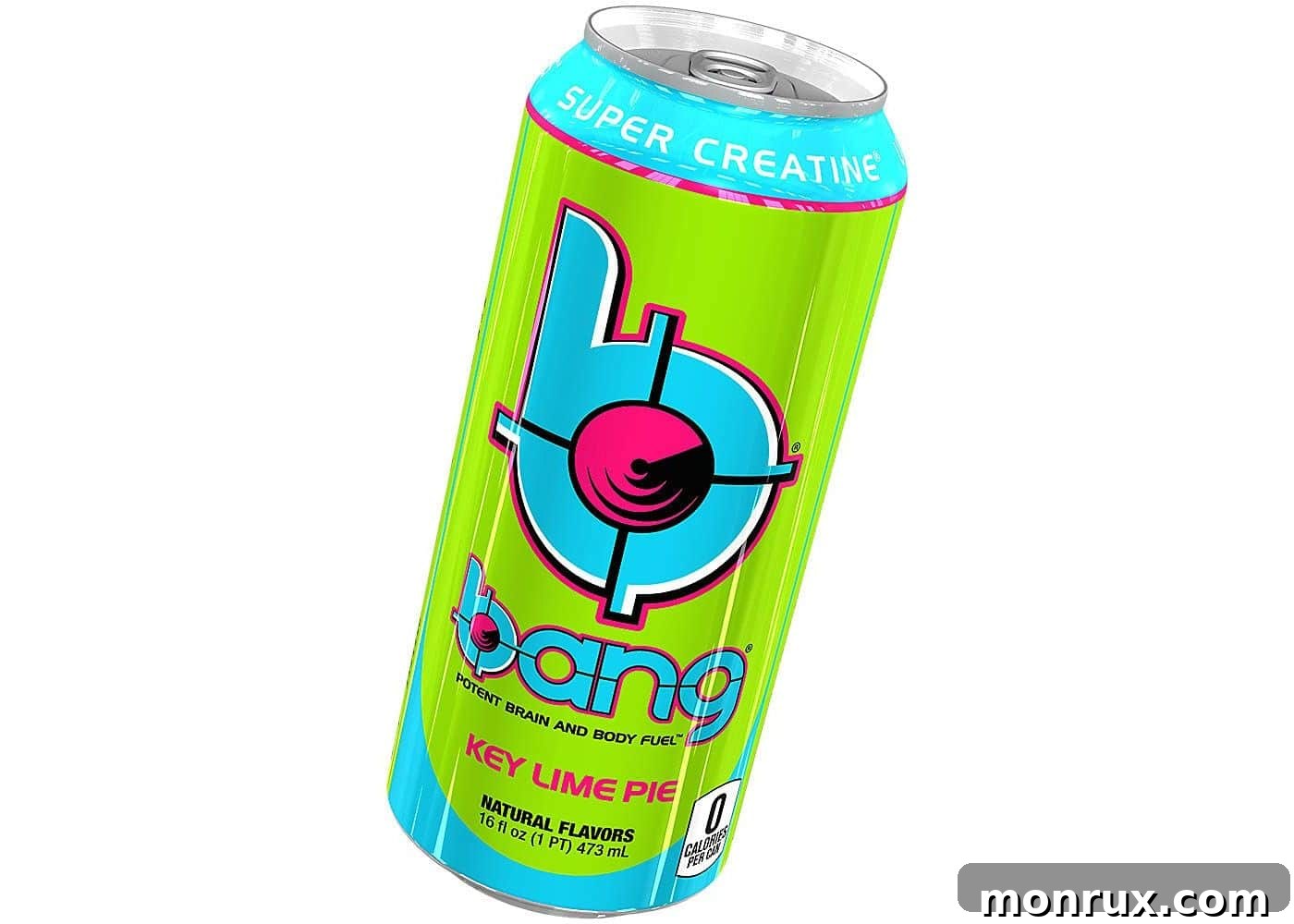
Are Bang Energy Drinks Bad For You? An In-Depth Nutritional Review
In the vibrant world of energy drinks, Bang Energy has carved out a significant niche, promising explosive energy and enhanced performance without the sugar crash. But with a growing awareness of what we put into our bodies, a critical question arises: Are Bang Energy drinks truly bad for you? This comprehensive article delves into the nutritional landscape of Bang Energy, meticulously examining its ingredients, potential benefits, and significant drawbacks. We aim to provide a clear, concise, and SEO-friendly analysis to help you make informed decisions about this popular beverage. For those committed to a clean eating lifestyle, understanding the highly processed nature of many energy drink ingredients is paramount.
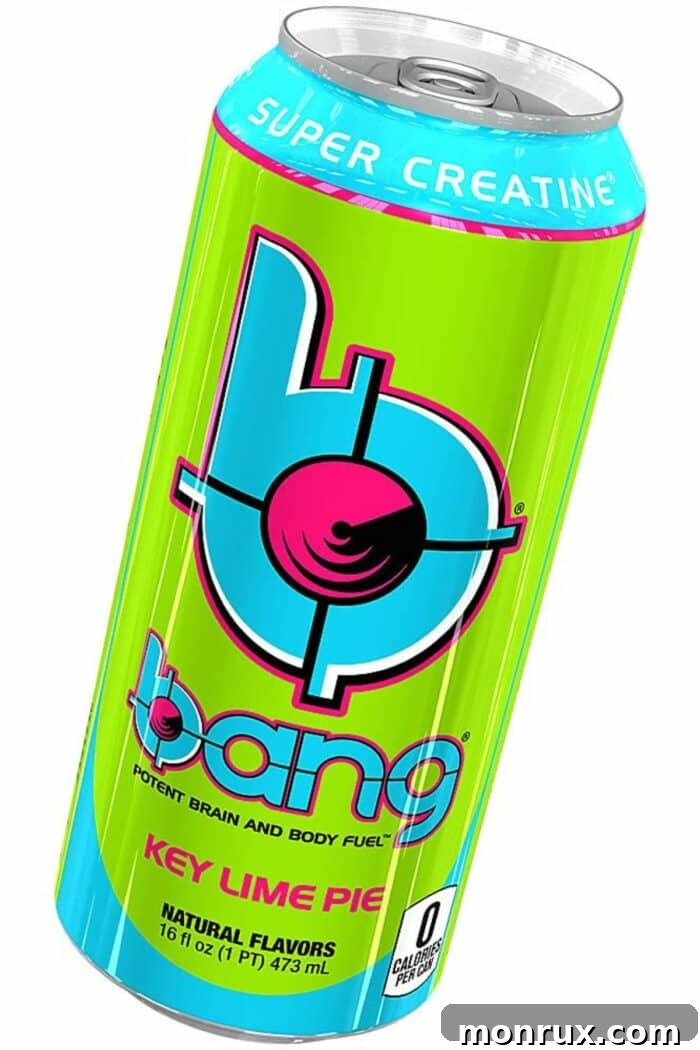
Bang Energy Drinks: An Overview
Bang Energy, a prominent brand under VPX (Vital Pharmaceuticals), was launched by Jack Owoc in 1993 with an ambitious goal: to create high-quality energy drinks and nutritional supplements backed by rigorous scientific research and extensive testing. Over the years, Bang has evolved into a global phenomenon, available in a vast array of flavors across 37 countries worldwide, establishing itself as a significant competitor to established brands like Red Bull and Monster Energy.
VPX’s portfolio extends beyond the flagship Bang line to include Redline and Meltdown energy drinks, a dedicated caffeine-free range, and VOOZ Hydration Sensation, a sports hydration drink fortified with immune-boosting properties and electrolytes. These products are specifically designed for individuals seeking an extra boost of energy, enhanced athletic performance, or improved hydration.
The appeal of Bang Energy drinks often lies in their marketing as “sugar-free” and “keto-friendly,” featuring ingredients like essential amino acids (EAAs), creatine, CoQ10, and a high dose of caffeine. However, a closer look at the nutrition label reveals a more complex picture, including carbonated water, citric acid, preservatives, sucralose, EDTA, and various B vitamins. Understanding the role and impact of each of these components is crucial for a complete health assessment.
Decoding Bang Energy’s Main Ingredients
Bang Energy drinks boast a diverse list of ingredients, a mix of compounds often lauded for their health benefits and others that raise concerns among health-conscious consumers. While natural flavors and Coenzyme Q10 are present, the inclusion of preservatives, an artificial sweetener, and a substantial amount of caffeine warrant a detailed examination. Let’s break down the typical ingredients found in a Bang Energy drink, using the popular Key Lime Pie flavor as an example:
- Carbonated Water
- Natural Flavors
- Citric Acid
- Caffeine Anhydrous
- Sodium Benzoate (Preservative)
- Potassium Citrate Monohydrate
- Sucralose
- Essential Amino Acids (L-Leucine, L-Isoleucine, L-Valine, L-Lysine, L-Threonine, L-Phenylalanine, L-Histidine, L-Methionine, L-Tryptophan)
- Potassium Phosphate Dibasic
- Vitamin C (Ascorbic Acid)
- Potassium Sorbate (Preservative)
- Magnesium Chloride
- Creatyl-L-Leucine
- Calcium Chloride
- Calcium Disodium EDTA
- Vitamin B3 (Niacinamide)
- Coenzyme Q10
- Vitamin B6 (Pyridoxine Hydrochloride)
- Vitamin B12 (Methylcobalamin)
Here’s a deeper look into some of the most prominent ingredients to help you determine if Bang Energy is a suitable choice for your health and wellness goals.
Caffeine Anhydrous
Caffeine is the primary stimulant in most Bang Energy drinks, present in a highly concentrated form known as caffeine anhydrous. With dosages typically ranging from 300 to 316 milligrams per can, Bang Energy delivers a potent jolt, comparable to approximately three cups of regular coffee. Caffeine is renowned for its ability to enhance alertness, improve concentration, and temporarily boost physical performance by stimulating the central nervous system.
While moderate caffeine intake (up to 400 mg per day for most healthy adults) is generally considered safe and may even offer health benefits like reduced risk of certain diseases, high doses can lead to adverse effects. These include nervousness, anxiety, jitters, insomnia, increased heart rate, and elevated blood pressure. For individuals sensitive to caffeine, children, adolescents, or pregnant women, this high concentration can pose significant health risks.
Sucralose: The Artificial Sweetener
Sucralose is a highly processed, chlorinated artificial sweetener used to give Bang Energy its zero-calorie, zero-sugar profile. Marketed as a healthier alternative to sugar, sucralose is controversial within the health community. While the FDA has approved its use, concerns persist regarding its long-term impact on human health.
Studies suggest that regular consumption of sucralose may have several negative implications. It has been linked to potential alterations in the gut microbiome, reducing beneficial gut bacteria essential for digestive health and overall well-being. Furthermore, some research indicates a possible association with increased inflammation, which could contribute to metabolic issues like insulin resistance and even lead to an increased risk of type 2 diabetes and obesity over time. Due to these potential risks, many health-conscious individuals choose to limit or avoid sucralose and other artificial sweeteners. It is advisable to exercise caution and consider natural alternatives to satisfy your sweet cravings.
This ingredient is also commonly found in other diet sodas and energy drinks, highlighting a broader issue within the beverage industry. For comparison, you might find my related article about the nutrition pros and cons of Sparkling Ice insightful.
Essential Amino Acids (EAAs)
Amino acids are the building blocks of protein, crucial for numerous bodily functions including muscle growth, tissue repair, and immune system regulation. There are 20 different amino acids, nine of which are classified as essential (EAAs) because our bodies cannot produce them; they must be obtained through diet. Bang Energy drinks contain a blend of EAAs, including leucine, isoleucine, valine, lysine, threonine, phenylalanine, histidine, methionine, and tryptophan.
These EAAs are vital for muscle protein synthesis, especially beneficial for athletes and those engaged in intense physical activity. L-Tryptophan, specifically, is an essential amino acid that the body converts into 5-HTP and then into serotonin, a neurotransmitter that plays a key role in regulating mood, sleep, and appetite. Research suggests L-tryptophan supplementation may help with conditions like insomnia, depression, and severe PMS.
While the inclusion of EAAs in Bang Energy is often highlighted as a benefit, it’s worth noting that a balanced diet rich in whole protein sources (like meat, poultry, fish, eggs, and certain plant-based foods such as soy) typically provides all the necessary essential amino acids. The effectiveness of consuming isolated EAAs in a beverage versus obtaining them from whole foods remains a subject of ongoing nutritional discussion.
Creatine
Creatine, specifically Creatyl-L-Leucine in Bang Energy, is an amino acid naturally produced in the body’s muscles and brain. Our liver, kidneys, and pancreas synthesize about a gram of creatine daily, and additional amounts can be obtained from dietary sources like red meat and seafood. Creatine is primarily stored in the muscles, where it plays a critical role in energy production, helping to power short bursts of high-intensity activity and supporting increases in muscle mass and strength.
Due to its proven effectiveness in enhancing athletic performance and muscle building, synthetic creatine is a popular supplement among athletes. Beyond performance, creatine has been studied for its potential to treat various health conditions, including heart, brain, and muscular disorders. It may also help regulate blood sugar levels and improve cognitive function.
Despite its benefits, it’s crucial to acknowledge that excessive consumption of creatine can lead to adverse effects. These may include muscle cramps, bloating, dehydration, unwanted weight gain, and, in rare cases, kidney or liver damage, especially if not consumed with adequate hydration or if pre-existing conditions are present. Always consult with your healthcare provider to determine if creatine supplementation is appropriate for your individual health profile.
Coenzyme Q10 (CoQ10)
Coenzyme Q10 (CoQ10) is a potent antioxidant naturally synthesized by the body, playing a fundamental role in cellular energy generation. It is vital for the proper functioning of many organs and chemical reactions in the body. CoQ10 has been associated with numerous health benefits, particularly for cardiovascular health, where it may help treat heart failure and improve overall heart function. Other potential benefits include enhanced fertility, improved skin health, and a reduction in the frequency and severity of headaches.
As we age, the body’s natural production of CoQ10 tends to decline, leading some individuals to seek supplementation. While generally safe for most healthy adults, it is always recommended to consult your healthcare provider before adding any new supplements to your routine. Your doctor can assess any potential health risks, drug interactions, or negative effects that might impact your overall health and well-being.
B Vitamins (B3, B6, B12)
Bang Energy drinks are fortified with several B vitamins, including Niacinamide (Vitamin B3), Pyridoxine Hydrochloride (Vitamin B6), and Methylcobalamin (Vitamin B12). These vitamins are essential coenzymes involved in various metabolic processes, particularly in converting food into energy. They play crucial roles in maintaining nerve function, producing red blood cells, and supporting overall cellular health.
While B vitamins are vital for energy metabolism, it’s important to recognize that they do not provide energy directly. Instead, they facilitate the processes that extract energy from carbohydrates, fats, and proteins. Many individuals in developed countries obtain sufficient B vitamins through a balanced diet, making additional supplementation potentially unnecessary unless a deficiency is present.
Preservatives (Sodium Benzoate, Potassium Sorbate) & Other Additives (EDTA)
To ensure product stability and extend shelf life, Bang Energy drinks contain preservatives like Sodium Benzoate and Potassium Sorbate. These compounds prevent the growth of bacteria, yeasts, and molds. While approved for use by regulatory bodies, preservatives are highly processed ingredients that are generally avoided by those adhering to a clean eating philosophy, as their long-term effects on human health are still a subject of ongoing research and debate.
Calcium Disodium EDTA (Ethylenediaminetetraacetic acid) is another additive found in Bang. It acts as a chelating agent, binding to metal ions that could otherwise cause discoloration or spoilage in the product. While commonly used in food and beverages, it is another example of a highly processed ingredient that contributes to the artificial nature of the drink.
The Potential Benefits of Bang Energy
Despite the concerns surrounding some of its ingredients, Bang Energy drinks do offer a few potential advantages, particularly for specific demographics:
- Zero Sugar and Low Calories: For individuals looking to reduce sugar intake or manage calorie consumption, Bang’s sugar-free and virtually calorie-free formulation is appealing. This makes it an attractive option compared to traditional sugary energy drinks.
- Performance-Enhancing Ingredients: The inclusion of essential amino acids, creatine, and a significant dose of caffeine can be beneficial for athletes or those needing a substantial energy boost for workouts or demanding tasks. EAAs support muscle recovery and growth, while creatine aids in power output.
- CoQ10 and B Vitamins: Bang contains CoQ10, an antioxidant vital for cellular energy, and B vitamins, which are crucial for metabolism. These ingredients contribute to the body’s natural energy production processes, though their impact from a single beverage is debatable given dietary intake.
- Caffeine-Free Options: Bang offers a caffeine-free range and a hydration range (VOOZ), providing alternatives for those who wish to avoid stimulants but still desire a flavorful, functional beverage.
The Significant Concerns of Bang Energy
While Bang Energy presents itself as a healthier alternative, several significant downsides warrant careful consideration:
- High Caffeine Content: Most Bang Energy drinks contain an extremely high 300-316 milligrams of caffeine per can. This level approaches the recommended daily limit of 400 mg for healthy adults in a single serving. Consuming more than one can or combining it with other caffeine sources can easily lead to exceeding safe limits, resulting in side effects such as anxiety, heart palpitations, sleep disturbances, digestive issues, and even more serious cardiovascular complications, especially in young adults and sensitive individuals. See my related article, “Is Celsius Healthy?” for another energy drink review.
- Artificial Sweeteners (Sucralose): As discussed, sucralose, while providing zero calories and sugar, is a highly controversial artificial sweetener. Its potential negative effects on gut health, metabolism, and long-term health outcomes, including links to inflammation, diabetes, and obesity risk, cannot be overlooked. Choosing natural sugar substitutes is a far healthier approach. (See my list of natural sugar substitutes for better alternatives).
- Highly Processed Ingredients: Beyond sucralose, Bang Energy contains other highly processed additives such as various preservatives (Sodium Benzoate, Potassium Sorbate) and chelating agents (Calcium Disodium EDTA). These ingredients are far from natural and conflict with the principles of clean eating, which emphasizes whole, unprocessed foods.
- Caffeine and Creatine Interaction: A lesser-known concern is the potential interaction between caffeine and creatine. Some studies suggest that the high caffeine content might decrease the effectiveness of creatine, potentially negating some of the muscle and performance benefits that consumers might seek from the creatine component.
- Lack of Holistic Nutrition: While Bang Energy includes certain beneficial compounds, it lacks the comprehensive nutritional value of whole foods. It cannot replace a balanced diet rich in vitamins, minerals, fiber, and other micronutrients essential for sustained energy and overall health.
Who Should and Should Not Drink Bang Energy?
Given the detailed analysis of Bang Energy’s ingredients and their potential effects, it’s clear that this beverage is not suitable for everyone.
Who Might Consider Bang Energy (with caution):
- Athletes or Gym-Goers: Individuals needing a pre-workout boost, who are accustomed to high caffeine intake and are looking for creatine and EAAs to support performance and recovery.
- Individuals Seeking a Sugar-Free Energy Source: Those specifically avoiding sugar and calories, provided they are aware of the artificial sweetener content and potential side effects.
- Occasional Users: Healthy adults who consume Bang Energy sparingly and are not sensitive to caffeine.
Who Should Generally AVOID Bang Energy:
- Children and Adolescents: The high caffeine content is particularly unsafe for younger individuals, potentially leading to developmental and cardiovascular issues.
- Pregnant or Breastfeeding Individuals: Caffeine intake should be severely limited or avoided during pregnancy and breastfeeding.
- Individuals with Heart Conditions: Those with heart problems, high blood pressure, or a history of arrhythmias should steer clear due to the stimulant effects of caffeine.
- People Prone to Anxiety or Sleep Disorders: High caffeine can exacerbate anxiety and significantly disrupt sleep patterns.
- Those on Certain Medications: Caffeine and other ingredients can interact with various medications, including those for heart conditions, mental health, and blood thinners.
- Anyone Sensitive to Caffeine or Artificial Sweeteners: If you experience adverse reactions to caffeine (jitters, stomach upset) or artificial sweeteners (digestive issues, headaches), Bang Energy is not for you.
- Individuals Following a Clean Eating Diet: The presence of highly processed ingredients, artificial sweeteners, and preservatives makes it unsuitable for those prioritizing whole, natural foods.
Healthy Alternatives for Sustainable Energy
Instead of relying on processed energy drinks, adopting a lifestyle that supports natural, sustainable energy levels is far more beneficial for long-term health. Here are some excellent alternatives:
- Water: Often overlooked, dehydration is a common cause of fatigue. Drinking plenty of water throughout the day can significantly improve energy levels and cognitive function.
- Coffee or Green Tea: For a natural caffeine boost, these beverages offer antioxidants and other health benefits without the artificial ingredients. Green tea provides L-theanine, which can promote calm focus.
- Balanced Diet: Fuel your body with whole, unprocessed foods. Complex carbohydrates (whole grains, fruits, vegetables), lean proteins, and healthy fats provide sustained energy release. Avoid sugary snacks and highly processed foods that lead to energy crashes.
- Adequate Sleep: Prioritize 7-9 hours of quality sleep per night. Good sleep hygiene is fundamental to energy levels, mood, and overall health.
- Regular Physical Activity: Exercise, even moderate activity like a brisk walk, can significantly boost energy, improve mood, and enhance cardiovascular health.
- Stress Management: Chronic stress drains energy. Incorporate stress-reducing practices like meditation, yoga, deep breathing exercises, or spending time in nature.
- Herbal Teas: Many herbal teas (e.g., peppermint, ginger) can be invigorating, while others (e.g., chamomile, valerian) can aid relaxation and sleep, indirectly contributing to better energy.
- Electrolyte-Rich Beverages (Homemade): If you need hydration beyond water, consider making your own electrolyte drinks with coconut water, a pinch of salt, and a squeeze of citrus, avoiding artificial colors and sweeteners.
Nutrition FAQs About Bang Energy Drinks
Even though Bang Energy drinks contain some ingredients often associated with health benefits, such as essential amino acids and CoQ10, they also include several highly processed and potentially unhealthy components like artificial sweeteners (sucralose) and preservatives. As a certified holistic nutritionist, I do not consider this a truly healthy product to consume regularly. For sustained energy and optimal health, prioritizing a healthy lifestyle and consuming real, whole foods is always a better strategy than relying on highly processed drinks or supplements.
Most Bang Energy drinks contain a very high amount of caffeine, typically ranging from 300mg to 316mg per 16-ounce can. This is equivalent to roughly three standard cups of coffee. Given that the recommended daily limit for caffeine intake for most healthy adults is 400mg, consuming even a single can of Bang puts you close to this limit. Exceeding this can lead to negative side effects such as increased heart rate, high blood pressure, anxiety, jitters, and sleep disturbances. While caffeine can enhance mental focus, moderation is key.
VPX actively markets Bang Energy drinks as both sports drinks and nutritional supplements. They are designed to provide an energy boost and contain ingredients like EAAs and creatine, which are popular in the sports nutrition community. While they can provide a temporary energy surge, whether they are the optimal choice for sports hydration or performance compared to water, electrolyte solutions, or a balanced meal depends on individual needs and overall dietary philosophy. It’s ultimately up to the individual to decide if this product aligns with their athletic and health goals, or if a healthy lifestyle and whole-food diet are preferred for energy.
No, Bang Energy is definitely not safe for everyone. The high caffeine content makes it unsuitable for children, adolescents, and certain adult populations. For instance, pregnant and breastfeeding individuals are generally advised to significantly limit or completely avoid caffeine consumption. Individuals with pre-existing health conditions such as heart problems, high blood pressure, anxiety disorders, or sleep issues should also avoid these drinks. All adults should be fully aware of all the ingredients and their potential effects, and if they choose to consume Bang Energy, they should do so with extreme moderation and after consulting a healthcare professional.
No, Bang Energy drinks do not contain any sugar, so you will not experience a typical “sugar crash” associated with high-sugar beverages. However, it’s crucial to understand that they are sweetened with sucralose (and sometimes acesulfame potassium). While these artificial sweeteners don’t cause a direct sugar crash, they may have their own adverse effects on your health over time, potentially impacting gut health and metabolic responses. Some individuals also report a “crash” feeling after the intense caffeine wears off, which is different from a sugar crash but still an energy dip.
Yes, the high caffeine content in Bang Energy drinks can lead to physical dependence. Regular consumption of such high doses of caffeine can result in withdrawal symptoms like headaches, fatigue, irritability, and difficulty concentrating if you suddenly stop. While not an addiction in the same sense as illicit drugs, it is a significant dependence that can be challenging to break. It’s always best to consume caffeine in moderation and be mindful of your intake.
More Product Reviews You Might Like
Final Conclusion: Is Bang Energy Bad For You?
In conclusion, while Bang Energy drinks offer enticing features like zero sugar, the inclusion of essential amino acids, creatine, and CoQ10, they also come with significant caveats. The high caffeine content poses a risk for adverse effects, especially for sensitive individuals and regular consumers. The reliance on sucralose, a controversial artificial sweetener, along with other highly processed ingredients and preservatives, detracts from any claims of being a truly “healthy” beverage.
For those committed to a clean eating lifestyle, Bang Energy drinks are not recommended. The artificial nature of many of its components, coupled with the potential health risks associated with high caffeine and artificial sweeteners, positions it far from a wholesome choice. While a temporary energy boost might be appealing, prioritizing a healthy lifestyle, adequate sleep, regular physical activity, and a nutrient-rich, whole-food diet remains the most effective and sustainable path to genuine vitality and well-being. Always consult with a healthcare professional regarding your dietary choices and any concerns about energy drinks or supplements.
Don’t forget to join my newsletter list to get exclusive clean eating recipes and tips. The newsletter is 100% free with no spam; unsubscribe anytime.
About the Author: Carrie Forrest has a master’s degree in public health with a specialty in nutrition and is a certified holistic nutritionist. She is a top wellness and food blogger with over 5 million annual visitors to her site. Carrie has an incredible story of recovery from chronic illness and is passionate about helping other women transform their health. Send her a message through her contact form.
Note: this post is for informational purposes only and is not intended as medical advice. Please consult your healthcare provider for recommendations related to your individual situation.