Welcome to your ultimate guide to vegetables that start with the letter H! Whether you’re a seasoned chef seeking fresh culinary inspiration, a health enthusiast looking to diversify your diet, or simply trying to win your next word game, this comprehensive list has everything you need. From common staples to exotic finds, we’ll explore their unique flavors, nutritional benefits, and interesting facts. Prepare to expand your vegetable vocabulary and discover new favorites that will enrich your meals and boost your health.
Vegetables That Start with H (Short List)
For those in a hurry or simply seeking a quick reference, here’s a concise list of vegetables beginning with the letter H. Use this for quick checks, grocery lists, or your next round of trivia!
- 1. Habanero pepper
- 2. Habek mint
- 3. Hamburg parsley
- 4. Haricot beans
- 5. Hass Avocado
- 6. Heart Pea
- 7. Hearts of Palm
- 8. Heirloom Tomatoes
- 9. Hijiki
- 10. Hispi Cabbage
- 11. Hokkaido Squash
- 12. Hongo Mushroom
- 13. Hops
- 14. Horse Bean
- 15. Horse Gram
- 16. Horseradish
- 17. Hot Biscuits Amaranth
- 18. Hungarian black pepper
- 19. Hungarian wax pepper
- 20. Hyacinth bean
Vegetables That Start with H (Full List with Details)
Ready to dive deeper? This comprehensive list expands on each H-starting vegetable, offering insights into their origins, distinct flavors, culinary applications, and notable health benefits. Discover new ingredients that can transform your cooking and add incredible nutrients to your plate.
1. Habanero Pepper
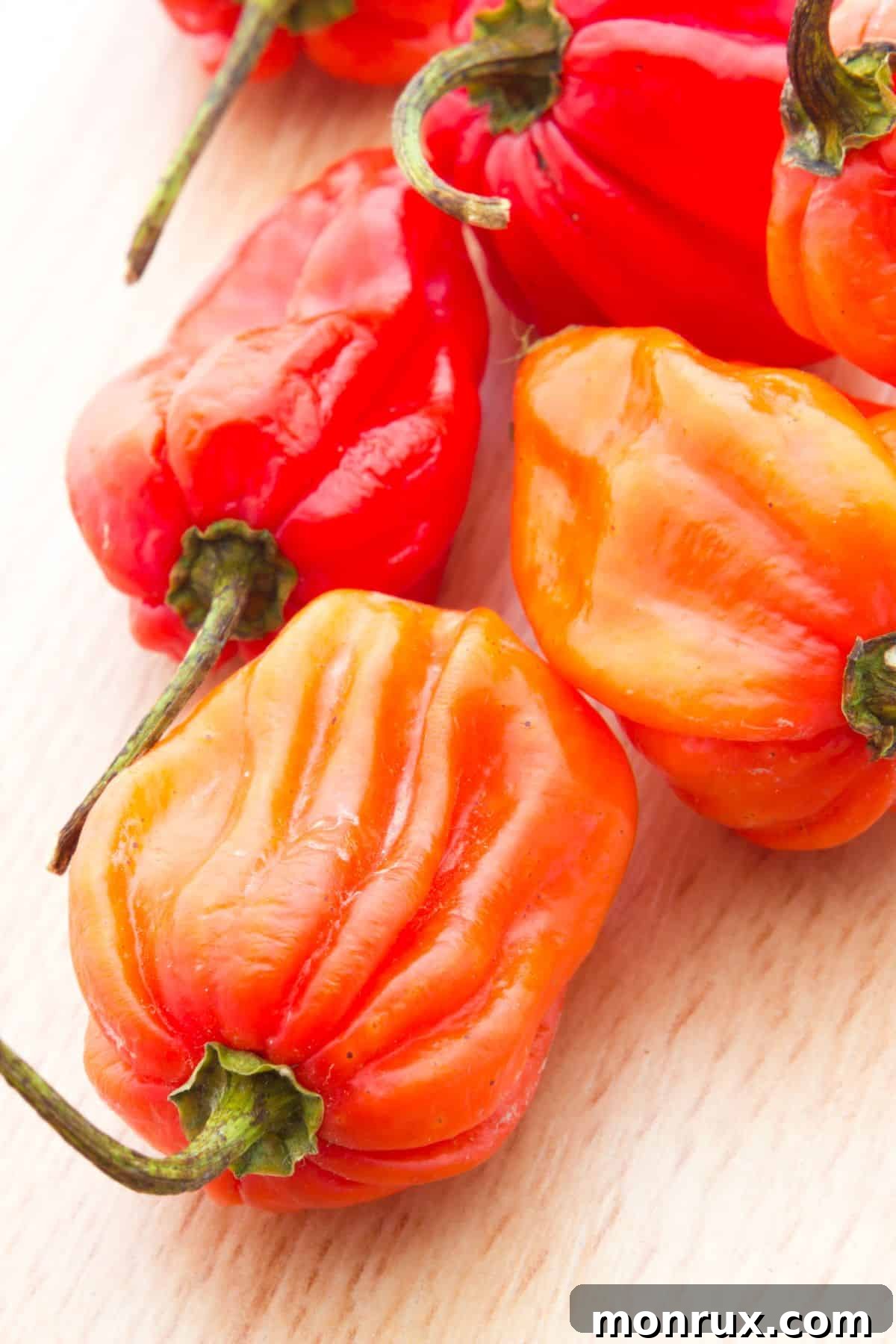
The habanero pepper is a small yet mighty chili, renowned for its intense heat and distinctive fruity, citrusy flavor with sweet undertones. Native to the Amazonas region of South America, these peppers typically mature from green to a vibrant orange or red, characterized by their lantern-like shape and pointed end. On the Scoville Heat Unit (SHU) scale, habaneros range from 100,000 to 350,000, making them significantly hotter than jalapeños. Beyond their fiery kick, habaneros are an excellent source of vitamin C and antioxidants, supporting immune health. They are popular in hot sauces, salsas, marinades, and Caribbean cuisine, adding a complex heat and aroma.
2. Habek Mint
Habek mint, also known as Egyptian mint (Mentha longifolia subsp. schimperi), is a fragrant herb native to the Mediterranean region. This perennial plant features small, delicate purple flowers and narrow, serrated green leaves. The leaves possess a slightly bitter taste followed by a refreshing, cooling aftertaste, distinguishing it from more common mint varieties. Traditionally, Habek mint is used to flavor teas, adding a unique aromatic depth, and can also be incorporated into salads, meat dishes, and even desserts for a distinctive herbal note. It’s cherished for its digestive properties and refreshing aroma.
3. Hamburg Parsley
Hamburg parsley, or root parsley (Petroselinum crispum tuberosum), is a unique variety of parsley primarily cultivated for its edible taproot, which resembles a parsnip, rather than just its leaves. Originating from Hamburg, Germany, this versatile vegetable offers a mild, earthy flavor that is a cross between parsley and celery, making it distinct from standard flat-leaf or curly parsley. Both its root and leaves are edible; the leaves can be used fresh as a garnish or seasoning, while the root is excellent roasted, boiled, or added to soups and stews, providing a subtle, aromatic depth. It’s a good source of vitamins C and K.
4. Haricot Beans
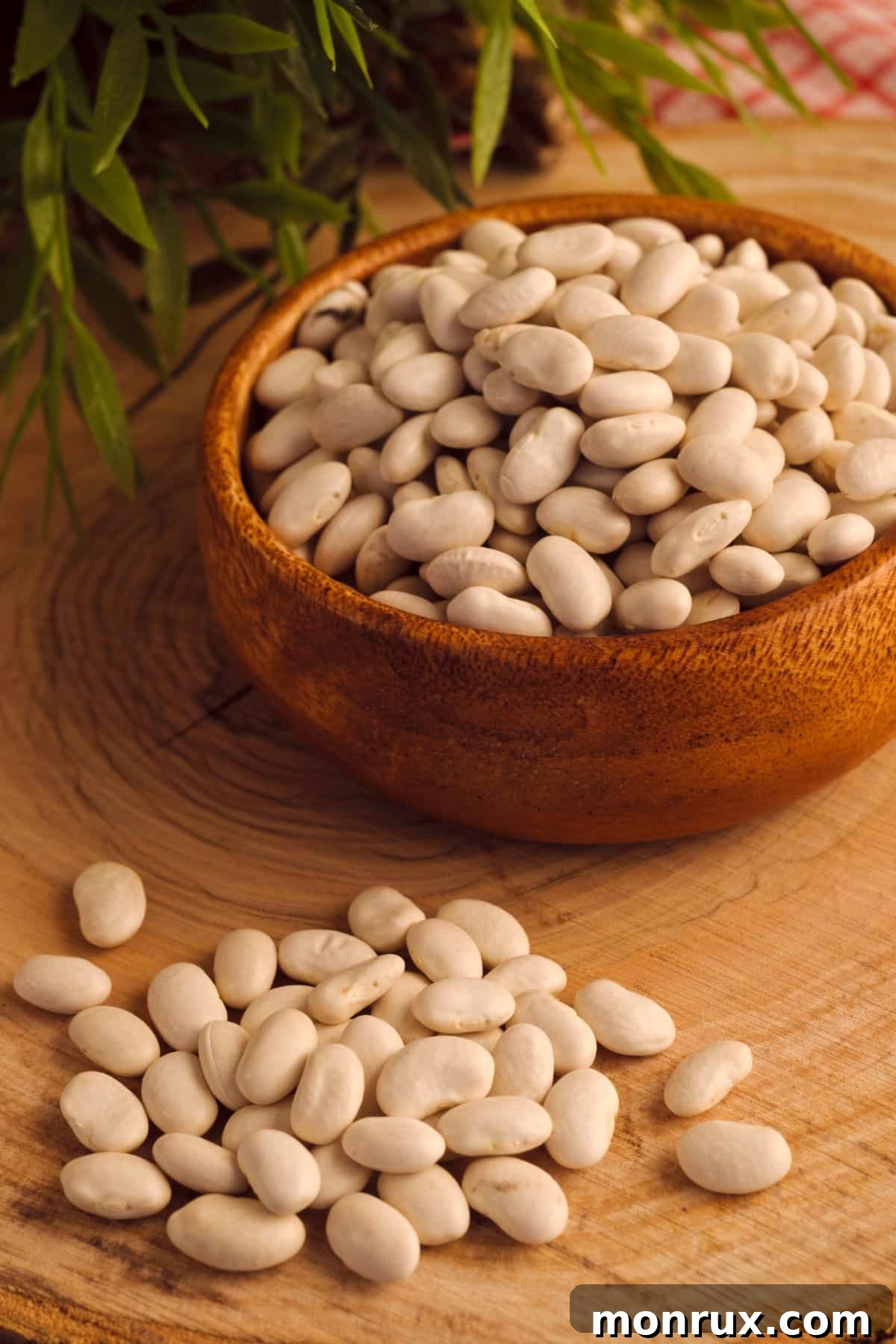
Haricot beans, famously known as navy beans in North America, are a small, white, kidney-shaped common bean (Phaseolus vulgaris). These versatile legumes are believed to have originated in Central and South America. They possess a mild, delicate flavor and a creamy texture when cooked, making them a popular ingredient in a myriad of dishes worldwide. Haricot beans are the star of classic dishes like Boston baked beans and French cassoulet. They are an excellent source of plant-based protein, dietary fiber, and various minerals like iron and magnesium, contributing to satiety and digestive health.
5. Hass Avocado
Often perceived as a vegetable, the Hass avocado is botanically a fruit, specifically a single-seeded berry. Originating in La Habra, California, this popular variety is now extensively grown in California, Mexico, and Peru. Characterized by its rough, bumpy, dark green to black skin when ripe, the Hass avocado boasts creamy, yellowish-green flesh with a rich, nutty flavor. It’s celebrated for its healthy monounsaturated fats, which are beneficial for heart health, as well as being a good source of fiber, potassium, and vitamins K, C, B6, and E. Its versatile flesh is perfect in salads, guacamole, smoothies, or even unique desserts like chocolate avocado ice cream.
6. Heart Pea
The Heart Pea, or Winged Bean (Psophocarpus tetragonolobus), is a fascinating tropical legume native to New Guinea. While the original text implies a heart-shaped pea, the common “Heart Pea” in botanical contexts usually refers to the winged bean, particularly its seeds, which can be somewhat heart-shaped in cross-section. All parts of the winged bean plant are edible: the pods, leaves, flowers, and tuberous roots. The young pods are often consumed as a vegetable, offering a nutty flavor and crunchy texture. They are rich in protein, vitamins A and C, and iron, making them a highly nutritious food in many Southeast Asian cuisines.
7. Hearts of Palm
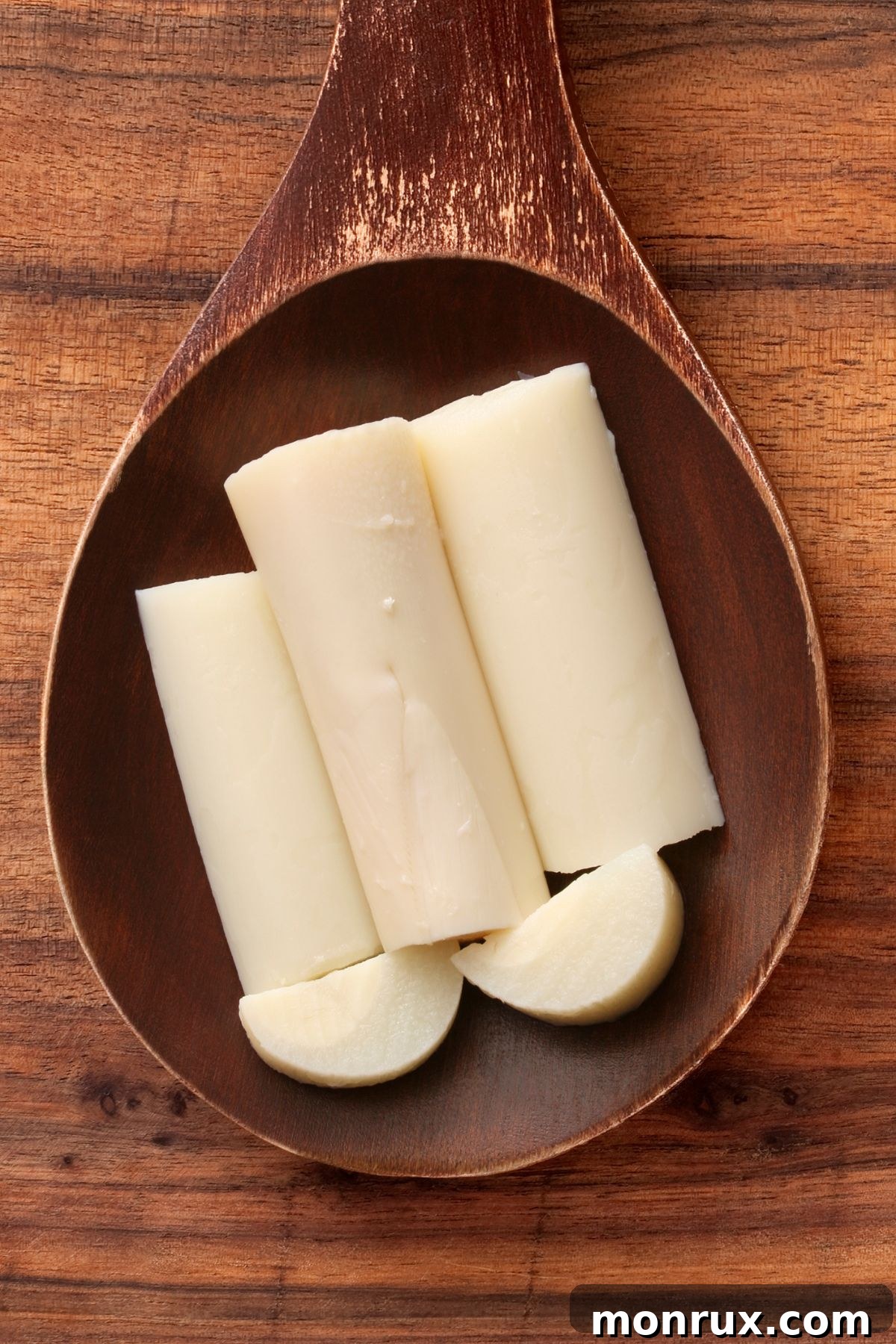
Hearts of palm, also known as palmito, is a delicate and versatile vegetable harvested from the inner core of certain palm trees, predominantly from species like coconut, peach, or açaí palm. It has a distinctive long, white, cylindrical shape and a mild, slightly nutty, and subtly sweet flavor, often compared to artichoke hearts. Hearts of palm are a fantastic source of fiber, potassium, and vitamin C, while being low in calories. They are typically used raw in salads, marinated, or added to stir-fries. Innovative culinary uses also include making low-carb pasta alternatives, offering a healthy and unique twist to many dishes.
8. Heirloom Tomatoes
Heirloom tomatoes are non-hybrid varieties typically grown from seeds that have been passed down through generations, often for over 50 years, ensuring genetic purity and unique characteristics. Cultivated globally, these tomatoes come in an astounding array of colors—from vibrant reds and yellows to deep purples, oranges, and even stripes—and vary significantly in size, from tiny cherry types to massive beefsteaks. Unlike commercial varieties bred for uniformity and shelf life, heirlooms are prized for their exceptional, complex, and sweet-tart flavors. While botanically fruits, they are almost universally regarded and used as vegetables in culinary contexts. They are rich in vitamins C and K, potassium, and the antioxidant lycopene, making them a healthy addition to salads, sandwiches, and sauces.
9. Hijiki
Hijiki (Sargassum fusiforme) is an edible brown seaweed predominantly found along the coastlines of Japan, Korea, and China. This sea vegetable is characterized by its long, thin, wiry black strands and a distinctive slightly sweet, earthy flavor. When cooked, hijiki softens to a chewy, al dente texture, reminiscent of fine pasta. It’s a staple in Japanese cuisine, commonly rehydrated and simmered with soy sauce, mirin, and vegetables to create a savory side dish, or added to salads and rice preparations. Hijiki is celebrated for its high nutritional value, being an excellent source of dietary fiber, calcium, iron, and iodine, essential for thyroid health. Proper preparation usually involves soaking and rinsing to reduce naturally occurring inorganic arsenic levels.
10. Hispi Cabbage
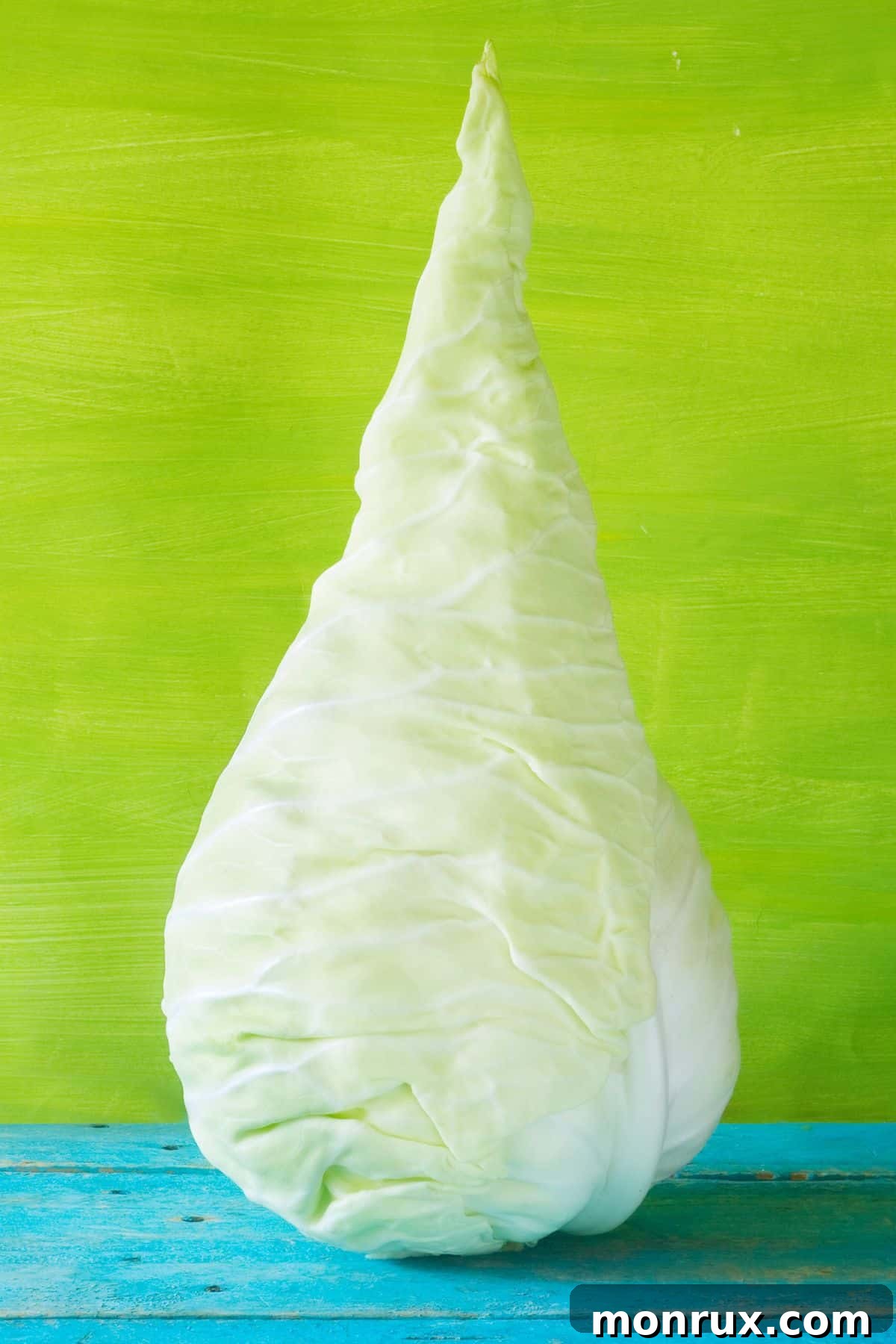
Hispi cabbage, also known as pointed cabbage or sweetheart cabbage, is a distinctive and highly regarded variety grown primarily in the United Kingdom and parts of Europe. This cabbage forms small, dense, conical heads with tender, loose-leafed leaves, unlike the tightly packed leaves of round cabbages. Its flavor is notably sweeter and nuttier than other cabbage types, with a remarkably tender texture that requires minimal cooking. Hispi cabbage can be enjoyed raw in slaws, quickly stir-fried, steamed, grilled, or braised. Its delicate flavor makes it a versatile ingredient, perfect for a variety of dishes, and it provides a good source of vitamins C and K.
11. Hokkaido Squash
Hokkaido squash, often referred to as Red Kuri squash or Orange Hokkaido, is a visually appealing and flavorful winter squash variety native to Japan. It stands out with its striking dark green or bright orange-red skin and dense, creamy white to yellow flesh. Small in size, typically 10-15 cm in diameter, this squash boasts a wonderfully sweet and nutty flavor, often likened to a chestnut puree, and a smooth, floury texture when cooked. It’s incredibly versatile, excellent for roasting, baking, pureeing into soups or pies, and can even be stuffed. Hokkaido squash is a good source of beta-carotene (a precursor to vitamin A), vitamin C, and dietary fiber.
12. Hongo Mushroom
The term “Hongo mushroom” can broadly refer to various fungi, but in a culinary context, it might be a regional or less common name. Generally, edible mushrooms are saprophytic or parasitic fungi that grow on trees or decaying organic matter, often found in subtropical and tropical regions. If referring to a specific edible variety by this name, it would typically be characterized by a brown or black cap, often with distinctive markings, and a stem. Mushrooms are highly valued for their earthy umami flavor and unique textures. They are low in calories and provide B vitamins, selenium, and dietary fiber, contributing to a healthy diet. Always ensure proper identification before consuming any wild mushroom.
13. Hops
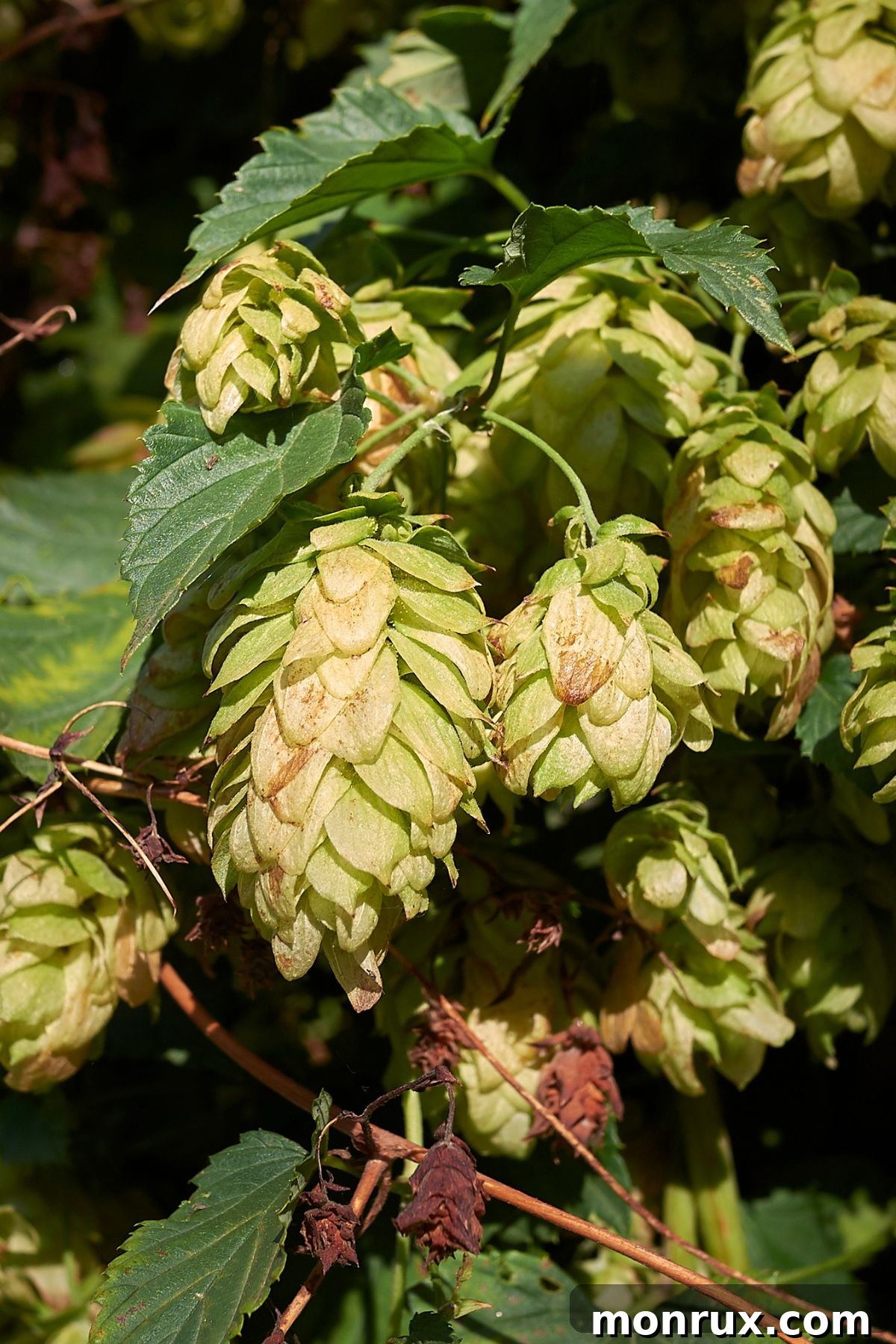
Hops (Humulus lupulus) are not typically consumed as a standalone vegetable, but the young shoots of the hop plant are indeed edible and considered a delicacy, particularly in some European cuisines. However, the most renowned use of hops involves the female flowers (cones) in brewing beer, where they impart bitterness, flavor, and aroma. Beyond brewing, hops have a long history in herbal medicine for their medicinal properties, particularly as a mild sedative to aid sleep and manage anxiety. The plant is native to Europe, Asia, and North America, and its young shoots can be lightly cooked, similar to asparagus, offering a unique bitter-green flavor.
14. Horse Bean
Horse beans, more commonly known as fava beans or broad beans (Vicia faba), are large, kidney-shaped legumes cultivated globally, with origins tracing back to parts of Asia, Africa, and Europe. These substantial beans have a distinct, slightly bitter, earthy flavor and a firm, meaty texture when cooked. They are typically harvested and shelled from their thick pods, then blanched to remove their outer skin before consumption. Fava beans are highly nutritious, packed with plant-based protein, dietary fiber, folate, and manganese. They are a versatile ingredient, used in stews, salads, purees, and as a hearty side dish in Mediterranean, Middle Eastern, and Asian cuisines.
15. Horse Gram
Horse gram (Macrotyloma uniflorum) is a small, nutrient-dense legume primarily cultivated in India and Pakistan, especially in arid and semi-arid regions due to its drought resistance. These tiny, dark brown or black beans are celebrated for their strong, earthy flavor and a chewy texture when cooked. Horse gram is a staple in traditional Indian cuisine, commonly used in soups (rasam), curries, dals, and sprouts. It is considered one of the most protein-rich legumes on the planet, also boasting high levels of calcium, iron, and dietary fiber. Due to its robust nutritional profile, horse gram is often recommended for its potential health benefits, including weight management and blood sugar control.
16. Horseradish
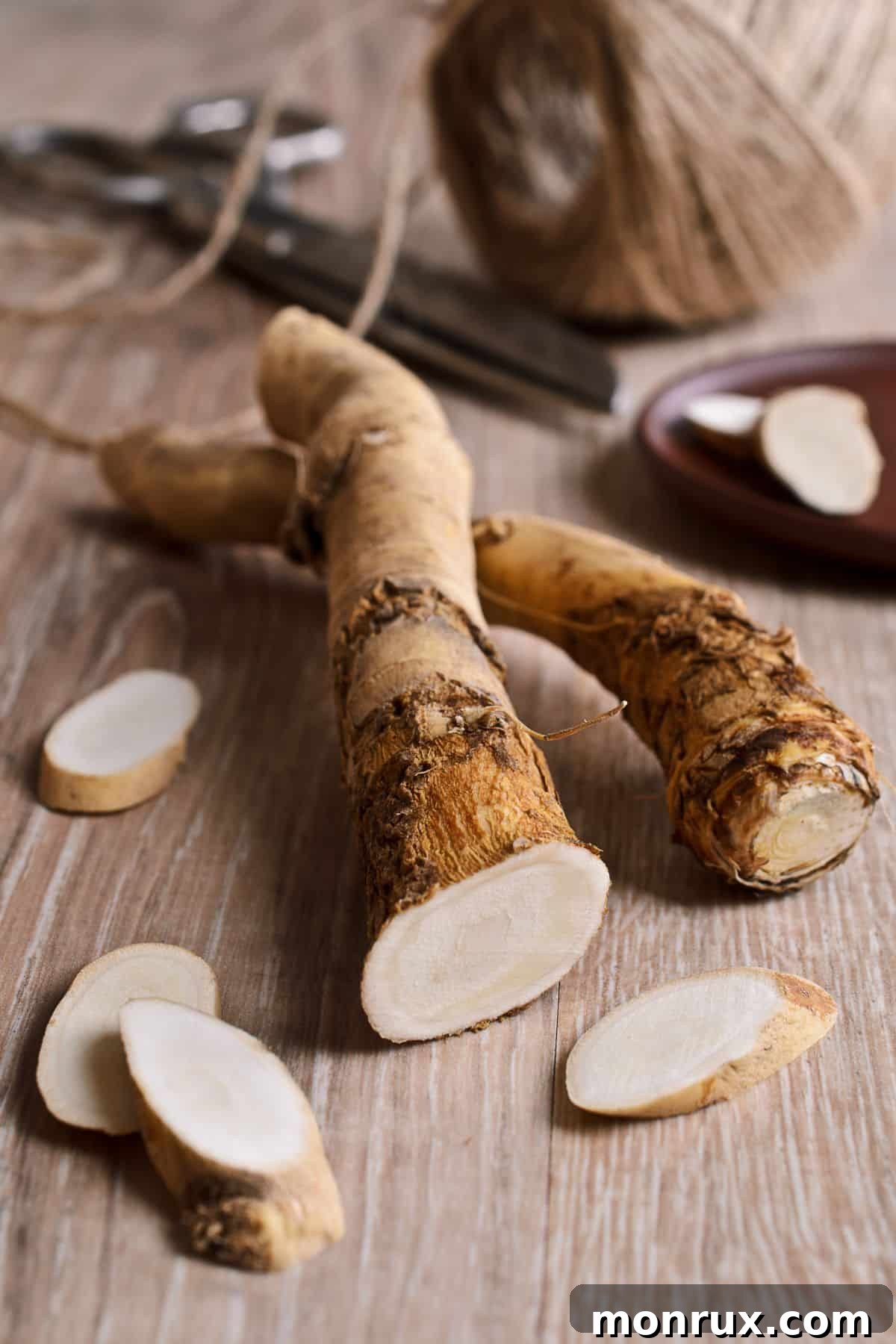
Horseradish (Armoracia rusticana) is a pungent root vegetable belonging to the mustard family, widely cultivated in Europe, Asia, and North America. The plant itself is bushy, but it’s the large, fleshy, white root with its brownish-red skin that is primarily consumed. When grated or chopped, horseradish releases powerful volatile oils, producing an intensely pungent, spicy, and sharp flavor that clears the sinuses – often described as a hot, sour taste. It’s rarely eaten raw in large quantities but is famously used as a condiment or spice, particularly to accompany roast beef, prime rib, or smoked fish. Horseradish also offers vitamin C, folate, and potassium, and has historical uses in traditional medicine.
17. Hot Biscuits Amaranth
Amaranth refers to a group of versatile plants (Amaranthus species) native to South America and cultivated worldwide. While “Hot Biscuits Amaranth” might refer to a specific cultivar or a food product made from amaranth, the amaranth plant itself is a vegetable. Its nutrient-rich leaves are edible and consumed as a leafy green vegetable in many cuisines, offering a mild, spinach-like flavor. The seeds of the amaranth plant are also highly nutritious, used as a pseudocereal to make flour. This flour can then be used to create various dishes, including a type of bread or “hot biscuits,” which are popular in parts of South America, often fried or baked. Both the leaves and seeds are excellent sources of protein, fiber, iron, and calcium.
18. Hungarian Black Pepper
The Hungarian Black pepper is a unique and attractive chili pepper variety native to Hungary. It typically grows as a small, round, or slightly elongated pepper, maturing from green to a glossy black before finally ripening to a deep red if left on the vine. Measuring approximately 1-2 cm in diameter, this pepper offers a moderate heat level, usually ranging from 5,000 to 10,000 Scoville Heat Units, making it comparable to a mild jalapeño. Its flavor profile is hot, pungent, and subtly fruity, making it excellent for pickling, adding to stews, or simply slicing fresh into salads for a burst of flavor and a gentle kick. Its distinctive dark color also makes it an ornamental addition to gardens.
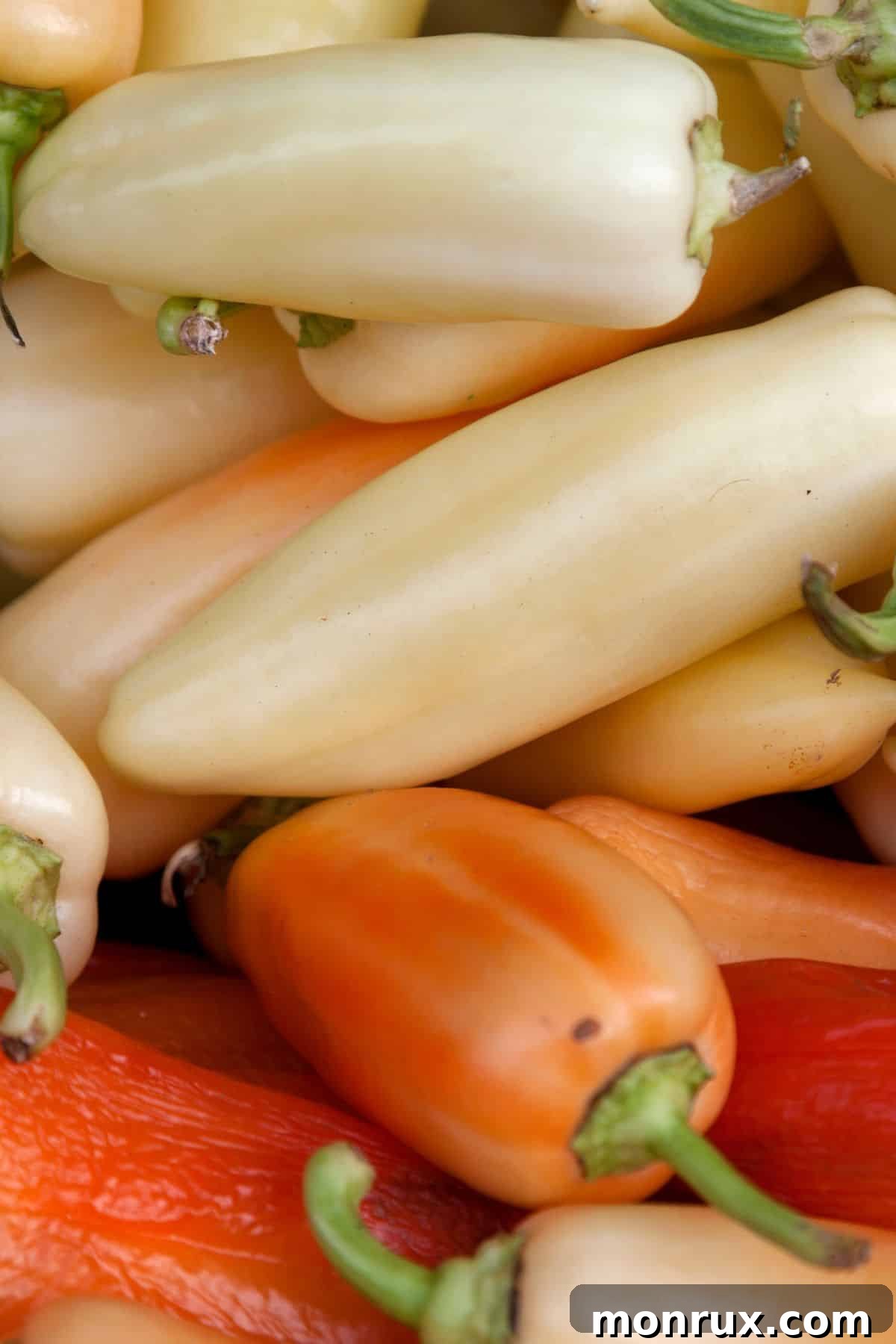
19. Hungarian Wax Pepper
The Hungarian wax pepper (Capsicum annuum ‘Hungarian Wax’) is a popular chili pepper variety known for its vibrant colors and mild to medium heat. Originating from Hungary, these peppers are typically slender and conical, with a smooth, waxy texture, transitioning from pale yellow to orange, and eventually red as they mature. Their heat level ranges from 1,000 to 15,000 Scoville Heat Units, offering a pleasant warmth without being overpowering. Hungarian wax peppers are prized for their sweet and slightly fruity flavor, making them ideal for pickling, stuffing, roasting, or incorporating into traditional Hungarian dishes like goulash and paprikash. They are also a good source of vitamins A and C.
20. Hyacinth Bean
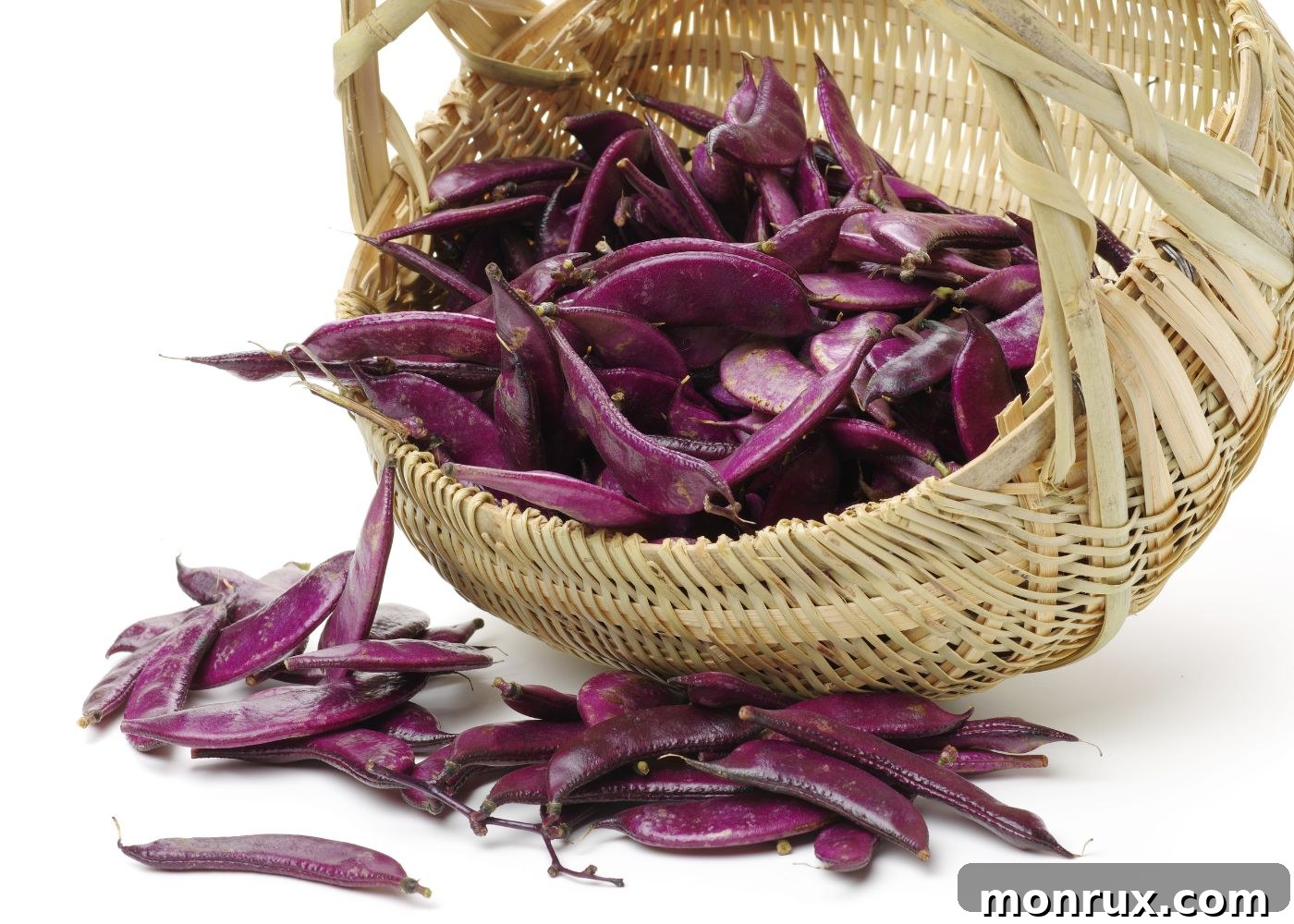
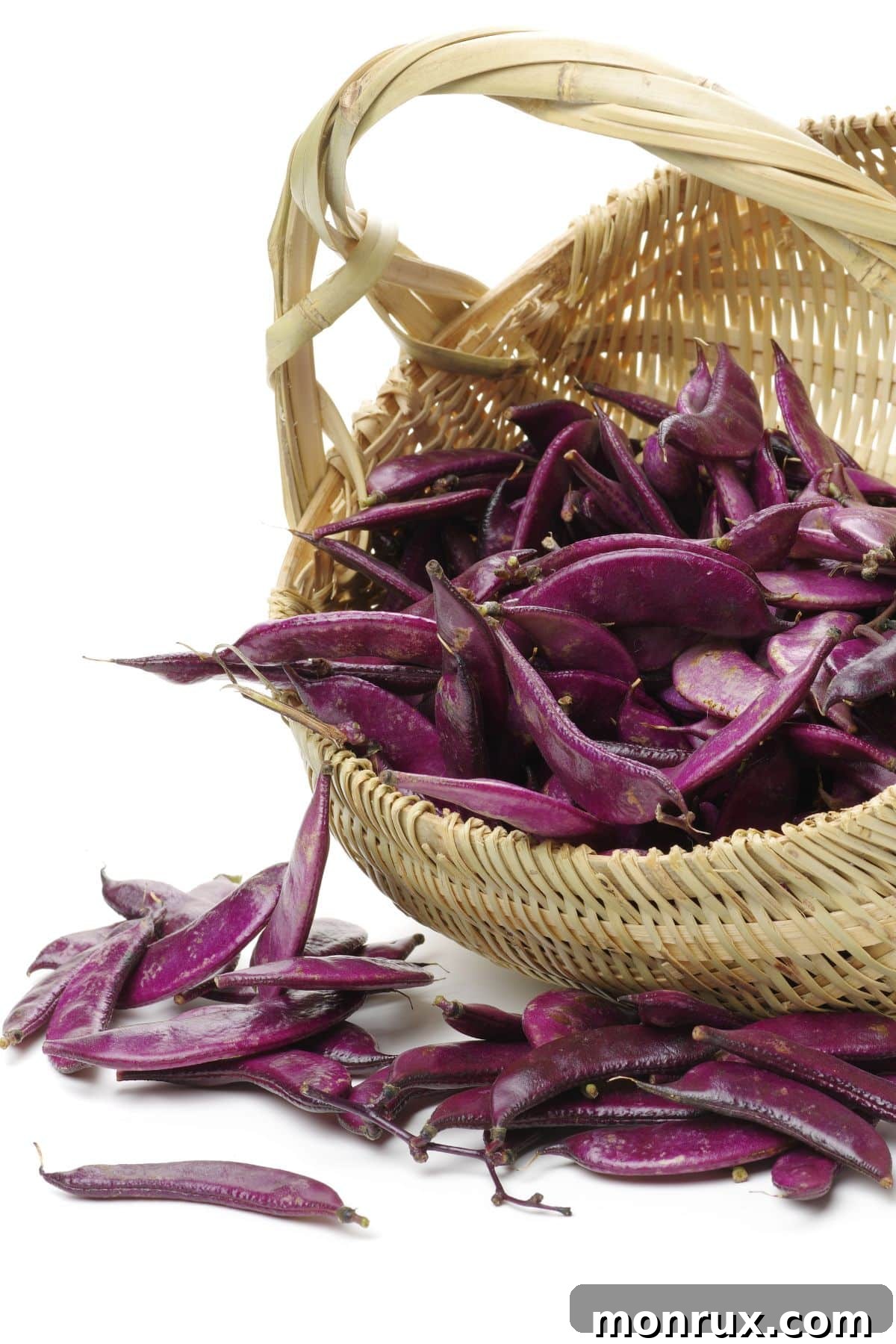
The hyacinth bean (Lablab purpureus), also known as lablab bean, Indian bean, or Egyptian bean, is a beautiful and versatile legume native to Africa and now widely cultivated in tropical and subtropical regions globally. This plant is recognizable by its stunning purple flowers and broad, flat pods that transition from green to a striking purple or reddish hue. The beans inside are typically kidney-shaped and can be green or purple. When young, the pods and beans can be eaten fresh, offering a nutty flavor and a firm texture, suitable for stir-fries, curries, and salads. Mature dried beans also need to be cooked thoroughly. Hyacinth beans are rich in protein, dietary fiber, and various minerals, contributing to a balanced diet.
Bonus List: Fruits That Start with H
While our primary focus is on vegetables, it’s fun to note that the letter H also introduces us to some delightful fruits! Some popular examples include the refreshing **Hardy Kiwi Fruit**, the juicy **Honeydew Melon**, the crisp and sweet **Honeycrisp Apple**, and the unique **Himalayan Mulberry**. Each offers its own burst of flavor and nutritional benefits, proving that the letter H has much to offer to our plates. Let me know if you’d like a complete list and exploration of these fascinating H-starting fruits!
Summary: Embrace the H-List for Health and Flavor
From the fiery kick of a Habanero pepper to the delicate sweetness of Hokkaido squash, and the ancient wisdom of Horse Gram, the world of vegetables that start with the letter H is incredibly diverse and full of culinary potential. Each vegetable on this list brings its own unique flavor profile, texture, and a wealth of essential nutrients to your table. Exploring these H-starting wonders is more than just expanding your vocabulary; it’s about enriching your diet, discovering new ways to enjoy healthy eating, and infusing your meals with exciting global flavors. We hope this guide inspires you to venture into your kitchen and embrace the delicious possibilities that these remarkable vegetables offer. Who knows, you might just find your new favorite ingredient!
Don’t Miss These Other Vegetable Lists!
Don’t forget to join my newsletter list to get exclusive clean eating recipes and tips directly in your inbox. The newsletter is 100% free with no spam; you can unsubscribe anytime.
About the Author: Carrie Forrest holds a master’s degree in public health with a specialization in nutrition and is a certified holistic nutritionist. She is a prominent wellness and food blogger, attracting over 5 million annual visitors to her site. Carrie shares an inspiring story of recovery from chronic illness and is deeply passionate about empowering other women to transform their health journeys. You can connect with her through her contact form.