
Air Fryer Pros and Cons: The Ultimate Guide to This Popular Kitchen Appliance
Air frying has swiftly transitioned from a kitchen novelty to one of the most talked-about cooking trends worldwide. Its promise of crispy, “fried” food with significantly less oil has captivated health-conscious cooks and busy households alike. But beyond the hype, is an air fryer truly a worthy investment for your kitchen? Is air frying safe, and what are the actual benefits and drawbacks of this versatile appliance? This comprehensive guide delves into the detailed Air Fryer Pros and Cons, offering an in-depth review to help you make an informed decision about whether it’s time to add an air fryer to your culinary arsenal.

Basics of Air Frying: Understanding the Technology
At its core, an air fryer is a compact countertop convection oven. Unlike traditional deep frying, which submerges food in hot oil, an air fryer works by rapidly circulating superheated air around your food. A powerful fan within the appliance ensures this hot air is distributed evenly and consistently, creating a high-heat environment that cooks food quickly and efficiently.
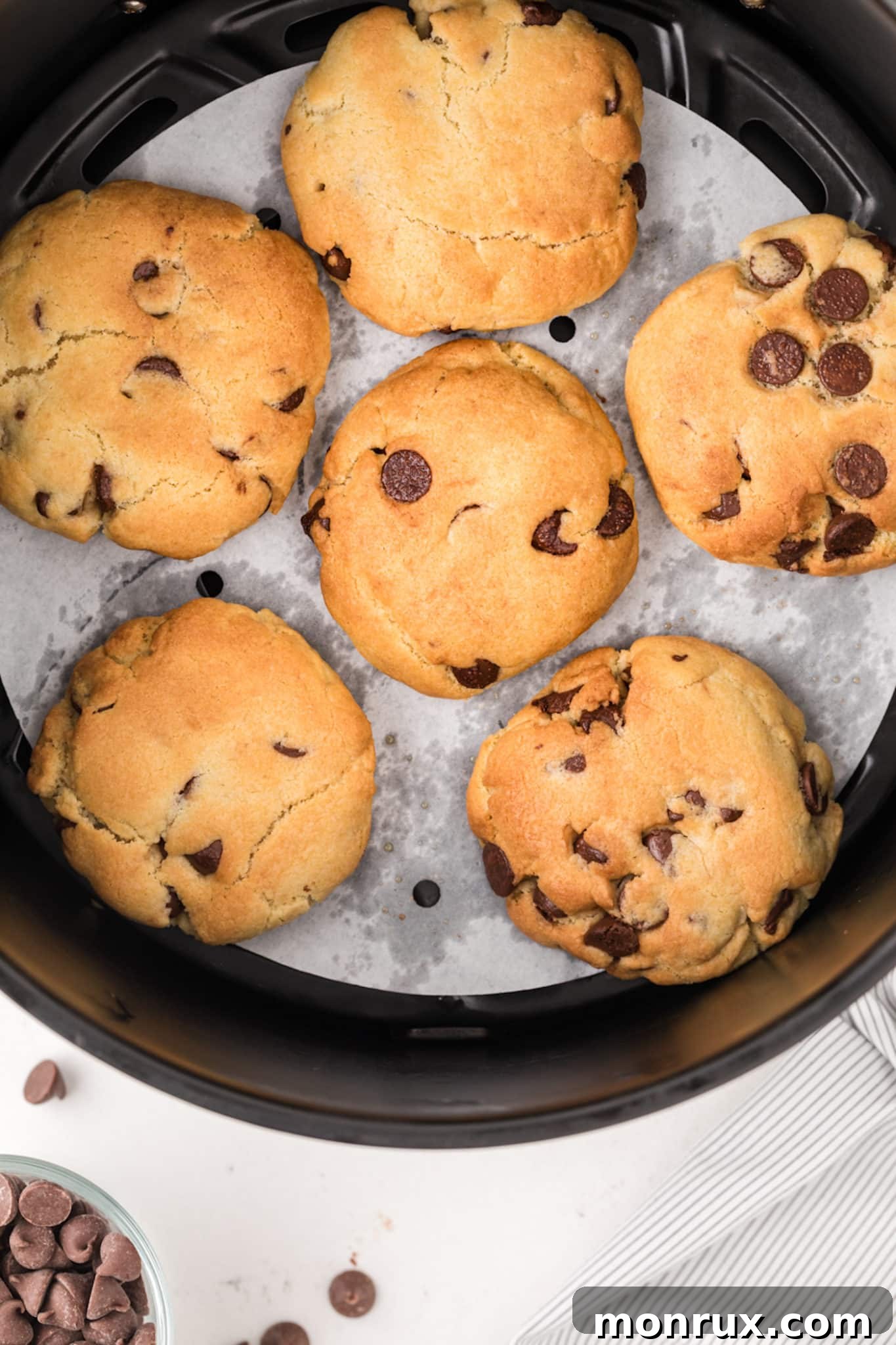
This convection heating mechanism is crucial for achieving that coveted crispy texture. The intense circulation of hot air promotes the Maillard reaction, a chemical process that occurs between amino acids and reducing sugars in food when heated. This reaction is responsible for the browning and flavorful crust on many cooked foods, from the golden-brown exterior of oven-roasted vegetables to the rich, savory char on a perfectly seared steak. In an air fryer, this reaction is supercharged, leading to surprisingly similar results to deep frying but with a mere fraction of the oil. This scientific principle is what allows an air fryer to create crispy fries, tender chicken wings, and even freshly baked air fryer cookies with a satisfying crunch, mimicking the texture of traditionally fried dishes.
Modern air fryers come in various designs, including basket-style models perfect for single-layer cooking and oven-style units that offer more capacity and versatility, sometimes even including rotisserie functions. Regardless of the style, the fundamental technology remains the same: harness the power of circulating hot air to deliver delicious, healthier results.
Pros of Air Frying: Unpacking the Benefits
The rise in popularity of air fryers is certainly no accident. Many users report significant advantages that make this appliance a game-changer in their kitchens. Let’s explore the key benefits that draw so many people to air frying.
1. Quick and Efficient Cooking
One of the most compelling reasons to embrace an air fryer is its remarkable speed and efficiency. Compared to a conventional oven, an air fryer can reduce cooking times by an impressive 30% to 50%. This significant time-saving is due to its smaller cooking chamber and powerful convection fan, which concentrates heat and circulates it more effectively around the food.
For example, while baking sweet potato cubes in a large oven might demand up to 35 minutes, an air fryer can transform them into perfectly tender, slightly crispy Air Fryer Sweet Potato Cubes in as little as 12 minutes. This rapid cooking capability is invaluable for individuals and families with busy schedules, allowing them to get delicious, home-cooked meals on the table much faster than traditional methods. Furthermore, many air fryer models require minimal to no preheating, further cutting down on overall preparation time and energy consumption.
2. Cost-Effective and Accessible
Investing in a new kitchen appliance often comes with a hefty price tag, but air fryers stand out for their relative affordability. Most quality air fryer models are available for under $100, making them an accessible option for almost any budget. This makes air fryers a fantastic entry point for individuals looking to upgrade their cooking capabilities without the significant financial commitment of a full kitchen overhaul or a new built-in oven.
Their reasonable price point means you can equip a basic kitchen or enhance an existing one for a fraction of the cost of larger appliances. For students, young professionals, or anyone on a tight budget, an air fryer offers incredible value, delivering versatile cooking functionality without breaking the bank. Explore options with my curated list of the best air fryers under $100.
3. Ideal for Small Spaces and Mobile Lifestyles
While air fryers can be somewhat bulky – often around twice the size of a standard coffee maker – their compact nature compared to a full-sized oven makes them remarkably suitable for specific living situations. They fit comfortably in smaller kitchens, dorm rooms, RVs, or even offices where a conventional oven might not be feasible or available. This makes them a perfect solution for college students, campers, or anyone living in an apartment with limited kitchen amenities.
An air fryer can effectively function as a primary cooking appliance for heating leftovers, baking small items, or preparing entire meals, offering incredible flexibility. Imagine being able to reheat a slice of pizza to perfection or cook a gourmet meal in your RV, all thanks to this versatile countertop device.
4. Keeps Your Kitchen Cool
A significant advantage, especially during warmer months, is that air fryers generate far less ambient heat than a traditional oven. While they do emit some warmth from their vents, the amount of heat radiating into your kitchen or home is negligible compared to the substantial heat output of a conventional oven.
This reduced heat output is a game-changer when you want to cook or bake during summer without turning your kitchen into an inferno. You can still prepare dishes at high temperatures, achieving crispy results, but the heat remains largely contained within the air fryer itself. This allows for comfortable cooking, helping maintain a pleasant indoor temperature and potentially reducing your air conditioning costs.
5. Minimal to No Preheating Required
Anyone who has waited patiently for a conventional oven to reach its target temperature knows how much time this step can consume – often 15 to 20 minutes or even longer. A major benefit of many air fryer models is the ability to bypass this preheating step entirely, or at least significantly shorten it.
If your specific air fryer does recommend preheating, it typically only takes about 3-5 minutes, a fraction of what a standard oven requires. This feature drastically cuts down on overall cooking time, allowing for more spontaneous meal preparation and less waiting around. For those who appreciate efficiency and convenience, the near-instant readiness of an air fryer is a highly valued attribute.
6. Perfect for Smaller Batches and Portion Control
The typical air fryer basket ranges from 3 to 5 quarts, making it perfectly sized for cooking meals for one to four people. This capacity is ideal for small households, couples, or individuals who want to prepare fresh meals without an abundance of leftovers. While extra-large air fryers exist, the majority are designed with smaller portions in mind.
Furthermore, many air fryer recipes suggest cooking food in a single layer to ensure even crisping and optimal airflow, which naturally limits the quantity of food prepared at one time. This characteristic makes air fryers an excellent tool for portion control and for reducing food waste, as you only cook what you need. It’s a smart choice for those seeking efficiency and mindful eating.
7. Effortless and Healthy Vegetable Cooking
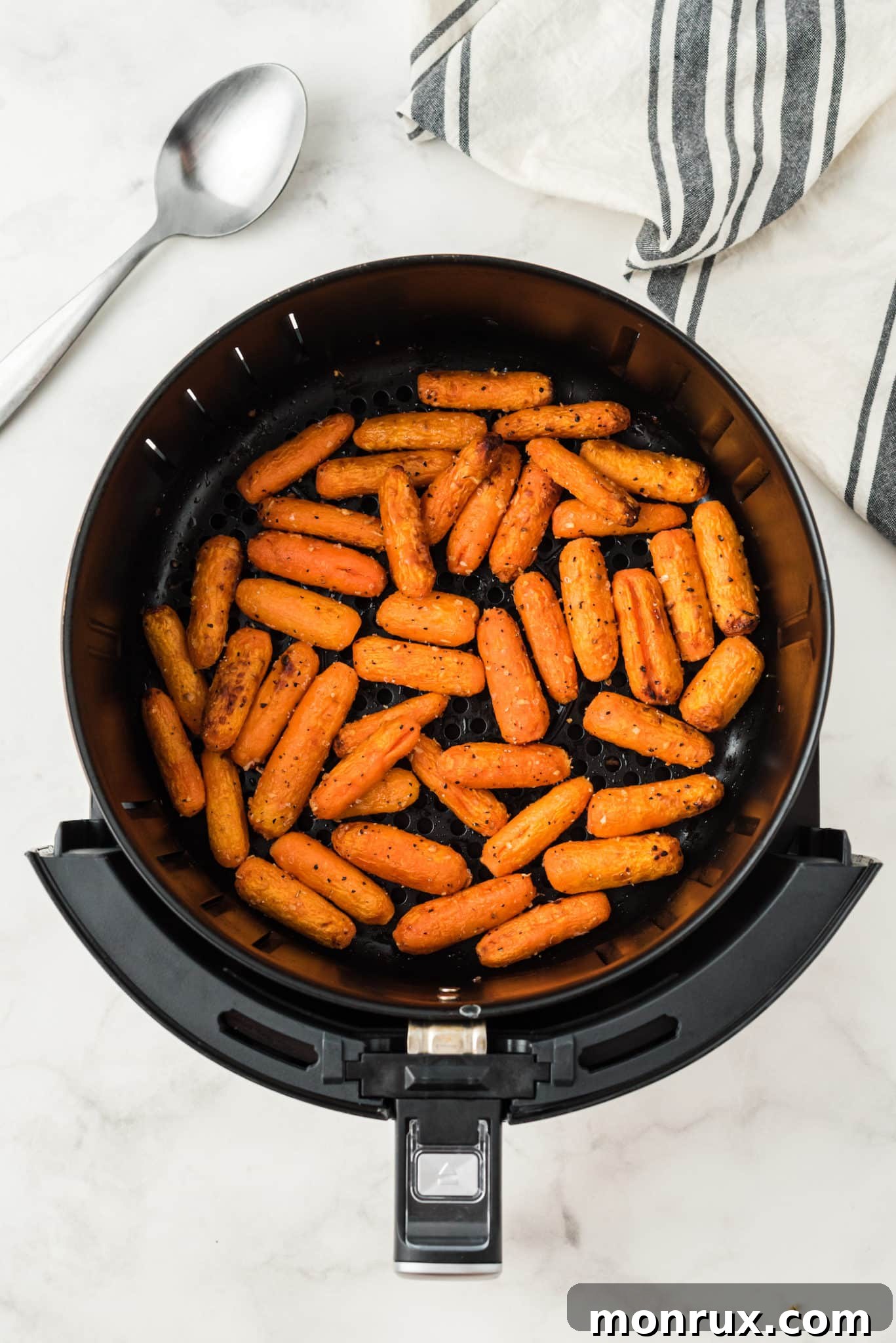
One of the standout advantages of the air fryer is its unparalleled ability to cook vegetables quickly, deliciously, and healthily. Air-fried vegetables often come out perfectly roasted, with a delightful crisp exterior and tender interior, boasting rich, concentrated flavors.
You’ll discover a world of possibilities with recipes like Air Fryer Acorn Squash, Air Fryer Frozen Brussel Sprouts, Air Fryer Kale Chips, or Air Fryer Frozen Green Beans. A key health benefit is the significantly reduced amount of oil required for air frying compared to traditional oven roasting, and especially when contrasted with deep frying. This means you can achieve that desirable crispy texture with minimal added fats, making air frying a genuinely healthier alternative for many of your favorite dishes and a valuable tool for anyone focused on clean eating. For more healthy eating tips, consider my article on the best vegetables for picky eaters.
Cons of Air Frying: Addressing the Drawbacks
While the air fryer brings numerous advantages to the modern kitchen, it’s equally important to consider its limitations and potential drawbacks. A balanced perspective allows you to make the most informed decision. Let’s explore some of the common cons associated with air frying.
1. Size and Countertop Footprint
Despite being smaller than a conventional oven, an air fryer can still be a rather bulky appliance, comparable in size to a large coffee maker or a small toaster oven. This can pose a challenge if you have limited countertop space in your kitchen. For those with already crowded counters, finding a permanent home for an air fryer might be difficult, leading to it being stored away and potentially used less frequently.
Additionally, while functionality often outweighs aesthetics for many, the design of most air fryers is purely utilitarian. They aren’t always the most visually appealing appliances, which might be a consideration if you prefer a streamlined and uncluttered kitchen aesthetic. However, if you already juggle multiple countertop gadgets like an Instant Pot, blender, and coffee maker, an air fryer might simply blend into the existing landscape.
2. Limited Serving Capacity
As highlighted in the “pros” section, the smaller batch size of most air fryers is a benefit for single users or small families. However, this becomes a distinct drawback when cooking for larger families or entertaining a group of guests. Most air fryers are designed to handle 1-4 servings at a time, making them impractical for preparing large quantities of food efficiently.
If you’re hosting a dinner party or cooking a holiday meal, you would likely need to cook in multiple batches, which can be time-consuming and disruptive to meal preparation flow. For occasions like Thanksgiving, while there are some clever air fryer Thanksgiving recipes ideal for small gatherings, a full-sized oven remains indispensable for larger roasts and multiple side dishes.
3. Potential for Acrylamide Production
Whenever starchy foods are roasted, baked, or toasted at high temperatures, there’s a possibility of forming acrylamide, a chemical that forms naturally during the Maillard reaction. This is particularly relevant when cooking foods like French fries or highly browned vegetables.
While research into the long-term health implications of dietary acrylamide is ongoing, it’s a valid concern for many. It’s important to note, however, that studies have shown air frying can produce significantly lower levels of acrylamide compared to deep frying. One study even indicated up to 90% lower acrylamide in air-fried foods. To further mitigate acrylamide formation, it’s advisable to avoid over-browning food and consider blanching starchy vegetables before air frying.
4. Requires a Learning Curve
Like any new kitchen appliance, there’s an initial learning curve associated with mastering an air fryer. Temperatures and cooking times often need to be adjusted compared to conventional oven recipes. Foods may require shaking or flipping halfway through the cooking process to ensure even browning and crispness. Experimentation with oil quantities and types is also part of the process.
While the fundamental operation of an air fryer is often simpler than complex devices like pressure cookers, getting consistently perfect results takes a bit of practice. New users will need to familiarize themselves with their specific model’s controls, understand how different foods react to the intense circulating heat, and adapt traditional recipes. However, with a few attempts, most users find the air fryer intuitive and easy to use, quickly becoming adept at achieving desired outcomes.
5. Reliance on Nonstick Surfaces
The vast majority of air fryer baskets and inserts feature a nonstick coating. This design choice contributes significantly to the ease of cleaning and allows for cooking with minimal oil, which aligns with the appliance’s healthier cooking appeal. However, some consumers have reservations about cooking with nonstick surfaces, often due to past concerns about chemicals like PFOA (which has largely been phased out in modern nonstick coatings).
Current nonstick cookware, particularly those made with PTFE (Teflon), is generally considered safe for everyday use when handled properly, as affirmed by sources like WebMD. It’s often included in lists of safest cookware materials. Nevertheless, for those who prefer to avoid nonstick coatings entirely, finding an air fryer with alternative basket materials (like stainless steel or ceramic) can be challenging, though some brands are starting to offer these options.
6. Can Be Noisy During Operation
Given that an air fryer relies on a powerful fan to circulate hot air, it’s naturally going to produce some noise during operation. While not excessively loud, the whirring sound of the fan can be noticeable, especially in a quiet kitchen. The noise level can vary between models, with some being quieter than others, but it’s a common characteristic of the appliance.
For those sensitive to noise or who prefer a completely silent cooking environment, this persistent fan sound might be a minor irritant. It’s often compared to the sound of a dishwasher running or a microwave operating, but it is continuous throughout the cooking cycle. While generally not a deal-breaker, it’s something to consider when evaluating the overall user experience.
Frequently Asked Questions (FAQs) About Air Fryers
Determining the “best” air fryer is highly subjective and depends on individual needs, budget, and desired features. Having personally owned multiple models, I’ve found that many air fryers offer comparable efficiency and cooking performance. Key factors to consider include capacity (basket size), wattage, specific functions (e.g., dehydrate, roast), and brand reputation. Ultimately, the best air fryer for you is one that fits your kitchen space, cooking habits, and budget. For a great starting point, check out my list of the best air fryers under $100, which offers excellent value and performance.
No, an air fryer is not designed for steaming. Its primary function is to circulate hot, dry air to roast, bake, and “fry” foods, creating crispy textures. Steaming requires moisture, which is counterproductive to what an air fryer does. For perfectly steamed foods, it’s best to stick to traditional methods like using a steamer basket on the stovetop, an Instant Pot (see my recipe for Instant Pot Steamed Broccoli), or a microwave.
Yes, you can generally use aluminum foil in an air fryer, but with some important caveats. It’s crucial to ensure the foil doesn’t block the airflow or touch the heating element, as this could lead to uneven cooking or even present a fire hazard. Always leave slits or openings in the foil to allow proper air circulation. Additionally, avoid using acidic foods directly on foil, as this can cause aluminum to leach into the food. For detailed safety tips and best practices, learn more about putting aluminum foil in an air fryer.
While an air fryer is often marketed as a healthier alternative to deep frying, it doesn’t actually deep fry foods. Deep frying involves submerging food in a large amount of hot oil. An air fryer, on the other hand, uses hot air circulation and only requires a minimal amount of oil (often just a tablespoon or a light spray) to achieve a crispy texture. It mimics the crispiness of deep-fried foods but through a roasting process, not actual frying. The resulting texture will be wonderfully crispy, but it won’t be identical to the texture achieved with traditional deep frying. For a full comparison, explore air fryers versus deep fryers.
For optimal results and safety, it’s best to use oils with a high smoke point when air frying. Good choices include avocado oil, grapeseed oil, sunflower oil, or light olive oil. Avoid extra virgin olive oil or butter, as their lower smoke points can cause them to burn and smoke in the high heat of an air fryer, imparting an unpleasant taste to your food. A light spray of oil is often sufficient to achieve crispiness.
Yes, one of the most convenient aspects of an air fryer is its ability to cook many types of frozen foods directly from the freezer, often resulting in superior crispiness compared to oven baking. Popular items like frozen French fries, chicken nuggets, fish sticks, and even some vegetables cook exceptionally well in an air fryer. Always check the packaging for specific air frying instructions or adjust oven directions by reducing temperature slightly and significantly shortening cooking time.
More Air Fryer Resources You Might Like
Making Your Decision: The Final Verdict
The air fryer has undoubtedly revolutionized home cooking for countless individuals, offering a blend of speed, convenience, and healthier cooking options. We’ve explored the significant advantages, from its ability to dramatically cut down cooking times and keep your kitchen cool to its cost-effectiveness and suitability for smaller households. Simultaneously, we’ve addressed its limitations, including its countertop footprint, batch size constraints, and the minor learning curve involved.
Ultimately, the decision to invest in an air fryer hinges on your personal cooking habits, household size, and specific priorities. If you frequently cook for one or two, prioritize quick meals, enjoy crispy textures, and seek healthier alternatives to deep-fried foods, then an air fryer could be an invaluable addition to your kitchen. It excels at reheating leftovers, cooking vegetables to perfection, and creating delightful snacks with minimal fuss.
As one of my favorite small appliances, I can personally attest to its versatility and efficiency for dishes that benefit from a crispy exterior. Evaluate both the benefits and drawbacks carefully, consider how it aligns with your lifestyle, and then decide for yourself if this modern kitchen marvel is the right investment for you. Happy air frying!
Don’t forget to join my newsletter list to get exclusive clean eating recipes and tips. The newsletter is 100% free with no spam; unsubscribe anytime.
About the Author: Carrie Forrest holds a master’s degree in public health with a specialization in nutrition and is a certified holistic nutritionist. She is a highly successful wellness and food blogger, attracting over 5 million visitors annually to her platform. Carrie shares an inspiring story of recovery from chronic illness and is deeply committed to empowering other women to transform their health journeys. You can connect with her through her contact form.
Note: This post is provided for informational purposes only and should not be considered medical advice. Please consult your healthcare provider for personalized recommendations pertinent to your individual health situation.