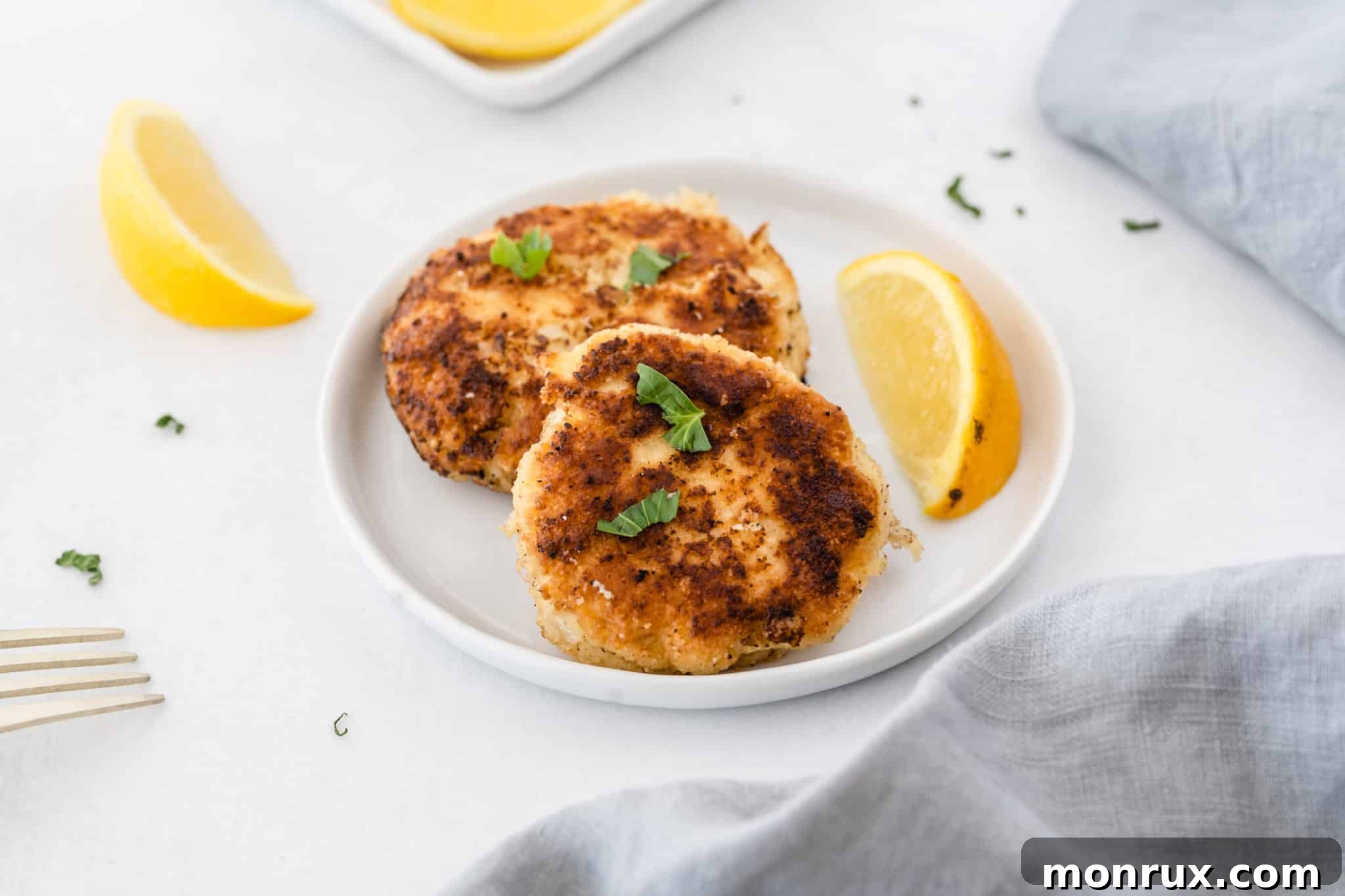
Craving a meal that’s bursting with flavor, packed with protein, incredibly easy to prepare, and fits seamlessly into your healthy eating plan? Look no further than these homemade gluten-free crab cakes. Crafted from readily available canned crab, this recipe is a game-changer for busy weeknights or whenever you desire a satisfying, wholesome dish. Not only are they naturally gluten-free and grain-free thanks to almond flour, but they’re also surprisingly low in carbohydrates, making them ideal for Whole30 and Paleo lifestyles. Get ready to enjoy crispy, golden-brown patties with a moist, succulent interior that will quickly become a cherished favorite in your kitchen.
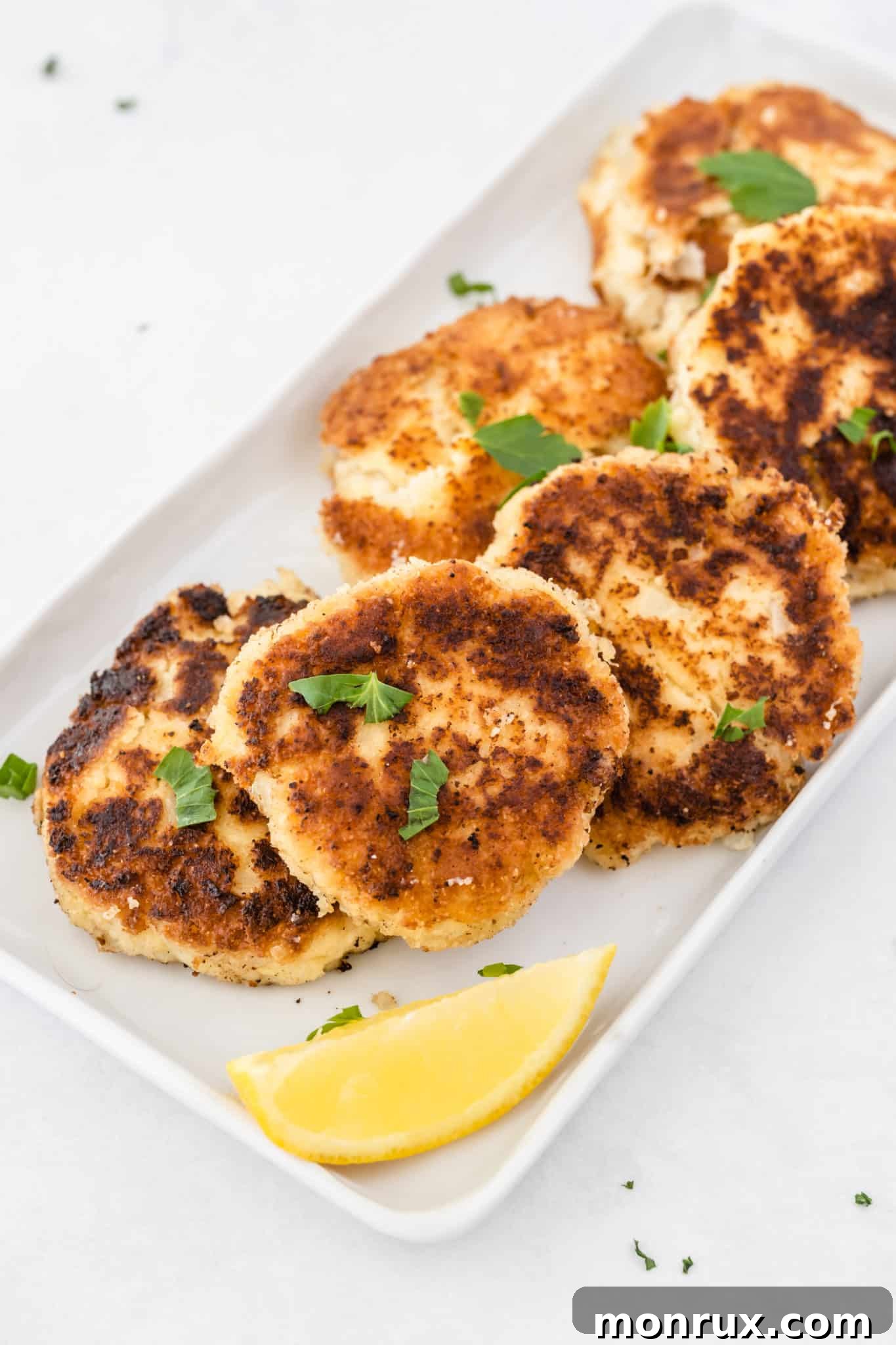
These homemade crab cakes truly shine as one of my go-to easy weeknight meals. The simple combination of ingredients and straightforward steps means minimal effort for a truly satisfying result. Whether you’re adhering to specific dietary needs like gluten-free, grain-free, or dairy-free, or simply looking for a lighter, healthier option, this recipe delivers on all fronts. Each bite offers a delightful texture, with a perfectly browned, crispy exterior giving way to a tender, flavorful crab filling.
Beyond their delicious taste, these crab cakes offer fantastic versatility. You can serve them as a elegant appetizer for guests or transform them into a complete, wholesome meal with the right accompaniments. Pair them with a crisp green salad, a creamy Whole30 coleslaw, a medley of steamed or roasted vegetables, or any other side dish that complements your palate. Their robust flavor and adaptable nature make them a perfect canvas for a variety of culinary pairings.
Why You’ll Love These Easy Crab Cakes
There are countless reasons why these gluten-free crab cakes deserve a spot in your weekly meal rotation. Firstly, they are incredibly convenient and quick to prepare, making them perfect for busy weeknights when you want something homemade without spending hours in the kitchen. Using canned crab meat significantly cuts down on prep time, as there’s no need to cook or pick fresh crab.
Secondly, these crab cakes are a powerhouse of nutrition designed with health-conscious eaters in mind. They are high in protein, providing a substantial and satisfying meal that keeps you full longer. For those managing carbohydrate intake, this recipe is wonderfully low-carb, making it suitable for keto diets. The use of almond flour instead of traditional breadcrumbs ensures they are completely gluten-free and grain-free, catering to individuals with celiac disease, gluten sensitivities, or those following a Paleo or Whole30 diet. You get all the flavor and texture of classic crab cakes without any of the common allergens or inflammatory ingredients.
Finally, the flavor profile is simply outstanding. These aren’t just “healthy” crab cakes; they are genuinely delicious. The blend of sweet crab meat with savory onion, a hint of zesty lemon, and a subtle kick from cayenne pepper creates a vibrant, well-balanced taste. The almond flour provides a delicate binding without overwhelming the crab’s natural sweetness, while pan-frying creates that irresistible crispy exterior and moist, tender interior. This recipe proves that clean eating doesn’t mean sacrificing flavor or satisfaction.
Essential Ingredients for Perfect Crab Cakes
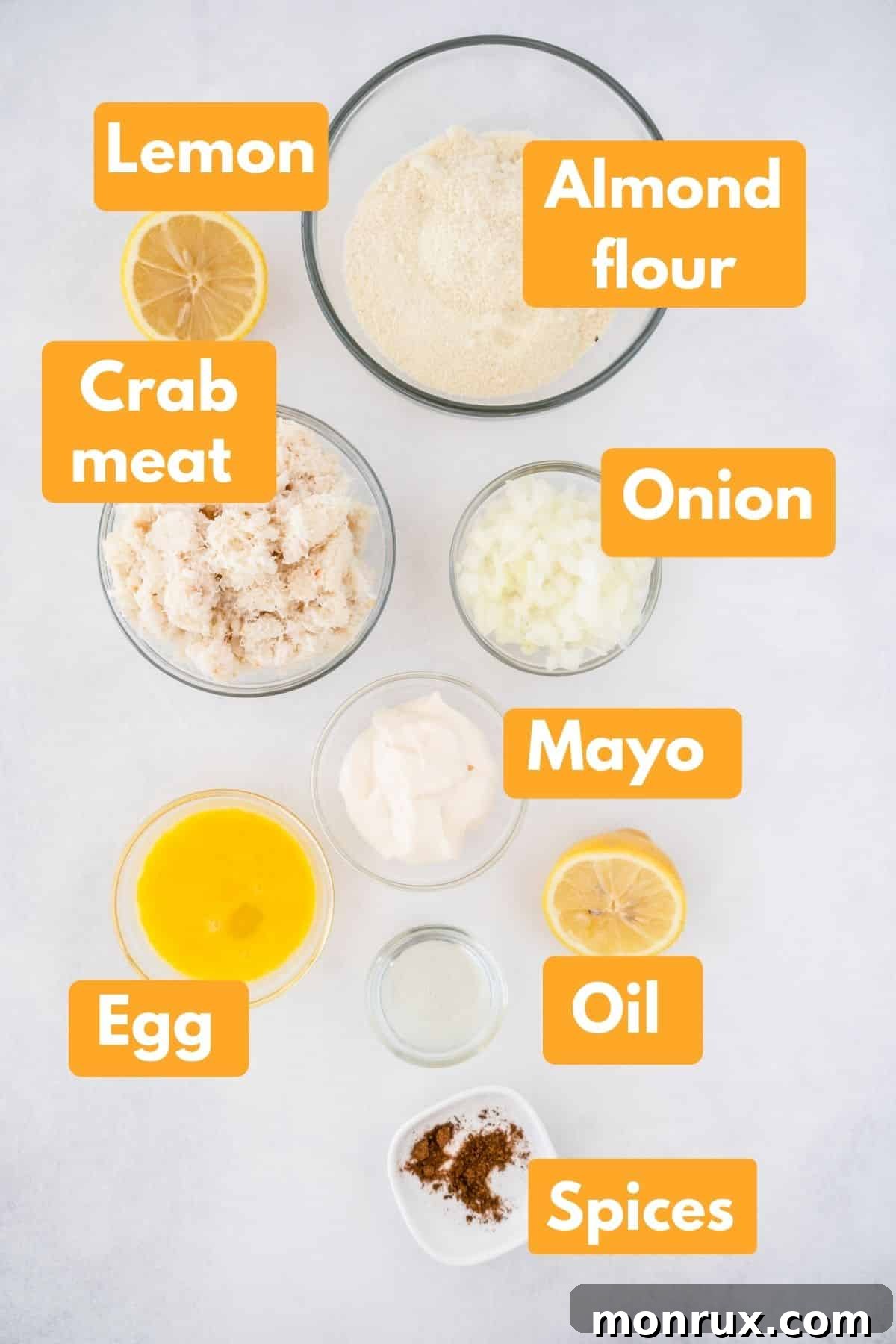
The beauty of these almond flour crab cakes lies in their simplicity and the accessibility of their ingredients. You’ll find most of what you need at your local grocery store, ensuring that a delicious, healthy meal is always within reach. Let’s delve into the key components that bring this recipe to life:
- Canned Crab Meat: This is the star of our show and a major time-saver. I highly recommend using high-quality canned crab meat, as it’s often more economical and convenient than fresh crab. Look for “lump” or “backfin” crab for the best texture. Be sure to drain the canned crab thoroughly to remove any excess liquid, which can make your crab cakes soggy. If you’re feeling adventurous or prefer another option, canned salmon makes an excellent substitute for my Almond Flour Salmon Patties.
- Almond Flour: Serving as our grain-free and gluten-free binder, almond flour is essential. It provides a subtle nutty flavor and helps hold the patties together without the need for traditional breadcrumbs. You should be able to easily find blanched almond flour in the baking aisle or health food section of your supermarket. It gives the crab cakes a wonderfully delicate crumb.
- Large Egg: The egg acts as a crucial binding agent, helping to emulsify the ingredients and prevent your crab cakes from falling apart during cooking. One large egg is typically sufficient for this recipe.
- Dairy-Free Mayonnaise: This ingredient adds moisture, richness, and tang to the crab cakes. For those following Paleo or Whole30 diets, an avocado oil-based mayonnaise, such as Primal Kitchen, is an excellent choice. Ensure your chosen mayonnaise is free from sugar, unhealthy oils, and dairy.
- Lemon Juice: Freshly squeezed lemon juice brightens the flavors and adds a zesty counterpoint to the sweetness of the crab. It’s a small addition that makes a big difference in the overall taste.
- Minced Onion: Finely minced onion provides aromatic depth and a gentle sweetness to the mixture. Make sure it’s very finely chopped so it integrates well into the patties.
- Cayenne Pepper: For a subtle kick and warmth, a touch of cayenne pepper is included. You can adjust the amount to your preferred spice level, or omit it if you prefer a milder flavor.
- Olive Oil: Used for pan-frying, olive oil helps achieve that beautiful golden-brown and crispy crust. You can also use other high-heat cooking oils like avocado oil or coconut oil if you prefer.
Remember to refer to the comprehensive recipe card at the conclusion of this post for the precise measurements and any additional ingredient notes.
Step-by-Step Guide to Making Homemade Crab Cakes
Making these delicious gluten-free crab cakes is a straightforward process, even for novice cooks. Follow these simple steps to create a meal that will impress both your taste buds and your guests:
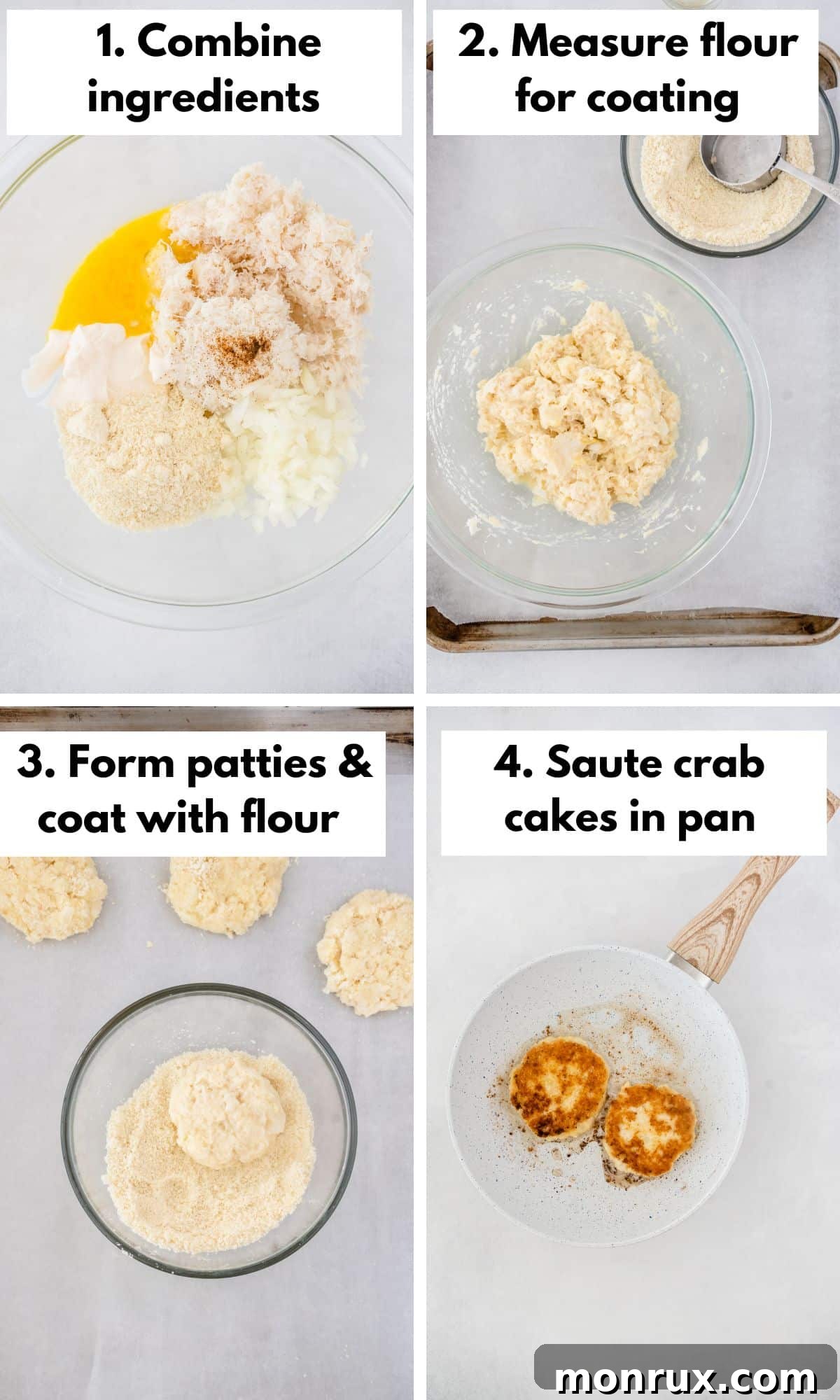
Step One: Prepare and Combine Ingredients
Begin by thoroughly draining your canned crab meat. This is a crucial step to prevent soggy crab cakes. Once drained, gently flake the crab meat into a medium or large mixing bowl. Add the finely minced onion, 1/3 cup of the almond flour, beaten egg, dairy-free mayonnaise, fresh lemon juice, and cayenne pepper to the bowl. Using a fork or your hands, gently combine all the ingredients. Be careful not to overmix, as you want to preserve the delicate texture of the crab flakes.
Step Two: Prepare for Patty Formation and Coating
Take a clean, shallow bowl and pour the remaining 2/3 cup of almond flour into it. This will be used for coating your crab patties, ensuring a lovely crisp exterior when fried. Next, line a baking sheet with parchment paper. This will provide a non-stick surface for your formed patties and make for easy cleanup.
Step Three: Form the Crab Patties
Now it’s time to form the crab cakes. Using your hands, scoop out portions of the crab mixture and shape them into approximately eight uniform patties. Aim for a size that’s easy to handle and cook evenly. Once formed, carefully place each patty into the bowl of almond flour, lightly coating both sides. This coating helps create a beautiful crust and keeps the cakes intact during frying.
Step Four: Chill for Firmness
Arrange the coated patties on the prepared baking sheet. This next step is vital for success: refrigerate the patties for at least 20 minutes. Chilling allows the ingredients to firm up, which significantly helps the crab cakes hold their shape when they hit the hot skillet. Skipping this step can result in patties that crumble during cooking.
Step Five: Pan-Frying to Golden Perfection
When you’re ready to cook, heat a tablespoon of olive oil in a large non-stick skillet over medium to medium-high heat. You want the oil to be hot enough to sizzle when a small drop of water is added, but not smoking. Carefully place the chilled crab patties into the hot skillet, ensuring not to overcrowd the pan. Cook for 3-4 minutes on each side, or until they achieve a beautiful golden-brown color and a crispy exterior. Depending on the size of your skillet, you may need to cook them in batches to ensure even browning. After removing them from the pan, you can place them on a paper towel-lined plate to pat away any excess oil. Serve immediately while hot and crispy!
Serving Suggestions and Flavor Pairings
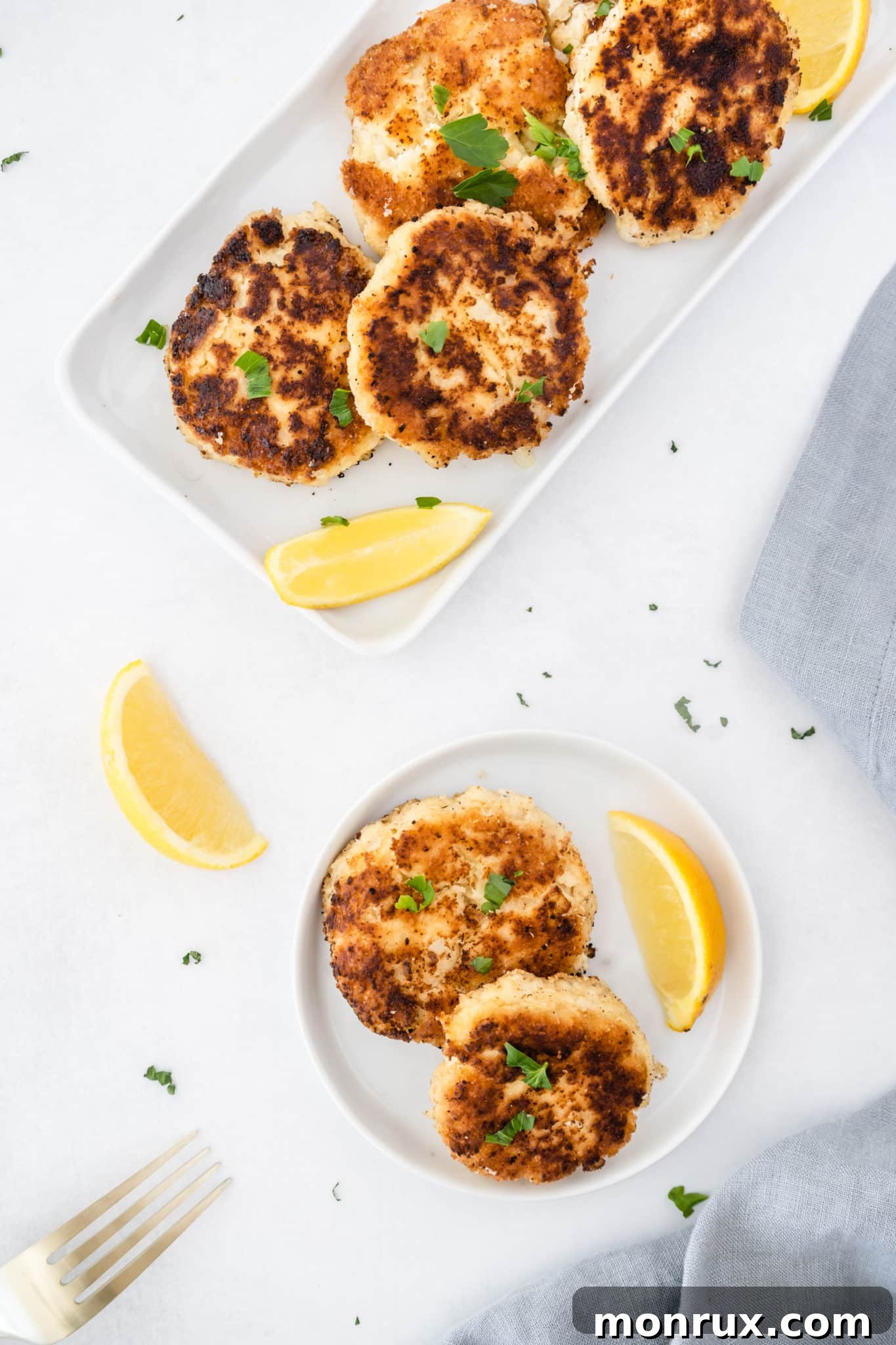
These versatile gluten-free crab cakes can be enjoyed in a multitude of ways, making them a fantastic addition to any meal plan. For a simple yet elegant presentation, serve them immediately with a generous squeeze of fresh lemon juice, which enhances the crab’s natural sweetness and adds a bright finish. A sprinkle of freshly chopped parsley or dill also adds a pop of color and herbaceous freshness.
When it comes to sauces, classic pairings work wonders. A homemade tartar sauce or a zesty remoulade sauce are excellent choices. For a Whole30 or Paleo-friendly option, consider a sugar-free ketchup or a sriracha mayo made with compliant mayonnaise. Don’t be afraid to get creative with your sides! A fresh, vibrant salad, a creamy Whole30 coleslaw, roasted asparagus, sautéed green beans, or a side of cauliflower rice are all perfect complements to these savory cakes. They also make a fantastic addition to a brunch spread or as part of a larger seafood platter.
Storage, Freezing, and Reheating Tips
One of the great things about these homemade crab cakes is their adaptability for meal prepping and enjoying later. To store leftover cooked crab cakes, allow them to cool completely before placing them in an airtight container in the refrigerator. They will stay fresh for up to 3-4 days. For longer storage, you can freeze uncooked crab cakes by arranging them in a single layer on a parchment-lined baking sheet and freezing until solid. Once firm, transfer them to a freezer-safe bag or container, separating layers with parchment paper. They can be frozen for up to 2-3 months. To reheat cooked crab cakes, the best method is to warm them gently in a skillet over medium-low heat until heated through and crisp again, or bake them in a preheated oven at 350°F (175°C) for about 10-15 minutes.
Frequently Asked Questions About Gluten-Free Crab Cakes
For this specific recipe, blanched almond flour is the best choice as it replaces traditional breadcrumbs beautifully, providing a delicate texture and keeping the recipe grain-free and low-carb. While coconut flour can sometimes be used as a substitute in gluten-free baking, it absorbs liquids differently and has a stronger flavor, so it would require recipe adjustments. For this recipe, I extensively tested with almond flour for optimal results.
For those following Paleo or Whole30 eating plans, I highly recommend using a mayonnaise made with avocado oil. Brands like Primal Kitchen are excellent options as they are typically sugar-free and made with compliant ingredients. Always check the label to ensure it aligns with your dietary requirements.
Absolutely! Fresh crab meat can be used, but there’s a crucial step: you’ll need to pat it very dry with paper towels to remove as much excess moisture as possible. Fresh crab tends to hold more water than canned. Removing this moisture will help your crab cakes bind properly and achieve that desired crispy crust. If you’re interested in alternative cooking methods for fresh crab, I also have a recipe for Air Fryer Crab Cakes that utilizes fresh crab meat.
Yes, you can! For a lighter option, you can bake these crab cakes. Preheat your oven to 375°F (190°C). Place the chilled patties on a parchment-lined baking sheet and bake for 15-20 minutes, flipping halfway through, until golden brown and heated through. While baking won’t give the same crispy crust as pan-frying, it’s a great alternative.
Feel free to customize! You can add a teaspoon of Old Bay seasoning for a classic Maryland crab cake flavor, or a pinch of smoked paprika for depth. For more heat, increase the cayenne pepper or add a dash of hot sauce to the mixture. Fresh herbs like chives, dill, or cilantro can also add a wonderful aromatic touch.
I truly hope you enjoy making and savoring this recipe! If you do, please consider leaving a comment and a starred review below. Your feedback is invaluable!
And, if you’d like to stay connected and get more clean eating recipes and tips, you can follow me on Facebook, Pinterest, Instagram, and YouTube!
Full Recipe Card: Almond Flour Crab Cakes
Crab Cakes With Almond Flour Recipe
5 out of 5 stars (from 1 review)
These homemade Whole30 & Paleo Crab Cakes are a high-protein, low-carb, and incredibly easy meal. Made with canned crab and almond flour, this gluten-free and grain-free recipe is perfect for a healthy weeknight dinner.
- Total Time: 45 minutes
- Yield: 4 servings (8 patties)
Ingredients
- 2 (6-ounce) cans crab meat, drained well
- 1/2 small onion, minced
- 1 cup almond flour, divided
- 1 large egg, beaten
- 1/4 cup dairy-free mayonnaise (Paleo/Whole30 compliant)
- 1 tablespoon fresh lemon juice
- 1/8 teaspoon cayenne pepper (optional, adjust to taste)
- 1 tablespoon olive oil (or avocado oil)
Instructions
- In a large mixing bowl, gently combine the drained crab meat, minced onion, 1/3 cup of the almond flour, beaten egg, mayonnaise, lemon juice, and cayenne pepper. Mix just until combined, being careful not to break up the crab too much.
- Place the remaining 2/3 cup of almond flour in a separate clean, shallow bowl. Line a baking sheet with parchment paper.
- Using your hands, form the crab mixture into 8 uniform patties. Carefully dip each patty into the almond flour, lightly coating both sides.
- Lay each coated patty on the prepared baking sheet and refrigerate for at least 20 minutes. This chilling step is essential as it helps the patties firm up and hold their shape during frying.
- When ready to cook, heat 1 tablespoon of olive oil in a large non-stick skillet over medium heat.
- Carefully place the chilled patties into the hot skillet (you may need to work in batches to avoid overcrowding). Cook for 3-4 minutes on each side, or until they are golden brown and crispy on the outside.
- Serve the crab cakes hot, garnished with fresh lemon wedges or your favorite compliant sauce.
Notes
- These crab cakes pair wonderfully with a fresh green salad, a side of coleslaw, or a medley of steamed or roasted vegetables.
- If using fresh crab meat, be sure to pat it very dry with paper towels to remove excess moisture before mixing.
- For a milder flavor, omit the cayenne pepper. For more spice, feel free to add a little more!
- Author: Carrie Forrest, MPH in Nutrition
- Prep Time: 35 minutes
- Cook Time: 10 minutes
- Category: Main Dish
- Method: Pan fry
- Cuisine: Paleo
- Diet: Gluten Free, Grain Free, Low Carb, Whole30
Nutrition
- Serving Size: 2 patties
- Calories: 328
- Sugar: 1.6 g
- Sodium: 693.3 mg
- Fat: 18.8 g
- Saturated Fat: 2.7 g
- Carbohydrates: 4.8 g
- Fiber: 0.9 g
- Protein: 24.1 g
- Cholesterol: 112.6 mg
Explore More Gluten-Free Main Dishes
If you loved these gluten-free crab cakes, you’re in for a treat! Discover other incredible main dishes that cater to a gluten-free lifestyle, ensuring every meal is both delicious and compliant with your dietary needs:
- Cassava Flour Gluten-Free Pizza Crust
- Chicken Broccoli Rice Casserole
- Sweet Potato Coconut Chicken Curry
- Gluten-Free Gnocchi Recipe
- Gluten-Free Chicken Teriyaki
- Instant Pot Pork Chops & Rice (One-Pot Meal)
Discover Other Whole30 Compliant Recipes
Embarking on a Whole30 journey or simply seeking more healthy, compliant recipes? Don’t miss these fantastic Whole30 dishes that prove healthy eating can be incredibly flavorful and satisfying:
Don’t forget to join my newsletter list to receive exclusive clean eating recipes, helpful tips, and updates directly to your inbox. It’s 100% free with no spam, and you can unsubscribe at any time!
About the Author: Carrie Forrest holds a master’s degree in public health with a specialization in nutrition and is a certified holistic nutritionist. She is a prominent wellness and food blogger, attracting over 5 million visitors to her site annually. Carrie shares an inspiring story of recovery from chronic illness and is deeply passionate about empowering other women to transform their health journeys. You can reach out to her directly through her contact form.