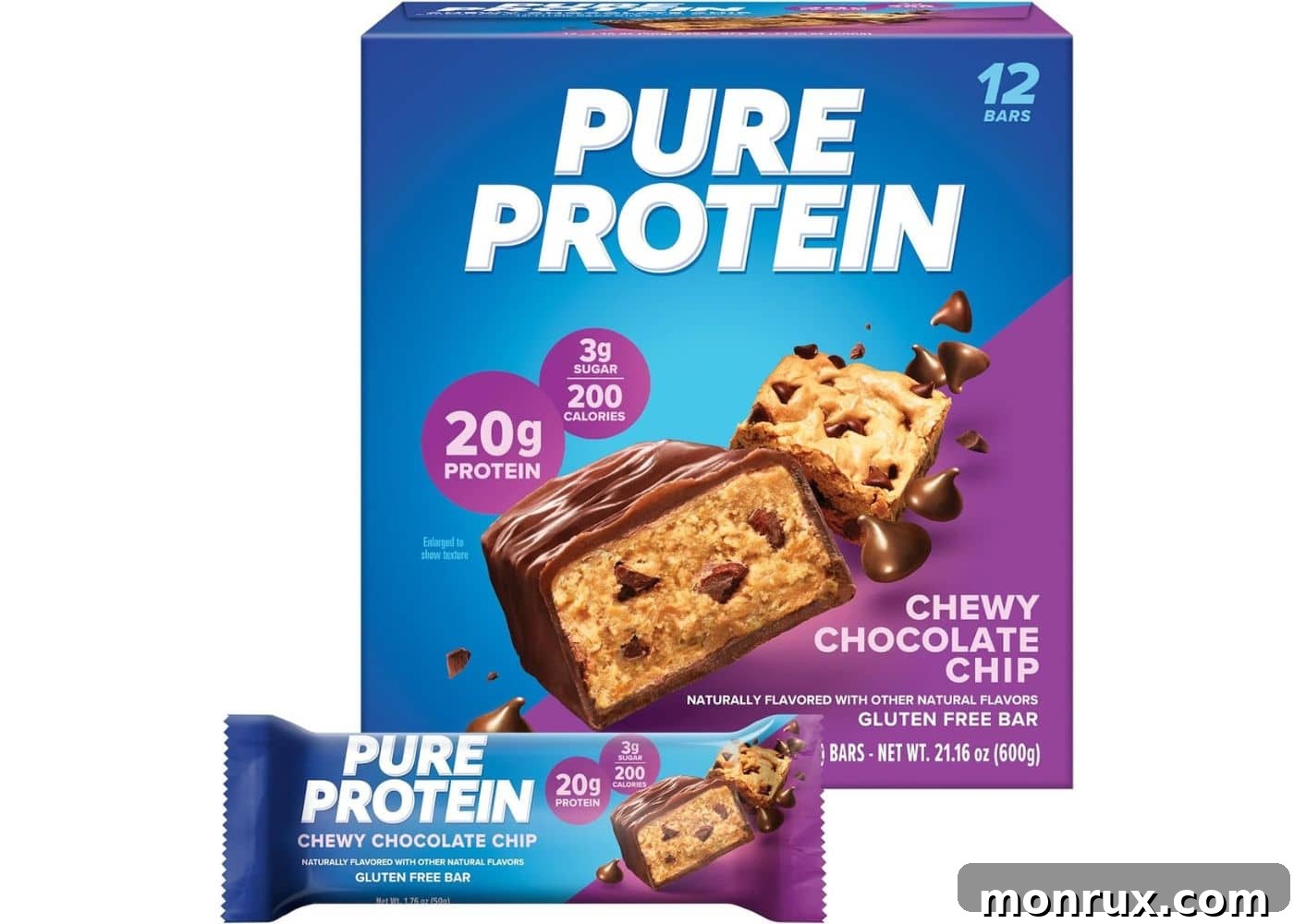
In the vast and often confusing world of nutrition, protein bars have emerged as a popular go-to snack, promising convenience, muscle support, and satiety. Among the myriad options available, Pure Protein Bars stand out with their claims of high protein, low sugar, and gluten-free formulation. But are these widely consumed bars truly a healthy choice? As a nutritionist, I frequently encounter questions about such products, and my assessment of Pure Protein Bars leads to a clear conclusion: they are not a healthy snack due to their reliance on highly processed ingredients and artificial additives.
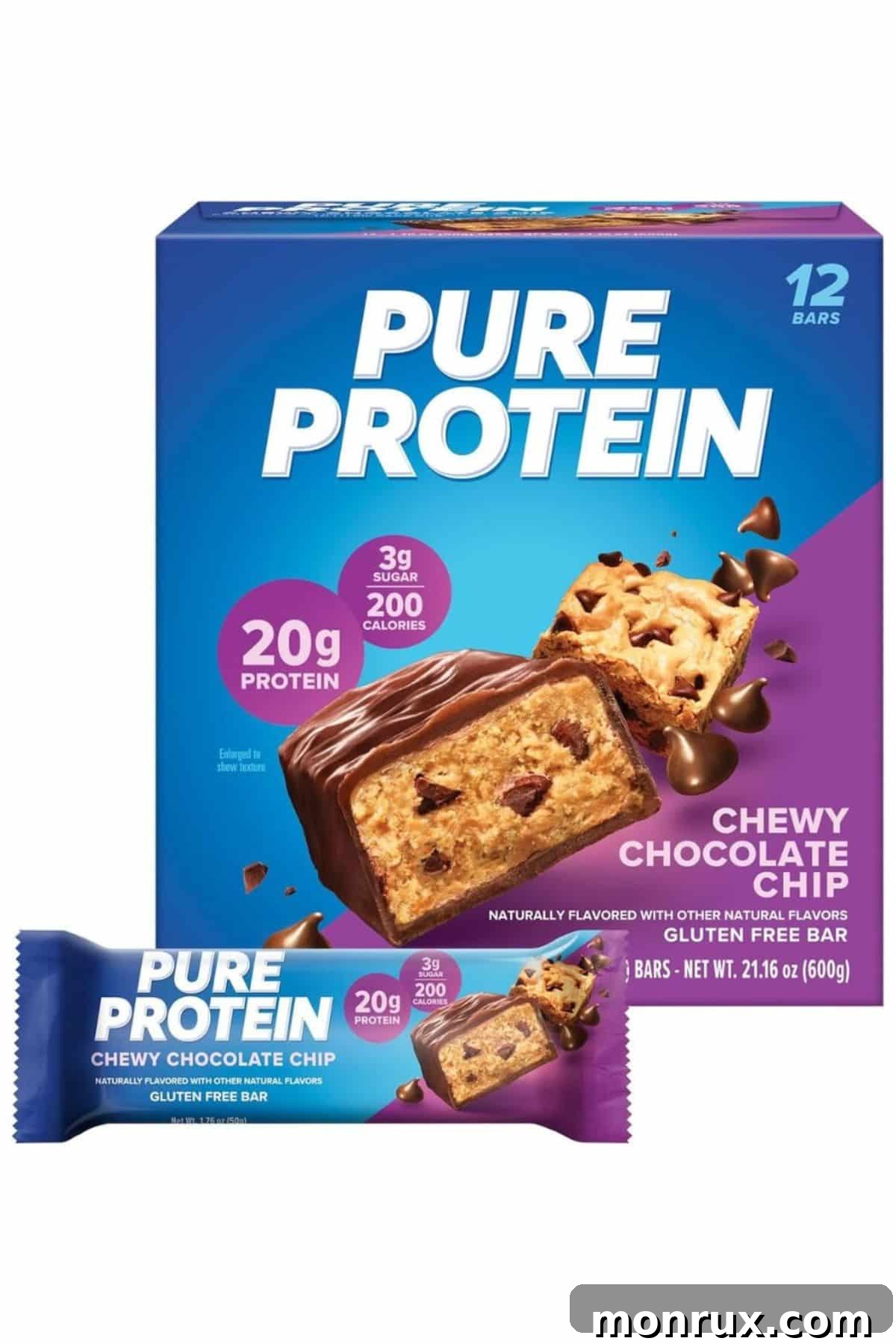
Pure Protein Bar Overview
Pure Protein Bars, a prominent product line under 1440 Foods (a sports and active nutrition company established in 1993), are specifically designed to cater to fitness enthusiasts and individuals seeking convenient protein-rich snacks. The brand’s marketing emphasizes a flavorful, high-protein experience with a low sugar content, positioning itself as a smart choice for a health-conscious lifestyle.
Typically, each Pure Protein Bar delivers approximately 20 grams of protein, often with just a few grams of sugar, making them appealing to those tracking macronutrients. They are also marketed as low-calorie and gluten-free, addressing common dietary preferences and restrictions.
These bars are readily available online and in physical stores, often sold in multi-packs. The variety of flavors is extensive, ranging from classic options like Chocolate Peanut Butter and Chocolate Deluxe to more novel choices such as Galactic Brownie, Caramel Churro, and Birthday Cake. In addition to bars, Pure Protein offers bite-sized versions, protein shakes, and powders, creating a comprehensive product ecosystem for protein supplementation.
While the array of flavors offers choice, it’s important to note that the specific ingredients can vary significantly between them. Many flavors typically include a blend of protein isolates (soy, whey, milk), sugar alcohols, and various processed fats, along with natural and artificial flavors. Some varieties may contain common allergens like nuts and milk products, which is crucial for consumers with sensitivities to be aware of.
Unveiling Pure Protein Bars’ Ingredients
To truly understand whether Pure Protein Bars align with a healthy lifestyle, we must delve into their ingredient list. Let’s examine some of the key components and their potential implications for your health, using the Chocolate Chip flavor as a representative example:
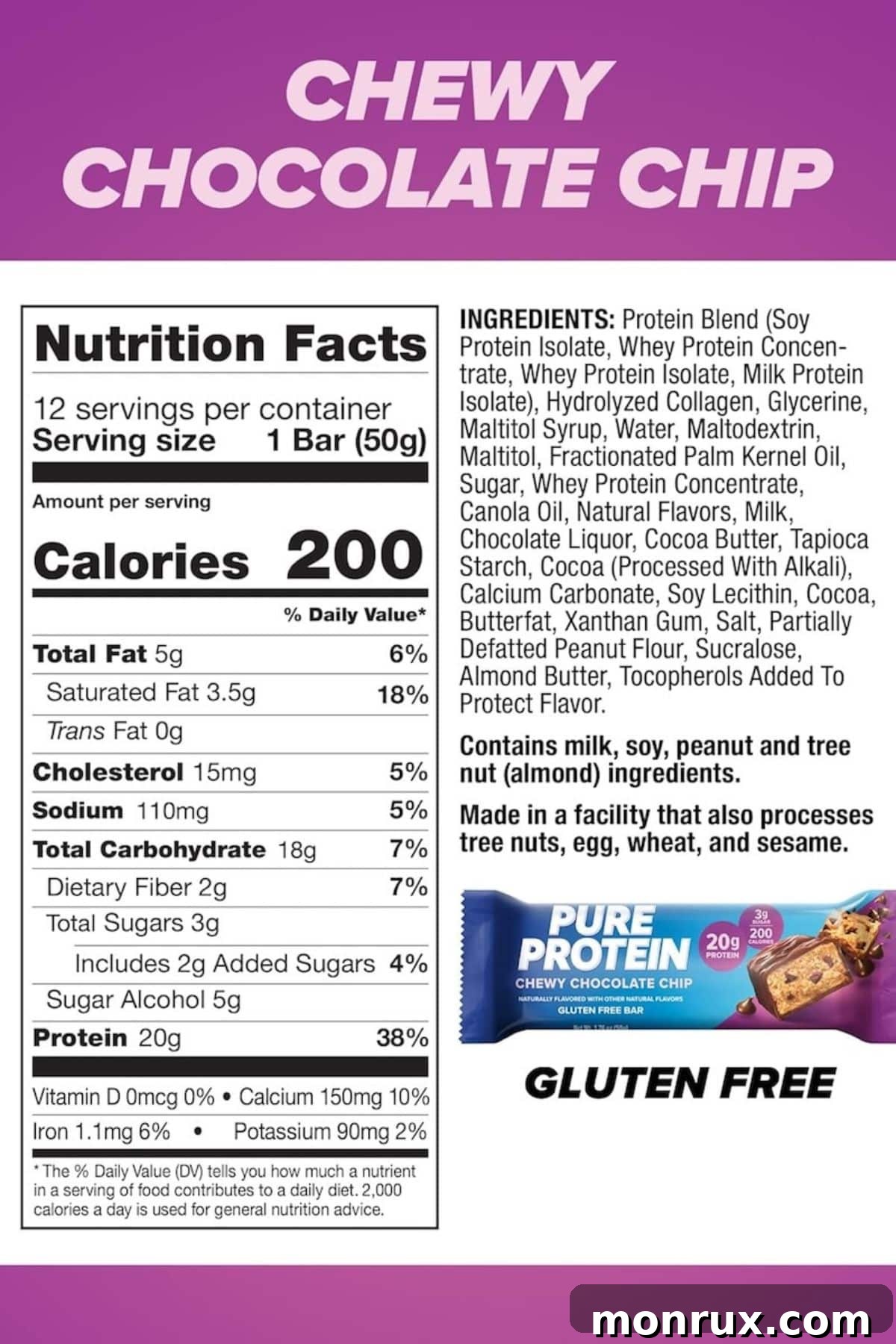
The Chocolate Chip flavor’s ingredient list typically includes:
- Protein Blend (Soy Protein Isolate, Whey Protein Concentrate, Whey Protein Isolate, Milk Protein Isolate)
- Hydrolyzed Collagen
- Glycerine
- Maltitol Syrup
- Water
- Maltodextrin
- Maltitol
- Fractionated Palm Kernel Oil
- Sugar
- Whey Protein Concentrate
- Canola Oil
- Natural Flavors
- Milk
- Chocolate Liquor
- Cocoa Butter
- Tapioca Starch
- Cocoa (Processed with Alkali)
- Calcium Carbonate
- Soy Lecithin
- Cocoa
- Butterfat
- Xanthan Gum
- Salt
- Partially Defatted Peanut Flour
- Sucralose
- Almond Butter
- Tocopherols (Added to Protect Flavor)
Industrial Seed Oils and Their Impact
A significant concern in Pure Protein Bars is the inclusion of industrial seed oils such as canola oil, fractionated palm, and palm kernel oil. While often used for their low cost and neutral flavor, these oils are far from health-promoting.
Scientific research has increasingly highlighted the potential adverse health effects associated with high consumption of industrial seed oils. These can include increased oxidative stress, which damages cells, chronic inflammation throughout the body, and an elevated risk of cardiovascular diseases like atherosclerosis (hardening of the arteries). The high omega-6 fatty acid content in these oils, especially when disproportionate to omega-3 intake, can contribute to an inflammatory state.
Furthermore, many seed oils, including canola oil, are derived from genetically modified (GMO) crops. The extraction process for these oils often involves extensive refining, bleaching, and deodorizing, employing chemical solvents that further degrade their quality. Some seed oils may also undergo hydrogenation, a process that can create harmful trans fats. Trans fats are known to significantly raise levels of low-density lipoprotein (LDL) cholesterol – often referred to as “bad” cholesterol – while potentially lowering high-density lipoprotein (HDL) cholesterol (“good” cholesterol), thereby increasing the risk of heart disease.
For a deeper dive into common processed snack ingredients, you might find my review of Quest Protein Chips insightful.
The Protein Blend: A Closer Look
Pure Protein Bars utilize a “protein blend” comprising various protein sources, including milk protein concentrate, soy protein isolate, whey protein isolate, and whey protein concentrate. While providing a substantial protein count, the source and processing of these proteins warrant closer examination.
Milk Protein Concentrate (MPC) and Calcium Caseinate
Milk protein concentrate (MPC) and calcium caseinate are dried protein powders derived from skim milk. These ingredients undergo significant mechanical or chemical processing to isolate and concentrate the protein. MPC contains a high protein content and varying levels of lactose, making it potentially problematic for individuals with lactose intolerance or dairy sensitivities. Calcium caseinate is specifically derived from the casein protein in milk and, while often having less lactose than raw milk, can still trigger digestive issues in sensitive individuals. These dairy-derived ingredients also make the bars unsuitable for anyone following a vegan or strict plant-based diet.
Beyond lactose, non-organic and heavily processed dairy products can sometimes contain residues of pesticides, chemicals, and hormones that may have adverse effects on human health. If dairy is part of your diet, opting for certified organic, hormone-free dairy from grass-fed cows is generally recommended to mitigate some of these concerns.
Soy Protein Isolate (SPI)
Soy protein isolate (SPI) is a highly processed ingredient derived from soybeans, often used in protein bars for its high protein content and plant-based origin. However, several health considerations are associated with SPI. The vast majority of soy grown globally is genetically modified (GMO), raising concerns about pesticide exposure and environmental impact. Furthermore, soy contains phytoestrogens, plant compounds that can mimic estrogen in the body, potentially affecting hormone levels in sensitive individuals.
SPI has also been linked to altered thyroid function, particularly in individuals with an iodine deficiency. For some, soy can be a digestive irritant, leading to bloating, gas, or other gastrointestinal discomfort. Given these potential concerns, individuals who are pregnant, have existing health conditions, or are uncertain about soy’s impact on their body should consult their healthcare provider and consider reading more about the potential dangers of eating soy.
Whey Protein Isolate and Concentrate
Whey protein, a byproduct of cheesemaking, is another common protein source in these bars. Both whey protein isolate and concentrate are highly processed forms. Whey protein concentrate contains more carbohydrates, fat, and lactose compared to whey protein isolate, which undergoes further processing to remove most non-protein components, resulting in a purer protein product. While both are popular for muscle building, their highly processed nature and dairy origin can be problematic for some.
Beyond potential allergic reactions and common digestive side effects (like bloating or gas, especially from concentrate due to lactose), some studies have linked excessive or long-term high whey protein intake to potential adverse effects on kidney and liver function in predisposed individuals, though more research is needed to establish definitive links. It’s always advisable to consume protein sources in moderation and from varied sources.
Partially Defatted Peanut Flour
Partially defatted peanut flour is sometimes considered a healthier alternative to other flour products due to its reduced fat content. However, the term “defatted” indicates that the peanuts have undergone a processing step where some of their natural oils (and often, fat-soluble vitamins) have been removed. This processing can diminish some of the nutritional value inherent in whole peanuts. Furthermore, for individuals with peanut allergies or sensitivities, any product containing peanut flour, even if partially defatted, must be strictly avoided.
Hydrolyzed Gelatin: A Mixed Bag
Gelatin, often in its hydrolyzed form, is one of the few ingredients in Pure Protein Bars that offers potential health benefits. Gelatin is a naturally occurring protein derived from collagen, found in the bones, skin, and cartilage of animals. It is a crucial component for connective tissue health, joint support, and skin elasticity.
As a food additive, gelatin is widely used in various products. It is naturally gluten-free but is not suitable for vegetarian or vegan diets due to its animal origin. Gelatin is rich in amino acids like glycine and proline, which are essential for many bodily functions. It can contribute to improved skin health by boosting collagen levels, enhance digestion, support better sleep quality, and even assist with weight management due to its satiating effect. Its lysine content is also beneficial for bone health. While gelatin itself is a beneficial nutrient, its presence within a bar laden with other less desirable ingredients doesn’t necessarily elevate the overall health profile of the product significantly.
Maltitol Syrup and Other Sweeteners
Pure Protein Bars often contain maltitol, a sugar alcohol derived from corn, and other sweeteners like sucralose and corn syrup. While sugar alcohols are used to provide sweetness with fewer calories and a lower impact on blood sugar compared to traditional sugar, they are still highly processed ingredients with potential downsides.
Research suggests that some sugar alcohols, including maltitol, can cause gastrointestinal distress such as bloating, gas, and diarrhea, especially when consumed in larger quantities. More concerning, some studies indicate that reliance on artificial sweeteners and sugar alcohols might paradoxically increase appetite and contribute to weight gain or obesity by disrupting the body’s natural satiety signals. Furthermore, there’s ongoing research exploring potential links between artificial sweeteners and conditions like diabetes, inflammation, and non-alcoholic fatty liver disease. The claim of “low sugar” becomes less impressive when replaced with ingredients that carry their own set of health concerns.
Other Additives
Beyond the primary ingredients, these bars contain a range of other additives such as almond butter (a healthier fat source, but an allergen), calcium carbonate, xanthan gum (a thickener), natural and artificial flavors, and soy lecithin (an emulsifier). While some of these are benign, the cumulative effect of consuming numerous processed additives in one product contributes to its overall “unhealthy” status. Natural flavors, for instance, are often complex mixtures of various chemicals and can still be highly processed, despite their name. It is always prudent to scrutinize the complete ingredient list of any bar before purchase.
The Pros of Pure Protein Bars
Despite the significant concerns regarding their ingredients, Pure Protein Bars do offer a few potential advantages, particularly in specific scenarios:
- High Protein Content: With around 20 grams of protein per bar, they can effectively contribute to daily protein intake. Protein is essential for muscle repair and growth, and it can help promote satiety, keeping you feeling full for longer periods and potentially reducing overall calorie consumption.
- Low-Calorie Option (for some): For individuals strictly managing calorie intake, these bars offer a high protein-to-calorie ratio, which can be appealing for weight management goals.
- Convenience: In today’s fast-paced world, the convenience of a grab-and-go snack cannot be understated. Protein bars are easy to carry and consume, making them a practical option for busy schedules, travel, or quick post-workout fuel when whole food options are unavailable.
- Gluten-Free: For those with gluten sensitivities or celiac disease, the gluten-free labeling provides a safe snacking option.
It’s important to view these pros through the lens of overall dietary quality. While they deliver protein and calories efficiently, the source and accompanying ingredients dilute these benefits for long-term health.
The Cons: A Nutritionist’s Perspective
From a nutritionist’s standpoint, the cons of Pure Protein Bars significantly outweigh their limited benefits, primarily due to their highly processed nature and ingredient profile.
- Highly Processed Ingredients: The most critical drawback is the extensive use of highly processed components. Ingredients like protein isolates, industrial seed oils, maltitol syrup, and artificial flavors signify a product far removed from whole, natural foods. Consuming such heavily processed items regularly contributes to an inflammatory diet and can have long-term negative effects on metabolic health.
- Allergen Concerns: Pure Protein Bars frequently contain dairy, soy, and nuts – three of the most common allergens. While some flavors might contain one or two, others include all three. This makes them unsuitable for a large segment of the population with allergies or sensitivities, potentially causing digestive distress, skin reactions, or more severe allergic responses.
- Deceptive “Low Sugar” Claims: While marketed as low in sugar, this often means that refined sugars are replaced with sugar alcohols (like maltitol) or artificial sweeteners (like sucralose). As discussed, these alternatives are not without their problems. They can still impact gut microbiota, cause gastrointestinal discomfort, and potentially influence appetite and metabolic health in ways that are not yet fully understood or beneficial. The cumulative effect of these sweeteners can lead to digestive issues, blood sugar spikes in some individuals, and a persistent craving for sweet tastes.
- Lack of Micronutrients and Whole Foods: These bars are primarily macronutrient-focused, providing protein, fats, and carbohydrates but often lacking the rich array of vitamins, minerals, antioxidants, and fiber found in whole foods. They cannot genuinely replace a balanced meal or offer the comprehensive nutritional support that real food provides.
- Not an Ideal Meal Replacement or Post-Workout Snack: While convenient, these bars fall short as a complete meal replacement due to their limited micronutrient profile and absence of whole food components. Similarly, for post-workout recovery, while protein is crucial, a whole-food option providing quality carbohydrates, electrolytes, and antioxidants would be far superior for holistic recovery and replenishment.
Ultimately, opting for Pure Protein Bars means choosing convenience over nutritional quality, potentially at the expense of long-term health.
Pure Protein Nutrition FAQs
While Pure Protein’s website states their bars are labeled gluten-free, this is different from being “certified gluten-free.” Certified products undergo rigorous testing by third-party organizations to ensure they meet strict standards (e.g., less than 20 parts per million of gluten). Individuals with severe gluten sensitivities or celiac disease should always look for explicit certification for peace of mind.
Pure Protein Bars are generally not recommended for people with diabetes. Despite their low sugar claims, they contain highly processed ingredients, including sugar alcohols like maltitol and sometimes corn syrup or added sugars. These ingredients can still impact blood glucose levels and may cause digestive upset. It’s always best for individuals with diabetes to consult their doctor or a registered dietitian for personalized snack recommendations tailored to their specific health needs.
Most Pure Protein Bars utilize a combination of sweeteners. Common sweeteners include sugar alcohols such as maltitol, artificial sweeteners like sucralose, and sometimes traditional sugar or corn syrup, depending on the flavor. This blend allows them to maintain a sweet taste while keeping the “sugar” content on the nutrition label low, but introduces other processed components.
Healthier Alternatives to Protein Bars
Instead of relying on highly processed protein bars, consider incorporating whole, unprocessed foods into your diet for convenient, protein-rich snacks. These options provide superior nutritional value without the dubious additives:
- Homemade Protein Smoothies: Blend quality protein powder (like Orgain Protein Powder or a clean whey/plant-based option), fresh or frozen fruit, leafy greens, and a healthy liquid base (water, unsweetened almond milk). This allows you to control all ingredients.
- Greek Yogurt or Cottage Cheese: Excellent sources of protein and calcium. Opt for plain, unsweetened varieties and add your own fruit or a sprinkle of nuts/seeds for fiber and healthy fats.
- Hard-Boiled Eggs: A complete protein source, easy to prepare in advance, and highly portable.
- Nuts and Seeds: Almonds, walnuts, cashews, pumpkin seeds, and chia seeds offer protein, healthy fats, and fiber. Enjoy a small handful or mix into a trail mix with dried fruit (in moderation).
- Lean Jerky: Choose jerky that is sugar-free, nitrate-free, and made with minimal ingredients. Look for grass-fed beef or turkey options for higher quality.
- Apple Slices with Nut Butter: A classic combination providing fiber, healthy fats, and a touch of protein. Ensure your nut butter contains only nuts and salt.
- Hummus and Vegetables: A nutrient-dense snack with protein and fiber from chickpeas, paired with crunchy, vitamin-rich vegetables like carrots, celery, or bell peppers.
- Edamame: Steamed edamame (soybeans in the pod) offers plant-based protein, fiber, and various micronutrients.
These alternatives offer genuine nutritional benefits, supporting satiety, energy levels, and overall health without exposing your body to unnecessary processed ingredients.
Final Thoughts on Pure Protein Bars
While Pure Protein Bars offer the undeniable appeal of convenience, high protein content, and a low sugar label, a deeper dive into their ingredient list reveals a product that falls short of being a genuinely healthy snack. Their reliance on highly processed protein isolates, industrial seed oils, and artificial sweeteners positions them as a less-than-ideal choice for anyone committed to a clean eating lifestyle and optimal health. The cumulative effect of these processed ingredients can contribute to inflammation, digestive issues, and potential metabolic disruptions.
In conclusion, while Pure Protein Bars might offer a quick protein fix in a pinch, they are not a substitute for whole, unprocessed foods. For long-term health, energy, and sustained well-being, prioritizing snacks made from real, natural ingredients will always yield superior results. Making informed choices about what we put into our bodies is paramount, and often, the simplest, least processed options are the best.
Don’t forget to join my newsletter list to get exclusive clean eating recipes and tips. The newsletter is 100% free with no spam; unsubscribe anytime.
About the Author: Carrie Forrest has a master’s degree in public health with a specialty in nutrition and is a certified holistic nutritionist. She is a top wellness and food blogger with over 5 million annual visitors to her site. Carrie has an incredible story of recovery from chronic illness and is passionate about helping other women transform their health. Send her a message through her contact form.
Note: this post is for informational purposes only and is not intended as medical advice. Please consult your healthcare provider for recommendations related to your individual situation.