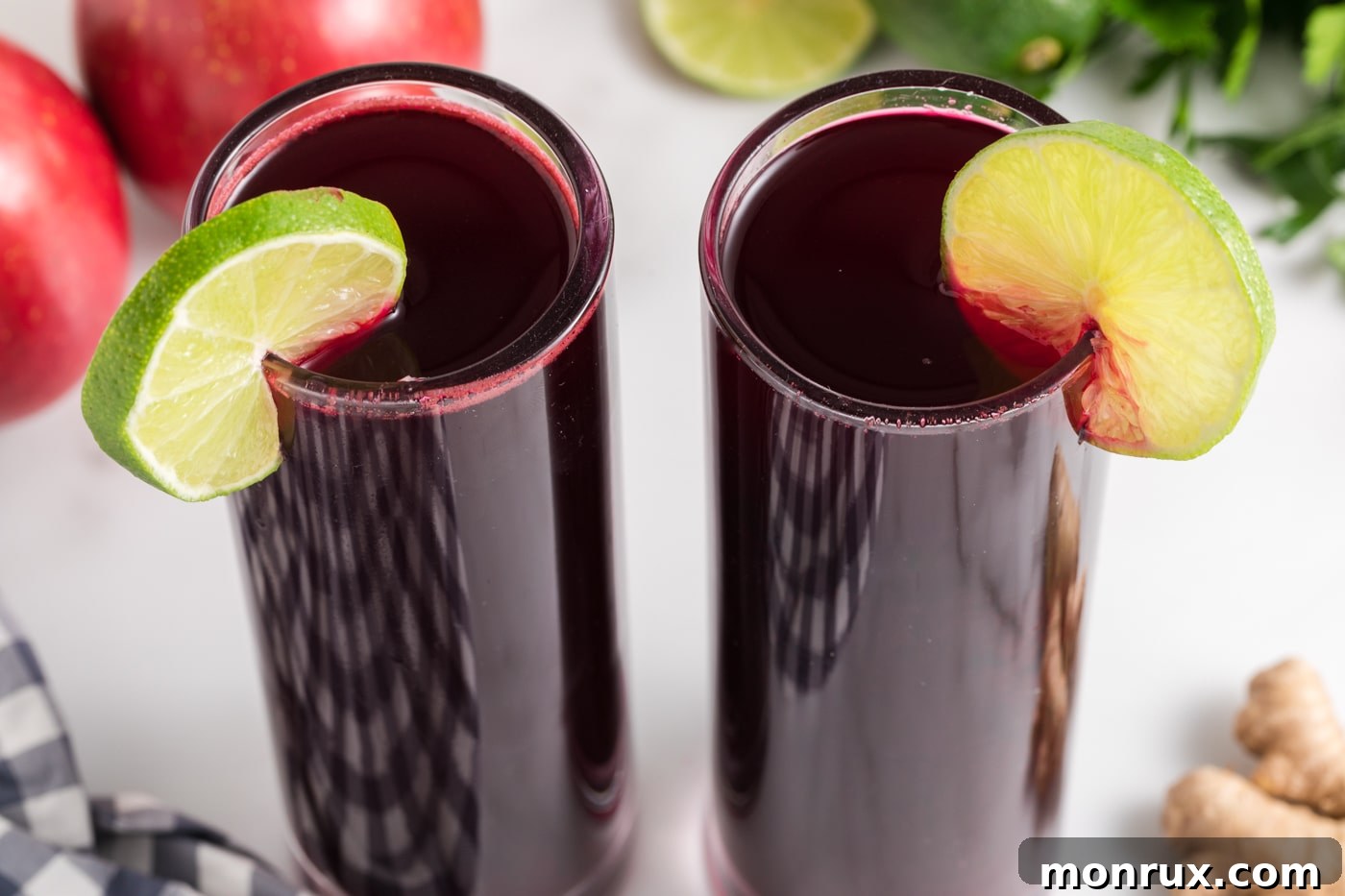
Beet juice has earned its reputation as a powerhouse superfood, celebrated for its rich concentration of antioxidants and vital nitrates. This comprehensive guide explores the multifaceted health benefits of beet juice, detailing how this vibrant beverage can contribute to increased energy levels, naturally lower blood pressure, and significantly enhance athletic performance. Whether you prefer to prepare fresh beet juice at home, utilize convenient beet powder, or opt for bottled juice, incorporating it into your daily routine can be a profoundly health-promoting choice for most individuals.
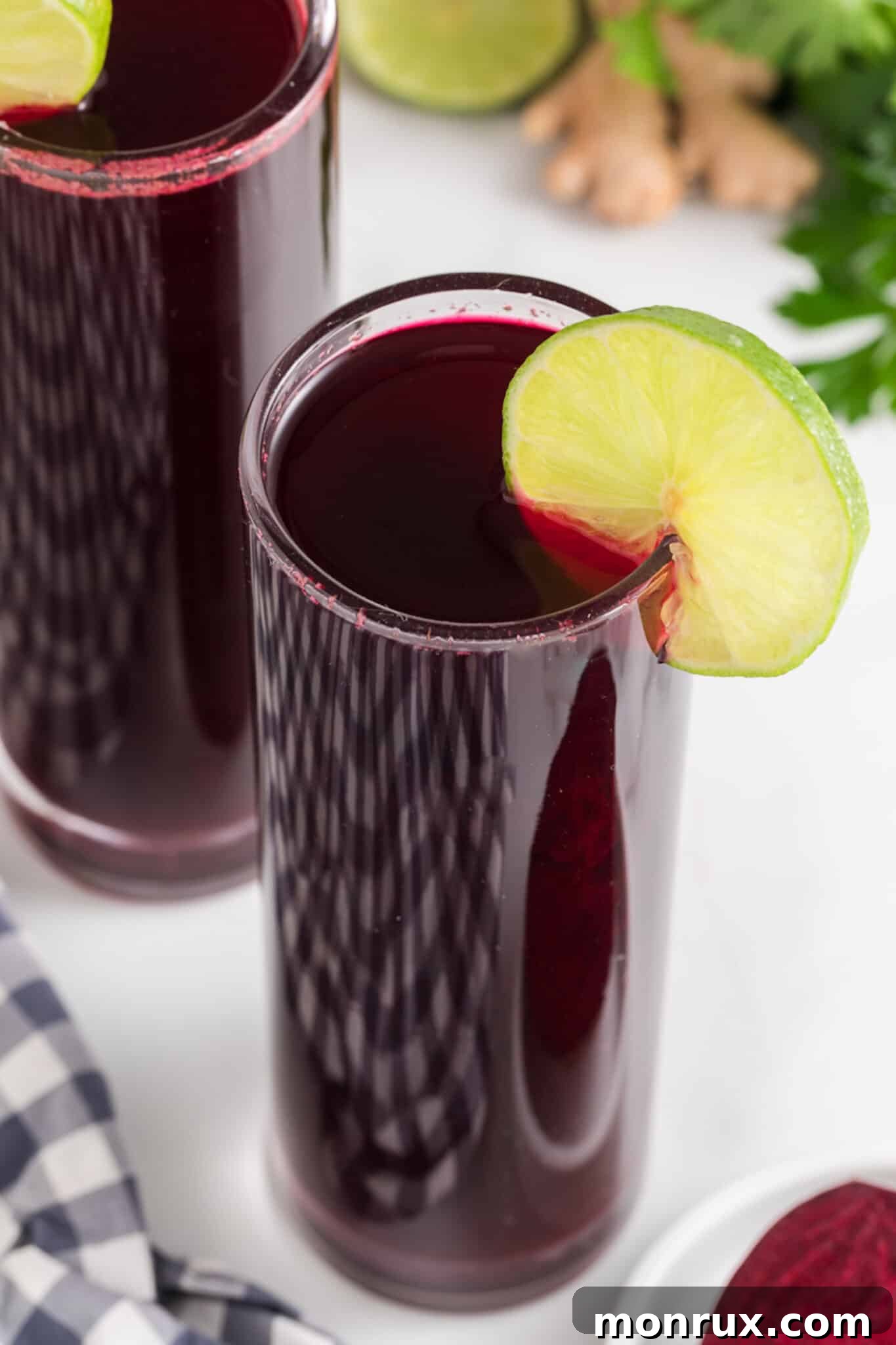
Beets, the humble root vegetable, have captivated the attention of both scientific researchers and health enthusiasts worldwide. Their vibrant color and earthy flavor are just the beginning of what they offer.
Groundbreaking research, prominently highlighted in a 2015 publication, lauded beetroot as a “powerful dietary source of health-promoting agents.” This study meticulously detailed its profound anti-inflammatory and antioxidant effects, alongside its crucial role in protecting cardiovascular health. This initial discovery paved the way for more in-depth investigations into its therapeutic potential.
Further cutting-edge research continues to unveil additional dimensions of the health benefits associated with drinking beet juice. These include remarkable improvements in athletic performance, a notable capacity for cold prevention, and a host of other advantages that underscore its nutritional value.
There is compelling evidence that regular consumption of beet juice can positively impact your health in an astonishing array of ways. Its unique nutritional profile makes it a valuable addition to any wellness regimen.
Let’s delve deeper into some of the most compelling health benefits of beet juice, exploring how it can influence crucial physiological processes such as reducing oxidative stress, boosting energy production, enhancing brain health, and much more. Understanding these benefits can empower you to make informed dietary choices.
Why Beet Juice is a Health Powerhouse
Beet juice is gaining immense popularity in the wellness community, and for good reason. Its vibrant color is a testament to the powerful plant compounds it contains, making it a truly unique addition to a healthy diet. The primary reason for its efficacy lies in its exceptional nutritional profile, particularly its high concentration of dietary nitrates, potent antioxidants, and essential vitamins and minerals.
These components work synergistically to support various bodily functions, from enhancing cellular energy to protecting against chronic diseases. Unlike many other plant-based beverages, beet juice offers a distinctive blend of compounds that are not only beneficial but also readily absorbed by the body. Let’s explore the specific ways in which this incredible juice contributes to overall well-being.
Top Health Benefits of Beet Juice
1. Improves Cardiovascular Health
One of the most remarkable qualities of beets, distinguishing them from many other plant foods, is their richness in dietary nitrates. When consumed, these nitrates undergo a fascinating conversion process within your body. They are first transformed into nitrites and then into nitric oxide (NO), a critical signaling molecule often referred to as a “vasodilator.”
Nitric oxide plays a vital role in cardiovascular health by signaling the smooth muscles surrounding your blood vessels to relax and widen. This process, known as vasodilation, directly leads to increased blood flow throughout the circulatory system. Enhanced blood flow ensures that oxygen, nutrient-rich red blood cells, and other essential compounds are efficiently delivered to every cell and tissue in your body, from your brain to your muscles.
This improved circulation is not just about better delivery; it also has a profound impact on maintaining healthy blood pressure levels. Furthermore, additional research consistently demonstrates that individuals who regularly consume beet juice often experience reduced blood pressure and potentially lower rates of cardiac inflammation. By supporting the optimal function of your blood vessels and reducing inflammatory markers, drinking beet juice can significantly improve overall cardiovascular health, contributing to a stronger and more resilient heart.
2. May Reduce Chronic Inflammation
While acute inflammation is a natural and necessary immune response to injury or infection, chronic inflammation in the body can have severe, long-term consequences. It is a known contributing factor to a wide array of serious health conditions, including liver disease, various forms of cancer, heart disease, obesity, and autoimmune disorders. Several studies suggest that beets possess significant properties that can help prevent chronic inflammation, although much of the initial research has been conducted on animal models, primarily rats, and human studies are continually expanding.
Beets are particularly rich in natural pigments called betalains. These unique compounds, responsible for beets’ vibrant colors, have been consistently shown to help reduce inflammation in rat studies. More encouragingly, further research published in 2014 involved human subjects and demonstrated that betalain capsules derived from beet extract could be highly effective in controlling the pain and discomfort associated with osteoarthritis, a common inflammatory joint condition. This groundbreaking finding suggests a significant therapeutic potential for beet-derived compounds in managing human inflammatory conditions.
These scientific insights collectively indicate that regular consumption of beet juice could be a valuable dietary strategy to help lower pain and discomfort stemming from chronic inflammation. To easily incorporate this anti-inflammatory boost into your diet, consider trying a refreshing recipe like Beet Ginger Juice.
3. Contains Potent Antioxidants to Fight Disease
The remarkably vivid color of beets offers a direct visual cue to their exceptional richness in powerful antioxidants. Indeed, the very betalain pigments that are so effective in combating inflammation also possess profound antioxidant properties. This means they play a crucial role in neutralizing free radicals – unstable atoms or molecules that can cause significant damage to your cells. This cellular damage, often referred to as oxidative stress, is a fundamental process linked to the development and progression of numerous chronic conditions such as cancer, Alzheimer’s disease, arthritis, and diabetes.
By effectively scavenging these harmful free radicals, the antioxidants in beet juice help to protect your cells from oxidative damage, thereby reducing your risk of developing these debilitating diseases. Moreover, a diet consistently rich in antioxidants is widely recognized for its anti-aging benefits. It helps to mitigate some of the cellular wear and tear associated with the aging process, potentially contributing to a more youthful appearance and feeling of vitality for longer periods.
Therefore, consistently drinking beet juice can significantly contribute to preventing chronic diseases by bolstering your immune system and protecting cellular integrity. Beyond this, emerging research even suggests that regular consumption of beet juice may help prevent common infections like the common cold and could even play a role in managing conditions such as obesity. If you’re actively seeking to boost your antioxidant intake through vegetable juices, you might also find other beneficial recipes such as celery juice, carrot juice with orange and ginger, or a Liver Cleanse Juice to be excellent complements to your diet.
4. Helps Regulate Blood Sugar Levels
Beyond its vibrant color and earthy flavor, beet powder is also an exceptional source of phytochemical compounds, which are naturally occurring bioactive compounds in plants. Some of these particular phytochemicals are instrumental in regulating our blood glucose levels, commonly known as blood sugar. Maintaining stable blood sugar is crucial for preventing energy crashes, managing diabetes, and promoting overall metabolic health.
A compelling research study published in 2014 provided significant insights into this benefit. It demonstrated that consuming just half a cup (approximately 125 ml) of beet juice could substantially reduce the amount of sugar in the bloodstream following meals. This indicates that beet juice can help moderate post-meal glucose spikes, which is particularly beneficial for individuals concerned about insulin resistance or type 2 diabetes.
While this specific study focused on beet juice, it’s important to note that you can expect comparable results from consuming beet powder, which boasts a very similar nutritional profile to its liquid counterpart. The process of making beet powder concentrates its beneficial compounds, making it a potent option.
To help manage your blood sugar levels, consider making a conscious effort to add a glass of beetroot juice or whole beets to your regular diet. For more detailed information, you can explore my related articles on the benefits of beet powder and practical guidance on how to make beet powder using dehydrated beets. Additionally, if you’re looking for broader dietary changes, my article on how to do a sugar detox might also be of interest.
5. Supports Healthy Weight Management
Beet juice can be a valuable ally in your efforts toward healthy weight loss and management, influencing the body in several distinct and beneficial ways.
Firstly, beet juice significantly boosts the body’s natural production of nitric oxide. The enhanced nitric oxide levels have a profound effect on your heart and muscles. This improvement can lead to increased exercise stamina, improved overall performance, and faster recovery post-workout. All these factors are crucial for sustaining an active lifestyle, which is fundamental to successful weight management and fat loss.
Secondly, beets possess a remarkable ability to decrease systemic inflammation, primarily due to their exceptionally high antioxidant content. Chronic inflammation is often linked to weight gain and difficulty in losing weight. If your body is holding onto excess fluid or experiencing metabolic disruptions due to inflammation, consuming beet juice may help you to shed this “inflammation weight” while simultaneously providing your body with essential nutrients necessary for healthy cellular function.
Finally, beets are particularly rich in dietary fiber. Fiber is renowned for its role in promoting satiety – the feeling of fullness and satisfaction after eating. By improving satiety levels, fiber helps prevent overeating and reduces the likelihood of unhealthy snacking between meals. Furthermore, in healthy adults, adequate fiber intake significantly improves digestive health. A well-functioning digestive system is better equipped to eliminate toxins from the body, which in turn can further reduce systemic inflammation levels, creating a virtuous cycle for weight management.
For more comprehensive guidance on achieving your weight goals, you can explore my dedicated article on healthy weight loss tips for women.
6. Enhances Skin Clarity and Health
For many, beet juice is valued not just for internal health but also for its potential to bestow improved skin clarity and overall skin health. The connection between diet and skin appearance is well-established, and beets offer several key nutrients that support a radiant complexion.
Beets are abundant in Vitamin C and folate, both of which are crucial for maintaining healthy skin due to their powerful anti-inflammatory and regenerative properties. Vitamin C, in particular, is a potent antioxidant that actively combats free radical damage. This damage extends to skin cells, where free radicals can accelerate aging, contribute to dullness, and worsen conditions like acne or hyperpigmentation. While Vitamin C is often used topically in skincare products, its consumption through foods like beet juice provides internal support, helping to protect skin cells from oxidative stress and promote collagen production from the inside out. Folate also plays a role in cell repair and regeneration, vital for maintaining healthy, supple skin.
Regular intake of beet juice can therefore contribute to a healthier skin barrier, reduced redness, and a more even skin tone, reflecting your inner vitality.
7. Boosts Athletic Performance and Stamina
The profound benefits that beet powder and beet juice bring to your cardiovascular system extend far beyond mere improvements in circulation; they translate directly into tangible gains in athletic performance. The more efficient delivery of oxygen, blood, and vital nutrients throughout your body’s muscles is a game-changer for athletes and active individuals alike. This enhanced circulatory efficiency directly contributes to improving your endurance and stamina while simultaneously elevating your overall energy levels.
When your muscles receive a steady and abundant supply of oxygen and nutrients, they can work harder for longer periods without succumbing to fatigue. This means you can push through challenging workouts, run longer distances, or maintain intense physical activity with greater ease. Moreover, the recovery process after strenuous exercise is also significantly improved, allowing athletes to bounce back faster and reduce muscle soreness.
A compelling 2014 study solidified these observations, concluding that the time to exhaustion during exercise is markedly improved through supplementation with beets. To maximize these ergogenic effects, the study suggested that beet products should be consumed up to 90 minutes before the athletic effort. This strategic timing allows for the optimal conversion of dietary nitrates into nitric oxide, priming your body for peak performance. For anyone looking to gain a natural edge in their physical pursuits, beet juice offers a promising and scientifically-backed solution.
8. Effectively Lowers Blood Pressure
High blood pressure, medically known as hypertension, is a silent but dangerous health condition that can lead to severe cardiovascular events such as strokes or heart attacks. It stands as one of the leading risk factors for heart disease globally. The encouraging news is that dietary interventions, including the regular consumption of beet juice, can play a significant role in its management.
Multiple studies have demonstrated that beets can significantly reduce blood pressure levels, with the most pronounced impact often observed on systolic blood pressure – the top number in a blood pressure reading, which represents the pressure exerted when your heart contracts. This notable benefit is widely attributed to the fact that beets are exceptionally high in dietary nitrates, which, as previously discussed, are converted into nitric oxide in the body. Nitric oxide relaxes and widens blood vessels, thus reducing the resistance to blood flow and consequently lowering blood pressure.
Interestingly, research indicates that raw beets, rather than cooked ones, appear to be more effective at delivering these blood pressure-lowering benefits. This is because some of the beneficial nitrate compounds can be diminished through heat. This makes beet juice and beet powder particularly advantageous, as their production processes typically do not involve high-heat cooking. This preservation method ensures that more of their valuable nutrients, especially the blood pressure-regulating nitrates, remain intact and bioavailable, offering a potent natural remedy for hypertension.
9. Aids in Healthy Digestion
One of the cornerstones of an efficiently functioning digestive system is adequate dietary fiber, a nutrient that beets contain in generous abundance. Fiber is an indigestible carbohydrate that plays a crucial role in maintaining gut health and regularity.
Upon consumption, dietary fiber largely bypasses digestion in the small intestine and proceeds directly to your colon (large intestine). Here, it acts as a vital prebiotic, providing the necessary fuel for beneficial gut bacteria to thrive. These bacteria, in turn, produce short-chain fatty acids that nourish the cells lining your colon, helping them remain healthy and functional. Beyond its prebiotic role, fiber adds bulk to your stool, softens it, and facilitates its smooth passage through the digestive tract. This ensures regular bowel movements and helps to prevent the accumulation of waste and toxins in the body.
By promoting regularity and supporting a healthy gut microbiome, sufficient fiber intake can help avoid a range of uncomfortable and potentially serious digestive conditions. These include diverticulitis (inflammation of pouches in the colon), Irritable Bowel Syndrome (IBS), chronic constipation, and hemorrhoids. In these myriad ways, consistently drinking beet juice or incorporating more whole beets into your diet can significantly help with digestion, contributing to overall gut wellness and comfort.
Given its impressive fiber content and anti-inflammatory properties, beet juice is also frequently featured on lists of the best juices for bloating and the best juices for weight loss, underscoring its holistic digestive benefits.
Beet Juice Benefits by Color
The diverse colors of beets are more than just aesthetically pleasing; they are indicative of the specific types of phytonutrients they contain, and these compounds can offer distinct health advantages. While all types and colors of beets are unequivocally healthy and beneficial, understanding the nuances can enhance your appreciation for this versatile vegetable. The bottom line remains: consuming any color of beet will contribute to your potential health benefits.
- Red or Purple Beets: The vibrant, deep red or rich purple coloration characteristic of these common beet varieties originates from a unique group of phytonutrients known as betalains, specifically betacyanins. Betacyanins have been extensively researched and are highly prized for their potent antioxidant capabilities, their significant anti-inflammatory effects, and their role in supporting the body’s natural detoxification processes. They are often associated with the most visible health benefits of beets due to their abundance.
- Golden or Yellow Beets: In contrast, the warm yellow or golden hue found in these beet varieties is attributed to betaxanthins, which are a different, yet equally beneficial, type of betalain. Much like their red counterparts, betaxanthins also exhibit powerful antioxidant properties, actively neutralizing harmful free radicals in the body. While sharing a common antioxidant function, the specific biochemical health benefits and nuanced properties of betaxanthins might subtly differ from betacyanins, contributing to a broader spectrum of protective effects.
- Striped or Chioggia Beets: These captivating beets, often referred to as “candy cane beets” due to their distinctive concentric red and white striped appearance when sliced, offer a unique combination of phytonutrients. They naturally contain both betacyanins (from the red stripes) and betaxanthins (from the lighter stripes). This blend provides a synergistic mix of the properties found in both red and golden beets, potentially offering a wider range of antioxidant and anti-inflammatory benefits from a single source.
Potential Side Effects of Beetroot Juice
While beet juice is overwhelmingly beneficial, it’s important to be aware of a few potential side effects, particularly for individuals new to incorporating it into their diet or those with specific health concerns. Understanding these can help ensure a positive experience.
- Change in stool or urine color: Perhaps the most common and often surprising effect of consuming beets, including beet juice, is a noticeable change in the color of urine and stools to a reddish or pinkish hue. This phenomenon is known as beeturia and is entirely harmless, caused by the excretion of betalain pigments. While it can be alarming if you’re unaware, rest assured it’s a normal physiological response.
- Temporary increase in blood sugar: Beets are naturally richer in sugars compared to many other non-starchy vegetables. Consequently, drinking pure beet juice, especially in larger quantities, may lead to a temporary blood sugar spike in sensitive individuals. Those managing diabetes or pre-diabetes should monitor their glucose levels and consult with a healthcare provider regarding appropriate serving sizes. Diluting beet juice with water or other low-sugar vegetable juices can help mitigate this effect.
- Risk of kidney stones: Some individuals express concern about beet juice and its potential link to kidney stones. This concern stems from the fact that beets and especially beet greens are relatively high in oxalates. Oxalates can bind with calcium in the urine to form calcium oxalate stones, which are the most common type of kidney stone. While moderate consumption is generally safe for most healthy individuals, those with a history of calcium oxalate kidney stones, or older adults who may be more susceptible, should exercise caution and consult their doctor.
It’s always recommended to keep servings of beet juice to a moderate amount as part of a balanced and healthy diet. For personalized advice, especially if you have pre-existing health conditions or concerns, always check with your healthcare provider to determine how much beet juice is appropriate for your individual needs.
Frequently Asked Questions About Beet Juice
Both drinking fresh beet juice and using high-quality beet juice powder are excellent ways to integrate the incredible benefits of beets into your daily diet. You can also enjoy whole roasted or cooked beets for a fiber-rich option. However, beet juice powder typically offers a more concentrated dose of beneficial compounds in a smaller serving, making it convenient for travel or quick incorporation into smoothies.
When comparing fresh juice, one key advantage of liquid beet juice is that you are likely to obtain a higher amount of delicate nutrients like Vitamin C and certain other antioxidants. This is because Vitamin C, in particular, can be susceptible to degradation when exposed to oxygen and light during processing and storage for powders.
Conversely, the primary benefit of beet juice powder over freshly pressed beetroot juice is its superior concentration of many of the stable bioactive qualities of beets. This includes nitrates and betalains, which are retained effectively during the dehydration process. For those interested in convenience and a potent dose, exploring how to make your own beet powder can be a rewarding endeavor.
While more extensive, long-term research is ongoing to fully understand the duration and consistency of beet juice’s effects, several studies have provided promising insights. One notable study found that blood pressure reductions were observed as quickly as six hours after subjects consumed beet juice. This rapid effect is attributed to the quick conversion of dietary nitrates into nitric oxide, which begins to relax blood vessels almost immediately.
It is crucial to keep in mind, however, that while beet juice can be a powerful dietary aid, there is no definitive proof that it serves as a standalone treatment or cure for hypertension. Instead, beet juice should be considered an integral component of a holistic, healthy diet and used in conjunction with proper medical treatment for high blood pressure as prescribed by your doctor. It is always best to consult with your physician or healthcare provider to discuss your individual health situation and any questions you may have about incorporating beet juice into your regimen.
Absolutely! Beet juice can be a remarkably simple yet highly effective way to significantly enhance your running performance and overall athletic capabilities. Many athletes, particularly runners, have embraced beet juice as a natural ergogenic aid.
The secret lies in the naturally occurring nitrates abundant in beet juice. Once ingested, these nitrates are efficiently converted into nitric oxide within your body. Nitric oxide then acts as a potent vasodilator, improving blood flow to critical areas such as major organs and working muscles. This enhanced oxygen and nutrient delivery allows muscles to operate more efficiently, delaying fatigue and improving energy utilization.
Numerous athletes and scientific studies have confirmed that regular consumption of beet juice can lead to noticeable improvements in performance, endurance, stamina, and perhaps most importantly, post-exercise recovery. For runners striving for longer distances, faster times, or quicker bounce-back from intense training, beet juice represents a natural and scientifically supported advantage.
You’re not alone! The earthy, sometimes intense flavor of 100% pure beet juice can be off-putting for some palates. The excellent news is that beet juice is incredibly versatile and blends exceptionally well with a variety of other fruit and vegetable juices, which can significantly improve its palatability without diminishing its health benefits.
To mask or mellow the strong beet flavor, consider blending it with juices that offer a brighter, sweeter, or more pungent profile. Popular choices include adding fresh lemon juice for a zesty kick, sweet orange juice, nutrient-rich carrot juice, or naturally sweet apple juice. These additions help to dilute the beet’s intensity and introduce complementary flavors that create a much more enjoyable beverage.
For specific recipes designed to make beet juice delicious, check out my recipe for Beet Juice that actually tastes good, or try the popular combination in my Beet Carrot Juice with apple recipe!
Explore More Beet Resources and Recipes
To further enhance your understanding and enjoyment of beets, explore these additional resources and delicious recipes:
- Get started with a foundational Beet juice recipe designed for great taste.
- For convenience, consider Jarred beet juice with no added sugar.
- Learn about a recommended brand of beet juice powder or discover how to make your own beet powder at home.
- Simplify your cooking with Instant Pot Beets for an easy, mess-free method.
- Enjoy a refreshing and healthy Beet Salad recipe.
- Whip up a delightful Strawberry Beet Smoothie recipe for a sweet treat.
- Uncover the combined advantages with Beet Carrot Juice Benefits.
Don’t Miss These Beet Recipes!
Concluding Thoughts on Beet Juice
In summary, the scientific evidence strongly suggests that beet juice offers a myriad of significant health benefits that can profoundly impact overall well-being. From its impressive ability to enhance detoxification processes and significantly increase energy levels, to its well-documented role in lowering blood pressure, beet juice stands out as a true superfood. At its core, beets and their juice are an exceptionally rich source of potent antioxidants and beneficial nitrates, both of which are fundamental for maintaining optimal health and protecting the body at a cellular level.
Incorporating this vibrant beverage into your diet, whether as fresh juice, a smoothie ingredient, or in powder form, is a simple yet effective strategy to boost your nutrient intake and support various physiological functions. Embrace the power of beets and experience the positive changes they can bring to your health journey.
Don’t forget to join my newsletter list to get exclusive clean eating recipes and tips delivered straight to your inbox. The newsletter is 100% free with no spam; you can easily unsubscribe at any time.
About the Author: Carrie Forrest holds a master’s degree in public health with a specialization in nutrition and is a certified holistic nutritionist. She is the founder of a highly successful wellness and food blog, attracting over 5 million annual visitors. Carrie shares an inspiring story of recovery from chronic illness and is deeply passionate about empowering other women to transform their health through nourishing food and lifestyle choices. Feel free to send her a message through her contact form for more information or collaboration inquiries.
Note: This post is provided for informational purposes only and should not be considered as medical advice. Please consult your healthcare provider or a qualified medical professional for personalized recommendations and treatment plans related to your individual health situation and specific conditions.