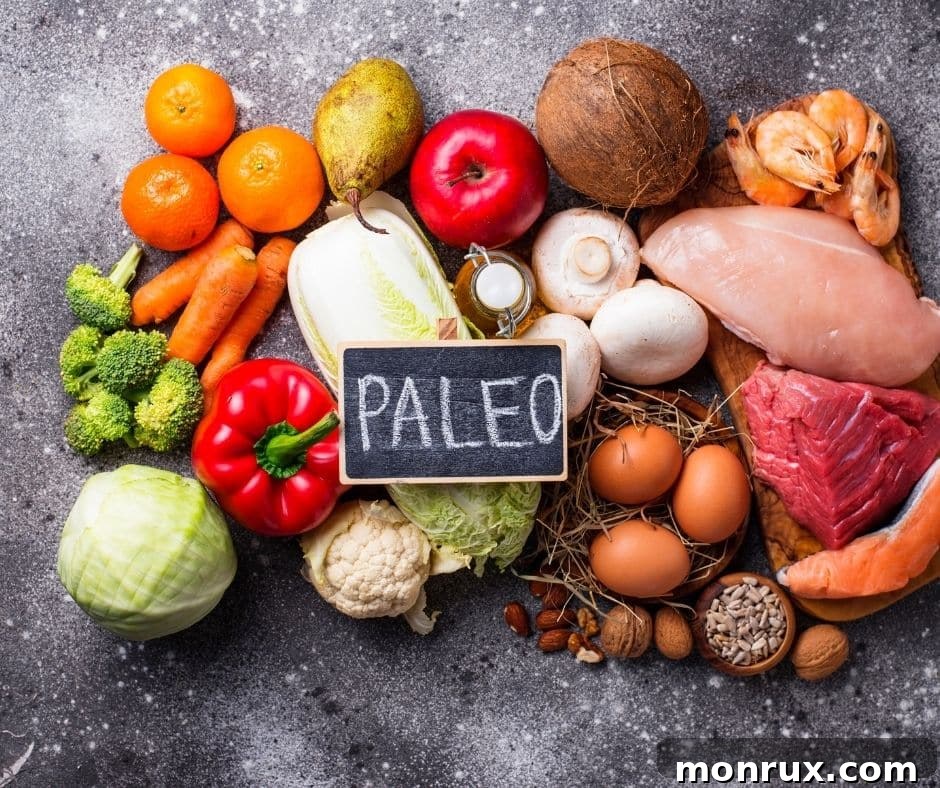
The Paleo Diet, a nutritional approach inspired by the eating habits of our Stone Age ancestors, has seen a resurgence in popularity, captivating individuals seeking optimal health and wellness. But is this ancient eating style the right choice for your modern lifestyle and health goals? This comprehensive guide delves into the core principles of the Paleo diet, outlining what you can and can’t eat, providing practical rules, and offering a detailed grocery list to kickstart your journey.
What is the Paleo Diet?
At its heart, the Paleo diet is an eating plan modeled after what our Paleolithic ancestors consumed during the Stone Age, approximately 10,000 to 50,000 years ago. This era predates the advent of agriculture and processed food production, meaning human diets consisted solely of foods that could be hunted, fished, or gathered.
The fundamental premise of the Paleo diet, often referred to as the “caveman diet,” is the “evolutionary mismatch theory.” This theory posits that while modern dietary patterns have drastically changed over the last 10,000 years with the introduction of agriculture and industrial food processing, human genetics have not evolved quickly enough to adapt to these new food sources. Consequently, consuming modern foods like grains, legumes, refined sugars, and processed dairy products may contribute to chronic health issues prevalent in contemporary society.
By reverting to an ancestral eating pattern, adherents aim to reduce inflammation, improve gut health, stabilize blood sugar, and prevent chronic diseases by consuming foods that are genetically aligned with our bodies’ digestive capabilities. It’s an invitation to reconnect with nature’s bounty and fuel your body with nutrient-dense, unprocessed ingredients.
The Philosophy Behind Paleo Eating
The Paleo movement extends beyond just a list of “allowed” and “forbidden” foods; it embodies a philosophy centered on ancestral health and well-being. Proponents of this diet, including many functional health practitioners, believe that an ancestral eating pattern is optimal for human health because our bodies are still largely programmed to thrive on the types of foods available during the Paleolithic era.
This approach emphasizes the consumption of whole, unprocessed foods and discourages ingredients that became staples only after the agricultural revolution. The diet seeks to avoid modern processed foods that are often high in unhealthy fats, refined sugars, and artificial additives, which are thought to contribute to systemic inflammation and metabolic dysfunction. By focusing on nutrient density and avoiding potential dietary irritants, the Paleo diet aims to foster a stronger, healthier body that is more resilient to modern ailments.
Excluded Foods on Paleo: What to Avoid
A strict Paleo diet eliminates foods that were not available to our hunter-gatherer ancestors. These are generally foods that appeared with the development of agriculture or industrial processing, and are often associated with various health challenges in susceptible individuals. If you are exploring a Paleo diet as an elimination strategy to address specific health symptoms, it’s crucial to strictly avoid these categories:
- Dairy Products: Especially processed dairy products like milk, cheese, and yogurt derived from modern farming practices. The rationale for exclusion often includes lactose intolerance, casein sensitivity, and the presence of hormones and antibiotics in conventional dairy.
- Grains (Whole, Refined, and Pseudo-cereals): This includes wheat, rye, barley, oats, corn, rice, and all products made from their flours. Grains are often excluded due to their high carbohydrate content, potential gluten content (in wheat, barley, rye), and the presence of anti-nutrients like phytates and lectins, which can impair nutrient absorption and irritate the gut lining.
- Legumes: Beans (black, kidney, pinto, navy), lentils, peanuts, and soy are all excluded. Similar to grains, legumes contain anti-nutrients (lectins, saponins, phytates) that can interfere with digestion and nutrient absorption. Peanuts, despite being botanically a legume, are often mistaken for nuts and are strictly avoided on Paleo.
- Refined Sugars and High-Fructose Corn Syrup: This includes table sugar, agave nectar, corn syrup, artificial sweeteners, and any foods with added sugars. The Paleo diet strongly advocates against these due to their role in blood sugar dysregulation, inflammation, and metabolic syndrome. Natural sweeteners like honey and maple syrup are sometimes allowed in strict moderation.
- Processed Foods and Artificial Ingredients: Anything packaged, highly refined, or containing artificial colors, flavors, preservatives, or other additives is off-limits. The focus is on whole, single-ingredient foods.
- Refined Vegetable Oils: Oils such as canola, soybean, corn, sunflower, safflower, and cottonseed oil are avoided. These oils are typically high in omega-6 fatty acids, which, when consumed in excess relative to omega-3s, can promote inflammation. They are also often heavily processed.
- Trans Fats: Found in margarine, shortening, and many processed baked goods and fried foods, trans fats are strictly prohibited due to their detrimental effects on cardiovascular health.
For those seeking a slightly less restrictive, yet still ancestrally aligned approach, the Ancestral Diet offers more flexibility, often allowing for individual variations based on geographic location, traditional food preparation methods, and personal tolerance to certain foods.
What You Can Eat on Paleo: A Nutrient-Dense Feast
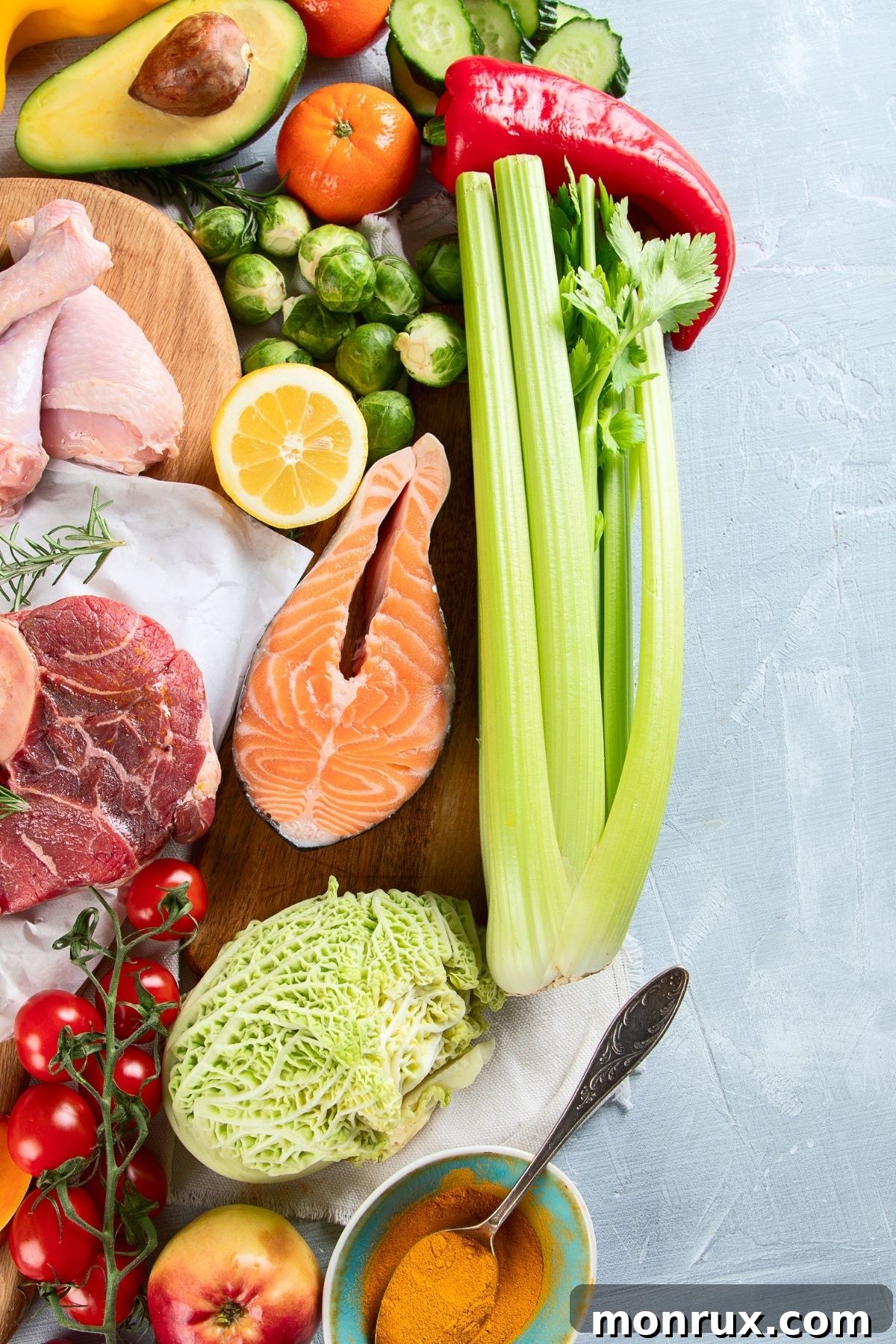
Adhering to a Paleo diet means enjoying a wide array of delicious, whole, unprocessed foods that were readily available to our hunter-gatherer ancestors. This diet naturally encourages a high intake of nutrient-dense foods, ensuring your body receives essential vitamins, minerals, and macronutrients. Here’s a breakdown of what makes up the cornerstone of Paleo eating:
- Meats: Prioritize high-quality protein sources. This includes beef, pork, lamb, poultry (chicken, turkey, duck), and game meats such as bison and venison. Opt for pasture-raised, grass-fed, and organic options whenever possible, as these tend to have a better fatty acid profile and are free from added hormones and antibiotics. Protein is vital for muscle repair, satiety, and metabolic function.
- Fish and Seafood: Incorporate plenty of wild-caught fish and seafood, especially those rich in omega-3 fatty acids like salmon, mackerel, sardines, and albacore tuna. Omega-3s are crucial for brain health, reducing inflammation, and cardiovascular well-being. Be mindful of sustainability and mercury levels in larger fish.
- Eggs: A versatile and highly nutritious food, free-range or omega-3 enriched eggs are a staple in the Paleo diet. They are an excellent source of protein, healthy fats, and a range of vitamins and minerals.
- Vegetables: Enjoy an abundant variety of both starchy and non-starchy vegetables. Non-starchy options like leafy greens, broccoli, cauliflower, bell peppers, and asparagus provide fiber, vitamins, and antioxidants without significant carbohydrate load. Starchy vegetables such as sweet potatoes, butternut squash, and parsnips offer complex carbohydrates for energy.
- Fruits: While nutritious, fruits should be consumed in moderation due to their natural sugar content. Prioritize low-sugar fruits like berries (strawberries, blueberries, raspberries) which are packed with antioxidants. Apples, oranges, and bananas can be enjoyed, but perhaps less frequently.
- Nuts and Seeds: These provide healthy fats, protein, and fiber. Almonds, walnuts, macadamia nuts, pecans, chia seeds, flaxseeds, and sunflower seeds are excellent choices. Remember that peanuts are legumes and therefore excluded. Always opt for raw, unsalted varieties and be mindful of portion sizes due to their caloric density.
- Healthy Fats and Oils: Embrace healthy fats from natural sources. Olive oil, coconut oil, avocado oil, and ghee (clarified butter, often tolerated even by those sensitive to dairy) are excellent for cooking and dressings. Avocados themselves are a fantastic source of monounsaturated fats.
- Herbs and Spices: All natural herbs and spices are typically allowed and encouraged for their flavor-enhancing properties and often significant antioxidant benefits. They add depth and variety to Paleo meals without compromising dietary principles.
- Water: The most fundamental beverage, crucial for hydration and all bodily functions.
The flexibility within these categories allows for diverse and delicious meals, ensuring that following a Paleo diet is not a monotonous experience.
The Primal Diet: A Flexible Approach
While often grouped with Paleo, the Primal diet, popularized by Mark Sisson, offers a slightly more flexible interpretation of ancestral eating. It adheres to the core Paleo principles but allows for a few exceptions based on modern scientific understanding and individual tolerance.
Primal eaters may incorporate high-quality, full-fat dairy products, especially those that are grass-fed, raw, or fermented (like kefir and yogurt), assuming they are well-tolerated. The rationale is that historically, some ancestral groups consumed dairy, and fermentation can reduce lactose and improve digestibility. Additionally, the Primal diet may include some traditionally prepared legumes (e.g., sprouted or soaked to reduce anti-nutrients), quinoa, white and wild rice, and even white potatoes. This approach acknowledges that not all “modern” foods are inherently detrimental and that individual dietary needs and geographic influences play a significant role in optimal nutrition.
Your Essential Paleo Diet Shopping List
Navigating the grocery store on a Paleo diet can be simple if you stick to the outer aisles, which typically house fresh, unprocessed ingredients. This comprehensive shopping list will help you fill your pantry and refrigerator with compliant foods, making meal planning effortless. Remember to prioritize organic, grass-fed, and wild-caught options whenever possible for maximum nutritional benefit and to avoid unwanted additives.
Proteins (High-Quality Meats & Seafood):
- Grass-fed beef (steaks, ground beef, roasts)
- Organic chicken (breasts, thighs, whole chicken)
- Turkey (ground, breast, whole)
- Pork loin, chops, or tenderloin
- Lamb chops or roasts
- Venison or other game meats
- Wild-caught salmon, cod, halibut
- Tuna (sustainably sourced)
- Mackerel, sardines (excellent omega-3 sources)
- Shrimp, scallops, mussels
- Free-range or omega-3 enriched eggs
Vegetables (Fresh & Frozen):
- Broccoli, cauliflower, Brussels sprouts
- Spinach, kale, collard greens, Swiss chard
- Zucchini, yellow squash, spaghetti squash
- Bell peppers (all colors)
- Asparagus, green beans (technically legumes, but often included for their pod, consume sparingly if strict)
- Sweet potatoes, butternut squash, acorn squash
- Carrots, celery, cucumbers
- Onions, garlic, leeks
- Mushrooms (cremini, shiitake, portobello)
- Artichokes, fennel
Fruits (Fresh & Frozen, in Moderation):
- Avocado (a fantastic source of healthy fats)
- Berries (strawberries, blueberries, raspberries, blackberries)
- Apples, pears, peaches, plums
- Oranges, grapefruit, lemons, limes
- Bananas (higher in sugar, enjoy sparingly)
- Kiwi, pineapple, mango
- Cherries, grapes
Nuts and Seeds (Raw & Unsalted):
- Almonds, walnuts, pecans
- Cashews, macadamia nuts, Brazil nuts
- Pumpkin seeds, sunflower seeds
- Chia seeds, flaxseeds (ground for better absorption)
- Hemp seeds
Healthy Fats and Oils:
- Extra virgin olive oil (for dressings, low-heat cooking)
- Coconut oil (for cooking)
- Avocado oil (high smoke point for cooking)
- Ghee (clarified butter, typically dairy-free casein/lactose)
- Almond butter, cashew butter (no added sugar)
- Coconut butter
Herbs and Spices:
- Basil, oregano, thyme, rosemary, sage
- Cinnamon, turmeric, ginger, cumin, paprika
- Sea salt, black pepper
- Cayenne pepper, chili powder
Pantry Staples & Extras:
- Canned coconut milk (full-fat, unsweetened)
- Almond milk, cashew milk (unsweetened, no questionable additives)
- Coconut flour, almond flour (for baking)
- Apple cider vinegar
- Coconut aminos (soy sauce alternative)
- Dark chocolate (70% cocoa or higher, in moderation)
- Green tea, herbal teas, coffee (black or with coconut/almond milk)
- Bone broth (homemade or high-quality store-bought)
Condiments & Snacks (Check Labels Carefully):
- Mustard (Dijon, yellow – check for sugar)
- Salsa (no added sugar)
- Guacamole (freshly made is best)
- Pesto (ensure no cheese, like nutritional yeast based)
- Olives, capers
- Dried seaweed snacks
- Beef jerky (sugar-free, grass-fed)
- Fruit leather (no added sugar)
- Paleo granola (ensure compliance)
- Coconut yogurt (unsweetened)
Frozen Foods:
- Mixed berries, frozen fruit for smoothies
- Cauliflower rice, broccoli florets, spinach (convenient for quick meals)
- Frozen shrimp, wild salmon fillets
- Grass-fed beef patties, chicken breasts
Baking Supplies (for Paleo-friendly treats):
- Baking soda, cream of tartar
- Gluten-free baking powder (check ingredients)
- Cocoa powder, unsweetened chocolate
- Vanilla extract, other natural extracts
- Honey, maple syrup (in moderation, as natural sweeteners)
Canned Goods (Minimal & Conscious Choices):
- Tuna, salmon, sardines (packed in olive oil or water)
- Coconut cream, tomato paste, diced tomatoes (BPA-free cans)
- Canned pumpkin, artichoke hearts (check for added ingredients)
For culinary inspiration, don’t forget to explore paleo recipes in the air fryer to make healthy eating even more convenient and delicious!
Potential Benefits of a Paleo Lifestyle
The Paleo diet has garnered significant attention due to the wide array of potential health benefits reported by its adherents. The core motivation for many adopting this diet is the prevention or reduction of chronic diseases and an overall improvement in the quality of life, mirroring the robust health observed in our ancestors. Mark Sisson, a prominent Paleo enthusiast, articulates this philosophy as “live long and drop dead,” suggesting a life free from chronic illness, with death arriving naturally at old age or from primal dangers rather than degenerative conditions.
Here are some of the key benefits commonly associated with following a Paleo diet:
- Increased Energy and Vitality: By eliminating processed foods and focusing on whole, nutrient-dense ingredients, the body can better absorb and utilize nutrients. This leads to more stable energy levels throughout the day, avoiding the crashes associated with sugar and refined carbohydrate consumption.
- Reduction in Inflammation: The Paleo diet is inherently anti-inflammatory. It significantly reduces the intake of inflammatory agents like refined sugars, unhealthy omega-6 rich vegetable oils, and potentially gut-irritating grains and legumes. Simultaneously, it promotes the consumption of anti-inflammatory foods rich in omega-3 fatty acids, antioxidants, and phytochemicals, leading to a measurable reduction in overall inflammation within the body.
- Stabilized Blood Sugar: With its emphasis on protein, healthy fats, and fiber-rich vegetables, and its low-carbohydrate nature (compared to typical Western diets), the Paleo diet naturally prevents drastic blood sugar spikes and subsequent crashes. This stability is crucial for sustained energy, reduced cravings, and is particularly beneficial for individuals managing insulin resistance or type 2 diabetes. Many individuals who struggle with a vegan diet or experience problems with a plant-based diet often find success and better blood sugar control with Paleo.
- Healthy Weight Loss and Management: The focus on satiating fats and proteins, combined with fiber from vegetables and fruits, naturally leads to greater satiety and reduced overall caloric intake without feeling deprived. This supports sustainable weight loss and helps in maintaining a healthy body composition.
- Prevention or Reduction in Metabolic Disease: By stabilizing blood sugar, promoting healthy weight, and reducing inflammation, the Paleo diet directly addresses key factors contributing to metabolic syndrome – a cluster of conditions (high blood pressure, high blood sugar, excess body fat around the waist, and abnormal cholesterol or triglyceride levels) that increase the risk of heart disease, stroke, and type 2 diabetes. This dietary approach can significantly reduce metabolic disease risk.
- Improved Gut Health: Removing common dietary irritants like gluten, lectins, and processed ingredients can lead to significant improvements in gut integrity and the balance of the gut microbiome. This can alleviate digestive issues like bloating, gas, and discomfort, and support overall immune function.
- Enhanced Mental Clarity and Mood: Stable blood sugar levels, reduced inflammation, and a consistent supply of essential nutrients (especially omega-3s) contribute to better brain function, improved focus, and a more stable mood.
- Bonus: Environmental Benefits: When practiced with an emphasis on locally sourced, sustainable, and ethically raised animal products, the Paleo diet can be considered a more environmentally conscious eating pattern. It encourages practices that are kinder to the planet and aligns with some of the best diets for climate change.
It’s worth noting that many of these benefits, such as reduced inflammation and improved digestion, are often similar to those experienced on a grain-free diet or an Animal Based Approach, highlighting the common underlying principles of avoiding modern dietary stressors.
Practical Suggestions for Starting Paleo
Embarking on a new dietary journey like Paleo can feel daunting, but with a strategic approach, it can be a smooth and rewarding transition. If you’re considering whether the Paleo diet is right for you, here are some practical suggestions to help you get started safely and effectively:
1. Start with a 6-Week Trial Period
Committing to a strict Paleo diet for six weeks provides ample time for your body to adjust to this new eating pattern and for you to observe significant changes. During this period, keep a detailed journal of your physical and mental well-being. Note your energy levels, sleep quality, digestive health, mood, skin condition, and any reduction in symptoms you were experiencing. Comparing your observations from Week 1 to Week 6 will give you clear insights into how your body responds to the Paleo lifestyle, helping you make an informed decision about long-term adherence.
2. Make Vegetables the Heart of Your Meals
A common misconception is that Paleo is a purely carnivorous, keto, or extremely low-carb diet. In reality, a truly healthy Paleo diet places a strong emphasis on vegetables. They are the cornerstone, providing essential fiber, vitamins, minerals, and antioxidants. Aim to fill at least half of your plate with a vibrant array of non-starchy vegetables (like leafy greens, broccoli, bell peppers), then add a portion of starchy vegetables (such as sweet potatoes or squash) and a high-quality protein source. This ensures balanced nutrition and keeps carbohydrate intake at an appropriate level for sustainable energy.
3. Consult a Dietitian or Qualified Healthcare Provider
Before making any significant dietary changes, especially if you have underlying health conditions, it’s always advisable to seek professional guidance. Working with a registered dietitian, nutritionist, or a functional medicine practitioner can provide personalized recommendations, ensure you’re meeting all your nutritional needs, and help you navigate any challenges that may arise. They can help you tailor the Paleo diet to your unique circumstances and monitor your progress effectively.
4. Monitor Your Lab Work
Objective data can be incredibly valuable. Consider having a comprehensive blood panel done before you start your six-week trial and again at the end. Key markers to monitor include blood glucose levels, insulin sensitivity, lipid panel (cholesterol, triglycerides), vitamin D, iron stores, and inflammatory markers (like CRP). This allows you to track physiological changes and identify any potential deficiencies or unwanted elevations that might signal a need for dietary adjustments or supplementation, ensuring your new diet is genuinely supporting your long-term health.
5. Be Flexible and Mindful
Perfection is the enemy of progress. Don’t stress or beat yourself up if you occasionally deviate from strict Paleo guidelines. The aim is sustainable healthy eating, not a rigid set of “rules” that lead to stress or guilt. If you find that including a small amount of sprouted legumes or a piece of grass-fed cheese occasionally makes the diet more manageable and enjoyable without causing adverse effects, that’s a more sustainable approach than denying yourself and creating unnecessary psychological strain. Embrace an “80/20” approach, focusing on compliance most of the time while allowing for occasional flexibility.
6. Avoid Processed Paleo Foods
The rise in popularity of the Paleo diet has led to a surge in “Paleo-friendly” processed products. While these items might be made with compliant ingredients, they often contradict the core philosophy of eating whole, unprocessed foods. “Paleo junk food” – like packaged cookies, crackers, or snack bars marketed as Paleo – should be considered occasional treats, not dietary staples. Prioritize real, whole foods prepared in your own kitchen to maximize the benefits of this ancestral eating pattern.
7. Embrace Meal Prepping
One of the best ways to ensure consistent adherence to the Paleo diet is through effective meal prepping. Dedicate a few hours each week to cook large batches of protein, chop vegetables, and prepare healthy snacks. Having compliant meals and snacks readily available will prevent you from reaching for non-Paleo options when hunger strikes or time is short.
Paleo FAQs: Your Questions Answered
Quinoa is generally not considered part of the traditional Paleo diet. The Paleo diet strictly emphasizes foods presumably consumed by early humans during the Paleolithic era, prioritizing meat, fish, vegetables, fruits, nuts, and seeds, while systematically excluding agricultural-era foods like grains and legumes. Although quinoa is botanically a seed and often referred to as a “pseudo-cereal” or “ancient grain,” it is typically classified as a grain in terms of its culinary uses and nutritional profile. Key reasons for its exclusion include its relatively high carbohydrate content and the presence of saponins, which are compounds that can act as anti-nutrients. These characteristics make it non-compliant with the standard Paleo dietary guidelines. However, it’s important to note that dietary choices are often personalized. Some individuals following a modified or less strict Paleo diet, or those on a “Primal” diet, might choose to include quinoa if they tolerate it well and do not experience any adverse reactions, especially if they are not strictly adhering to the most traditional Paleo framework.
The timeframe to observe noticeable improvements on the Paleo diet varies considerably among individuals, influenced by factors such as initial health status, consistency of adherence, metabolic rate, and overall lifestyle. Many people report experiencing short-term effects within just a few days to a week. These immediate benefits often include increased energy levels, better sleep quality, reduced bloating, initial weight loss (primarily water weight), and improved digestive regularity. Over the course of several weeks to a few months, more significant and sustained benefits typically emerge. These can encompass continued healthy weight loss, more stable blood sugar regulation, enhanced mental clarity and focus, a noticeable reduction in chronic inflammation, and improvements in skin health. For long-term adherence, spanning many months to years, individuals may experience sustained benefits such as improved cardiovascular health markers, a stronger immune system, better athletic performance, and an overall enhanced sense of physical and mental well-being. It is crucial to approach the Paleo diet with patience and consistent effort, allowing your body sufficient time to adapt and respond to these ancestral eating patterns.
The long-term sustainability of the Paleo diet depends heavily on individual commitment, flexibility, and proper planning. For many, the initial strictness can be challenging, but adopting a more balanced “Primal” or “80/20” approach (adhering to Paleo 80% of the time, allowing for occasional non-Paleo foods 20%) can make it more sustainable. Emphasizing variety, experimenting with diverse recipes, and focusing on the abundance of allowed foods rather than the restrictions helps prevent monotony. Proper nutrient monitoring, potentially with the guidance of a healthcare professional, ensures that long-term adherence doesn’t lead to deficiencies. For those who experience significant health improvements, the motivation to maintain the diet often outweighs the perceived limitations, making it a sustainable lifestyle choice.
Strict Paleo, with its emphasis on meat, fish, and eggs, is generally not compatible with vegetarian or vegan diets. The exclusion of grains and legumes, which are primary protein sources for plant-based diets, makes it extremely difficult to meet protein and other nutritional requirements without consuming animal products. While some flexitarian approaches might incorporate small amounts of fish or eggs, a true vegetarian or vegan Paleo diet is a significant challenge. Individuals following these diets who wish to adopt similar principles often explore alternatives like the “Pegan” diet (Paleo + Vegan principles) which focuses on abundant vegetables, some fruits, nuts, seeds, and avoids grains and legumes, but still relies on minimal, ethically sourced animal products, or uses carefully selected plant-based protein sources.
Explore More Paleo Resources
Conclusion: Embracing Your Ancestral Health
The Paleo diet offers a compelling framework for improving health by aligning our modern eating habits with the ancestral patterns of our Paleolithic past. By prioritizing whole, unprocessed foods like lean meats, fish, vegetables, fruits, nuts, and seeds, while systematically excluding grains, legumes, refined sugars, and processed dairy, this diet aims to reduce inflammation, stabilize blood sugar, support healthy weight management, and mitigate the risk of chronic diseases. It serves as an excellent tool for identifying and removing foods that may be contributing to adverse reactions in your body.
If you’re considering this journey, embarking on a structured 6-week trial period, focusing on a vegetable-rich plate, and consulting with a qualified healthcare provider can help ensure a safe and effective transition. Remember that flexibility and mindfulness are key to long-term success. By embracing the principles of ancestral eating, you may unlock a path to greater vitality and a profound transformation in your overall well-being.
Even More Paleo Resources You Might Like
Don’t forget to join my newsletter list to get exclusive clean eating recipes and tips. The newsletter is 100% free with no spam; unsubscribe anytime.
About the Author: Carrie Forrest has a master’s degree in public health with a specialty in nutrition and is a certified holistic nutritionist. She is a top wellness and food blogger with over 5 million annual visitors to her site. Carrie has an incredible story of recovery from chronic illness and is passionate about helping other women transform their health. Send her a message through her contact form.
Note: this post is for informational purposes only and is not intended as medical advice. Please consult your healthcare provider for recommendations related to your individual situation.