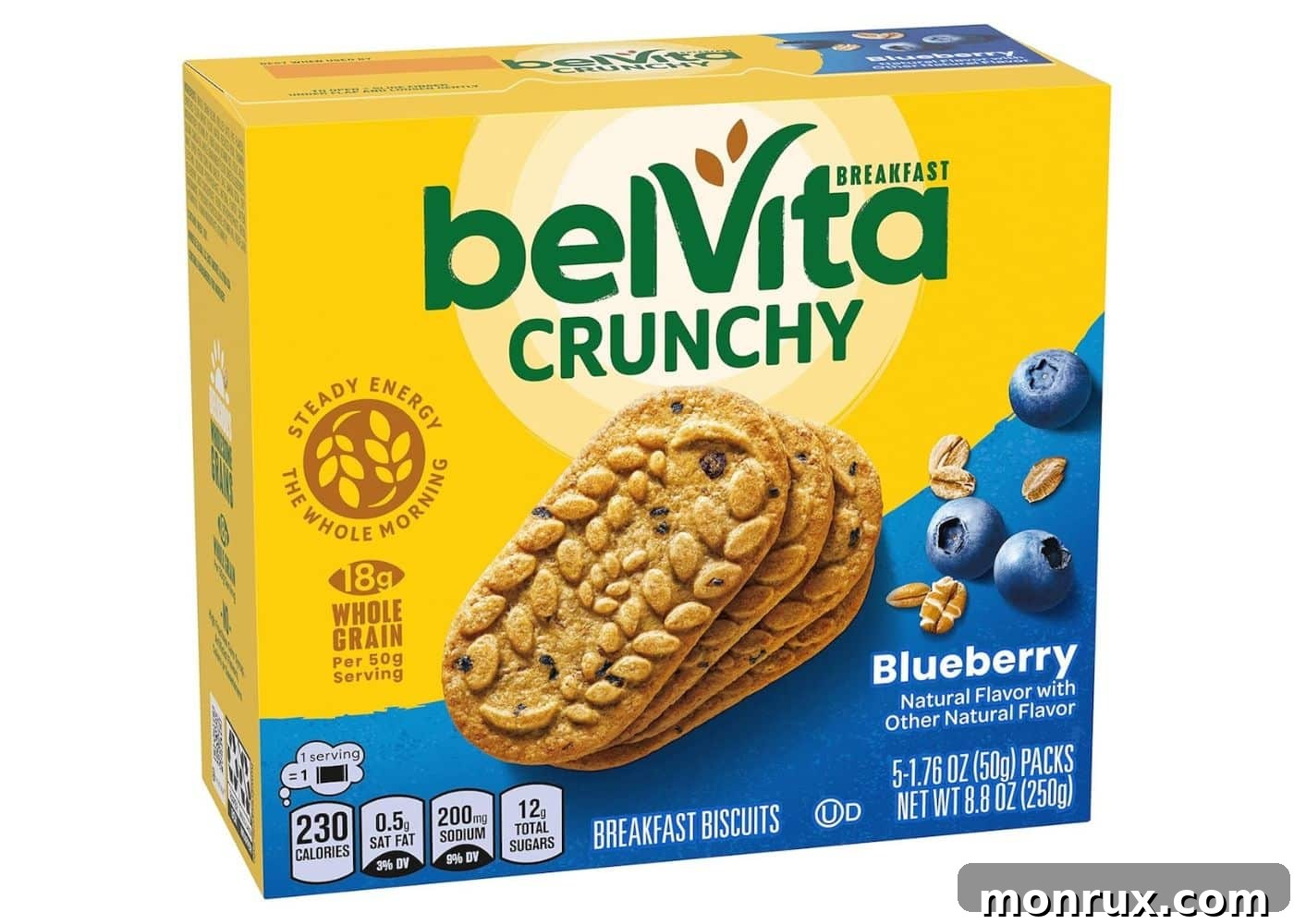
In the quest for a quick and easy start to the day, many turn to convenient breakfast options. Among these, BelVita breakfast biscuits have gained considerable popularity, marketed as a choice that delivers “sustained energy” and nutritional benefits for busy mornings. But how healthy are these popular biscuits really? This article dives deep into the nutritional profile of BelVita, dissecting its ingredients, weighing its pros and cons, and offering healthier alternatives to help you make informed choices for your breakfast.
BelVita: A Closer Look
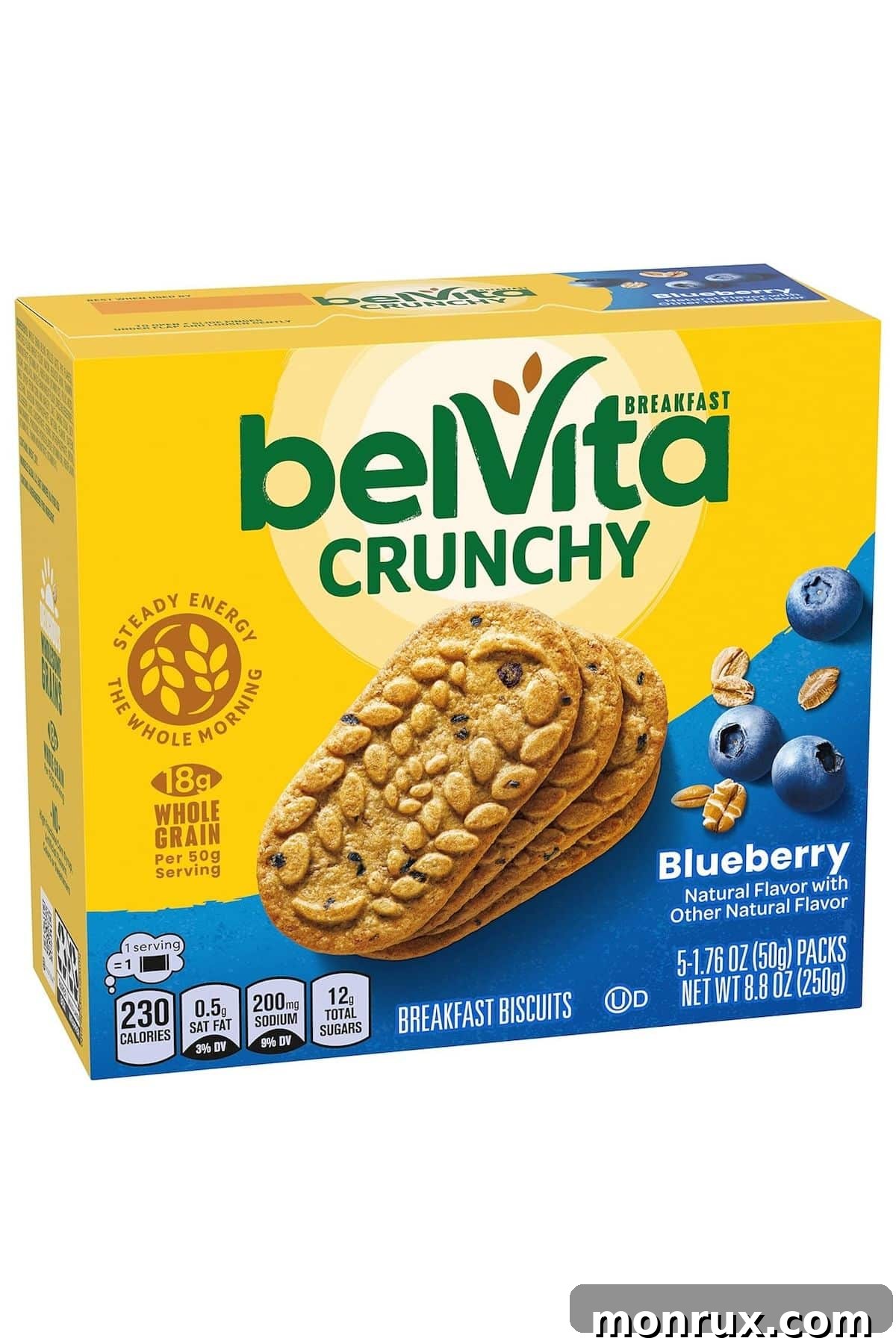
BelVita is a well-known brand of breakfast biscuits, or “cookies,” produced by Mondelez International. This global food and beverage giant also owns an extensive portfolio of popular brands, including household names like Oreo, Chips Ahoy!, Ritz, and Trident. Mondelez strategically positions BelVita biscuits as a convenient and nutritionally beneficial breakfast solution, particularly for individuals leading fast-paced lifestyles who may not have the luxury of a traditional sit-down morning meal.
The brand’s marketing emphasizes that BelVita products are designed to provide “sustained energy” throughout the morning, alongside offering certain nutritional advantages. These claims warrant a deeper investigation into the actual ingredients and their impact on health. BelVita breakfast biscuits are typically sold in individually portioned packs, making them easy to grab and consume on the go. They are available in a diverse array of flavors to cater to various taste preferences, including:
- Golden Oat
- Blueberry
- Chocolate
- Cinnamon Brown Sugar
- Cranberry Orange
- Banana Bread
- Pumpkin Spice
The product line also offers both crunchy and soft-baked variations. While BelVita biscuits do contain some whole grains, such as rolled oats and rye, their ingredient list also frequently includes wheat flour, canola oil, malt syrup, soy lecithin, significant amounts of added sugar, natural flavors, B vitamins (often synthetic), and various other food additives. Understanding these components is crucial to assessing the true healthfulness of BelVita.
Unveiling BelVita Ingredients
To truly evaluate whether BelVita biscuits are a healthy breakfast option, we must scrutinize their key ingredients. The order of ingredients on a food label indicates their proportion by weight, with the most abundant ingredients listed first. This often reveals a stark contrast between marketing messages and nutritional reality.
Added Sugar: The Sweet Deception
One of the most concerning aspects of BelVita biscuits is their sugar content, which typically ranges from 9g to 13g per serving. A significant portion of this is added sugar, not naturally occurring sugar from fruits that some flavors might contain. For context, the American Heart Association recommends that women consume no more than 25 grams (6 teaspoons) of added sugar per day, and men no more than 36 grams (9 teaspoons). A single serving of BelVita can easily account for a third to half of this recommended daily limit.
Added sugar, unlike the natural sugars found in whole fruits which come packaged with fiber and micronutrients, provides empty calories with virtually no nutritional value. Regular consumption of high amounts of added sugar has been unequivocally linked to a myriad of health issues, including:
- Weight Gain and Obesity: Excess sugar is often stored as fat in the body.
- Increased Risk of Type 2 Diabetes: Chronic high sugar intake can lead to insulin resistance.
- Non-Alcoholic Fatty Liver Disease: Fructose, a component of many added sugars, is primarily metabolized by the liver and can contribute to fat accumulation.
- Blood Sugar Spikes and Crashes: Leading to fluctuating energy levels, brain fog, and intense food cravings shortly after eating.
- Increased Risk of Heart Disease: High sugar intake can negatively impact cholesterol levels, triglycerides, and contribute to inflammation.
- Dental Caries: Sugar feeds bacteria in the mouth, leading to tooth decay.
- Mood Disorders: Some studies suggest a link between high sugar consumption and increased risk of depression and fatigue.
It’s also important to note that sugar goes by many names on ingredient labels, such as malt syrup, dextrose, corn syrup, high-fructose corn syrup (which BelVita claims to avoid, though other forms of sugar are present), and more. Being aware of these aliases is crucial for identifying hidden sugars.
Canola Oil and Industrial Seed Oils
Canola oil, a prominent ingredient in BelVita biscuits, falls into the category of industrial seed oils, often referred to as “vegetable oils.” These oils, which also include soybean oil, corn oil, sunflower oil, safflower oil, and cottonseed oil, are a subject of considerable debate in the nutrition world. Many are made from genetically modified (GM) crops and undergo extensive processing.
The processing of industrial seed oils typically involves several harsh steps: chemical extraction (often with hexane), degumming, bleaching, and deodorizing at high temperatures. These processes can damage the delicate polyunsaturated fatty acids (PUFAs) in the oils, leading to the formation of harmful compounds, including trans fats, even if not explicitly labeled as “hydrogenated.”
Research indicates that a high intake of industrial seed oils, particularly those rich in omega-6 polyunsaturated fats, can contribute to:
- Oxidative Stress: Leading to cellular damage throughout the body.
- Chronic Inflammation: An underlying factor in many chronic diseases, including autoimmune conditions, heart disease, diabetes, and certain cancers.
- Heart Disease and Atherosclerosis: Despite earlier beliefs, these oils can contribute to cardiovascular issues by promoting inflammation and potentially altering cholesterol profiles, particularly oxidized LDL cholesterol.
- Imbalance of Omega-6 to Omega-3 Fatty Acids: The typical Western diet often has an imbalanced ratio, with far too much omega-6, which is pro-inflammatory when not balanced by sufficient omega-3s.
For a healthier alternative, consider cooking with oils like extra virgin olive oil, avocado oil, or coconut oil (in moderation), which are less processed and have better fatty acid profiles.
Malt Syrup: Another Form of Sugar
Malt syrup, also known as maltose, maltose syrup, or malt sugar, is another sweetener found in BelVita. It’s derived from fermented, sprouted grains like rice or barley. While it has a distinct nutty, caramel-like flavor and a thicker consistency than typical syrups, it is fundamentally a sugar.
Like other sugars, maltose serves as an energy source for the body, rapidly increasing blood glucose levels. Its glycemic index is comparable to, or even higher than, that of table sugar. Therefore, despite its “natural” origin, consuming malt syrup regularly and in large quantities can have similar negative health consequences to other forms of added sugar, contributing to blood sugar dysregulation, weight gain, and the associated risks discussed earlier.

Soy Lecithin: A Processed Emulsifier
Soy lecithin is often mistakenly perceived as a healthy ingredient due to its association with soy. However, it’s crucial to understand that whole soy (like edamame or tofu) and soy lecithin are vastly different. Whole soy is a protein-rich plant food with potential health benefits, especially when consumed in its unprocessed form.
Soy lecithin, on the other hand, is a highly processed byproduct of soy oil extraction. It serves primarily as an emulsifier, helping to bind ingredients and give products a smooth texture. During its manufacturing, soy lecithin is typically extracted from crude soy oil using chemical solvents, most commonly hexane. This process significantly alters the soy, stripping it of nearly all its protein and beneficial compounds, leaving behind a highly refined product that barely resembles its plant origin.
Concerns surrounding soy lecithin include:
- Chemical Residues: The use of solvents like hexane raises questions about potential residues in the final product.
- Genetically Modified Origin: A vast majority of soy grown in the U.S. is genetically modified, which means most soy lecithin comes from GMO crops.
- Minimal Nutritional Value: It provides negligible protein, vitamins, or minerals.
- Impact on Thyroid Function: While whole soy has been debated regarding thyroid health, highly processed soy derivatives may still be a concern for individuals with pre-existing thyroid conditions, especially if iodine intake is insufficient.
Interestingly, because soy lecithin is so refined, even some individuals with a soy allergy may not react to it, though caution is always advised.
Fortified B Vitamins
BelVita biscuits are often fortified with various B vitamins, including vitamin B1 (Thiamin Mononitrate), vitamin B2 (Riboflavin), vitamin B3 (Niacinamide), and vitamin B6 (Pyridoxine Hydrochloride). This fortification is a common practice in processed foods, aiming to replace nutrients lost during refining or to enhance the perceived nutritional value.
While B vitamins are essential for energy metabolism and overall health, the B vitamins added to processed foods like BelVita are typically synthetic forms. The body may not absorb or utilize synthetic vitamins as efficiently as those naturally occurring in whole foods. Furthermore, some individuals may experience sensitivities or adverse reactions to high doses of certain synthetic B vitamins. For example, studies have linked high intake of synthetic vitamin B3 (Niacinamide) to potential gastric distress and other unpleasant side effects in sensitive individuals.
Whole Grains Versus Refined Flour
BelVita often highlights the presence of whole grains like rolled oats and rye. While whole grains are indeed beneficial, offering fiber, vitamins, and minerals, it’s important to look at the overall ingredient list. Many BelVita products also list wheat flour, which is typically refined flour. Refined flours have had their bran and germ removed, stripping away much of the fiber, vitamins, and minerals. Even if some whole grains are present, their benefits can be diminished by the presence of refined flours, added sugars, and processed fats that dominate the product’s nutritional landscape.
The Purported Nutrition Pros of BelVita
Despite the concerns regarding several ingredients, BelVita biscuits do possess a few positive attributes that are often highlighted by the brand:
- Absence of High-Fructose Corn Syrup (HFCS): Unlike many processed snacks, BelVita generally avoids HFCS, which is often associated with particular health concerns.
- No Synthetic Sweeteners: The product does not contain artificial sweeteners like aspartame or sucralose.
- Free from Preservatives and Artificial Colors/Flavors: BelVita biscuits are marketed as being free from these common additives, which is a commendable aspect.
- Convenience: For individuals with extremely busy schedules, these biscuits offer a very quick and portable breakfast solution. Their individual packaging makes them easy to grab on the go.
- Fiber Content: Each serving typically contains a few grams of dietary fiber, primarily from the whole grains included. Fiber is beneficial for digestive health and can contribute to satiety, though the amount in BelVita may not be sufficient to offset other less desirable ingredients.
While these points might make BelVita seem like a better choice compared to other heavily processed, artificially flavored snacks, it’s crucial to view them within the context of the product’s overall nutritional profile.
The Significant Nutrition Cons
When considering BelVita as a regular breakfast option, the drawbacks largely outweigh the minor benefits. The core issue lies in its classification as a highly processed food, laden with ingredients that are far from ideal for starting your day nutritiously:
- Highly Processed and Unhealthy Ingredients: As discussed, the presence of significant added sugar, industrial seed oils (like canola oil), and highly processed soy lecithin makes BelVita a suboptimal choice. These ingredients can contribute to inflammation, blood sugar dysregulation, and a lack of essential micronutrients.
- High Added Sugar Content: The substantial amount of added sugar per serving leads to rapid blood sugar spikes, followed by energy crashes. This undermines the “sustained energy” claim and can lead to mid-morning hunger and cravings for more sugary foods, negatively impacting weight management efforts and overall energy levels.
- Low Nutritional Density: Despite containing some whole grains, BelVita biscuits lack the diverse array of vitamins, minerals, antioxidants, and beneficial phytonutrients found in whole, unprocessed foods. They are also relatively low in protein, which is vital for satiety and muscle maintenance.
- Allergen Concerns:
- Wheat/Gluten: Since whole wheat flour is a primary ingredient, BelVita is unsuitable for individuals with wheat allergies, celiac disease, or gluten sensitivities.
- Peanuts/Tree Nuts: Certain flavors may contain peanuts or tree nuts, posing a risk for those with severe nut allergies. Always check the ingredient label carefully.
- Soy: While highly processed, the soy lecithin may still be a concern for some individuals sensitive to soy products.
- Not a “Complete” Breakfast: A truly healthy breakfast provides a balanced combination of complex carbohydrates (for sustained energy), lean protein (for satiety and muscle health), and healthy fats, along with fiber, vitamins, and minerals from fruits or vegetables. BelVita biscuits fall short in delivering this comprehensive nutritional package. Relying on them as the foundation of your most important meal of the day can lead to nutrient deficiencies and suboptimal health outcomes.
In essence, BelVita bars are convenient processed foods that do not serve as an ideal foundation for most people’s breakfast, especially given their impact on blood sugar, energy, and weight management goals.
BelVita Nutrition FAQs
No, BelVita biscuits are not a complete breakfast replacement. A truly complete breakfast should offer a balanced array of real food choices, including complex carbohydrates, a significant source of lean protein, healthy fats, and vitamins/minerals from fruits or vegetables. While a portion of BelVita biscuits provides some calories and a few grams of fiber, it lacks sufficient protein, healthy fats, and the broad micronutrient profile found in whole foods to provide sustained energy and satiety throughout the morning. Relying solely on them means missing out on vital nutrients.
Generally, no, BelVita biscuits cannot be considered healthy. While they are convenient and avoid high-fructose corn syrup or artificial colors/flavors, they are highly processed snack items made in a factory. They contain a substantial amount of added sugar, industrial seed oils (like canola oil), and processed ingredients such as soy lecithin. These components contribute to blood sugar spikes, inflammation, and offer minimal true nutritional value. For optimal health, it’s always better to prioritize real, unprocessed food ingredients. If you’re on the go, plan ahead with healthier, homemade alternatives rather than relying on such processed options.
Currently, there are no gluten-free options available in the standard BelVita biscuits range, as they primarily contain wheat flour. Regarding vegan options, the situation is debatable for strict vegans. While the ingredients themselves might appear plant-based, some types of refined sugar (used in many processed foods like BelVita) are processed using bone char, which comes from cow bones. Therefore, many vegans choose to avoid products containing conventional refined sugar. There are also no sugar-free BelVita options.
While BelVita biscuits may be okay in moderation as an occasional treat or unhealthy snack, they should not be considered a regular healthy option for children. Their high sugar content and processed ingredients contribute to poor nutritional habits, can lead to energy crashes, and provide limited essential nutrients vital for a child’s growth and development. Prioritizing whole, unprocessed foods for children’s breakfasts and snacks is crucial for fostering healthy eating patterns and supporting their long-term health.
More Packaged Product Reviews
Healthier Breakfast Alternatives
Given the nutritional shortcomings of BelVita biscuits, it’s clear that opting for whole, unprocessed foods is a far superior choice for breakfast. Here are some healthier and equally convenient alternatives that provide genuine sustained energy, essential nutrients, and promote overall well-being:
- Overnight Oats or Chia Seed Pudding: Prepare these the night before for a grab-and-go option. Combine rolled oats or chia seeds with milk (dairy or non-dairy), a spoonful of nut butter, fresh fruit (berries, sliced banana), and a sprinkle of nuts or seeds. They offer complex carbohydrates, fiber, protein, and healthy fats.
- Greek Yogurt with Berries and Nuts: Greek yogurt is packed with protein, promoting satiety. Pair it with antioxidant-rich berries and a handful of almonds or walnuts for healthy fats and crunch.
- Homemade Breakfast Burritos or Egg Muffins: Whip up a batch on the weekend. Fill whole-wheat tortillas with scrambled eggs, black beans, salsa, and cheese, or bake eggs with veggies in muffin tins. These are excellent sources of protein and fiber.
- Whole-Grain Toast with Avocado and Egg: A quick and satisfying option. Top toasted whole-grain bread with mashed avocado (for healthy fats) and a fried or poached egg (for protein).
- Smoothies: Blend fruits (spinach, kale), protein powder, nut butter, and liquid (water, milk) for a nutrient-dense, customizable meal that’s perfect for busy mornings.
- Fruit and Nut Butter: Simple yet effective. An apple or banana with a tablespoon of natural peanut or almond butter provides fiber, healthy fats, and some protein.
- Leftovers from Dinner: Don’t underestimate the power of nutrient-rich dinner leftovers like roasted vegetables, lean protein, or a healthy stir-fry for a balanced breakfast.
These alternatives require a little planning but offer immense nutritional benefits, helping you avoid the blood sugar roller coaster and inflammatory ingredients found in many processed breakfast items.
Conclusion: Making Informed Breakfast Choices
BelVita breakfast biscuits, while undeniably convenient and free from certain artificial additives and high-fructose corn syrup, present a mixed nutritional bag. They contain some whole grains and a small amount of fiber, but these benefits are largely overshadowed by their significant added sugar content, the inclusion of industrial seed oils like canola oil, and other highly processed components such as soy lecithin. These ingredients can lead to blood sugar spikes, energy crashes, and contribute to chronic inflammation, making them far from an ideal start to the day.
For individuals committed to a clean, health-conscious diet, BelVita biscuits do not align with the principles of whole-food nutrition. They often lack the sufficient protein, healthy fats, and diverse micronutrients required to provide sustained energy and lasting satiety, which are crucial for a productive morning.
Instead of relying on processed products like BelVita, empower yourself by preparing healthier, real-food breakfast alternatives. Options such as almond butter energy balls, chia breakfast pudding, almond banana muffins, or overnight protein oats offer superior nutritional profiles, supporting your energy levels, health goals, and overall well-being. Making conscious choices about what you consume for breakfast is a foundational step toward a healthier lifestyle.
Don’t forget to join my newsletter list to get exclusive clean eating recipes and tips. The newsletter is 100% free with no spam; unsubscribe anytime.
About the Author: Carrie Forrest has a master’s degree in public health with a specialty in nutrition and is a certified holistic nutritionist. She is a top wellness and food blogger with over 5 million annual visitors to her site. Carrie has an incredible story of recovery from chronic illness and is passionate about helping other women transform their health. Send her a message through her contact form.
Note: this post is for informational purposes only and is not intended as medical advice. Please consult your healthcare provider for recommendations related to your individual situation.