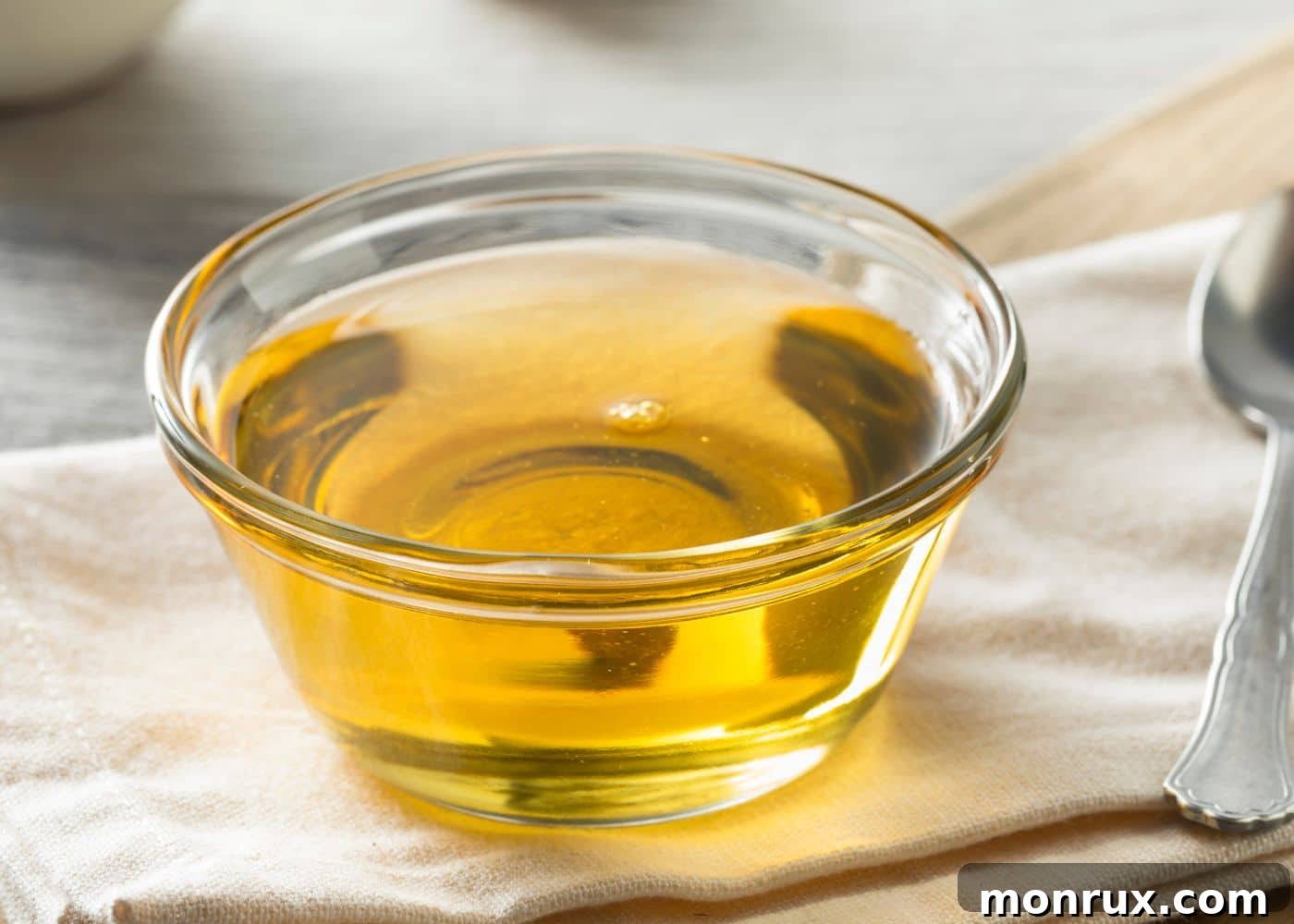
Agave nectar, also widely known as agave syrup, has solidified its place as a cornerstone natural sweetener, especially beloved in the realms of vegan and raw food cuisine. Its mild flavor and liquid consistency make it a versatile ingredient, often chosen for everything from delectable raw desserts to sweetening beverages like coffee and tea. However, whether due to availability, dietary preferences, or simply a desire for variety, there are times when you might need to find an alternative. Understanding the best substitutes for agave nectar can empower you to confidently adapt any recipe without compromising on taste or texture.
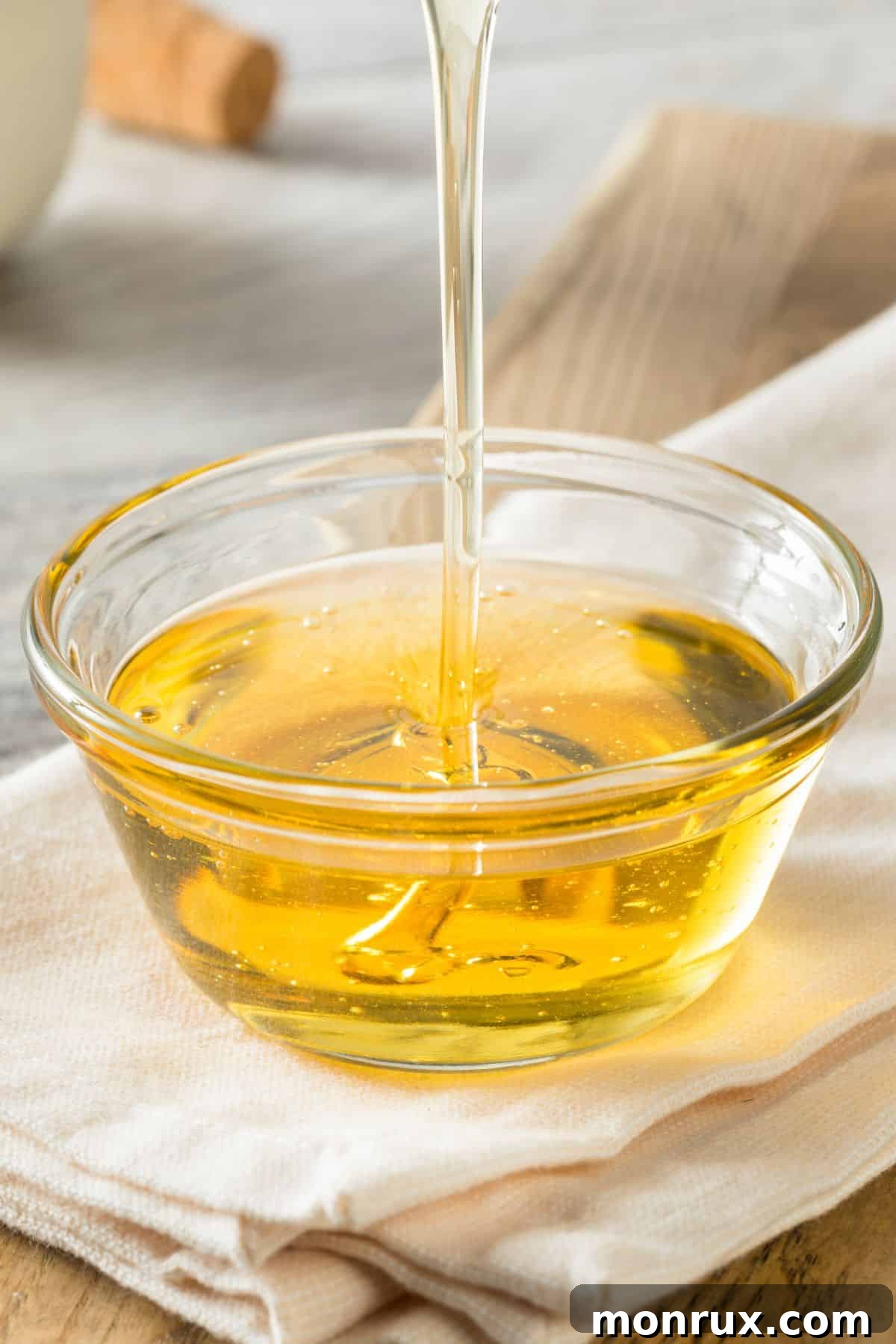
Derived from the sap of the agave plant, primarily native to Mexico and the southwestern United States, agave nectar boasts a distinctive light, neutral flavor profile. Its taste is often compared to a milder version of honey, making it an excellent choice for recipes where you want sweetness without an overpowering flavor. This makes it particularly popular in smoothies, dressings, and various baked goods where it contributes to a tender crumb.
Agave nectar is also known for its relatively low glycemic index (GI) compared to table sugar, which has made it an attractive option for those monitoring their blood sugar levels, though it’s important to remember it’s still a concentrated sweetener. Its thin consistency means it dissolves easily, making it ideal for liquid applications. You’ll typically find agave nectar in the baking or natural foods aisle of your local grocery store, usually alongside other natural liquid sweeteners like maple syrup, honey, and sometimes coconut sugar.
This comprehensive guide will explore a variety of excellent alternatives, detailing their unique characteristics, ideal applications, and precise substitution ratios, ensuring you always have a sweet solution on hand.
Substitutes for Agave Nectar
If your recipe calls for agave nectar but you find your pantry lacking, don’t despair! Many excellent alternatives can step in to provide the desired sweetness and consistency. Here are some of the top picks, each with its unique characteristics.
1. Maple Syrup
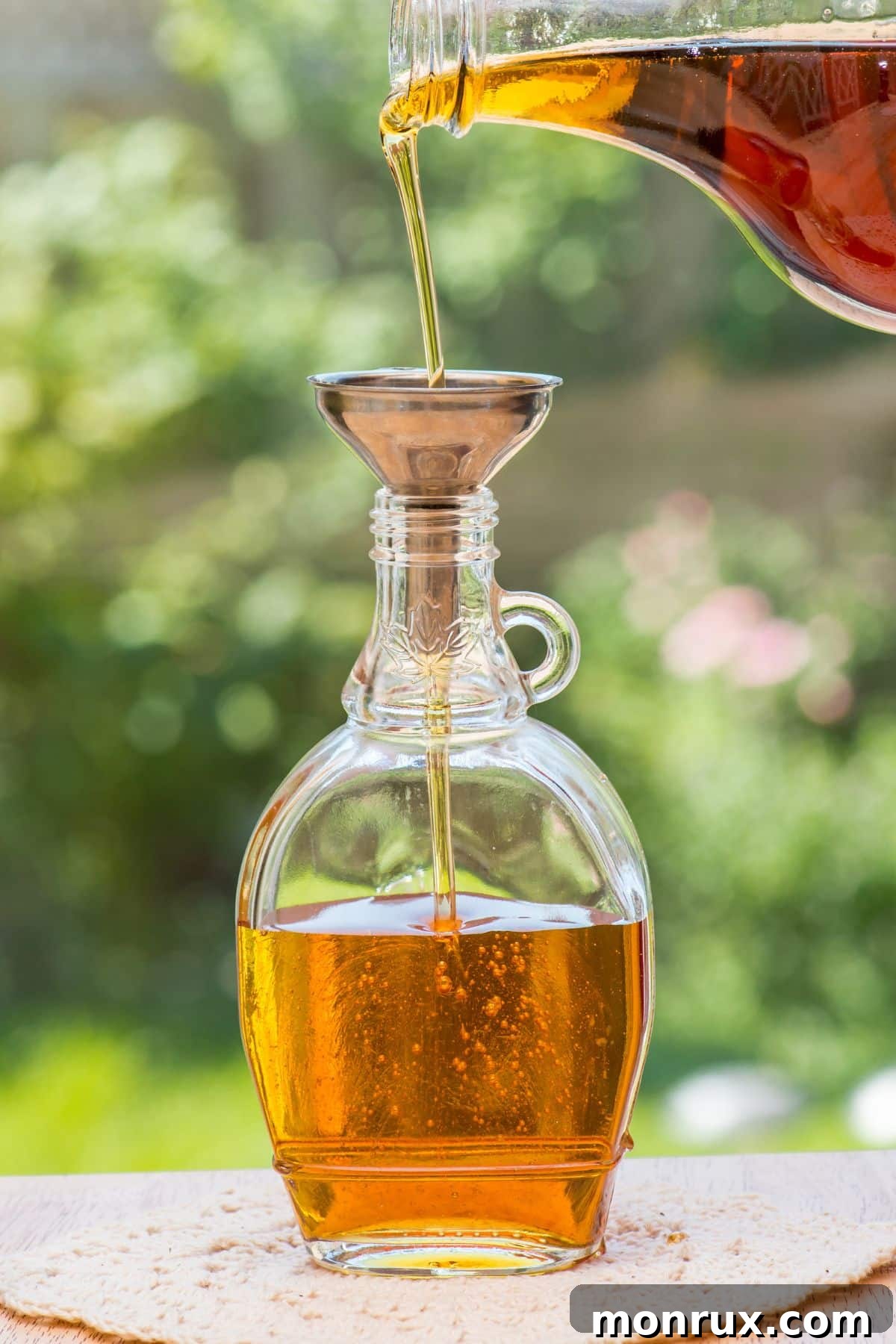
Pure maple syrup, harvested from maple trees, is a classic, naturally delicious, and incredibly versatile sweetener. It has been a culinary staple for centuries, renowned for its distinct earthy and caramel-like flavor that adds depth to any dish. Its consistency is quite similar to agave nectar, making it an excellent like-for-like liquid substitute in many recipes.
Maple syrup is particularly celebrated in breakfast foods like pancakes, waffles, and oatmeal, but its applications extend far beyond. It performs beautifully in baking, providing moisture and a rich sweetness to cookies, cakes, and muffins. It’s also a fantastic addition to glazes, marinades, salad dressings, and even cocktails. As a natural, plant-based sweetener, pure maple syrup is an ideal choice for vegan diets, aligning perfectly with the typical uses of agave.
While maple syrup’s flavor is more pronounced than agave’s subtle notes, its inherent deliciousness rarely clashes with other ingredients. For optimal results, always opt for pure maple syrup (Grade A or B) rather than artificial pancake syrups, which contain high fructose corn syrup and artificial flavors.
Substitution Ratio: To substitute one tablespoon of agave nectar, use one tablespoon of pure maple syrup. Due to its comparable sweetness, a 1:1 ratio generally works perfectly.
2. Brown Rice Syrup
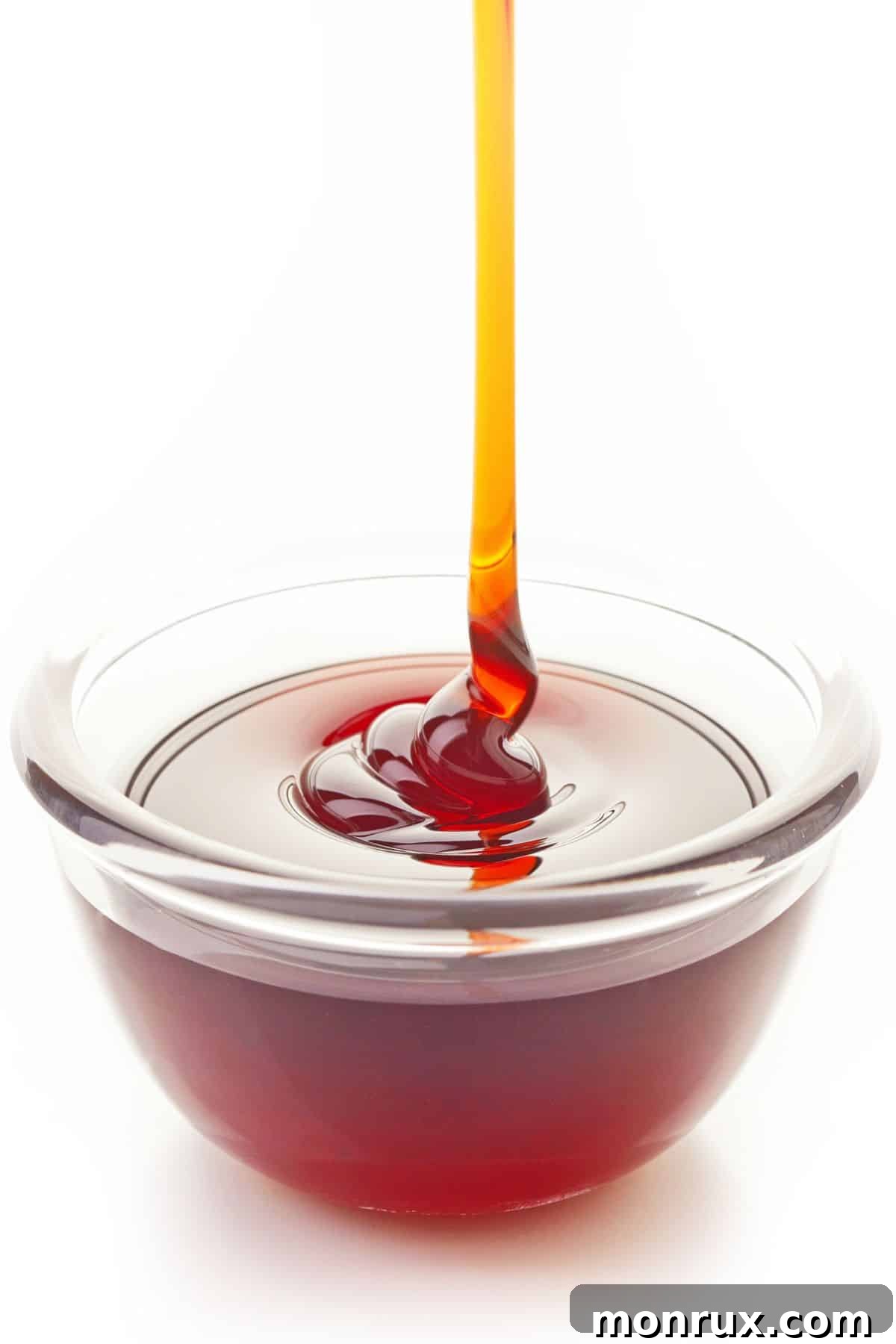
Brown rice syrup is a sweetener produced by cooking brown rice with enzymes, which break down the starches into complex carbohydrates, maltose, and glucose. The resulting liquid is then filtered and evaporated to create a thick, amber-colored syrup with a delicate, nutty, and caramel-like flavor. It’s less sweet than table sugar, honey, or agave, which can be an advantage for those who prefer a more subdued sweetness in their dishes.
This syrup is a popular choice in health-conscious baking and for those avoiding fructose, as it is primarily composed of glucose and maltose. Its thick, somewhat sticky consistency makes it an excellent binder in recipes, particularly in homemade granola bars, energy balls, and crispy treats. It also adds a lovely chewiness to baked goods and can be used in sauces, glazes, and dressings.
Because brown rice syrup is less sweet, you’ll need to adjust the quantity. However, its unique flavor profile and binding properties make it a valuable addition to your sweetener arsenal, especially for gluten-free and vegan recipes. It’s a good option if you want to avoid the distinct flavor of honey or maple syrup and prefer something more neutral but with a hint of caramel.
Substitution Ratio: To substitute one tablespoon of agave nectar, use two tablespoons of brown rice syrup. Be mindful of its thicker texture and adjust other liquids in your recipe slightly if necessary.
3. Honey
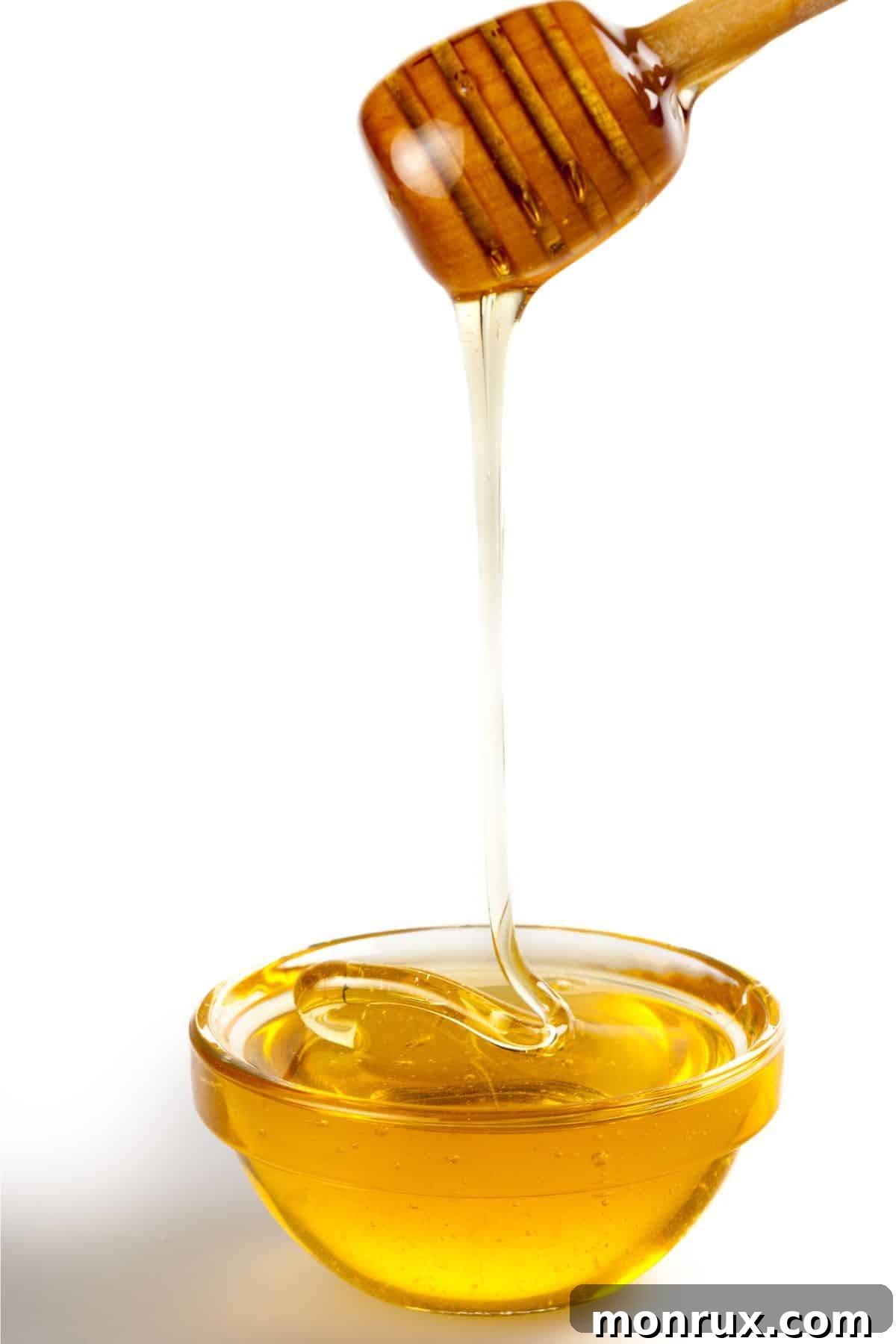
Honey, the golden elixir produced by bees from flower nectar, is arguably one of the oldest and most revered natural sweeteners. Its flavor, color, and consistency vary widely depending on the floral source, ranging from light and mild clover honey to dark and robust buckwheat honey. Regardless of its origin, honey offers a complex sweetness, often with floral, fruity, or earthy undertones that can significantly enhance a recipe.
Beyond its delicious taste, honey is celebrated for its potential health benefits, including antioxidant and antibacterial properties. It’s a source of carbohydrates, enzymes, and a variety of micronutrients. Its sticky, viscous texture is quite similar to agave, making it an excellent liquid substitute in terms of mouthfeel and how it incorporates into recipes. However, it’s crucial to note that if you adhere to a strict vegan diet, honey is not a suitable substitute for agave nectar, as it is an animal product.
For non-vegans, honey works wonderfully in a vast array of dishes. It’s fantastic in salad dressings, marinades, teas, and baked goods. When baking with honey, be aware that it can cause baked goods to brown more quickly due to its sugar composition, so you might need to lower the oven temperature slightly. Its distinct flavor also means it will impart its character to the final product, which is often a desirable trait.
Substitution Ratio: To substitute one tablespoon of agave nectar, use one tablespoon of honey. This 1:1 ratio works well for most applications, especially where a similar liquid consistency is needed.
4. Simple Syrup
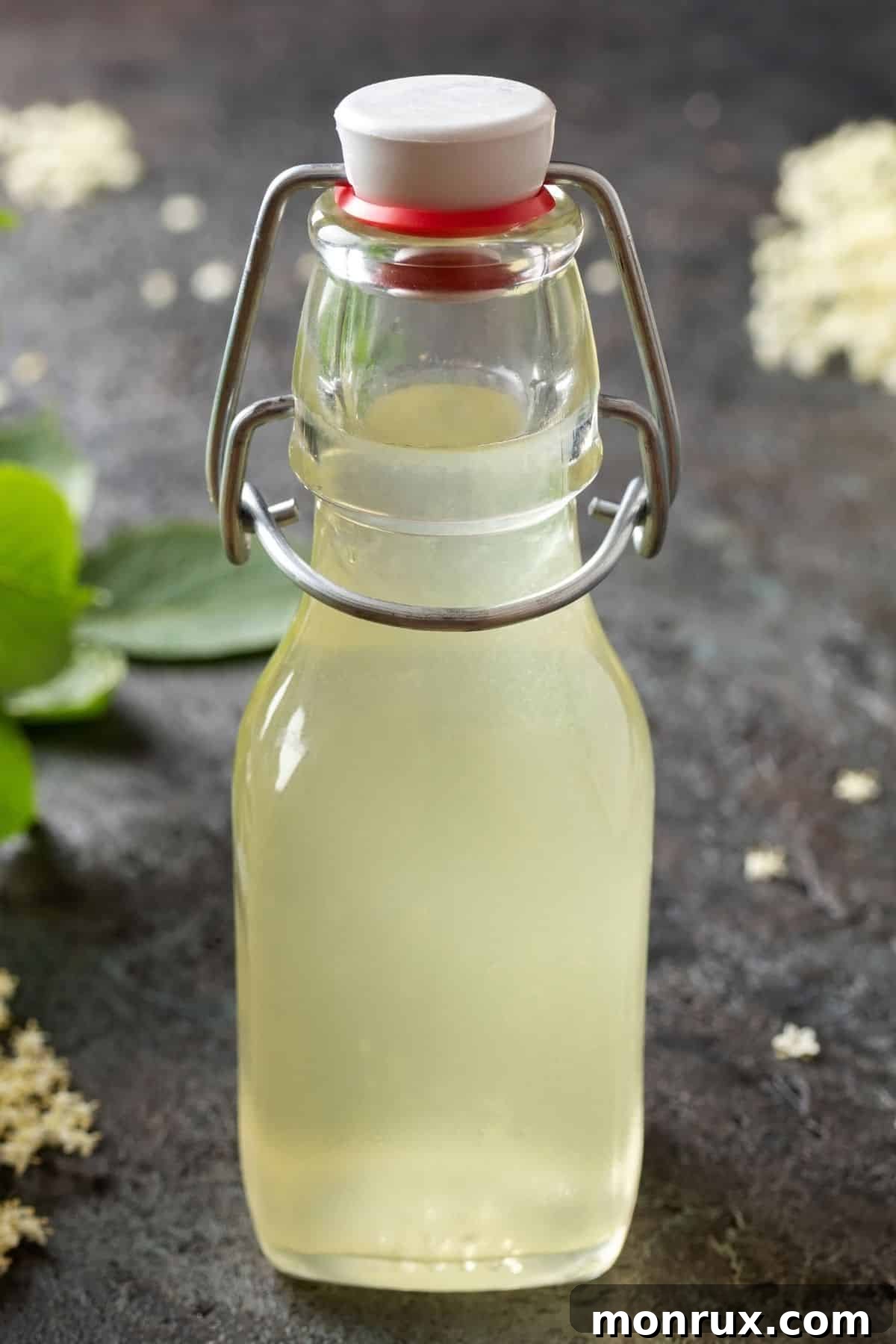
Simple syrup is a homemade sweetener made by dissolving sugar in water, typically in a 1:1 ratio by volume (or 2:1 for a rich simple syrup). Its primary appeal lies in its neutral flavor and liquid form, which allows it to sweeten beverages and recipes without altering their inherent taste profiles. This characteristic makes it a staple in mixology, where it ensures cocktails are perfectly balanced without adding unwanted flavors from granulated sugar.
While simple syrup is essentially just sugar and water, its liquid form makes it an effective substitute for agave nectar, particularly in applications where you need a liquid sweetener that dissolves easily. It can be made with either white granulated sugar for a clear, neutral syrup, or brown sugar for a richer, caramel-noted syrup. The sweetness level can also be adjusted by changing the sugar-to-water ratio.
Beyond cocktails, simple syrup can be used to moisten cakes, sweeten iced teas and coffees, or as a topping for pancakes and fruit. It’s an excellent vegan option and incredibly easy to make at home, providing a quick solution if you’re out of other liquid sweeteners. Keep in mind that simple syrup is essentially refined sugar, so it doesn’t offer the same nutritional profile or low glycemic index benefits as some other natural alternatives.
Substitution Ratio: To substitute one tablespoon of agave nectar, use 1 and 1/2 tablespoons of simple syrup. Agave is generally sweeter than standard simple syrup, so a slightly higher quantity is needed. Adjust to your desired level of sweetness.
5. Coconut Nectar
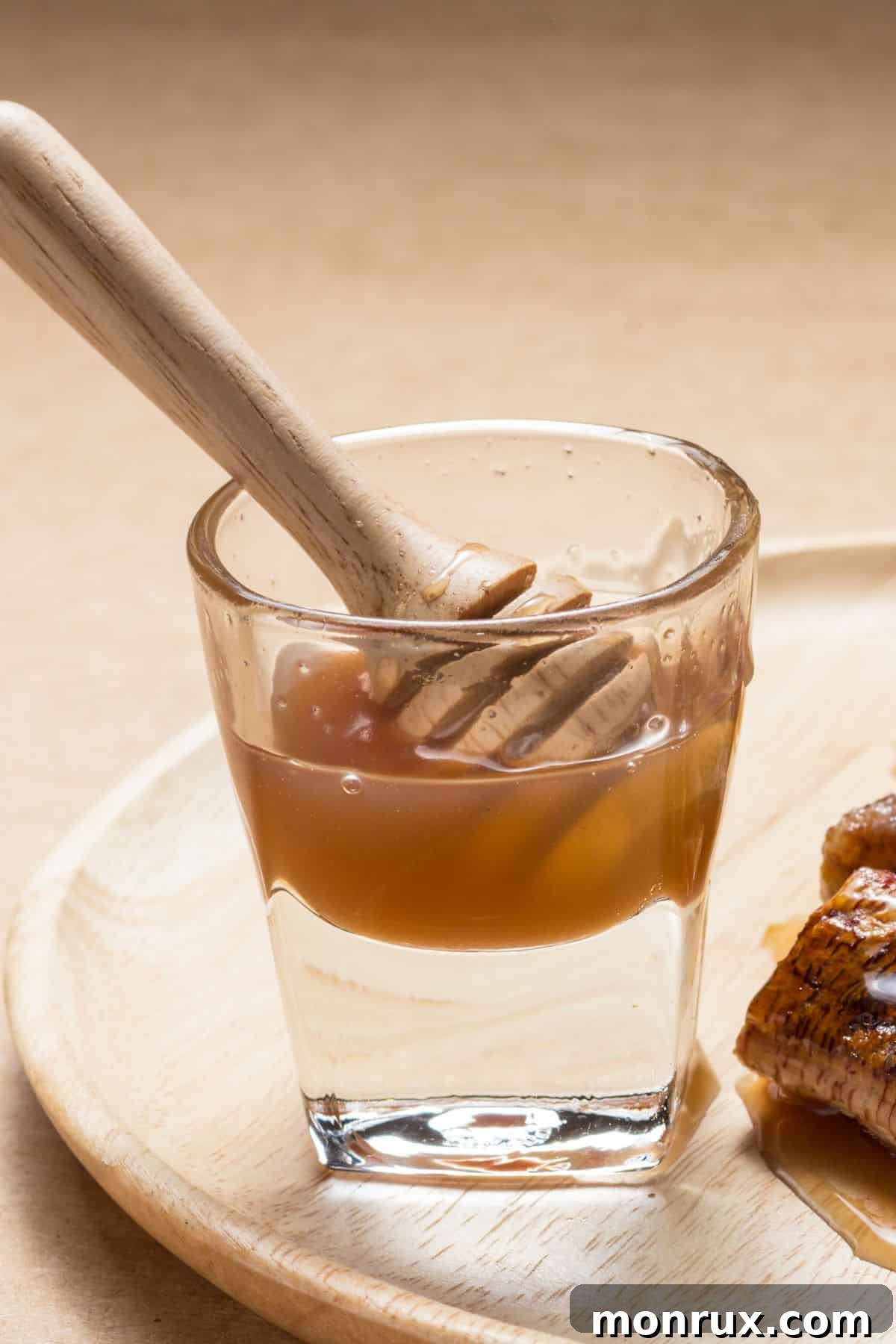
Coconut nectar is a sweet, viscous syrup extracted from the sap of the coconut palm flower. It is considered a more natural and minimally processed sweetener compared to refined sugars. It possesses a distinct caramel-like flavor, often described as similar to brown sugar or molasses, but with a milder, less intense profile. This subtle flavor makes it a versatile ingredient that complements a wide range of dishes without overpowering them.
One of the key advantages of coconut nectar is its relatively low glycemic index, making it a popular choice for those mindful of blood sugar fluctuations. It also retains some of the vitamins, minerals (such as iron, potassium, magnesium, and zinc), and amino acids present in the coconut sap, offering a slightly more nutrient-rich alternative compared to highly refined sweeteners. As a plant-based product, coconut nectar is also perfectly suitable for vegan diets, making it a fantastic direct alternative to agave in many vegan recipes.
Coconut nectar is commonly used in desserts, drinks, sauces, and marinades. Its consistency is quite similar to agave nectar, which makes it easy to incorporate into recipes without significant liquid adjustments. It can be used to sweeten coffee, tea, smoothies, and raw desserts, and provides a lovely depth of flavor to baked goods. Its rising popularity means it’s becoming more readily available in health food stores and larger supermarkets.
Substitution Ratio: To substitute one tablespoon of agave nectar, use one tablespoon of coconut nectar. Their similar sweetness and consistency allow for a straightforward 1:1 replacement.
6. Molasses
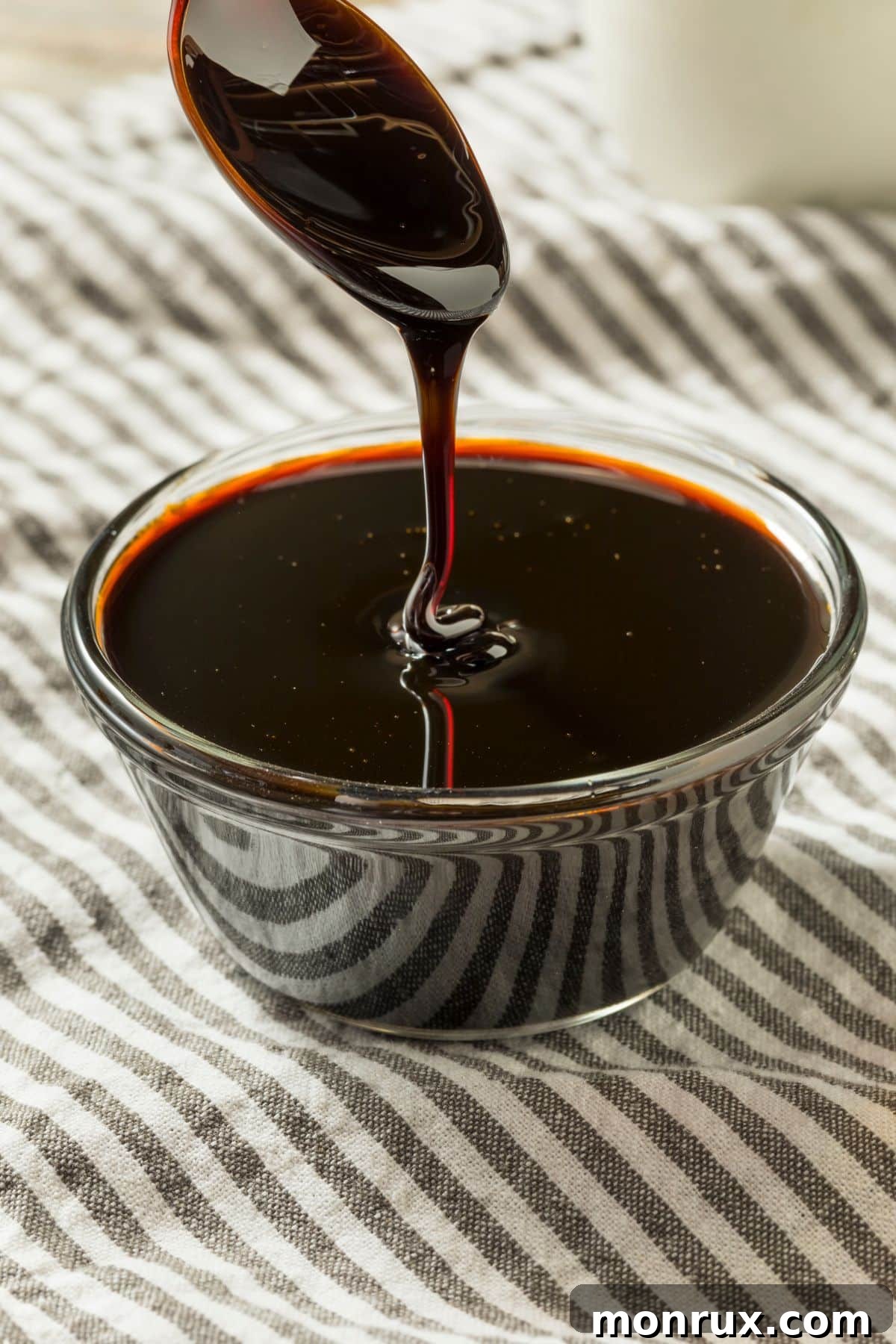
Molasses is a thick, dark, and intensely flavored syrup that is a byproduct of the sugar refining process. It is often celebrated for its robust, bittersweet, and somewhat smoky caramel notes, which can add significant depth and character to dishes. While blackstrap molasses is particularly rich in minerals like iron, calcium, and magnesium, lighter varieties offer a more palatable flavor for general use.
Its distinct flavor profile is much stronger and less neutral than agave nectar, so it’s important to consider its impact on the final taste of your recipe. Molasses works exceptionally well in recipes where its strong flavor is desired, such as gingerbread, barbecue sauces, baked beans, and certain types of dark bread. It also contributes to a moist texture and a rich, dark color in baked goods. However, if you’re looking for a neutral sweetness, molasses might not be the best choice.
The consistency of molasses is thick and sticky, similar to dark honey or some very thick agave syrups. While it’s a vegan product, its intense flavor means it should be used judiciously as an agave substitute. It can add a wonderfully complex sweetness, but it will undoubtedly alter the flavor profile of the original recipe. If you decide to use molasses, especially blackstrap, you might want to start with a smaller amount and add more to taste.
Substitution Ratio: To substitute one tablespoon of agave nectar, use one tablespoon of molasses. Be prepared for a significant change in the final flavor of your dish due to molasses’s intensity.
7. Light Corn Syrup
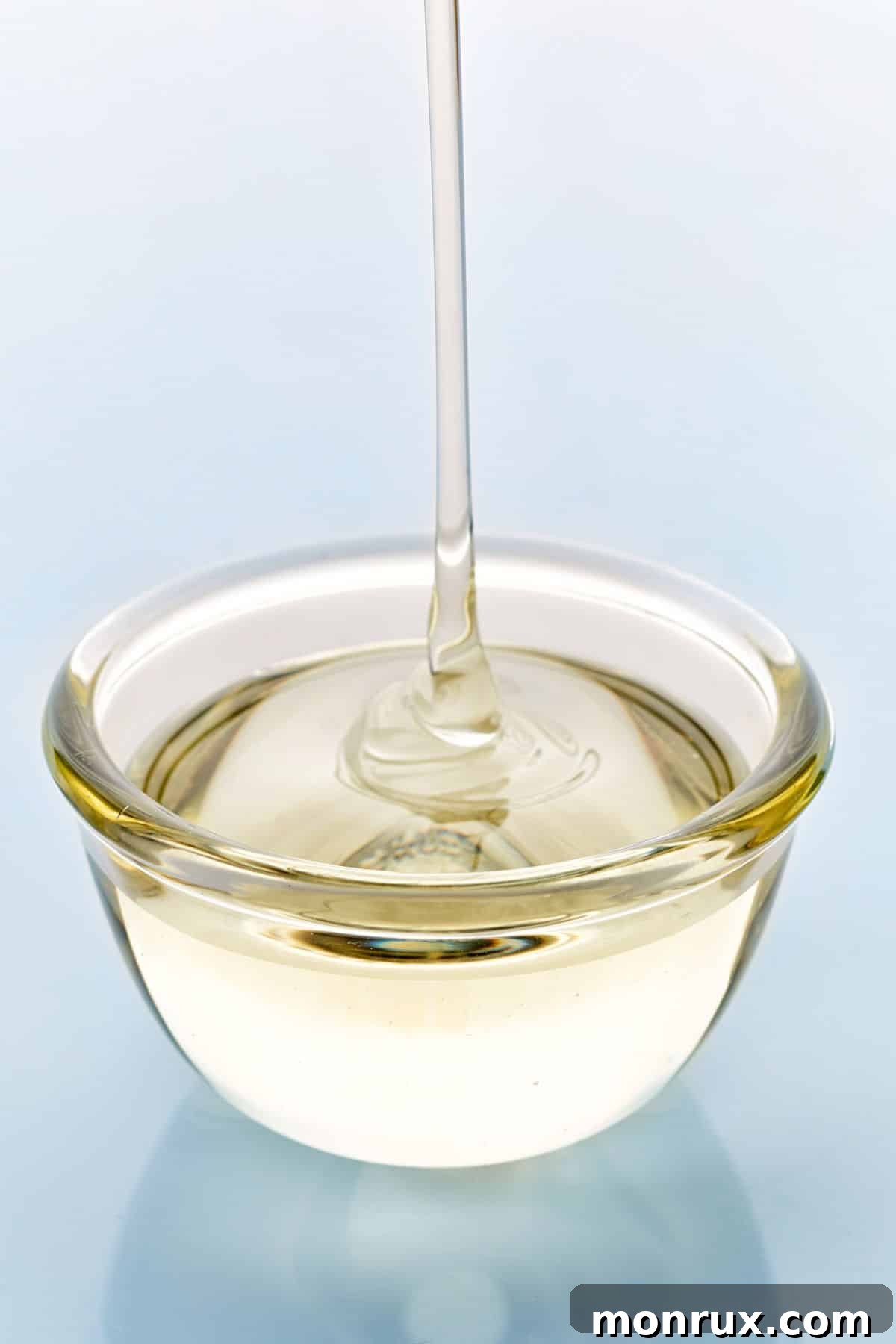
Light corn syrup is a clear, viscous liquid sweetener made by processing corn starch with enzymes, which break down the starches into glucose. Unlike high-fructose corn syrup, which has been associated with various health concerns, light corn syrup is primarily glucose-based. It is prized in confectionery and baking for its ability to prevent crystallization of sugar, maintain moisture, and add body to sauces and glazes.
Light corn syrup has a very neutral, mild sweetness, which makes it an excellent choice when you want to add sweetness without introducing any other flavors. Its consistency is quite similar to agave nectar, allowing it to be used as a straightforward liquid substitute in many recipes, especially those where a clear appearance is desired. It’s a common ingredient in candy making, frostings, and certain baked goods to achieve a smooth texture and prevent graininess.
While light corn syrup is a processed sweetener and doesn’t offer the nutritional benefits of natural alternatives like maple syrup or honey, it is a functional and readily available option. It’s particularly useful when the flavor profile of the original recipe is delicate, and you want to ensure the sweetness doesn’t overshadow other ingredients. It is also a vegan-friendly option, derived entirely from corn.
It’s crucial to differentiate between light corn syrup and high-fructose corn syrup (HFCS). Avoid using HFCS, as it is a different product with a different sugar composition and has been linked to negative health impacts. Always check labels carefully to ensure you are using pure light corn syrup.
Substitution Ratio: To substitute one tablespoon of agave nectar, use one tablespoon of light corn syrup. Their similar sweetness and texture make them directly interchangeable in many recipes.
Tips for Substituting Sweeteners
When replacing agave nectar or any sweetener, keep these general tips in mind to ensure the best results in your cooking and baking:
- Consider Sweetness Levels: Not all sweeteners are equally sweet. Agave nectar is generally sweeter than table sugar, so when substituting with less sweet options, you might need to use more. Conversely, if your substitute is sweeter, reduce the amount.
- Assess Flavor Impact: Each sweetener has a unique flavor profile. While agave is relatively neutral, alternatives like honey or molasses have strong, distinctive tastes that will affect the final product. Choose a substitute whose flavor complements your recipe.
- Account for Consistency and Moisture: Liquid sweeteners like agave nectar contribute moisture to recipes. If you’re using a thicker substitute (like very thick honey or brown rice syrup) or a granulated one, you may need to adjust other liquid ingredients in your recipe slightly to maintain the correct texture.
- Browning and Texture in Baking: Sweeteners like honey and molasses can cause baked goods to brown faster and may affect their texture. If you notice excessive browning, reduce your oven temperature by 25°F (about 15°C) and bake for a longer time.
- Dietary Restrictions: Always double-check if your chosen substitute aligns with any dietary needs, such as veganism (e.g., avoiding honey) or specific dietary considerations (e.g., low-GI options).
- Start Small and Taste: When in doubt, start with a slightly smaller amount of the substitute than the recipe calls for, especially if it’s a new ingredient for you. You can always add more sweetener to taste, but you can’t take it away!
Summary of Agave Alternatives
To help you quickly choose the best option for your specific needs, here’s a chart summarizing various substitutes for agave nectar and agave syrup, including their key attributes, pros, and cons:
| Substitute | Pros | Cons |
|---|---|---|
| Maple Syrup | Vegan-friendly, distinct caramel-like flavor, similar consistency to agave, rich in antioxidants and minerals. | Stronger flavor than agave, can be expensive for pure varieties. |
| Brown Rice Syrup | Vegan-friendly, less sweet, nutty caramel flavor, good binder, primarily glucose-based (low fructose). | Much less sweet than agave (requires more), thicker consistency, can be harder to find. |
| Honey | Similar consistency, natural sweetener, contains antioxidants, diverse flavor profiles. | Not vegan, distinct flavor that varies by source, may cause faster browning in baking. |
| Simple Syrup | Vegan-friendly, neutral flavor, easy to make at home, versatile for beverages and moistening cakes. | Lacks nutritional value, essentially just sugar, higher glycemic index than agave. |
| Coconut Nectar | Vegan-friendly, low glycemic index, similar consistency, caramel-like flavor, retains some nutrients. | Can be more expensive, flavor can vary, not as widely available as other options. |
| Molasses | Vegan-friendly, rich in minerals (especially blackstrap), strong, unique flavor, adds deep color. | Very strong and distinct flavor that can overpower dishes, thicker consistency, can alter final taste significantly. |
| Light Corn Syrup | Vegan-friendly, neutral flavor, prevents crystallization, good for texture in candy/frosting. | Processed sweetener, lacks the nutritional benefits of natural alternatives, typically high in glucose. |
FAQs
While artificial sweeteners like Stevia, Erythritol, or Sucralose can provide sweetness, they often have a different taste profile and texture than natural liquid sweeteners like agave. Additionally, many people prefer to avoid artificial sweeteners due to potential health concerns or aftertastes. It’s generally recommended to try one of the natural liquid substitutes mentioned above for a more comparable result in flavor and function.
Yes, the terms “agave nectar” and “agave syrup” are generally used interchangeably to refer to the same product. Both describe the natural sweetener derived from the agave plant. However, it’s always a good practice to read product labels to ensure that the bottle contains only pure agave and no additional ingredients or fillers, as some manufacturers might include other components in their “syrup” formulations.
Agave nectar is often touted as a healthier alternative due to its lower glycemic index (GI) compared to table sugar, meaning it causes a slower rise in blood sugar levels. However, it is still a concentrated sweetener and high in fructose. While its lower GI can be beneficial, moderation is key. It’s a “natural” sugar, but should be consumed thoughtfully, just like any other sweetener.
Yes, you can substitute granulated sugar (like white sugar or coconut sugar) for agave nectar, but you’ll need to make adjustments for sweetness and liquid content. Agave is sweeter and liquid. As a general rule, for every 1 cup of agave nectar, use about 3/4 cup of granulated sugar and increase other liquids in the recipe by 1/4 cup. Keep in mind that granulated sugar will also affect the texture differently, often making baked goods drier.
More Substitutes You Can Use in Baking
Conclusions
Agave nectar is a versatile and popular sweetener, but as this guide shows, there are numerous excellent substitutes available, each bringing its own unique qualities to your culinary creations. From the rich, earthy notes of maple syrup and honey to the subtle caramel hints of brown rice syrup and coconut nectar, or the neutral sweetness of simple syrup and light corn syrup, you have a wealth of options at your fingertips. Molasses, with its bold character, also offers a distinct alternative for specific recipes.
When selecting a substitute, remember to consider the desired flavor profile, sweetness level, and consistency required for your recipe. Don’t be afraid to experiment and discover how different sweeteners can transform and enhance your favorite dishes. With this comprehensive understanding of agave nectar alternatives, you can confidently navigate your kitchen, ensuring delicious results every time, even when agave isn’t on hand!
About the Author: Carrie Forrest holds a master’s degree in public health with a specialization in nutrition and is a certified holistic nutritionist. As a prominent wellness and food blogger, her site welcomes over 5 million annual visitors. Carrie shares an inspiring story of recovery from chronic illness and is deeply committed to empowering other women to improve their health. You can connect with her through her contact form.
Don’t forget to join my newsletter list for exclusive clean eating recipes and valuable health tips. The newsletter is completely free, spam-free, and you can unsubscribe at any time.