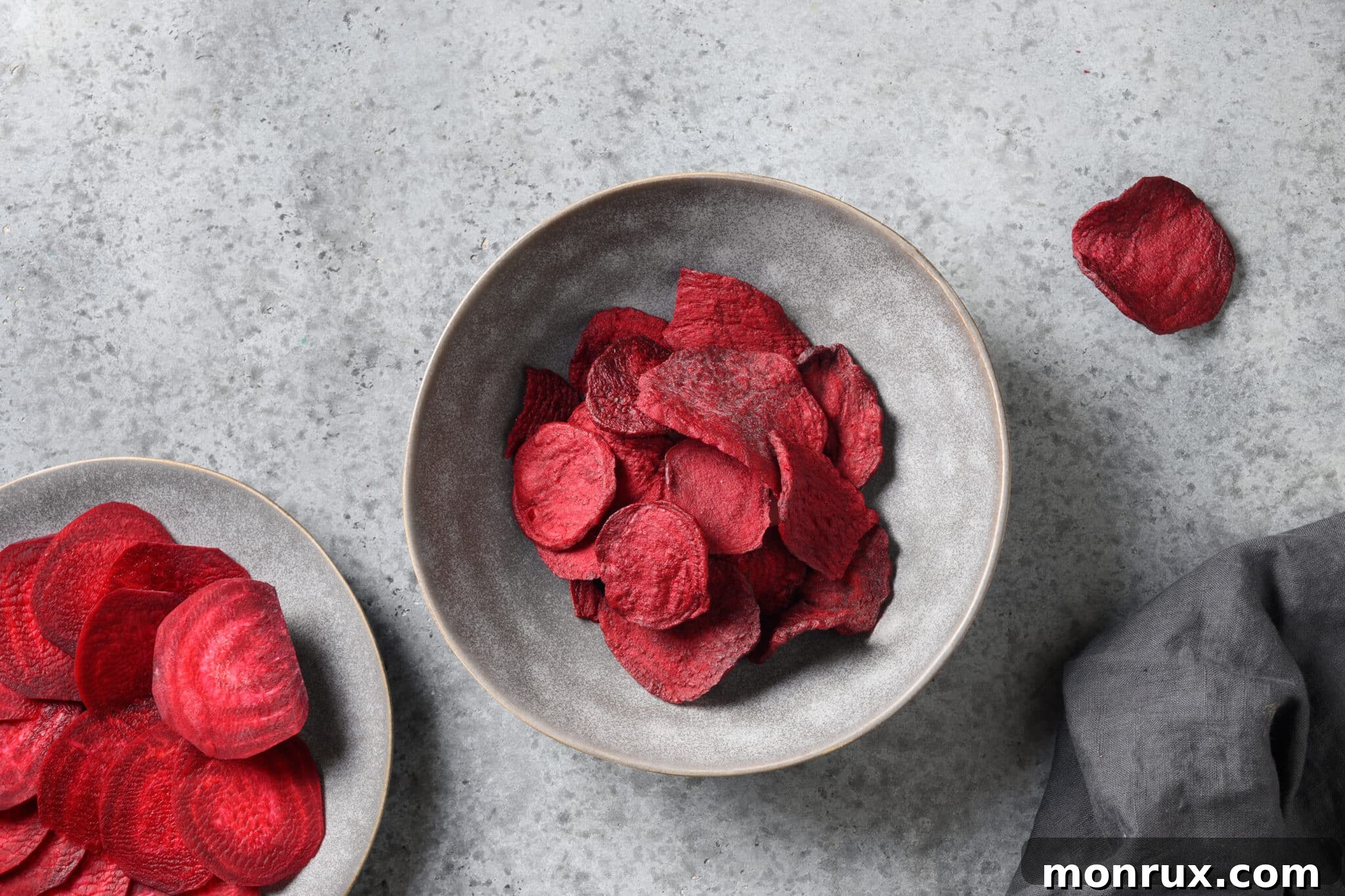
Discover the delightful world of dehydrated beet chips – a wonderfully flavorful, nutrient-dense snack that is remarkably easy to prepare right in your own kitchen. Whether you’re a seasoned chef or a beginner in food preservation, this comprehensive guide will walk you through every step of how to dehydrate beets using either a dedicated dehydrator or a conventional oven, ensuring perfect results every time.
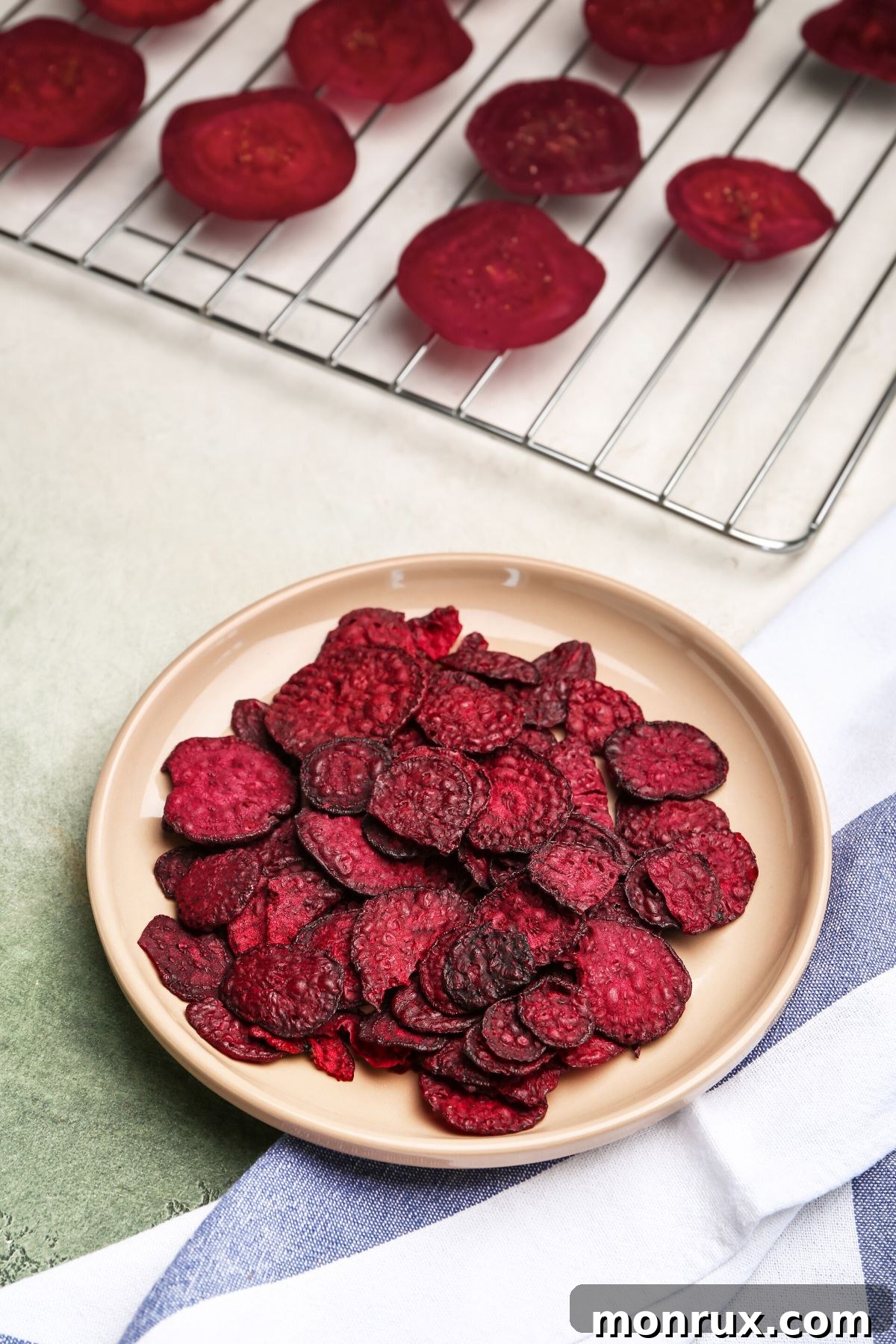
Beets are an incredible superfood, bursting with essential nutrients while remaining impressively low in calories. These vibrant root vegetables are an exceptional source of folate, manganese, and copper, offering a multitude of health benefits. Regular consumption of beets can contribute to lowering blood pressure, enhancing digestive health, and actively fighting inflammation throughout the body. They are a powerhouse of goodness, making them an ideal candidate for healthy snacking and meal preparation.
Dehydrating beets stands out as one of the best methods to preserve their nutritional integrity and rich flavor. This process effectively locks in all those valuable vitamins and minerals, allowing you to enjoy the distinctive taste and health benefits of beets all year round, long after their fresh season has passed. Imagine having a ready supply of these earthy, sweet vegetables in your pantry whenever a craving strikes or a recipe calls for them.
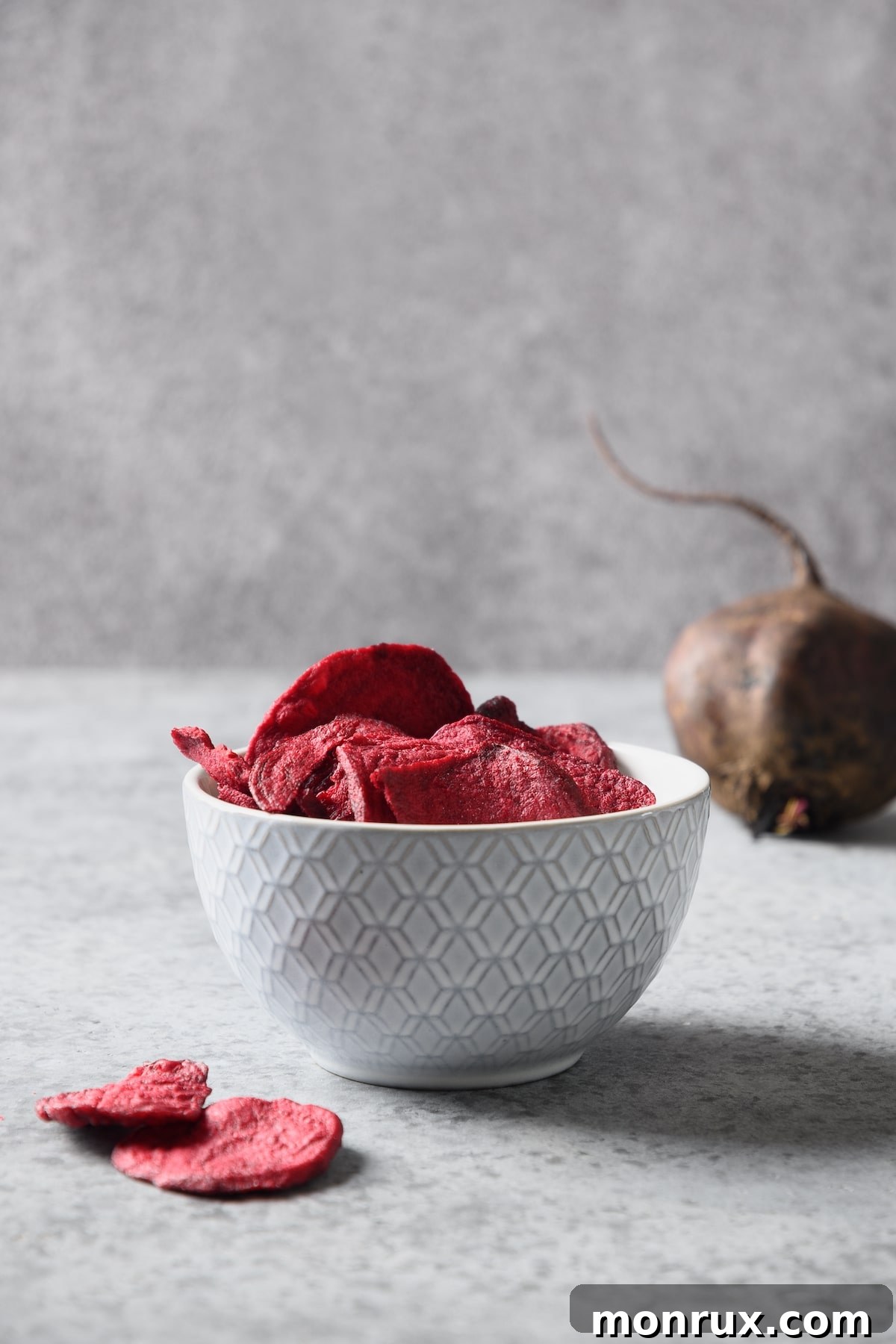
The versatility of dehydrated beets is truly impressive. You can enjoy them as satisfyingly crunchy beet chips by simply sprinkling a touch of salt, creating a wholesome and guilt-free snack. Alternatively, you can store them to be rehydrated later, transforming them back into tender beets ready to be incorporated into various savory meals. Whether you opt for a modern food dehydrator or a standard home oven, both methods yield excellent results, with the oven typically requiring a slightly longer drying time due to lower air circulation and temperature control.
Why Dehydrate Beets?
Embracing the art of dehydrating beets offers a myriad of compelling reasons, transforming this vibrant root vegetable into a versatile, long-lasting pantry staple. This method of food preservation is more than just practical; it opens up new culinary possibilities and aligns perfectly with a health-conscious lifestyle.
- Year-Round Nutritional Access: Dehydrating beets allows you to capture their peak freshness and nutrient density, making these flavorful and health-boosting veggies available in your pantry at any time of the year. No more worrying about seasonal availability – you’ll always have a supply of these vital nutrients on hand.
- The Ultimate Lightweight Snack for Adventures: For outdoor enthusiasts, hikers, campers, or anyone seeking a healthy snack on the go, dehydrated beets are an absolute game-changer. They are incredibly lightweight, highly portable, and provide a burst of natural energy and essential vitamins, fueling your adventures without adding bulk to your pack. They’re also a fantastic alternative to processed chips for school lunches or office snacks.
- Smart Space-Saving Preservation: Bid farewell to bulky fresh produce, freezer-hogging frozen beets, and heavy canned goods. Dehydrated beets shrink significantly in size, taking up minimal storage space. This makes them an ideal solution for smaller kitchens, RVs, or anyone looking to maximize their pantry organization while still preserving delicious, healthy vegetables. It’s an efficient way to make your food storage work harder for you.
- Reducing Food Waste: If you find yourself with an abundance of fresh beets from a garden harvest or a farmer’s market haul, dehydration is an excellent method to prevent them from spoiling. It’s a sustainable approach to food management, ensuring that none of your precious produce goes to waste.
- Culinary Versatility: Beyond snacking, dehydrated beets can be rehydrated and added to soups, stews, casseroles, or even roasted side dishes. They can also be ground into a vibrant beet powder, a natural food coloring and nutrient booster for smoothies, sauces, and baked goods.
Essential Equipment for Dehydrating Beets
One of the beauties of dehydrating beets is that you don’t need a pantry full of specialized gadgets. Most home kitchens are already equipped with the necessary tools, allowing you to embark on this rewarding food preservation journey without significant investment. Here’s a rundown of what you’ll need:
A Dehydrator or Oven
The primary tool for removing moisture from your beets. If you envision dehydrating a variety of foods regularly, investing in a quality food dehydrator is a wise choice. Dehydrators offer consistent low heat and excellent airflow, leading to more uniform drying and often faster results. They are specifically designed for this purpose, providing precise temperature control essential for successful preservation. However, if you’re just starting out or prefer to utilize existing appliances, your standard kitchen oven will work perfectly. If using an oven, you’ll need sturdy baking sheets or cookie sheets to arrange your beet slices in a single layer, preventing them from overlapping and ensuring even drying. Some bakers also recommend propping the oven door slightly ajar to allow moisture to escape.
Pressure Cooker or Large Cooking Pot
These are crucial for the par-cooking step, which is highly recommended for optimal results when dehydrating beets. Par-cooking softens the beets, making them easier to slice thinly and locking in their vibrant color and earthy flavor. A pressure cooker significantly speeds up this process, making it incredibly efficient. For detailed instructions on pressure cooking beets, refer to my guide on Instant Pot Beets. Alternatively, a large cooking pot filled with boiling water will achieve the same tenderness, albeit taking a bit longer. Another excellent option for par-cooking is roasting the beets on a sheet pan in the oven at 325°F (160°C) for approximately 45 minutes until tender. This par-cooking step isn’t strictly necessary if you prefer to dehydrate raw beets, but it vastly improves the final texture and appearance.
Storage Containers
Proper storage is key to extending the shelf life of your dehydrated beets. Once completely dry and cooled, beets must be stored in an environment free from moisture to prevent spoilage. Glass jars with tight-fitting lids, vacuum-seal bags, or other airtight containers are ideal. These containers protect the beets from humidity and air exposure, ensuring they remain crisp and delicious for months, or even up to a year, when stored in a cool, dark place.
Mandolin or Sharp Knife
Achieving uniformly thin slices is paramount for successful dehydration, as it ensures even drying and consistent texture. A mandolin slicer is by far the easiest and most efficient tool for this task, allowing you to create perfectly even slices quickly and safely. If a mandolin isn’t available, a very sharp chef’s knife and a steady hand will also do the trick. The goal is to slice the beets as thinly as possible, aiming for a thickness similar to that of potato chips, which allows for quicker and more thorough drying. As a helpful tip, you’ll find that par-cooked beets are significantly easier to slice thinly and evenly with a knife compared to raw, firm beets.
Ingredients and Selection
The beauty of this recipe lies in its simplicity. You don’t need a long list of exotic ingredients or any artificial additives. The star of the show is the humble beet, and selecting the right ones is crucial for the best possible outcome.
Selecting the Best Beets
Whether you’re harvesting them fresh from your garden or carefully choosing them from the vibrant produce aisle of your local grocery store or farmer’s market, the quality of your beets directly impacts the flavor and nutritional value of your dehydrated chips. Prioritizing freshness is paramount for this recipe.
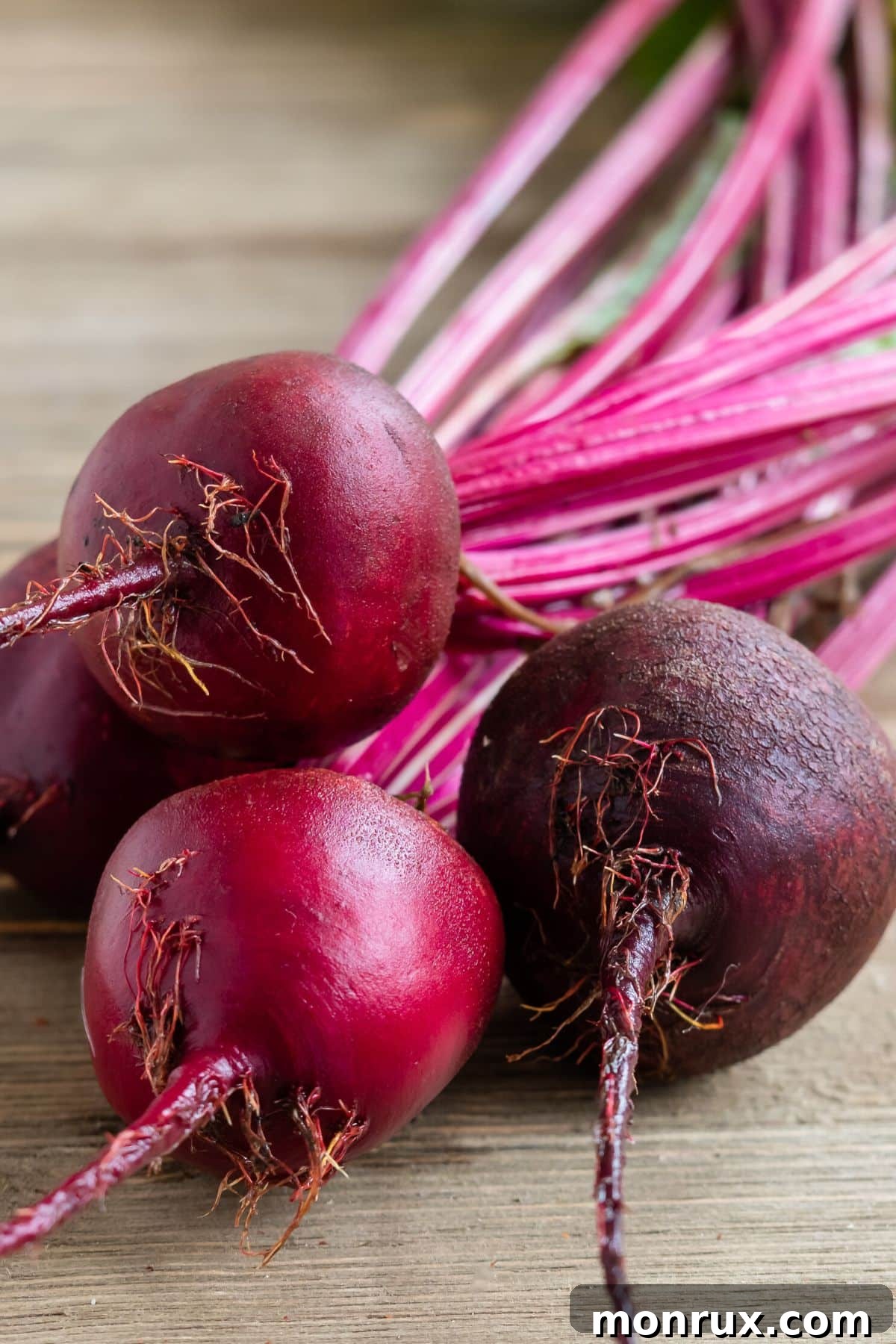
- Firmness and Color: Look for beets that are firm to the touch, indicating freshness and good water content. Their color should be deep, rich, and vibrant, signaling a healthy and ripe vegetable. Avoid any beets that feel mushy, soft, or limp, as these are signs of age or spoilage and will not dehydrate well.
- Skin Condition: The skin should be relatively smooth and unblemished. While small imperfections are natural, significant cuts, bruises, or mold indicate poor quality.
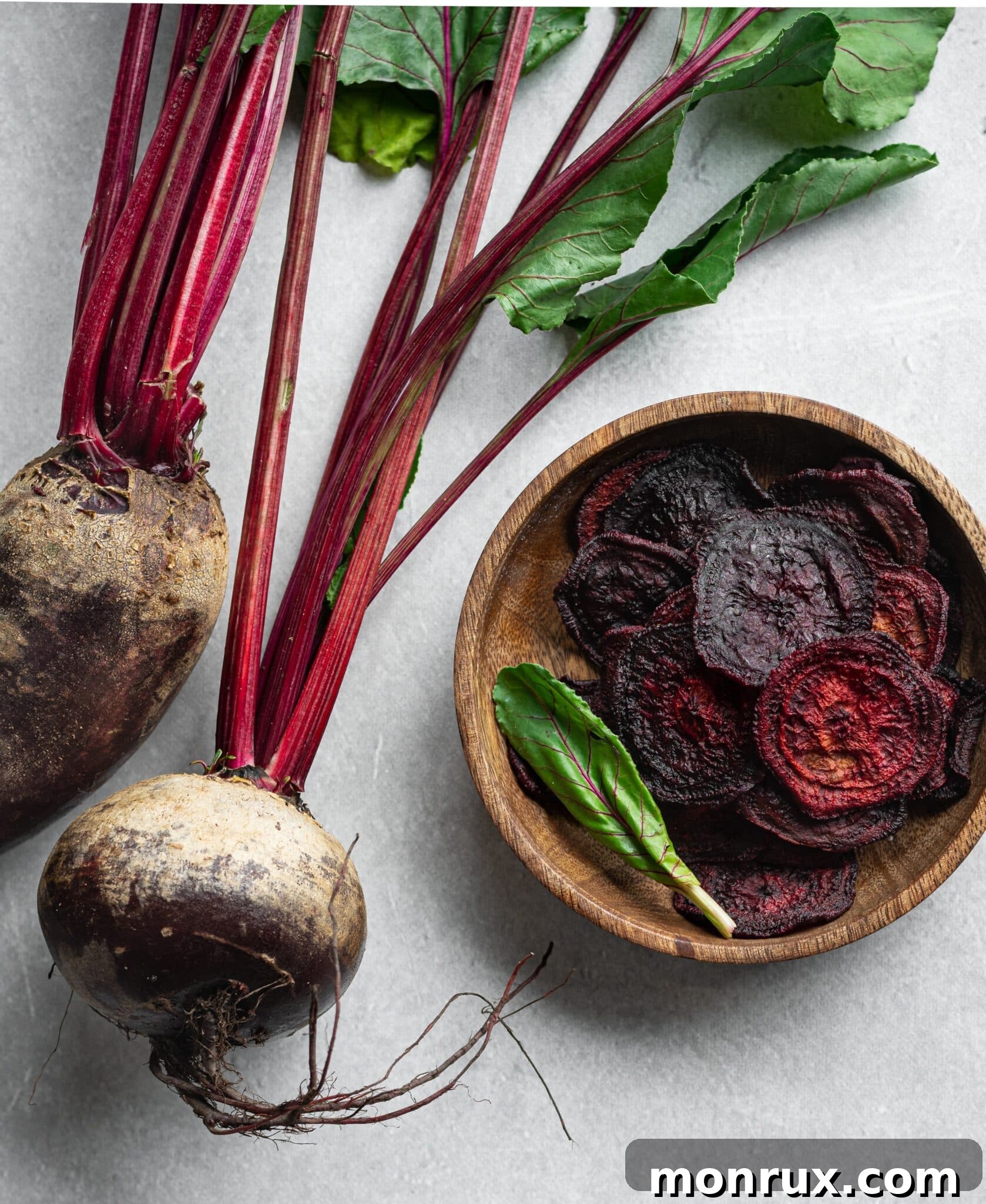
- Leaves (if attached): If your beets come with their greens still attached, inspect them carefully. The leaves should be bright green and crisp, not wilted or yellowing. Healthy greens are another excellent indicator of a fresh beet. Remember, don’t discard these leafy tops – they are highly nutritious and can be sautéed or added to salads!
- Size Matters: Generally, smaller beets tend to be more tender and possess a sweeter flavor profile, making them ideal for dehydrating into delicious chips. Larger beets can sometimes be woodier and less sweet. While any size will work, aiming for medium to small beets will often yield the most palatable results.
For another delicious way to enjoy this superfood, check out my related recipe for Beet Juice!
Step-by-Step Dehydration Process
Dehydrating beets is a straightforward process, but following these steps carefully will ensure you achieve perfectly dried, flavorful beet chips or pieces ready for long-term storage. Always refer to the recipe card below for exact measurements and detailed instructions.
Step One: Prepare the Beets
Begin by thoroughly preparing your fresh beets. Carefully cut off both the green tops and the root ends. Save the beet greens! They are incredibly nutritious and can be sautéed, steamed, or added to salads just like spinach or chard. Once trimmed, vigorously scrub the beets under cold running water using a stiff vegetable brush. This step is crucial to remove all traces of soil and dirt, ensuring a clean product for dehydration. There’s no need to peel raw beets at this stage, as peeling is much easier after par-cooking.
Step Two: Par-Cook for Best Results
While you can dehydrate raw beets, par-cooking them beforehand is highly recommended. This step helps to set their vibrant color, soften the texture for easier slicing, and often results in a more desirable final product. You have several options for par-cooking:
- Pressure Cooking: This is the quickest method. Place whole, scrubbed beets in your pressure cooker with a cup of water and cook on high pressure for about 25 to 30 minutes, depending on their size, until they are tender enough to easily pierce with a fork.
- Boiling: Place the whole, scrubbed beets in a large pot of boiling water and cook for approximately 30-45 minutes, or until tender.
- Roasting: Roast whole beets on a baking sheet at 325°F (160°C) for about 45 minutes, or until they yield to a fork. This method can add a lovely caramelized flavor.
Regardless of the method, the goal is to get them fork-tender but not mushy.
Step Three: Cool, Peel, and Slice
Once par-cooked, carefully drain the beets (if boiled or pressure cooked) and allow them to cool slightly. Once cool enough to handle, the skins should slip off easily with your fingers or a paring knife. This makes peeling a breeze! Pat the peeled beets thoroughly dry with a clean kitchen towel or paper towels to remove any excess surface moisture. Next, using a mandolin slicer or a very sharp knife, slice the beets into uniform ¼ or ⅛-inch slices. Consistency in thickness is key here for even drying. Thinner slices will dehydrate faster and result in crispier chips.
Step Four: Dry the Beets
Arrange the sliced beets in a single layer on your dehydrator trays or baking sheets. Ensure there is no overlapping, as this will hinder airflow and lead to uneven drying. You can line your trays or sheets with parchment paper for easier cleanup and to prevent sticking.
- Using a Dehydrator: Set your dehydrator to 125°F (52°C). Place the trays inside and allow the beets to dry for approximately 8-10 hours. Begin checking on their dryness level from around the 4-hour mark, as actual drying times can vary based on slice thickness, dehydrator model, and desired crispness.
- Using an Oven: Preheat your oven to its lowest possible setting, ideally 125°F (52°C). If your oven doesn’t go that low, use the absolute lowest setting available. Place the baking sheets with beet slices on the middle rack. To facilitate moisture escape, prop the oven door slightly ajar using a wooden spoon or heat-proof object. Dry the beets for 10 to 12 hours, continuously monitoring them from 4 hours onwards to prevent burning, especially if using a higher oven temperature.
Dehydration Tips and Versatile Uses
To ensure your dehydrated beets turn out perfectly and to explore their many culinary possibilities, keep these valuable tips and creative uses in mind:
- Consistent Monitoring is Key: Whether you’re using a dehydrator or an oven, it’s absolutely vital to regularly check on your beets throughout the drying process, especially starting from the 4-hour mark. Oven temperatures can fluctuate, and even dehydrators vary, so visual inspection is your best friend to prevent over-drying or under-drying.
- Achieving Your Desired Texture:
- For Dehydrated Beet Chips (Snack): If you plan to enjoy them as a chewy, bendable snack, don’t dehydrate them until they are entirely dry and brittle. Leave them in the oven or dehydrator for just a few hours until they reach your desired moisture level. They should still be pliable and bend a little without snapping cleanly. This creates a delightful, chewy texture.
- For Long-Term Storage: To ensure maximum shelf life and prevent spoilage, beets intended for long-term storage must be completely dehydrated. They should be brittle and snap easily when bent, indicating that almost all moisture has been removed.
- Rehydrating Dehydrated Beets: To bring your dried beets back to life for cooking, you have a couple of options:
- Soak them in cold water for approximately two hours until they soften and swell.
- For quicker rehydration, cook them in a pressure cooker on high for about 2 minutes with a small amount of water.
- Once rehydrated, they can be added to soups, stews, casseroles, or any dish that calls for fresh beets.
- Creating Your Own Beetroot Powder: This is a fantastic way to utilize fully dehydrated beets. Once the beets are completely dry and brittle, simply grind them up in a coffee grinder, food processor, or high-speed blender until you achieve a fine, vibrant powder. This homemade beetroot powder is a nutritional powerhouse and a natural food coloring. Use it in smoothies for an extra health boost, mix it into sauces or salad dressings for added nutrients and a beautiful burst of color, or even incorporate it into baking recipes like red velvet cake for a natural hue. Learn more about the benefits of beet powder and how to use it.
- Flavor Variations: Before dehydrating, consider tossing your beet slices with a touch of sea salt, black pepper, garlic powder, or even a sprinkle of herbs like rosemary or thyme for savory chips. For a sweeter snack, a light dusting of cinnamon can be lovely.
- Conditioning for Storage: After drying, allow your beets to cool completely. For long-term storage, it’s wise to “condition” them. Place the cooled, dried beets in airtight jars, but don’t seal them tightly yet. Shake the jars daily for a week. If you notice any condensation, it means there’s still moisture present, and the beets need further dehydration. This step helps ensure uniform dryness and prevents mold.
Frequently Asked Questions
The shelf life of dehydrated beets largely depends on how thoroughly they are dried and how they are stored. If you’ve dehydrated them to a pliable, snackable consistency, they are best consumed within a week or two. However, if they are completely dehydrated until crisp and brittle (or ground into beet powder), they can last for at least a year, and often much longer, when stored correctly. Always keep your dehydrated beets in an airtight container in a cool, dark, and dry place, away from direct sunlight or humidity.
While par-cooking beets before dehydration isn’t strictly mandatory, it is highly recommended for several reasons. Par-cooking helps to “set” the beets’ vibrant color, preventing discoloration during drying. It also softens the beets, making them much easier to slice thinly and uniformly, which is crucial for even dehydration. Furthermore, par-cooked beets often have a superior texture and flavor once dehydrated. If you choose not to par-cook, you could slice the raw beets first, then blanch them in boiling water for 5 minutes before shocking them in an ice bath, or simply slice and dehydrate them raw. However, based on experience, par-cooking yields the best overall results in terms of color, texture, and ease of preparation.
Absolutely, dehydrated beets are incredibly healthy! The dehydration process primarily removes water content, concentrating the existing nutrients. Most vitamins, minerals, and beneficial plant compounds found in fresh beets are retained. While there might be some minor loss of heat-sensitive nutrients like Vitamin C, dehydrated foods generally retain a significant portion of their nutritional value. In fact, concentrating the nutrients makes them a potent source of health benefits in a small, convenient package. They remain an excellent way to enjoy the rich folate, manganese, and fiber that beets offer, contributing to heart health, digestive wellness, and anti-inflammatory effects.
More Dehydrator and Beet Recipes You Might Like
If you enjoyed learning how to dehydrate beets, you’ll love exploring these other clean eating and dehydrator-friendly recipes:
- Dehydrated Watermelon: A sweet, chewy, and refreshing snack.
- Healthy Seed Crackers: Perfect for dipping or as a base for spreads.
- How to Dehydrate Pineapple: Create delicious, naturally sweet pineapple rings.
- Carrot Juice Pulp Crackers: A creative way to use up juice pulp.
- Homemade Beet Powder: A guide to making and using this versatile ingredient.
Don’t Miss These Beet Recipes!
Print Recipe
How to Dehydrate Beets
5 Stars
4 Stars
3 Stars
2 Stars
1 Star
5 from 1 review
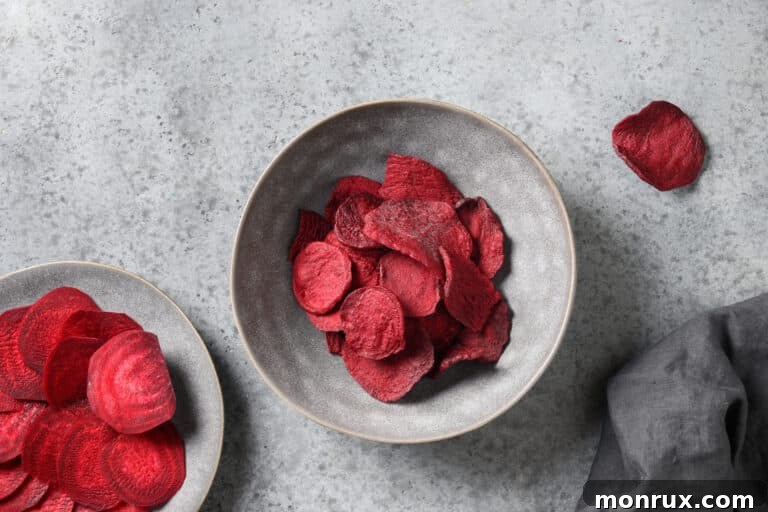
This recipe provides clear, step-by-step instructions for dehydrating beets using either your oven or a dedicated dehydrator. You’ll be amazed at how simple it is to create healthy, delicious beet chips and preserve this nutritious vegetable!
- Total Time: 12 hours
- Yield: 4 servings (1x)
Ingredients
- 1 pound beets
Instructions
- Cut the greens and roots off the beets and scrub them well, removing all soil.
- Par-cook the beets in a pressure cooker for around 25 to 30 minutes. Alternatively, boil or roast them for approximately 45 minutes. They should be tender enough for you to press a fork into them.
- Drain the beets if needed, and pat them thoroughly dry with a clean kitchen towel or paper towels. Peel the skins off if they’re thick and come off easily after par-cooking.
- Use a mandolin or a sharp knife to slice the beets into ¼ or ⅛-inch slices. The thinner and more uniform the slices are, the quicker and more evenly the beets will dehydrate.
- DEHYDRATOR INSTRUCTIONS: Lay the beet slices on the dehydrator sheets in a single layer, ensuring they don’t overlap. Dry the slices at 125ºF (52°C) for about 8-10 hours. Begin checking on the beets from around the 4-hour mark. The total time for beets to dehydrate can vary significantly depending on slice thickness, the quantity in the dehydrator, and your desired level of dryness.
- OVEN INSTRUCTIONS: Preheat your oven to 125°F (52°C), if possible, or to its lowest available setting. Carefully arrange your beet slices on a baking sheet in a single layer. Place the baking sheet onto the middle rack for 10 to 12 hours. It’s crucial to check on the beets frequently from around 4 hours, especially if your oven doesn’t have a very low temperature setting, to prevent burning.
- Turn off the dehydrator or oven and allow the beets to cool completely on the trays or on the kitchen counter.
- Store your dried beets as they are in a cool, dark environment in airtight containers, or grind them up to make versatile beetroot powder.
Notes
- Most ovens don’t maintain perfectly consistent temperatures at very low settings. Therefore, oven drying times can vary significantly. Keep a close eye on your beets, particularly after 4 hours, especially if your oven’s lowest setting is higher than recommended.
- You can easily make homemade beetroot powder by fully dehydrating the beets until they are brittle, then grinding them up in a coffee grinder or blender. Use this vibrant powder in smoothies, sauces, salad dressings for added nutrients and color, or even in baking for natural food coloring, such as in a red velvet cake.
- For dehydrated beet chips intended as a snack, you don’t have to dehydrate them until they are completely brittle. Leave them in the oven or dehydrator for a few hours until they’ve reached your desired moisture level—they should be flexible and bend slightly without snapping.
- To prepare dehydrated beets for long-term storage, they must be dehydrated until they can no longer bend and will instead snap cleanly. This indicates minimal moisture content, essential for preservation.
- To rehydrate dehydrated beets for cooking, soak them in cold water for approximately two hours, or cook them in a pressure cooker on high for about two minutes.
- Author: Carrie Forrest, MPH in Nutrition
- Prep Time: 30 minutes
- Category: Snack
- Method: Dehydrator
- Cuisine: American
Nutrition
- Serving Size:
- Calories: 49
- Sugar: 7.7 g
- Sodium: 88.5 mg
- Fat: 0.2 g
- Saturated Fat: 0 g
- Carbohydrates: 10.8 g
- Fiber: 3.2 g
- Protein: 1.8 g
- Cholesterol: 0 mg
Don’t forget to join my newsletter list to get exclusive clean eating recipes and tips delivered straight to your inbox. The newsletter is 100% free with no spam; you can unsubscribe anytime.
About the Author: Carrie Forrest holds a master’s degree in public health with a specialization in nutrition and is a certified holistic nutritionist. She is a prominent wellness and food blogger, attracting over 5 million annual visitors to her site. Carrie shares an inspiring story of recovery from chronic illness and is deeply passionate about empowering other women to transform their health. Feel free to send her a message through her contact form.