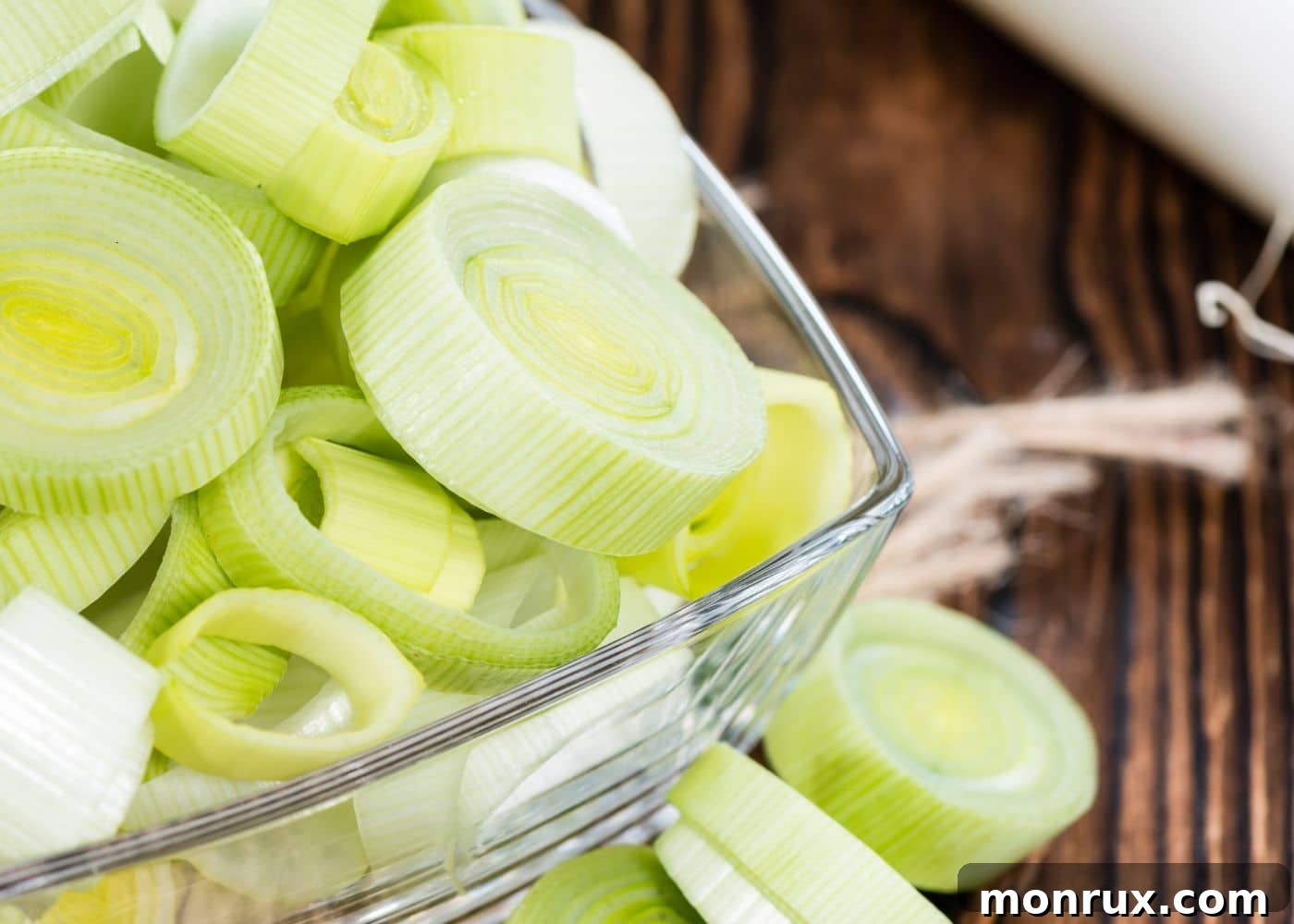
Mastering Leek Substitutes: Essential Alternatives for Every Recipe
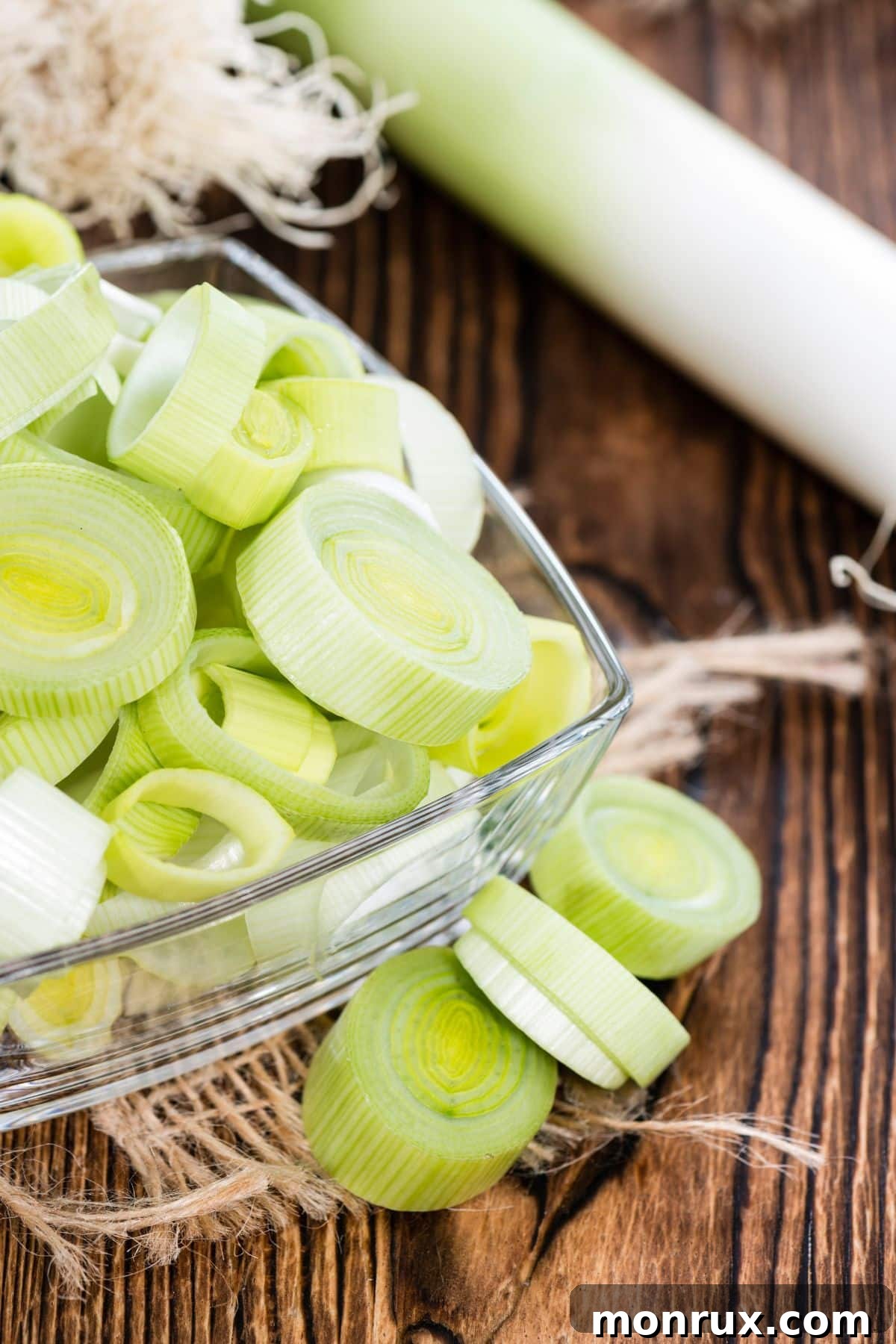
Leeks, with their distinct, delicate, and subtly sweet onion flavor, are a beloved ingredient in countless culinary creations, from hearty soups and comforting stews to elegant tarts and savory sautés. Their unique taste profile and tender texture add a layer of sophistication that can be hard to replicate. However, there are times when fresh leeks are unavailable, out of season, or simply forgotten during a grocery run.
Fear not, home cooks and culinary enthusiasts! This comprehensive guide is designed to empower you with a list of the absolute best substitutes for leeks, ensuring your dishes never suffer from their absence. We’ll delve into each alternative, discussing its flavor profile, ideal applications, and precise substitution ratios, so you can confidently adapt any recipe and maintain the integrity of your culinary vision, without compromising on taste or texture.
Understanding Leeks: Flavor, Texture & Uses
Before we dive into substitutes, let’s truly appreciate what makes leeks special. Part of the Allium family, alongside onions, garlic, shallots, and chives, leeks are often described as the sophisticated cousin, offering a milder, sweeter, and more nuanced flavor profile than a typical onion. They consist of a long, white cylindrical stalk that gradually transitions into light green and then darker green, leafy tops. While the entire leek is edible, the white and light green parts are predominantly used in cooking, known for their tender texture and concentrated flavor.
What Do Leeks Taste Like?
Leeks possess a uniquely delicate onion flavor that is subtly sweet, earthy, and sometimes described as having a slight grassy note. Unlike the sharp pungency of raw onions, leeks offer a mellow aroma that sweetens considerably when cooked. This makes them incredibly versatile, capable of enhancing a wide array of dishes without overpowering other ingredients. Their flavor is complex enough to stand on its own, yet gentle enough to blend seamlessly into delicate sauces and broths, providing an umami-rich base that deepens the overall taste experience.
Culinary Applications of Leeks
Leeks are culinary chameleons, shining in diverse roles:
- Soups and Stews: A foundational ingredient in classics like vichyssoise (cold leek and potato soup) and coq au vin, providing depth and aromatic sweetness.
- Braising and Roasting: When slow-cooked or roasted, leeks caramelize beautifully, developing an even sweeter, melt-in-your-mouth texture. This method highlights their natural sugars and creates a truly luxurious side dish.
- Sautés and Stir-fries: Quickly sautéed leeks add a fresh, mild oniony crunch and flavor to vegetable medleys and stir-fries, perfectly complementing other ingredients.
- Tarts, Quiches, and Gratins: Their delicate flavor and soft texture make them perfect for savory baked dishes, pairing wonderfully with cheese, cream, and eggs in dishes like leek and gruyere tart.
- Pasta Dishes: Sliced thinly and incorporated into pasta sauces, they add an unexpected layer of flavor and a silky texture that coats the pasta beautifully.
- Raw in Salads: While less common, very thinly sliced white parts of young leeks can add a crisp, mild oniony bite to salads, particularly when paired with citrus or tangy dressings.
Cleaning and Preparation
One crucial step when cooking with leeks is proper cleaning. Because they grow in sandy soil, dirt often lodges between their layers. To ensure your dish is grit-free:
- Trim off the dark green fibrous tops and the root end.
- Slice the leek lengthwise from the top to within an inch of the root, or chop it into rounds.
- Rinse thoroughly under cold running water, separating the layers to ensure all grit and soil are removed. You can also soak them in a bowl of water for a few minutes, allowing the dirt to settle to the bottom.
Once clean, leeks are ready to be sliced, diced, or julienned according to your recipe’s requirements, ready to impart their distinctive charm and nutritional benefits, including vitamins A, C, K, and essential minerals, to your meal.
Top Substitutes for Leeks
When the delicate flavor and tender texture of leeks are called for, but they’re nowhere to be found, these alternatives stand ready to step in. Each offers a unique set of characteristics, some closely mimicking leeks, while others provide a distinct but complementary flavor profile, ensuring your culinary creativity is never stifled.
1. Shallots
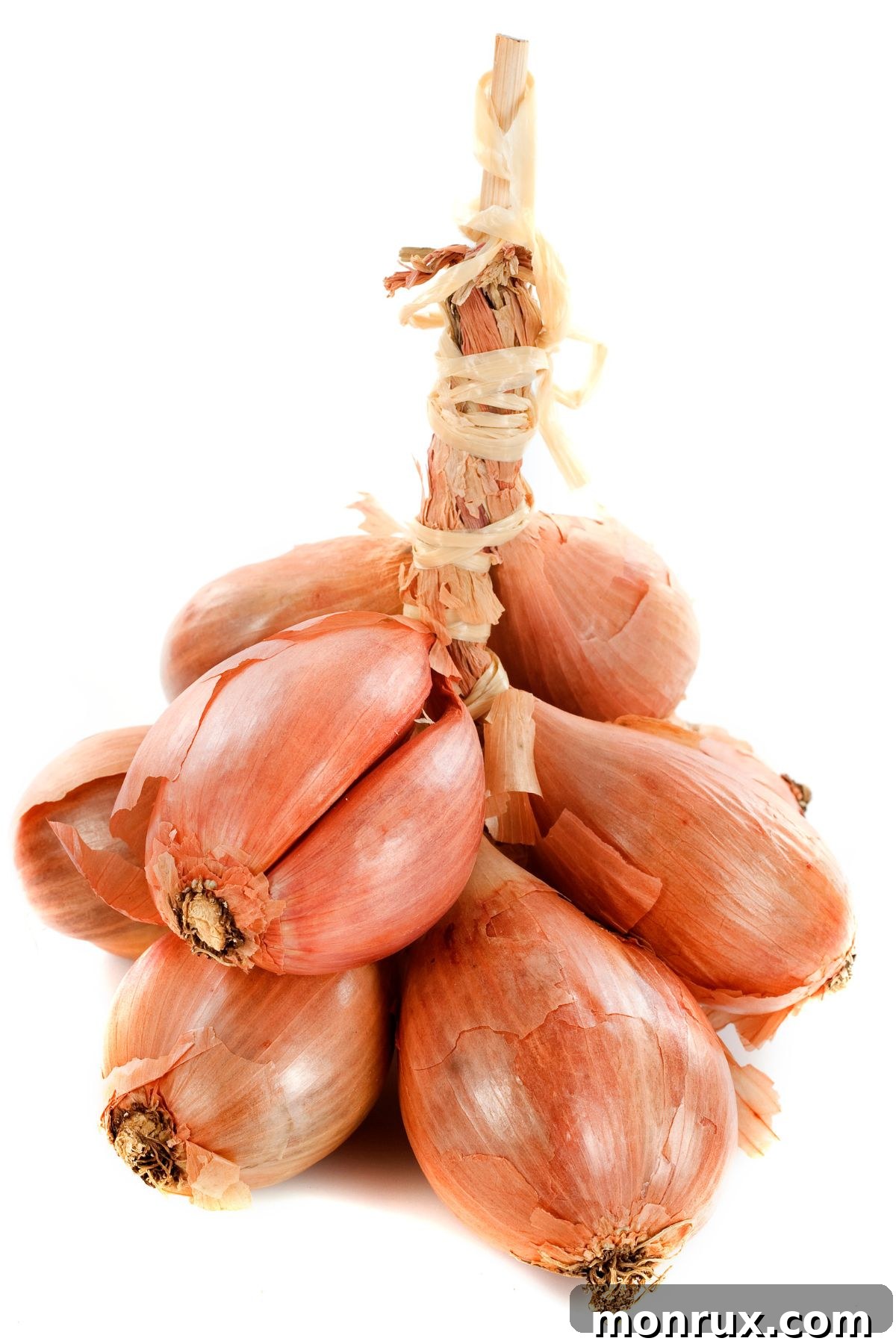
Shallots are arguably the closest culinary cousin to leeks in terms of flavor profile. Also belonging to the Allium family, they offer a refined, mild onion taste with a subtle hint of garlic and a touch of sweetness, much like a leek but with a slightly more pronounced aromatic quality. Their delicate flavor makes them an ideal substitute, especially in dishes where leeks are meant to be a background flavor rather than the overwhelming star.
Why Shallots Work as a Leek Substitute:
- Flavor Harmony: They share the delicate sweetness and mild onion essence that defines leeks, providing a nuanced aromatic base.
- Versatility: Excellent in a wide range of recipes, from classic French dishes to everyday sautés, and particularly good in delicate sauces.
- Texture: When finely diced or thinly sliced and cooked, shallots soften to a tender consistency similar to cooked leeks, seamlessly integrating into dishes.
Best Uses:
Shallots are particularly effective in light soups (like cream of mushroom or potato soup), delicate sauces (like beurre blanc), vinaigrettes, omelets, and any dish where a mild, complex onion flavor is desired without the sharpness of a regular onion. They caramelize beautifully, adding depth and sweetness when sautéed, making them perfect for dishes where you want that signature cooked-leek sweetness.
Substitution Ratio:
To substitute for 1 large leek, use 2-3 medium-sized shallots. If your recipe calls for a specific volume of chopped leeks, use an equal volume of finely diced or thinly sliced shallots. Adjust the quantity slightly based on your preference for a milder or more pronounced flavor.
Preparation Tip:
Peel and finely dice or thinly slice shallots. For best results in mimicking leeks, sauté them slowly over medium-low heat until translucent and tender, allowing their natural sugars to develop and soften their flavor.
2. Sweet or White Onion
Sweet onions (like Vidalia, Walla Walla, or Maui) and white onions are excellent, readily available substitutes for leeks. While their flavor is more robust and less delicate than leeks, they still provide a foundational oniony taste that works well in most cooked applications. Sweet onions, in particular, can offer a hint of the sweetness found in leeks, especially when caramelized, making them a versatile and practical choice.
Why Sweet or White Onions Work:
- Widespread Availability: Found in every grocery store, making them a convenient last-minute substitute that’s always accessible.
- Cost-Effective: Generally more affordable than leeks or shallots, offering a budget-friendly alternative.
- Similar Culinary Role: They provide the essential aromatic base that leeks often contribute to soups, stews, braises, and casseroles.
Best Uses:
These onions are versatile for almost any recipe calling for cooked leeks. They are particularly well-suited for hearty soups (like chicken noodle or minestrone), stews, casseroles, roasts, and stir-fries. Their robust flavor holds up well in longer cooking processes. If using them raw, opt for sweet onions and slice them very thinly to reduce their natural pungency, making them suitable for some salads or fresh salsas.
Substitution Ratio:
To substitute for 1 cup of chopped leeks, use 1 cup of chopped sweet or white onion. For a milder flavor closer to leeks, you might start with slightly less and add more to taste, or ensure they are well-cooked to mellow their intensity.
Preparation Tip:
If you find white onions too pungent, try soaking the chopped onion in cold water for 10-15 minutes before using, then drain thoroughly. When sautéing, cook them a little longer than you would leeks to achieve a softer texture and to sweeten their flavor. Caramelizing them will bring out their natural sugars, achieving a sweetness akin to cooked leeks, which is ideal for depth of flavor.
3. Green Garlic
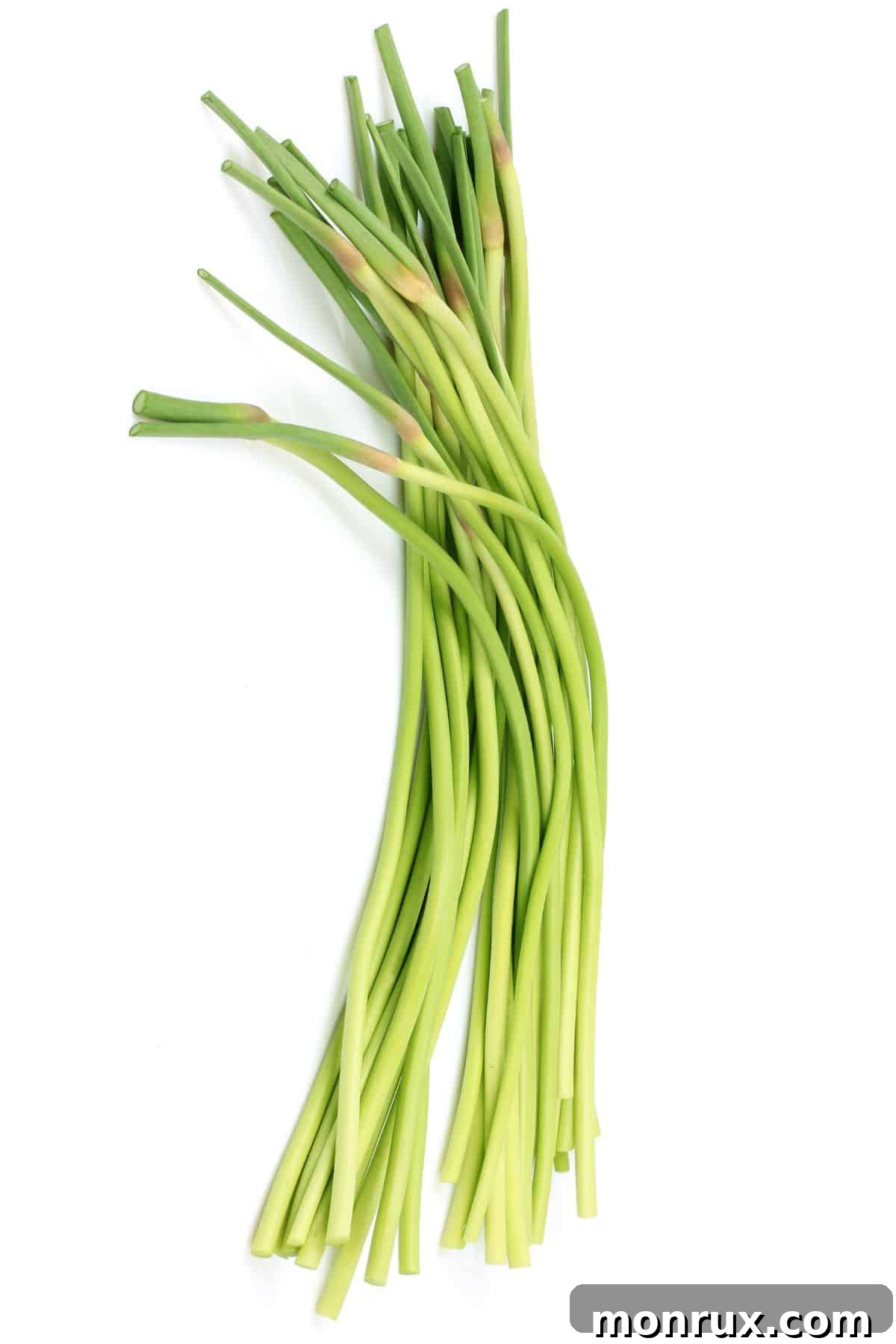
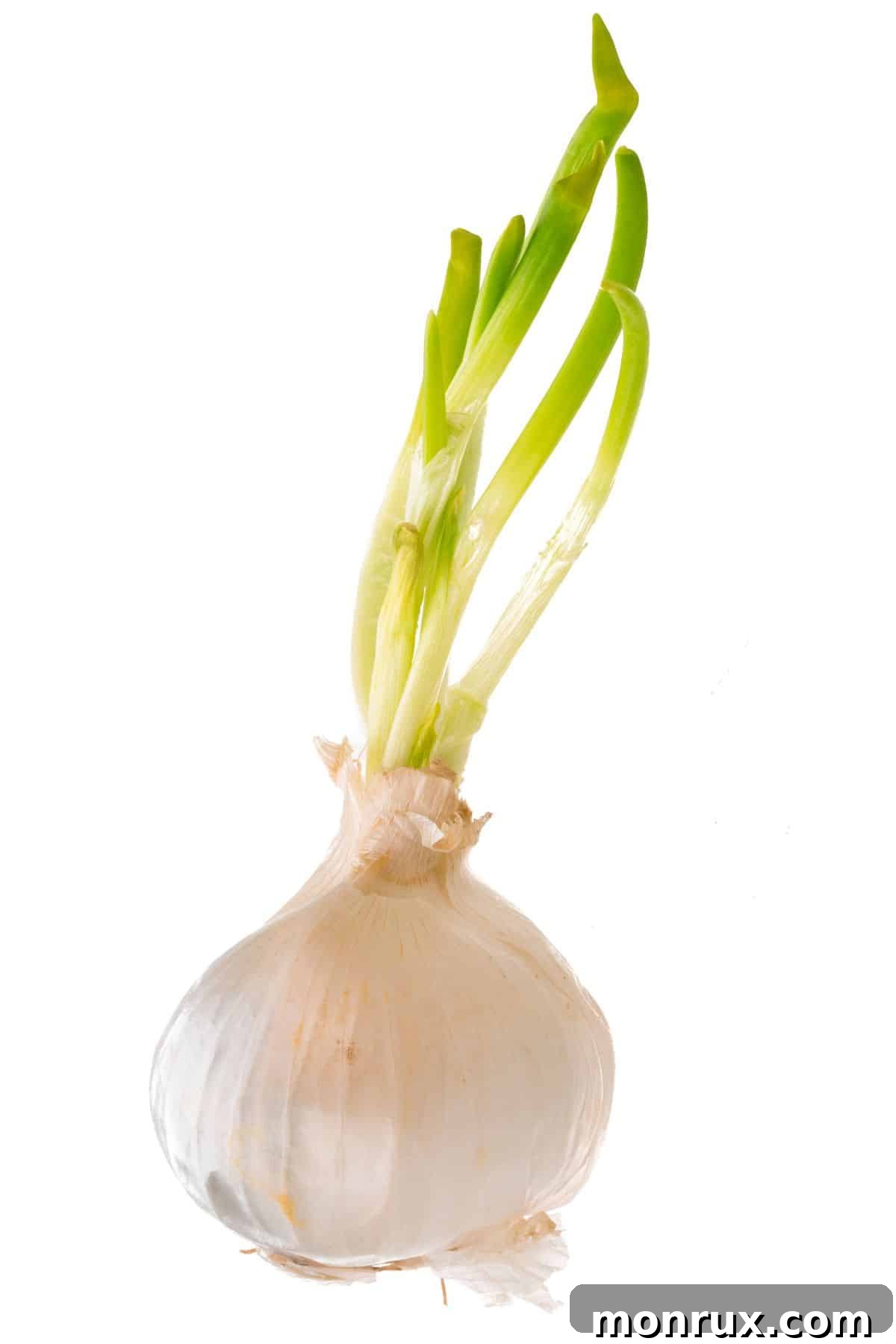
Green garlic, also known as young garlic, is a seasonal treat harvested before the garlic cloves fully mature. It resembles a thin leek or a large green onion and offers a wonderfully mild, fresh garlic-onion flavor that is less intense than mature garlic but more aromatic than a leek. It bridges the flavor gap between garlic and onion, making it a unique and delightful substitute for leeks, especially in spring and early summer dishes where a fresh, herbaceous note is welcomed.
Why Green Garlic Works:
- Mild & Fresh Flavor: It provides a gentle garlic-onion note that can approximate the aromatic depth of leeks while offering a distinctive fresh appeal.
- Texture: The white and light green parts offer a tender texture when cooked, similar to leeks, making it suitable for dishes requiring soft aromatics.
- Seasonal Charm: Adds a unique, fresh twist to dishes, celebrating the bounty of spring produce.
Best Uses:
Green garlic is superb in frittatas, omelets, light sautés, spring soups, pasta dishes, and even homemade pesto. It can be used anywhere you want a subtle oniony-garlicky background flavor without the intense bite of mature garlic or a strong onion. It’s particularly good in recipes that allow its fresh, vibrant flavor to shine, such as vegetable stir-fries or roasted spring vegetables.
Substitution Ratio:
Since green garlic has a more distinct, slightly garlicky flavor, use a smaller amount. For every 1 cup of chopped leeks, use approximately ¼ to ½ cup of chopped green garlic, adjusting to your taste preference. Start conservatively and add more if needed.
Preparation Tip:
Use both the white and light green parts, similar to how you would prepare leeks. Wash thoroughly to remove any soil. Chop finely and add during the sautéing stage to allow its flavor to mellow and sweeten. It cooks relatively quickly, so be mindful not to overcook it, especially if you want to preserve some of its fresh qualities.
4. Green Onions (Scallions)
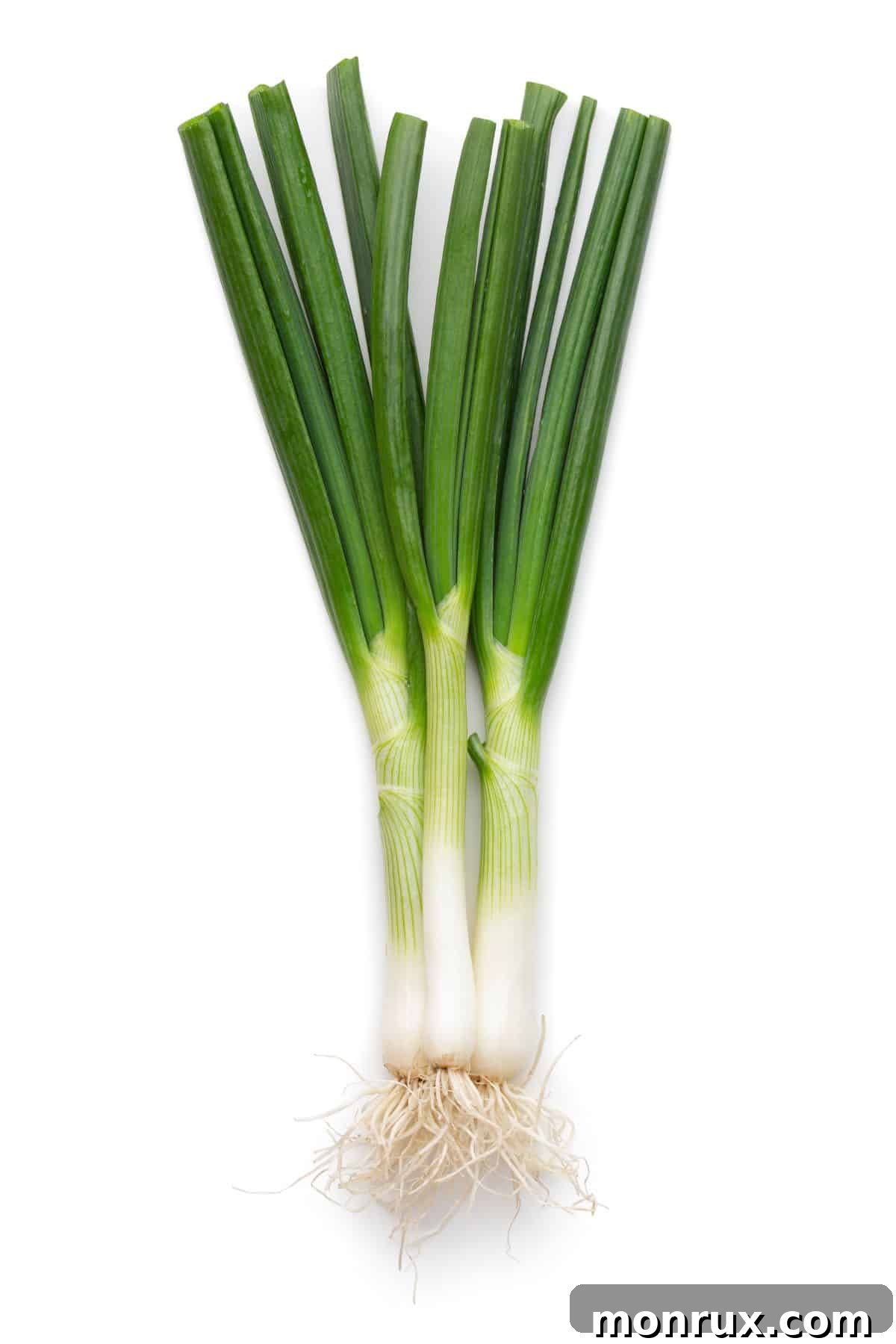
Green onions, also known as scallions, are another fantastic and widely available member of the Allium family. They offer a fresh, mild onion flavor that is a good stand-in for leeks, especially in dishes where a lighter, fresher onion note is desired. While slightly more pungent than leeks, their green and white parts can mimic the visual and textual aspects of leeks quite well, particularly in Asian or Mexican cuisine.
Why Green Onions Work:
- Availability & Affordability: Easy to find in any grocery store and generally inexpensive, making them a convenient choice.
- Similar Appearance: The white and light green parts, when chopped, resemble leeks, offering a visual familiarity in your dish.
- Fresh Onion Flavor: Provides a crisp, mild oniony taste suitable for many recipes, especially those benefiting from a hint of freshness.
Best Uses:
Green onions are excellent in stir-fries, omelets, savory pancakes, salads, as garnishes, and in quick-cooking dishes. They can be added towards the end of cooking to maintain their fresh bite and vibrant color or cooked longer to soften and sweeten. The white parts are generally cooked to form a flavor base, while the green tops are often used raw as a garnish or added at the very end of cooking to preserve their delicate crunch and color.
Substitution Ratio:
To substitute for 1 large leek, use 6-8 green onions. For 1 cup of chopped leeks, use about 1 cup of chopped green onions, primarily utilizing the white and light green parts. If using the darker green parts, be mindful that their flavor can be more intense.
Preparation Tip:
Separate the white and green parts. Use the white and light green portions in cooked dishes to replace leeks, adding them at the sautéing stage. Reserve some of the darker green parts for a fresh garnish if desired, or add them near the end of cooking in soups or stir-fries for varied texture and color, ensuring they don’t become overly soft.
5. Onion Powder
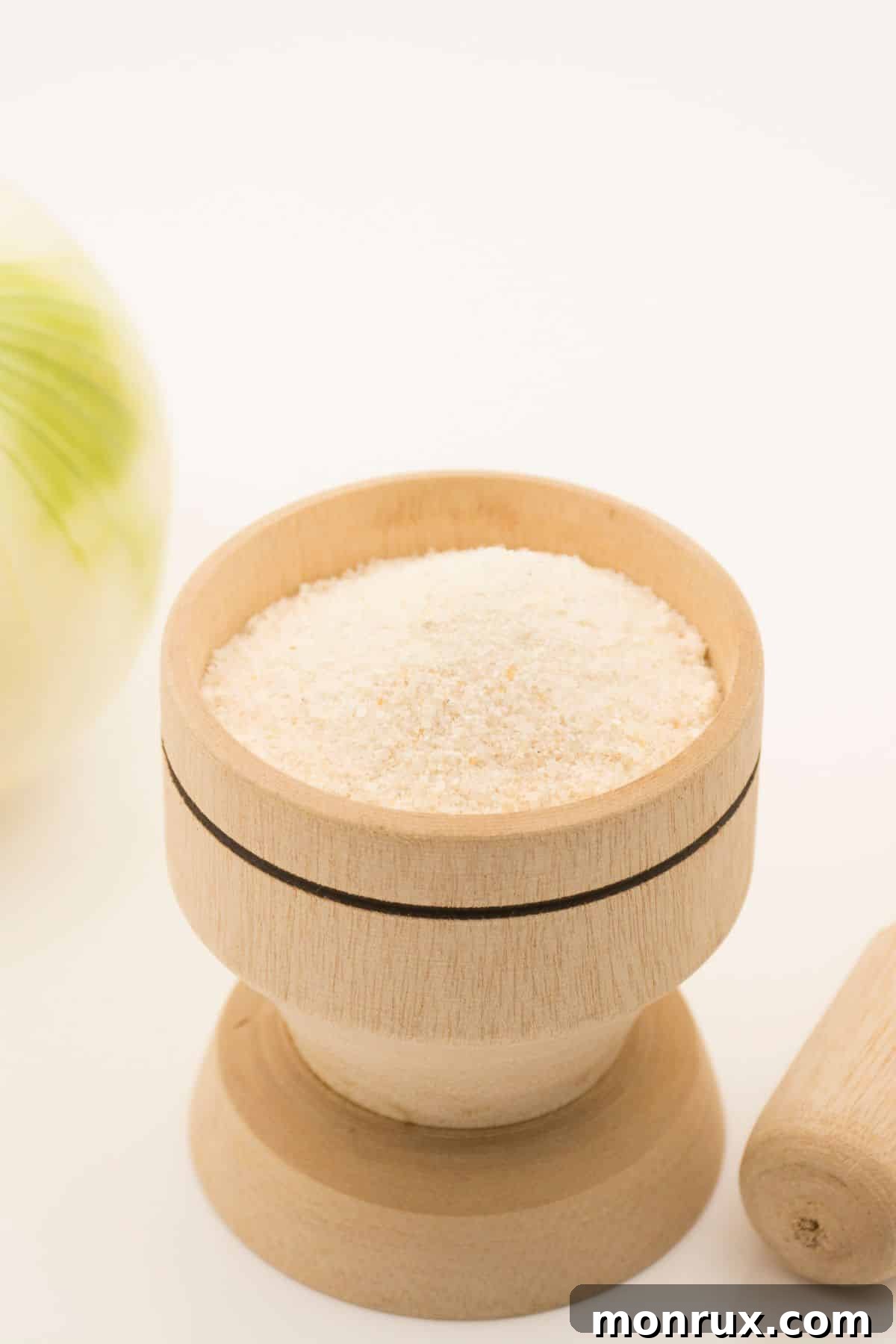
When texture isn’t the primary concern, or when you need a concentrated, savory onion flavor without the bulk of fresh vegetables, onion powder is an incredibly convenient and effective substitute. It offers a strong, pungent onion flavor that can mimic the aromatic qualities of leeks, particularly in slow-cooked dishes or those where the leeks are meant to melt into the background, providing a foundational umami note.
Why Onion Powder Works:
- Convenience & Shelf Life: Always on hand in the pantry, lasts a long time, and requires no chopping or cleaning.
- Concentrated Flavor: Delivers a strong onion punch with just a small amount, making it highly potent.
- Seamless Integration: Dissolves easily, blending into sauces, broths, and dry mixes without adding texture, ideal for smooth preparations.
Best Uses:
Onion powder is ideal for soups, stews, gravies, marinades, dry rubs, and casseroles where you want to infuse a deep onion flavor without the physical presence of fresh vegetables. It’s also great for quick seasoning of meats, vegetables, or dips, and can be used in conjunction with other fresh substitutes (like celery or carrots) to add an aromatic base when fresh leeks are fully absent.
Substitution Ratio:
As onion powder is highly concentrated, use sparingly. To substitute for 1 cup of chopped leeks, start with 1 teaspoon of onion powder. Taste and adjust as needed, as individual preference and the desired intensity will vary. Remember, a little goes a long way!
Preparation Tip:
Mix onion powder with a little liquid (water, broth, or oil) before adding it to your dish to prevent clumps and ensure even distribution of flavor. Remember that it provides flavor but no texture, so if texture is important in your recipe, consider combining it with another fresh vegetable like celery, finely diced carrots, or a bit of finely minced cabbage for a textural component.
Expert Tips for Substituting Leeks
Successfully replacing leeks in your favorite recipes goes beyond simply swapping one ingredient for another. Consider these expert tips to ensure your dish remains delicious and well-balanced, even in the absence of fresh leeks:
- Adjust for Flavor Intensity: Leeks are notably mild. If using a more pungent substitute like white onion or even strong green onion, you might use slightly less than the suggested ratio or cook it longer to mellow its flavor. Always taste as you go, and be prepared to adjust seasonings.
- Mimic Texture: Leeks become very tender and almost melt into a dish when cooked. If your recipe relies on this specific texture (e.g., in a creamy soup, a braise, or a gratin), ensure your chosen substitute is finely diced or sliced and cooked until very soft. Shallots and sweet onions are excellent for this, as they soften beautifully.
- Consider Moisture Content: Fresh leeks release a good amount of moisture as they cook. If using a drier substitute (like onion powder) or a vegetable with less water content, you might need to add a splash more broth, water, or other liquid to your dish to maintain the intended consistency and prevent it from becoming too dry.
- Layer Flavors for Complexity: For truly complex dishes where leeks contribute multiple flavor dimensions, you can combine substitutes. For instance, use a small amount of onion powder for a background depth, along with finely diced shallots or sweet onions for texture and a fresh aromatic note, perhaps even a hint of garlic for added zest.
- Raw vs. Cooked Applications: If your recipe calls for raw leeks (e.g., in a salad or as a garnish), stick to the mildest substitutes like very finely sliced shallots or the white parts of young green onions. Avoid strong, raw white onions or green garlic, which can be overpowering and sharp when uncooked.
- Don’t Be Afraid to Experiment: Cooking is an art, not just a science! Use these guidelines as a starting point, but trust your palate and intuition. You might discover a new favorite combination or flavor profile that not only works as a substitute but genuinely enhances your recipe in unexpected and delightful ways. Embrace the journey of culinary exploration!
Summary of Leek Alternatives
Here’s a quick overview to help you choose the best leek alternative for your culinary needs, considering their unique characteristics and ideal applications:
| Substitute | Flavor Profile | Pros | Cons | Ideal Uses |
|---|---|---|---|---|
| Shallots | Mild onion, delicate garlic, sweet | Closest flavor match, tender texture when cooked, highly versatile, elegant. | Can be pricier than other onions, slightly more preparation due to smaller size. | Delicate sauces, soups, French cuisine, vinaigrettes, omelets. |
| Sweet or White Onion | More pungent onion, sweet (especially when cooked) | Widely available, cost-effective, excellent aromatic base for many dishes. | More intense flavor than leeks, may require longer cooking to mellow. | Hearty soups, stews, casseroles, roasts, stir-fries, general cooking. |
| Green Garlic | Mild garlic-onion, fresh, earthy | Unique seasonal flavor, good texture, bridges garlic and onion flavors beautifully. | Seasonal availability may limit use, flavor is distinct from leeks (more garlicky). | Spring dishes, frittatas, omelets, pasta, light sautés, pestos. |
| Green Onions (Scallions) | Fresh, mild oniony, slightly pungent | Easy to find, inexpensive, good visual similarity, versatile for fresh or cooked. | Stronger raw flavor than leeks, can be too sharp if not cooked down. | Stir-fries, garnishes, salads (white parts cooked, green raw), quick sautés. |
| Onion Powder | Concentrated, savory onion | Convenient, long shelf life, adds deep flavor without bulk, blends easily. | No texture, lacks freshness and nuance of fresh leeks, can be overpowering if overused. | Soups, stews, gravies, marinades, dry rubs, when texture is not critical. |
More Culinary Substitute Guides You Might Like
Final Thoughts on Leek Substitutions
Leeks, with their tender texture and subtly sweet, earthy flavor, bring a unique and cherished quality to dishes. While they are truly special, a temporary lack of fresh leeks doesn’t have to derail your culinary plans or diminish the deliciousness of your meals. With a solid understanding of their delicate flavor profile and the distinct characteristics of various suitable substitutes, you can confidently choose an alternative that best suits your recipe and personal taste preferences.
Whether you opt for the delicate complexity of shallots, the familiar robustness of sweet or white onions, the seasonal charm of green garlic, the fresh bite of green onions, or the concentrated convenience of onion powder, each substitute offers a viable path to a delicious and satisfying meal. Embrace the opportunity to experiment, adjust, and discover new favorite flavor combinations in your kitchen. Happy cooking!
Don’t forget to join my newsletter list to get exclusive clean eating recipes and tips. The newsletter is 100% free with no spam; unsubscribe anytime.
About the Author: Carrie Forrest has a master’s degree in public health with a specialty in nutrition and is a certified holistic nutritionist. She is a top wellness and food blogger with over 5 million annual visitors to her site. Carrie has an incredible story of recovery from chronic illness and is passionate about helping other women transform their health. Send her a message through her contact form.