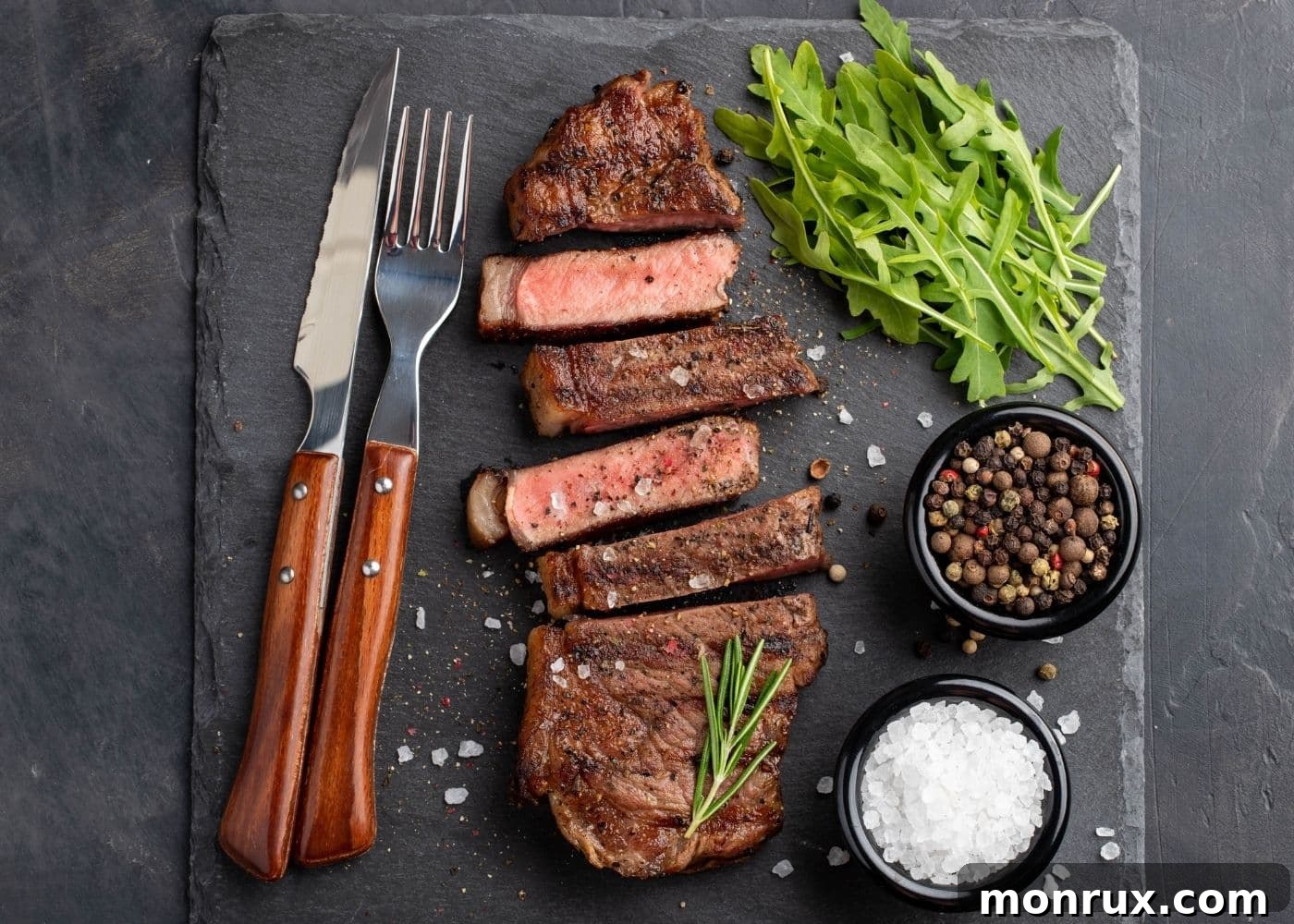
Bison, often majestic symbols of the North American plains, hold a significant place in the continent’s cultural tapestry and history. Beyond their iconic status, these magnificent animals offer a meat that stands out not only for its distinct flavor but also for its remarkable health benefits. In an era where conscious eating and sustainable choices are paramount, bison meat presents a compelling alternative to conventional beef. This comprehensive guide will delve into the surprising health advantages of incorporating bison into your diet, exploring why it’s a leaner, nutrient-rich option that supports overall well-being.
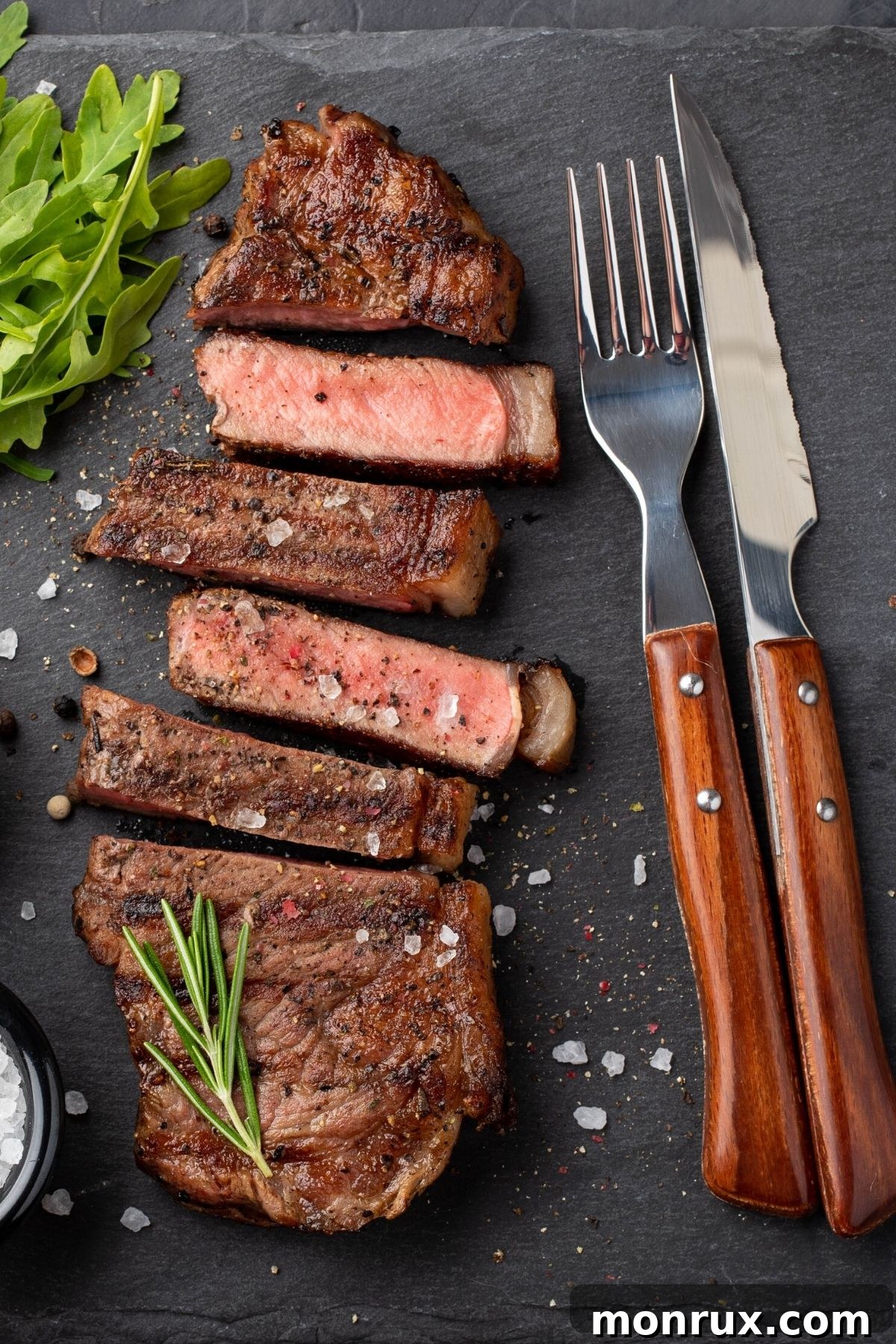
For those seeking a healthier protein source without compromising on taste, bison meat emerges as an excellent choice. It boasts a leaner profile, lower cholesterol content, and a richer supply of essential nutrients compared to many other red meats. From its robust protein levels to its beneficial omega-3 fatty acids, bison offers a diverse range of advantages that can contribute positively to your dietary goals and long-term health. Let’s explore these benefits in detail and uncover why bison deserves a prime spot on your plate.
History of Bison in North America
Bison are an integral part of North American wildlife, often referred to as American buffalo, though they are distinct from true buffalo species found in Africa and Asia. These powerful bovines once roamed the vast prairies in herds numbering in the tens of millions, playing a crucial role in shaping the continent’s ecosystems. Their grazing patterns helped maintain the health and diversity of grasslands, making them ecological engineers of their time. The sight of these majestic creatures was once common, an enduring symbol of the wild American frontier.
However, the late 19th century witnessed a drastic decline in bison populations, primarily due to relentless hunting and widespread habitat destruction. This period brought the species to the brink of extinction, with only a few hundred individuals remaining. Thankfully, dedicated conservation efforts, initiated by a coalition of conservationists, Native American tribes, and government agencies, led to a remarkable resurgence. Today, bison populations have largely recovered, and they can be found thriving on ranches, protected lands, and national parks across the country. Their successful comeback is a testament to the power of conservation and highlights the importance of preserving native species.
As formidable and wild animals, bison are a unique part of North America’s natural heritage. Their history is not just about survival; it’s a story deeply interwoven with the landscape, indigenous cultures, and the very identity of the United States. This historical context underscores the authenticity and natural essence of bison meat, often sourced from animals raised with respect for their natural instincts and environment.

Bison Health Benefits: A Nutritional Powerhouse
For those new to incorporating bison into their diet, the array of health advantages it offers might come as a pleasant surprise. Often compared to traditional beef, bison meat stands out due to its superior nutritional profile, which is largely influenced by the animals’ natural, grass-fed diet and leaner physiology. Let’s explore the key health benefits that make bison meat an exceptional choice for a healthy lifestyle.
1. Excellent Protein Source for Muscle Growth and Satiety
Bison meat is an outstanding source of high-quality protein, making it an ideal choice for anyone looking to build muscle, support tissue repair, and maintain a healthy weight. A standard three-ounce serving of cooked bison typically provides approximately 22 to 24 grams of protein, often surpassing the protein content found in comparable servings of beef, pork, or chicken. This isn’t just any protein; it’s a complete protein, meaning it contains all nine essential amino acids that the human body cannot produce on its own. These amino acids are crucial for various bodily functions, including enzyme production, hormone regulation, and cellular repair.
Beyond its role in muscle development, the high protein content in bison contributes significantly to satiety. Including protein-rich foods in your meals helps you feel fuller for longer, which can be highly beneficial for weight management by reducing overall calorie intake and minimizing unhealthy snacking. For athletes, fitness enthusiasts, or simply those leading an active lifestyle, bison meat provides the necessary building blocks to support recovery and performance.
2. Naturally Low in Cholesterol for Heart Health
One of the most compelling reasons to choose bison meat is its remarkably low cholesterol content. Heart health is a primary concern for many, and dietary cholesterol plays a role in managing it. In a typical three-ounce serving, bison meat contains around 73 milligrams of cholesterol, which is significantly lower than the 95 milligrams often found in the same serving size of lean beef. This difference, while seemingly small, can add up over time and contribute to a healthier dietary pattern.
For individuals advised to monitor their cholesterol intake, bison offers a flavorful and satisfying red meat option that aligns with their health goals. Its leaner profile, combined with lower cholesterol, makes it an excellent alternative for promoting cardiovascular well-being without sacrificing the rich taste and nutritional benefits associated with red meat.
3. Packed with Essential Micronutrients for Optimal Function
Bison meat is not just about protein and leanness; it’s also a treasure trove of vital micronutrients that are crucial for overall health and bodily functions. A three-ounce serving is an excellent source of several key vitamins and minerals:
- Vitamin B12: This serving often supplies more than 100% of the daily recommended value for Vitamin B12. B12 is indispensable for nerve function, red blood cell formation, and DNA synthesis. Its deficiency can lead to fatigue and neurological issues, making bison a powerful ally in maintaining energy levels and cognitive health.
- Zinc: Bison is a good source of zinc, a mineral vital for immune system function, wound healing, and proper cell division. Adequate zinc intake helps the body fend off infections and supports healthy skin.
- Iron: Essential for oxygen transport, iron is a critical component of hemoglobin in red blood cells. Bison meat provides highly bioavailable heme iron, which is easily absorbed by the body, making it an excellent food for preventing iron-deficiency anemia, particularly beneficial for women and those with active lifestyles.
- Other B Vitamins: Beyond B12, bison also contributes other B vitamins like Niacin (B3) and B6. These vitamins are crucial for converting food into energy, supporting metabolism, and maintaining healthy skin, nerves, and digestion.
- Selenium and Phosphorus: While less highlighted, bison also contains beneficial amounts of selenium, an antioxidant, and phosphorus, which is important for bone health and energy metabolism.
The synergy of these micronutrients makes bison meat a truly nutrient-dense food, supporting everything from energy production and immune defense to cognitive function and bone health.
4. Rich Source of Conjugated Linoleic Acids (CLAs)
Bison meat, especially from grass-fed animals, is a notable source of conjugated linoleic acids (CLAs), a type of healthy polyunsaturated fatty acid. CLAs have garnered significant attention in the nutritional science community for their potential health benefits. Research suggests that CLAs may play a role in improving body composition, specifically by aiding in the reduction of body fat and promoting an increase in lean muscle mass. This makes bison an attractive option for those focused on fitness and body shaping.
Furthermore, CLAs are believed to offer benefits for cardiovascular health, potentially contributing to a reduced risk of heart disease. They have also been investigated for their anti-inflammatory and antioxidant properties, which may help mitigate the risk of various chronic diseases, including certain types of cancer. The presence of these beneficial fatty acids underscores bison’s status as a functional food that offers more than just basic nutrition.
5. Abundance of Omega-3 Fatty Acids for Brain and Heart Health
Grass-fed bison meat is a superior source of omega-3 fatty acids, particularly compared to grain-fed beef. Omega-3s are essential fatty acids that the body cannot produce on its own and must be obtained through diet. They are renowned for their extensive health benefits, acting as powerful anti-inflammatory agents and playing critical roles in brain and heart function.
The balance between omega-3 and omega-6 fatty acids is important for health, and modern diets often contain an excess of omega-6s. Choosing grass-fed bison helps improve this ratio, promoting a more balanced inflammatory response in the body. Omega-3s contribute to heart health by helping to lower triglyceride levels, reduce blood pressure, and decrease the risk of arterial plaque buildup. For the brain, omega-3s are fundamental components of cell membranes, supporting cognitive function, memory, and overall neurological health, and potentially helping to prevent age-related cognitive decline.
By providing a significant amount of these beneficial fats, bison meat stands out as a smart choice for supporting long-term health, from reducing chronic inflammation to enhancing mental acuity.
6. Leaner Meat for Calorie-Conscious Diets
Beyond specific nutrients, the overall lean nature of bison meat is a significant health benefit. Bison typically has less fat, and particularly less saturated fat, than many cuts of conventional beef. This leanness translates to fewer calories per serving, making it an excellent option for individuals who are managing their weight or adhering to calorie-controlled diets. The lower saturated fat content also aligns with dietary recommendations aimed at reducing the risk of heart disease. Despite its leanness, bison maintains a rich, satisfying flavor, proving that healthy eating doesn’t mean sacrificing taste.
7. Sustainable and Ethical Protein Choice
While not a direct health benefit for the individual, the sustainable practices often associated with bison ranching contribute to a healthier planet, which in turn supports human health. Bison are native to North American grasslands and thrive in natural environments, requiring less human intervention and grain-based feed compared to conventionally raised cattle. Their grazing patterns can help restore and maintain healthy ecosystems, sequester carbon, and promote biodiversity. Choosing bison meat often means supporting practices that are more environmentally friendly and align with ethical considerations for animal welfare. This makes bison not just a healthy choice for your body, but also a conscientious choice for the planet.
What is the Flavor of Bison?
Many people curious about bison meat often ask about its flavor profile. Bison meat is distinct yet pleasantly familiar. It boasts a rich, earthy flavor that is often described as beefy, but with a subtle sweetness and a cleaner taste. Unlike some game meats, bison does not typically have a “gamey” taste, making it highly accessible and enjoyable for those who appreciate red meat.
Its robust flavor pairs exceptionally well with a variety of savory herbs and spices. Rosemary, thyme, garlic, and cracked black pepper are natural complements that enhance its inherent richness. Because it is leaner, its flavor tends to be more concentrated and intense than fattier cuts of beef. This makes it particularly delicious when cooked slowly over low heat, allowing its deep flavors to meld and tenderize, resulting in mouth-watering stews, chilies, and roasts. Don’t be surprised if, in a blind taste test, you find it difficult to distinguish perfectly cooked bison from high-quality grass-fed beef.
Cooking Bison: Tips for Tender and Juicy Results
Cooking bison requires a slightly different approach than cooking beef, primarily due to its lower fat content. Because bison is so lean, it tends to cook faster and can dry out if overcooked. The key to achieving tender, juicy bison meat lies in cooking it slowly and at lower temperatures, or being mindful of cooking times when grilling or pan-frying.
Here are some essential tips for cooking bison:
- Temperature Control: Always cook bison to a lower internal temperature than you would beef. For steaks and roasts, aim for medium-rare (135-140°F / 57-60°C) for the most tender and flavorful result. It’s best to use a meat thermometer to ensure accuracy.
- Lower Heat, Shorter Time: When grilling or pan-frying bison steaks or burgers, use a medium-low heat setting. Cook for a shorter duration than beef, as it will reach your desired doneness more quickly.
- Moisture is Key for Leaner Cuts: For ground bison, consider adding a small amount of liquid (like broth or water) or a bit of healthy fat (like olive oil) if you’re concerned about dryness, though it’s often not necessary. For roasts or stew meat, slow cooking methods like braising, stewing, or using a slow cooker are ideal, as they introduce moisture and allow the meat to break down and become incredibly tender.
- Rest the Meat: Just like with other meats, letting bison rest after cooking is crucial. This allows the juices to redistribute throughout the meat, ensuring maximum tenderness and flavor. Tent it loosely with foil for 5-10 minutes before slicing.
- Versatile Cooking Methods: Bison can be cooked in various ways:
- Grilling: Excellent for steaks and burgers.
- Roasting: Perfect for larger cuts like roasts.
- Pan-Frying: Ideal for thinner steaks or ground bison.
- Slow Cooking/Braising: Best for tougher cuts or when you want a melt-in-your-mouth texture for stews, chilies, and pulled bison.
With a little attention to these cooking nuances, you’ll find bison meat to be incredibly versatile and delicious, yielding meals that are both healthy and satisfying.
Delicious Bison Recipes to Try
Ready to incorporate the health benefits of bison into your meals? Here are some fantastic recipes that showcase the versatility and deliciousness of bison meat:
- Ground Bison and Cauliflower Rice Bowls
- Flavorful Bison Tacos
- Air Fryer Bison Burgers (simply substitute ground bison for ground beef)
More Health Articles You Might Like
Bison Meat FAQs
Bison meat has become increasingly accessible across the United States. You can typically find it in the meat department of most major grocery stores and natural food markets. Larger warehouse clubs, such as Costco, often stock ground bison and various cuts. For a broader selection and to support smaller producers, consider specialized butcher shops, local farmers’ markets, or numerous online meat delivery services that ship frozen bison meat directly to your doorstep. Always look for reputable sources that emphasize ethical and sustainable ranching practices.
Bison meat has a flavor profile very similar to that of high-quality, grass-fed beef, but many describe it as having a slightly sweeter and richer taste with a cleaner finish. It is not “gamey” as some might expect from wild game. In a blind taste test, distinguishing between cooked bison and cooked lean beef can be quite challenging due to their close similarities in texture and savory notes. Its robust flavor makes it incredibly versatile for a wide range of recipes, from burgers to stews.
Yes, bison is widely recognized as one of the more sustainable protein sources available. Bison are native to North American grasslands and are raised primarily on open pastures, mimicking their natural migratory and grazing patterns. This helps in maintaining healthy ecosystems, preventing overgrazing, and promoting biodiversity. Their role in maintaining topsoil health and sequestering carbon makes them an environmentally conscious choice, especially when sourced from ranches committed to sustainable and regenerative agricultural practices.
When compared to conventional beef, bison generally offers a healthier nutritional profile. It is typically leaner, with lower levels of total fat and saturated fat, and fewer calories per serving. Bison meat also tends to have lower cholesterol content and a better ratio of omega-3 to omega-6 fatty acids, especially when grass-fed. Additionally, it provides comparable or higher levels of essential nutrients like protein, iron, zinc, and B vitamins, particularly Vitamin B12. While lean cuts of beef can also be healthy, bison often provides these benefits more consistently across various cuts, making it a strong contender for a healthier red meat option.
Conclusions
Bison meat offers a compelling array of health benefits that make it a standout choice for the health-conscious consumer. From its impressive protein content and low cholesterol levels to its abundance of essential micronutrients like B vitamins, iron, and zinc, bison is a true nutritional powerhouse. The presence of beneficial conjugated linoleic acids (CLAs) and a favorable ratio of omega-3 fatty acids further solidifies its position as a superior red meat option, supporting everything from heart health and brain function to muscle development and healthy weight management.
Beyond its nutritional advantages, bison provides a rich, satisfying flavor that is both unique and adaptable to a wide range of culinary applications. Its natural leanness simply requires a mindful approach to cooking to ensure tender and juicy results. Moreover, choosing bison often means supporting sustainable agricultural practices that benefit the environment, aligning your dietary choices with broader ecological well-being.
So, the next time you’re seeking a delicious, lean, and nutrient-dense alternative to traditional beef, give bison meat a try. Its rich history, impressive health profile, and exquisite taste are sure to leave you delighted and nourished.
Don’t forget to join my newsletter list to get exclusive clean eating recipes and tips. The newsletter is 100% free with no spam; unsubscribe anytime.
About the Author: Carrie Forrest has a master’s degree in public health with a specialty in nutrition and is a certified holistic nutritionist. She is a top wellness and food blogger with over 5 million annual visitors to her site. Carrie has an incredible story of recovery from chronic illness and is passionate about helping other women transform their health. Send her a message through her contact form.
Note: this post is for informational purposes only and is not intended as medical advice. Please consult your healthcare provider for recommendations related to your individual situation.