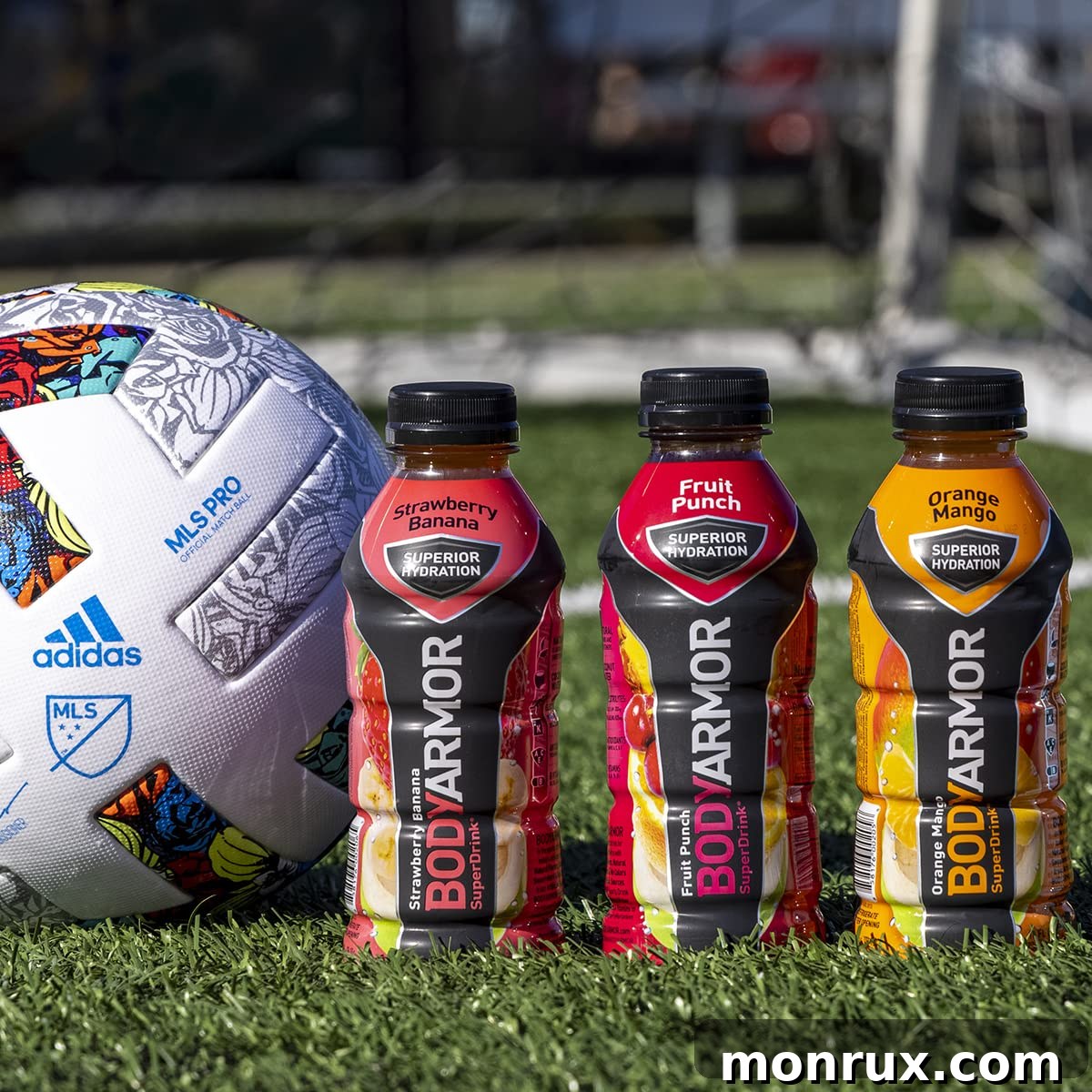
Are Body Armor Sports Drinks Good for You? A Comprehensive Nutritional Analysis
In the vast and competitive world of sports beverages, Body Armor has emerged as a popular choice, distinguishing itself with claims of natural ingredients and superior hydration. But beyond the appealing flavors and slick marketing, a critical question remains for health-conscious consumers and athletes alike: Are Body Armor sports drinks truly good for you? This in-depth article will delve into the nutritional profile of Body Armor products, examining their key ingredients, highlighting their pros and cons, and comparing them with other hydration options. We aim to provide a clear, unbiased perspective to help you make an informed decision about integrating these drinks into your diet. For most individuals, Body Armor can be a safe and effective choice when consumed thoughtfully and in moderation, aligning with individual dietary needs and activity levels.
Body Armor Drinks: Facts and Overview
Body Armor burst onto the scene in 2011, founded by Mike Repole, with a clear vision: to revolutionize the sports drink market by offering a premium, natural hydration option. The company’s core philosophy centers on creating drinks that are free from artificial ingredients, appealing to a growing consumer base that prioritizes cleaner labels and wholesome nutrition, even in their sports beverages. This commitment to natural sourcing quickly set Body Armor apart from traditional contenders like Gatorade and Powerade.
Since its inception, Body Armor has expanded its product line to cater to diverse hydration needs and preferences. Today, the brand offers four primary categories, each with a variety of delicious flavors:
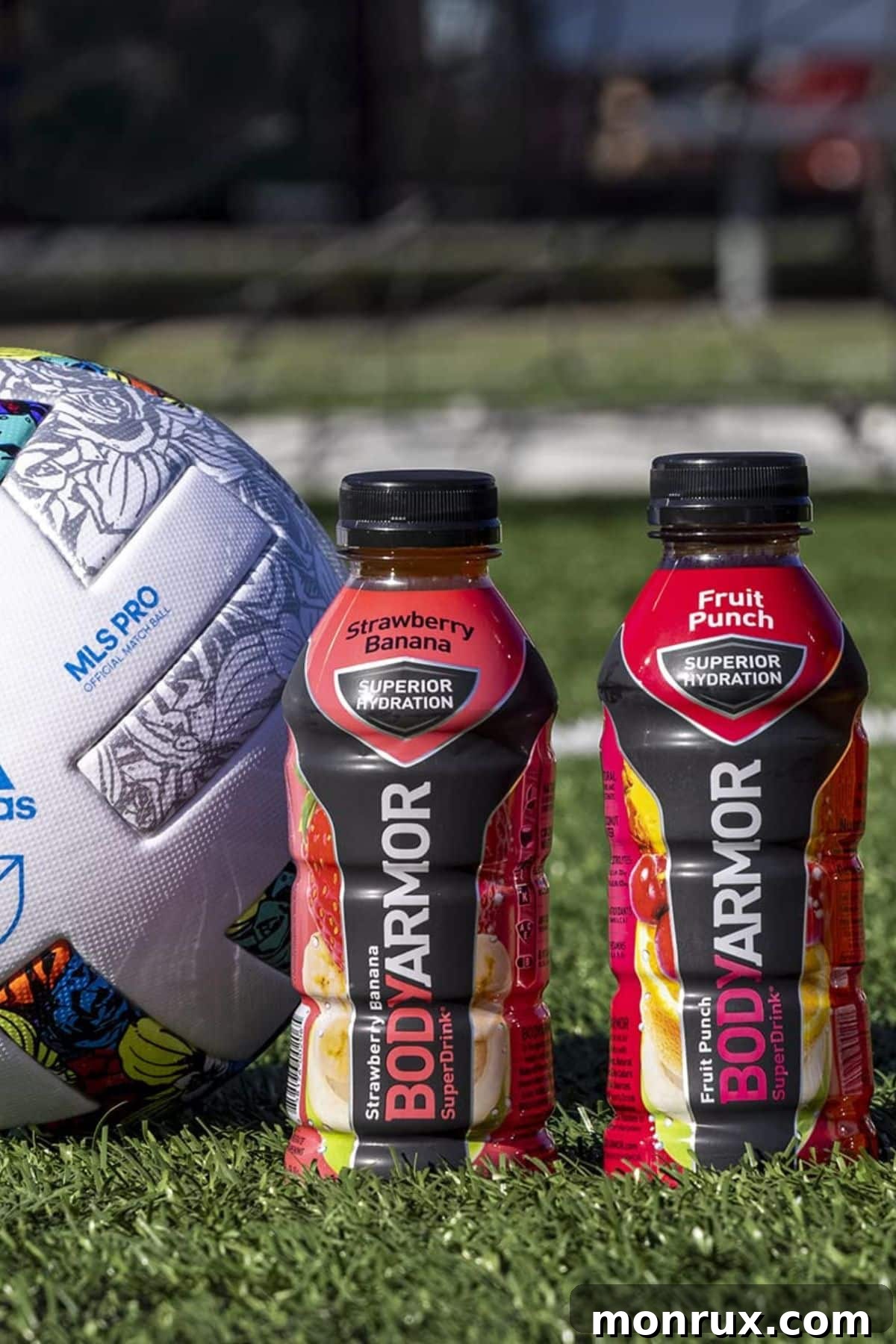
- Body Armor Sports Drink: The original line, known for its blend of electrolytes, vitamins, and real fruit flavors like Strawberry Banana and Fruit Punch. It’s designed for active individuals seeking robust hydration and energy replenishment.
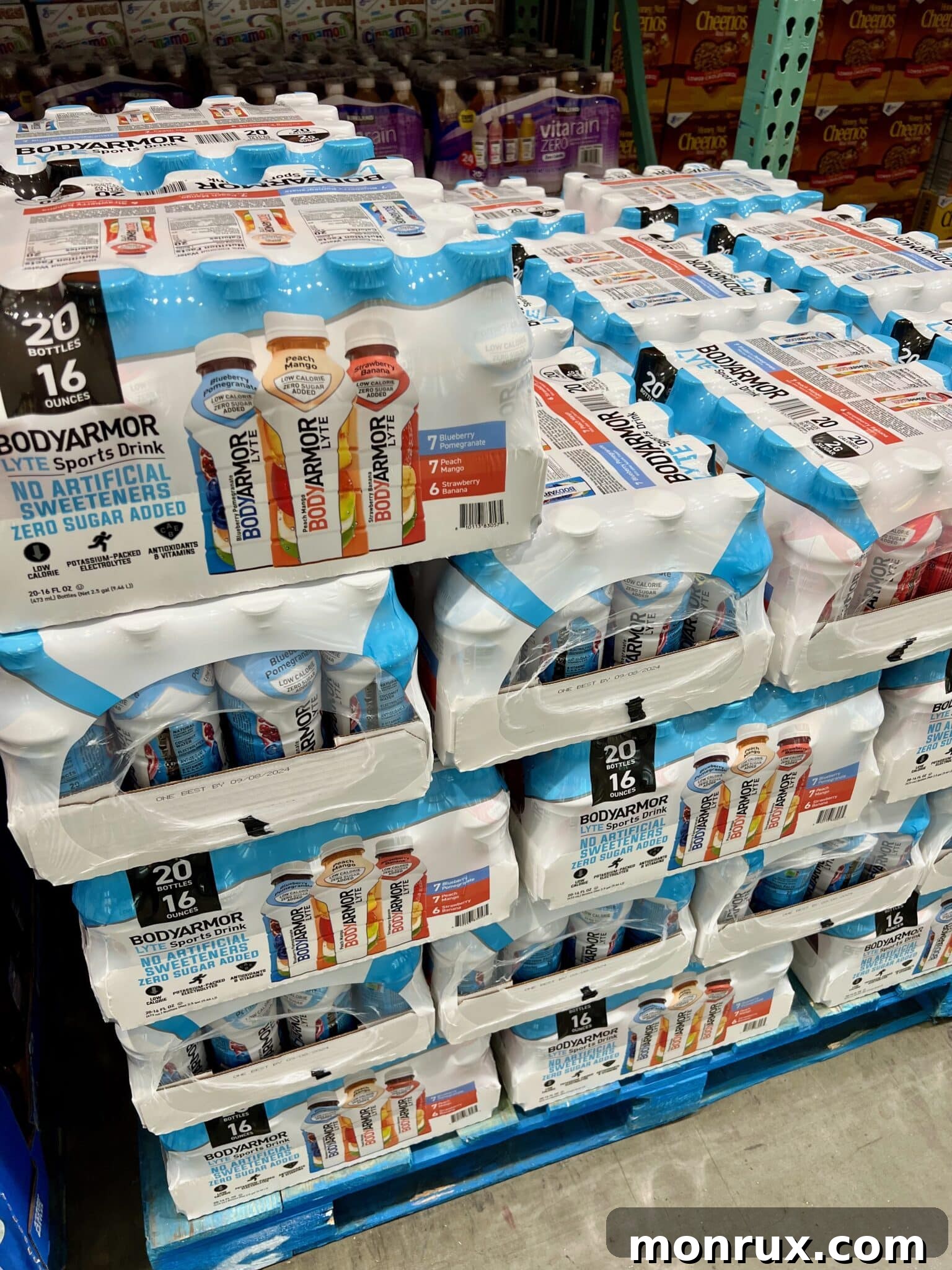
- Body Armor LYTE Sports Drink: A lighter version of the original, formulated with reduced calories and no added sugar, making it suitable for those who want hydration without the extra sweetness. It achieves its low-calorie profile through natural sweeteners.
- Body Armor EDGE Sports Drink: Tailored for performance, EDGE provides an added energy boost with natural caffeine, alongside its hydrating electrolytes and vitamins. It’s geared towards athletes needing an extra edge during intense workouts or competitive events.
- Body Armor SportWater: Going beyond flavored drinks, SportWater offers purified water enhanced with a performance pH of 9+ and electrolytes. It’s designed for everyday hydration and optimal bodily function, reflecting a simpler approach to electrolyte replenishment.
A significant milestone for the brand occurred in 2021 when The Coca-Cola Company completed its acquisition of Body Armor. This strategic move solidified Body Armor’s position in the beverage industry, leveraging Coca-Cola’s vast distribution network and resources to reach an even broader audience. This acquisition also underscored the increasing consumer demand for “better-for-you” beverage options within the mainstream market.
Key Ingredients in Body Armor Sports Drinks
Understanding what goes into your sports drink is crucial for assessing its impact on your health and performance. Body Armor sports drinks typically feature a thoughtfully selected blend of ingredients aimed at providing hydration, essential nutrients, and natural flavors. Here’s a detailed look at the main components you’ll find in most Body Armor varieties:
- Water
- Pure Cane Sugar (absent in LYTE and SportWater)
- Coconut Water Concentrate
- Citric Acid
- Dipotassium Phosphate (an important electrolyte)
- Natural Flavors
- Vegetable Juice (for natural color)
- Ascorbic Acid (Vitamin C)
- Magnesium Oxide (another key electrolyte)
- Calcium D-Pantothenate (Vitamin B5)
- Niacinamide (Vitamin B3)
- Alpha-Tocopheryl Acetate (Vitamin E)
- Pyridoxine Hydrochloride (Vitamin B6)
- Cyanocobalamin (Vitamin B12)
- Erythritol (in LYTE varieties)
The original Body Armor Sports Drink, LYTE, and EDGE versions are renowned for their electrolyte blend, the inclusion of coconut water, and a host of antioxidants and B vitamins. They are notable for their higher potassium content and lower sodium levels compared to many competing brands. Body Armor SportWater takes a simpler approach, featuring reverse osmosis water, potassium bicarbonate, calcium chloride, and magnesium chloride. Let’s explore some of these main ingredients in more detail to understand their potential impact on your well-being.
Coconut Water
Coconut water is perhaps one of Body Armor’s signature ingredients and a key differentiator in the sports drink market. Sourced from the clear liquid inside young, green coconuts, it is a naturally sweet and refreshing beverage that plays a crucial role in nourishing the fruit as it matures. Beyond its tropical taste, coconut water is celebrated for being an exceptional natural source of hydration, packed with essential electrolytes and vital minerals. These include potassium, magnesium, calcium, and sodium, all of which are critical for maintaining proper fluid balance and nerve function in the human body.
Scientific research and traditional wisdom suggest numerous potential health benefits associated with coconut water consumption. It’s believed to aid in preventing heart disease by helping to lower blood pressure and cholesterol levels. Its kidney-friendly properties may help reduce the risk of kidney stones. For individuals managing blood sugar, coconut water has a lower glycemic index than many sugary drinks, potentially helping to moderate blood glucose levels. Most notably for athletes and active individuals, it offers superior hydration compared to plain water, replenishing fluids and electrolytes lost through sweat, without excessive amounts of added sugar. Incorporating coconut water into your diet can be a delicious way to stay hydrated and benefit from its nutrient density, as seen in homemade recipes like Coconut Pineapple Water.
Cane Sugar
In many Body Armor varieties, particularly the original Sports Drink, pure cane sugar is a primary sweetener. Cane sugar is derived specifically from sugar cane, distinguishing it from granulated sugar, which can also come from sugar beets. While pure cane sugar is often marketed as a more “natural” sweetener due to its origin and slightly less processing compared to highly refined white sugar, it is still a processed form of sugar. It primarily consists of sucrose, which the body rapidly breaks down into glucose and fructose.
When consumed in moderation and in the right context, pure cane sugar can offer certain benefits, especially for active individuals. Its quick absorption provides a rapid energy source, which can be beneficial for fueling intense physical activity or replenishing glycogen stores post-workout. This immediate energy boost is why it’s a common ingredient in sports drinks. However, the potential downsides of excessive sugar intake are well-documented and far-reaching. Overconsumption of sugar can contribute to weight gain, increase the risk of developing type 2 diabetes, elevate the risk of heart disease, and lead to dental cavities. For individuals with existing health concerns such as insulin resistance or diabetes, or those simply aiming to reduce their sugar intake, beverages high in added sugar, even natural ones, should be consumed with caution and minimal frequency.
Dipotassium Phosphate (Electrolyte)
Dipotassium phosphate is a synthetic compound found in Body Armor, serving as an efficient and readily available source of potassium. Although laboratory-produced, it provides a crucial electrolyte that plays a vital role in numerous bodily functions. Potassium is essential for maintaining proper fluid balance, nerve signal transmission, and muscle contractions. For athletes, adequate potassium intake is paramount for preventing muscle cramps and ensuring optimal muscle function and recovery.
Beyond its role in muscle health, dipotassium phosphate contributes to the production of ATP (adenosine triphosphate), which is the primary energy currency of your cells. This means it can enhance physical performance, improve muscle recovery times, and boost endurance during prolonged exercise. Furthermore, potassium, in general, is recognized for its benefits in supporting bone mineral density, reducing the risk of stroke, preventing kidney stones, and helping to regulate blood pressure. While supplemental forms like dipotassium phosphate are convenient, it’s always worth remembering that obtaining nutrients from whole, real foods is generally the healthiest approach. Excellent natural sources of potassium include bananas, sweet potatoes, white potatoes, beets, black beans, butternut squash, and Swiss chard.
Ascorbic Acid (Vitamin C)
Ascorbic acid is simply the chemical name for Vitamin C, an indispensable nutrient that the human body cannot produce on its own, making it an essential dietary component. Body Armor includes ascorbic acid to fortify its drinks with this powerful vitamin, which is critical for overall health and particularly beneficial for active lifestyles.
Vitamin C is widely recognized for its immune-boosting properties, helping to strengthen the body’s natural defenses against infections and illnesses. It acts as a potent antioxidant, protecting cells from damage caused by free radicals generated during normal metabolic processes and intense physical activity. Additionally, Vitamin C plays a crucial role in collagen synthesis, which is vital for healthy skin, blood vessels, bones, and cartilage. It also significantly enhances the absorption of non-heme iron (iron from plant sources), an important consideration for many diets. Furthermore, adequate Vitamin C intake can contribute to cardiovascular health by helping to moderate blood pressure. You can naturally find rich sources of Vitamin C in a variety of fruits and vegetables, including citrus fruits, kiwi, pineapple, strawberries, bell peppers, broccoli, cauliflower, kale, and Brussels sprouts.
Erythritol
In Body Armor LYTE drinks, which boast zero added sugar, erythritol is employed as a natural sweetener. Erythritol belongs to a class of compounds known as sugar alcohols, found naturally in some fruits and fermented foods. It is nearly calorie-free and does not raise blood sugar levels, making it a popular choice for individuals looking to reduce sugar intake or manage blood glucose, such as those with type 2 diabetes.
Beyond its sweetening properties, erythritol has been observed to possess antioxidant capabilities. Some studies suggest it may even improve blood vessel production, potentially offering benefits for cardiovascular health, especially in contexts like type 2 diabetes. However, like other sugar alcohols, erythritol can cause digestive discomfort in some individuals, particularly when consumed in large quantities. Symptoms may include nausea, bloating, abdominal cramps, and diarrhea. More recently, some research has indicated a potential link between high blood levels of erythritol and an increased risk of cardiovascular events, though more comprehensive studies are needed to fully understand this relationship and its implications for public health. It’s advisable to consume erythritol in moderation and observe how your body reacts.
Nutritional Advantages of Body Armor
Body Armor sports drinks offer several compelling nutritional advantages that set them apart in the crowded sports beverage market. These benefits often appeal to consumers seeking cleaner, more health-conscious options for hydration and performance enhancement.
One of the most significant pros is Body Armor’s unwavering commitment to excluding artificial ingredients. This means you won’t find artificial sweeteners, artificial flavors, or synthetic dyes in their products. Instead, colors are derived from natural sources like fruits, vegetables, and natural vitamins such as Beta Carotene, while flavors come from real fruit extracts. This clean ingredient list resonates deeply with consumers looking to avoid processed additives and potential allergens.
Furthermore, Body Armor drinks are designed to be widely accessible, catering to various dietary needs and preferences. They are certified gluten-free, soy-free, kosher, and vegan, making them suitable for individuals with specific dietary restrictions, allergies, or lifestyle choices. The use of coconut water as a primary ingredient is another major advantage. Coconut water is a natural powerhouse of electrolytes, including a higher concentration of potassium and a lower sodium count compared to many traditional sports drinks. This profile is often considered more beneficial for restoring electrolyte balance, especially for those who might be prone to potassium deficiencies or are monitoring their sodium intake.
Beyond electrolytes, Body Armor products are fortified with a blend of essential vitamins, including a range of B vitamins (B3, B5, B6, B12) and Vitamin C. These vitamins play crucial roles in energy metabolism, immune function, and overall cellular health, providing more than just basic hydration. For active individuals, this added nutritional support can contribute to better energy levels, improved recovery, and enhanced well-being.
Potential Nutritional Disadvantages
While Body Armor boasts a “natural” profile, it’s essential to critically examine potential nutritional downsides to make a truly informed decision about its regular consumption. Even natural ingredients can have varying impacts depending on individual health needs and consumption levels.
One of the primary concerns for some Body Armor products, particularly the original Sports Drink, is its sugar content. Although it uses pure cane sugar, which is a natural sweetener, the amount can still be substantial. A single bottle can contain a significant number of grams of added sugar, contributing to caloric intake and potentially impacting blood sugar levels. For individuals with a sedentary lifestyle, those looking to manage weight, or those with conditions like diabetes, this sugar content may be a drawback. While beneficial for immediate energy during intense exercise, for casual hydration or light activity, the sugar could be excessive.
Another point of consideration is the inclusion of synthetic B vitamins. Body Armor fortifies its drinks with Niacinamide (Vitamin B3), Folic Acid (Vitamin B9), Calcium D-Pantothenate (Vitamin B5), Pyridoxine Hydrochloride (Vitamin B6), and Cyanocobalamin (Vitamin B12). While these vitamins are essential, some individuals may be sensitive to synthetic forms, potentially experiencing side effects such as flushing (with niacin), digestive upset, or allergic reactions in rare cases. For optimal health, obtaining vitamins from whole food sources is generally preferred, as the body can often absorb and utilize them more effectively.
For the Body Armor LYTE series, the use of erythritol as a zero-calorie sweetener presents another potential disadvantage. As discussed, while it helps keep calories and sugar low, some individuals report digestive upsets like bloating, gas, cramps, or diarrhea, especially when consumed in larger quantities. Furthermore, recent scientific discussions regarding the potential link between high erythritol levels and cardiovascular events warrant caution, suggesting that more research is needed to fully understand its long-term health implications, particularly for at-risk populations.
Finally, a non-nutritional but significant concern is the environmental impact of Body Armor’s packaging. The drinks are primarily sold in plastic bottles, which contribute to plastic waste and pollution. For environmentally conscious consumers, this may be a significant drawback. Choosing reusable bottles and homemade alternatives can be a more sustainable option.
Frequently Asked Questions About Body Armor
Body Armor can be considered a healthier option compared to many conventional packaged sports drinks on the market, especially due to its lack of artificial colors, flavors, and sweeteners (in some varieties) and its inclusion of coconut water and essential vitamins. However, labeling any processed beverage as universally “healthy” requires context. For intense athletes needing quick replenishment, it can be beneficial. For general hydration or less active individuals, the sugar content in original Body Armor might be a drawback. Ultimately, making homemade sports drinks using real food ingredients like water, fresh fruit juice, a pinch of sea salt, and honey or maple syrup is almost always the healthiest, most cost-effective, and most customizable choice, giving you complete control over all ingredients and sugar levels.
Many consider Body Armor to be a healthier alternative to Gatorade and similar traditional sports drinks, largely due to its cleaner ingredient list. Body Armor does not contain artificial colors or flavors, relying instead on natural fruit extracts and vegetable juices for coloring. It also incorporates coconut water, offering a natural source of electrolytes, particularly potassium. The Body Armor LYTE line further distinguishes itself by using zero-calorie natural sweeteners like erythritol and stevia, as opposed to the artificial sweeteners often found in Gatorade Zero. However, it’s crucial to note that the original Body Armor Sports Drink still contains a similar amount of added cane sugar and calories as regular Gatorade. So, while it excels in avoiding artificial additives, its sugar profile in the original line should be considered when comparing overall nutritional impact, especially for those monitoring sugar intake.
For most children, Body Armor Sports Drink and Body Armor LYTE are generally considered safe for consumption, particularly because they are free from gluten, dairy, soy, artificial flavors and colors, and caffeine. The natural ingredients and electrolyte blend can be beneficial for active children who need hydration replenishment. However, it’s always recommended to consult with your pediatrician or healthcare provider for personalized advice, especially if your child has specific health conditions or dietary needs. Body Armor EDGE, which contains added caffeine for an energy boost, is explicitly not recommended for children due to caffeine’s potential stimulating effects. A simpler and often healthier option for children needing hydration might be plain water, diluted fruit juice, or a homemade electrolyte mix using coconut water concentrate mixed with plain water.
While you can consume Body Armor when you’re feeling under the weather, it’s not necessarily the most beneficial option for recovery. The common belief that sports drinks are ideal for replacing electrolytes during illness is often overemphasized for mild sickness. In most cases of illness like colds or mild stomach upsets, plain water remains the best and most crucial drink for staying hydrated. If significant fluid loss has occurred (e.g., due to vomiting or diarrhea), an electrolyte-rich beverage can be helpful. However, a homemade electrolyte mix, typically consisting of water, a pinch of salt, and a small amount of honey or fruit juice, can be equally, if not more, effective without the added sugars or synthetic vitamins found in commercial sports drinks. This homemade approach gives you full control over the ingredients, often resulting in a healthier and less sugary alternative.
The optimal time to consume Body Armor largely depends on your activity level and the specific Body Armor product. For the original Body Armor Sports Drink (with sugar), it’s most beneficial during or immediately after intense or prolonged physical activity (over 60 minutes) to replenish carbohydrates (for energy) and electrolytes lost through sweat. This helps prevent dehydration and supports recovery. Body Armor LYTE, with its low sugar content, is a good option for hydration before, during, or after moderate activity, or even as a daily hydrator for those who prefer flavored water without the extra calories. Body Armor EDGE, due to its caffeine content, is best consumed before or during workouts where an energy boost is desired, but should be avoided close to bedtime. Body Armor SportWater is suitable for everyday hydration at any time, promoting overall wellness with its pH balance and electrolytes.
Don’t Miss These Product Reviews!
Conclusion: Making an Informed Choice
In conclusion, Body Armor sports drinks present a compelling option in the hydration landscape, particularly for active individuals seeking alternatives to conventional sports beverages. Their commitment to natural ingredients, avoidance of artificial colors and flavors, and the inclusion of beneficial components like coconut water and essential vitamins are significant advantages. Furthermore, the availability of different lines like LYTE (low sugar) and EDGE (caffeinated) allows consumers to choose a product that best fits their specific needs and activity levels.
However, it is equally important to acknowledge the potential downsides. The original Body Armor Sports Drink contains added sugar, which, while useful for intense exercise, might be excessive for casual consumption. The use of synthetic B vitamins and sweeteners like erythritol in some varieties may also raise concerns for sensitive individuals or those following specific dietary guidelines. Additionally, the environmental impact of plastic bottle packaging is a consideration for eco-conscious consumers.
Ultimately, the question of whether Body Armor is “good for you” depends heavily on individual health goals, activity levels, and dietary requirements. For most people, consuming Body Armor in moderation, and choosing the right variant for the right occasion, is likely safe and can be beneficial. Nevertheless, for optimal hydration and nutrition, simpler, homemade alternatives using whole food ingredients like water, lemon juice, a pinch of sea salt, and a touch of honey remain the gold standard. These DIY electrolyte solutions are not only easy and inexpensive to prepare but also offer complete control over the ingredients, ensuring purity and tailoring to your exact needs. This DIY electrolyte recipe provides a great starting point for making a healthier, more sustainable choice.
Don’t forget to join my newsletter list to get exclusive clean eating recipes and tips. The newsletter is 100% free with no spam; unsubscribe anytime.
About the Author: Carrie Forrest has a master’s degree in public health with a specialty in nutrition and is a certified holistic nutritionist. She is a top wellness and food blogger with over 5 million annual visitors to her site. Carrie has an incredible story of recovery from chronic illness and is passionate about helping other women transform their health. Send her a message through her contact form.
Note: this post is for informational purposes only and is not intended as medical advice. Please consult your healthcare provider for recommendations related to your individual situation.