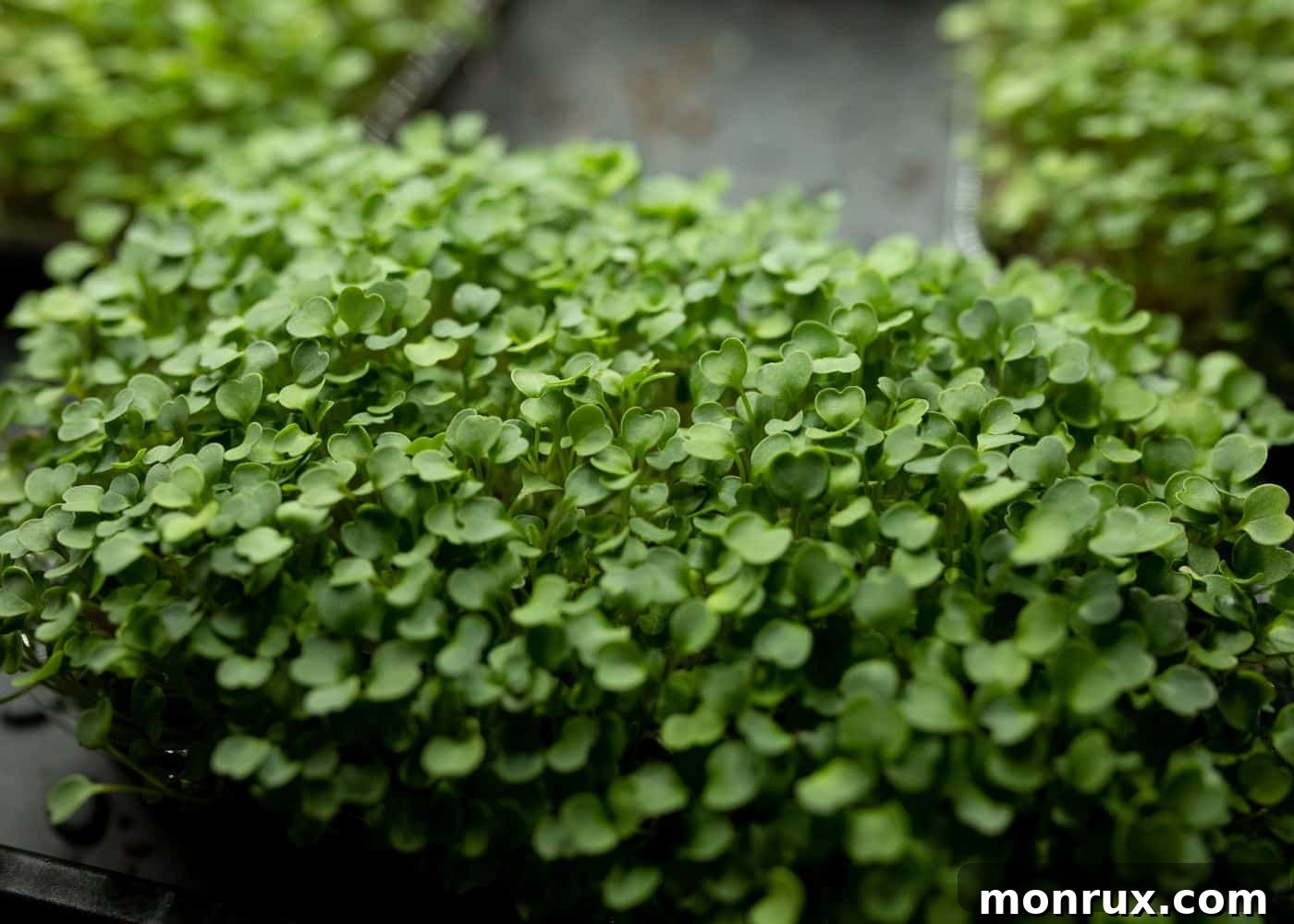
Ultimate Guide to Growing & Harvesting Broccoli Microgreens at Home
Unlock the power of home-grown nutrition with broccoli microgreens, the vibrant superfood you can cultivate right in your own kitchen. These tiny greens are packed with an incredible array of health benefits and boast a surprisingly delicious, mild flavor. If you’re looking to boost your diet with fresh, potent nutrients without needing a sprawling garden, growing broccoli microgreens is your perfect solution. This comprehensive guide will walk you through everything you need to know, from understanding their unique nutritional profile to a detailed, step-by-step process for growing, harvesting, and enjoying your own supply.
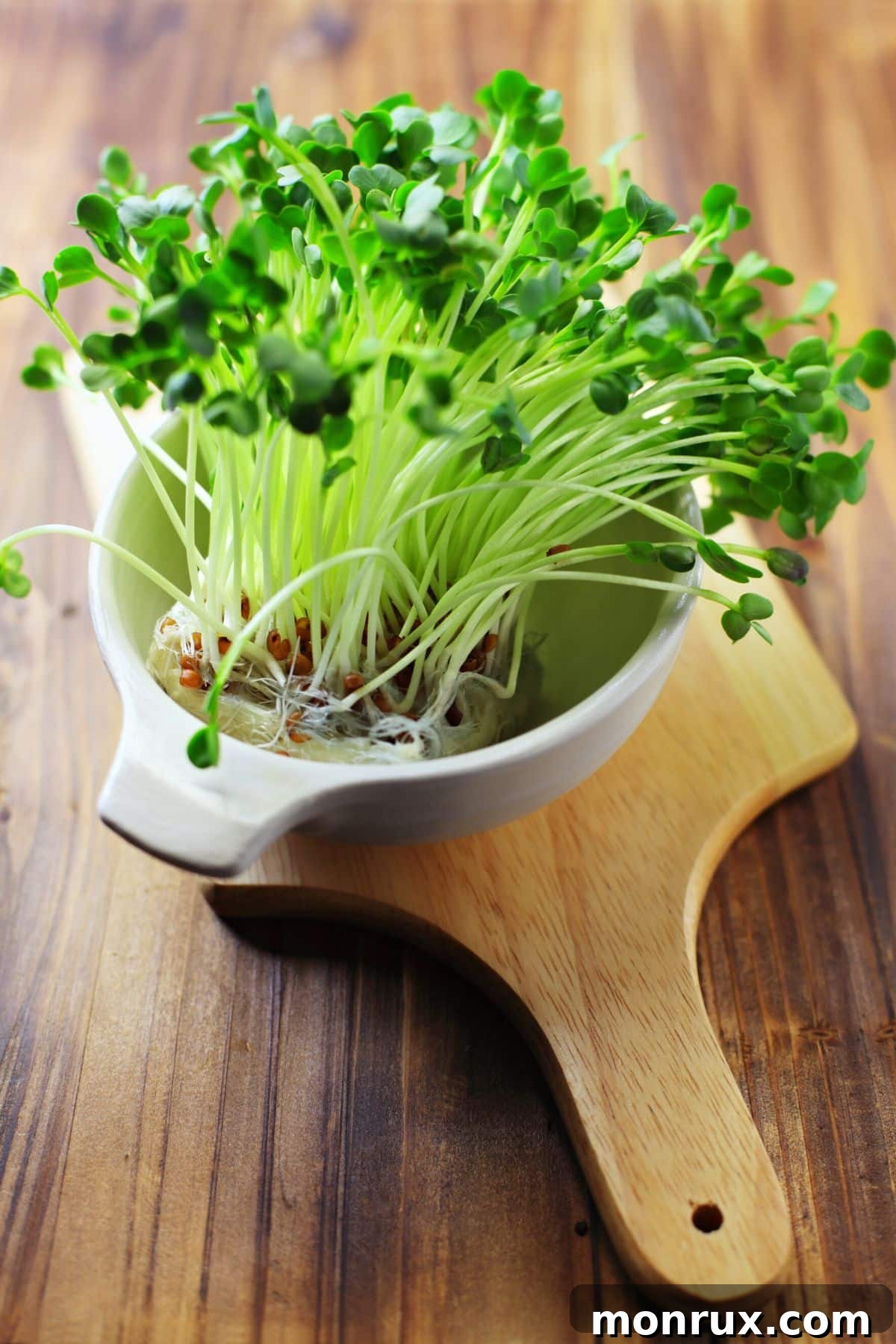
Table of Contents
What Exactly Are Broccoli Microgreens?
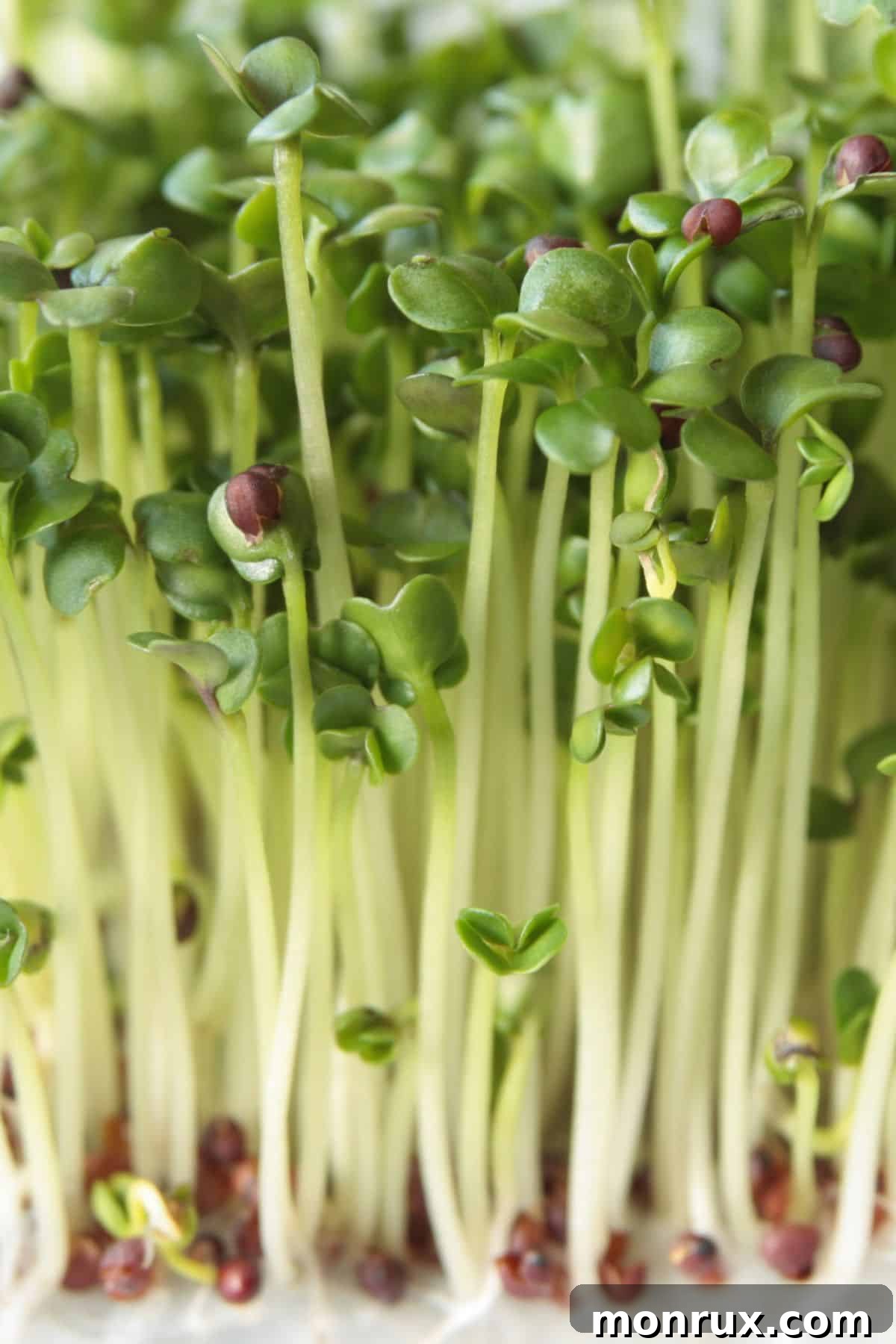
Often mistaken for sprouts, broccoli microgreens represent a distinct, early growth stage of the broccoli plant. They are miniature versions of the mature vegetable, harvested when they are just a few inches tall, typically within one to two weeks after germination. Unlike sprouts, which are usually just the germinated seed and a tiny root, microgreens are more developed plants. They possess roots, a stem, and two fully formed cotyledon leaves (the first leaves to emerge from a seed). This stage is characterized by an explosion of flavor and nutrient density, making them highly prized in culinary and health circles.
Broccoli Sprouts vs. Broccoli Microgreens vs. Mature Broccoli
Understanding the differences between these three forms is crucial. Broccoli sprouts are harvested even earlier than microgreens, usually within 3-5 days. They typically consist of a tiny root and a very small shoot. While incredibly potent in certain compounds like sulforaphane, their overall nutrient profile can differ from microgreens. Broccoli microgreens, on the other hand, have developed beyond the sprout stage, showcasing two distinct cotyledon leaves and a more substantial stem, giving them a more robust flavor and a broader range of nutrients.
Mature broccoli, the full-sized vegetable we commonly find in grocery stores, offers extensive health benefits. However, studies have shown that broccoli microgreens can contain significantly higher concentrations of certain vitamins, minerals, and antioxidants per gram compared to their mature counterparts. This concentrated nutrition makes microgreens an exceptionally efficient way to consume vital compounds, often with a milder taste profile than mature broccoli.
Why Should You Integrate Baby Broccoli Plants into Your Diet?
The appeal of broccoli microgreens extends beyond their novelty. They are, in many ways, an ideal food source for the modern, health-conscious individual. First, their concentrated nutritional profile means you need to consume only a small amount to reap significant health benefits. Second, they are incredibly easy and fast to grow, providing an almost instant gratification for home gardeners. This rapid turnaround allows for a continuous, fresh supply of potent greens, far more cost-effective and fresher than buying them from specialty stores. If you’re seeking a sustainable, nutritious, and convenient way to enhance your health, growing your own broccoli microgreens is an unparalleled choice.
Unlocking the Potent Health Benefits of Broccoli Microgreens
Broccoli microgreens are not just a garnish; they are a nutritional powerhouse, widely recognized for their “superfood” status. Their compact size belies an incredible concentration of health-promoting compounds that can significantly contribute to overall well-being. Incorporating these tiny greens into your daily diet is an effective way to enhance your nutritional intake and support various bodily functions.
A High-Nutrition Density Marvel
Experts and recent research consistently highlight the exceptional nutrient density of broccoli microgreens. They are often found to be even more nutritious than mature broccoli, offering a superior amount of phytonutrients, vitamins, and minerals. This makes them an incredibly efficient food source, requiring smaller quantities to deliver a potent nutritional punch. Their production also involves a significantly smaller ecological footprint compared to mature crops, adding to their appeal.
Broccoli microgreens are rich in an impressive array of essential nutrients. This includes vital minerals such as magnesium, potassium, calcium, and iron, all crucial for bone health, nerve function, and energy production. Furthermore, they are abundant in a spectrum of vitamins, including Vitamin A (for vision and immune function), various B vitamins (for metabolism and energy), Vitamin C (a powerful antioxidant), Vitamin E (for skin health and protection), and Vitamin K (essential for blood clotting and bone health).
The Sulforaphane Advantage: A Key Phytochemical
One of the most remarkable compounds found in broccoli microgreens is sulforaphane, a potent phytochemical unique to cruciferous vegetables like cabbage, cauliflower, and kale. Broccoli microgreens, particularly, are renowned for their high sulforaphane content, which is often significantly higher than in mature broccoli.
Extensive studies are revealing the profound value of sulforaphane in both preventing and treating chronic diseases. Its benefits are far-reaching:
- Anti-cancer Properties: Sulforaphane has been shown to actively fight cancer cells by reducing free radicals and boosting the body’s natural detoxification enzymes. Research suggests its role in inhibiting the growth of several types of cancer, including colon, prostate, and breast cancer.
- Anti-inflammatory Effects: It helps reduce inflammation throughout the body, which is a common underlying factor in many chronic illnesses.
- Immune System Boost: Sulforaphane actively supports and strengthens the immune system, helping the body defend against pathogens.
- Digestive Health: It contributes to a healthier gut microbiome and can give your digestive health a significant boost, promoting better nutrient absorption and overall gut function.
For many individuals, consuming the necessary amount of mature cruciferous vegetables to gain these benefits can be challenging due to taste preferences or digestive sensitivities. This is where broccoli microgreens shine.
Beyond Nutrition: Taste & Culinary Versatility
Indeed, the robust, sometimes pungent taste of mature cruciferous vegetables can be off-putting for some, especially children. Broccoli microgreens offer a fantastic alternative with their far milder, fresh, and slightly peppery flavor. This makes them incredibly versatile and easy to incorporate into a wide range of dishes without overpowering other flavors. They can be effortlessly mixed into salads, smoothies, sandwiches, or used as a garnish.
Furthermore, broccoli microgreens are recognized for their detoxifying properties, making them an excellent addition to any diet aimed at liver support. They are on the list of best foods to cleanse the liver, offering a natural and effective way to aid your body’s detoxification processes.
Given their impressive health benefits and palatable taste, broccoli microgreens are definitely worth trying. However, be cautious when purchasing them from grocery stores, as they can be quite expensive and may have lost some nutritional value during transport and storage. The most cost-effective and nutrient-rich way to enjoy them is by growing your own at home. This step-by-step guide will show you how to cultivate them for pennies on the dollar, ensuring peak freshness and maximum nutritional impact.

Your Step-by-Step Guide: How to Grow Broccoli Microgreens at Home
If the idea of growing your own superfood sounds daunting, rest assured: broccoli microgreens are remarkably simple to cultivate. You don’t need an elaborate setup or extensive gardening experience. In fact, they are one of the easiest microgreens to grow, making them the perfect starting point for any aspiring indoor gardener. With just a few basic supplies, a bit of water, and enough light, you can enjoy a continuous supply of fresh, nutrient-dense greens.
The beauty of growing broccoli microgreens is their adaptability. Depending on the quantity you wish to produce, you might not even need much space. A sunny windowsill can be perfectly adequate for a regular harvest, transforming a small corner of your kitchen into a miniature farm. This guide will provide you with all the information needed to successfully grow these nutritional powerhouses from seed to harvest.
Why Grow Your Own Microgreens?
- Cost-Effective: Buying microgreens from stores can be surprisingly expensive. Growing your own drastically reduces costs.
- Fresher & More Nutritious: Harvest them just before eating for maximum freshness and nutrient retention, often superior to store-bought options.
- Control Over Quality: You control the seeds, soil, and water, ensuring organic and pesticide-free produce if desired.
- Convenience: Fresh greens are always at your fingertips, ready to add to any meal.
- Educational & Rewarding: A fun and satisfying project for all ages, offering a connection to your food source.
Essential Supplies Checklist
Before you begin, gather these fundamental items. Having everything prepared will make the growing process smooth and enjoyable.
High-Quality Broccoli Microgreen Seeds
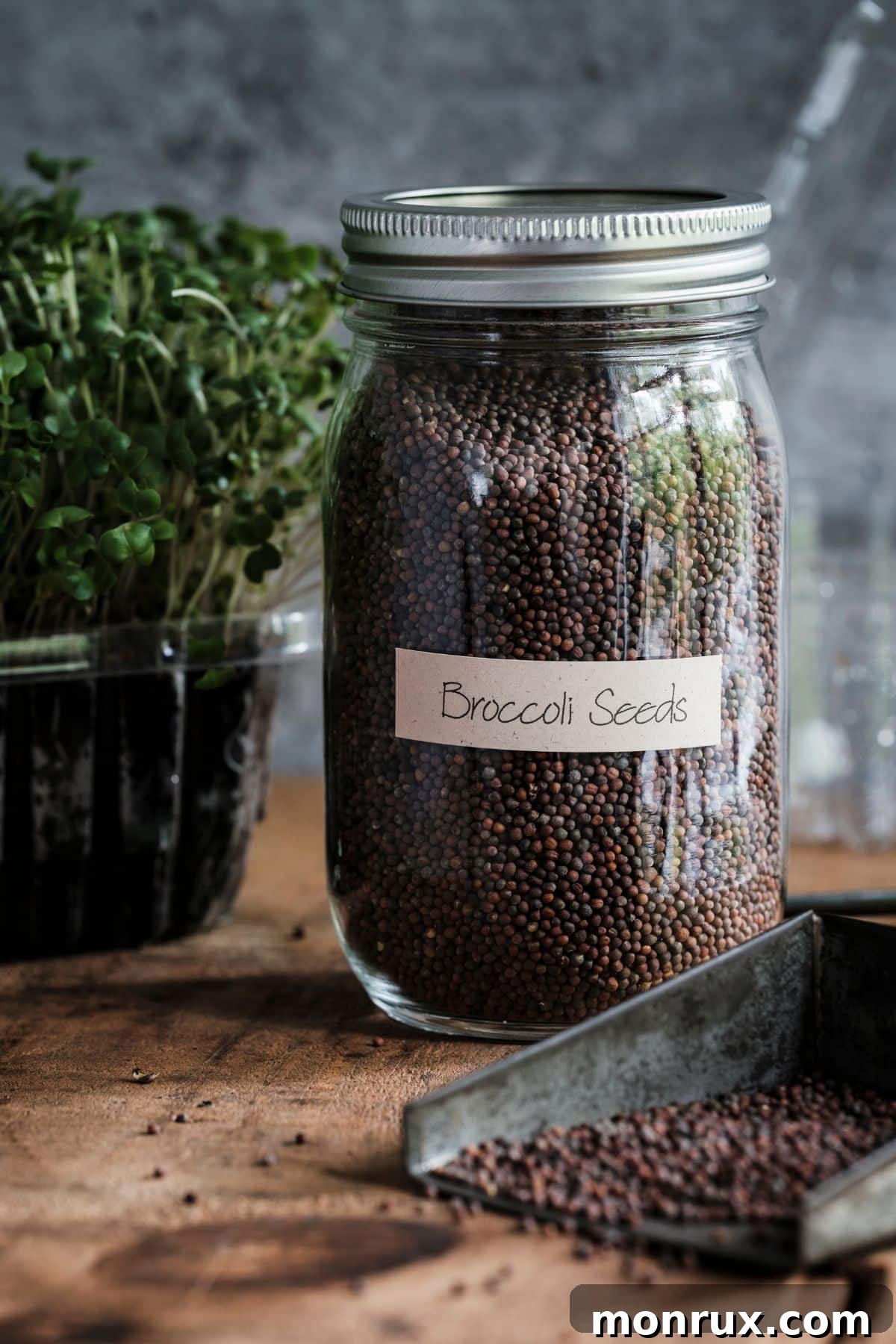
While you can theoretically use regular broccoli seeds, you’ll achieve the best and most consistent results with seeds specifically sold for growing microgreens. These seeds are typically selected for their high germination rates and quick growth, ensuring a successful crop within one to two weeks. Look for non-GMO broccoli microgreen seeds; organic is always a bonus.
Optimal Growing Medium
You have several excellent choices for your microgreens’ growing medium, each with its own advantages:
- Seed Starting Mix: This is the most popular and recommended option. It’s fine-grained, lightweight, and sterile, preventing disease. Its light texture won’t weigh down the delicate seeds, making it easier for roots to establish.
- Potting Soil: Can be used in a pinch, but it’s generally heavier and coarser than seed starting mix. Seeds might have to work harder to emerge, and it may not be as sterile.
- Coconut Coir: An excellent, sustainable, soilless option. It retains moisture well but can dry out quickly if not monitored carefully. It’s lightweight and promotes good aeration.
- Grow Mats (Hemp or Felt): These soilless mats are clean and convenient, often used for hydroponic microgreen setups. They simplify harvesting and cleanup.
- Paper Towels: A very basic and temporary option for testing germination, but not ideal for robust, long-term microgreen growth due to lack of nutrients.
Shallow Growing Trays
For easy harvesting and optimal growth, shallow trays (1 to 2 inches deep) are essential. These can be purpose-built microgreens growing trays or recycled containers like fruit punnets or aluminum pie plates. Crucially, your growing tray must have drainage holes to prevent the growing medium from becoming waterlogged, which can quickly lead to mold and root rot.
You’ll also need a second tray, slightly larger and without drainage holes, to place beneath your growing tray. This second tray serves two critical purposes: catching excess water and, more importantly, facilitating bottom watering. Watering from the bottom keeps the delicate leaves and stems dry, which is a primary defense against mold growth.
Watering Tools: Fine Mist Spray Bottle
A fine mist spray bottle is indispensable for the initial watering of your seeds. Its gentle spray prevents the tiny seeds from being displaced and ensures even moisture without over-saturating the top layer of the growing medium.
Light Source
A consistent and sufficient light source is paramount for healthy, green microgreens. Light is crucial for photosynthesis, the process that turns them vibrant green and develops their full nutritional potential. While natural sunlight from a bright, south-facing windowsill can suffice, investing in a dedicated grow light offers significant advantages. Grow lights provide consistent intensity and duration, ensuring all plants receive uniform light and preventing leggy, pale growth, especially during shorter daylight months.
Environmental Controls (Optional but Recommended)
For optimal results, maintaining a stable environment is beneficial:
- Temperature: Aim for a room temperature around 70-75℉ (21-24℃). A warming mat can be helpful in cooler environments.
- Humidity: Around 50% humidity is ideal.
- Air Circulation: Good airflow helps prevent mold. A small fan can be used, but avoid direct strong airflow that dries out the plants too quickly.
The Cultivation Process: From Seed to Superfood
Step 1: Preparing Your Growing Medium
Begin by filling your shallow growing container with your chosen medium (seed starting mix, coco coir, etc.) until it’s nearly level with the rim. Gently pat the surface down with your hand to create a smooth, even bed. This prevents seeds from settling into depressions and ensures uniform germination. (Note: If using coconut coir, avoid compacting it too much, as it can become too dense).
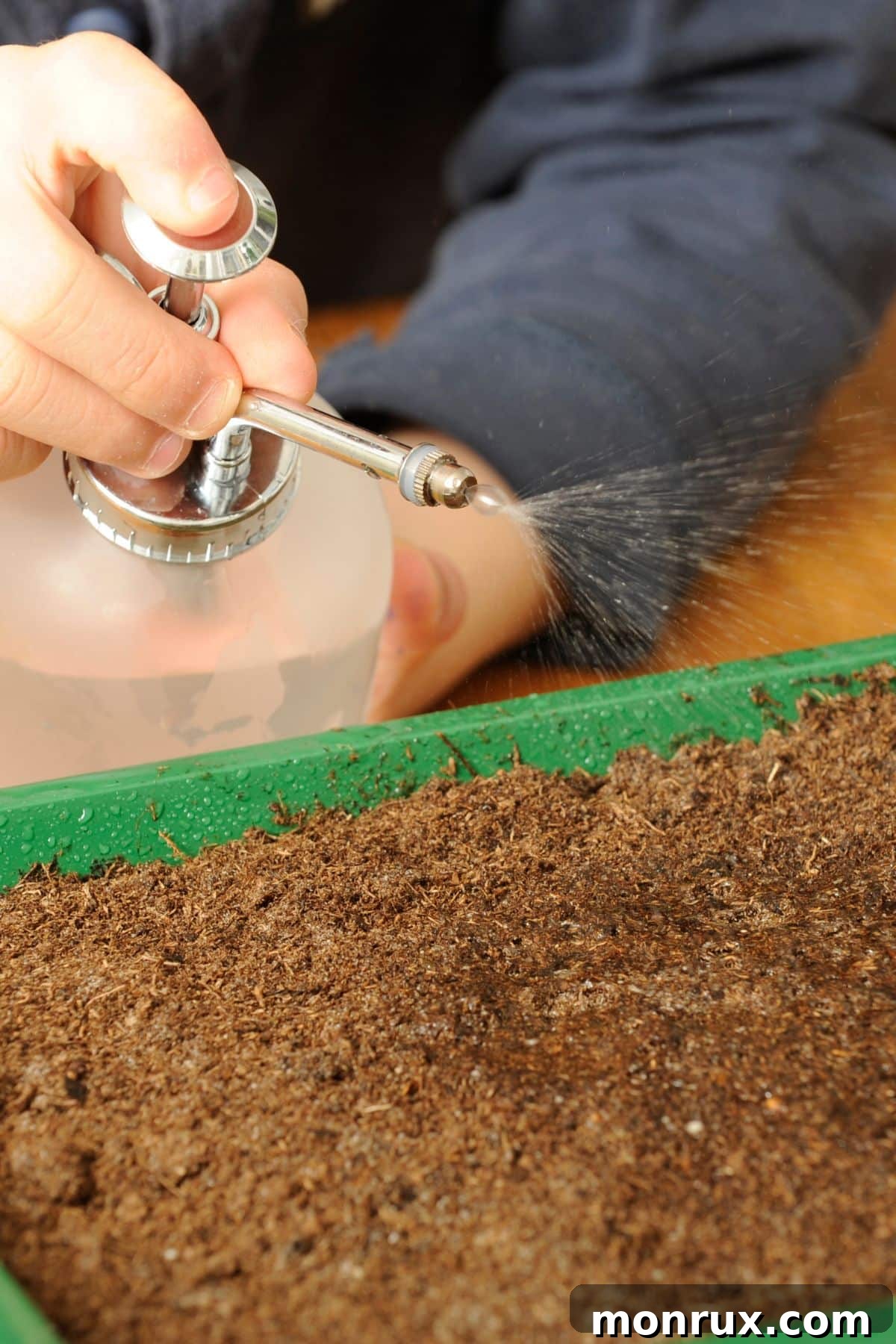
Next, use your spray bottle to gently mist the surface of the medium with water. Allow the water to soak in for a few moments, then mist again lightly. The goal is to ensure the top layer is thoroughly moist but not waterlogged.
Step 2: Sowing Your Seeds
It’s time to sow your broccoli microgreen seeds. Unlike some other microgreen seeds, broccoli varieties typically do not require pre-soaking because their seed hulls are tiny and break open easily. Carefully spread the seeds evenly across the moist surface of the growing medium. Aim for a dense, single layer, covering as much surface area as possible without piling the seeds on top of each other. Overlapping seeds can restrict airflow, increasing the risk of mold and hindering germination.
Step 3: Creating the Blackout Period (Germination)
After sowing, give the seeds one final, very light misting with the spray bottle. Be extremely gentle, as the tiny seeds can easily be blown around. To encourage optimal germination, the seeds need a period of darkness and consistent moisture. Cover your growing tray to retain humidity and block out all light. You can achieve this by simply placing the second, larger tray directly on top of the growing tray. Some growers add a small weight (like a brick or another tray with some weight) on top to promote stronger root development, but broccoli microgreens generally do not require this step.
Place the covered trays in a warm spot, ideally around 70-75℉ (21-24℃), and leave them undisturbed for 2-4 days. During this blackout period, the seeds will sprout, sending down roots and beginning to push upwards. After 2 days, peek under the cover to check their progress. They are ready for the next stage when most of the seeds have visibly sprouted and started to develop tiny white shoots (cotyledon leaves). If not, mist lightly and replace the cover for up to two more days.
Step 4: Introducing Light & Bottom Watering
Once the majority of your seeds have sprouted, it’s time to remove the cover and expose them to light. Place the growing tray onto the second, larger tray (the one without drainage holes). Now, fill the bottom tray with about 0.5 to 1 inch of water. The growing medium will absorb water from the bottom through the drainage holes. This method is crucial for preventing mold and disease, as it keeps the delicate foliage dry.
Ensure your microgreens receive ample light. If using natural light, a sunny windowsill (ideally south-facing) is best. If using a grow light, position it about 6-12 inches above the seedlings and keep it on for 12-16 hours per day. Consistent light exposure is vital for the microgreens to turn a vibrant green and develop their full nutrient profile.
From this point onward, continue to water exclusively from the bottom, refilling the reservoir tray as needed to keep the growing medium consistently moist. Check the moisture level daily by feeling the weight of the tray or touching the soil surface. Never let the tray dry out completely.
Note on “Fuzzy White Mold”: In the early stages after introducing light, you might notice fuzzy white fibers around the base of the stems or on the growing medium. Don’t panic! These are almost always beneficial root hairs, not mold. They are a sign of healthy root development. True mold would typically appear as grey or black, have a distinct musty smell, and often grows in clumps. As long as you maintain good air circulation and water from the bottom, mold issues are rare.
Step 5: Nurturing Growth
Within several days of receiving light, your sprouts will rapidly transform into true microgreens. Initially, they might appear pale or yellowish. This is normal, but they will quickly green up as they photosynthesize. If your microgreens remain pale even after a few days under good light, they might not be receiving enough intensity. Adjust your grow light closer or move them to a brighter natural light source. Pale microgreens will be less nutritious and have a less desirable flavor.
Continue to maintain an ideal environment: a room temperature around 70℉ (21℃), good ventilation to prevent stagnation, and a humidity level of about 50%. Proper air circulation is particularly important to ward off fungal issues. If your growing area is consistently cool, consider using a warming mat beneath your bottom tray to maintain the ideal root zone temperature.
Harvesting Your Bounty & Storage Tips
Step 6: Harvesting Your Broccoli Microgreens
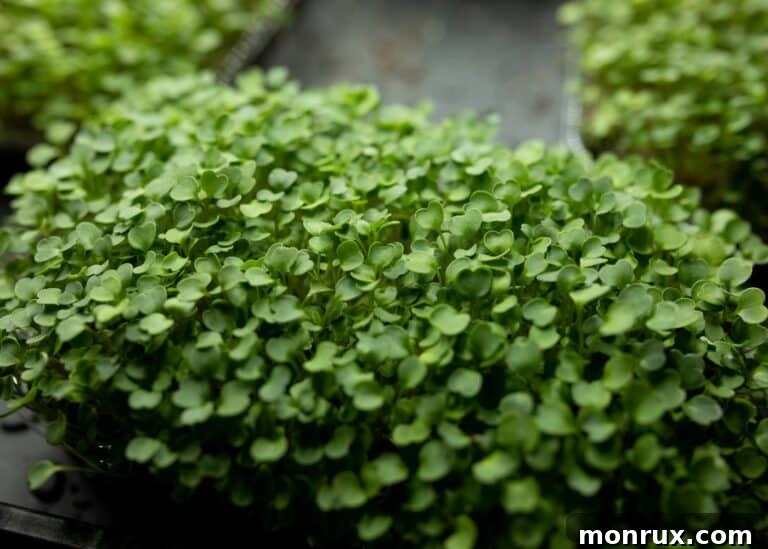
This is the most exciting part – time to enjoy the fruits of your labor! Your broccoli microgreens are ready for harvest when they reach 2 to 3 inches in height and have fully developed their two vibrant green cotyledon leaves. This usually occurs between 7 to 14 days after sowing, well before their “true leaves” (the next set of leaves that resemble mature broccoli leaves) begin to form. Harvesting at this precise stage ensures the best flavor and highest nutrient concentration. If you wait for the true leaves to develop, the flavor can become more bitter.
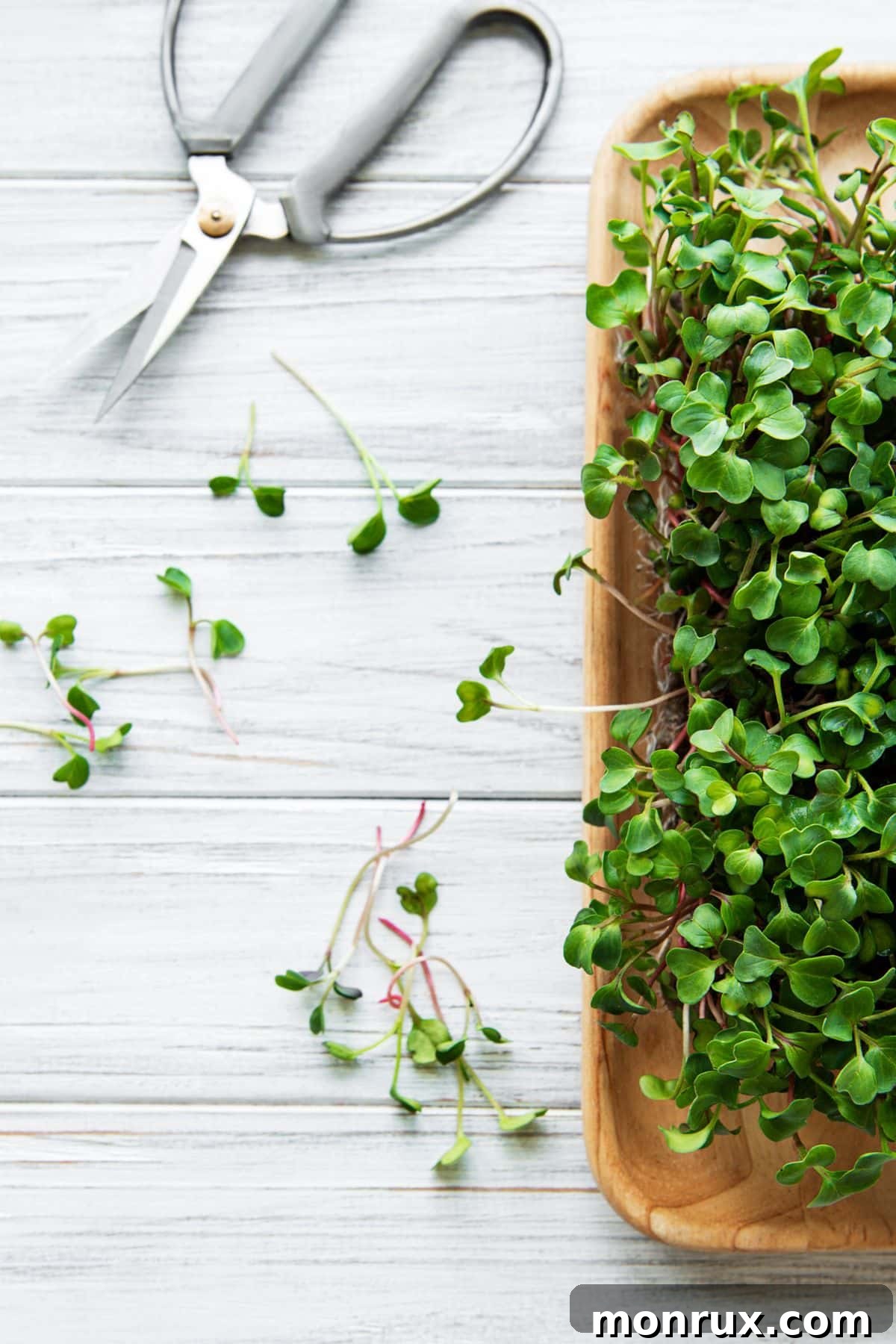
To prepare for harvest, stop watering your microgreens approximately 12 hours beforehand. This helps to dry the foliage, which is crucial for prolonging their freshness during storage. Using a sharp pair of clean scissors or a very sharp knife, snip the microgreens in bunches just above the surface of the growing medium. Try to get as close to the soil line as possible without cutting into the soil itself.
You can choose to harvest the entire batch at once or cut what you need for individual meals. However, it’s important to harvest the entire crop within a few days once they are ready. Sadly, unlike some herbs, broccoli microgreens will not regrow after harvesting, so you’ll need to sow a new batch of seeds to ensure a continuous supply.
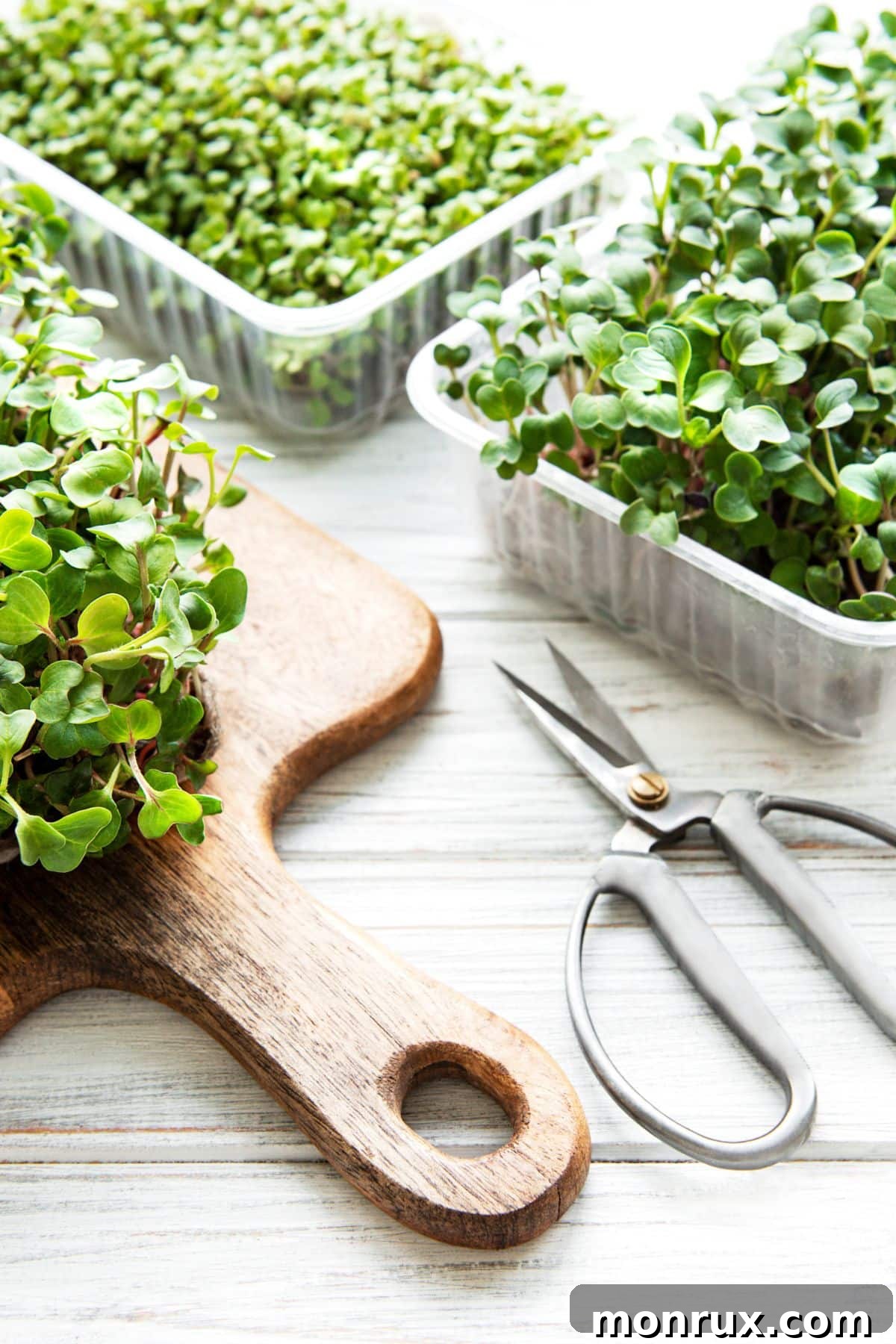
Step 7: Storing Your Fresh Broccoli Microgreens
If you’ve harvested more broccoli microgreens than you can consume immediately, proper storage is key to maintaining their freshness and nutrient content. First, ensure the microgreens are as dry as possible to prevent spoilage. You can gently blot them with a paper towel or use a salad spinner if you have one.
Once dry, wrap the harvested microgreens in a paper towel. This absorbs any residual moisture and helps to keep them crisp. Then, place the wrapped greens inside an airtight container or a sealed plastic bag. Store them in the refrigerator, where they will typically remain fresh for up to 4 to 7 days. Always check for freshness before consuming; discard any microgreens that show signs of wilting, sliminess, or discoloration.
Broccoli Microgreens FAQs
How long does it take to grow broccoli microgreens?
Broccoli microgreens are exceptionally fast-growing. From the moment you sow the seeds, they are typically ready for harvest within a surprisingly short window of 7 to 14 days. This rapid growth cycle makes them an ideal crop for continuous, fresh harvests, allowing you to enjoy their nutritional benefits almost immediately after planting.
How can I eat broccoli microgreens?
The culinary versatility of broccoli microgreens is one of their greatest assets. Their relatively mild, slightly peppery flavor—much less overpowering than mature broccoli—makes them easy to integrate into a wide variety of dishes. To maximize their nutritional value, it’s generally best to consume them raw. However, they can also be added to cooked foods at the very end of the cooking process, and they will still retain significant nutrients. Here are some popular ways to enjoy your home-grown superfood:
- Salads: Their crunchy texture and fresh flavor make them a fantastic addition to any salad, adding volume, nutrition, and visual appeal.
- Sandwiches & Wraps: Layer them into your sandwiches, burgers, or wraps for an extra nutritional boost and satisfying crunch.
- Smoothies & Juices: Blend a handful into your morning smoothie or fresh juice. Their mild taste won’t drastically alter the flavor, but the nutritional impact is immense.
- Garnish: Use them as a vibrant, nutrient-rich garnish for scrambled eggs, omelets, avocado toast, soups, stews, pizzas, or even pasta dishes.
- Stir-fries & Soups: Incorporate them into warm dishes like stir-fries or stews. Add them during the last minute or two of cooking to gently warm them while preserving their delicate texture and nutrient content.
- Dips & Spreads: Chop them finely and mix them into hummus, guacamole, or other healthy dips.
For even more creative ideas on incorporating these greens into your diet, consider exploring how to eat broccoli sprouts, as many methods are transferable.
Are broccoli microgreens as healthy as broccoli sprouts, or mature broccoli?
Both broccoli microgreens and broccoli sprouts are incredibly healthy, and even mature broccoli offers substantial benefits. However, they differ in their specific nutrient profiles and concentrations, largely due to their stage of development. Research indicates that while sprouts (harvested earliest) are particularly rich in sulforaphane, microgreens (harvested slightly later) often boast a broader spectrum of vitamins (like A, C, E, and K) and minerals. Mature broccoli, while still healthy, typically has lower concentrations of many of these compounds per serving. For maximizing sulforaphane, sprouts might have a slight edge. For a wider range of concentrated vitamins and minerals, microgreens are often superior. Incorporating a mix of all three offers the most comprehensive nutritional strategy.
Can I reuse the growing medium after harvesting microgreens?
It’s generally not recommended to reuse soil or other growing mediums for growing new batches of microgreens. Once you harvest, the roots remain in the medium, which can lead to decomposition, mold growth, and depletion of any remaining nutrients. Reusing the medium significantly increases the risk of disease and reduces the success rate of subsequent crops. For best results and to prevent issues, always start with fresh, sterile growing medium for each new batch.
What are common problems when growing broccoli microgreens, and how can I solve them?
- Mold: The most common issue. Usually caused by overwatering, poor air circulation, or overcrowding. Solution: Water from the bottom only, ensure good airflow (a small fan can help), avoid overly dense seeding, and ensure your trays have adequate drainage.
- Leggy or Pale Growth: Stems are long and thin, and leaves are yellowish. This indicates insufficient light. Solution: Move your tray to a brighter location or closer to a grow light. Ensure 12-16 hours of light per day.
- Poor Germination: Many seeds don’t sprout. Solution: Check seed quality (use fresh microgreen-specific seeds), ensure consistent moisture during the blackout period, and maintain a warm temperature (70-75°F).
- Uneven Growth: Some areas grow faster than others. Solution: Ensure even seed distribution and uniform moisture across the tray. A good light source that covers the entire tray evenly also helps.
Advanced Tips for Thriving Microgreens
To ensure consistent success and maximize your yield of delicious, nutritious broccoli microgreens, keep these expert tips in mind:
- Seed Quality Matters: Always use non-GMO broccoli seeds that are ideally sold specifically for growing microgreens. Fresh seeds with a high germination rate are crucial for a dense, healthy crop.
- Shallow Trays for Easy Harvest: Stick to growing containers no more than 1 to 2 inches deep. This depth is sufficient for microgreen roots and makes harvesting significantly easier, as you won’t be cutting into a large volume of soil.
- Experiment with Growing Mediums: While seed starting soil is excellent, feel free to experiment with soilless options like coco coir, hemp grow mats, or even thick paper towels (for very short-term growth). Each has its unique benefits regarding cleanliness and moisture retention.
- Master Bottom Watering: After germination, commit to watering your seeds exclusively from the bottom. This means placing your growing tray (with drainage holes) into a slightly larger tray filled with water. This prevents fungal issues and keeps the delicate foliage dry.
- Ample and Consistent Light: Ensure your broccoli microgreens receive plenty of bright, indirect natural light (a sunny windowsill is great). If natural light is scarce or inconsistent, invest in a good quality grow lamp and place them under it for at least 12-16 hours daily to promote strong, green growth.
- Optimal Environment for Growth: Strive to maintain a room temperature of around 70-75℉ (21-24℃) for rapid growth. Coupled with adequate ventilation and a humidity level of approximately 50%, these conditions create an ideal growing environment. A small oscillating fan can help with air circulation.
- Timely Harvesting is Key: Harvest all your microgreens once they are 2 to 3 inches tall and have fully developed their two cotyledon leaves, but before the true leaves emerge. This ensures peak flavor and nutritional content.
- Proper Storage for Longevity: After harvesting, ensure your microgreens are thoroughly dry. Wrap them in a paper towel and store them in an airtight container or plastic bag in the refrigerator for up to 4-7 days.
- Staggered Planting for Continuous Supply: To enjoy a constant harvest, consider planting a small batch of seeds every 3-5 days. This ensures that as one tray is harvested, another is always ready or nearly ready for consumption.
- Keep it Clean: Always use clean trays and tools to prevent the introduction of pathogens and mold.
Don’t Miss These Microgreen Resources
Recipe: How to Grow Broccoli Microgreens
How to Grow Broccoli Microgreens
Broccoli Microgreens are an incredibly nutrient-dense superfood that you can easily grow in your kitchen. They’re packed with health benefits and have a delightful, mild flavor. This guide will help you cultivate your own fresh supply.
- Total Time: 7-14 days
- Yield: Approximately 4 servings (yield varies by tray size and density)
Ingredients
- 2 tablespoons broccoli microgreen seeds (non-GMO, high-germination)
- Seed starting soil or high-quality potting mix (or chosen soilless medium)
Equipment
- Shallow growing tray with drainage holes (1-2 inches deep)
- Bottom watering tray (slightly larger, no drainage holes)
- Fine mist spray bottle
- Grow light (optional, but recommended for consistent results) or a bright sunny windowsill
- Sharp scissors or a sharp knife for harvesting
Instructions
- Prepare the Tray: Place your chosen growing medium into the shallow growing container until it reaches just below the rim. Gently pat the surface down to create a level, firm bed.
- Initial Watering: Lightly spray the soil with water using your mist bottle until it is thoroughly moist. Allow the water to absorb, then mist the surface again.
- Sow the Seeds: Evenly sprinkle the broccoli seeds over the entire surface of the moist soil. Aim for a dense, single layer, ensuring seeds are not piled on top of each other.
- Germination (Blackout Period): Give the seeds one final, gentle mist. Cover the tray completely with the second, larger tray to block out all light and retain humidity. Place in a warm spot (70-75°F / 21-24°C) for 2-4 days. Check after 2 days for sprouts; if not ready, replace cover for more time.
- Introduce Light & Bottom Water: Once most seeds have sprouted, remove the cover. Place the growing tray inside the bottom watering tray. Fill the bottom tray with 0.5-1 inch of water. Position the tray under a grow light (12-16 hours/day) or on a bright windowsill.
- Nurture Growth: Continue to water only from the bottom, keeping the soil consistently moist but not waterlogged. Ensure good air circulation and maintain ideal temperature. Watch your microgreens green up and grow!
- Harvest: When microgreens are 2-3 inches tall with fully developed cotyledon leaves (typically 7-14 days after sowing), stop watering 12 hours prior. Use sharp scissors or a knife to snip them just above the soil line.
Notes
- Always use high-quality, non-GMO broccoli microgreen seeds for best results.
- Shallow trays (1-2 inches deep) facilitate easier harvesting.
- You can use coco coir or grow mats as soilless alternatives to soil.
- After germination, consistent bottom watering is essential to prevent mold and keep foliage dry.
- Provide plenty of light (natural or grow light for 12-16 hours/day) for vibrant green, healthy microgreens.
- Maintain a room temperature of around 70-75℉ (21-24℃), 50% humidity, and good ventilation.
- Harvest before true leaves form for optimal flavor and nutrient density.
- Store dry, unused microgreens in an airtight container in the refrigerator for up to 4-7 days.
- Author: Carrie Forrest, MPH in Nutrition
- Prep Time: 30 minutes
- Grow Time: 7-14 days
- Category: Gardening, Healthy Eating
- Method: Home gardening, Indoor gardening
- Cuisine: Healthy, Vegan
- Diet: Vegan, Gluten-Free, Whole Food
Nutrition
(Approximate values per 1 tablespoon serving of broccoli microgreens)
- Calories: 1
- Carbohydrates: 0.1 g
- Fiber: 0.1 g
- Protein: 0.1 g
- Fat: <0.1 g
- Sugar: <0.1 g
- Rich in Vitamins A, C, E, K, B-complex, and minerals like magnesium, potassium, calcium, iron, and sulforaphane.
Note: Nutritional values can vary based on growing conditions and specific variety.
We hope this comprehensive guide inspires you to begin your journey into growing broccoli microgreens at home. Not only will you enjoy a continuous supply of fresh, potent superfoods, but you’ll also gain the satisfaction of cultivating your own healthy ingredients. Feel free to leave a comment and a starred review below if you try this recipe!
And, consider following us on social media so we can stay connected. Find us on Facebook, Pinterest, Instagram, and YouTube!
About the Author: Carrie Forrest has a master’s degree in public health with a specialty in nutrition and is a certified holistic nutritionist. She is a top wellness and food blogger with over 5 million annual visitors to her site. Carrie has an incredible story of recovery from chronic illness and is passionate about helping other women transform their health. Send her a message through her contact form.
Note: This post is for informational purposes only and is not intended as medical advice. Please consult your healthcare provider for recommendations related to your individual situation.