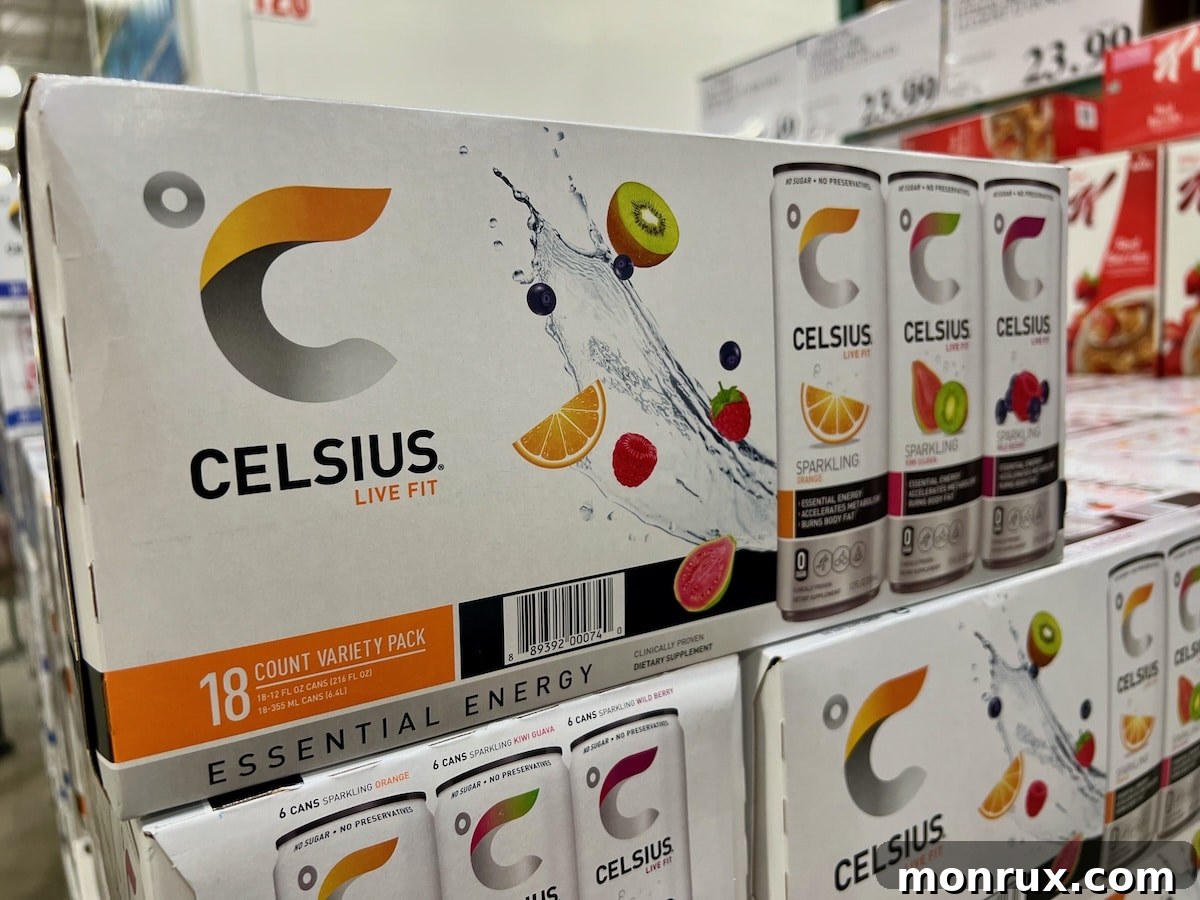
In the evolving landscape of health and wellness, energy drinks have carved out a significant niche, promising increased vitality, enhanced focus, and even metabolic boosts. Among these, CELSIUS® energy drinks have gained considerable popularity, positioning themselves as a “healthier” alternative to traditional sugary options. But when we peel back the layers of marketing and examine the ingredients, how do they truly measure up against health standards?
As a nutritionist, my perspective is that Celsius drinks are generally not healthy. While they might appear to offer benefits on the surface, they are fundamentally highly processed products that contain ingredients such as non-nutritive sweeteners and alarmingly high levels of caffeine, which can have potential adverse effects on one’s health.
This comprehensive review will delve deep into the world of CELSIUS®, exploring its core components, evaluating its claimed benefits, and scrutinizing its potential downsides. We’ll unpack the nutrition pros and cons, address common questions, and ultimately provide clearer guidance on whether these drinks align with a truly healthy lifestyle. Furthermore, we’ll suggest more wholesome alternatives for those seeking a natural energy boost without compromise.
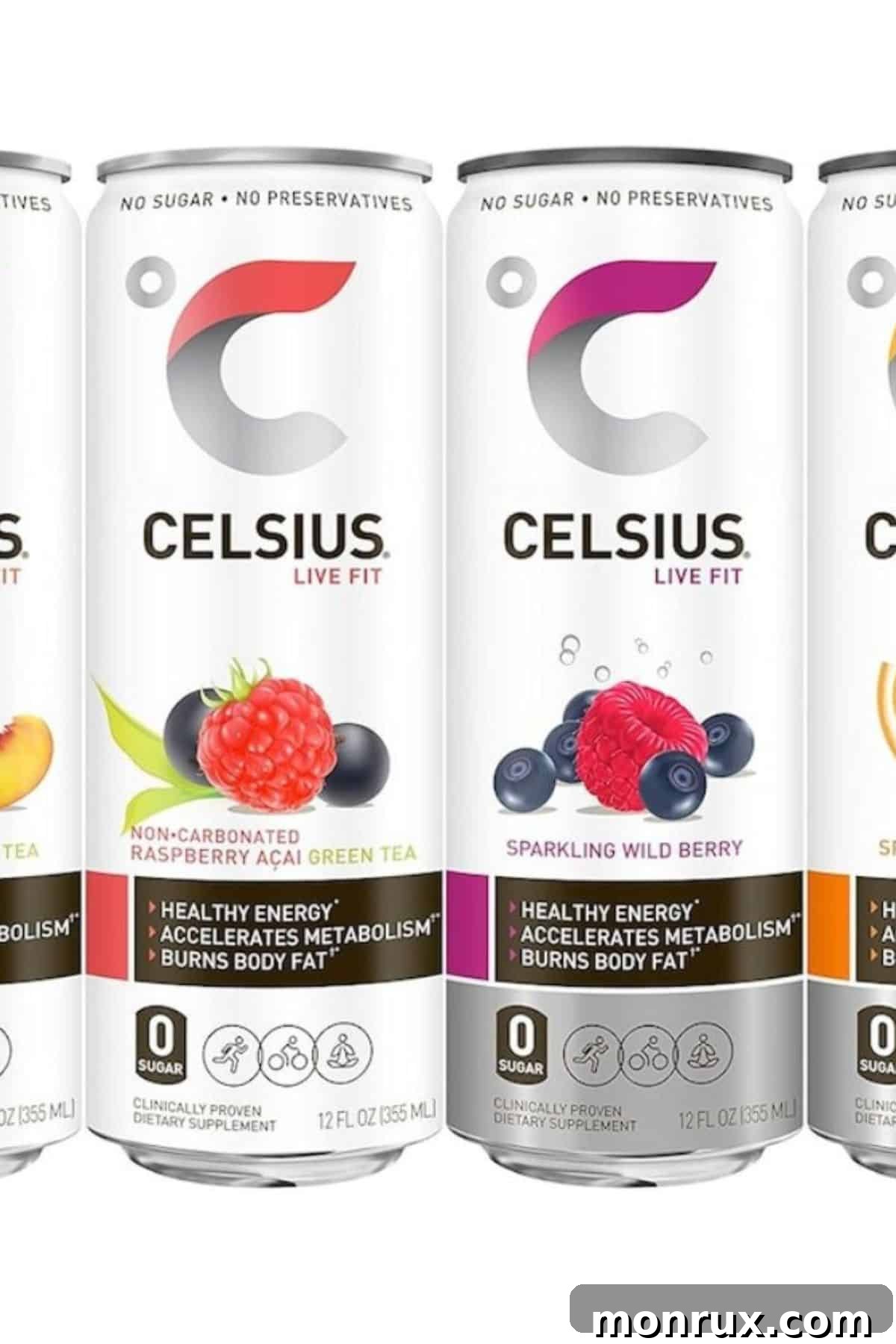
CELSIUS® Facts
CELSIUS® beverages are a flagship product of Celsius Holdings, Inc., a global beverage company that commenced operations in 2004. The brand’s foundational premise is to offer “clinically proven, functional energy drinks” that ostensibly provide significant health benefits, including claims of boosting metabolism and aiding in body fat reduction when integrated with regular exercise. This marketing strategy positions CELSIUS® as more than just an energy drink; it’s presented as a functional health beverage.
Targeted primarily at active individuals and those seeking an extra surge of energy to power through their day, CELSIUS® has diversified its product line to include a variety of sparkling and non-sparkling flavors, alongside convenient powder packets designed for dissolution in water. This versatility aims to cater to diverse preferences and consumption habits, solidifying its presence in the competitive energy drink market.
A key aspect of CELSIUS®’s market appeal lies in its “clean” ingredient profile, as advertised by the company. These drinks are proudly marketed as being free from soy, gluten, high fructose corn syrup, added sugars, aspartame, and artificial colors. Furthermore, they boast certifications as vegan and kosher, expanding their appeal to specific dietary communities. The typical ingredient list includes a proprietary “MetaPlus® blend” featuring caffeine, taurine, green tea extract (standardized for EGCG), guarana seed extract, glucuronolactone, chromium, and ginger root extract. Each serving is noted for its minimal caloric impact, typically around ten calories, and negligible carbohydrate content (0g).
The energy drink sector is fiercely competitive, with giants like Red Bull and Monster dominating. CELSIUS® aims to differentiate itself by emphasizing its “functional” and “health-conscious” approach, often positioning itself against these traditional, sugar-laden energy drinks as a superior alternative. However, a deeper look into the nature of its functional ingredients and sweeteners is crucial to assess its true health impact.
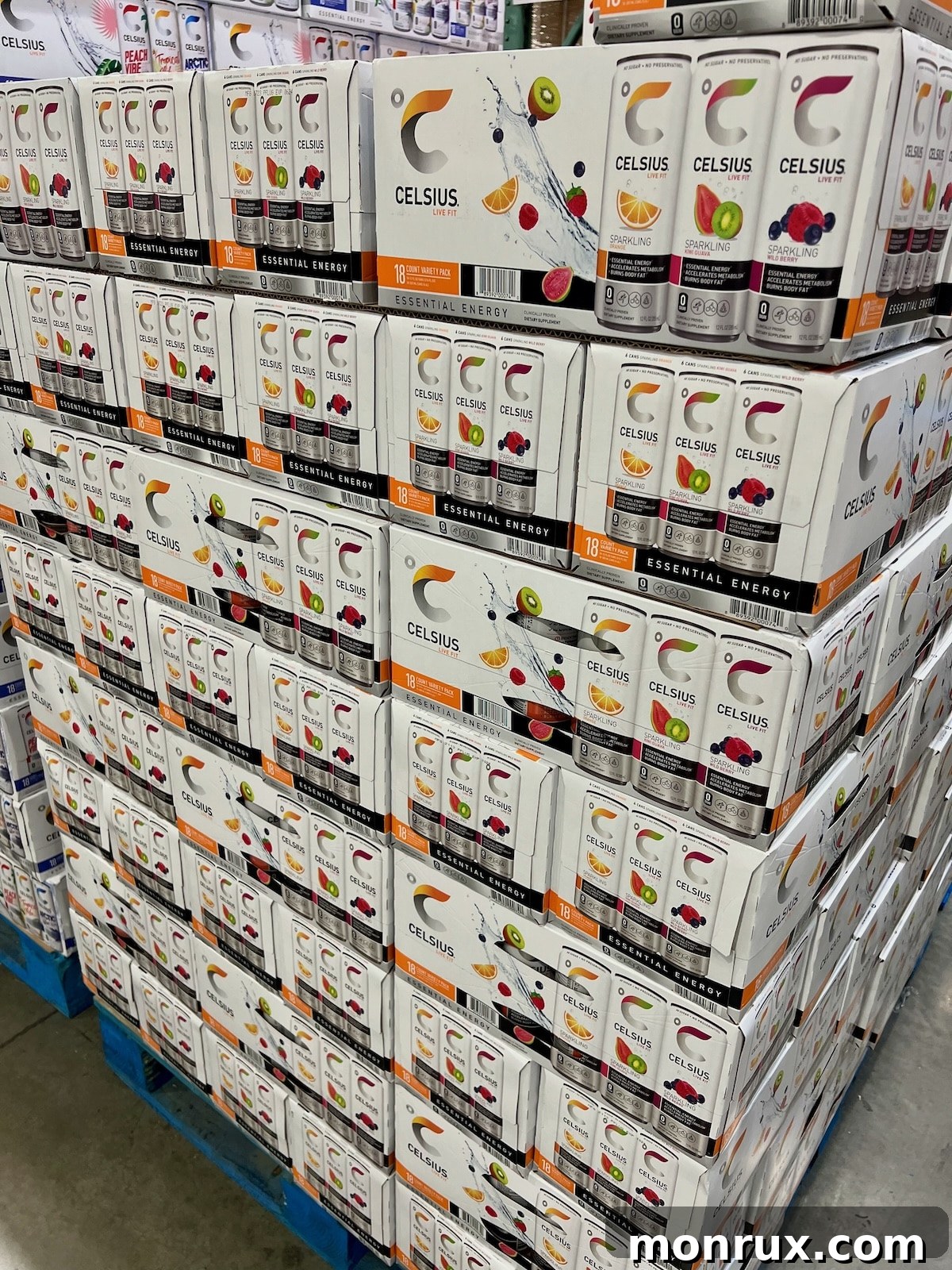
Celsius Ingredients
To truly understand the health implications of Celsius energy drinks, it’s essential to scrutinize their ingredient list. While specific formulations can vary slightly between flavors and product lines, a typical CELSIUS® energy drink, such as the popular Sparkling Orange flavor, contains the following key components:
- Carbonated filtered water
- Citric acid (flavor enhancer, preservative)
- Natural flavor
- Sucralose (artificial sweetener)
- Beta-carotene (for color)
- Vitamin C (ascorbic acid)
- Taurine (amino acid)
- Guarana seed extract (caffeine source)
- Caffeine (stimulant)
- Glucuronolactone (carbohydrate derivative, often associated with energy)
- Ginger extract (root)
- Green tea leaf extract (with EGCG – epigallocatechin gallate)
- Chromium chloride (trace mineral)
- Vitamin B2 (riboflavin)
- Vitamin B3 (niacinamide)
- Vitamin B5 (calcium pantothenate)
- Vitamin B6 (pyridoxine hydrochloride)
- Vitamin B12 (cyanocobalamin)
- Biotin (Vitamin B7)
Many of these ingredients are widely recognized, but their concentrations and the synergistic effects within a processed beverage warrant closer examination. Let’s explore the main functional components and their potential health implications in detail.
Green tea extract
Green tea is widely lauded for its significant health benefits, primarily attributed to its rich content of antioxidants, particularly catechins like EGCG (epigallocatechin gallate). Traditionally, green tea consumption has been linked to various positive outcomes, including alleviation of anxiety, protection against cognitive decline, and support for bone health. Research also indicates that green tea possesses anticarcinogenic effects, making it a powerful natural compound.
Celsius highlights that the green tea extract used in its beverages contains a specific ratio of EGCG, the compound believed to boost metabolism, enhance calorie burning, and provide a potent antioxidant boost. These claims are often supported by studies on green tea consumption. However, it’s crucial to distinguish between consuming green tea in its natural form (a brewed beverage) and ingesting concentrated green tea extract within a highly processed drink.
Despite these potential benefits, concentrated green tea extract, particularly in high doses, can pose risks. Excessive consumption of green tea extract has been linked to liver toxicity in some cases. Furthermore, green tea is a natural source of caffeine, which, while beneficial in moderation, contributes to the overall stimulant load of Celsius drinks. This means that even a “healthy” ingredient like green tea extract requires careful consideration within the context of an energy drink’s full formulation.
Caffeine
Caffeine is the primary psychoactive component in CELSIUS® drinks, sourced naturally from green tea extract and guarana seed extract. Guarana, a plant native to the Amazon basin, is particularly noteworthy because its seeds contain significantly more caffeine than coffee beans—sometimes more than double the amount. This makes guarana a potent natural source of stimulation, often contributing to the “kick” associated with energy drinks.
Numerous studies have confirmed caffeine’s various health properties, including its ability to enhance alertness, improve cognitive function, and boost physical performance. However, these benefits are dose-dependent and come with potential side effects, particularly when consumed in high quantities. It’s important to remember that regardless of its natural origin (be it from green tea, coffee, or guarana), caffeine remains a stimulant that should be consumed in moderation.
For most healthy adults, a daily caffeine intake of up to 400 mg is generally considered safe. However, CELSIUS® drinks can contain anywhere from 100 mg to an astonishing 300 mg of caffeine per single can, depending on the specific flavor and product line (e.g., CELSIUS® Heat often contains 300 mg). This means that consuming just one can could bring an individual close to, or even exceed, their daily recommended limit, especially if they consume other caffeinated beverages or foods throughout the day.
Overconsumption of caffeine can lead to a range of adverse reactions, even in healthy adults, affecting the nervous system. Common side effects include jitters, anxiety, restlessness, insomnia, headaches, dizziness, increased heart rate, and elevated blood pressure. Individuals with pre-existing health conditions such as irregular heart rhythm, high blood pressure, or a known sensitivity to caffeine should exercise extreme caution or avoid these drinks altogether. Moreover, caffeine is not recommended for children, pregnant women, or breastfeeding mothers due to potential risks to developing systems and infants.
Therefore, anyone considering CELSIUS® must carefully read the label to ascertain the caffeine content and factor in all other sources of caffeine consumed daily to stay within safe limits.
B vitamins
CELSIUS® drinks are fortified with a spectrum of B vitamins, including B2 (riboflavin), B3 (niacinamide), B5 (calcium pantothenate), B6 (pyridoxine hydrochloride), B12 (cyanocobalamin), and Biotin (B7). B vitamins are essential micronutrients that play crucial roles in numerous bodily functions. They are fundamental for energy metabolism, converting food into usable energy, supporting cell health, nerve function, and red blood cell production. Their involvement in metabolic processes is often why they are associated with combating fatigue and boosting overall vitality.
While B vitamins are undeniably vital, the practice of fortifying beverages like CELSIUS® with high doses warrants discussion. For individuals who are genuinely deficient in one or more B vitamins, supplementation can be beneficial. However, most people consuming a balanced diet already obtain sufficient amounts of these vitamins. If you are not deficient, there is generally no physiological reason to actively supplement your diet with additional B vitamins through fortified foods or beverages.
Furthermore, while B vitamins are water-soluble (meaning excess amounts are typically excreted through urine), some individuals can experience adverse effects from excessively high intakes, particularly with certain B vitamins. For example, very high doses of niacin (B3) can cause skin flushing, and certain forms of B6 in extremely high doses have been linked to nerve damage. While the amounts in CELSIUS® are unlikely to reach these toxic levels, some individuals report sensitivities to high doses of B vitamins, leading to mild side effects such as gastric upset, nausea, or even skin issues. Therefore, while B vitamins are promoted as energy-enhancing ingredients, their inclusion in a processed energy drink may not offer significant additional health benefits for most people and could potentially cause discomfort for a sensitive few.
Non-nutritive sweeteners
A significant aspect of CELSIUS®’s marketing as a “healthy” energy drink is its claim of being sugar-free. To achieve a palatable taste without added sugars, these drinks rely on non-nutritive sweeteners such as sucralose, erythritol, or stevia. While regulatory bodies like the FDA generally consider these sweeteners safe for consumption within acceptable daily intake limits, a growing body of scientific research and public health discourse suggests potential adverse side effects and health considerations that consumers should be aware of.
Erythritol is a sugar alcohol, a naturally occurring compound found in some fruits, but it is typically produced industrially through the fermentation of corn or wheat starch. While it has fewer calories than sugar and doesn’t spike blood sugar, it’s not without its drawbacks. Many individuals are sensitive to sugar alcohols and may experience digestive problems even from small quantities, including cramps, bloating, gas, diarrhea, and nausea. Recent studies have also raised concerns about potential links between erythritol consumption and cardiovascular risks in some populations, prompting further research and caution.
Sucralose, marketed as Splenda, is an artificial sweetener derived from sucrose (table sugar) through a chemical process that replaces three hydrogen-oxygen groups with chlorine atoms. This modification makes it highly processed and indigestible by the human body, meaning it passes through largely unmetabolized. While initially deemed inert, newer research suggests sucralose may not be as harmless as once thought. Long-term consumption could potentially alter the gut microbiome, increase inflammation, and contribute to metabolic dysregulation, possibly influencing blood sugar control and even weight gain paradoxically. Some studies indicate it can even become toxic under certain conditions, emphasizing the need for a cautious approach.
Stevia is often marketed as a “natural” sweetener derived from the stevia plant. However, the stevia used in most products is highly processed steviol glycoside extracts, not the whole leaf. While it’s calorie-free and doesn’t raise blood sugar, its “health food” reputation is increasingly under scrutiny. Like other non-nutritive sweeteners, stevia can potentially impact the gut microbiome, which plays a critical role in overall health, immunity, and metabolism. For individuals sensitive to sugar alcohols (as some stevia formulations include them), digestive issues can also arise. The long-term effects of regular consumption of these highly potent sweeteners, especially in combination, are still being actively researched, and caution is advised.
Taurine
Taurine is an amino acid that naturally occurs in the human body and is abundant in animal products such as meat, fish, and eggs. For individuals consuming an omnivorous diet, natural intake of taurine is typically sufficient. It plays various physiological roles, including supporting neurological development, regulating mineral levels, and acting as an antioxidant. However, its inclusion in energy drinks, often in conjunction with high levels of caffeine, raises specific concerns.
While taurine is generally considered safe in moderate amounts, its effects when combined with other stimulants like caffeine, particularly in the concentrated doses found in energy drinks, are less understood and potentially problematic for some individuals. Some research suggests that high doses of taurine in energy drinks could affect neural functioning and potentially alter the balance of neurotransmitters such such as adrenaline, dopamine, and serotonin. These changes might impact mood, anxiety levels, and overall neurological health, especially in vulnerable populations.
Specifically, studies have indicated that high amounts of taurine could be damaging to the brain function of adolescents, a demographic often targeted by energy drink marketers. Given that the long-term effects of consuming taurine in energy drinks are still under investigation, and its interaction with high caffeine levels is complex, its regular consumption, particularly by younger individuals or those with neurological sensitivities, warrants caution.
Chromium
Chromium is an essential trace mineral that plays a crucial role in carbohydrate, fat, and protein metabolism. Its most well-known function is to enhance insulin action, thereby helping to normalize blood sugar levels. Due to this role, chromium is often promoted in weight loss supplements and energy products with claims of suppressing appetite and improving metabolic efficiency.
While adequate chromium intake is important for overall health, particularly for glucose metabolism, research has shown that supplemental chromium, in the context of weight loss and energy levels, likely provides no added benefit beyond what can be achieved through a healthy diet and regular exercise. For most healthy individuals, dietary sources of chromium (found in whole grains, broccoli, green beans, and some meats) are sufficient, and deficiencies are rare. The inclusion of chromium in CELSIUS® is often linked to the claims of boosting metabolism and aiding in calorie burning, but its impact in this context is likely negligible for those already leading a healthy lifestyle.
Furthermore, chromium supplementation, particularly in higher doses or when combined with certain medications, has the potential for interactions. Chromium can affect blood sugar levels, which means it could interfere with medications for diabetes, such as insulin or oral hypoglycemic agents, potentially leading to hypoglycemia. It may also interact with nonsteroidal anti-inflammatory drugs (NSAIDs) and antacids, altering their absorption or efficacy. Therefore, individuals on any medication, especially those managing chronic conditions, should consult their healthcare provider before incorporating products containing added chromium into their daily diet.
Celsius Nutrition Pros
Despite the critical analysis, CELSIUS® drinks do possess a few characteristics that are often highlighted as advantageous, particularly when compared to other conventional energy drinks on the market. Understanding these “pros” helps to provide a balanced perspective:
- Absence of Sugar and High Fructose Corn Syrup: One of the most significant distinctions of CELSIUS® is its commitment to being sugar-free. Unlike many energy drinks that are loaded with excessive amounts of refined sugar or high fructose corn syrup (HFCS), CELSIUS® utilizes non-nutritive sweeteners. This feature is a clear advantage for individuals looking to reduce their sugar intake, manage blood sugar levels, or avoid the empty calories associated with sugary beverages.
- No Aspartame or Artificial Colors/Preservatives: The brand also boasts being free from aspartame, a controversial artificial sweetener, and claims to avoid artificial colors and preservatives. This aligns with a growing consumer demand for “cleaner” labels and products perceived to be more natural or less chemically altered.
- Inclusion of Certain Potentially Beneficial Ingredients: CELSIUS® contains ingredients like green tea extract (with EGCG), ginger extract, and guarana. Green tea is rich in antioxidants, and ginger has anti-inflammatory properties. Guarana, while a source of caffeine, is a natural plant extract. In isolation, these ingredients offer recognized health benefits, though their efficacy and safety within a processed energy drink warrant careful consideration, as discussed in the ingredient breakdown.
- Gluten-Free and Vegan: For individuals with dietary restrictions or preferences, CELSIUS® offers a suitable option as it is certified gluten-free and vegan, broadening its accessibility to a wider consumer base.
These aspects contribute to CELSIUS®’s image as a “better-for-you” energy drink. However, these benefits must be weighed against the potential drawbacks of other ingredients and the overall processed nature of the product.
Celsius Nutrition Cons
While CELSIUS® attempts to differentiate itself from other energy drinks, it still falls short of being a genuinely healthy option from a nutritionist’s standpoint. The core issues stem from its highly processed nature and the inclusion of ingredients that, despite their marketing, can pose significant health risks for many individuals:
- Highly Processed Product: At its essence, CELSIUS® is a manufactured beverage. It’s not a whole food or a minimally processed drink. Highly processed foods and beverages often contain isolated compounds, synthetic ingredients, and are stripped of the natural complexity and synergy found in whole foods. Regularly consuming such products can contribute to a diet lacking in true nutritional density and may displace healthier choices. The processing itself can alter the bioavailability and interaction of ingredients in ways that are not always beneficial.
- Potentially Harmful Non-Nutritive Sweeteners: Despite being sugar-free, CELSIUS® relies on non-nutritive sweeteners like sucralose and erythritol. As detailed earlier, these sweeteners are increasingly linked to potential adverse effects, including disruption of the gut microbiome, which is crucial for digestion, immunity, and even mood regulation. They may also contribute to metabolic dysfunction, such as altered glucose metabolism, and can trigger digestive problems like bloating, gas, cramps, and diarrhea in sensitive individuals. The long-term health impacts of regular consumption of these synthetic compounds are still being researched, but emerging evidence suggests caution.
- Excessively High Caffeine Content: With some flavors containing up to 300 mg of caffeine per can, CELSIUS® is among the most potent energy drinks on the market. While caffeine offers alertness, such high doses can readily lead to a range of undesirable side effects. These include feeling jittery, increased anxiety, heart palpitations, elevated blood pressure, headaches, dizziness, and severe insomnia. Regular high caffeine intake can also lead to dependency and withdrawal symptoms, such as intense headaches and fatigue, when consumption is stopped. For individuals with underlying cardiovascular conditions or those sensitive to stimulants, these levels of caffeine pose a serious risk.
- Not Suitable for Specific Populations: Due to its high caffeine content and the inclusion of other stimulants and artificial ingredients, CELSIUS® is emphatically unsuitable for several groups. This includes children and adolescents whose developing bodies are more susceptible to caffeine’s adverse effects on the cardiovascular and nervous systems. Pregnant or nursing women should also avoid these drinks, as caffeine and other compounds can pass to the fetus or infant. Furthermore, individuals sensitive to caffeine, sugar alcohols, or with pre-existing health conditions (e.g., heart conditions, anxiety disorders, digestive sensitivities) should steer clear of CELSIUS® to prevent potential health complications.
In summary, while CELSIUS® avoids some of the pitfalls of traditional sugary energy drinks, it introduces its own set of concerns related to processing, artificial ingredients, and stimulant overload, making it a product that health-conscious individuals should approach with significant skepticism.
Celsius Nutrition FAQs
While CELSIUS® marketing states that their drinks are free from “artificial colors and preservatives,” it’s important to clarify terminology. The products do contain ingredients that are manufactured and synthetic, even if not classified as “preservatives” in the traditional sense. For instance, sucralose is an artificial, synthetic sweetener. “Natural flavors” can also be highly processed and contain proprietary blends of chemicals that are far from their natural origins. Therefore, while avoiding some commonly recognized artificial additives, the drinks are far from being “clean” or “all-natural” from a holistic perspective.
Absolutely not. CELSIUS® is explicitly not recommended for children or adolescents. The primary concern is its high caffeine content, which can be detrimental to developing bodies and minds. Children are more susceptible to caffeine’s side effects, including increased heart rate, anxiety, sleep disturbances, and potential impacts on neurological development. Furthermore, the non-nutritive sweeteners and other stimulants may also have unknown or adverse effects on younger populations. It is also not recommended for pregnant or nursing women due to the risks caffeine poses to fetal development and infant health.
CELSIUS® drinks contain a significant amount of caffeine, typically ranging between 100 mg and 300 mg per can, depending on the specific flavor and product line (e.g., CELSIUS® Essential Energy vs. CELSIUS® Heat). For context, a standard cup of coffee usually has around 95 mg of caffeine. The caffeine in these products is sourced naturally from guarana seed extract and green tea extract. While natural, the high concentration still poses risks associated with overconsumption of stimulants, as discussed in the main article.
The company claims that its products’ efficiency in burning calories and boosting metabolism is supported by scientific studies. The caffeine and EGCG from green tea extract are known thermogenic compounds, meaning they can slightly increase the body’s energy expenditure and fat oxidation. Caffeine can also enhance alertness, energy, and focus, which might make strenuous exercise feel easier or more effective, indirectly contributing to calorie burn. Chromium is also included for its purported role in metabolism and appetite suppression. However, it’s crucial to understand the context. The metabolic boost and calorie burning effects are generally modest and often short-lived. They are not a substitute for a comprehensive weight management strategy. The “energy effect” largely comes from the high caffeine content, which typically lasts for several hours, but can vary significantly based on individual metabolism, tolerance, and other consumed substances. Relying on such drinks for sustained energy or weight loss is not a viable long-term solution. True and lasting health benefits, including a healthy metabolism and weight, are achieved through consistent adherence to a balanced diet of whole, unprocessed foods, regular physical activity, adequate sleep, and effective stress management.
CELSIUS® positions itself as distinct from other energy drinks by emphasizing its “healthier” profile, free from sugar, aspartame, and artificial colors, and by claiming to boost metabolism and burn body fat through its unique blend of ingredients. While it does avoid some of the more egregious ingredients found in some conventional energy drinks (like excessive sugar), it replaces them with other questionable components such as high doses of caffeine and non-nutritive sweeteners. The fundamental difference lies in its marketing angle, which focuses on “fitness” and “wellness.” However, from a nutritional standpoint, it remains a highly processed beverage with potential health concerns, making it still comparable in terms of risk to many other popular energy drinks, despite its perceived “cleaner” label.
Healthier Alternatives for Energy
If you’re looking for a genuine energy boost without the potential pitfalls of processed energy drinks like CELSIUS®, there are numerous natural and healthier alternatives that support overall well-being:
- Hydration with Water: Often overlooked, dehydration is a common cause of fatigue. Drinking plenty of plain water throughout the day is the simplest and most effective way to maintain energy levels and support all bodily functions. Add a squeeze of lemon or cucumber slices for a refreshing twist.
- Unsweetened Coffee or Tea: For those who benefit from caffeine, a plain cup of coffee or unsweetened green or black tea offers a stimulant without the added sweeteners, artificial ingredients, or excessive doses found in energy drinks. These beverages also come with their own antioxidants and beneficial compounds.
- Whole Food Snacks: Opt for snacks that provide sustained energy. Examples include:
- Fresh fruit (apples, bananas, berries) with nut butter for balanced carbohydrates and healthy fats.
- A handful of nuts and seeds for protein and healthy fats.
- Plain Greek yogurt with a few berries for protein and probiotics.
- Vegetable sticks with hummus for fiber and nutrients.
These foods provide natural sugars, fiber, vitamins, and minerals that contribute to stable blood sugar and long-lasting energy.
- Adequate Sleep: One of the most fundamental pillars of energy is sufficient, quality sleep. Aim for 7-9 hours per night. Addressing sleep deficiencies is far more effective than trying to compensate with stimulants.
- Regular Physical Activity: Consistent exercise, even moderate activity, significantly boosts energy levels, improves mood, and enhances overall physical and mental resilience. It helps combat fatigue more effectively than a temporary jolt from an energy drink.
- Stress Management: Chronic stress drains energy. Incorporate stress-reducing practices like meditation, deep breathing exercises, yoga, or spending time in nature to conserve and generate natural energy.
- Herbal Teas: Many herbal teas offer soothing or revitalizing properties without caffeine. Peppermint tea can be invigorating, while ginger tea can aid digestion and offer a gentle pick-me-up.
By focusing on these foundational healthy habits, you can achieve sustained energy, improved focus, and better overall health, far surpassing any short-term benefits offered by processed energy drinks.
Don’t Miss These Energy Drink Reviews!
Conclusions
In conclusion, while CELSIUS® energy drinks are marketed as a “healthier” and “functional” alternative to traditional sugary energy beverages, a deeper examination reveals that they are fundamentally highly processed products with several ingredients that warrant caution. The primary concerns revolve around their exceptionally high caffeine content, which can range up to 300 mg per can, and the use of non-nutritive sweeteners like sucralose and erythritol, whose long-term health impacts, particularly on gut health and metabolism, are increasingly questioned by scientific research.
Due to the significant caffeine levels, CELSIUS® is unequivocally unsuitable for children, adolescents, pregnant or nursing women, and individuals with pre-existing health conditions, especially those affecting the heart or nervous system. For healthy adults who are not sensitive to caffeine, consuming CELSIUS® in strict moderation may not immediately cause harm. However, it’s crucial to be aware of the total daily caffeine intake from all sources and to monitor for any adverse reactions.
Ultimately, relying on highly processed drinks like CELSIUS® for an energy boost represents an expensive and potentially risky approach to managing energy levels. There are far healthier, more sustainable, and truly beneficial ways to enhance vitality. Prioritizing whole, unprocessed foods, maintaining consistent hydration with plain water, ensuring adequate sleep, engaging in regular physical activity, and effectively managing stress are the cornerstones of genuine, sustained energy and optimal health. Investing in these lifestyle changes will yield far greater returns for your well-being than any energy drink could promise, without the associated risks or negative side effects.
Don’t forget to join my newsletter list to get exclusive clean eating recipes and tips. The newsletter is 100% free with no spam; unsubscribe anytime.
About the Author: Carrie Forrest has a master’s degree in public health with a specialty in nutrition and is a certified holistic nutritionist. She is a top wellness and food blogger with over 5 million annual visitors to her site. Carrie has an incredible story of recovery from chronic illness and is passionate about helping other women transform their health. Send her a message through her contact form.
Note: this post is for informational purposes only and is not intended as medical advice. Please consult your healthcare provider for recommendations related to your individual situation.