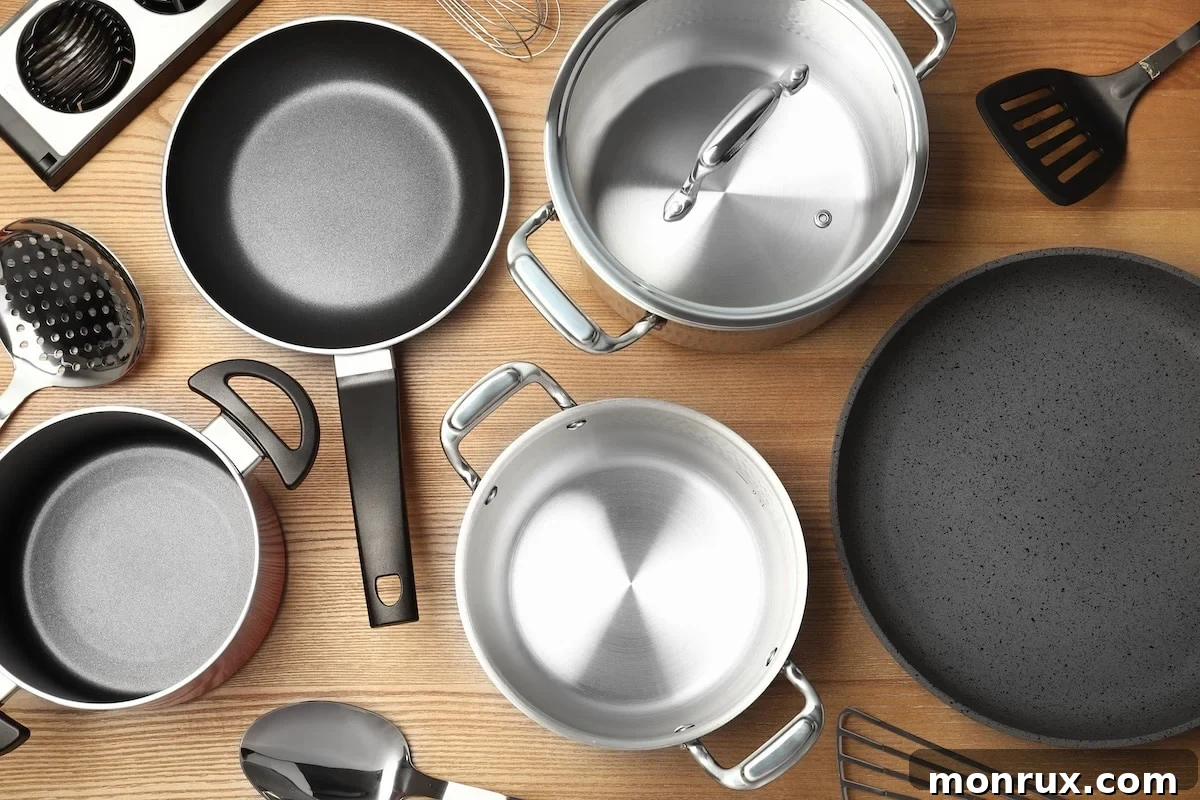
Choosing the right cookware for your home kitchen is a decision that extends beyond mere functionality or aesthetic appeal. It’s a critical factor in maintaining a healthy lifestyle, influencing not just how your food cooks but also the potential health implications for you and your family. With a dizzying array of materials available today, understanding the unique advantages and disadvantages of each type is essential to make an informed choice. This comprehensive guide delves into the safest and healthiest cookware materials, explores top non-toxic cookware brands, highlights materials to avoid, and offers valuable insights to help you equip your kitchen with the best tools for wholesome cooking.
Safest Cookware Materials: A Deep Dive
When searching for healthy cookware options, the material is paramount. Each offers distinct advantages and considerations for your cooking style and health goals. Let’s explore the top contenders for the safest cookware materials available today.
1. Ceramic Cookware
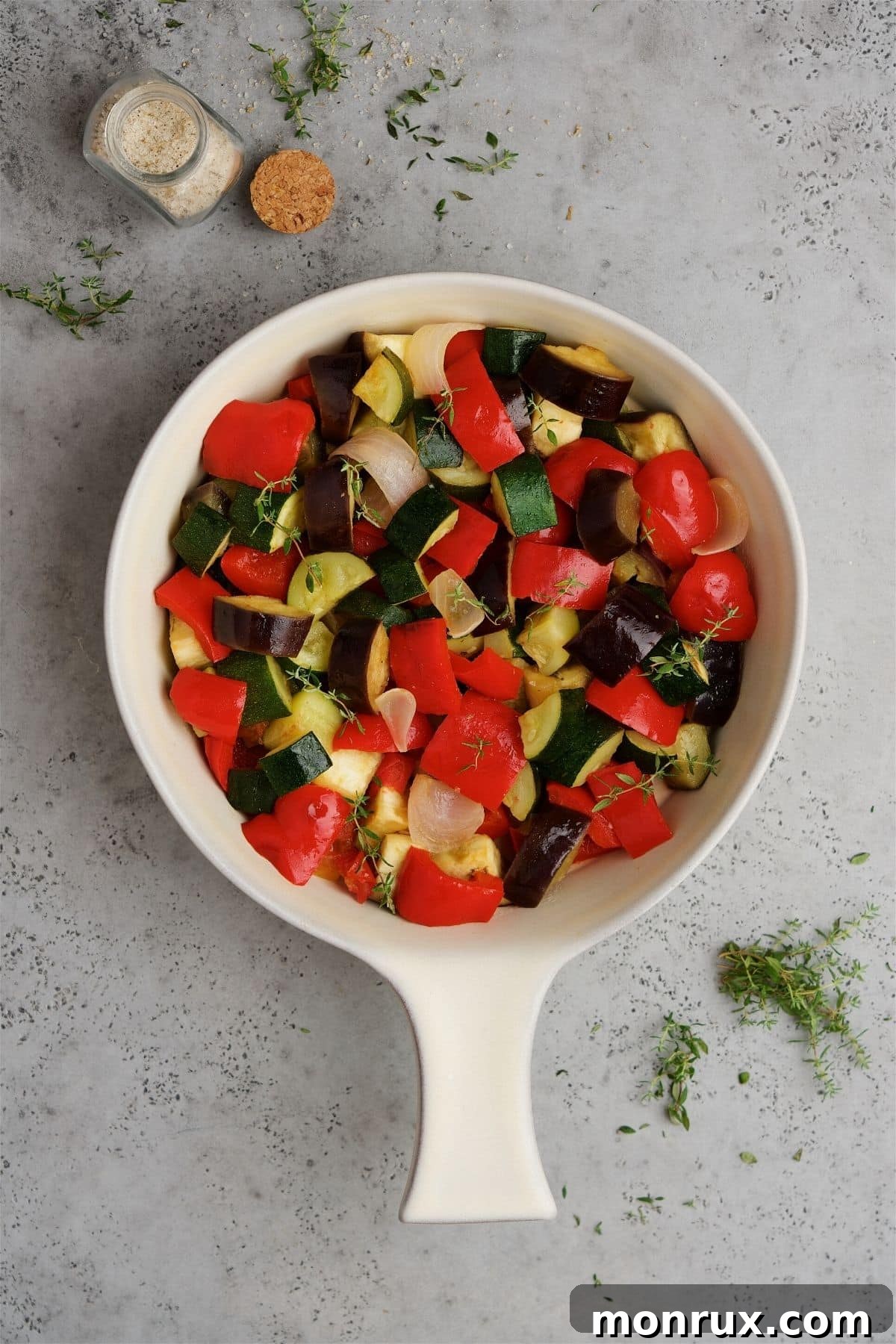
True ceramic cookware, often referred to as 100% ceramic, is crafted from natural clay and then kiln-baked at extremely high temperatures. This process results in a durable, non-porous surface that naturally resists sticking without the need for synthetic coatings. The inherent non-stick properties come from a quartz sand surface that forms during baking, making it an excellent choice for health-conscious cooks.
Pros of Ceramic Cookware:
- Truly Non-Toxic: Genuine 100% ceramic cookware is entirely free from heavy metals, lead, cadmium, PFOA (perfluorooctanoic acid), and PFAS (per- and polyfluoroalkyl substances). It does not leach potentially harmful chemicals into your food, even when heated to high temperatures, making it one of the safest cookware materials available.
- Natural Non-Stick Surface: With proper care and seasoning, pure ceramic offers excellent non-stick performance, reducing the need for excessive oil or butter. Ceramic-coated options also provide a smooth cooking surface that simplifies both cooking and cleanup.
- Eco-Friendly and Durable: Made from inorganic, natural materials, ceramic cookware is an environmentally sound choice. Its robust construction ensures it can last for many years, reducing waste and providing long-term value.
- Even Heat Distribution: Ceramic tends to heat evenly, which helps prevent hot spots and ensures your food cooks consistently, contributing to better culinary results.
Cons of Ceramic Cookware:
- Distinguishing True Ceramic: A significant challenge lies in identifying authentic 100% ceramic cookware versus ceramic-coated metal. Many products marketed as “ceramic” are actually aluminum or stainless steel pans with a ceramic-based non-stick coating. While these coatings can be safer than traditional PTFE, they are not impervious to scratching or chipping over time, which can compromise their non-stick properties and potentially expose the underlying metal. Always scrutinize product labels and manufacturer information carefully.
- May Require Some Oil: While naturally non-stick, some dishes may still benefit from a small amount of oil or fat to prevent sticking entirely, especially with pure ceramic.
- Potential for Chipping: The ceramic coating on ceramic-coated cookware can chip if mishandled or if metal utensils are used, which can degrade its performance and safety.
Given the difficulty of finding 100% ceramic cookware, many opt for high-quality ceramic-coated options that are certified free from harmful chemicals like PFAS and PFOA. Brands such as Greenpan and Caraway are popular choices, offering attractive and effective ceramic-coated pots and pans designed for health-conscious consumers.
2. Stainless Steel Cookware
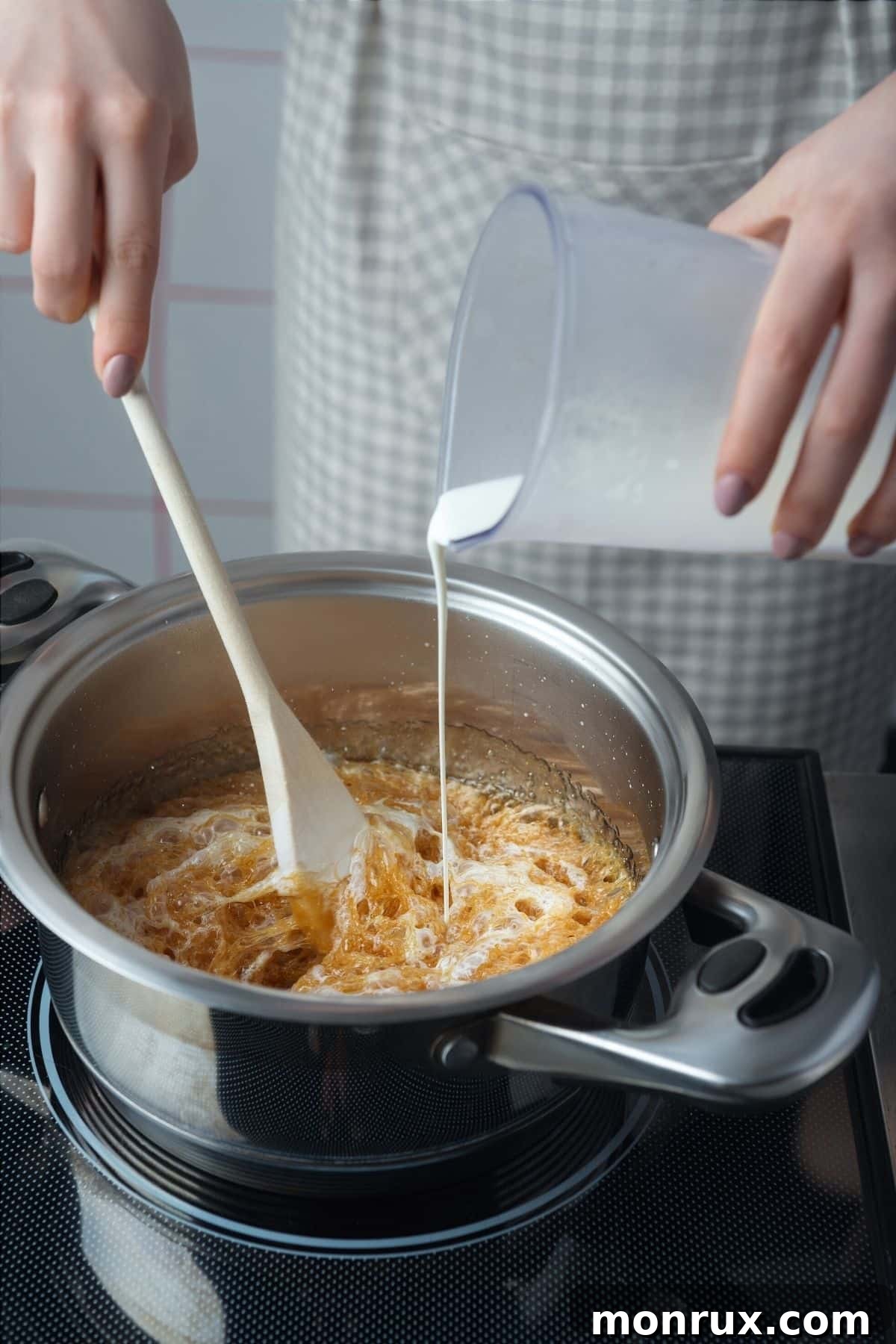
Stainless steel cookware has been a ubiquitous presence in kitchens worldwide for decades, prized for its durability, versatility, and ease of maintenance. This type of cookware is an alloy, primarily composed of iron, carbon, and chromium, often with the addition of nickel. The chromium content gives stainless steel its characteristic corrosion resistance, making it an excellent material for frequent cooking.
Pros of Stainless Steel Cookware:
- Exceptional Durability and Longevity: Stainless steel is incredibly resistant to rust, corrosion, and scratching. With proper care, a good set of stainless steel pots and pans can last a lifetime, making it a sustainable and cost-effective investment in the long run.
- Non-Reactive Surface: Unlike some other metals, high-quality stainless steel is generally non-reactive, meaning it won’t impart metallic flavors to acidic foods like tomato sauce or vinegar-based dishes. This preserves the true taste of your ingredients.
- Easy to Clean and Maintain: Most stainless steel cookware is dishwasher safe, simplifying cleanup. Its smooth, non-porous surface makes it easy to wipe clean, even after cooking sticky foods.
- Versatile for All Cooking Methods: Stainless steel performs well across a wide range of cooking tasks, from searing and sautéing to simmering and boiling. Many pieces are also oven-safe, adding to their utility.
- Aesthetically Pleasing: Its polished, silvery finish gives stainless steel a timeless and professional look that complements any kitchen decor.
Cons of Stainless Steel Cookware:
- Initial Investment: High-quality stainless steel sets, especially those with multi-ply construction (e.g., copper or aluminum core for better heat distribution), can be a significant upfront investment. However, individual pieces can be purchased to start, making it more accessible.
- Not Naturally Non-Stick: Unlike ceramic or well-seasoned cast iron, stainless steel does not have inherent non-stick properties. You’ll need to use cooking fats like oil or butter, and master proper heat management techniques to prevent food from sticking. This might require an adjustment if you’re accustomed to traditional non-stick surfaces.
- Potential for Metal Leaching (Minimal): While generally considered safe, some studies suggest that small amounts of nickel and chromium can leach into highly acidic foods, especially if the cookware is new or frequently used with strong acids. For most individuals, this amount is negligible and not a health concern. However, those with nickel allergies might prefer to use different materials for highly acidic cooking. Choosing medical-grade stainless steel (e.g., 18/10 or 316) can further minimize this risk.
- Hot Spots (in cheaper models): Lower-quality stainless steel with a thin base can develop hot spots, leading to uneven cooking. Opt for cookware with a thick, encapsulated base or an aluminum/copper core for superior heat distribution.
Overall, stainless steel remains a fantastic choice for those seeking durable, versatile, and generally non-toxic cookware. With a little practice, its benefits far outweigh its minor drawbacks, securing its place as a kitchen essential.
3. Cast Iron
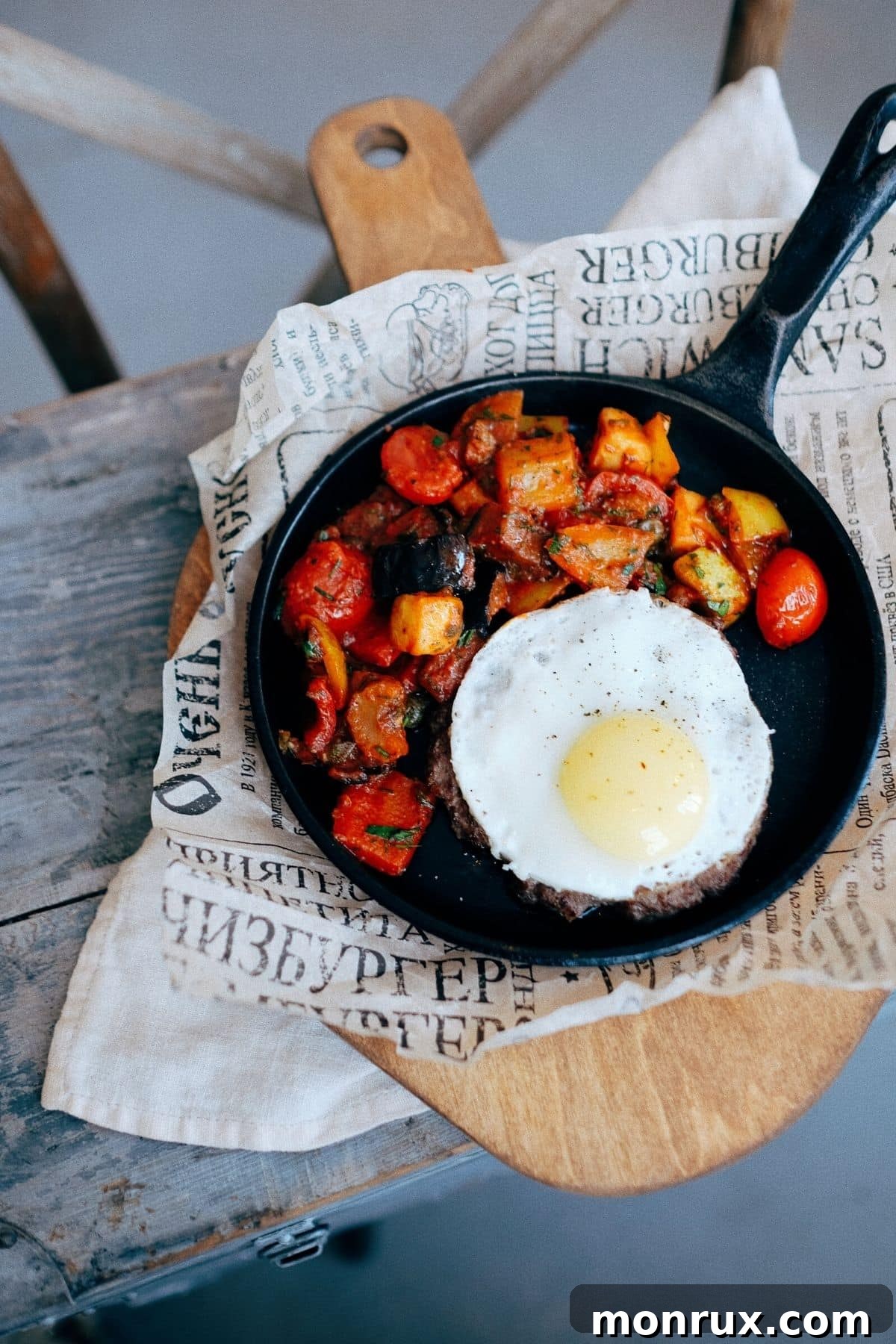
Cast iron cookware boasts a rich history, gracing kitchens for centuries due to its incredible durability and superior cooking performance. Made from a single piece of iron, its magic lies in the seasoning process – a layer of polymerized oil baked onto the surface, which protects the metal and creates a natural, low-stick finish. Beyond traditional bare cast iron, enameled cast iron offers a smoother, often more colorful finish with similar heat-retention properties.
Pros of Cast Iron Cookware:
- Exceptional Heat Retention and Distribution: Cast iron is renowned for its ability to retain heat for extended periods, even after being removed from the heat source. It also distributes heat incredibly evenly once preheated, making it ideal for searing meats, frying, baking, and slow-cooking dishes. This property helps create crispy crusts and perfectly browned food.
- Natural Non-Stick Surface (with seasoning): A well-seasoned cast iron pan develops a natural, chemical-free non-stick surface that improves with every use. This allows you to cook with less oil and makes cleanup surprisingly easy.
- Incredibly Durable and Long-Lasting: Cast iron cookware is virtually indestructible. It can withstand high temperatures and rigorous use, often lasting for generations when properly cared for. Many pieces come with lifetime guarantees, a testament to their resilience.
- Versatile for Stovetop, Oven, Grill, and Campfire: Its robust construction makes cast iron suitable for use on any cooking surface, including induction cooktops, ovens, grills, and even open campfires. This versatility makes it an indispensable tool for a wide range of recipes.
- Adds Dietary Iron: While controversial for some, cast iron can leach small amounts of dietary iron into food, which can be beneficial for individuals with iron deficiencies.
Cons of Cast Iron Cookware:
- Requires Regular Seasoning and Specific Care: Maintaining the non-stick quality of bare cast iron requires regular seasoning (oiling and heating) and adherence to specific cleaning procedures. It should not be washed with harsh soaps or put in a dishwasher, as this can strip the seasoning. This demands a greater time investment and learning curve compared to other materials.
- Heavy Weight: Cast iron pieces are notoriously heavy, which can be challenging for some users to lift, move, or clean, especially larger skillets or Dutch ovens.
- Reactive to Acidic Foods (bare cast iron): Cooking highly acidic foods like tomato sauce or lemon juice in bare cast iron can strip the seasoning and cause a metallic taste in your food. It can also increase iron leaching, which might be a concern for certain individuals. Enameled cast iron largely mitigates this issue.
- Slow to Heat Up: While it retains heat well, cast iron takes longer to heat up initially compared to other materials. Patience is key to achieving optimal cooking temperatures.
- Potential for Iron Overload: For individuals with conditions like hemochromatosis or those who are prone to iron overload, the additional iron leached from cast iron cookware can be a concern. It’s advisable to consult a healthcare provider if you have such conditions and frequently cook with bare cast iron. Using enameled cast iron eliminates this risk.
Despite its unique care requirements, the unparalleled performance and longevity of cast iron cookware make it a beloved choice for serious home cooks. Brands like Lodge offer excellent, affordable cast iron options, while enameled brands like Le Creuset provide a more low-maintenance, colorful alternative.
4. Copper Cookware
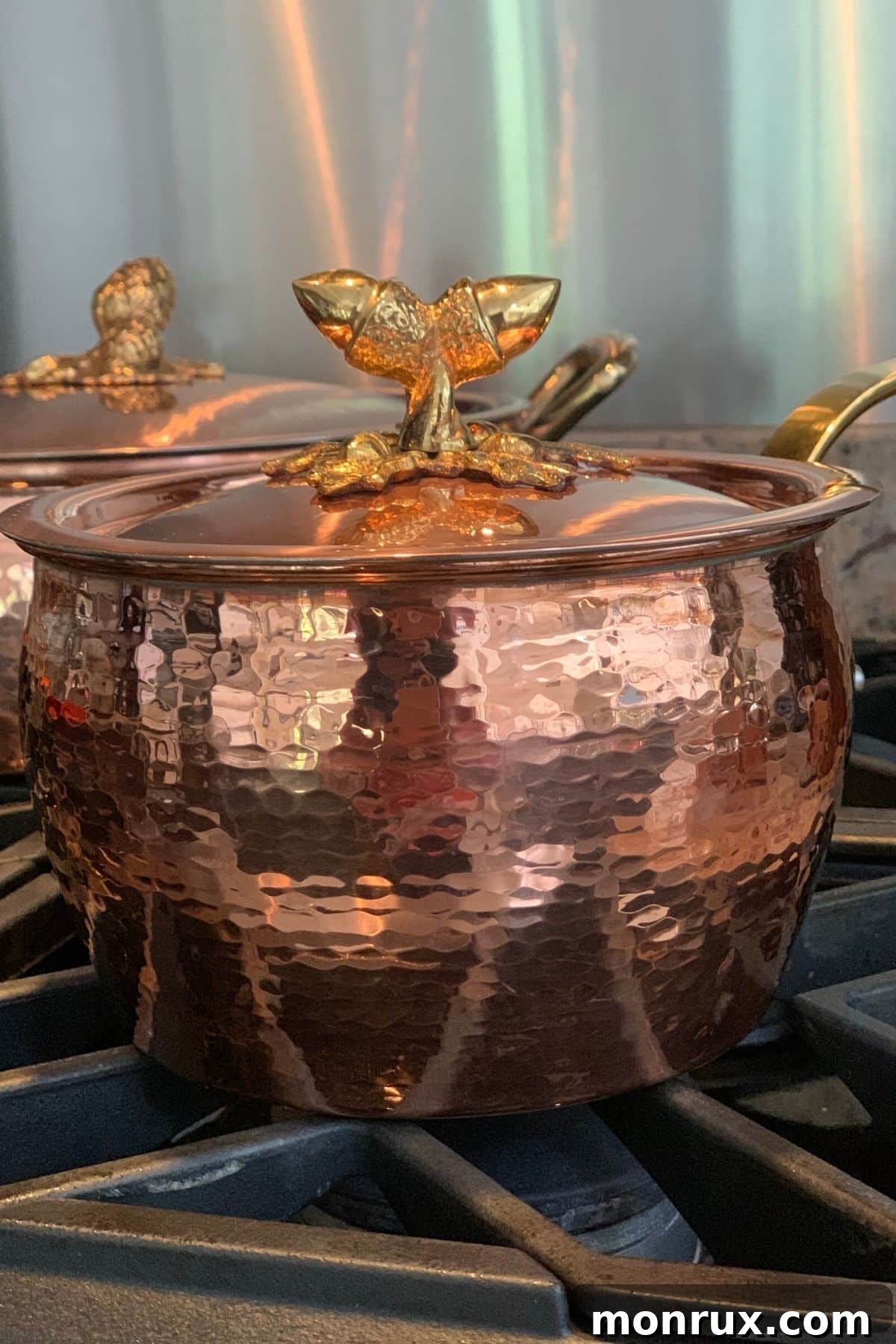
Copper cookware is a testament to culinary heritage and precision, admired by professional chefs and home cooks alike for its beauty and exceptional performance. Historically used for centuries, pure copper is an incredible heat conductor. Most modern copper cookware is lined with a non-reactive metal like tin or stainless steel to prevent copper from leaching into food and to simplify maintenance.
Pros of Copper Cookware:
- Unrivaled Heat Conductivity and Control: Copper is arguably the best heat conductor among all cookware materials. It heats up incredibly fast and, crucially, cools down almost instantly once removed from the heat. This allows for unparalleled precision and control over cooking temperatures, which is critical for delicate sauces, chocolates, and pastries, or for quick searing.
- Even Heat Distribution: Its superior conductivity ensures heat spreads rapidly and uniformly across the entire cooking surface, eliminating hot spots and ensuring consistent cooking results.
- Responsive to Temperature Changes: The ability to quickly adjust temperature makes copper ideal for recipes that require precise heat management, giving chefs complete mastery over their dishes.
- Beautiful Aesthetic: Copper cookware possesses a distinctive, warm, and elegant appearance that can elevate any kitchen’s decor, often serving as both a functional tool and a decorative display piece.
- Lined for Safety: Most high-quality copper cookware features a lining of tin or stainless steel. This lining prevents copper from reacting with acidic foods and ensures that the cookware is safe for daily use without the risk of metal leaching.
Cons of Copper Cookware:
- High Investment Cost: Copper cookware is typically the most expensive option on the market. The cost reflects the material itself, the craftsmanship involved in its production, and its exceptional performance. Brands like Mauviel offer premium quality, often featuring a copper and stainless steel blend to balance benefits and cost.
- Requires Special Care and Maintenance: Copper tarnishes easily when exposed to air and moisture, requiring regular polishing to maintain its shiny appearance. While tarnishing doesn’t affect performance, it can be a chore for some. The interior lining also needs care; tin linings can scratch or melt at very high temperatures, while stainless steel linings are more durable.
- Heavy Weight: Similar to cast iron, copper cookware, especially larger pieces, can be quite heavy due to its dense material and often thick construction.
- Not Naturally Non-Stick: While tin linings can offer some non-stick qualities, copper itself is not non-stick. Stainless steel-lined copper also requires cooking fats to prevent sticking.
- Potential for Copper Leaching (unlined): Unlined copper pots should generally be avoided for cooking acidic foods, as direct contact with copper can lead to excessive copper leaching, which can be toxic. However, most reputable modern copper cookware is safely lined, making this a minimal concern. Always ensure your copper cookware has a food-safe lining.
For those who prioritize precision cooking and appreciate timeless beauty, copper cookware is an unparalleled choice. Its responsive nature makes it a joy to cook with, delivering exceptional results, provided you’re willing to commit to its care and investment.
5. Hybrid Nonstick Cookware
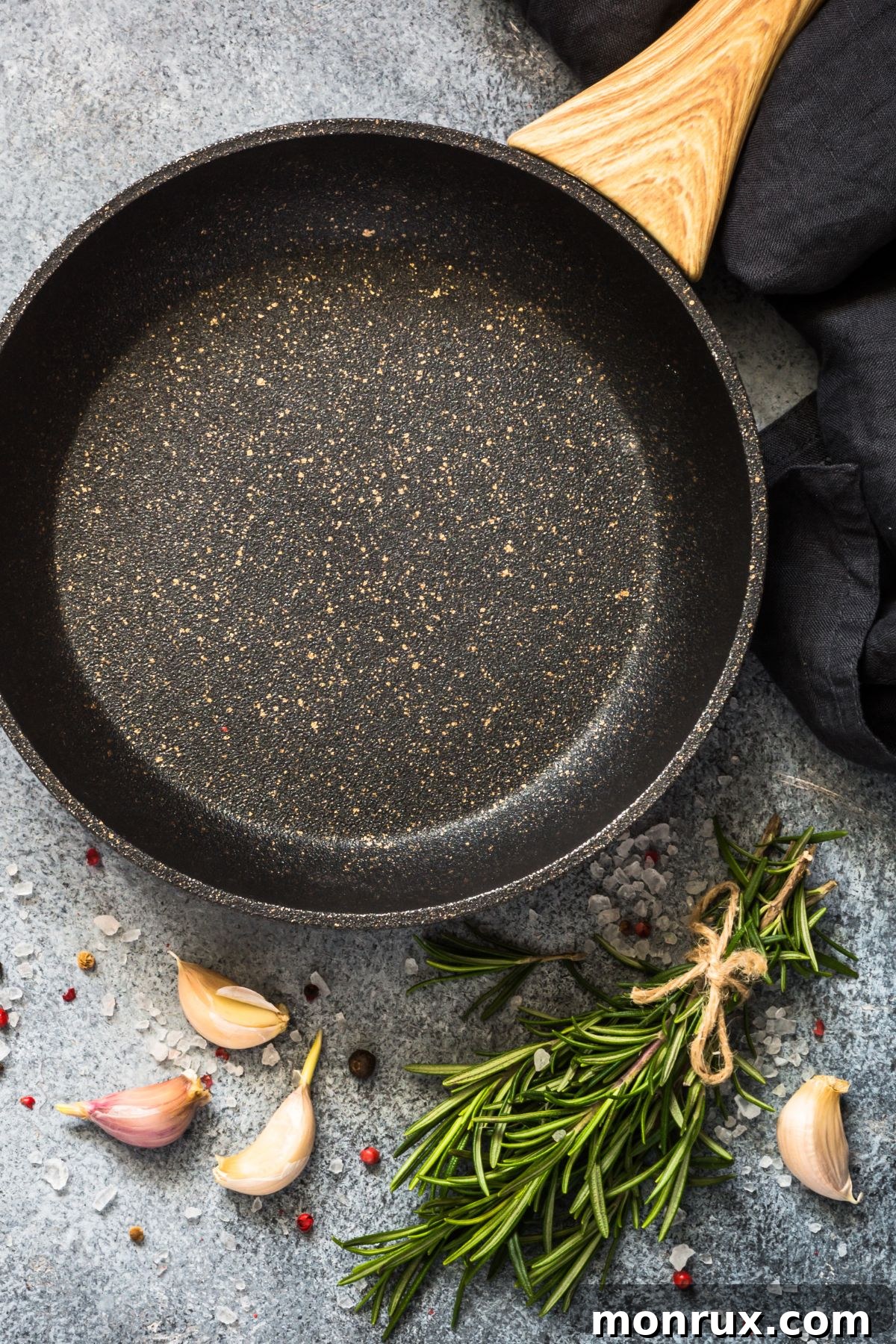
Hybrid nonstick cookware represents a newer innovation in the culinary world, designed to combine the best attributes of traditional stainless steel with the convenience of a nonstick surface. This specialty cookware often features a multi-layer construction, typically involving an etched or textured stainless steel base infused with a nonstick coating. The goal is to create a pan that offers both excellent durability for searing and the easy release of nonstick cookware.
Pros of Hybrid Cookware:
- Enhanced Durability: The textured or raised pattern on the cooking surface, often seen in brands like HexClad, helps protect the underlying nonstick coating from scratches and abrasion. This design aims to make the coating last longer than traditional nonstick pans.
- Versatile Performance: Hybrid cookware offers a unique balance, allowing for effective searing and browning, much like stainless steel, while still providing good food release. This versatility makes it suitable for a wide range of cooking tasks, from frying eggs to searing steaks.
- Affordable and Easy to Use: Many hybrid options are competitively priced, making them an accessible choice for home cooks. They generally require less oil than traditional stainless steel and are relatively easy to clean.
- Better Than Traditional Nonstick: Many hybrid brands are PFOA-free and focus on safer coating technologies, making them a step up from older generations of nonstick cookware. Some incorporate durable materials like granite particles into their coatings for added strength.
Cons of Hybrid Cookware:
- Not Entirely Chemical-Free: While often PFOA-free, many hybrid nonstick coatings still contain PTFE (polytetrafluoroethylene), which is the base material for Teflon. While PTFE is considered safe by regulatory bodies for normal use, it can release fumes if overheated beyond recommended temperatures (typically around 500-570°F or 260-300°C). Some consumers prefer to avoid PTFE entirely due to these concerns.
- Coating Degradation Over Time: Although designed to be more durable, the nonstick coating on hybrid pans can still degrade over time with heavy use, high heat, or aggressive cleaning. Once scratched or chipped, its nonstick properties diminish, and the pan may need to be replaced.
- Temperature Limits: It’s crucial to adhere to the manufacturer’s recommended maximum cooking temperatures to prevent the degradation of the nonstick coating and the potential release of fumes. Continuous high-heat cooking might shorten the lifespan of the coating.
- Cleaning Can Be Tricky: The textured surface, while protective, can sometimes make it slightly more challenging to clean than a perfectly smooth nonstick surface if food gets lodged in the grooves.
Hybrid nonstick cookware is an intriguing option for those who want the convenience of nonstick with enhanced durability. It represents a step forward in nonstick technology, but careful consideration of its material composition and usage guidelines is still advised for health-conscious individuals.
Discovering the Best Non-Toxic Cookware Brands
Once you’ve determined which cookware material best suits your cooking style and health priorities, the next step is to explore reputable brands that uphold high standards of quality and safety. Investing in a quality set of pots and pans is investing in your health and culinary journey, and these pieces are designed to last for many years, often backed by impressive warranties.
For a comprehensive, high-quality set of the healthiest pots and pans, you can expect an investment typically ranging between $500 and $1,000. While this might seem substantial, consider it a long-term purchase; many premium brands offer lifetime guarantees, ensuring your kitchen essentials will serve you for decades.
Here’s a curated list of top brands that are celebrated for their commitment to non-toxic materials and exceptional performance:
| Category | Recommended Brands/Sets | Key Features |
| Budget-Friendly Ceramic-Coated Cookware | Greenpan or Caraway | PFOA/PFAS-free ceramic nonstick coatings, vibrant aesthetics, good heat distribution. Excellent for everyday cooking and easy cleanup. |
| High Quality Stainless Steel Cookware | 360 Stainless Steel Pots and Pans | Multi-ply construction for even heating, superior durability, and often made in the USA. Ideal for searing, sautéing, and long-term use. |
| Affordable Cast Iron | Lodge Cast Iron Cookware Set | Pre-seasoned, incredibly durable, excellent heat retention, and a foundational piece for any kitchen. Exceptional value for its longevity. |
| Beautiful Copper Cookware | Mauviel 5-Piece Copper Set | Premium French craftsmanship, superior heat control, and elegant design. Often lined with stainless steel for health and durability. |
| Innovative Hybrid Cookware | HexClad Pan Set | Patented hybrid surface combines stainless steel’s durability with nonstick ease. Designed for both searing and easy food release. |
When selecting a brand, always look for transparency in their material sourcing and manufacturing processes. Check for certifications, read customer reviews, and ensure the brand aligns with your personal values for health and sustainability.
Cookware Materials to Approach with Caution
The marketplace is flooded with a variety of cookware options, and while many modern brands prioritize safety, it’s crucial to be aware of certain materials and conditions that could potentially pose health risks. Misinformation about “toxic chemicals” in cookware can be rampant, but with a clear understanding, you can make informed choices.
It’s important to note that most contemporary nonstick cookware brands are considered safe when used as directed by the manufacturer. However, some scenarios and older products warrant caution:
- Damaged or Scratched Nonstick Pots and Pans: The primary concern with traditional nonstick cookware (often coated with PTFE or Teflon) arises when the coating is damaged. Scratches, chips, or flakes can lead to the release of tiny particles into your food, and if the pan is overheated, it can emit fumes that may cause flu-like symptoms (often called “Teflon flu”). Once a nonstick pan shows significant wear, it’s best to replace it.
- Vintage Nonstick Cookware (or pre-2013 manufacturing): A significant health concern has been associated with perfluorooctanoic acid (PFOA), a processing aid formerly used in the manufacturing of PTFE coatings. While PFOA has been largely phased out of cookware production by 2013 globally due to its persistence in the environment and potential health effects (including links to certain cancers and developmental issues), older pans might still contain residues. If you own very old nonstick cookware, especially those purchased before 2013, it’s advisable to consider replacing them with newer, PFOA-free alternatives. Always look for “PFOA-free” on product labels.
- Improper Use of Cookware Surfaces: Specific materials react differently to various foods and cooking methods, and improper use can lead to issues.
- Aluminum Cookware: While widely used and generally considered safe, cooking highly acidic foods (like tomato sauce, lemon juice, or vinegar) in unlined aluminum cookware can cause aluminum to leach into food, potentially affecting taste and color. For most people, this is not a significant health risk, but individuals with kidney disease should consult their doctor regarding aluminum intake. Anodized aluminum is a safer alternative as it has a hardened, non-reactive surface.
- Iron Overload Concerns: As mentioned, cooking with bare cast iron can increase dietary iron intake. While beneficial for some, individuals with hemochromatosis or other conditions leading to iron overload should be mindful of this and may prefer enameled cast iron or other cookware materials to avoid excessive iron absorption.
- Lead and Cadmium in Ceramic Glazes: While modern ceramic and ceramic-coated cookware is rigorously tested, cheaper, imported ceramic ware (especially decorative items not intended for food use) can sometimes contain lead or cadmium in their glazes, which can leach into food. Always purchase ceramic cookware from reputable brands that explicitly state their products are lead and cadmium-free.
Ultimately, doing your own research and understanding the specific materials you cook with is crucial. Prioritize cookware from transparent brands that clearly state their product composition and adhere to safety standards. By being discerning, you can ensure your kitchen tools support a healthy cooking environment.
Beyond Cookware: The Health Benefits of Cooking at Home
While selecting the safest cookware is a significant step towards a healthier lifestyle, it’s part of a larger, more impactful habit: cooking at home. Preparing your own meals offers a multitude of benefits that extend far beyond simply avoiding potentially harmful cookware materials.
- Control Over Ingredients: When you cook at home, you have complete control over the quality and quantity of your ingredients. You can choose fresh, whole foods, organic produce, and lean protein sources. This allows you to avoid unhealthy additives, excessive sodium, trans fats, and added sugars commonly found in restaurant meals and processed foods.
- Nutritional Optimization: Home cooking empowers you to tailor meals to your specific dietary needs and preferences. You can ensure a balanced intake of macronutrients, boost your vegetable consumption, and incorporate nutrient-dense superfoods, all of which contribute to better overall health and energy levels.
- Portion Control: Restaurants often serve oversized portions, leading to overeating. At home, you can manage portion sizes more effectively, which is vital for weight management and preventing related health issues.
- Cost Savings: Cooking at home is almost always more economical than eating out or ordering takeout. The money saved can be reinvested into higher-quality ingredients or other wellness pursuits.
- Reduced Exposure to Allergens: For individuals with food allergies or sensitivities, cooking at home is the safest way to prevent cross-contamination and ensure meals are free from trigger ingredients.
- Mindfulness and Stress Reduction: The act of cooking can be a therapeutic and creative outlet. It encourages mindfulness, connects you with your food, and can be a rewarding way to unwind after a long day. Sharing home-cooked meals with loved ones also fosters social connection and strengthens bonds.
- Skill Development: Learning to cook is a valuable life skill that enhances self-sufficiency and confidence in the kitchen. Experimenting with new recipes and techniques keeps the culinary experience fresh and exciting.
Of course, to fully embrace the benefits of home cooking, you need the right tools. A well-equipped kitchen should include not only quality cookware but also staples like a healthy pantry, essential appliances such as an oven, stovetop, and refrigerator, and a variety of accessories like sharp knives, durable cutting boards, and helpful gadgets like an air fryer or an electric pressure cooker.
This guide aims to be your trusted resource in choosing the healthiest pans and pots for your kitchen, setting the foundation for countless nutritious and delicious home-cooked meals. By investing in safe cookware and embracing the habit of cooking, you are actively taking control of your health and well-being.
Frequently Asked Questions About Safe Cookware
There isn’t a single “absolute safest” cookware option that fits everyone, as individual needs and cooking styles vary. However, if your primary concern is avoiding potential toxins and chemicals, 100% ceramic and high-quality stainless steel are generally considered among the safest. They are non-reactive and do not leach harmful substances into food under normal cooking conditions. Well-seasoned cast iron and properly lined copper also rank very high for safety and performance. Always prioritize reputable brands and adhere strictly to the manufacturer’s guidelines, especially regarding temperature maximums and cleaning, to ensure the longevity and safety of your cookware.
Modern nonstick pans, particularly those manufactured after 2013, are generally considered safe because they are produced without PFOA (perfluorooctanoic acid), a chemical of concern used in older manufacturing processes. However, most traditional nonstick coatings are made from PTFE (polytetrafluoroethylene), which is perfectly safe for cooking below certain temperatures. The risk arises if these pans are overheated (above 500-570°F or 260-300°C) or if the coating becomes scratched or damaged, as this can potentially release fumes or small particles. To maximize safety, use nonstick pans according to manufacturer instructions, avoid high heat, use non-metal utensils, and consider hand washing to prevent scratches. Replace pans once the coating shows signs of wear.
For both safety and environmental sustainability, several cookware types stand out due to their durability and inert materials. Cast iron, stainless steel, and 100% ceramic cookware are excellent choices because they are incredibly long-lasting, often for a lifetime or even generations. This reduces the frequency of replacement and minimizes landfill waste compared to cheaper, short-lived aluminum or traditional nonstick pans. Copper cookware, when properly cared for, also boasts remarkable longevity. Choosing well-made, durable cookware from natural materials is a key step towards a more eco-friendly kitchen.
When it comes to baking, the healthiest and safest options are typically made from stainless steel, glass, or ceramic. These materials are non-reactive and are less likely to leach chemicals or interact with your food, especially at the higher, sustained temperatures often used in baking. Glass and ceramic bakeware also have the added benefit of being naturally non-stick (especially glazed ceramic) and visually appealing for oven-to-table serving. Ensure any ceramic bakeware is certified lead- and cadmium-free from reputable brands.
The lifespan of nonstick cookware varies significantly depending on quality and usage. Generally, it’s recommended to replace nonstick pans every 2-5 years, or sooner if you notice any significant scratches, chips, peeling, or loss of nonstick properties. Once the coating is compromised, the pan’s effectiveness and safety can diminish. Regularly inspect your nonstick cookware for any signs of wear and tear, and replace it promptly to ensure healthy cooking.
Making Your Choice: Conclusions on Healthy Cookware
Navigating the vast landscape of cookware materials can seem daunting, but armed with the right knowledge, you can confidently choose the best options for your kitchen and your health. Each material, from the timeless durability of cast iron to the precise control of copper and the modern convenience of hybrid nonstick, offers unique characteristics to consider.
Ultimately, the “best” cookware for you will depend on a combination of factors: your primary cooking methods, your health concerns, your budget, and your willingness to invest in maintenance. Whether you opt for a cohesive matching set or a diverse collection of pieces tailored to specific tasks, understanding the pros and cons of each material is key.
Prioritize reputable brands that offer transparency about their materials and manufacturing processes. Remember that investing in quality cookware is an investment in your well-being and culinary enjoyment for years to come. This guide provides the most current information to help you make these crucial decisions, and we commit to updating it with any new research or advancements in the future. Happy and healthy cooking!
Explore More Healthy Cooking Resources!
Don’t forget to join my newsletter list to get exclusive clean eating recipes and tips directly to your inbox. The newsletter is 100% free with no spam; you can unsubscribe anytime.
About the Author: Carrie Forrest holds a master’s degree in public health with a specialization in nutrition and is a certified holistic nutritionist. She is a prominent wellness and food blogger, attracting over 5 million visitors annually to her platform. Carrie shares an inspiring story of recovery from chronic illness and is deeply passionate about empowering other women to transform their health. Feel free to reach out to her via her contact form.
Note: This post is intended solely for informational purposes and should not be considered medical advice. Always consult your healthcare provider for personalized recommendations regarding your individual health situation.