Navigating the journey of parenthood often presents unique challenges, and instilling healthy eating habits in children ranks high on that list. In an increasingly complex food landscape, guiding kids towards nutritious choices can feel like an uphill battle. This comprehensive guide offers 9 actionable and practical tips for raising children who genuinely enjoy and embrace a clean eating lifestyle. These proven strategies are designed not just to introduce healthy foods, but to foster a lifelong appreciation for wholesome nutrition, empowering your children to make smart dietary decisions well into their adult years. By implementing these tips, you can transform mealtime struggles into opportunities for growth, learning, and family bonding, setting a solid foundation for their physical and mental well-being.
Table of Contents
Challenges of Raising Healthy Kids
When you ask any parent about the biggest hurdles they encounter while trying to promote healthy eating in their children, several common themes emerge. These challenges are deeply rooted in the realities of modern life and often require thoughtful strategies to overcome.
One of the most frequently cited obstacles is the **lack of time**. In today’s fast-paced world, many parents are juggling work, childcare, and countless other responsibilities. Preparing wholesome, home-cooked meals from scratch can seem daunting when faced with tight schedules, leading to the temptation of quicker, often less nutritious, alternatives.
Another significant factor is **financial constraints**. There’s a widespread perception that healthy eating is inherently expensive. While fresh produce and organic options can sometimes be pricier, the market is also flooded with cheap, highly processed convenience foods that require minimal preparation, making them an attractive, albeit unhealthy, option for budget-conscious families. Learning to shop smart and prepare meals economically is key.
Beyond practical considerations, parents must also contend with **slick marketing tactics**. Children are constantly bombarded with enticing images and advertisements for junk food, sugary snacks, and sweetened beverages. These products are often branded with popular characters or vibrant colors, making them incredibly appealing to young minds. Even seemingly “healthy” options like certain cereals, yogurts, and fruit juices can be deceptively packed with added sugars, artificial sweeteners, and undesirable ingredients, making it hard for parents to distinguish truly nutritious choices.
**Indulgent relatives** can inadvertently complicate efforts to establish healthy eating habits. Grandparents, aunts, uncles, or even friends might offer sweets, candies, and other high-sugar treats as a way of spoiling children. While well-intentioned, this behavior not only introduces excessive sugar into a child’s diet but can also send a confusing message that unhealthy foods are “special treats,” while nutritious options are less exciting or desirable.
Finally, **peer pressure** plays a considerable role, especially as children get older. Kids are adept at making parents feel guilty if they perceive themselves as being “deprived” of the same junk foods their friends enjoy. This can create tension and make it tempting for parents to give in for the sake of peace and quiet, inadvertently undermining the healthy eating messages they’ve tried to instill. Understanding these challenges is the first step toward developing effective strategies to foster a positive and healthy relationship with food in your children.
9 Clean Eating Tips for Kids
Overcoming the barriers to healthy eating requires a thoughtful and consistent approach. Here are nine simple, yet powerful, steps you can take to encourage your children to make nutritious choices, now and throughout their lives. These tips focus on creating a supportive environment and empowering kids with the knowledge and tools for lifelong wellness.
1. Model Clean Eating Behavior
Children are natural imitators; they learn many of their most fundamental behaviors by observing the adults around them. This principle is especially true when it comes to food choices and eating habits. Yet, parents often overlook their own dietary patterns when trying to encourage healthier eating in their kids. It’s easy to grab a processed snack for ourselves while simultaneously prompting our children to reach for an apple.
Research consistently highlights the profound impact of parental eating habits on children. Studies have shown that parental food choices are the single most important factor in shaping a child’s eating behaviors and preferences. If children regularly see their parents enjoying a variety of whole, unprocessed foods, they are far more likely to adopt similar habits.
To effectively model clean eating for your kids, begin by transforming your own food environment. Ensure your refrigerator and pantry are primarily stocked with wholesome, nutrient-dense ingredients rather than processed convenience foods and packaged snacks. Make it a priority to prepare home-cooked meals as frequently as possible, incorporating a diverse range of fruits, vegetables, lean proteins, and whole grains. Actively participate in meals by eating the very foods you want your child to consume, and demonstrate an open mind by trying new foods right alongside them. Your enthusiasm and willingness to explore different healthy options can be incredibly contagious.
2. Eat Together as a Family
The demands of modern life can make it challenging to coordinate schedules and gather everyone around the table for a shared meal. However, the benefits of eating together as a family are so profound and far-reaching that it’s an effort well worth making as often as possible.
Numerous studies have demonstrated that sharing meals as a family leads to significantly better dietary choices among children. Kids who regularly eat with their families tend to consume more fruits, vegetables, and other nutrient-rich foods, and are less likely to engage in unhealthy snacking or develop eating disorders.
Beyond the nutritional advantages, family mealtimes play a crucial role in fostering positive associations with food and enhancing our children’s overall well-being. Regular family dinners have been linked to improved mental health outcomes, including lower rates of depression, anxiety, and substance abuse in adolescents. They provide a consistent, comforting routine that contributes to a sense of stability and belonging.
Interestingly, research indicates that the benefits associated with family meals extend even to households where the atmosphere at the dinner table might not always be perfectly harmonious. The act of coming together, regardless of occasional squabbles or typical family dynamics, still contributes positively to children’s development and nutritional intake.
Ultimately, the dinner table serves as more than just a place to eat; it’s a vital space where all sorts of discussions, interactions, and relationships are built and strengthened. It’s a precious time for families to slow down, connect, and nourish themselves, both physically and emotionally. The conversations that naturally arise during these shared moments can be incredibly impactful, offering life-changing insights and fostering deeper bonds between parents and children. Make family meals a priority, even if it’s just a few times a week, and witness the positive ripple effect on your family’s health and happiness.
3. Get Your Child Involved with Food Preparation
Many parents naturally involve their children in the kitchen when they are very young, enjoying the playful chaos of little helpers. However, as children grow older and schedules become busier, this involvement often decreases. Re-engaging children in every stage of meal preparation, from planning to cooking, can have a profound and lasting impact on their relationship with food and their willingness to try new things.
Compelling research supports this approach. A study involving 47 children aged 6 to 10 years found that kids who actively participated in preparing food with their parents consumed significantly more nutritious foods compared to those who had no involvement in the process. Furthermore, these children reported greater feelings of positivity, competence, and control, demonstrating a boost in self-esteem alongside improved eating habits.
Involving your child can begin long before cooking. Start with the planning process: invite them to help decide on the weekly menu, discussing what sounds appealing and healthy. Together, write a grocery list, giving them ownership over the items chosen. Take them along to the grocery store or farmer’s market, teaching them how to select fresh produce and understand food labels. Once home, encourage them to help with age-appropriate tasks in the kitchen, such as washing vegetables, stirring ingredients, setting the table, or even measuring. For older children, assign more complex tasks like chopping (with supervision), reading recipes, or assembling dishes.
This shared experience of preparing a meal together transforms food into an adventure. It educates them about where food comes from, the effort involved in making a meal, and the diverse textures and flavors of different ingredients. It’s not just about cooking; it’s about creating lasting memories, building essential life skills, and fostering a deep, positive connection with healthy food that extends far beyond the dinner table.
4. Be Patient with Picky Eaters
Picky eating is a common and often frustrating phase for many children and their parents. It can stem from a variety of factors, including the late introduction of textured foods, natural sensitivities to certain tastes and smells, or even a developmental stage where children exert independence. In some cases, persistent picky eating can lead to nutritional deficiencies, such as low iron levels due to insufficient meat intake, or constipation caused by a lack of dietary fiber from fruits and vegetables.
This issue requires a delicate and patient approach to avoid creating heightened anxiety around eating, which can only exacerbate the problem. Pressuring or shaming a child can create negative associations with food that are difficult to overcome.
For very young children, the most effective strategy is consistent exposure. Introduce a wide variety of nutritious foods—especially fruits and vegetables—and offer them repeatedly, without pressure. Research and nutrition experts have consistently found that repeated exposure to new foods can significantly increase a child’s acceptance, even if they initially disliked them. It can take 10-15 exposures before a child tries or accepts a new food.
While dealing with fussy eaters can test any parent’s patience, maintaining a calm and positive demeanor at the dinner table is paramount. To restore harmony and encourage adventurous eating, consider these strategies:
- Manage Appetite: Allow your child’s natural appetite to develop by avoiding excessive snacking between scheduled mealtimes. This ensures they come to the table genuinely hungry.
- Create a Positive Atmosphere: Eat delicious, inviting meals together as a family, fostering a pleasant, enjoyable, and stress-free dining environment.
- Minimize Distractions: Ensure your child is properly seated at the table for meals, and remove distractions like toys, screens (TV, tablets), and loud noises. Focus on the food and conversation.
- Encourage Self-Feeding: Promote independence by allowing your child to feed themselves as much as possible. For infants, explore the concept of baby-led weaning, which encourages exploration of textures and flavors.
- Regularly Introduce New Foods: Don’t give up! Continue offering small portions of new and healthy meals regularly, ideally alongside familiar favorites.
- Stay Calm During Rejection: If foods are rejected, remain calm. Avoid trying to bribe, threaten, or force your child to eat. Simply acknowledge their preference and remove the food without fuss.
- Respect Autonomy: Allow your child to choose how much to eat from what is offered. Never insist that a plate be cleared; this can lead to overeating or a power struggle.
- Change Presentation: Sometimes, how a food is prepared or presented makes all the difference. Steamed broccoli might be rejected, but roasted broccoli with a little olive oil and salt might be a hit.
For more targeted advice, be sure to explore resources like my list of the best and worst vegetables for picky eaters, which can give you a better idea of what variety of foods might be more easily accepted. You might also find this article on how to cook vegetables incredibly helpful if you’re looking for additional clean recipes and techniques to enhance their flavor and appeal.
5. Moderate Sugar Intake, Especially Added Sugars
Our innate attraction to sweet flavors is a fundamental human characteristic, evident from birth as babies are naturally drawn to the sweetness of their mothers’ milk. While natural sugars found in whole foods like fruits are part of a healthy diet, it is crucial to keep the intake of all sweet foods, particularly those containing added sugars, in careful moderation.
Health experts widely acknowledge that most sugars can be safely consumed in small amounts as part of an otherwise healthy diet. However, there is a clear consensus that excessive consumption of added sugars is strongly associated with an increased risk of serious health issues, including cardiovascular disease, type 2 diabetes, and obesity. Added sugars provide empty calories, offering little to no nutritional value, and can contribute to dental problems and energy crashes.
To effectively reduce added sugars in your children’s diets, start by making simple substitutions. Serve plain water or unsweetened milk instead of sodas, sweetened fruit drinks, or sports beverages, which are often loaded with sugar. Limit processed foods, as added sugars are frequently hidden in unexpected places, even in savory items. Always make it a habit to check the labels of seemingly healthy foods like breakfast cereals, granola bars, and packaged snacks; look for ingredients like high-fructose corn syrup, sucrose, dextrose, and other syrups.
While 100% fruit juice might seem healthier than sweetened fruit drinks, it still contains concentrated natural sugars and lacks the fiber of whole fruit. Therefore, fruit juice should be kept to a minimum and offered in small portions. Whole fruits are a far superior option, as they provide essential fiber, vitamins, and minerals, along with their natural sweetness, helping to regulate sugar absorption and provide sustained energy. By being mindful of hidden sugars and prioritizing whole, unprocessed foods, you can significantly reduce your child’s overall sugar intake and protect their long-term health.
6. Encourage Fruit and Vegetable Intake
It is profoundly important for children to grow up viewing fresh fruits and vegetables as enjoyable components of their diet, rather than mere obligations to be tolerated. High consumption of fresh produce is undeniably linked to a plethora of health benefits, including stronger immune systems, better digestive health, and a reduced risk of chronic diseases later in life. Despite these clear advantages, many children unfortunately consume far less than the recommended daily intake.
To cultivate a greater appreciation for and a better intake of fruits and vegetables, consider these proactive and creative strategies:
- Lead by Example: Be a role model by eating plenty of fruits and vegetables yourself. Incorporate them into your main meals and enjoy them as frequent snacks. Offer creative, healthy treats like frozen grapes (which resemble small candies) or blend frozen bananas into a delightful “nice cream” for a nutritious dessert.
- Shop Seasonally: Purchase fresh produce when it is in season. Not only does seasonal produce generally taste superior, bursting with flavor and nutrients, but it is also typically more affordable, making healthy eating more accessible.
- Integrate into Favorites: Offer vegetarian versions of popular family dishes such as lasagna, chili, or tacos, discreetly adding extra vegetables. Experiment with healthy recipes using ingredients that kids often enjoy, like sweet potatoes in fries, mashed dishes, or even baked goods.
- Pair with Healthy Dips: Make vegetables more appealing by pairing them with flavorful, healthy dips. Offer options like homemade guacamole, hummus, or a clean, ranch-based dressing. Dips make eating raw veggies a fun and interactive experience.
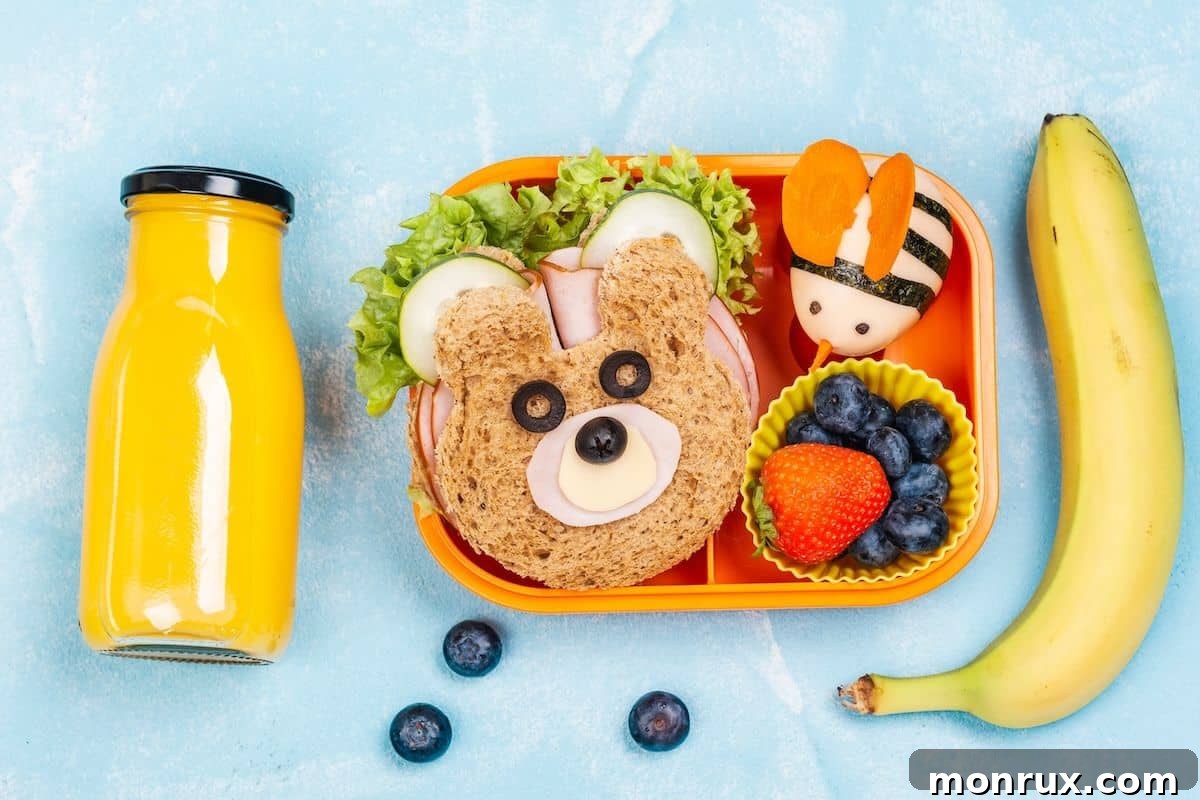
- Make it Fun: Cut fruits and vegetables into fun shapes using cookie cutters. Create colorful fruit skewers or “veggie faces” on plates. Presentation can significantly influence a child’s willingness to try new foods.
While it can be tempting to “hide” vegetables in other dishes, try to use this as a last resort. The primary goal should be to encourage a genuine appreciation for the taste, texture, and appearance of vegetables. Encourage children to taste, explore, and learn about different produce, empowering them to make informed and enjoyable choices for themselves.
7. Avoid Processed and Packaged Foods
In our modern, fast-paced world, processed foods have gained immense popularity, offering a seemingly convenient solution for busy families striving to juggle the myriad demands of daily life. However, this convenience comes at a considerable cost to health. These packaged foods are often laden with high amounts of added sugar, excessive sodium, and unhealthy fats, along with artificial flavors, colors, and preservatives.
The impact of a diet rich in processed foods on children is significant, contributing to a range of health issues from obesity and type 2 diabetes to dental problems and behavioral challenges. Research has also indicated that children consuming a high proportion of ultra-processed foods exhibit significantly lower levels of physical fitness, highlighting a direct link between diet and physical capability.
The good news is that healthy eating doesn’t have to be inconvenient. Nutrient-dense, whole foods can also be incredibly quick and easy to prepare. Many simple and nutritious meals can be made from scratch in roughly the same amount of time it takes to heat up highly processed, pre-packaged items like chicken nuggets or French fries.
Consider the versatility of ingredients such as eggs, canned beans (rinsed), frozen fish fillets, whole grains (like quinoa or brown rice), and frozen vegetables. These staples can be transformed into a healthy meal in mere minutes. For example, scrambled eggs with spinach and whole-wheat toast, a quick bean and cheese quesadilla, or a stir-fry with frozen veggies and a lean protein are all fast, wholesome options.
To further streamline your meal preparation, embrace the strategy of batch cooking. Dedicate an afternoon on the weekend to preparing larger quantities of kid-friendly recipes that can be frozen or refrigerated for use throughout the week. Start by creating a family meal plan together, then take the whole family to the grocery store to pick out the fresh, unprocessed ingredients. This approach not only saves time during busy weekdays but also ensures a consistent supply of healthy, home-cooked meals.
For more inspiration on efficient meal planning and preparation, delve into resources like my article on Meal Prepping for Beginners, which offers practical tips and strategies to make clean eating accessible and sustainable for your family.
8. Encourage Water Hydration
Optimal health for children hinges significantly on good hydration. Experts widely recommend that the majority of this hydration should come from plain water, rather than sugary drinks like sodas, fruit juices, or sports drinks. Water is fundamental for countless bodily functions, including regulating body temperature, transporting nutrients, and maintaining organ health. Many children, however, do not drink enough water, often opting for less healthy alternatives.
Unless a healthcare provider advises otherwise due to specific medical conditions, the **best drink for children of all ages is plain, clean water**. It is sugar-free, calorie-free, and essential for their growth and development. Ensuring children stay well-hydrated helps improve concentration, mood, and physical performance, and prevents issues like fatigue and constipation.
To effectively encourage your kids to drink more water, try these simple yet impactful strategies:
- Lead by Example: Children are keen observers. Make it a point to drink water regularly throughout the day yourself, showing them that it’s a natural and important habit.
- Enhance Flavor Naturally: If plain water isn’t appealing, add a slice of fresh fruit like lemon, lime, orange, cucumber, or a few mint leaves for a subtle, natural boost of flavor. This can make water more inviting without adding sugar.
- Personalize Water Bottles: Allow your child to choose their own fun, colorful, or character-themed water bottle. A personalized bottle that they enjoy carrying can make drinking water more exciting and encourage them to keep it handy throughout the day, whether at school, during playtime, or on outings.
- Incorporate Hydrating Foods: Offer foods with high water content, such as watermelon, cucumbers, strawberries, and oranges, as healthy snacks.
- Hydrating Breakfast Options: Consider adding a green smoothie made with water or unsweetened plant-based milk, leafy greens, and fruit as a healthy and hydrating breakfast option. This is a delicious way to start the day with both nutrients and fluids.
- Keep Water Accessible: Always have a pitcher of fresh water on the table during meals, and keep water bottles filled and within easy reach in communal areas of your home.
By making water an appealing and readily available choice, you can help your children establish excellent hydration habits that will benefit their health for years to come.
9. Emphasize Balance and Moderation
At its core, food should be a source of enjoyment, nourishment, and connection. The moment we begin to overly restrict the foods our children eat, or place too much rigid emphasis on particular ingredients as “good” or “bad,” we risk damaging their natural enjoyment of food and potentially fostering an unhealthy, guilt-ridden relationship with eating. This can lead to disordered eating patterns or an unhealthy fixation on food later in life.
Instead, it is far more beneficial to encourage children to enjoy a wide range of healthy, whole foods. Engage them in exploring different options, textures, and flavors to help them discover the nutritious ingredients they genuinely enjoy the most. This approach promotes intuitive eating and helps them develop a varied palate.
Simultaneously, children need to understand that balance and moderation are key principles of a healthy diet. As long as the majority of their nutritional intake comes from fresh, unprocessed, and wholesome sources, there is absolutely no reason why they cannot enjoy the occasional less-than-healthy “treat” without guilt or adverse effects. Denying these foods entirely can often make them more desirable and lead to overconsumption when they finally get access.
A balanced approach involves teaching children that all foods can fit into a healthy lifestyle, provided that nutrient-dense options form the foundation. When it comes to desserts or treats, consider making them with healthier ingredients as a regular practice. For example, energy bites made with peanut butter and oats, or cookie bars with whole grains and natural sweeteners, can satisfy a sweet craving in a more nutritious way. Some delightful and wholesome recipes include my Peanut Butter Banana Oatmeal Bars and Vegan Pumpkin Brownies.
Sticking with clean eating recipes for everyday meals and healthier alternatives for occasional indulgences is an excellent way to encourage moderation and ensure the ongoing enjoyment of nutritious food, without creating an environment of deprivation or anxiety. This helps children develop a flexible and positive relationship with food that supports both their physical health and emotional well-being.
FAQs About Healthy Eating for Kids
What are some easy and healthy meal ideas for kids?
Creating nutritious meals for kids doesn’t have to be complicated or time-consuming. These simple ideas are both wholesome and easy to prepare – perfect for those busy weeknights or quick lunches when time is limited:
- Scrambled Eggs with Veggies: Whisk eggs with a handful of spinach and a sprinkle of cheese, served in a whole wheat pita pocket or alongside whole-grain toast.
- Baked Potato Bar: A potato baked in its skin, topped with steamed broccoli, a dollop of Greek yogurt (as a sour cream alternative), and grated cheese. Kids love customizing their own meals.
- Homemade Vegetable Soup: A comforting soup made with cooked, blended vegetables like carrots, sweet potatoes, and zucchini. You can add small pasta shapes or rice.
- Pan-Fried Fish with Brown Rice: Mild white fish (like cod or tilapia) quickly pan-fried and served with wholesome brown rice and a side of roasted or steamed veggies.
- Chicken & Veggie Wraps: Whole wheat tortillas filled with shredded chicken, crisp fresh salad greens (lettuce, shredded carrots), and thin apple slices for a touch of sweetness.
- Hummus & Veggie Sticks: Creamy hummus served with an assortment of crunchy veggie sticks like cucumber, bell peppers, carrots, and celery, or warm whole wheat pita bread.
- Simple Pasta Dish: Whole wheat pasta tossed in a homemade tomato sauce with hidden finely chopped vegetables, topped with a little Parmesan cheese.
- Mini Pizzas: Use whole wheat pitas or English muffins as bases, add a light tomato sauce, cheese, and thinly sliced vegetables before baking.
- Nut Butter & Banana “Sushi”: Spread peanut butter (or other nut-free butter) on a whole-wheat tortilla, lay a banana on top, roll it up, and slice into “sushi” pieces.
How can I get my picky eater to try new foods and eat more fruits and vegetables?
Encouraging a picky eater to expand their palate requires patience, consistency, and a positive approach. The best way to encourage trying new foods—including fruits and vegetables—is to consistently sit together and enjoy them as a family in a no-pressure environment.
Here are some additional tips:
- The “Parent’s Plate” Strategy: Sometimes, kids want whatever is on their parents’ plates. If you’re struggling to get them to eat a particular food, try putting it only on your plate and not theirs. It may suddenly become a lot more tempting due to curiosity.
- Small Portions, Big Praise: Only offer new foods in very small, non-intimidating amounts. Praise your child enthusiastically if they take even a tiny bite, but avoid showing any frustration or disappointment if they don’t try it. Simply remove the food without comment and try offering it again another time (remember, repeated exposure is key!).
- Vary Cooking Methods: Don’t give up on a food just because it was rejected once. A child might not like steamed carrots, but if you try roasting them with a touch of olive oil and a sprinkle of herbs, you might get a completely different reaction. Experiment with raw, steamed, roasted, grilled, or pureed forms.
- Timing is Everything: Avoid introducing new foods when your child is tired, cranky, or overly hungry. Pick a time when they are happy, rested, and generally receptive.
- Social Influence: If possible, invite other children of the same age (who are good eaters) to eat with you. Kids often love to mimic their peers and might be more willing to try something if they see a friend enjoying it.
- Involve Them: Let them help prepare the meal or choose a new fruit/vegetable at the grocery store. Ownership increases willingness to try.
- Creative Presentation: Use fun shapes, colorful arrangements, or small dipping sauces to make fruits and vegetables more appealing.
How do I balance healthy eating with allowing my child to have treats or occasional indulgences?
Being able to enjoy the occasional treat or indulgence alongside a well-balanced, nutritious diet is an absolutely essential part of developing a healthy, sustainable relationship with food. The key is balance and moderation, rather than strict prohibition.
Here’s how to strike that balance:
- Small, Controlled Portions: Offer treats in small, controlled amounts. A small cookie or a scoop of ice cream can be satisfying without being excessive.
- Avoid Using as Rewards: Do not use treats as rewards for eating healthy foods or for good behavior. This can inadvertently make treats seem even more desirable and healthful foods seem like a chore. It also teaches children to associate food with emotions or extrinsic motivations.
- “Sometimes Foods”: Teach children about “everyday foods” (nutrient-rich fruits, vegetables, whole grains, proteins) and “sometimes foods” (sweets, chips, fast food). Explain that sometimes foods are fine in small amounts, but everyday foods are what nourish our bodies for growth and energy.
- Scheduled Treats: Designate specific times or days for treats, such as a Friday night dessert or a special occasion. This helps normalize them and prevents constant nagging.
- Homemade Alternatives: As mentioned, try making homemade desserts with healthier ingredients. This reduces processed sugars and additives while still satisfying a sweet tooth.
- Focus on the Overall Diet: Emphasize that it’s the overall pattern of eating that matters most, not one single food or meal. If the majority of their diet is healthy, occasional treats will have minimal impact.
- Eat Treats Mindfully: Encourage children to eat treats slowly and savor them, paying attention to taste and texture. This promotes mindful eating habits.
By integrating treats thoughtfully and without guilt, you teach your child flexibility and a positive perspective on all foods, fostering a truly healthy eating mindset for life.
More Clean Eating Articles for Kids
Conclusions
Teaching clean eating habits from childhood is undeniably one of the most profound and lasting gifts you can bestow upon your children. It goes beyond merely providing sustenance; it actively fosters a healthy, respectful, and joyful relationship with food that will serve them well throughout their entire lives. By embracing these principles, you are not only supporting their immediate growth, development, and energy levels during their early years but also laying a robust foundation for long-term physical health, mental well-being, and a reduced risk of chronic diseases in adulthood.
The journey of raising healthy eaters doesn’t have to be fraught with stress or constant battles. Instead, by implementing the practical tips outlined in this guide—from modeling positive behaviors and making meals a family affair, to patiently navigating picky eating and emphasizing balance—you can transform meal times into opportunities for connection, learning, and shared enjoyment. I genuinely hope you’ve found these insights helpful in empowering your child to make informed and wholesome food choices, and that you experience countless happy times cooking, sharing, and eating delicious, nutritious food together as a family!
Don’t forget to join my newsletter list to receive exclusive clean eating recipes, valuable tips, and inspiring content directly in your inbox. The newsletter is completely free, no spam, and you can unsubscribe at any time.
About the Author: Carrie Forrest holds a master’s degree in public health with a specialization in nutrition and is a certified holistic nutritionist. She is the founder of a top wellness and food blog, attracting over 5 million annual visitors. Carrie shares an incredible personal story of recovery from chronic illness and is deeply passionate about empowering other women to transform their health through clean eating. You can connect with her by sending a message through her contact form.
Disclaimer: This post is intended for informational purposes only and should not be taken as medical advice. Always consult with your healthcare provider for personalized recommendations pertinent to your individual health situation and needs.