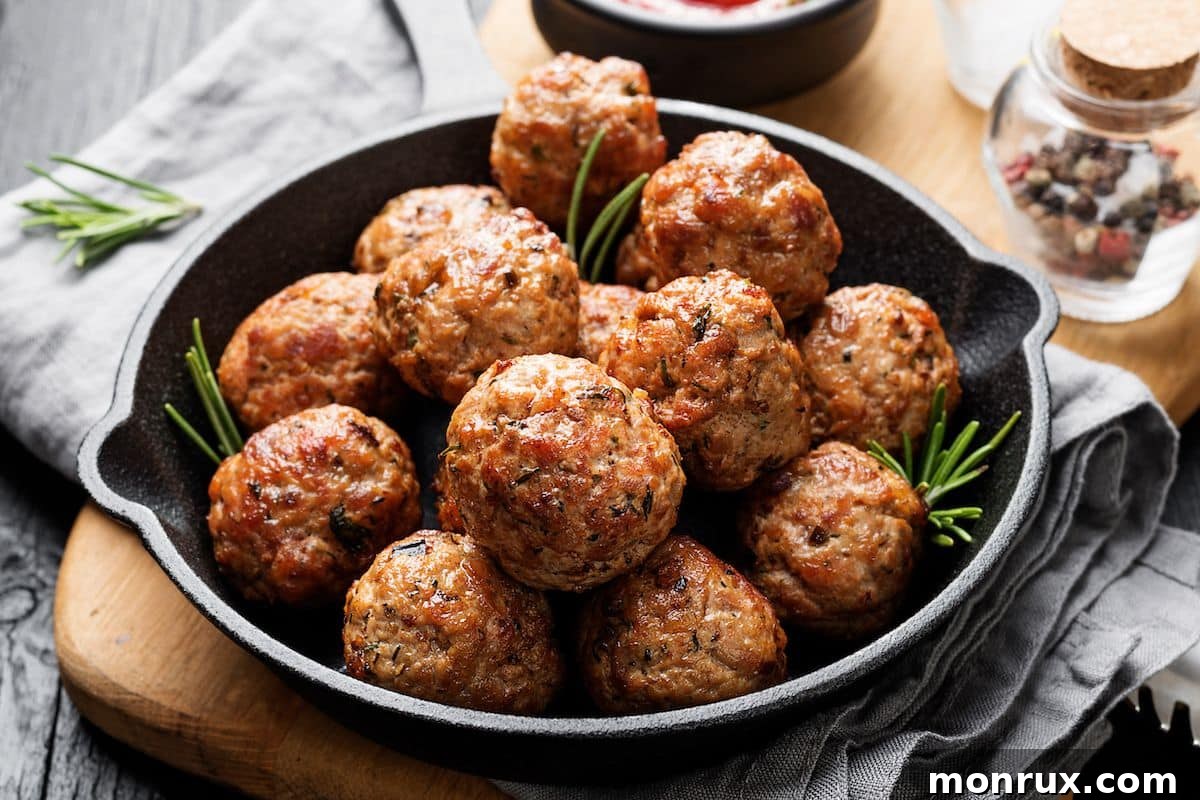
Welcome to the ultimate guide for creating incredibly tender, flavorful, and entirely dairy-free meatballs! Whether you’re navigating food sensitivities, adhering to specific dietary choices, or simply looking for a healthier take on a classic comfort food, these Dairy-Free Meatballs are a game-changer. Crafted without any cheese or dairy products, they are surprisingly juicy and packed with savory taste, making them an instant family favorite for any night of the week.
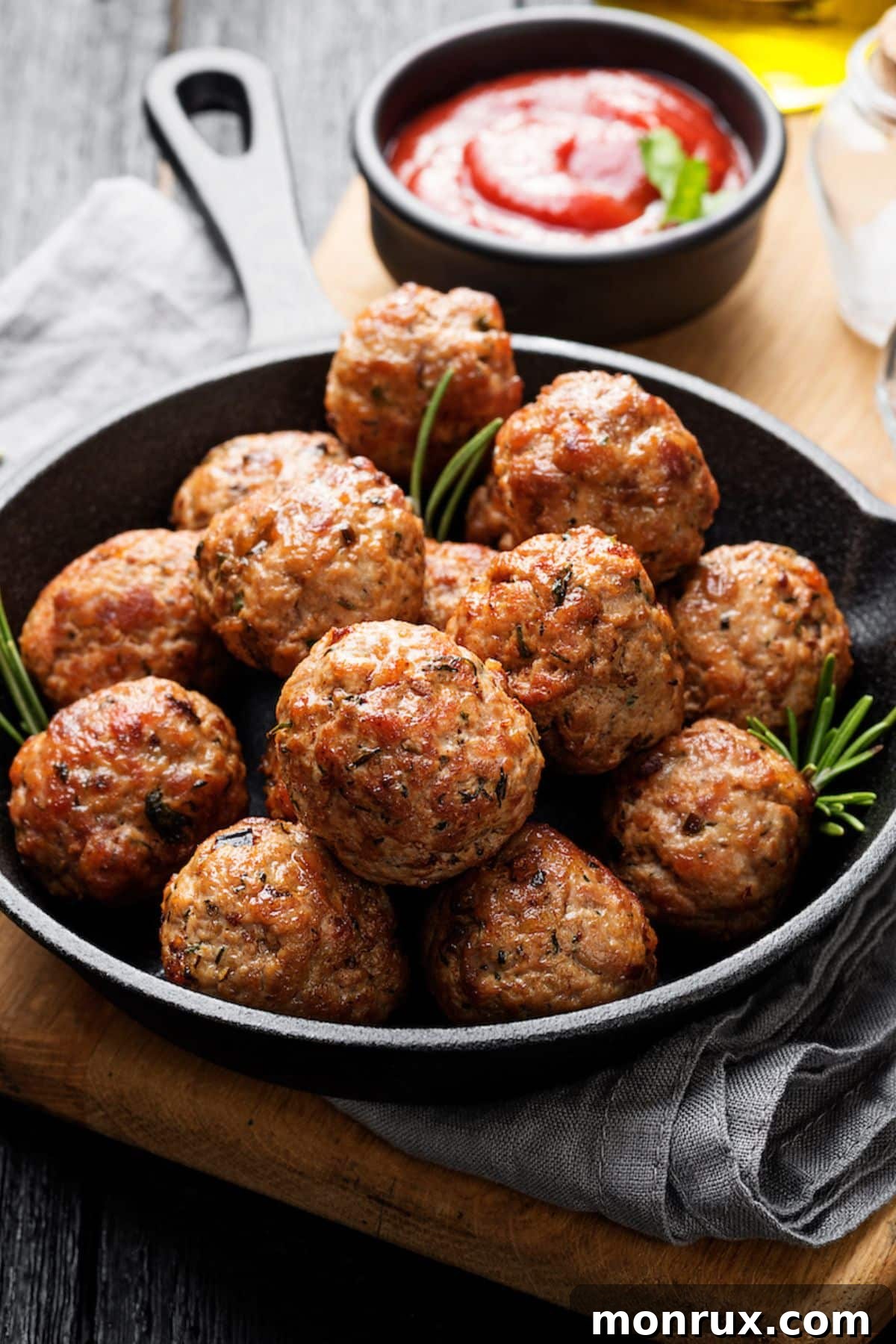
These allergy-friendly meatballs are not only dairy-free but also gluten-free, ensuring that more people can enjoy a delicious meal without compromise. They’re incredibly versatile – perfect served simply on their own, tossed with your favorite cooked pasta, or paired with a lighter option like spaghetti squash and a rich marinara sauce. Get ready to transform your dinner routine with this easy, adaptable recipe that even the pickiest eaters will adore!
The Joy of Allergy-Friendly Cooking: Why Dairy-Free & Gluten-Free?
In today’s diverse culinary landscape, the demand for allergy-friendly recipes has grown significantly. Many individuals contend with dairy intolerance, celiac disease, or simply choose to avoid these ingredients for health reasons. Our dairy-free and gluten-free meatballs offer a fantastic solution, proving that you don’t need traditional ingredients to achieve incredible taste and texture.
Making meatballs without cheese might seem daunting at first, as many classic recipes rely on Parmesan for flavor and binding. However, this recipe demonstrates how a thoughtful combination of other ingredients can deliver a moist, tender, and deeply satisfying meatball. By opting for a baked method, we further enhance their health profile, minimizing added fats while locking in natural juices. This approach ensures a wholesome meal that’s both delicious and suitable for a variety of dietary needs.
Key Ingredients for Flavorful Meatballs
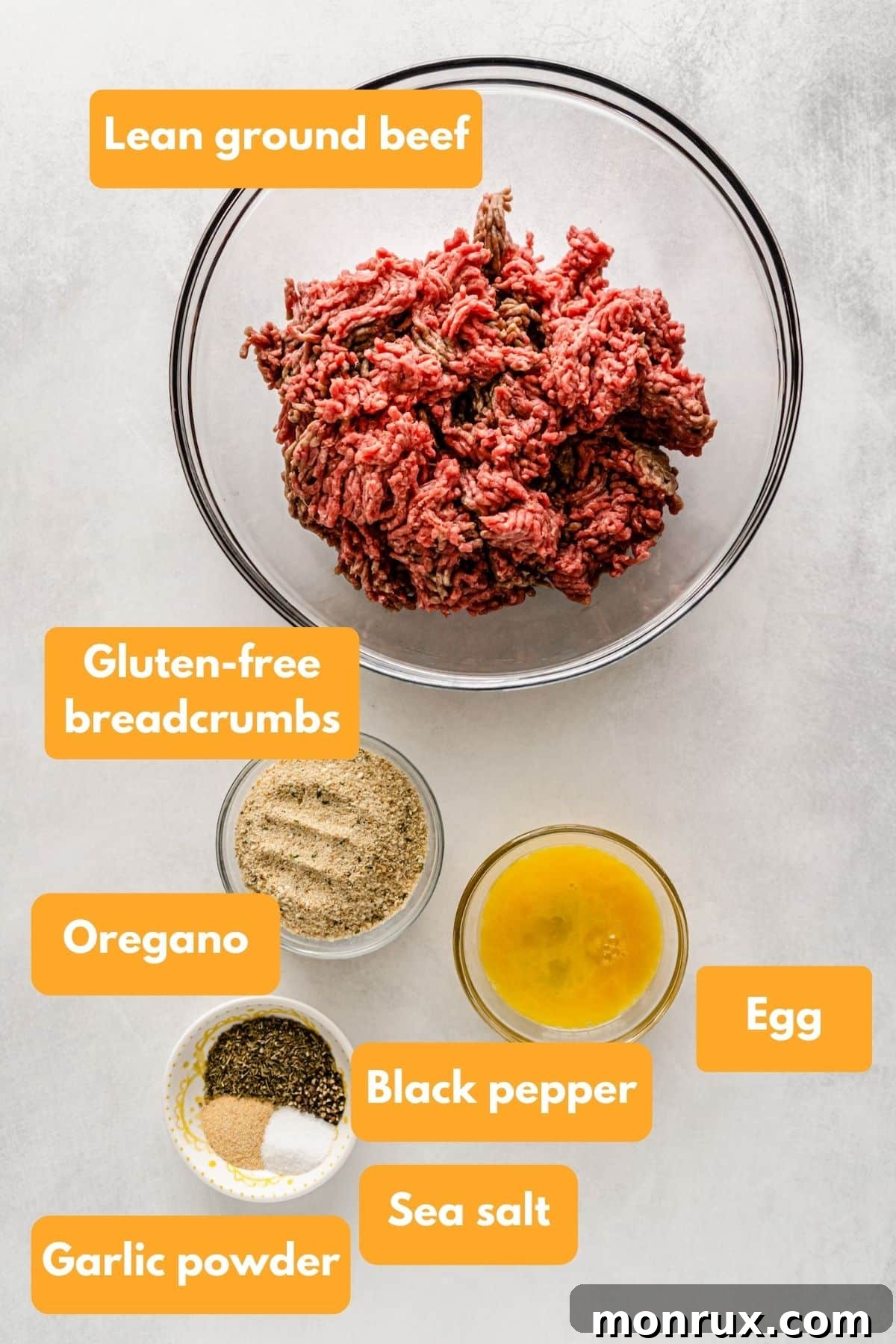
Crafting the perfect dairy-free, gluten-free meatballs starts with selecting high-quality ingredients. Each component plays a crucial role in achieving the desired texture, flavor, and moisture. Here’s a closer look at what you’ll need:
- Lean Ground Beef: This is the foundation of our meatballs. Lean ground beef provides a robust, savory base that’s rich in protein while keeping saturated fat content lower than fattier cuts. Using lean beef ensures the meatballs are juicy without being greasy. For those who prefer other proteins, ground pork or a mix of ground beef and pork can also be used. If you’re experimenting, consider my recipe for Paleo Pork Meatballs for an alternative flavor profile.
- Egg: A single egg acts as the essential binder, holding the ground meat and breadcrumbs together. It helps prevent the meatballs from crumbling during cooking, ensuring they maintain their shape and tender consistency. The egg also contributes to the overall moisture of the meatball.
- Gluten-Free Breadcrumbs: These are critical for moisture retention. Breadcrumbs absorb the meat’s juices as it cooks, trapping them inside and preventing dry, dense meatballs. For an even healthier, low-carb alternative, you can substitute gluten-free breadcrumbs with almond flour or almond meal. If gluten is not a concern for your diet, regular breadcrumbs work perfectly fine as well.
- Italian Seasoning & Herbs: A blend of classic Italian seasonings, including dried oregano and garlic powder, infuses the ground beef with authentic, aromatic flavor. These herbs are the secret to giving your meatballs that beloved Italian taste without needing cheese. Fresh herbs like finely chopped parsley or basil can also be added for an extra layer of freshness. If you don’t have Italian seasoning on hand, you can easily create your own blend or find substitutes; check out my related post on substitutes for Italian seasoning.
- Sea Salt and Black Pepper: These fundamental seasonings are crucial for enhancing all the other flavors. They bring out the natural taste of the beef and herbs, ensuring your meatballs are perfectly seasoned. Adjust to your preference!
For precise measurements and a complete list of ingredients, please refer to the detailed recipe card at the end of this post.
Unleashing Flavor: Tips for the Juiciest Meatballs
Achieving perfectly tender and juicy meatballs, especially when omitting dairy and gluten, comes down to a few key techniques. Follow these tips to ensure your meatballs are moist and bursting with flavor every time:
- Don’t Overmix the Meat: Overworking the meat mixture can lead to tough, dense meatballs. Mix until just combined. Using your hands is often the best way to gently incorporate all ingredients without compressing the meat too much.
- Moisture is Key: The breadcrumbs and egg are essential for moisture. If your mixture feels too dry, you can add a tablespoon of dairy-free milk or a little extra egg to achieve a workable consistency. Conversely, if it’s too wet, a touch more breadcrumbs can help.
- Consistent Size Matters: For even cooking, try to make your meatballs roughly the same size. A cookie scoop (about 1.5 to 2 tablespoons) is an excellent tool for this, ensuring each meatball cooks uniformly and is done at the same time.
- Baking for Best Results: While pan-frying offers a crispy exterior, baking is often preferred for dairy-free and gluten-free meatballs as it locks in moisture more consistently and offers a healthier, less messy cooking method. The oven’s dry heat creates a lovely golden crust while keeping the interior tender.
- Use a Meat Thermometer: The only sure way to know if your meatballs are safely cooked through is by checking their internal temperature. Aim for 160°F (71°C) to ensure they are done without overcooking and drying out.
- Rest Before Serving: Just like with larger cuts of meat, allowing your meatballs to rest for 5 minutes after baking helps the juices redistribute throughout, resulting in a more tender and flavorful bite.
Step-by-Step Guide to Perfect Dairy-Free Meatballs
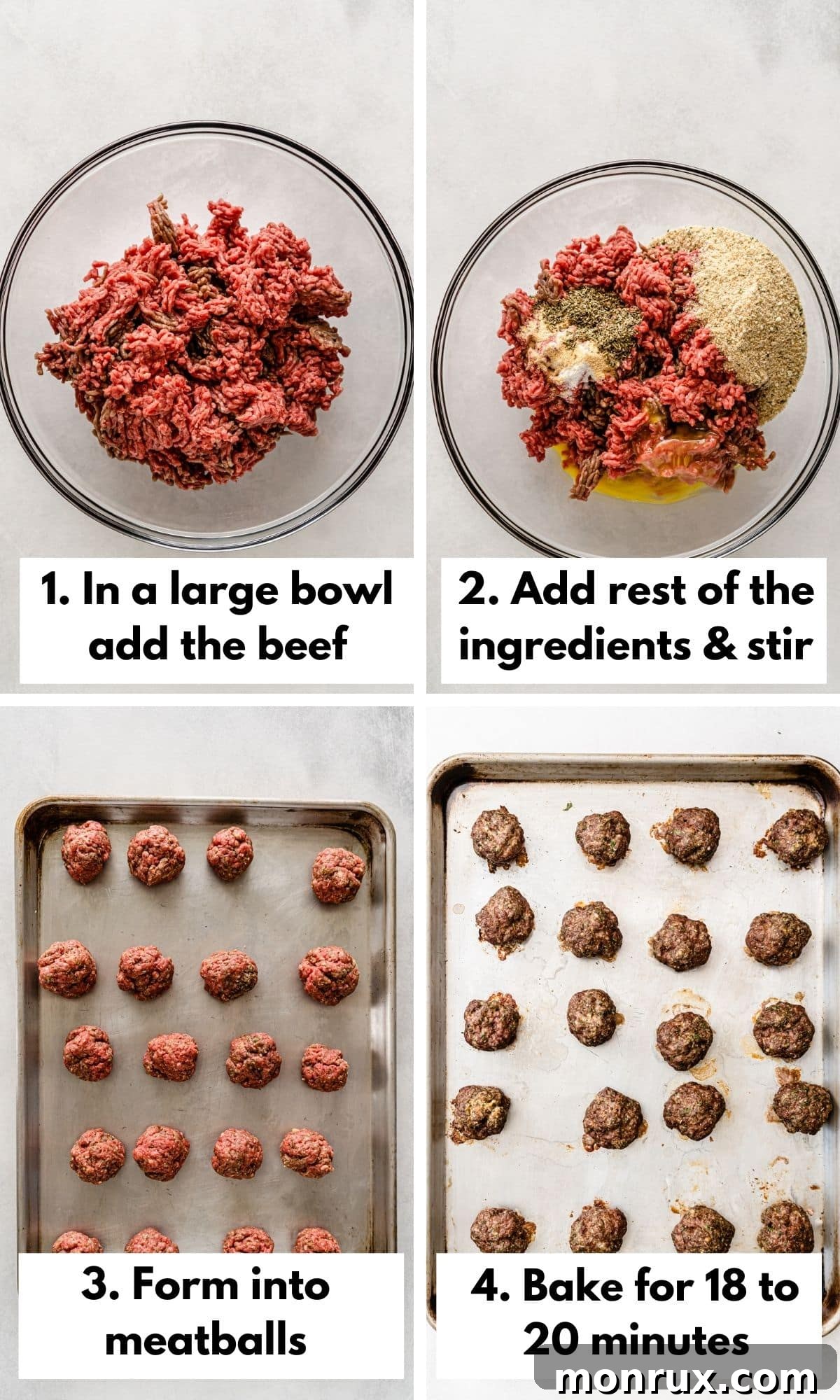
Making these delicious meatballs is straightforward and requires minimal effort, perfect for a busy weeknight. Here’s a detailed guide to walk you through each step:
Step One: Prepare Your Oven and Baking Sheet
Begin by preheating your oven to 375°F (190°C). This ensures the oven is at the correct temperature when your meatballs are ready to go in, promoting even cooking. Line a large baking sheet with parchment paper or aluminum foil. This step is crucial for easy cleanup and preventing the meatballs from sticking to the pan. Set the prepared baking sheet aside.
Step Two: Combine the Meatball Mixture
In a spacious mixing bowl, combine all your meatball ingredients: the lean ground beef, lightly beaten egg, gluten-free breadcrumbs (or almond flour), Italian seasoning, sea salt, and garlic powder, and ground black pepper. Now, it’s time to mix! While some might reach for a food processor, I find that using your hands or a large spatula works best. Gently combine the mixture until all ingredients are just incorporated. Be careful not to overmix, as this can lead to tough meatballs. The goal is to distribute the seasonings and binder evenly without compacting the meat.
Step Three: Form the Meatballs
Once your mixture is ready, it’s time to form the individual meatballs. You can use your hands, lightly moistened with water to prevent sticking, or a cookie scoop for uniform sizing. A scoop helps ensure that all meatballs are roughly the same size, which promotes even cooking. Roll the mixture into balls, approximately 1.5 to 2 inches in diameter, and arrange them in a single layer on your prepared baking sheet. You should yield between 18 and 22 meatballs from this recipe, depending on their size.
Step Four: Bake to Perfection
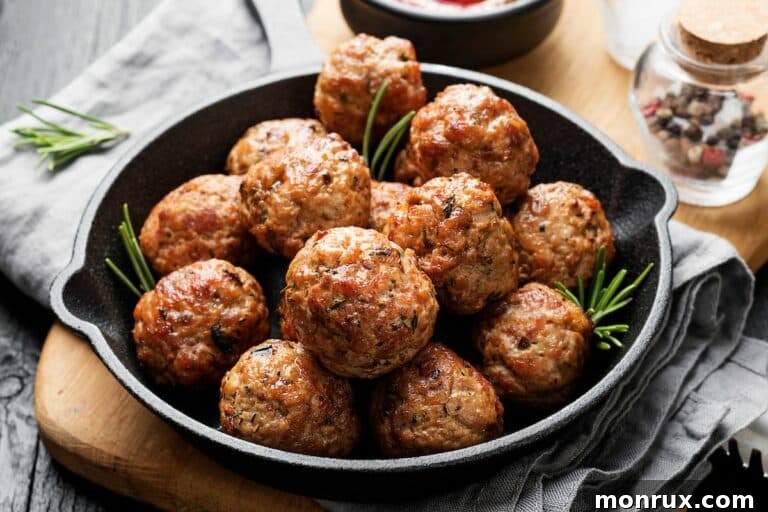
Place the baking sheet with your formed meatballs into the preheated oven. Bake for approximately 18 to 20 minutes. The cooking time may vary slightly depending on your oven and the size of your meatballs. To ensure they are perfectly cooked and safe to eat, use an instant-read thermometer inserted into the center of a meatball. The internal temperature should reach 160°F (71°C). The meatballs should be beautifully golden brown on the outside, but not burned.
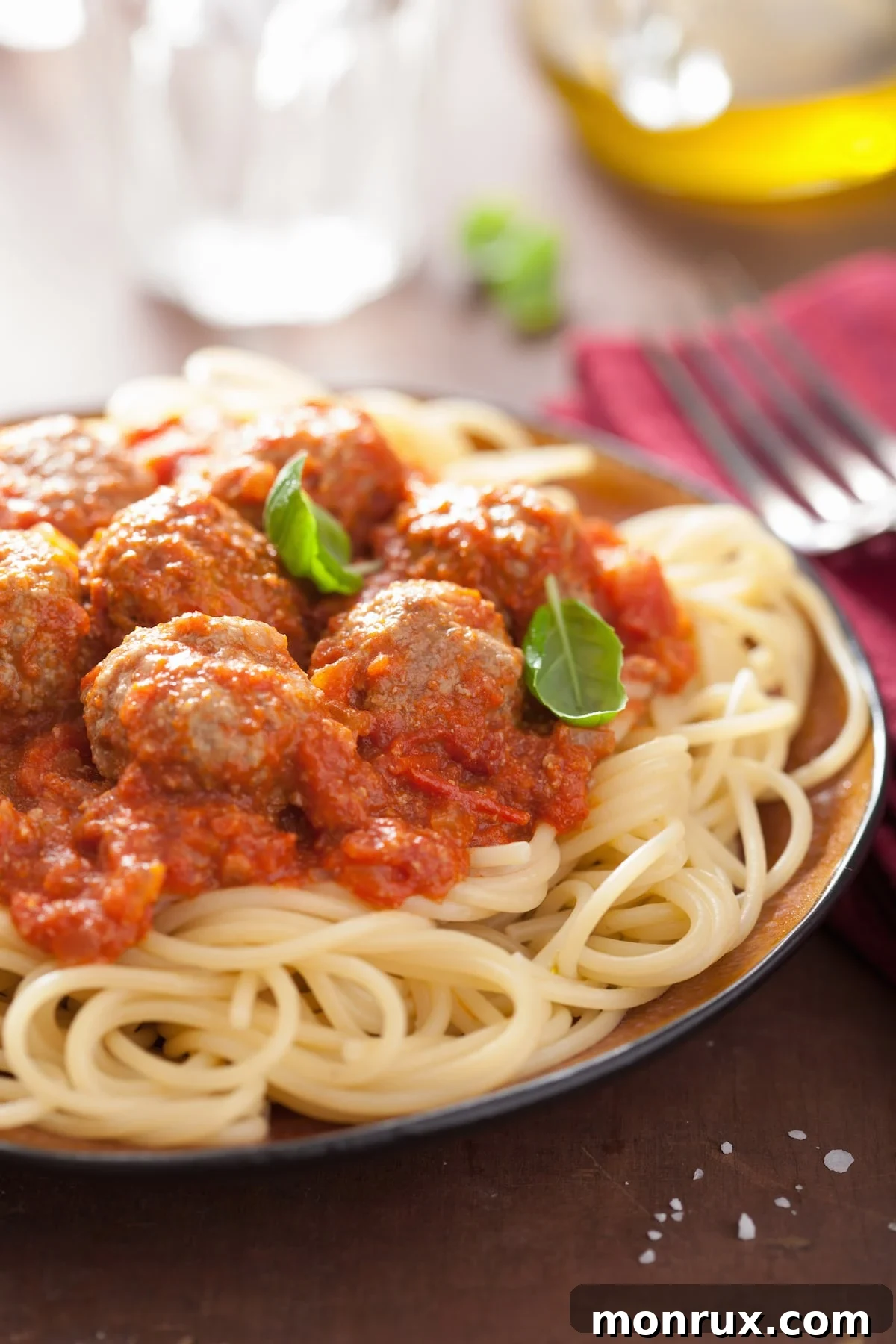
Once cooked, remove the meatballs from the oven. Let them cool on the baking sheet for about 5 minutes before serving. This brief resting period allows the juices to redistribute, resulting in a more tender and flavorful meatball. I highly recommend tossing them gently with your favorite dairy-free marinara sauce or tomato sauce and garnishing with fresh parsley or basil for an extra burst of flavor and color. I believe your family will agree that these are some of the best Italian-style meatballs they’ve ever tasted, even without the traditional Parmesan cheese. This recipe quickly becomes one of our most beloved meals!
Making Ahead & Freezing for Future Feasts
These dairy-free meatballs are fantastic for meal planning and batch cooking. Preparing them in advance means you’ll always have a healthy, homemade option ready for busy days. Here’s how to do it efficiently:
- Batch Cooking & Doubling the Recipe: Ground beef is often more economical when purchased in bulk. This recipe is perfect for doubling or even tripling, allowing you to prepare a large batch of meatballs at once. Simply scale up the ingredients in the recipe card.
- Freezing Cooked Meatballs: Once your meatballs are baked and cooled completely, they can be frozen for later use. Arrange them in a single layer on a baking sheet and flash freeze for about 1-2 hours until solid. Then transfer the frozen meatballs to a freezer-safe zip-top bag or airtight container. This prevents them from sticking together, allowing you to grab just a few as needed. They will keep well in the freezer for up to 2 months.
- Freezing Raw Meatballs: You can also prepare the raw meatball mixture, form the meatballs, and then flash freeze them before cooking. Once solid, transfer to a freezer bag. When ready to cook, bake from frozen, adding an extra 5-10 minutes to the cooking time, or until they reach an internal temperature of 160°F (71°C).
- Reheating: To reheat frozen cooked meatballs, you can thaw them in the refrigerator overnight and then warm them in the oven at 350°F (175°C) or gently simmer them in your favorite marinara sauce on the stovetop. You can also microwave them for a quicker option. For uncooked frozen meatballs, bake them as directed in the recipe, adding extra time.
Having a stash of these healthy, homemade, gluten-free, and dairy-free meatballs in your freezer is a true lifesaver. In a pinch, you can simply toss them with cooked spaghetti squash and a jar of your favorite marinara sauce for the easiest weeknight meal ever!
Beyond Spaghetti: Creative Ways to Serve Your Meatballs
While meatballs and spaghetti are an iconic pairing, don’t limit yourself! These dairy-free meatballs are incredibly versatile and can be served in countless delicious ways. Explore these ideas to keep your meals fresh and exciting:
- Classic Pasta Dishes: Of course, serving them with your favorite cooked pasta (gluten-free if preferred) and marinara sauce is always a winner. A sprinkle of fresh basil or parsley adds a nice touch.
- Low-Carb Options: For a lighter, low-carb meal, pair them with spaghetti squash, zucchini noodles (zoodles), or cauliflower rice. They also complement roasted vegetables beautifully.
- Meatball Subs: Pile them onto gluten-free rolls with plenty of marinara sauce for a delicious meatball sub. You can add dairy-free mozzarella or provolone if desired, then toast until warm and gooey.
- Rice Bowls: Serve them over fluffy white or brown rice, perhaps with a side of steamed greens and a drizzle of a light, savory sauce.
- Mashed Potatoes or Cauliflower Mash: A comforting pairing for a cozy meal. The meatballs and sauce can be spooned over creamy mashed potatoes or a healthier cauliflower mash.
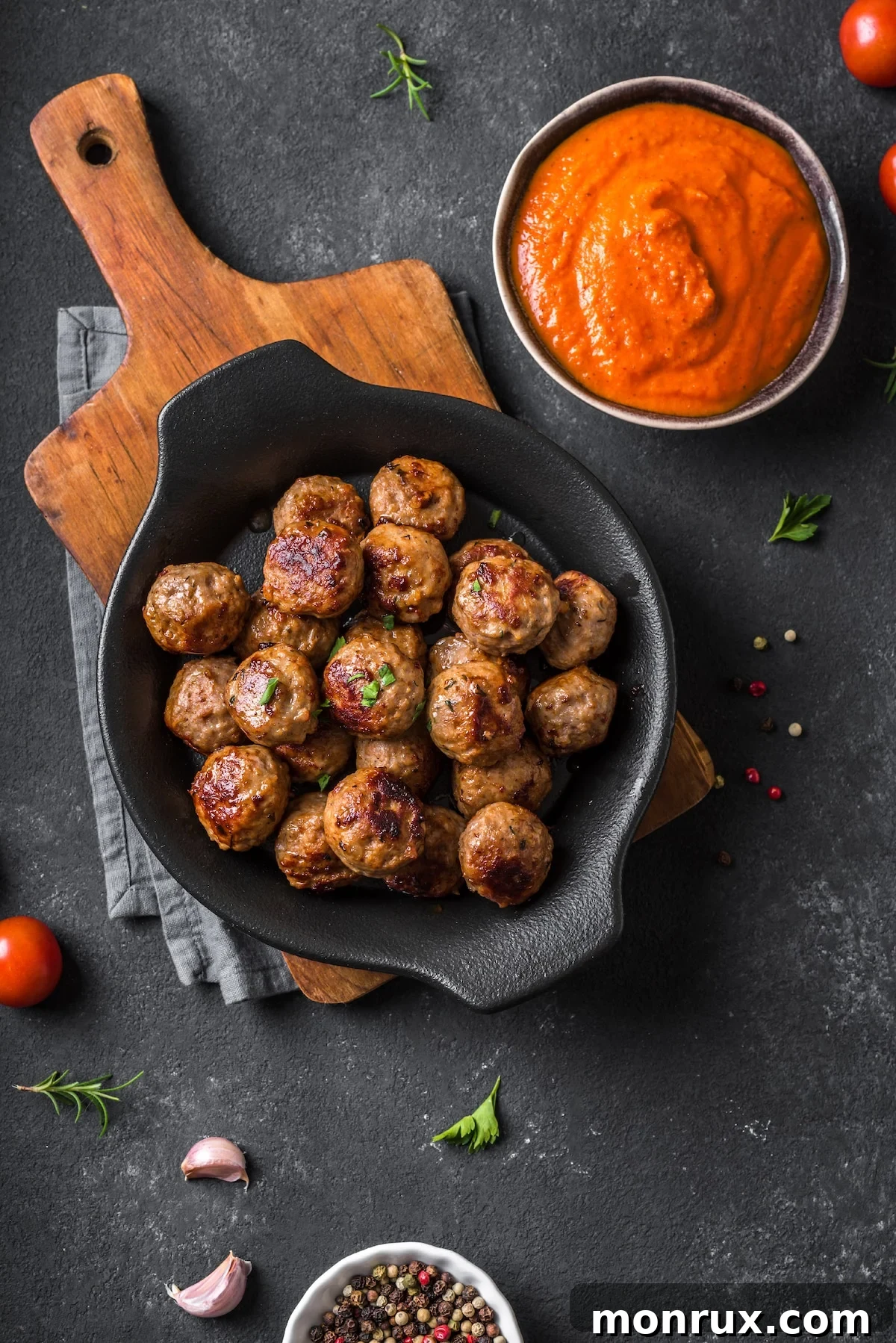
- Appetizers: Mini meatballs make fantastic appetizers. Serve them with toothpicks alongside a dipping sauce at your next gathering.
- Pita or Wrap Fillings: Chop them up and use them as a filling for pita bread or lettuce wraps, along with some fresh veggies and a light dressing.
- Stir-Fries: Add sliced meatballs to a vegetable stir-fry for a protein boost.
The possibilities are endless! Let your culinary creativity shine and adapt these meatballs to whatever dishes your family loves.
Frequently Asked Questions About Dairy-Free Meatballs
Most commercially prepared, store-bought meatballs are not dairy-free. Many brands include cheese (like Parmesan or Romano) or milk products as binders or flavor enhancers. Always check the ingredient label carefully if you need to avoid dairy.
Beyond the classic spaghetti, meatballs are incredibly versatile. They pair wonderfully with rice, mashed potatoes, polenta, corn on the cob, grilled vegetables, or even in a sandwich as a meatball sub. For a low-carb alternative, consider serving them with spaghetti squash or zucchini noodles.
Yes, you can pan-fry these meatballs if you prefer a crispy exterior. Heat a large skillet over medium heat and add a tablespoon or two of olive oil. Cook the meatballs in a single layer, turning occasionally, for about 15 minutes or until they are cooked through and browned on all sides. You may need to cook them in batches to avoid overcrowding the pan. Afterward, place them on a paper towel-lined plate to absorb any excess grease before serving.
While you can use a slow cooker, baking is generally preferred for these meatballs as it helps them maintain their shape and prevents them from becoming too soft or dried out. If you choose to use a slow cooker, combine the formed meatballs with about 4 cups of your favorite marinara sauce in the slow cooker. Cook on low heat for 3-4 hours or until heated through and tender. This method works best if the meatballs are submerged in sauce to prevent drying.
Absolutely! Ground turkey or chicken are excellent lean alternatives for making dairy-free meatballs. Keep in mind that poultry can be drier, so you might want to add a little extra moisture (like a tablespoon of dairy-free milk or broth) to the mixture. Cooking times may also vary slightly, so always check the internal temperature, aiming for 165°F (74°C) for poultry. For an alternative recipe, see my Air Fryer Turkey Meatballs.
The egg and breadcrumbs in this recipe are key binders. Ensure they are well incorporated, but avoid overmixing. Also, make sure your meatballs are formed firmly but not overly dense. Chilling the formed meatballs for 15-20 minutes before baking can also help them hold their shape better.
Yes, easily! Add a pinch of red pepper flakes to the meat mixture for a subtle kick, or a bit more for a bolder, spicy flavor. You can also include finely minced jalapeño or a dash of cayenne pepper.
I hope you enjoy making this recipe! If you do, please consider leaving a comment and a starred review below. Your feedback is greatly appreciated!
Stay connected and follow me on social media for more delicious recipes and healthy eating tips. You can find me on Facebook, Pinterest, Instagram, and YouTube!
Print Recipe
Dairy-Free Meatballs Recipe
Rated: 4.7 out of 5 stars from 3 reviews
These Dairy-Free Meatballs, made without cheese, are incredibly juicy and flavorful. They’re perfect for an easy weeknight meal, versatile enough to serve plain, with pasta, or with spaghetti squash and marinara sauce. This allergy-friendly recipe is also naturally gluten-free.
- Total Time: 40 minutes
- Yield: 4 servings (approximately 18-22 meatballs)
Ingredients
Units: US
- 1 pound lean ground beef
- 1 large egg, lightly beaten
- 1/2 cup gluten-free breadcrumbs (or almond flour for low-carb)
- 1 teaspoon dried oregano or Italian seasoning blend
- 1/2 teaspoon sea salt
- 1/2 teaspoon garlic powder
- 1/4 teaspoon ground black pepper
Instructions
- Preheat your oven to 375°F (190°C). Line a large baking sheet with parchment paper or aluminum foil and set aside.
- In a large bowl, combine the ground beef, lightly beaten egg, gluten-free breadcrumbs, dried oregano (or Italian seasoning), sea salt, garlic powder, and ground black pepper. Use a spatula or your hands to gently mix the ingredients until just combined. Be careful not to overmix.
- Using your hands or a 1.5-2 tablespoon cookie scoop, form the meat mixture into uniform meatballs. Arrange them in a single layer on the prepared baking sheet.
- You should have enough mixture to make approximately 18-22 meatballs, depending on their size.
- Bake the meatballs in the preheated oven for about 18-20 minutes, or until an instant-read thermometer inserted into the center of a meatball reads 160°F (71°C). They should be golden brown.
- Remove the meatballs from the oven and let them cool for about 5 minutes before serving.
- Store any leftover cooked meatballs in an airtight container in the refrigerator for up to 4 days. Reheat thoroughly before serving.
Notes
- These dairy-free meatballs are wonderfully versatile. Serve them with cooked pasta and marinara sauce, or for a lower-carb option, pair them with spaghetti squash or zucchini noodles.
- This recipe is easily scalable. Feel free to double or triple the ingredients to make a larger batch for meal prepping or feeding a crowd.
- To freeze cooked meatballs, allow them to cool completely. Then, transfer them to a freezer-safe zip-top bag or airtight container. They can be frozen for up to 2 months. Thaw them in the refrigerator before reheating gently on the stovetop with sauce or in the oven.
- Author: Carrie Forrest, MPH in Nutrition
- Prep Time: 15 minutes
- Cook Time: 20 minutes
- Category: Main Dish
- Method: Oven Baked
- Cuisine: Italian
- Diet: Low Lactose, Gluten-Free
Nutrition Facts (per 1/4 of recipe)
- Serving Size: 1/4 of recipe
- Calories: 288
- Sugar: 1.1 g
- Sodium: 513.5 mg
- Fat: 8.6 g
- Saturated Fat: 3.6 g
- Carbohydrates: 21.7 g
- Fiber: 2.3 g
- Protein: 28.5 g
- Cholesterol: 124.2 mg
More Dairy-Free Recipes You Might Like
Don’t forget to join my newsletter list to get exclusive clean eating recipes and tips directly to your inbox. The newsletter is 100% free with no spam; you can unsubscribe anytime.
About the Author: Carrie Forrest holds a master’s degree in public health with a specialization in nutrition and is a certified holistic nutritionist. She is a highly successful wellness and food blogger, attracting over 5 million visitors annually to her site. Carrie shares an inspiring story of recovery from chronic illness and is deeply passionate about empowering other women to transform their health journeys. Feel free to send her a message through her contact form.