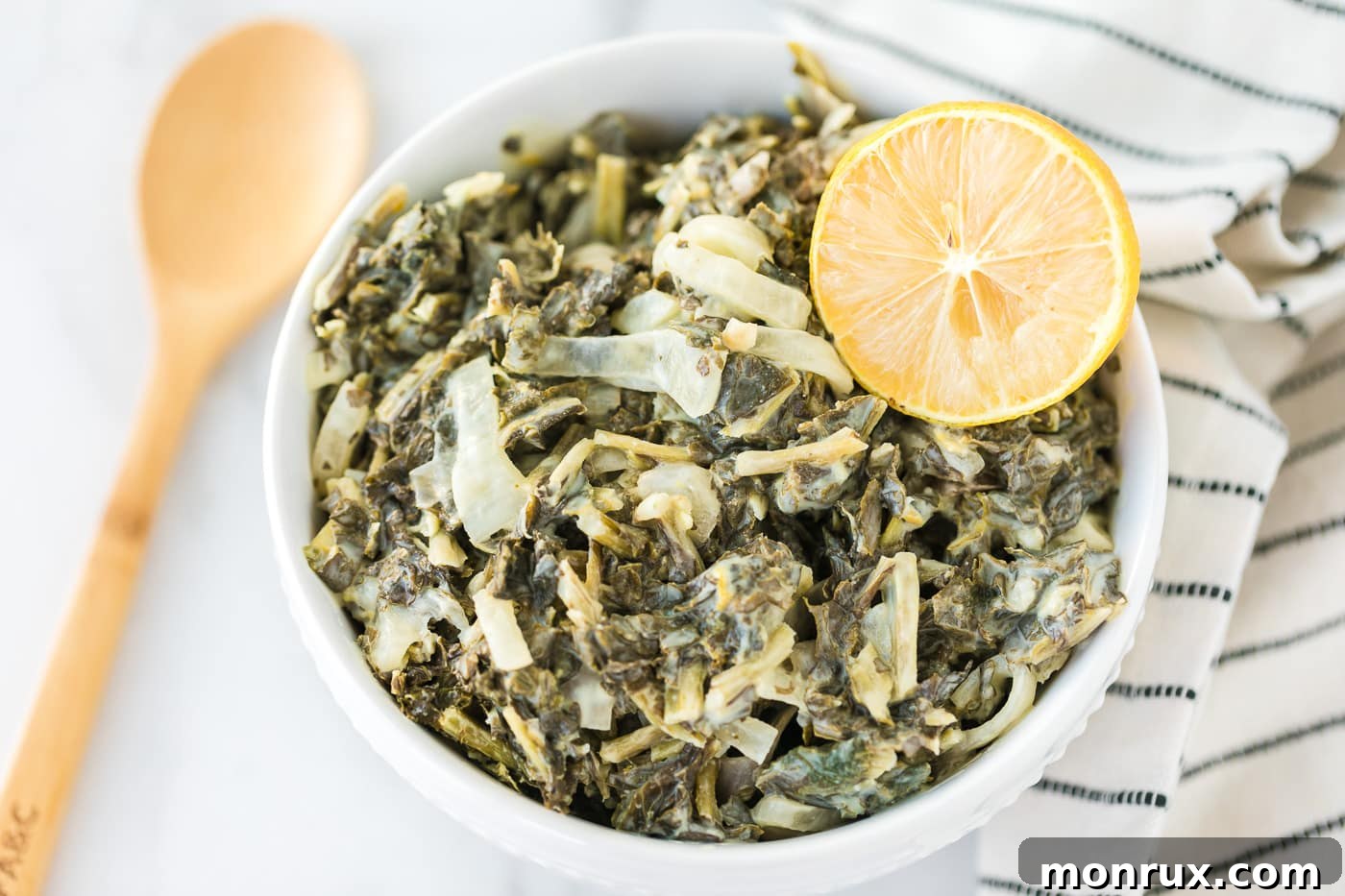
Welcome to the ultimate guide for creating the most delectable and nutritious **Vegan Creamed Kale**. This recipe offers a hearty, flavor-packed side dish that’s incredibly wholesome and naturally free from dairy. Whether you follow a paleo, vegan, gluten-free, or Whole30 diet (with a simple modification), this dish is designed to fit your lifestyle while tantalizing your taste buds. Forget the traditional creamed spinach; our unique twist leverages the rich, creamy texture of full-fat canned coconut milk, transforming humble kale into an extraordinary culinary experience.
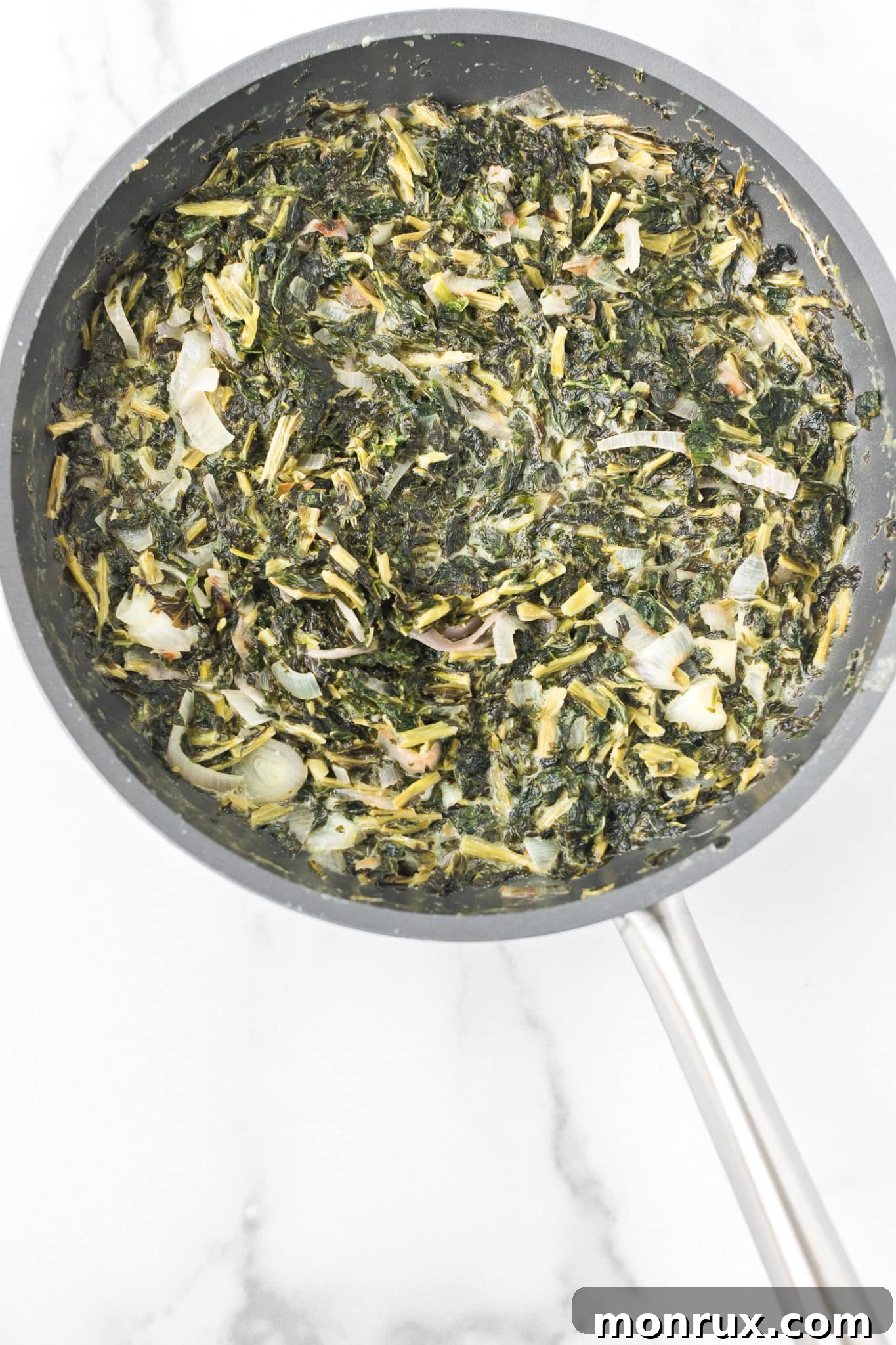
For those who believe they don’t enjoy kale, prepare to have your mind changed. This creamy, savory preparation method not only masks any potential bitterness but also highlights the vegetable’s robust flavor in a way that’s both comforting and incredibly delicious. Combining tender, steamed leafy greens with a luscious coconut cream sauce creates one of the healthiest and most satisfying side dishes you could ever whip up. It’s a testament to how simple, clean ingredients can create a truly gourmet experience.
Why This Vegan Creamed Kale Recipe Is a Must-Try
This creamy kale dish isn’t just another side; it’s a game-changer for anyone looking to incorporate more greens into their diet. Here’s why this recipe deserves a permanent spot in your rotation:
- Dairy-Free Delight: Traditional creamed dishes often rely on heavy cream or cheese, which can be problematic for those with dairy sensitivities or following vegan/paleo diets. Our recipe ingeniously swaps these out for rich, full-fat coconut milk, delivering an equally luxurious and satisfying creaminess without any of the dairy. This makes it a perfect, inclusive option for diverse dietary needs.
- Nutrient Powerhouse: Kale is renowned as a superfood, packed with vitamins A, C, and K, as well as essential minerals and antioxidants. By cooking kale in this creamy format, you enhance its palatability, making it easier and more enjoyable to consume a significant portion of this incredibly healthy leafy green. It’s a delicious way to boost your nutrient intake.
- Budget-Friendly & Accessible: Utilizing frozen chopped kale is a smart, economical choice. It’s readily available in most grocery stores year-round and often more cost-effective than fresh kale, especially when you consider the minimal prep involved. This makes healthy eating accessible to everyone, regardless of budget or busy schedule.
- Gentle on Digestion: While raw kale salads are popular, some individuals find them difficult to digest due to kale’s fibrous texture. Cooking the kale softens its fibers, making this creamed version much easier on the digestive system. It’s a comforting alternative that still delivers all the nutritional benefits without the potential discomfort.
- Quick & Easy Preparation: This recipe is designed for efficiency. With minimal prep time and straightforward cooking steps, you can have a gourmet-tasting side dish on your table in under 20 minutes. It’s perfect for busy weeknights or when you need a healthy, impressive side in a pinch.
- Incredibly Versatile: Beyond being a standalone side, this creamed kale can be integrated into numerous meals. Serve it alongside roasted chicken or fish (for non-vegans), with a hearty lentil loaf, or even stirred into pasta or grain bowls for added richness and nutrition. Its versatility makes it a valuable recipe to master.
Essential Ingredients for Dairy-Free Creamed Kale
Crafting the perfect Vegan Creamed Kale relies on a few key ingredients, each playing a crucial role in achieving its rich flavor and creamy texture. Here’s a closer look at what you’ll need and why:
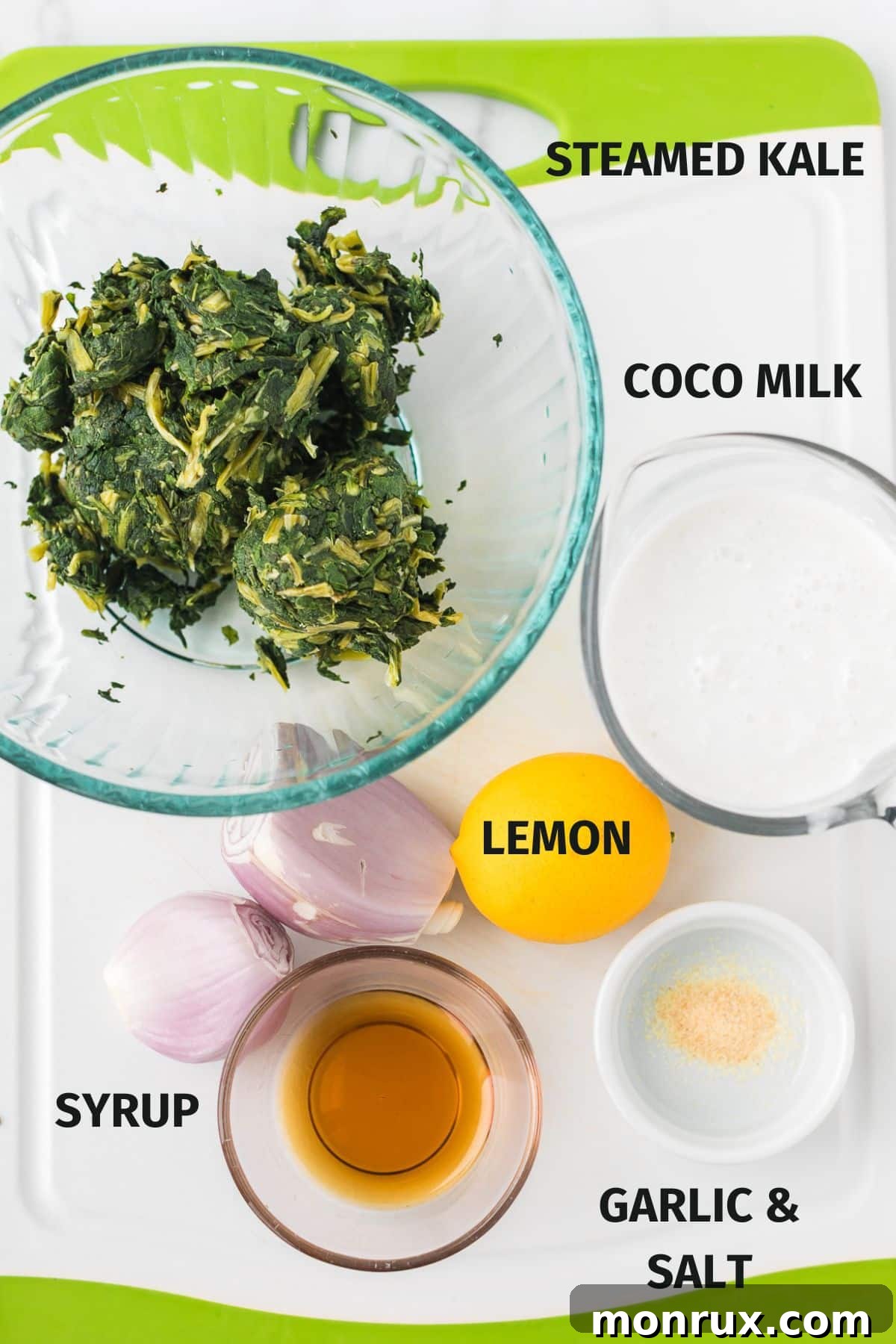
- Frozen Chopped Kale: This is our star ingredient. Opting for frozen chopped kale saves you a significant amount of time on washing, de-stemming, and chopping. It’s typically flash-frozen at peak freshness, locking in nutrients. Look for it in the frozen vegetable aisle, and ensure it’s finely chopped for best results in this creamy dish. If using fresh kale, you’ll need to wash, de-stem, chop, and blanch it first.
- Full-Fat Canned Coconut Milk: The secret to our dairy-free creaminess! It’s vital to use full-fat coconut milk (not the light version or coconut beverage from a carton) as the higher fat content provides the rich, silky texture reminiscent of traditional cream. Unlike cashew cream, which requires soaking and blending, canned coconut milk is a convenient, ready-to-use alternative that delivers exceptional flavor and body. Shake the can well before opening, or refrigerate it overnight and scoop out the thick cream from the top.
- Onions (Shallots or Sweet White Onion): Onions form the aromatic base of this dish, adding a subtle sweetness and depth of flavor that complements the kale beautifully. Shallots offer a milder, more delicate onion flavor, while a sweet white onion provides a slightly more pungent yet still balanced taste. Minced finely, they will soften and almost melt into the creamy sauce.
- Fresh Lemon Juice and Zest: Lemon is a magical ingredient here. The juice brightens the flavors and helps to cut through the richness of the coconut milk, balancing the dish. More importantly, it effectively masks any potential bitterness often associated with kale, especially varieties like Lacinato (Dinosaur) kale. Don’t skip the zest either; it provides an aromatic burst that elevates the entire dish.
- Garlic Powder: A foundational flavor enhancer. Garlic powder offers a consistent, mellow garlic flavor that blends seamlessly into the sauce without the intensity or texture of fresh minced garlic. It’s a quick and easy way to infuse that essential savory note.
- Sea Salt: Essential for seasoning and bringing out the natural flavors of the kale and other ingredients. Always taste and adjust to your preference.
- Maple Syrup (Optional): A touch of maple syrup adds a hint of sweetness that can further balance the flavors and enhance the richness of the dish. It’s optional, however, and can be omitted for Whole30, keto, or low-carb diets without compromising the deliciousness. You could also use a date syrup or a pinch of stevia if preferred.
Please see the full recipe card below for the exact measurements and precise ingredient quantities to ensure the best results.
Step-by-Step Instructions for Creamy Kale
Follow these simple steps to create a wonderfully creamy and flavorful Vegan Creamed Kale:
Step One: Prepare the Kale
To begin, open your bags of frozen chopped kale and pour the contents into a fine-mesh colander. Rinse the frozen kale thoroughly under warm running water. This helps to thaw it partially and also washes away any ice crystals. Once rinsed, transfer the kale into a clean nut milk bag or, alternatively, into a thin, clean dish towel. This is a crucial step: firmly squeeze out as much excess water as possible. Removing the water ensures your creamed kale isn’t watery and that the creamy sauce adheres beautifully to the greens, concentrating its flavor.
Step Two: Sauté the Aromatics
Next, place a large skillet over medium heat. Add your preferred cooking oil (such as avocado oil or coconut oil) and allow it to heat up. Once shimmering, add the minced onion to the skillet. Sauté the onion for about 3-5 minutes, stirring occasionally, until it becomes soft and translucent. Avoid browning the onion, as we want its sweet, mellow flavor to shine through, not a caramelized taste.
Step Three: Combine and Simmer
Now, add the squeezed-out kale to the skillet with the softened onions. Sprinkle in the garlic powder and sea salt. Pour in the full-fat coconut milk and, if using, the maple syrup. Stir all the ingredients together thoroughly, ensuring the kale is well coated in the creamy mixture. Bring the mixture to a gentle simmer, then reduce the heat slightly and let it cook for approximately 2-3 minutes. This short simmer time allows the flavors to meld and the kale to finish cooking to a tender, yet still vibrant, consistency.
Step Four: Finish and Serve
Once the kale has simmered and is tender, remove the skillet from the heat. Stir in the fresh lemon juice and the lemon zest. The lemon juice adds a final burst of freshness and brightness, beautifully cutting through the richness of the coconut milk and enhancing the overall flavor profile. Taste and adjust seasonings if necessary, adding more salt or lemon juice as desired. Serve your Vegan Creamed Kale warm as a delightful side dish to any meal.
For exact ingredient quantities and detailed instructions, please refer to the comprehensive recipe card located at the end of this post.
Pro Tips for Perfect Creamed Kale
- Kale Selection: While frozen chopped kale is super convenient, if you prefer fresh, ensure you use about 1.5-2 pounds of fresh kale. Wash, de-stem, and chop it finely, then blanch it briefly or sauté it until tender before adding to the creamy sauce. This ensures it cooks evenly and isn’t too tough.
- Squeeze, Squeeze, Squeeze: The most crucial step is effectively draining the kale. Any excess water will dilute the creamy sauce, making it less flavorful and watery. A nut milk bag or a robust, clean kitchen towel works wonders for this. Aim to get it as dry as possible.
- Coconut Milk Quality: Not all canned coconut milks are created equal. Opt for a high-quality, full-fat organic brand. Some brands can be quite thick, while others are thinner. If your sauce seems too thick, you can thin it with a tablespoon or two of vegetable broth or water. If it’s too thin, let it simmer gently for a minute longer to reduce slightly.
- Flavor Boosters: This recipe is wonderfully versatile.
- Cheesy Twist: For a “cheesy” dairy-free flavor, stir in 2-3 tablespoons of nutritional yeast at the end.
- Spicy Kick: If you love a bit of heat, add a pinch of red pepper flakes or a dash of your favorite hot sauce.
- Herbal Freshness: Fresh herbs like chopped parsley, chives, or a sprig of thyme can elevate the flavor significantly. Stir them in just before serving.
- Umami Depth: A tiny splash of tamari or coconut aminos can add an extra layer of savory umami.
- Dietary Adjustments: As mentioned, omit the maple syrup if you’re strictly adhering to a Whole30, keto, or low-carb diet. The dish will still be delicious and flavorful without the added sweetness.
- Serving Suggestions: Creamed kale pairs beautifully with a variety of main courses. Serve it alongside roasted vegetables, grilled protein, a hearty lentil burger, or even as a base for poached eggs for a unique brunch. It’s also fantastic stirred into grain bowls or as a topping for baked potatoes.
- Storage & Reheating: Leftovers store beautifully. Place any remaining creamed kale in an airtight container and refrigerate for up to 4 days. When reheating, gently warm it on the stovetop over low heat, adding a splash of water or vegetable broth if it appears too thick. Avoid high heat to prevent the coconut milk from separating.
- Make Ahead Option: This dish can be partially prepared in advance. Cook the kale and onion, then store it. When ready to serve, simply add the coconut milk and other seasonings, simmer, and finish with lemon.
Frequently Asked Questions About Creamed Kale
Absolutely, yes! Fresh or frozen spinach can be used as a direct substitute for kale in this recipe. Keep in mind that spinach cooks down much faster and has a milder flavor, so you might need to adjust the cooking time to just 1-2 minutes of simmering. You’ll also need a significantly larger volume of fresh spinach compared to kale because it reduces so much more. Ensure you squeeze excess water from spinach just as you would kale to prevent a watery sauce.
Frozen chopped kale is widely available! Look for it in the frozen vegetable section of most major grocery stores. Stores like Whole Foods, Trader Joe’s, or even larger conventional supermarkets often stock it alongside other frozen greens like spinach or collard greens. It usually comes in 8-10 ounce bags.
Always opt for full-fat canned coconut milk, not the “lite” version or coconut milk from a carton (which is usually for beverages). The full-fat variety provides the richness and thickness needed to create a truly creamy sauce. Brands vary in consistency, so choose one known for its thick cream layer or high fat content for the best results.
Yes, you can use fresh kale. You will need approximately 1.5 to 2 pounds of fresh kale to yield a similar amount to the frozen. First, thoroughly wash and de-stem the kale, then chop it finely. You’ll then need to sauté it in the skillet until it wilts and becomes tender before adding the remaining ingredients. This may take slightly longer than using pre-prepped frozen kale.
Yes, this recipe is Whole30 compliant if you omit the maple syrup. The natural sweetness from the onion and the richness of the coconut milk are usually sufficient, and the lemon juice balances the flavors beautifully without added sugar. All other ingredients are Whole30 approved.
Explore More Healthy Kale Recipes
If you’ve enjoyed this creamy kale creation, you might be interested in exploring other delicious and healthy ways to incorporate this superfood into your diet. Kale is incredibly versatile and can be used in a variety of dishes, from crisp salads to hearty casseroles. Here are some more favorites:
- Sweet Kale Salad with Creamy Dressing
- Air Fryer Kale Chips
- Sweet Potato & Kale Casserole
- How to Freeze Kale for Smoothies
- Winter Harvest Salad with Maple Balsamic Dressing
We truly hope you’ll give this incredible Vegan Creamed Kale recipe a try! If you do, please take a moment to leave a comment and a starred review below. Your feedback means the world to us and helps other home cooks discover this delicious dish.
And, don’t forget to follow us on social media to stay connected and get more clean eating recipes and wellness tips. You can find us on Facebook, Pinterest, Instagram, and YouTube!
Print Recipe
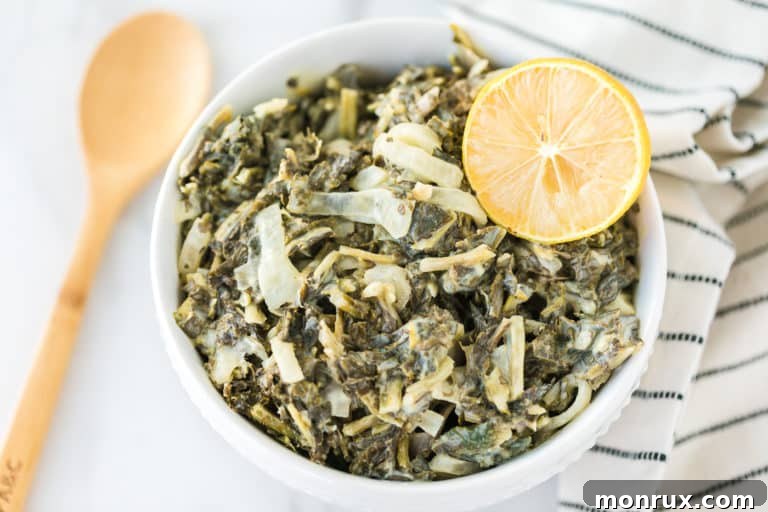
Vegan Creamed Kale Using Coconut Milk
5 Stars
4 Stars
3 Stars
2 Stars
1 Star
5 from 1 review
This Vegan Creamed Kale recipe is a truly satisfying and flavorful side dish that’s brimming with nutrition. Crafted to be dairy-free, paleo, and vegan-friendly, it uses rich canned coconut milk to achieve an incredibly creamy texture. It’s an easy, healthy way to enjoy the goodness of kale!
-
Total Time:
20 minutes -
Yield:
6 1x
Ingredients
Units
Scale
- 2 8–ounce bags frozen chopped kale
- 1 teaspoon cooking oil (e.g., avocado or coconut oil)
- 1/2 medium onion, minced (shallot or sweet white onion)
- 1/4 teaspoon garlic powder
- 1/2 teaspoon sea salt, or to taste
- 1 13.5–ounce can full-fat coconut milk
- 1 tablespoon maple syrup (optional, omit for Whole30, keto, or low-carb diets)
- 1 lemon, zested and juiced
Instructions
- To prepare the frozen chopped kale, open the bags and pour the contents into a fine-mesh colander. Rinse the kale thoroughly under warm running water. Then, transfer the rinsed kale to a nut milk bag or a clean, thin dish towel and squeeze out as much excess water as possible. This step is crucial for a creamy sauce.
- Next, in a large skillet, heat up the cooking oil over medium heat. Add the minced onion and sauté for 3-5 minutes until it softens and becomes translucent, stirring occasionally.
- Add the squeezed kale, garlic powder, sea salt, full-fat coconut milk, and maple syrup (if using) to the skillet. Stir everything together to combine well. Bring the mixture to a gentle simmer and let it cook for about 2-3 minutes, allowing the flavors to meld.
- Remove the skillet from the heat. Stir in the fresh lemon juice and the lemon zest. Taste and adjust seasonings as needed. Serve warm as a delicious and healthy side dish.
Notes
- Store any leftover Vegan Creamed Kale in an airtight container in the refrigerator for up to 4 days. Reheat gently on the stovetop over low heat, adding a splash of water or broth if it becomes too thick.
- If you are following a Whole30, keto, or low-carb diet, simply omit the maple syrup. The recipe is still wonderfully flavorful and compliant without it.
- For an added “cheesy” flavor, stir in 2-3 tablespoons of nutritional yeast at the end of cooking.
- Consider adding a pinch of red pepper flakes for a subtle kick of heat.
-
Author:
Carrie Forrest, MPH in Nutrition -
Prep Time:
5 minutes -
Cook Time:
10 minutes -
Category:
Side Dish -
Method:
Stovetop -
Cuisine:
Healthy -
Diet:
Vegan
Nutrition Information (per serving)
- Serving Size: 1/6 of recipe
- Calories: 172
- Sugar: 2.6 g
- Sodium: 214.6 mg
- Fat: 15.2 g
- Saturated Fat: 12.6 g
- Carbohydrates: 9.3 g
- Fiber: 1.7 g
- Protein: 3.5 g
- Cholesterol: 0 mg
Don’t miss out on exclusive clean eating recipes, tips, and inspiration! Join my newsletter list today. It’s 100% free, packed with valuable content, and we promise no spam – you can unsubscribe anytime.
About the Author: Carrie Forrest, MPH in Nutrition, is a certified holistic nutritionist and a leading wellness and food blogger, attracting over 5 million visitors annually to her insightful site. With an inspiring personal journey of recovery from chronic illness, Carrie is deeply passionate about empowering other women to transform their health through nourishing food and lifestyle choices. Feel free to connect with her directly through her contact form to share your stories or ask questions.