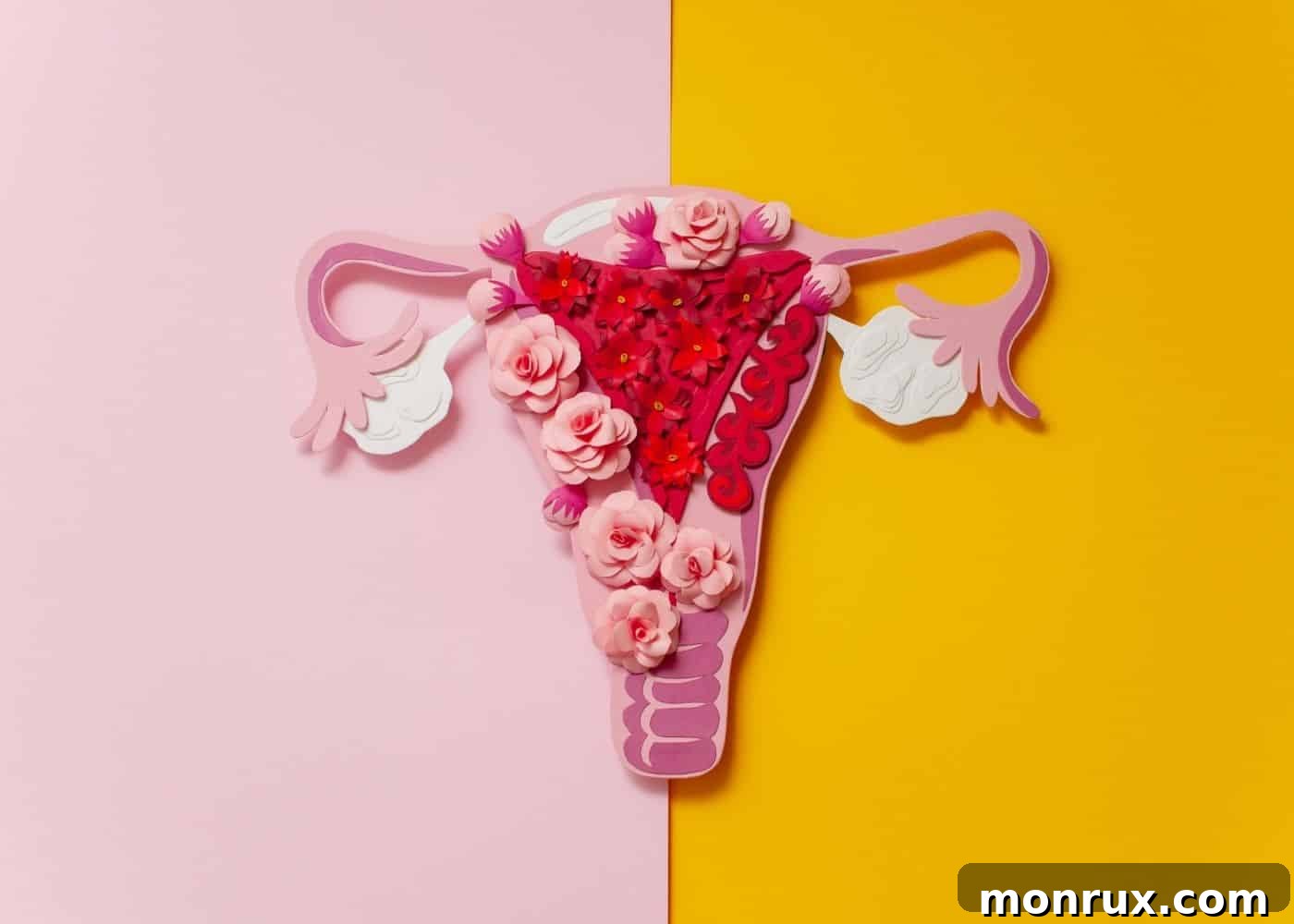
Polycystic Ovary Syndrome (PCOS) and Endometriosis are two of the most prevalent and challenging gynecological conditions affecting millions of women worldwide. Both disorders can significantly impact reproductive health, overall well-being, and quality of life, often presenting with overlapping symptoms that make diagnosis difficult. This comprehensive article aims to delve into the intricacies of PCOS and Endometriosis, providing a clear comparison and contrast between these conditions. We will explore their distinct characteristics, shared symptoms, potential co-occurrence, and a range of medical and lifestyle management strategies to empower women seeking answers and effective relief.
Table of Contents
PCOS: Understanding the Hormonal Imbalance
Polycystic Ovary Syndrome (PCOS) is a complex and common hormonal disorder that affects women of reproductive age. It is characterized by an imbalance of reproductive hormones, leading to a range of symptoms and potential long-term health complications. A defining feature of PCOS is often higher levels of androgens, commonly known as male sex hormones, which are typically present in women only in small quantities.
This elevation in androgen levels disrupts the normal functioning of the ovaries. During a healthy menstrual cycle, an egg develops and is released during ovulation. In women with PCOS, this process is often impaired; the egg may not mature properly or may not be released, leading to irregular or absent menstrual periods. Over time, these undeveloped follicles can appear as small cysts on the ovaries, hence the term “polycystic.” However, it’s crucial to note that not all women with PCOS will exhibit ovarian cysts on an ultrasound, and conversely, having ovarian cysts doesn’t automatically mean a PCOS diagnosis.
Beyond reproductive challenges, many women with PCOS experience insulin resistance. This means their bodies produce insulin but don’t use it effectively to process blood sugar, which can significantly increase their risk of developing type 2 diabetes. This metabolic aspect is a critical component of PCOS management.
PCOS is a widespread condition, impacting approximately 5 to 10 percent of women in the United States, translating to roughly 5 million individuals. Globally, its prevalence ranges from 4 to 20 percent among women of reproductive age, making it one of the primary causes of female infertility. Early diagnosis and management are vital to mitigate its effects on health and fertility.
The multifaceted symptoms of PCOS can vary greatly among individuals but commonly include:
- Menstrual Irregularities: Missed, infrequent, or prolonged menstrual periods.
- Androgen Excess: Manifesting as hirsutism (excessive hair growth on the face, chin, chest, or back), severe acne, or male-pattern baldness (thinning hair on the scalp).
- Weight Management Issues: Often characterized by weight gain or difficulty losing weight, particularly around the abdomen.
- Skin Changes: Skin tags, and darkening of the skin (acanthosis nigricans) in areas like the neck creases, groin, and under the breasts.
- Fertility Challenges: Difficulty conceiving due to irregular ovulation.
Endometriosis: Exploring Ectopic Tissue Growth
Endometriosis is a chronic and often debilitating condition where tissue similar to the lining inside the uterus (the endometrium) grows outside the uterus. These endometrial-like implants are most commonly found on the ovaries, fallopian tubes, and the outer surface of the uterus, as well as on the tissues lining the pelvis. In rarer cases, endometrial tissue can be found in distant locations like the bowel, bladder, or even the lungs.
The significant challenge with endometriosis is that these misplaced tissues behave just like normal endometrial tissue: they thicken, break down, and bleed in response to hormonal changes during the menstrual cycle. However, unlike menstrual blood from the uterus, which exits the body, the blood and tissue from these external implants have no way to escape. This trapped blood leads to inflammation, irritation of surrounding tissues, intense pain, and the formation of scar tissue and adhesions (fibrous bands that can bind organs together). When endometriosis affects the ovaries, it can result in the formation of cysts filled with old blood, known as endometriomas or “chocolate cysts.”
Affecting approximately 6.5 million women in the United States and an estimated 190 million women globally, endometriosis can severely impact a woman’s physical, emotional, and social life. Its chronic nature and painful symptoms often lead to reduced quality of life, challenges with daily activities, and significant fertility problems.
The symptoms of endometriosis are varied and can range from mild to severe, though the intensity of pain doesn’t always correlate with the extent of the disease. Common endometriosis symptoms include:
- Severe Menstrual Pain (Dysmenorrhea): Often described as debilitating cramping and lower back or abdominal pain that may begin days before a period and extend throughout.
- Heavy or Prolonged Periods (Menorrhagia): Excessive menstrual bleeding.
- Pain During or After Intercourse (Dyspareunia): Deep pelvic pain that can persist.
- Pain with Bowel Movements or Urination: Particularly exacerbated during menstruation.
- Digestive Issues: Bloating, diarrhea, constipation, or nausea, especially during menstrual periods.
- Chronic Pelvic Pain: Persistent pain in the pelvic region that is not limited to menstruation.
- Fatigue: Chronic tiredness, often due to pain and inflammation.
- Infertility: Difficulty getting pregnant, sometimes being the first or only symptom.
Shared Challenges: PCOS and Endometriosis Similarities
While PCOS and Endometriosis are distinct conditions with different underlying causes, they share several significant overlaps, primarily in their symptomatic presentation and the profound impact they have on women’s health. Understanding these similarities is crucial, especially given the diagnostic complexities of both disorders.
One of the most striking commonalities lies in their effect on the menstrual cycle. Both conditions can lead to irregular, heavy, or painful periods. While irregular periods are a hallmark of PCOS due to anovulation (lack of ovulation), endometriosis often causes severe dysmenorrhea and heavy bleeding due to the inflammatory response of ectopic tissue. Both can cause cramping and discomfort that disrupts daily life.
Perhaps the most significant shared challenge is the impact on fertility. Both PCOS and Endometriosis are leading causes of female infertility. In PCOS, irregular or absent ovulation makes conception difficult. With endometriosis, inflammation, adhesions, and structural damage to reproductive organs can impede egg fertilization and implantation. Medical professionals frequently investigate both conditions when a woman presents with infertility issues.
Epidemiologically, both disorders affect a substantial portion of women of childbearing age, with prevalence rates generally falling within similar ranges (roughly 5-10% for PCOS and slightly higher for endometriosis). This widespread impact underscores their importance in women’s health discussions.
Another challenging similarity is the difficulty in obtaining a definitive diagnosis. PCOS is often diagnosed based on a combination of symptoms and blood tests, with no single definitive test. Endometriosis, particularly, is notoriously difficult to diagnose, often requiring laparoscopic surgery for confirmation, leading to significant delays in treatment for many women. This diagnostic odyssey can be emotionally taxing and prolong suffering.
Despite their challenging nature, a positive similarity is that both conditions are manageable. While there are currently no cures, a variety of medical interventions, lifestyle modifications, and holistic approaches can effectively alleviate symptoms, improve quality of life, and in many cases, improve fertility outcomes. This gives hope to those living with either condition.
Distinct Paths: Key Differences Between PCOS and Endometriosis
Despite their shared symptomatic features and impact on female reproductive health, PCOS and Endometriosis are fundamentally different conditions in terms of their etiology, pathophysiology, and some unique clinical presentations. Recognizing these differences is essential for accurate diagnosis and targeted treatment.
The primary distinction lies in their root cause. PCOS is fundamentally an **endocrine (hormonal) disorder**. It stems from an imbalance in reproductive hormones, particularly an excess of androgens, which disrupts ovarian function, leading to ovulation issues and metabolic irregularities. In essence, it’s a systemic hormonal problem with ovarian manifestations.
In contrast, Endometriosis is primarily a **tissue growth disorder**. It involves the aberrant growth of endometrial-like tissue outside the uterus. The core issue is the physical presence and inflammatory response of this misplaced tissue, rather than a systemic hormonal imbalance as the primary driver (though hormones do influence its growth). It’s a localized tissue problem with widespread symptomatic effects.
While both can cause painful periods, severe, chronic pelvic pain is far more characteristic and intense in endometriosis due to the inflammation, scar tissue, and adhesions caused by ectopic tissue. Irregular or absent periods, on the other hand, are a more consistent and defining symptom of PCOS, reflecting its anovulatory nature. Women with PCOS often experience infrequent periods or amenorrhea, while those with endometriosis typically have regular but extremely painful periods, along with heavy bleeding.
Certain symptoms are largely unique to one condition. For instance, signs of androgen excess, such as hirsutism (excessive facial or body hair), severe acne, and male-pattern baldness, are exclusive to PCOS. These symptoms are direct indicators of the underlying hormonal imbalance that defines PCOS. Similarly, deeply infiltrative endometriosis can cause very specific pain related to organ involvement, such as severe bowel or bladder pain during menstruation, or painful deep intercourse, which are less typical for PCOS.
Metabolic issues like insulin resistance and an increased risk of type 2 diabetes are strongly associated with PCOS, but generally not with endometriosis. This highlights the systemic metabolic component of PCOS that is absent in endometriosis.
Diagnosis also differs significantly. While PCOS can be diagnosed based on clinical symptoms, blood tests for hormone levels, and ultrasound, a definitive diagnosis of endometriosis often requires a laparoscopy – a surgical procedure to visually identify and sometimes biopsy the endometrial implants. This distinction underscores the anatomical nature of endometriosis versus the physiological imbalance of PCOS.
For more insights into managing PCOS symptoms, you might find my related article on the Best Teas for PCOS Symptoms helpful.
Can You Have Both PCOS and Endometriosis?
Given the distinct nature of PCOS and Endometriosis, it might seem unusual for a woman to be diagnosed with both conditions simultaneously. However, while not extremely common, it is indeed possible for a woman to have both PCOS and Endometriosis. The co-occurrence of these two prevalent gynecological disorders presents unique diagnostic and management challenges, often leading to a more complex clinical picture for affected individuals.
Emerging research has begun to explore the potential links between these conditions. A study published in 2014 highlighted a significant association between endometriosis and women who also had PCOS, particularly those experiencing pelvic pain and/or fertility problems. This suggests that shared pathways or interacting factors might predispose some women to develop both.
Another separate study from 2011 proposed a possible mechanistic link: an increase in estradiol in women with PCOS. Estradiol, a potent form of estrogen primarily produced by the ovaries, plays a crucial role in the development and proliferation of endometrial tissue. Elevated levels of estradiol, which can occur in PCOS, may contribute to the increased risk or severity of endometriosis. This theory suggests a hormonal bridge between the two seemingly distinct conditions.
When a woman experiences both PCOS and Endometriosis, her symptoms can be more severe and complex. She might face a combination of irregular periods and chronic pelvic pain, alongside fertility challenges exacerbated by both conditions. This co-occurrence underscores the importance of a thorough and comprehensive diagnostic approach by healthcare providers, considering all possible contributing factors to a woman’s symptoms, rather than focusing solely on one diagnosis.
Managing both conditions simultaneously requires a highly individualized and often multi-disciplinary approach. Treatment plans must address both the hormonal imbalances characteristic of PCOS and the pain and tissue growth associated with Endometriosis, often involving a combination of medical therapies, surgical interventions, and significant lifestyle modifications. Understanding this potential overlap is crucial for both patients and clinicians in navigating the complexities of women’s reproductive health.
Holistic and Medical Treatment Strategies
Managing PCOS and Endometriosis requires a highly personalized approach, as each woman’s body, symptoms, and life goals are unique. Treatment strategies often involve a combination of medical interventions prescribed by healthcare professionals and complementary lifestyle modifications aimed at alleviating symptoms and improving overall well-being. Let’s explore some of the common medical and holistic options for both conditions.
Endometriosis Medical Interventions
Medical management for endometriosis typically begins conservatively, with surgical options considered if initial treatments prove insufficient or if fertility is a primary concern. The choice of treatment is heavily influenced by the severity of symptoms and whether the woman plans to become pregnant.
- Pain Management: Over-the-counter nonsteroidal anti-inflammatory drugs (NSAIDs) are often the first line of defense to help manage menstrual cramping and pelvic pain. For more severe pain, prescription medications may be necessary.
- Hormone Therapy: If pregnancy is not desired, hormone therapy can be very effective in reducing pain by slowing the growth of endometrial tissue. Options include oral contraceptives (birth control pills), progestin therapy (pills, injections, or IUDs), GnRH (gonadotropin-releasing hormone) agonists and antagonists, and aromatase inhibitors. These treatments aim to suppress the menstrual cycle and reduce estrogen production, thereby inhibiting the growth of endometrial implants. While effective, symptoms may recur after stopping treatment.
- Conservative Surgery: For women hoping to conceive or those whose pain is not controlled by medication, laparoscopic surgery is often recommended. This minimally invasive procedure allows surgeons to remove endometrial implants, scar tissue, and adhesions while preserving the reproductive organs. This can significantly reduce pain and improve fertility outcomes.
- Hysterectomy and Oophorectomy: In cases of severe, debilitating endometriosis where other treatments have failed and childbearing is not desired, a hysterectomy (removal of the uterus) and oophorectomy (removal of the ovaries) may be considered. This is generally a last resort, as it induces menopause.
Endometriosis Lifestyle and Holistic Options
While definitive evidence-based dietary guidelines for endometriosis are still evolving, a growing body of research suggests that certain dietary and lifestyle choices can play a supportive role in managing symptoms and reducing inflammation. A 2020 paper indicated the potential benefits of certain foods and the importance of avoiding others.
- Anti-Inflammatory Diet: Focus on whole, unprocessed foods. A 2010 study linked high consumption of trans fats (found in many baked goods, fried foods, and processed snacks) with an increased risk of endometriosis. Conversely, women who consumed more omega-3 fatty acids (abundant in oily fish like salmon, flaxseeds, chia seeds, and walnuts) showed a lower likelihood of diagnosis.
- Eat the Rainbow: Incorporate a wide variety of fresh fruits and vegetables, especially those rich in antioxidants, to combat oxidative stress and inflammation.
- Fiber-Rich Foods: Whole grains, legumes, fruits, and vegetables contribute fiber, which can aid the body in excreting excess estrogen, a hormone known to worsen endometriosis symptoms. Learn more about how to reduce estrogen dominance.
- Avoid Inflammatory Triggers: Many women find relief by reducing or eliminating foods believed to increase inflammation, such as dairy products, refined sugars, and highly processed foods. Explore reasons to go dairy-free and tips for a sugar detox.
- Limit Alcohol and Caffeine: Alcohol can raise estrogen levels, potentially exacerbating symptoms.
- Stress Management: High stress levels can amplify pain perception. Techniques like deep breathing exercises, meditation, yoga, or massage therapy can promote relaxation and reduce discomfort.
- Regular Exercise: When appropriate and approved by a doctor, aerobic exercise can boost endorphins, which act as natural pain relievers. It may also help lower estrogen levels, contributing to lighter periods. Always consult with your healthcare provider to determine safe and effective exercise routines.
- Heat Therapy: A heating pad or hot water bottle applied to the abdomen, or a warm bath, can offer soothing relief for cramping and pelvic pain.
PCOS Medical Interventions
Conventional treatments for PCOS are highly individualized, targeting specific symptoms and long-term health risks.
- Regulating Menstrual Cycles: Oral contraceptive pills (OCPs) containing estrogen and progestin are often prescribed to regulate periods, reduce androgen levels, and protect the uterine lining from unchecked growth. Progestin therapy (e.g., medroxyprogesterone acetate) can also induce periods in women with infrequent cycles.
- Fertility Medications: For women trying to conceive, medications like clomiphene citrate or letrozole are used to stimulate ovulation. In some cases, gonadotropins or in-vitro fertilization (IVF) may be considered.
- Insulin Sensitizers: Metformin, a medication typically used for type 2 diabetes, is sometimes prescribed for PCOS to improve insulin sensitivity, reduce androgen levels, aid in weight management, and promote more regular ovulation. It can also help prevent the progression from prediabetes to type 2 diabetes.
- Androgen-Reducing Medications: Spironolactone, an anti-androgen medication, can help reduce symptoms like hirsutism and acne by blocking the effects of androgens. Topical creams for hair growth may also be used. Electrolysis or laser hair removal are also effective for unwanted hair.
PCOS Lifestyle and Holistic Options
Lifestyle modifications are cornerstone treatments for PCOS, often proving highly effective in managing symptoms and improving metabolic health.
- Weight Management: Even a modest weight loss of 5-10% of body weight can significantly improve PCOS symptoms by reducing insulin and androgen levels, potentially restoring ovulation. This makes any medical treatments more effective.
- Dietary Changes: A balanced diet focused on whole, unprocessed foods, lean proteins, healthy fats, and complex carbohydrates (low glycemic index foods) can help regulate blood sugar and insulin levels. Since PCOS is associated with low-grade chronic inflammation, an anti-inflammatory diet is beneficial. This includes plenty of fresh fruits, vegetables, whole grains, and oily fish like sardines and mackerel. Limiting processed foods, refined sugars, and, for some, dairy products, can be helpful. Always consult your healthcare provider or a registered dietitian for personalized dietary advice. Read more about the best diet for PCOS.
- Regular Exercise: Moderate, consistent physical activity helps improve insulin sensitivity, aids in weight management, and can reduce stress. A combination of cardiovascular exercise and strength training is often recommended.
- Nutritional Supplements: Some women find certain supplements helpful in managing PCOS symptoms. These may include inositol (particularly myo-inositol), which can improve insulin sensitivity and ovarian function; omega-3 fatty acids for inflammation; and vitamin D, often deficient in women with PCOS. Turmeric and cod liver oil are also frequently cited for their anti-inflammatory properties. Discover the best PCOS supplements.
- Probiotic Intake: Research, such as a 2016 study, suggests that probiotics can be beneficial in treating PCOS by influencing gut microbiome health, which in turn may help regulate sex hormones and reduce inflammation. Incorporate fermented foods or consider a probiotic supplement. Explore foods with natural probiotics.
- Adequate Sleep: Prioritizing sufficient, quality sleep is crucial for hormonal balance. Women with PCOS often struggle with sleep disturbances, but consistent exercise, a healthy diet, and a calming bedtime routine can significantly improve sleep patterns.
- Acupuncture: This traditional Chinese medicine practice has shown promise as a complementary therapy. Research indicates it can be a safe and effective treatment for some PCOS symptoms, particularly in regulating menstrual cycles and improving ovulation.
Further Reading and Women’s Health Resources
To further empower your journey in understanding and managing your health, explore these related articles and resources:
- 7 Ways to Reverse Estrogen Dominance Naturally
- Best Supplements to Reduce Estrogen Dominance
- 9 Perimenopause Bloating Remedies
For a comprehensive overview, browse my entire index of women’s health articles.
Don’t Miss These Women’s Health Resources
Final Thoughts on Managing PCOS and Endometriosis
Living with conditions like Polycystic Ovary Syndrome and Endometriosis can undoubtedly present significant challenges, impacting not only physical health but also emotional well-being and daily life. However, it is crucial to approach these diagnoses with optimism and proactive engagement. The landscape of women’s health is continuously evolving, with ongoing advancements in medical understanding, diagnostic tools, and treatment options for both PCOS and Endometriosis.
From targeted medical interventions to transformative lifestyle adjustments, there are numerous effective strategies available today to help manage symptoms, reduce discomfort, and improve quality of life. Empowering yourself with knowledge, actively participating in your healthcare decisions, and seeking support from healthcare providers and patient communities are vital steps in navigating these conditions. As clinical research progresses, we can anticipate even more precise and effective treatments emerging, bringing further hope and relief to millions of women worldwide.
Don’t forget to join my newsletter list to get exclusive clean eating recipes and tips. The newsletter is 100% free with no spam; unsubscribe anytime.
About the Author: Carrie Forrest has a master’s degree in public health with a specialty in nutrition and is a certified holistic nutritionist. She is a top wellness and food blogger with over 5 million annual visitors to her site. Carrie has an incredible story of recovery from chronic illness and is passionate about helping other women transform their health. Send her a message through her contact form.
Note: this post is for informational purposes only and is not intended as medical advice. Please consult your healthcare provider for recommendations related to your individual situation.