The Golden Glow: Exploring the World of Yellow Fruits and Their Health Benefits
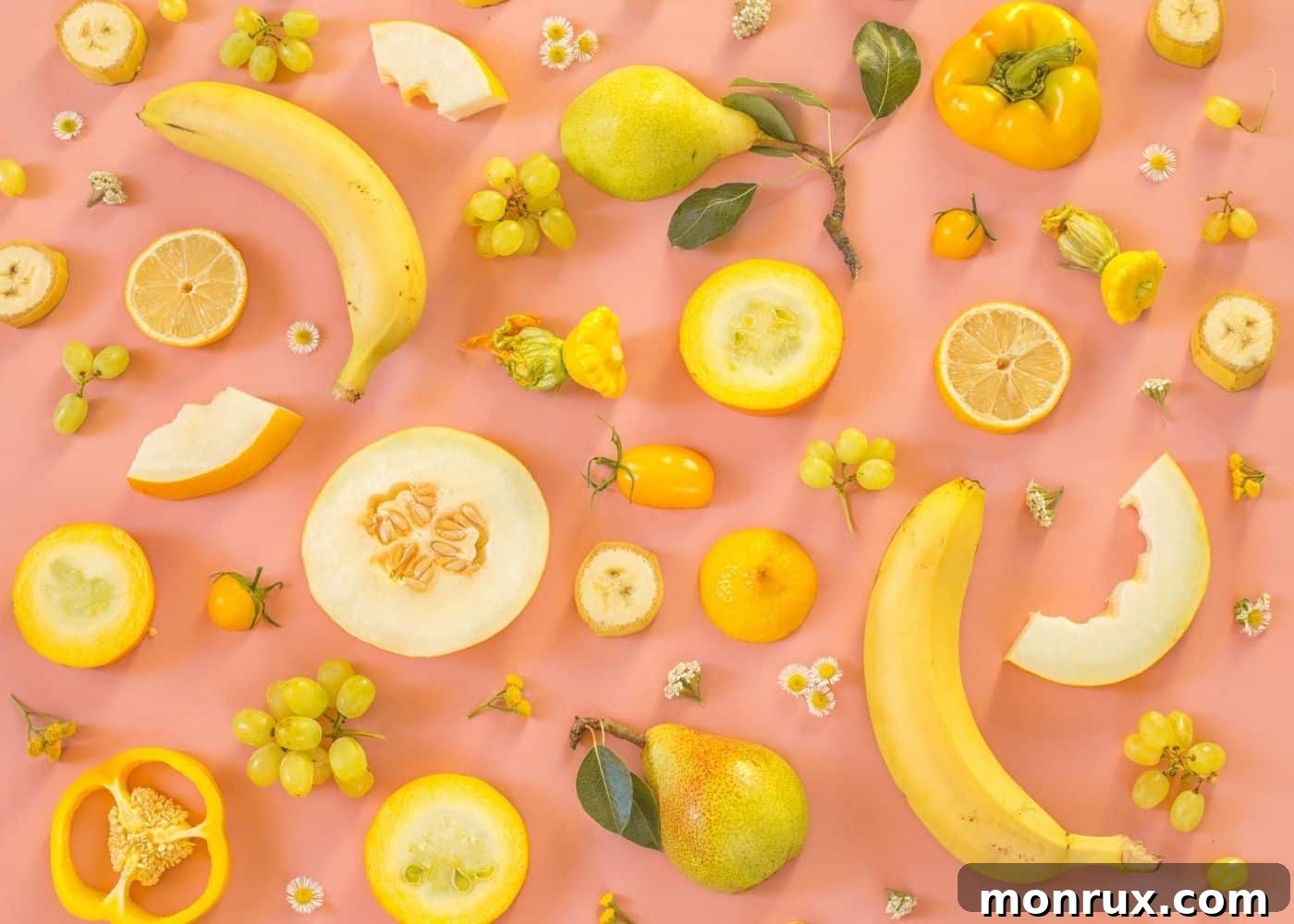
In the vibrant tapestry of nature’s bounty, fruits stand out with an incredible array of colors, each hinting at unique flavors and nutritional treasures within. Among the most cheerful and appealing are yellow fruits, radiating warmth and often brimming with essential vitamins and antioxidants. From the familiar sweetness of a ripe banana to the exotic tang of a starfruit, these golden gems are not only a feast for the eyes but also powerful allies for your health.
Today, we embark on a delightful journey to uncover the diverse world of yellow fruits. We’ll delve into their origins, distinctive characteristics, and, most importantly, the remarkable nutritional benefits they offer. Get ready to awaken your taste buds and discover why incorporating more of these sunny delights into your diet can lead to a healthier, more vibrant you. Let’s explore the incredible spectrum of yellow fruits, each promising a unique blend of flavor and wellness.
Yellow Fruits: A Nutritional Overview
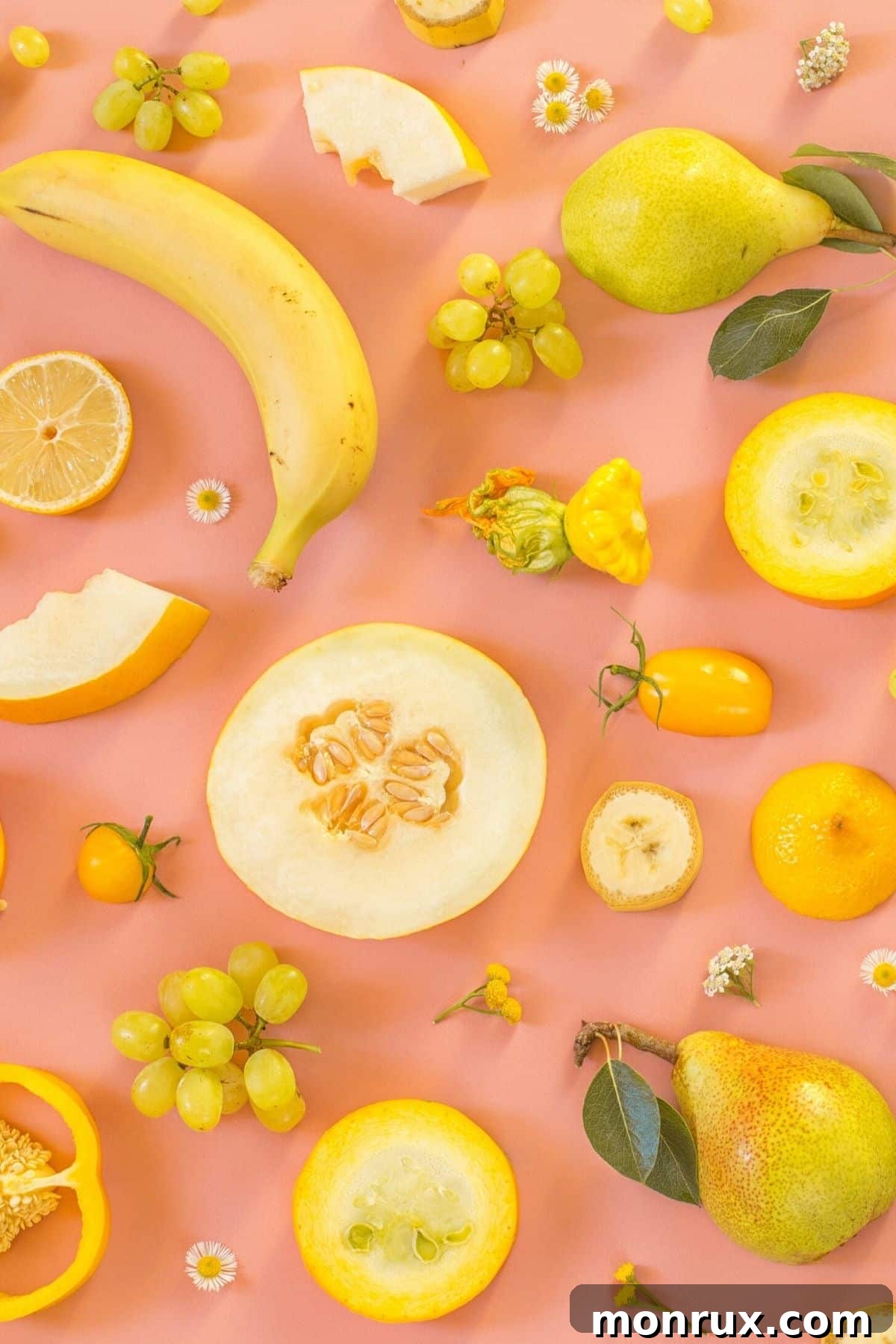
The vibrant yellow hue in fruits often signifies the presence of powerful antioxidants and essential nutrients. This brilliant color is largely attributed to carotenoids, such as beta-carotene, which the body converts into Vitamin A. Vitamin A is crucial for maintaining healthy vision, supporting immune function, and promoting skin health. Additionally, many yellow fruits are rich in Vitamin C, a renowned immune booster, collagen producer, and protector against free radicals.
Beyond these key vitamins, yellow fruits frequently offer a good supply of dietary fiber, important for digestive health and maintaining stable blood sugar levels. Minerals like potassium, vital for heart health and fluid balance, are also commonly found. Incorporating a variety of yellow fruits into your diet is a delicious way to ensure you’re getting a broad spectrum of beneficial compounds, contributing to overall well-being and a radiant glow from within. Eating the rainbow isn’t just a catchy phrase; it’s a smart strategy for balanced nutrition, and yellow fruits play a crucial role in this colorful approach.
Our Extensive List of Yellow Fruits
Adding fruits with bright yellow skin to your diet is an excellent way to boost your nutrient intake and enjoy a delightful range of flavors. While some of these might be readily available at your local grocery store, others might require a visit to a specialty market or farmers’ market to uncover their unique appeal.
1. Apricots
Native to Central Asia but widely cultivated across Europe and other temperate regions, apricots are small, fuzzy fruits with a tender, sweet-tart flavor. Their golden-orange skin and succulent flesh make them a summertime favorite. Best enjoyed when soft and fully ripe, apricots are incredibly versatile, perfect for eating fresh, drying, or incorporating into jams, tarts, and savory dishes. They are an excellent source of dietary fiber, promoting healthy digestion, and are packed with Vitamin A (from beta-carotene), which is vital for vision and immune health. Apricots also provide potassium, supporting blood pressure regulation, and a good amount of Vitamin C. These little powerhouses truly offer a concentrated dose of nutrition and delightful taste.
2. Bahri Dates
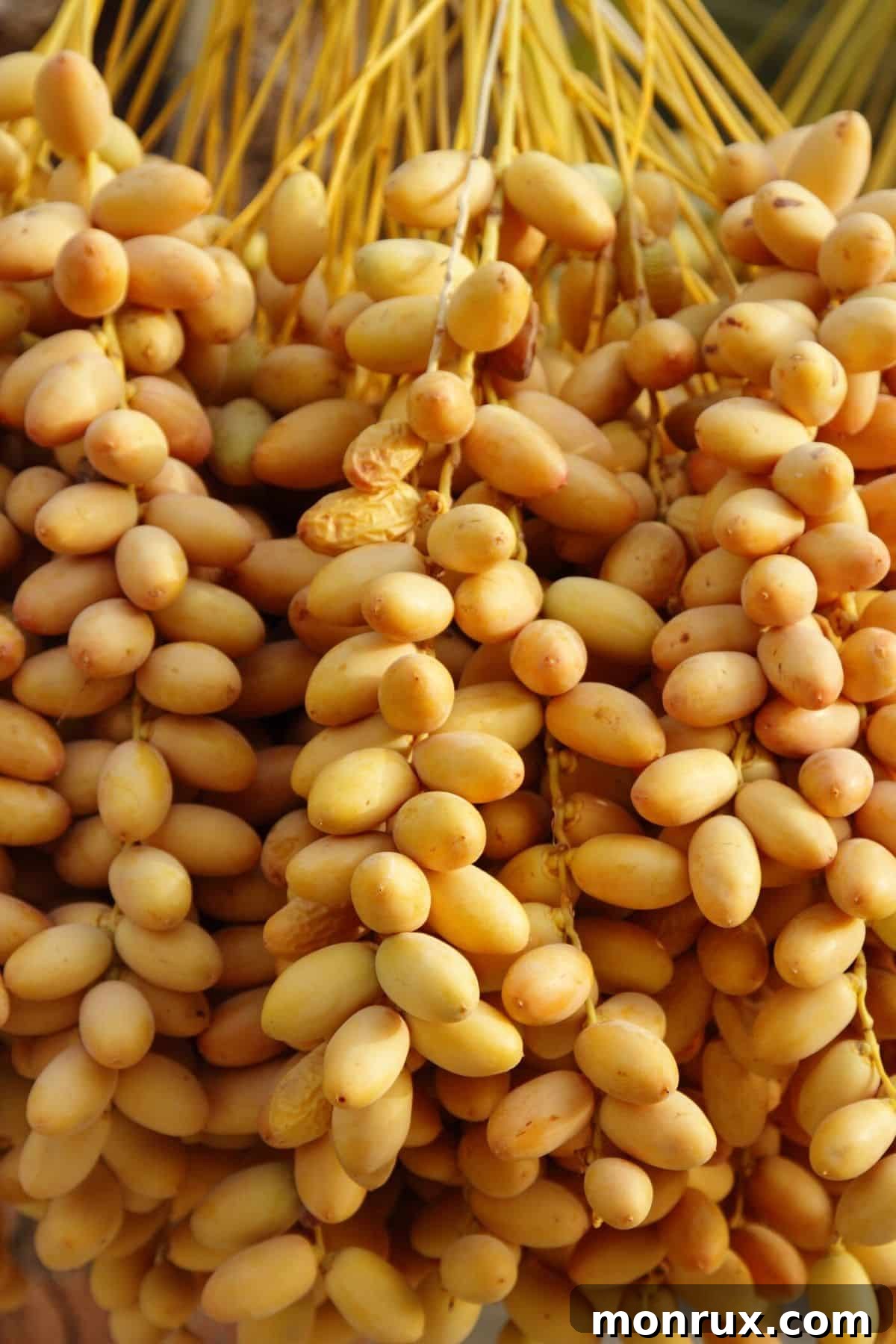
Bahri dates, often referred to as ‘yellow dates,’ are a unique variety originating from Saudi Arabia. Unlike the more common dried dates, Bahri dates are typically enjoyed fresh, offering a distinct crisp texture and a wonderfully sweet, almost caramel-like flavor. As they ripen further, they become softer and even sweeter. These round, golden-yellow fruits are not only a delicious snack but also a good source of energy, natural sugars, dietary fiber, and potassium. Their natural sweetness makes them a fantastic alternative to refined sugar in various recipes, from smoothies and shakes to puddings and baked goods. They’re a delightful treat to seek out, especially during their short fresh season.
3. Bananas
Perhaps the most globally recognized yellow fruit, bananas originate from Southeast Asia and are now cultivated in tropical regions worldwide. Renowned for their creamy texture and naturally sweet flavor, bananas are a staple in many diets. They are an outstanding source of potassium, crucial for muscle function and nerve health, and provide a good amount of Vitamin C, Vitamin B6, and dietary fiber. Their easily digestible carbohydrates make them an excellent energy source for athletes and a convenient on-the-go snack. Bananas are incredibly versatile, used in smoothies, desserts, baking, and even savory dishes. Whether green, yellow, or spotty brown, each stage of ripeness offers a slightly different taste and nutritional profile, making them a truly dynamic fruit.
4. Canary Melon
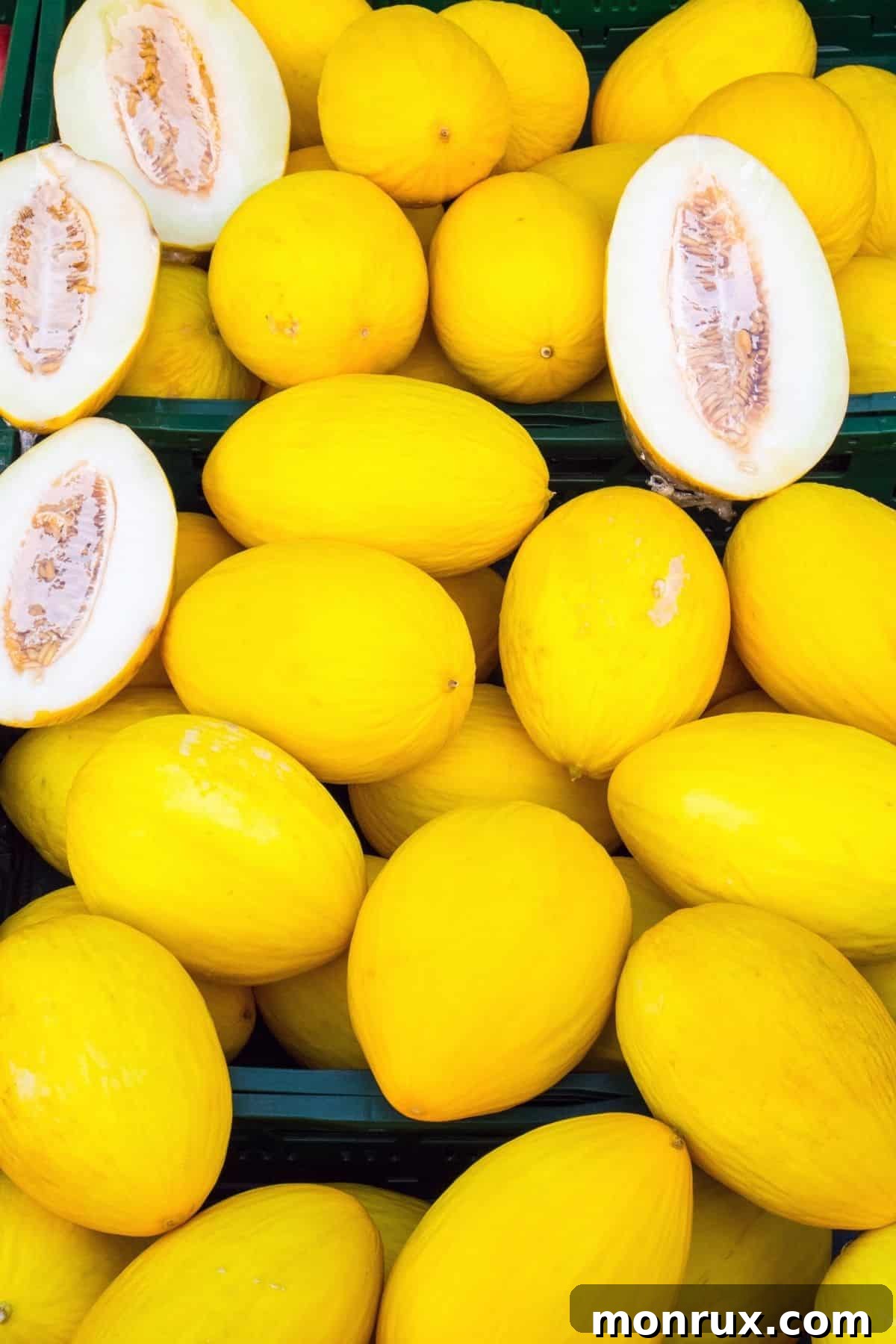
The Canary melon is a strikingly bright yellow melon, similar in shape to a small football. Its smooth, waxy skin gives way to a pale green or white flesh that is remarkably sweet, juicy, and subtly tangy, often described as a cross between a honeydew and cantaloupe. This refreshing fruit is a fantastic source of Vitamin C, supporting immune health, and provides a good amount of dietary fiber, aiding digestion. It’s also hydrating due to its high water content, making it a perfect choice for warm weather. Best enjoyed chilled and sliced, Canary melons are a delightful addition to fruit salads, smoothies, or simply as a standalone refreshing snack. Look for them in late summer at farmers’ markets for the freshest taste.
5. Eggfruit
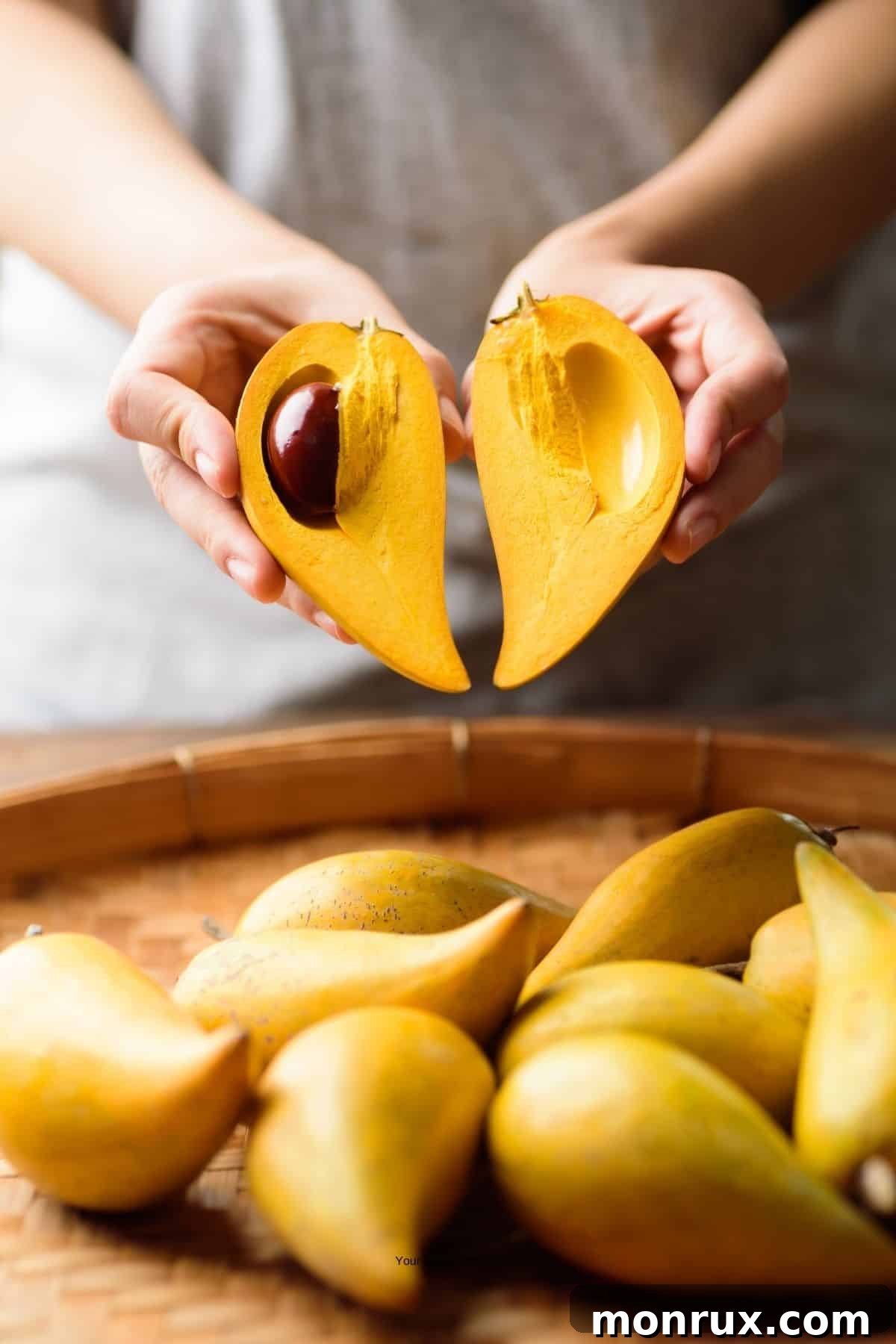
Also known as Canistel, eggfruit is a tropical fruit native to Southern Mexico and Central America. Its name derives from its cooked egg yolk-like texture and rich, sweet flavor, often compared to a sweet potato, pumpkin, or flan. The fruit is typically round or oval with bright yellow-orange skin and a vibrant yellow flesh. When ripe, it’s soft and creamy, making it excellent for smoothies, custards, or simply eaten with a spoon. Eggfruit is a good source of beta-carotene (Vitamin A), Vitamin C, and niacin (Vitamin B3). While not commonly found in regular supermarkets, it’s a fascinating fruit for those looking to explore unique tropical flavors and textures. Have you ever had the chance to try one?
6. Golden Kiwi
A delightful cousin to the more common green kiwi, the golden kiwi boasts a smooth, fuzz-free bronze skin and bright, golden-yellow flesh. Originating from New Zealand, this variety is typically sweeter and less tart than its green counterpart, with hints of tropical fruit flavors like mango and pineapple. Golden kiwis are exceptionally rich in Vitamin C, often containing even more than oranges, making them a powerful immune booster. They also provide dietary fiber, Vitamin E, and potassium. Their smooth texture and sweet taste make them a perfect snack, an addition to fruit salads, or a beautiful garnish. If you’re sensitive to the tartness of green kiwis, the golden kiwi offers a wonderfully mild and sweet alternative that’s truly a treat.
7. Golden Raspberries
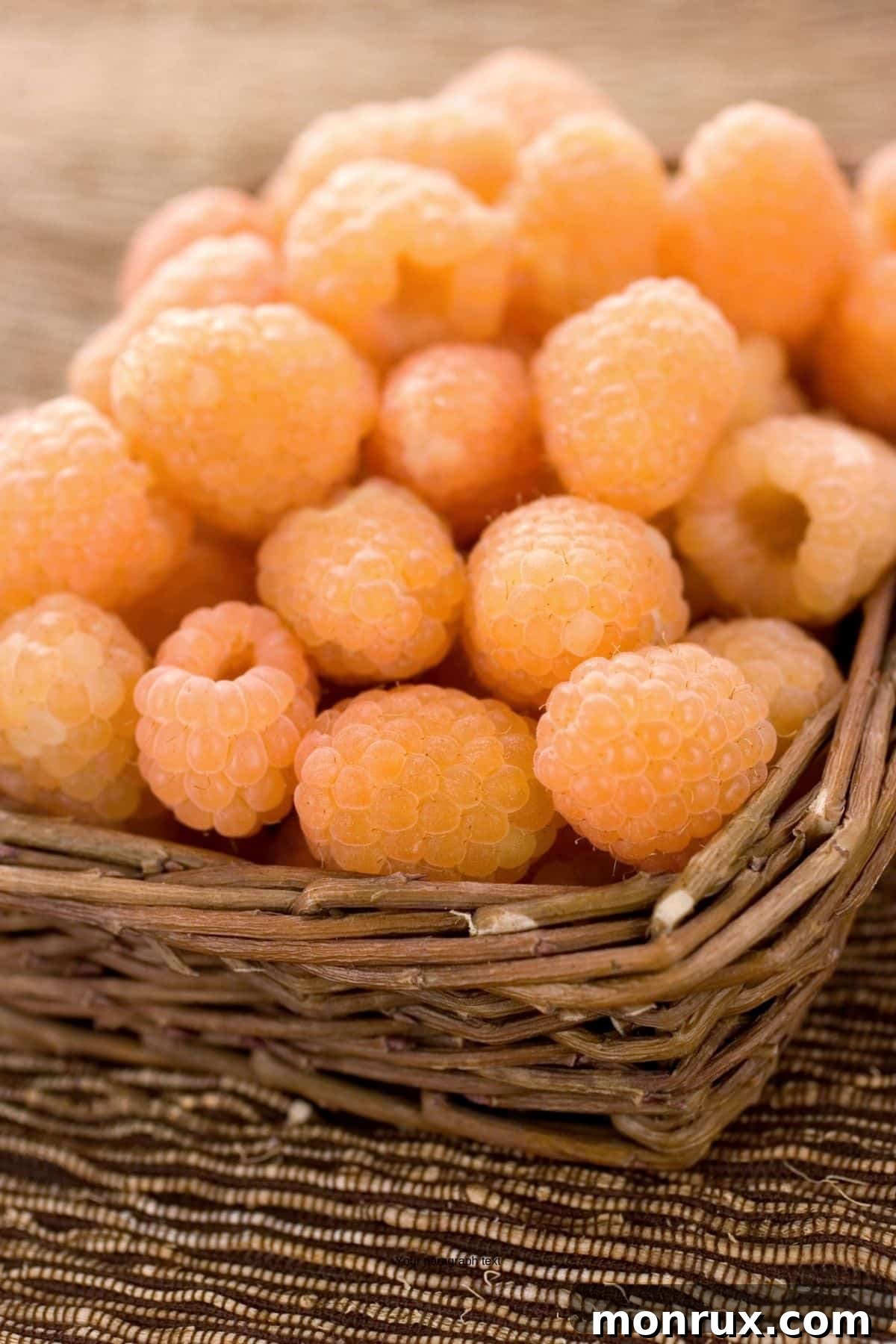
Golden raspberries are a unique and often overlooked variety of raspberry, characterized by their beautiful pale yellow to orange hue. These berries tend to be sweeter and less tart than red raspberries, with a delicate, nuanced flavor profile. They are a fantastic source of Vitamin C, antioxidants, and dietary fiber, contributing to immune health, fighting oxidative stress, and supporting digestion. Golden raspberries are wonderful for fresh eating, adding a pop of color and sweetness to cereals, yogurts, or salads. They also make exquisite jams, sauces, and desserts, offering a refined taste compared to their red cousins. Look for them at specialty grocers or farmers’ markets during their peak season for a delightful berry experience.
8. Grapefruit
While many grapefruits feature pink or red flesh, the classic yellow grapefruit is a prominent member of the citrus family. With its thick, yellow rind and juicy, segmented flesh, yellow grapefruit offers a distinct balance of sweet and tart flavors, often with a pleasant bitterness. Originating from Barbados, grapefruits are a powerhouse of Vitamin C, providing a significant boost to the immune system. They also contain antioxidants like lycopene (in red varieties) and naringenin, known for their potential health benefits. Grapefruit is a popular breakfast item, enjoyed fresh, juiced, or added to salads for a refreshing zing. Be mindful that grapefruit can interact with certain medications, so always consult a healthcare professional if you have concerns.
9. Lemon
The iconic yellow lemon, a member of the citrus family, is celebrated worldwide for its intensely sour flavor and refreshing aroma. Native to Asia, lemons are primarily cultivated for their juice, which is an exceptional source of Vitamin C, and their zest, rich in aromatic oils. Beyond its immune-boosting properties, Vitamin C in lemons aids in iron absorption and collagen production. Lemons are incredibly versatile in the kitchen, used to brighten the flavors of both sweet and savory dishes, from dressings and marinades to desserts and beverages. Lemon water is a popular detoxifying drink, and lemon zest adds a burst of fresh flavor to baked goods. Its powerful acidity and fragrant zest make it an indispensable ingredient in global cuisine and a fantastic natural cleanser.
10. Loquat
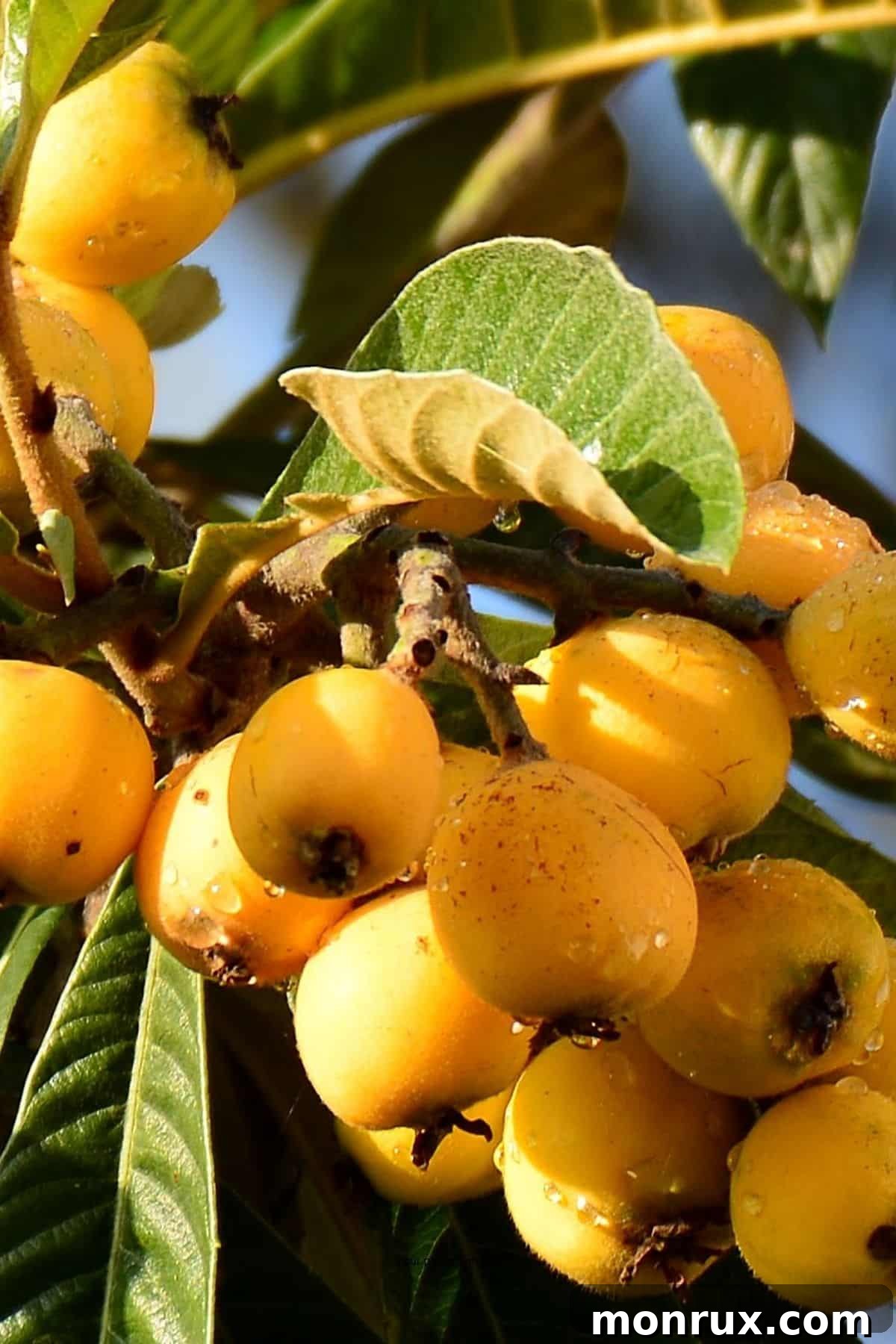
The loquat is a charming small, round or pear-shaped fruit native to China, though now also grown in many subtropical regions around the world. Its fuzzy, golden-yellow skin encases juicy, sweet-tart flesh, often compared to a plum or apricot, with a large central seed. Loquats are a good source of Vitamin A (from carotenoids), dietary fiber, and potassium. They are often enjoyed fresh, straight from the tree, or incorporated into jams, jellies, and desserts. Their peak season is typically late winter to early summer, offering a fresh, unique flavor when many other fruits are not in season. If you come across these delightful fruits, don’t hesitate to give them a try for their refreshing taste and nutritional goodness.
11. Mangoes
Referred to as the “King of Fruits” in many cultures, mangoes are tropical stone fruits native to India, renowned for their incredible sweetness, juicy texture, and aromatic fragrance. While mango varieties come in a spectrum of colors, many popular types boast a beautiful golden-yellow skin when ripe, often with hints of red or green. The vibrant yellow-orange flesh is a fantastic source of Vitamin C, Vitamin A (beta-carotene), and dietary fiber. Mangoes also contain beneficial antioxidants and enzymes that aid digestion. They are incredibly versatile, enjoyed fresh, in smoothies, salsas, chutneys, desserts, and savory dishes alike. Their unique tropical flavor makes them a beloved fruit worldwide, symbolizing summer and abundance.
12. Papayas
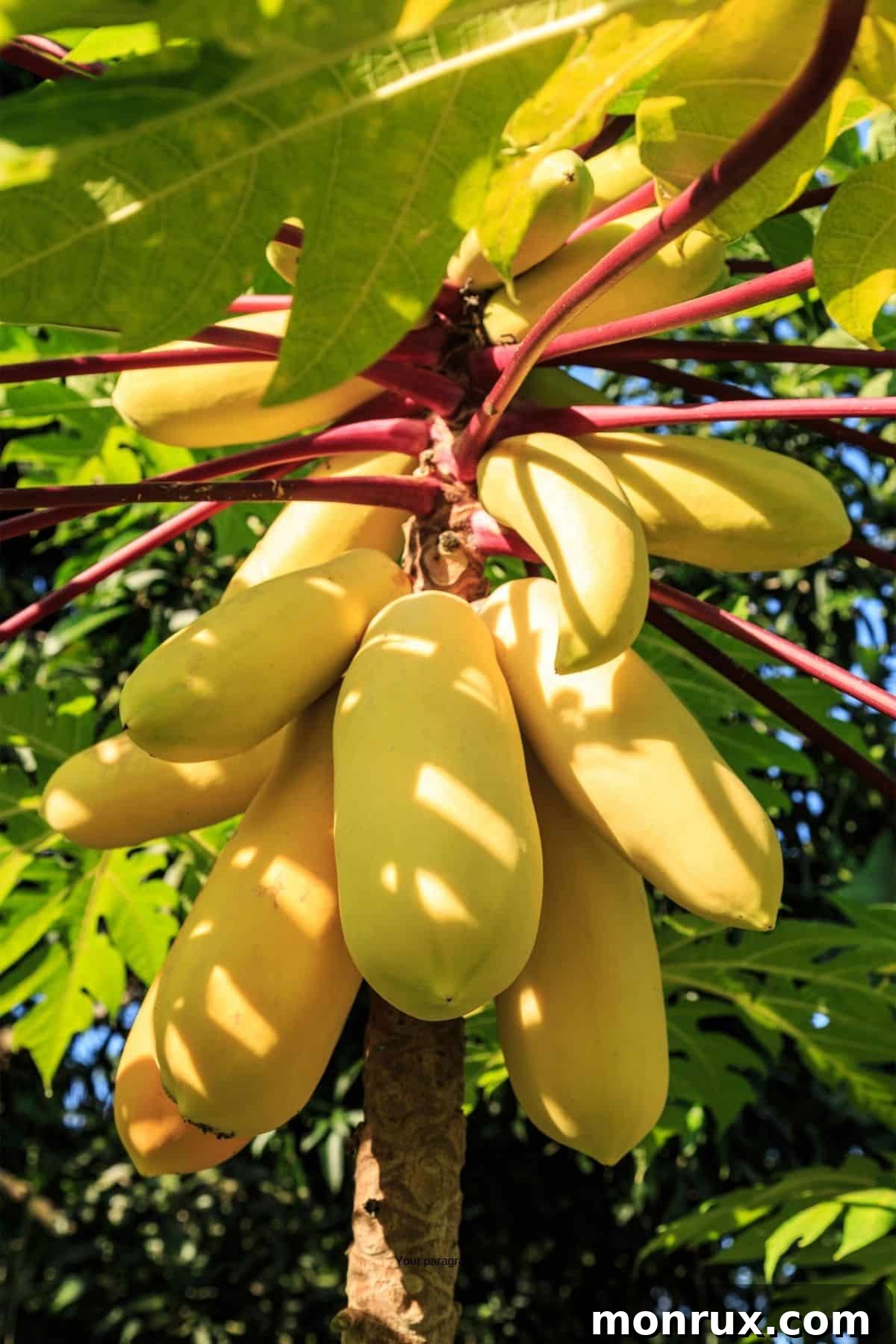
Papayas are soft, fleshy tropical fruits native to Central America, known for their distinctive sweet, musky flavor and buttery texture. When ripe, their skin turns a lovely golden-yellow or orange, and the vibrant orange-yellow flesh surrounds a cavity filled with small, edible black seeds. Papayas are exceptionally rich in Vitamin C and Vitamin A, boosting immunity and vision, and also provide a good amount of dietary fiber and potassium. They contain papain, an enzyme that aids in protein digestion, which is why they are often used as a natural meat tenderizer. Papayas are delicious eaten fresh, blended into refreshing juices and smoothies, or added to fruit salads. Their unique flavor and impressive nutritional profile make them a tropical treasure.
13. Pineapples
The pineapple is an iconic tropical fruit, instantly recognizable by its spiky, rough exterior and sweet, tangy, juicy yellow flesh. Originating from South America, pineapples are celebrated for their vibrant flavor and numerous health benefits. They are an outstanding source of Vitamin C and manganese, important for bone health and antioxidant defense. Pineapples also contain bromelain, a complex enzyme mixture with anti-inflammatory and digestive properties. Enjoyed fresh, grilled, in smoothies, juices, or as an ingredient in both sweet and savory dishes, pineapples add a burst of tropical sunshine. Their unique flavor and health-promoting enzymes make them a popular choice for enhancing both meals and wellness.
14. Pomelo
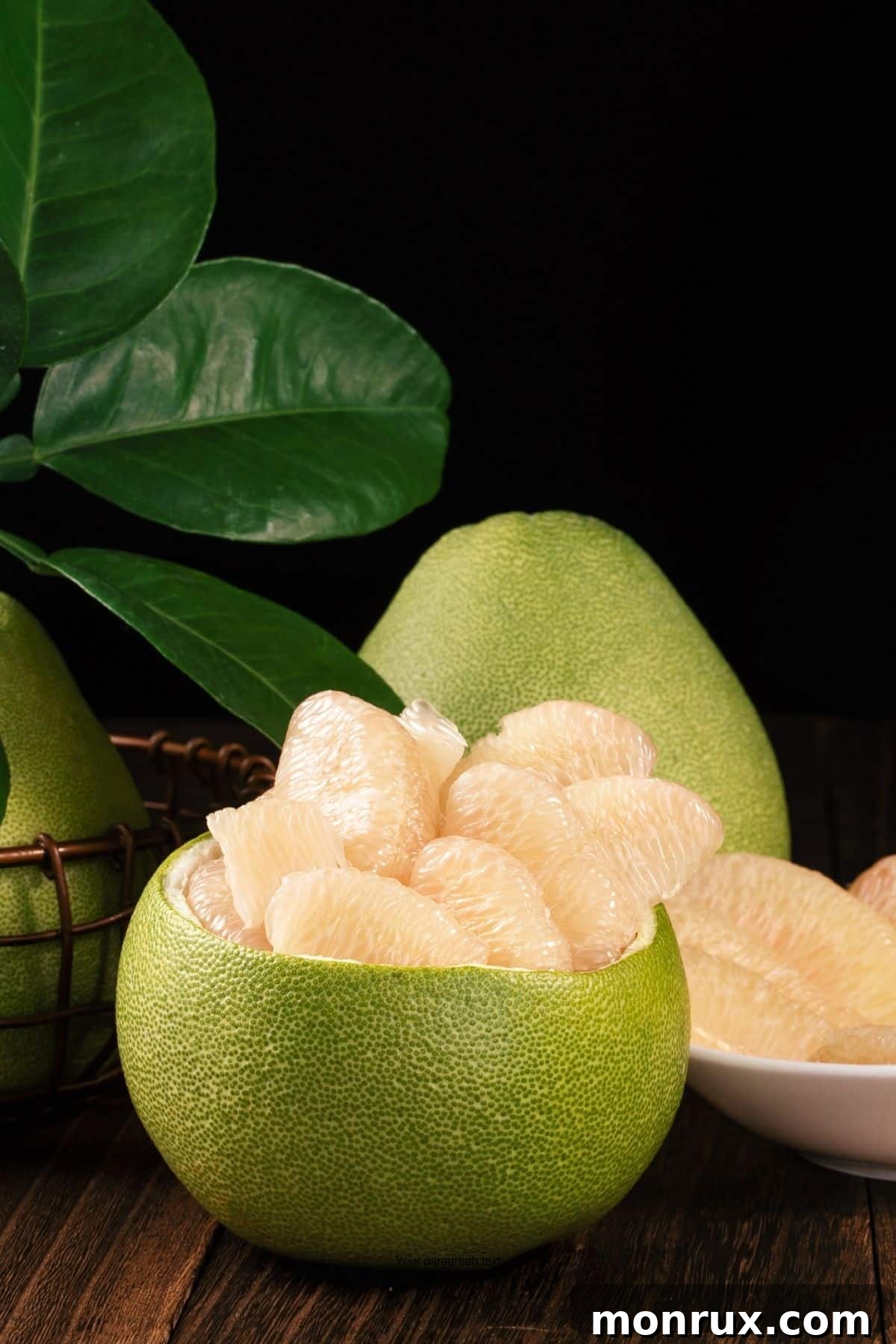
The pomelo, often called a “monster grapefruit” due to its impressive size, is the largest citrus fruit and is native to Southeast Asia. Its thick, pale yellow to green rind gives way to a segmented, pale yellow flesh that is typically less bitter and sweeter than grapefruit, with a mild, slightly floral flavor. Pomelos are an excellent source of Vitamin C, providing a significant portion of your daily needs in a single serving, boosting immune function and skin health. They also contain dietary fiber and various antioxidants. The juicy segments can be enjoyed fresh, added to salads, or used in desserts. Peeling a pomelo can be a bit of a task due to its thick rind, but the reward of its sweet, refreshing flesh is well worth the effort.
15. Quince
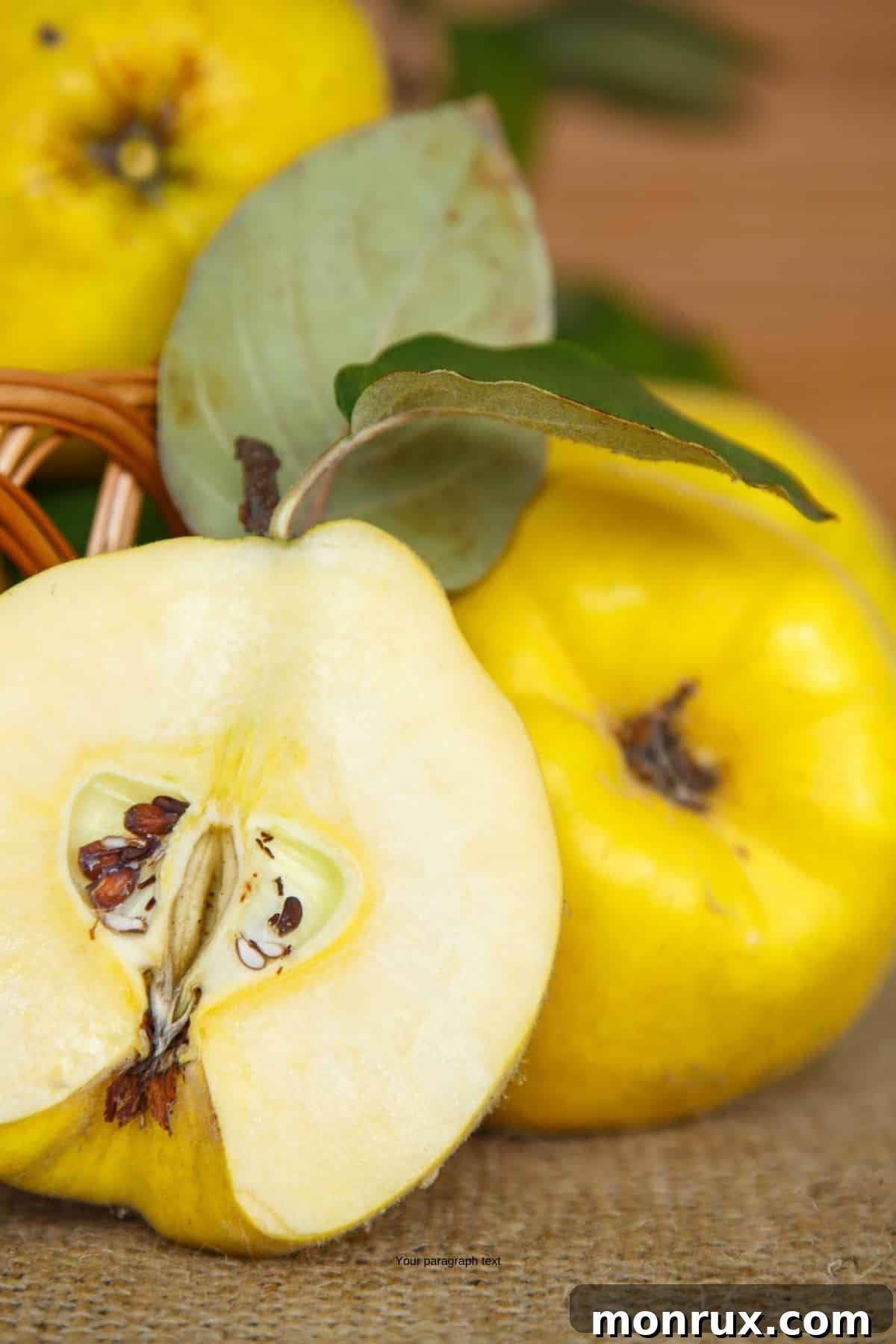
The quince is a fascinating fruit related to apples and pears, originating from the Caucasus region. When raw, it’s firm, tart, and astringent, with a bright yellow skin and a highly aromatic fragrance. However, when cooked, quince transforms, developing a beautiful reddish-pink hue, a tender texture, and a wonderfully sweet, complex flavor. It’s often used in jams, jellies, compotes, and baked goods, and can be roasted or poached. Quince is a good source of Vitamin C, dietary fiber, and several minerals, and it is particularly rich in antioxidants. While not typically eaten fresh, its culinary versatility and unique flavor make it a cherished ingredient in many traditional cuisines. Consider adding quince to your next compote or pie for a distinctive taste.
16. Starfruit
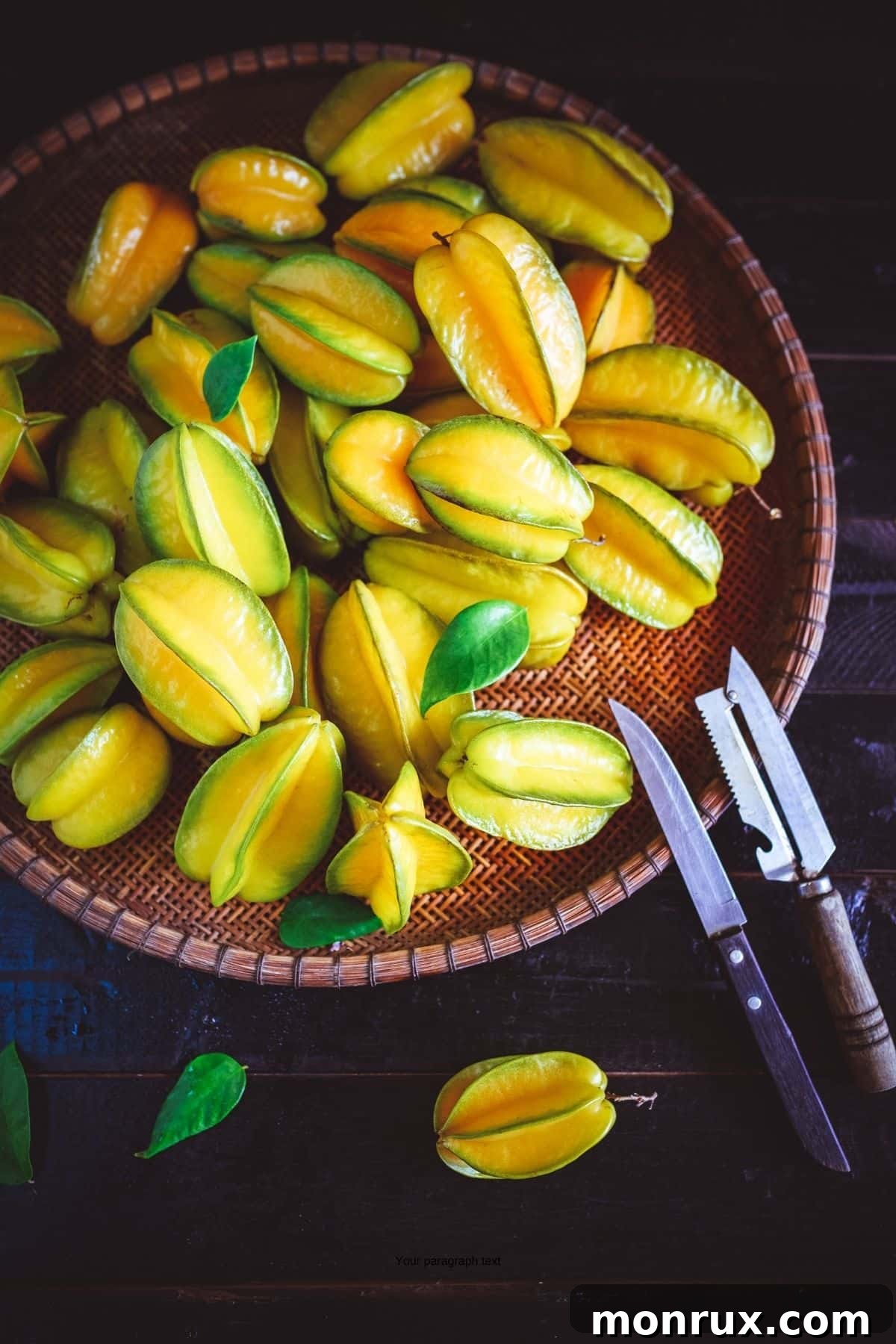
Starfruit, also known as carambola, is a tropical fruit native to Southeast Asia, celebrated for its unique star-like cross-section when sliced. Its waxy, yellow or green skin is edible, and the translucent, juicy flesh offers a sweet and sour taste profile, often described as a blend of apple, pear, grape, and citrus. Starfruit is an excellent source of Vitamin C and dietary fiber, and it is low in calories. It makes for a beautiful and refreshing addition to fruit salads, cocktails, or as an elegant garnish for various dishes. Starfruit is typically in season from late summer through winter. A word of caution: individuals with kidney issues should avoid starfruit due to its oxalic acid content.
17. Yellow Apple
While red and green apples often steal the spotlight, yellow apple varieties, like the popular Golden Delicious, offer their own delightful characteristics. These apples typically have a smooth, sunny yellow skin and a crisp, sweet flesh that is less tart than many green varieties. Yellow apples are a good source of dietary fiber, supporting digestive health, and provide Vitamin C and various antioxidants. They are incredibly versatile, perfect for fresh snacking, baking in pies and crisps, or adding to salads for a touch of sweetness. The apple season in North America generally runs from late summer to fall, but many varieties are available year-round. Don’t underestimate the humble yellow apple for its classic charm and nutritional value.
18. Yellow Cherry
Yellow cherries, particularly varieties like Rainier cherries, are a stunning and delicious fruit, often distinguished by their delicate golden skin blushed with a rosy hue. These cherries are known for their incredibly sweet, juicy flesh and lower acidity compared to darker red cherries. Native to the Pacific Northwest of the United States, they are a seasonal delicacy, typically available during the summer months. Yellow cherries are a good source of Vitamin C, antioxidants, and dietary fiber, contributing to overall health and well-being. They are exquisite when eaten fresh, make a beautiful addition to fruit tarts, salads, or can be gently simmered into sauces and preserves, offering a unique flavor profile that sets them apart.
19. Yellow Dragon Fruit
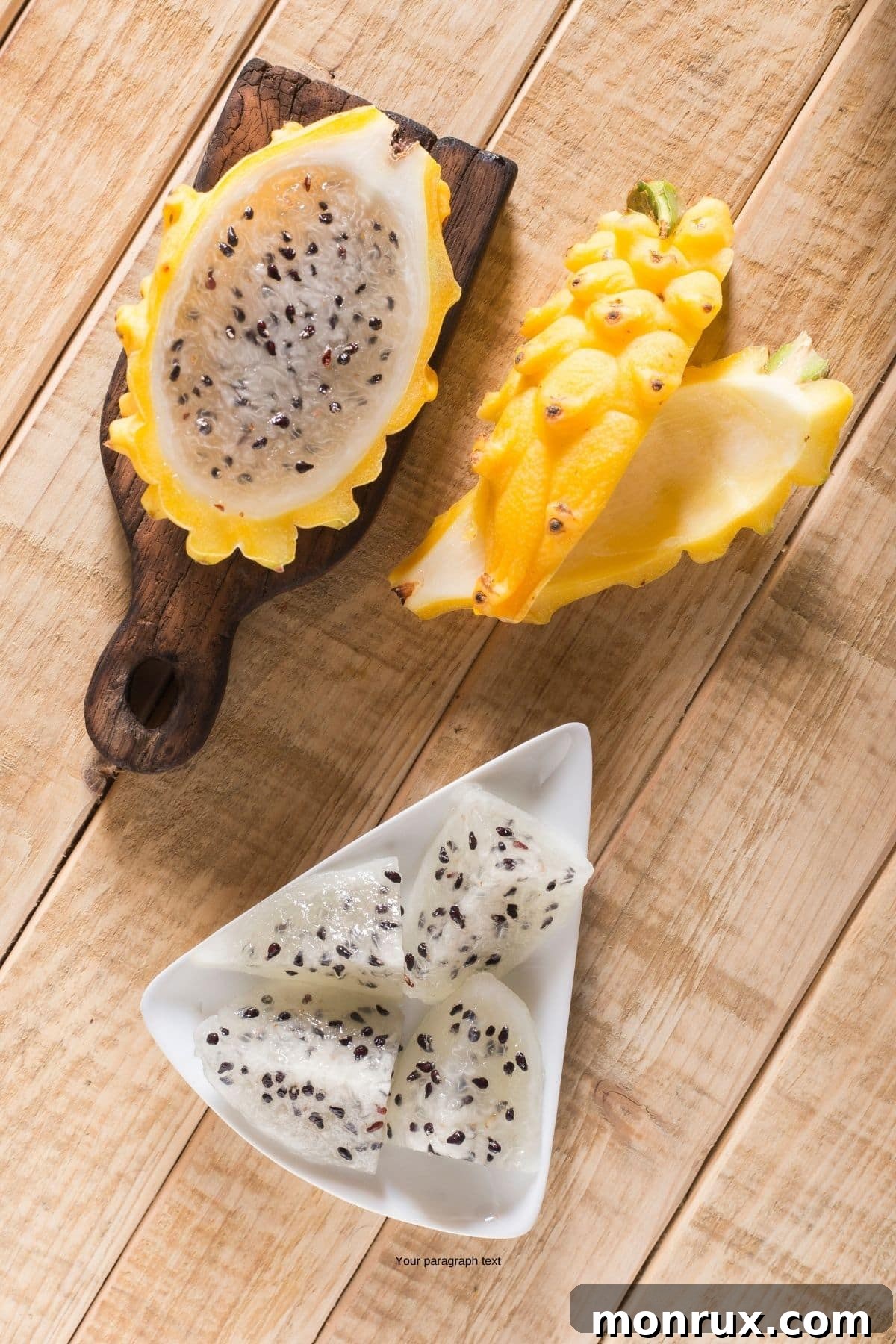
Yellow dragon fruit, also known as Pitaya Amarilla, is a visually striking tropical fruit originating from the Americas. Unlike its more common pink-skinned relatives, this variety boasts a bright yellow skin covered in small spines (which typically rub off when ripe) and a translucent white flesh speckled with tiny black seeds. Its flavor is remarkably sweet, often described as a blend of kiwi and pear, and it tends to be sweeter than the red-skinned varieties. Yellow dragon fruit is an excellent source of Vitamin C, dietary fiber, and antioxidants. It’s fantastic eaten fresh, scooped out with a spoon, or added to smoothies and fruit salads. A unique characteristic of this fruit is its potential laxative effect for some individuals, so moderation is advised when trying it for the first time. Learn more about this fascinating yellow dragon fruit.

20. Yellow Fig
While many figs are purple or green, certain varieties of figs, like the Kadota fig or certain types of Adriatic figs, ripen to a beautiful golden-yellow hue. These figs typically have a tender, thin skin and sweet, honey-like flesh with a delicate texture and numerous small, edible seeds. Figs are an ancient fruit, native to the Middle East and Mediterranean, and are a fantastic source of dietary fiber, potassium, and calcium. They also contain a range of antioxidants. Yellow figs are delicious eaten fresh, either on their own or paired with cheeses and nuts. They also excel in jams, tarts, and baked goods, offering a rich, natural sweetness. Fig season in North America typically spans late summer to early fall, making them a seasonal treat.
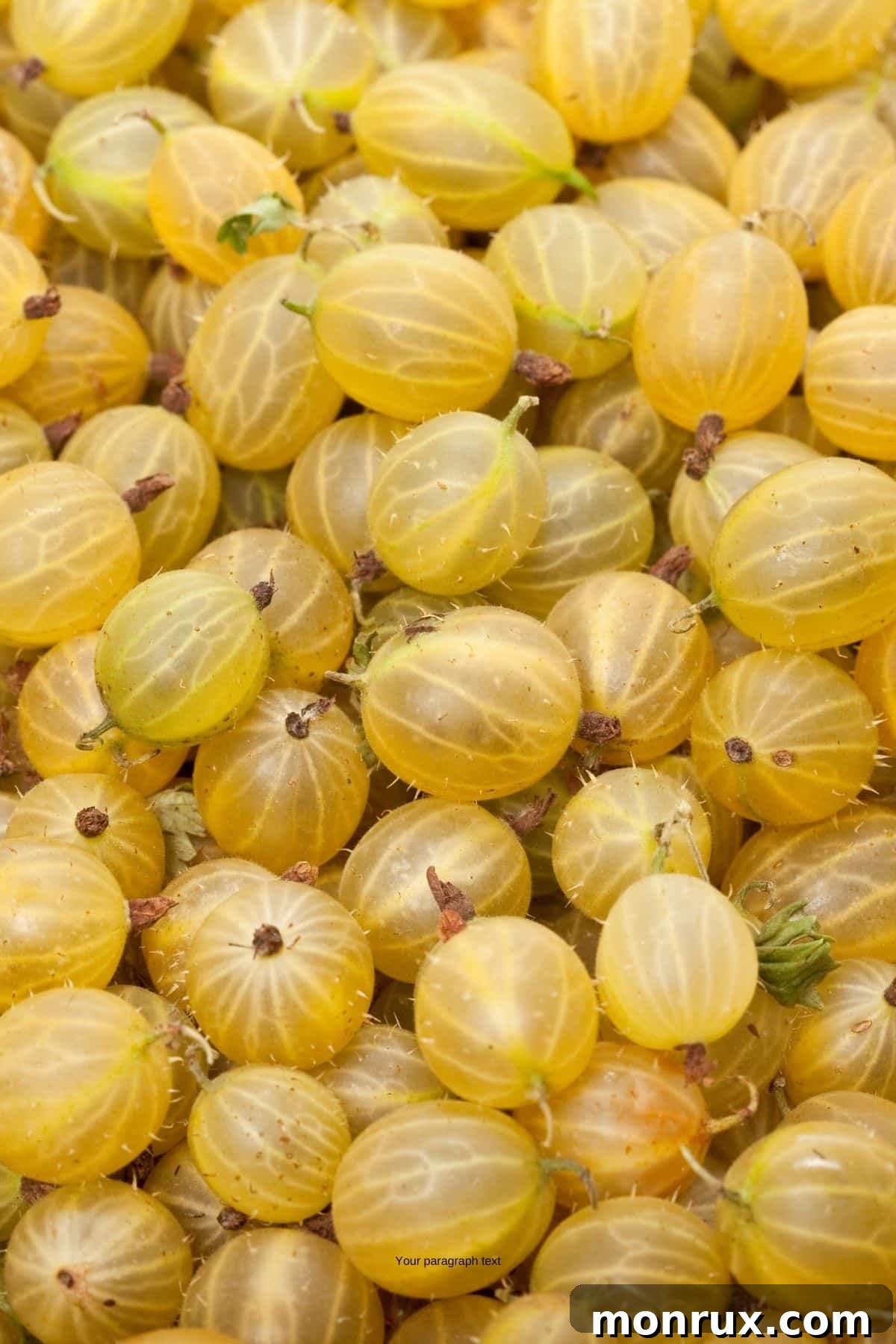
21. Yellow Gooseberries
Gooseberries, members of the currant family, are small, tart berries that come in various colors, including green, red, and yellow. Yellow gooseberries, often a bit sweeter than their green counterparts, have a slightly translucent skin and a juicy, tangy-sweet pulp. They are native to Europe and Asia and are prized for their unique flavor, which can range from subtly sweet to intensely tart depending on ripeness and variety. Gooseberries are an excellent source of Vitamin C, dietary fiber, and antioxidants. While they can be eaten fresh, their tartness often makes them ideal for cooking, especially in pies, crumbles, jams, and sauces, where their flavor truly shines. They pair wonderfully with richer, sweeter fruits or ingredients to create balanced desserts.
22. Yellow Pear
Pears are a classic fruit, and yellow varieties, such as the Bartlett pear, are celebrated for their distinctive sweet flavor, juicy flesh, and smooth skin that turns a bright golden-yellow when ripe. Pears are native to coastal and temperate regions of the Old World. They are an outstanding source of dietary fiber, which is essential for digestive health and can help regulate blood sugar levels. Yellow pears also provide Vitamin C and potassium. They are incredibly versatile, perfect for fresh snacking, baking into pies and tarts, poaching, or adding to salads and cheese boards. When ripe, their succulent texture and sweet aroma are truly delightful. Pears are a fantastic choice for a healthy, naturally sweet treat.
23. Yellow Plum
Yellow plums are a delightful category within the vast plum family, often characterized by their bright yellow skin and wonderfully sweet, juicy flesh. Varieties like Mirabelle plums or some types of Shiro plums fall into this category. Originating from Europe and Asia, plums are known for their vibrant flavors and succulent texture. Yellow plums are a good source of Vitamin C, dietary fiber, and various antioxidants, contributing to immune support and digestive well-being. They are fantastic eaten fresh, straight off the tree, or can be used in a wide array of culinary applications, including jams, tarts, crumbles, and even savory sauces for meats. Their balanced sweetness and touch of tartness make them a highly enjoyable seasonal fruit.
24. Yellow Tomato
Botanically speaking, the tomato is a fruit, and yellow tomatoes offer a vibrant and often sweeter alternative to their red counterparts. Varieties like Lemon Boy or Yellow Pear tomatoes showcase a beautiful golden-yellow hue, with a mild, less acidic, and often fruitier flavor. Tomatoes are native to South America and are a staple in cuisines worldwide. Yellow tomatoes are an excellent source of Vitamins A (beta-carotene) and C, as well as potassium and beneficial antioxidants like lycopene (though less than red tomatoes, they have other carotenoids). They can be used interchangeably with red tomatoes in salads, sauces, sandwiches, and even gazpacho, adding a beautiful color and a milder, sweeter taste profile to any dish. Their versatility makes them a wonderful addition to any culinary creation.
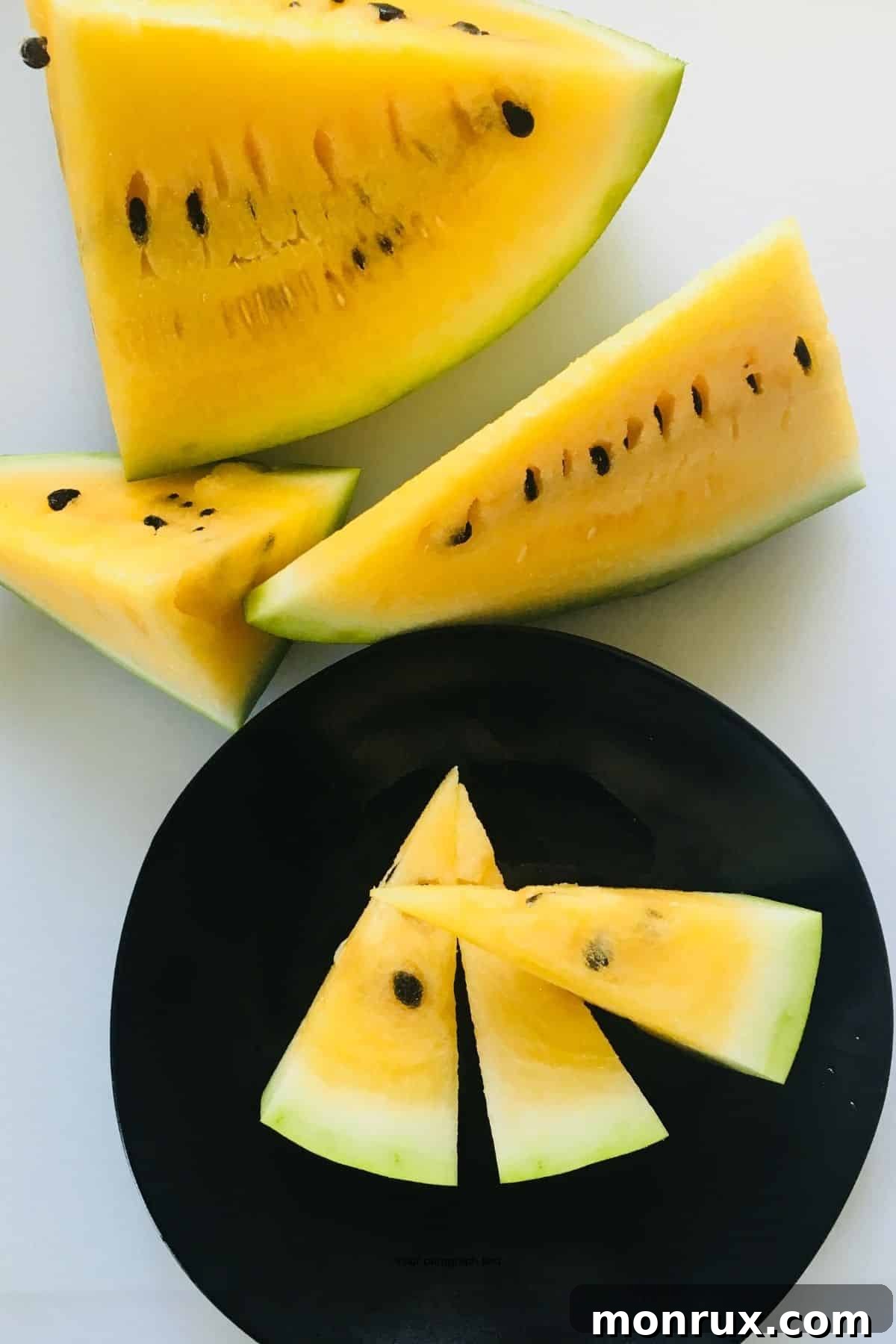
25. Yellow Watermelon
While red watermelons are ubiquitous, yellow watermelons offer a delightful and surprising twist on this classic summer fruit. These melons feature the same striped green rind but reveal a beautiful, sunny yellow flesh when cut open. The yellow color comes from lycopene in its different form or from a distinct genetic makeup, and they often boast a sweeter, honey-like flavor with fewer seeds than traditional red watermelons. Yellow watermelons are incredibly hydrating, packed with water, and are a good source of Vitamin C and Vitamin A. They are perfect for quenching thirst on a hot day, served chilled and sliced, or added to fruit salads and refreshing beverages. Encountering a yellow watermelon is a unique experience – have you ever had the pleasure of trying one?

26. Yuzu
Yuzu is an aromatic citrus fruit native to East Asia, primarily grown in Japan, Korea, and China. Visually, it resembles a small, somewhat lumpy grapefruit with a thick, uneven yellow rind. The fruit itself contains minimal juice, which is intensely tart and highly fragrant, with a complex flavor profile that blends notes of lemon, mandarin, and grapefruit. Yuzu is highly prized in culinary arts for its distinctive zest and juice, used to enhance savory dishes, sauces, dressings, and desserts, as well as to flavor alcoholic beverages and teas. It’s a fantastic source of Vitamin C and antioxidants. While often expensive due to its limited availability outside of Asia, a small amount of yuzu can impart a profound depth of flavor to any dish. Its peak season is typically late fall through winter.
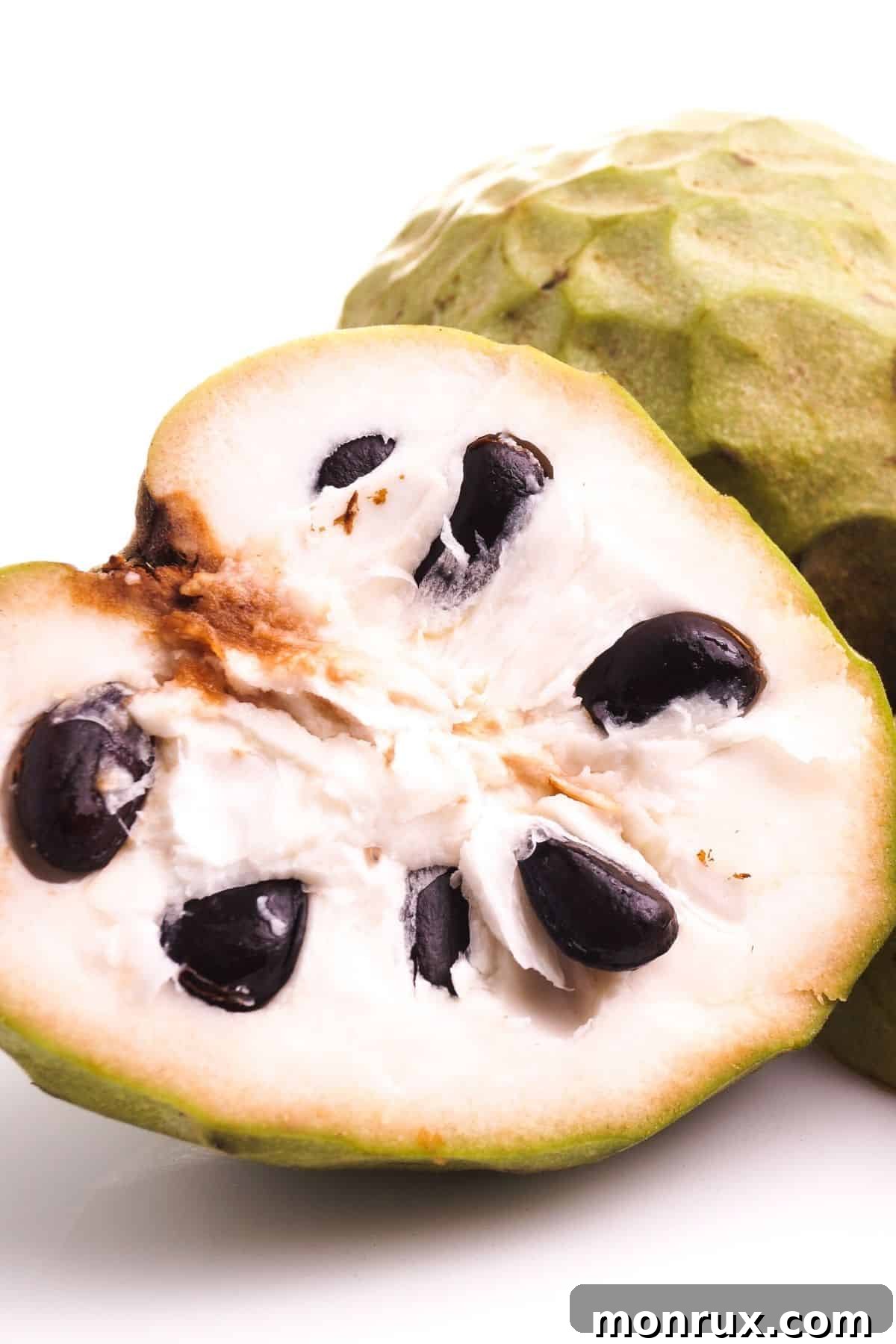
27. Cherimoya
The cherimoya, often lauded as one of the world’s most delicious fruits, is a tropical delight native to the Andean highlands of South America. Sometimes called a “custard apple” or “ice cream fruit,” its rough, green-yellow skin hides a creamy, intensely sweet, and aromatic white flesh with large, inedible black seeds. The flavor is a complex blend of pineapple, banana, mango, and strawberry, offering a truly unique sensory experience. Cherimoyas are a good source of Vitamin C, dietary fiber, and several B vitamins, as well as minerals like potassium and magnesium. They are best enjoyed fresh, scooped out with a spoon, or incorporated into custards, sorbets, and desserts. The cherimoya tree produces beautiful yellow flowers, with fruits ripening from late summer to early winter. It’s a must-try for any fruit enthusiast!
Bonus Yellow Fruits to Discover
The world of yellow fruits extends even further! Here are a few more delightful additions to consider for your plate:
- Mirabelle Plum: A small, incredibly sweet yellow plum, prized in France for jams and tarts.
- Buddha’s Hand (Citron): A uniquely shaped citrus fruit, almost entirely zest, known for its intense lemon-floral aroma, often used in culinary and aromatic applications.
- Yellow Bell Peppers: While often used as a vegetable, bell peppers are botanically fruits! Yellow bell peppers are sweet, crunchy, and packed with Vitamin C.
- Asian Pears: Crisp, juicy, and sweet, these round, yellow-brown pears have a texture similar to an apple.
- Golden Delicious Apples: A classic sweet, mild apple, perfect for eating fresh or baking.
- Passion Fruit (Yellow varieties): Some passion fruit varieties have a bright yellow rind and an incredibly tart, aromatic pulp, perfect for juices and desserts.
Any of these yellow fruits would be a fantastic, nutritious addition to your kitchen. Make it a point to look for them in grocery stores or at your local farmers’ market, especially for the more unique or seasonal varieties. Remember, a diet rich in colorful fruits and vegetables is almost certainly a healthy diet!
Expand Your Fruit Horizons
If you’ve enjoyed exploring the vibrant world of yellow fruits, you might also like to delve into other fruit categories:
- Best Asian Fruits
- Blue Fruits
- Green Fruits
- Red Fruits
Explore More Fruit and Vegetable Guides
Conclusion: Embrace the Golden Goodness
From the commonplace to the exotic, the world of yellow fruits offers an incredible array of flavors, textures, and nutritional benefits. Each golden gem, whether it’s a sweet banana, a tangy lemon, or a creamy cherimoya, brings its own unique contribution to a healthy diet. Rich in essential vitamins like C and A, abundant in dietary fiber, and packed with powerful antioxidants, these sunny fruits are crucial for supporting your immune system, enhancing vision, promoting digestive health, and giving you a natural energy boost.
By consciously incorporating more yellow fruits into your daily meals and snacks, you’re not just adding delightful taste; you’re actively embracing a more vibrant and nutrient-dense way of eating. So, next time you’re at the market, let the golden glow of these incredible fruits inspire you to explore new tastes and nurture your body from the inside out. Your taste buds and your health will thank you!
Don’t forget to join my newsletter list to get exclusive clean eating recipes and tips. The newsletter is 100% free with no spam; unsubscribe anytime.
About the Author: Carrie Forrest has a master’s degree in public health with a specialty in nutrition and is a certified holistic nutritionist. She is a top wellness and food blogger with over 5 million annual visitors to her site. Carrie has an incredible story of recovery from chronic illness and is passionate about helping other women transform their health. Send her a message through her contact form.
Note: this post is for informational purposes only and is not intended as medical advice. Please consult your healthcare provider for recommendations related to your individual situation.