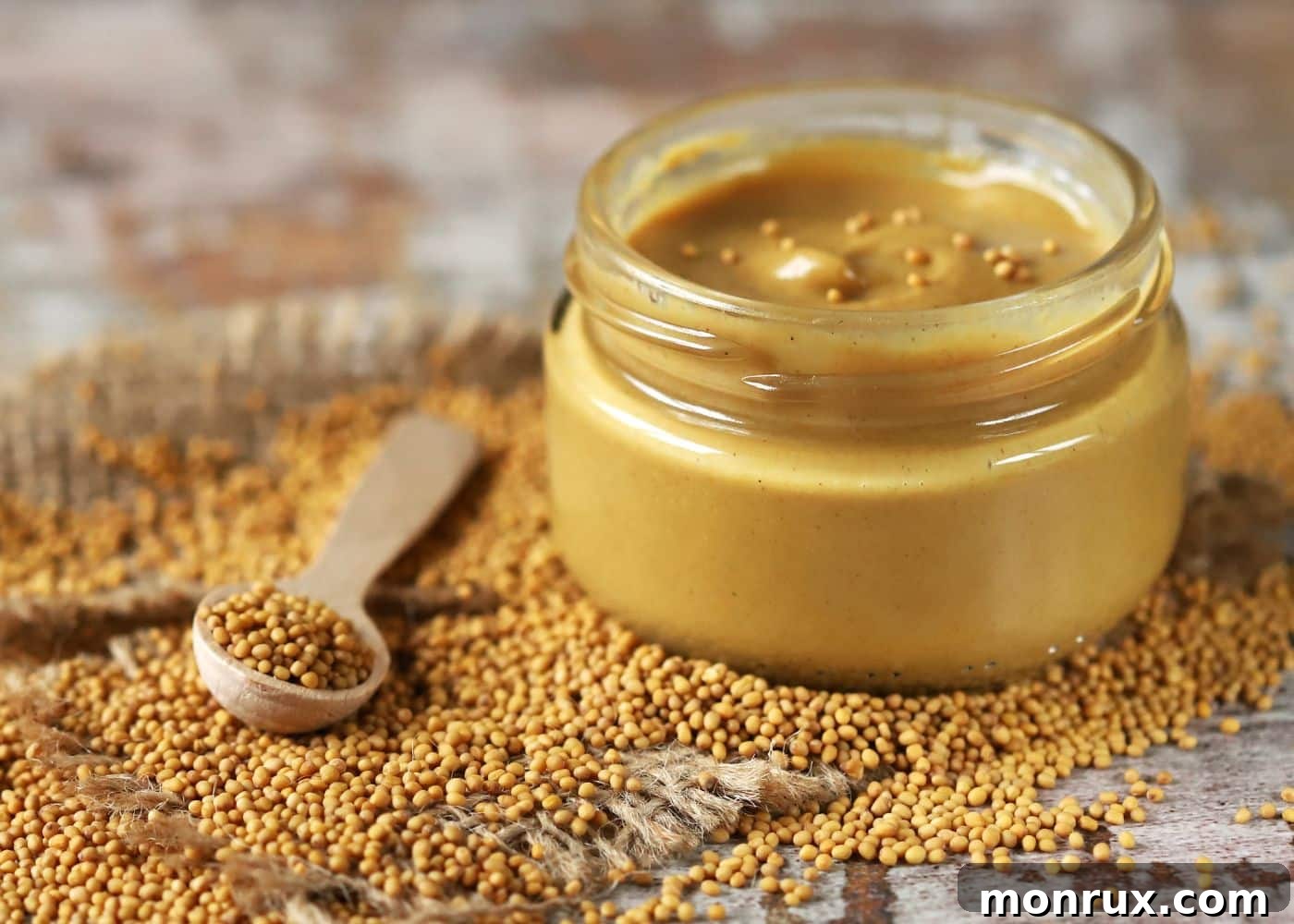
The Ultimate Guide to Dijon Mustard Substitutes: Never Be Without Flavor
Finding yourself in the middle of a recipe only to realize you’re out of Dijon mustard can be a real kitchen dilemma. Or perhaps you’re simply looking to experiment with new flavors. Whatever your reason, having a reliable list of substitutes for Dijon mustard at your fingertips is a game-changer for cooking, crafting marinades, or whipping up delicious salad dressings. From the coarse texture of stone-ground mustard to the familiar tang of yellow mustard, and the sweet notes of honey mustard to the robust kick of spicy brown mustard, there are excellent alternatives that can save your dish and even inspire new culinary creations.
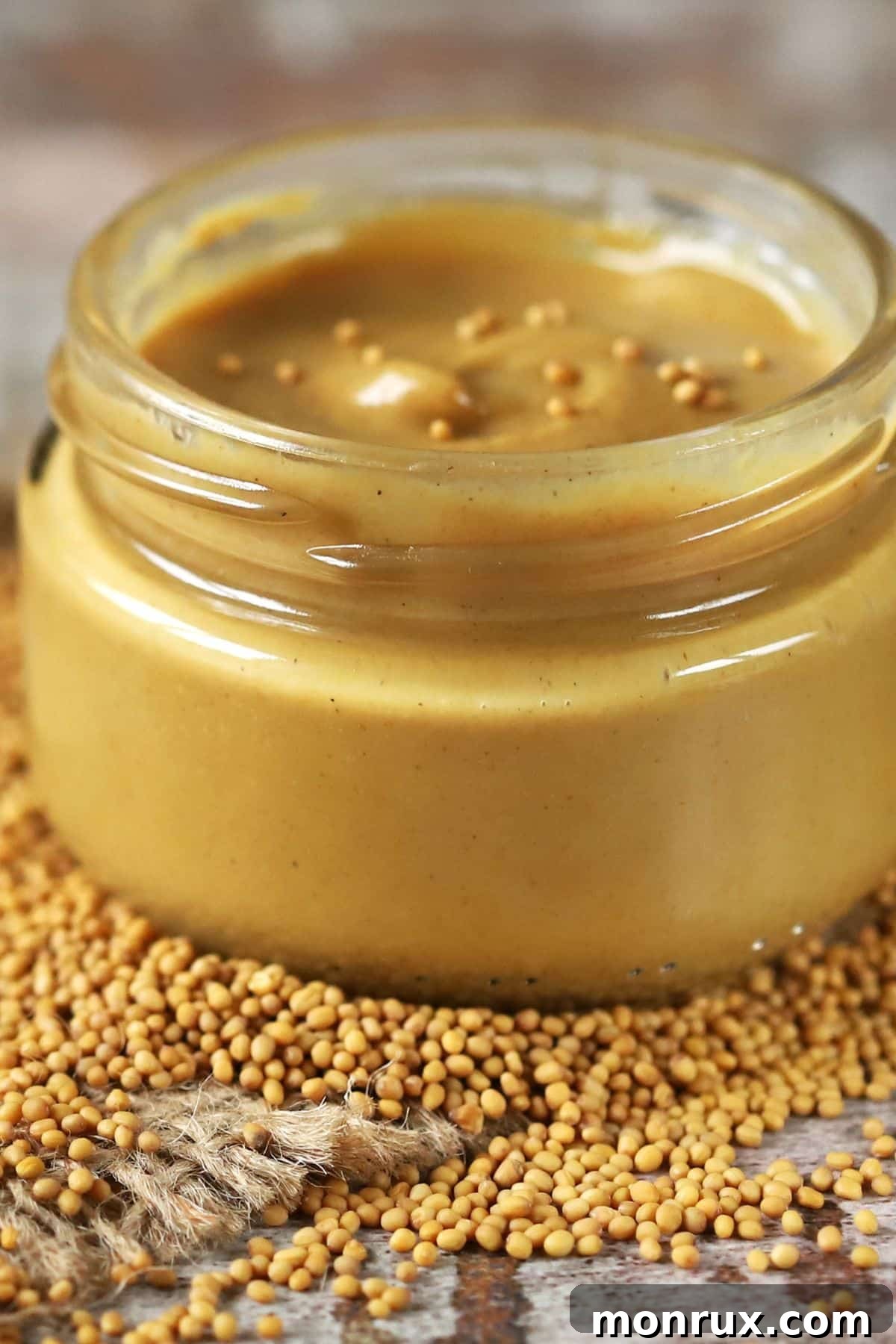
Dijon mustard is much more than just a condiment; it’s a culinary cornerstone, celebrated for its unique flavor profile that elevates countless dishes. Originating from the city of Dijon in Burgundy, France, this classic mustard traditionally uses white wine or verjuice (the juice of unripe grapes) instead of the more common vinegar, giving it a distinctive zest and smoothness. While modern variations might incorporate cider vinegar or wine vinegar, the essence of Dijon remains its sharp, pungent flavor with a hint of spice and often a creamy texture.
Its robust character makes Dijon mustard a preferred choice for enhancing the flavor of meats, cheeses, and sandwiches. Beyond its role as a spread, it’s an indispensable ingredient in sophisticated salad dressings, vinaigrettes, and a variety of sauces, lending a sophisticated zing that balances and brightens other flavors. Its intensity means it’s usually used in moderation, but even a small amount can transform an ordinary recipe into something extraordinary.
Understanding Dijon’s unique properties is key to finding the best substitute. It offers a balance of acidity, pungency, and a subtle heat that can be challenging to replicate perfectly. However, with the right alternatives, you can achieve a similar flavor profile or introduce an exciting new dimension to your cooking.
Substitutes for Dijon Mustard
While the distinct flavor of Dijon mustard is highly prized, it’s not always readily available, or you might be looking for a more budget-friendly option. The good news is that several excellent substitutes can step in to fill the void, each bringing its own unique characteristics to your dish. The key is understanding the subtle differences and how they might impact the overall flavor.
The most common and effective substitutes for Dijon mustard include stone-ground mustard, yellow mustard, spicy brown mustard, and honey mustard. Each offers a different balance of tang, spice, and sweetness. Beyond these primary choices, we’ll also explore other creative alternatives that can work in a pinch. When making a substitution, always consider the original role of Dijon in your recipe—is it for sharpness, emulsification, or a specific flavor profile?
1. Stone-Ground Mustard
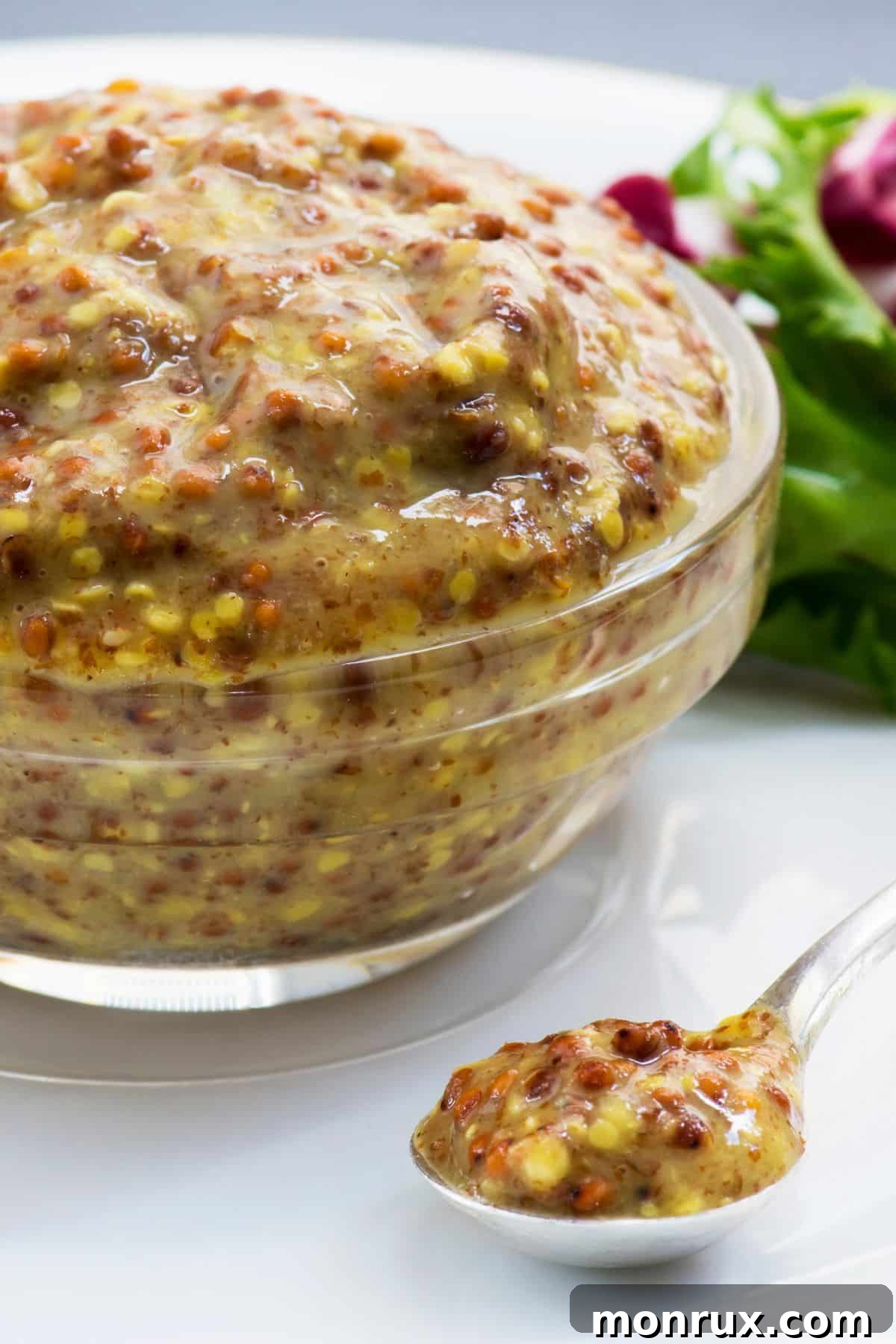
Stone-ground mustard, also often referred to as “whole grain mustard,” is an excellent and popular substitute for Dijon. It gets its name from the traditional method of grinding whole or partially crushed mustard seeds with a stone mill, which results in a distinctively coarse texture with visible specks of the mustard seeds. This gives it a rustic appearance and a pleasant chewiness that can add character to many dishes.
Flavor-wise, stone-ground mustard is generally milder than Dijon, possessing an earthy, slightly tangy profile with less of the intense pungent heat. Its less aggressive flavor makes it incredibly versatile, especially when used as a condiment for sandwiches, hot dogs, or as a base for hearty salad dressings. It performs admirably in marinades, adding both flavor and a textural element that Dijon might not provide. For recipes where you want a noticeable mustard presence without overpowering other ingredients, stone-ground mustard is an ideal choice.
When substituting, a 1:1 ratio is generally recommended. If your recipe calls for one teaspoon of Dijon mustard, use one teaspoon of stone-ground mustard. Keep in mind its coarser texture may be more pronounced in smooth sauces or dressings, which might be a desirable quality or something to consider depending on the dish.
2. Yellow Mustard
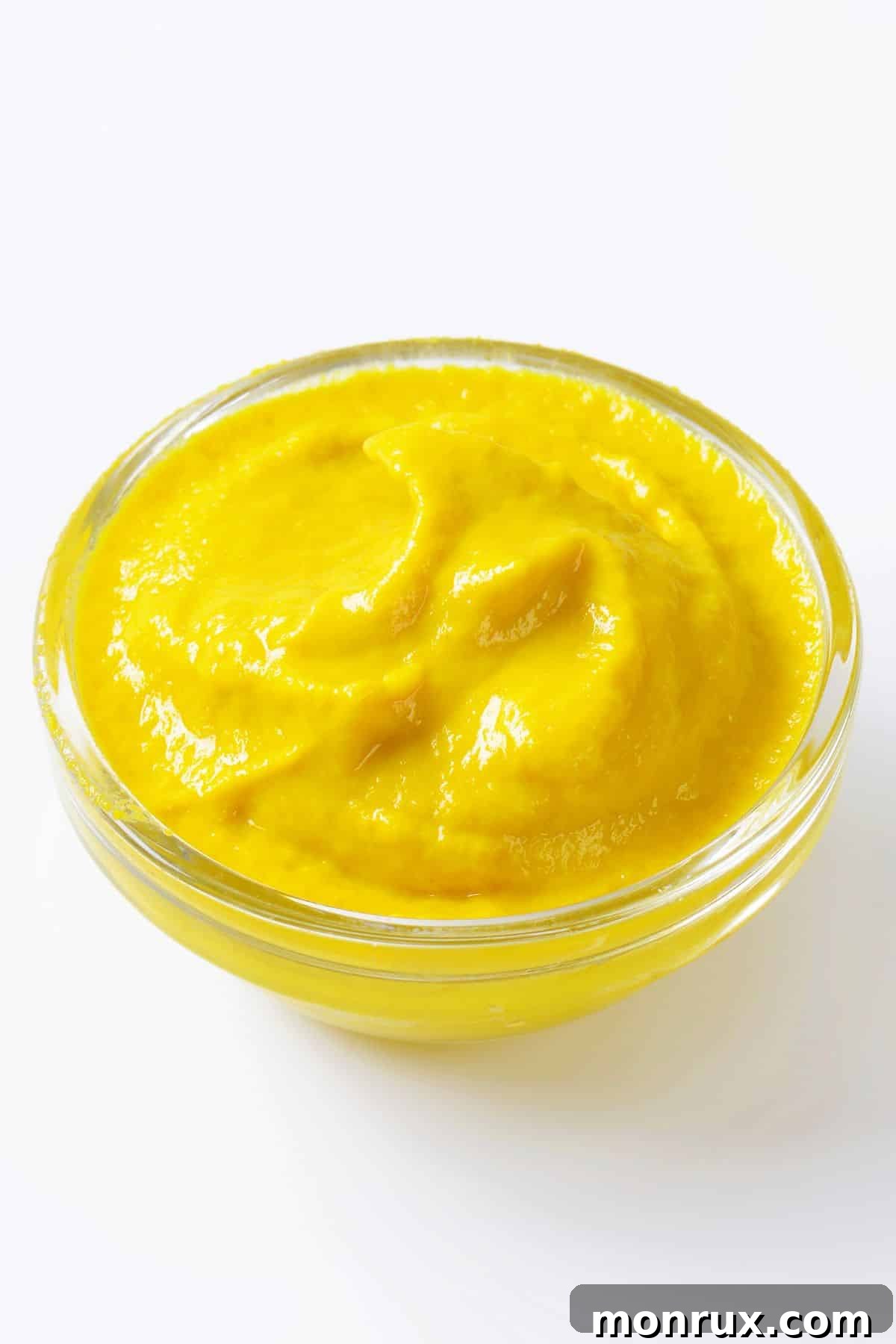
Yellow mustard, the quintessential American hot dog topping, is made from finely ground yellow mustard seeds, vinegar, water, and turmeric (which gives it its characteristic bright color). It is arguably the most common and accessible type of mustard, found in virtually every grocery store and at a very affordable price point. Its widespread availability makes it a convenient last-minute substitute when Dijon is nowhere to be found.
In terms of flavor, yellow mustard offers a distinctively vinegary, tangy, and slightly sweet taste. It’s generally milder than Dijon, lacking the sharp, complex pungency and underlying heat. This straightforward, clean flavor makes it an excellent choice for dishes where a clear, uncomplicated tang is desired. It shines in vinaigrettes, marinades, and classic American recipes like potato salad, coleslaw, and barbecue sauces.
While it won’t replicate Dijon’s exact flavor depth, yellow mustard can provide the necessary acidity and a pleasant zing. It’s particularly effective in recipes where the mustard acts more as an emulsifier or a souring agent rather than the primary flavor highlight. For a direct substitute, use one teaspoon of yellow mustard for every one teaspoon of Dijon. However, if you prefer a less intense flavor, you might start with slightly less and adjust to taste.
3. Spicy Brown Mustard
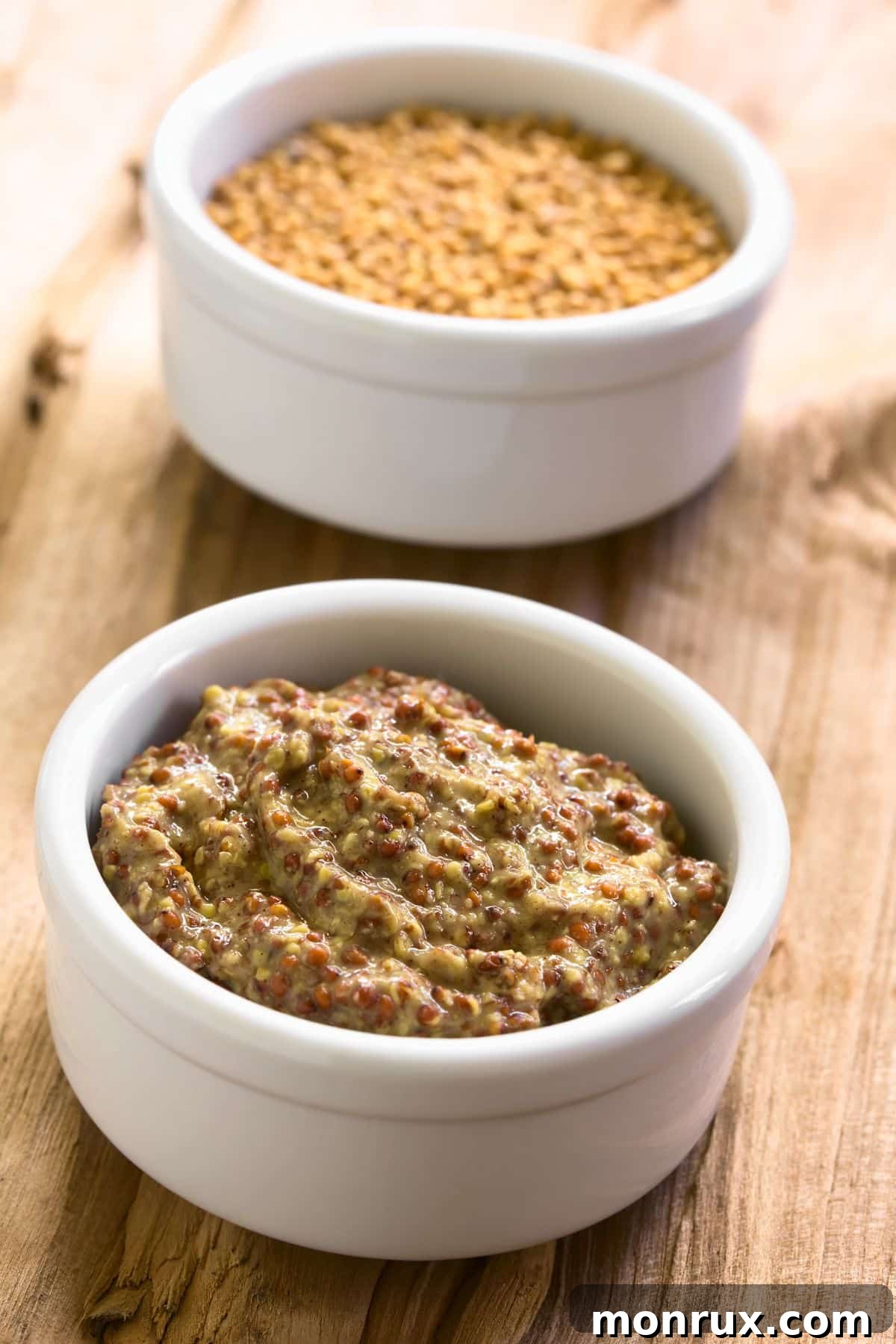
For those who appreciate a mustard with a bit more punch, spicy brown mustard is a fantastic option. Crafted from brown mustard seeds, which are often coarsely ground or cracked, this mustard is characterized by its hot, peppery flavor and typically a coarser texture than traditional smooth Dijon. It often contains additional spices and sometimes horseradish, giving it a more aggressive, pungent kick that stands out.
Spicy brown mustard is an ideal substitute when your recipe calls for Dijon and you want to maintain a strong, vibrant flavor. Its robust character makes it perfectly suited for dishes that can handle a powerful mustard presence, such as marinades for grilled meats, hearty sandwiches (especially pastrami or corned beef), glazes for pork, or robust cheese platters. If you’re preparing a dish where Dijon’s sharp bite is crucial, spicy brown mustard can effectively mimic that intensity, often with an added layer of heat.
While its texture is usually coarser than smooth Dijon, it can still blend well into most applications. When substituting, use a 1:1 ratio. If you’re sensitive to spice, you might start with a slightly smaller amount and taste as you go, gradually adding more until the desired heat and flavor are achieved.
4. Honey Mustard
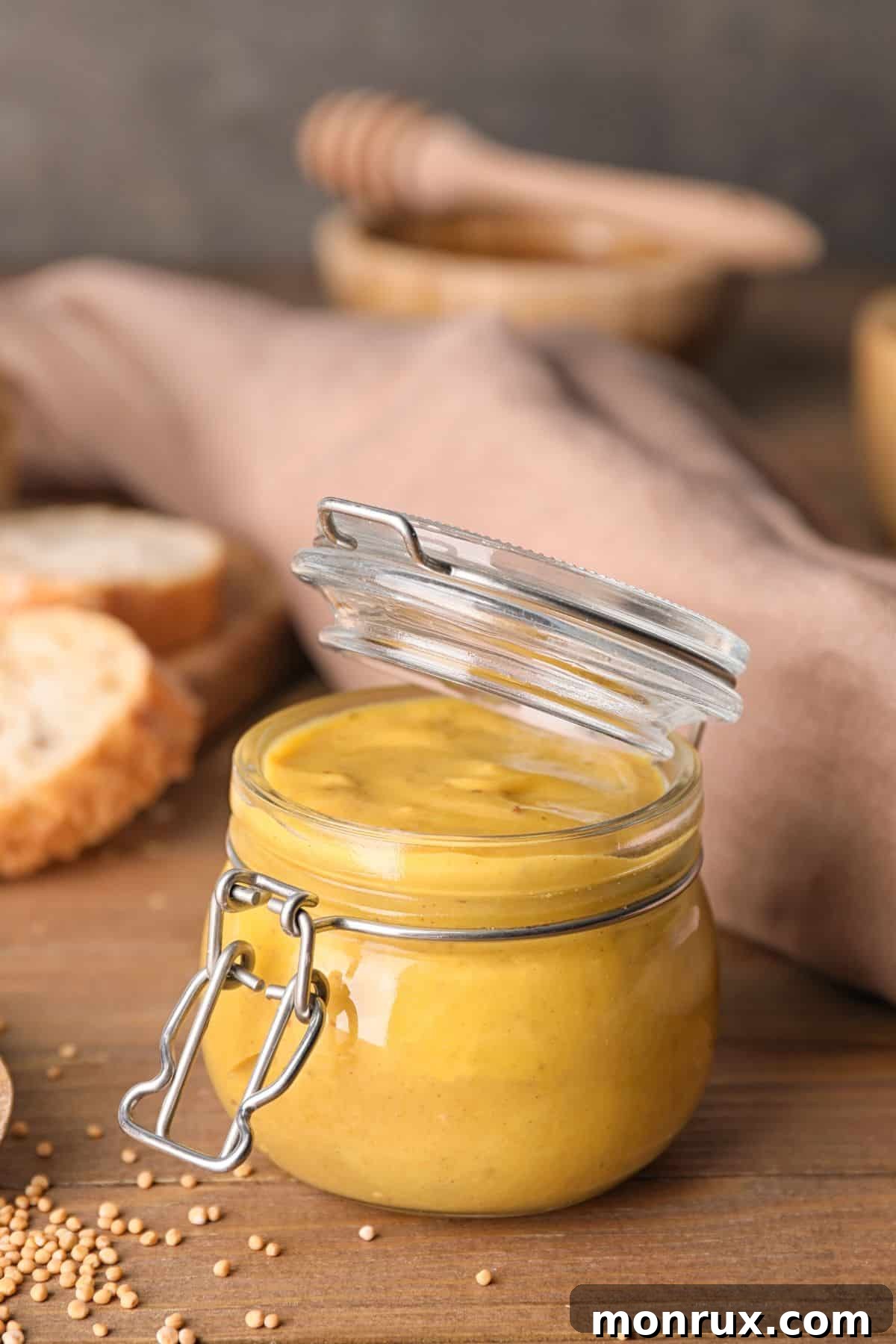
Honey mustard is a highly popular condiment that combines the tangy notes of mustard with the natural sweetness of honey, often resulting in a creamy texture. While it introduces a distinct sweetness that sets it apart from traditional Dijon, its creamy consistency and balanced sweet-and-sour profile make it a versatile and delicious substitute in many recipes.
This alternative shines in dishes where a sweeter, milder mustard flavor is welcome, or where you’d like to add a touch of sweetness without other ingredients. It pairs exceptionally well with roasted chicken or pork, serves as an excellent dipping sauce for chicken tenders or pretzels, and can form the base of flavorful salad dressings. While it lacks the sharp, acidic punch of Dijon (as it typically contains less vinegar), it can still provide a pleasant mustardy tang that complements a variety of flavors.
When opting for honey mustard as a substitute, it’s important to consider the sweetness it brings. If your recipe is sensitive to sugar content, you might need to adjust other sweet components in the dish. However, for a direct replacement in terms of volume, a 1:1 ratio is generally effective. Use one teaspoon of honey mustard for one teaspoon of Dijon, tasting and adjusting as necessary to achieve the desired balance of flavors.
Other Creative Alternatives
Even if you don’t have one of the primary Dijon mustard substitutes on hand, don’t despair! Your pantry likely holds other ingredients that can help you achieve a similar flavor profile or the necessary tang and emulsifying properties. These alternatives require a bit more creativity but can still save your dish:
- Mustard Powder (Dry Mustard) + Liquid: This is perhaps the most versatile DIY option. Mix mustard powder with a liquid like water, white wine vinegar, or even a splash of white wine to form a paste. For every tablespoon of Dijon needed, start with about 1 teaspoon of mustard powder mixed with 2-3 teaspoons of liquid. You can adjust the pungency and acidity to your liking. Adding a tiny pinch of sugar can soften the sharpness.
- Mayonnaise + White Wine Vinegar (or Lemon Juice): For recipes where Dijon is primarily used for its tangy creaminess (like creamy dressings or sauces), a blend of mayonnaise and a acidic liquid can work. The mayonnaise provides the creamy base, while the vinegar or lemon juice adds the necessary tartness. Start with 1 tablespoon of mayo and 1/2 teaspoon of vinegar/lemon juice for a tablespoon of Dijon, then adjust.
- Worcestershire Sauce: While it lacks the mustard flavor, Worcestershire sauce offers a savory, umami depth with a slight tang. It’s a good choice for marinades, stews, or meat dishes where the goal is to add richness and a hint of acidity rather than a strong mustard presence. Use sparingly and taste as you go.
- Horseradish Sauce or Prepared Horseradish: If the primary function of Dijon in your recipe is to add a pungent, spicy kick, horseradish can be an effective (though distinctly different) substitute. It provides a sharp, sinus-clearing heat. Use very small amounts, as its flavor is much more intense and unique than mustard.
- White Wine Vinegar or Apple Cider Vinegar + a Pinch of Sugar: For recipes where Dijon’s main role is to provide acidity and balance (especially in salad dressings), white wine vinegar or apple cider vinegar can be used. Add a tiny pinch of sugar to mellow the vinegar’s harshness and mimic some of Dijon’s subtle sweetness. This won’t provide mustard flavor but will help with acidity.
- Hot English Mustard or German Mustard: These can be strong substitutes, but be aware of their distinct characteristics. English mustard is typically very hot and sharp, often more so than Dijon, so use it in smaller quantities. German mustards vary widely; some are sweeter and milder, others very robust. Adjust according to the specific type you have.
When experimenting with these alternatives, always start with a small amount and taste frequently. Building up the flavor gradually will prevent you from overpowering your dish.
Summary Comparison for Dijon Alternatives
To help you choose the best substitute for your specific culinary needs, here’s a quick overview of the pros and cons of our top four recommended Dijon mustard alternatives:
| Substitute | Pros | Cons |
|---|---|---|
| Stone-ground Mustard | Milder flavor, adds rustic texture, good for sandwiches and robust salads. Closest in texture to some Dijons. | Less sharp and pungent than traditional Dijon, may not suit all recipes requiring Dijon’s signature tang. |
| Yellow Mustard | Highly accessible, inexpensive, vinegary and tangy, bright color. | Sweeter and less intense/complex than Dijon, lacks the refined sharpness. Stronger vinegar taste. |
| Spicy Brown Mustard | Hot, peppery, and pungent flavor, excellent for hearty dishes like grilled meats or glazes. Provides a strong kick. | Significantly spicier, might overpower milder dishes. Coarser texture than smooth Dijon. |
| Honey Mustard | Sweeter and creamier alternative, pairs well with roast chicken or pork, great for dips and dressings. | Much sweeter and less acidic than Dijon, lacks its characteristic sharpness and complex flavor profile. |
Remember that the best substitute ultimately depends on the specific dish you’re making and the flavor profile you aim to achieve. Don’t be afraid to experiment!
What Makes Dijon Special: Flavor Profile
Dijon mustard boasts a rich history, with its origins tracing back to the French city of Dijon, where it was first officially produced in 1866 by Maurice Grey. However, the use of mustard as a condiment in the region dates back centuries, with recorded mentions as early as 1336 during the reign of King Philip VI. What sets Dijon mustard apart is its unique and sophisticated flavor profile.
Unlike many other mustards that rely solely on vinegar for acidity, traditional Dijon mustard uses verjuice—the juice of unripe grapes—or white wine. This imparts a smoother, more subtle acidity and a complex, wine-like aroma that differentiates it from the sharp, often harsher tang of vinegar-based mustards. The taste is characterized by a strong, pungent, and sharp bite that quickly dissipates, leaving a clean, zesty finish with a hint of spice. It’s often described as robust yet refined, making it incredibly versatile in both cooking and as a condiment.
Dijon Mustard: Key Ingredients
The magic of Dijon mustard lies in its relatively simple yet carefully balanced ingredients. At its core, Dijon mustard is made from:
- Brown Mustard Seeds: These provide the primary flavor and heat. They are finely ground to create Dijon’s characteristic smooth texture, though some variations might include whole seeds for a “grainy” Dijon.
- Verjuice or White Wine: Traditionally, verjuice or white wine is used instead of vinegar, contributing to its distinct, nuanced acidity and less aggressive tang.
- Water: Used to create the right consistency and help meld the flavors.
- Salt: A crucial seasoning that enhances the overall taste and helps preserve the mustard.
While some modern Dijon varieties may substitute white wine vinegar or cider vinegar for verjuice, the essence remains a finely ground mustard paste with a sharp, complex flavor. This combination makes it an indispensable ingredient for emulsifying dressings, enriching sauces, and creating flavorful marinades, solidifying its status as an essential pantry staple in kitchens worldwide.
Culinary Uses of Dijon Mustard
Dijon mustard’s versatility extends far beyond a simple condiment. Its unique blend of sharpness, acidity, and subtle spice makes it an invaluable ingredient in a wide array of culinary applications. Here’s a closer look at how it’s commonly used to elevate dishes:
- Condiment: The most straightforward use, Dijon adds a sophisticated kick to sandwiches, burgers, and hot dogs. It’s also a classic accompaniment to charcuterie boards and cheeses.
- Salad Dressings and Vinaigrettes: Dijon mustard is a key emulsifier in many dressings, helping to bind oil and vinegar together, creating a smooth, cohesive mixture. Its sharp flavor brightens green salads, pasta salads, and vegetable dishes. A classic Dijon vinaigrette is simply Dijon, olive oil, and white wine vinegar.
- Marinades: When mixed with oil, herbs, and other seasonings, Dijon creates a flavorful and tenderizing marinade for meats, poultry, and even vegetables. Its acidity helps break down proteins, resulting in more tender and juicy results, perfect for grilling, roasting, or pan-frying.
- Sauces: Dijon is a foundational ingredient in many classic sauces. It’s often found in creamy pan sauces for pork or chicken, béchamel-based sauces, and gravies, where it adds depth, tang, and a slight piquancy that cuts through richness.
- Glazes: Its robust flavor makes it ideal for glazes on ham, salmon, or roasted root vegetables, creating a delicious crust with a tangy-sweet profile.
- Egg Dishes: A dollop of Dijon can dramatically enhance the flavor of deviled eggs, scrambled eggs, or frittatas, adding a layer of complexity.
Whether you’re using it to bind, emulsify, tenderize, or simply to add a burst of flavor, Dijon mustard is a truly versatile and flavorful pantry staple that can transform any dish into a gourmet experience.
Favorite Recipes Using Dijon Mustard
More Substitutes Articles You Might Like
- Substitutes for Bay Leaves
- Substitutes for Coconut Aminos
- Substitutes for Dill
- Substitutes for Lemongrass
- Substitutes for Olive Oil
- Substitutes for Oregano
- Substitutes for Sage
Conclusion: Finding Your Perfect Dijon Alternative
Running out of Dijon mustard doesn’t have to spell disaster for your culinary plans. As this guide shows, there are numerous excellent substitutes available, each bringing its own unique characteristics to the table. Whether you opt for the earthy notes of stone-ground mustard, the straightforward tang of yellow mustard, the fiery kick of spicy brown mustard, or the balanced sweetness of honey mustard, you have a wealth of options to explore.
Ultimately, the best substitute for Dijon mustard hinges on your personal preference and the specific requirements of the dish you are preparing. Don’t hesitate to experiment with different alternatives, starting with small quantities and adjusting to taste. With a little trial and error, you’re sure to discover a fantastic substitute that not only saves your recipe but might also inspire you to create something even more delicious and unique. Happy cooking!
Don’t forget to join my newsletter list to get exclusive clean eating recipes and tips. The newsletter is 100% free with no spam; unsubscribe anytime.
About the Author: Carrie Forrest has a master’s degree in public health with a specialty in nutrition and is a certified holistic nutritionist. She is a top wellness and food blogger with over 5 million annual visitors to her site. Carrie has an incredible story of recovery from chronic illness and is passionate about helping other women transform their health. Send her a message through her contact form.