
Living with dysphagia, or difficulty swallowing, can present significant challenges, impacting everything from nutrition to social interactions. It’s a condition that affects millions globally, making mealtime a source of anxiety rather than enjoyment. Understanding which foods to incorporate and which to avoid is crucial for managing dysphagia safely and effectively. This comprehensive guide will explore the best dietary strategies, including foods to avoid with dysphagia and what to eat instead, ensuring you can maintain a balanced, enjoyable, and risk-free diet.

Overview of Dysphagia
Dysphagia, commonly known as difficulty swallowing, is a medical condition that can affect individuals of all ages, though it is particularly prevalent among older adults. It describes the sensation of food or liquid getting stuck in the throat or chest, making the process of eating and drinking challenging and often painful.
The prevalence of swallowing problems is higher than many realize, with studies indicating that approximately 1 in 25 adults in the United States experiences some form of dysphagia each year. While some individuals may experience a complete inability to swallow, it’s more common for difficulties to arise only with specific textures of food or certain types of liquids.
The underlying causes of dysphagia are diverse and can range from neurological conditions to structural issues within the swallowing mechanism. Common culprits include medical events like stroke and brain injury, head and neck trauma or surgery, neurodegenerative diseases such as Parkinson’s or Alzheimer’s, cerebral palsy, metabolic imbalances like hyperthyroidism, and certain infectious diseases. Additionally, dysphagia can manifest as a side effect of various medications, highlighting the importance of reviewing one’s complete health profile.
Recognizing the symptoms of dysphagia is vital for early diagnosis and intervention. Key indicators include:
- Food or drink remaining in the mouth even after an attempt to swallow, indicating incomplete clearance.
- Excessive drooling or difficulty managing one’s own saliva, which can signify impaired oral motor control.
- Prolonged chewing and swallowing times, leading to extended meal durations.
- A persistent feeling of fullness, discomfort, or a lump in the throat or neck region.
- Challenges in maintaining lip closure, which can result in food or liquid leakage from the mouth.
- Noticeable changes in voice quality, such as a gurgly or wet sound, and/or recurrent coughing or choking during or immediately after eating or drinking.
Beyond the inconvenience and potential social embarrassment that dysphagia can cause, it poses serious health risks. It can lead to severe dehydration and malnutrition if individuals reduce their intake due to fear or difficulty. Aspiration pneumonia is another grave concern, occurring when food, liquid, or saliva is inhaled into the lungs instead of being swallowed down the esophagus, leading to a potentially life-threatening lung infection. Effectively managing dysphagia through diet modification is therefore not just about comfort, but about safeguarding overall health and well-being.
Understanding Dysphagia Diet Levels
Before diving into specific foods, it’s important to understand that dysphagia diets are often categorized into different levels based on the severity of swallowing difficulty. The International Dysphagia Diet Standardization Initiative (IDDSI) provides a global framework for describing food and drink textures, helping healthcare professionals communicate and implement safe dietary modifications. While specific recommendations will come from your healthcare provider, knowing that diets are tailored can help you appreciate the nuances of managing this condition.
These levels typically range from thin liquids to more solid foods with specific preparation requirements. For instance, some individuals may only be able to tolerate thickened liquids and pureed foods, while others might manage soft, moist foods cut into small pieces. Always consult with a speech-language pathologist or a registered dietitian who specializes in dysphagia to determine the appropriate diet level for your unique needs.
Foods to Avoid with Dysphagia
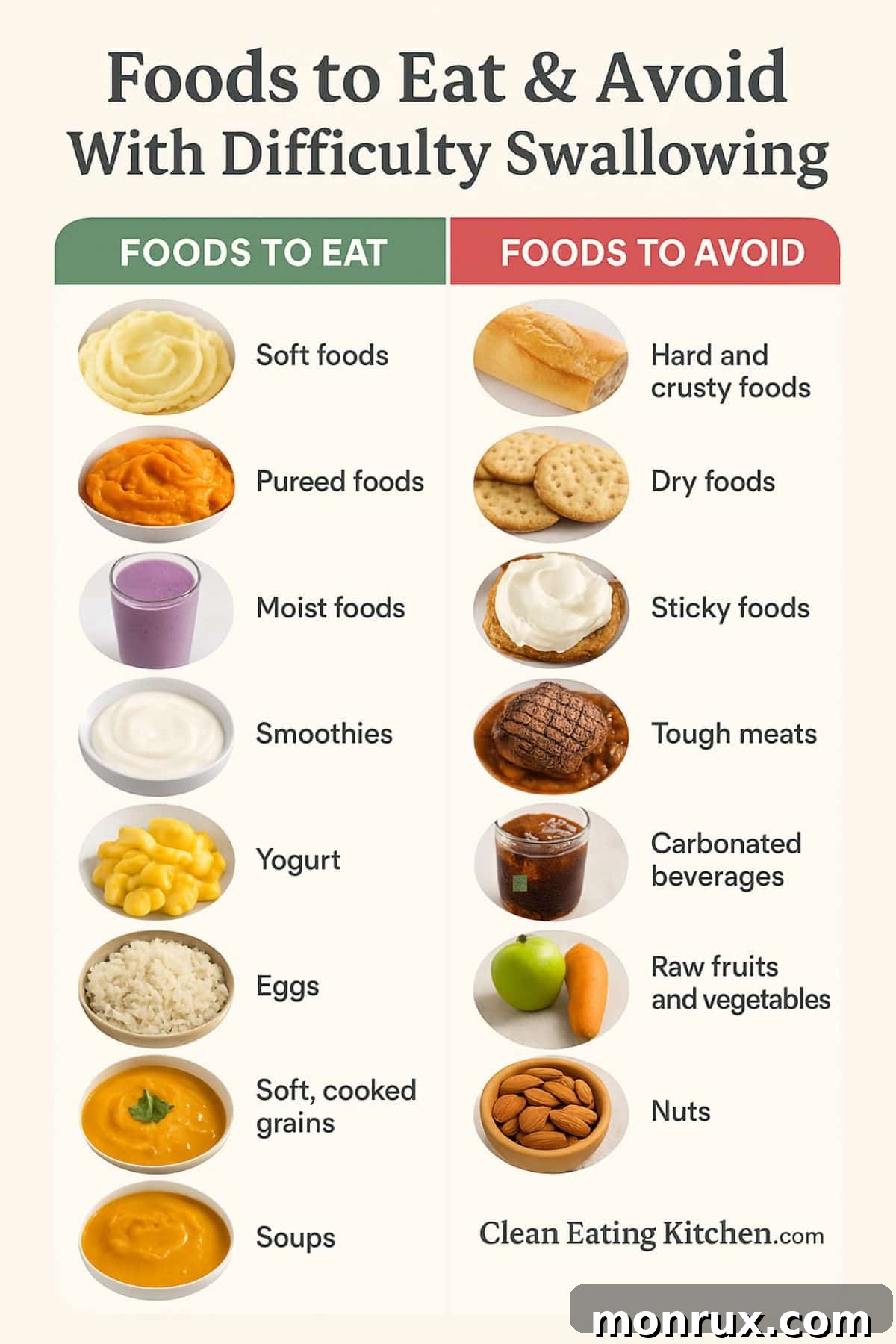
For individuals managing dysphagia, certain foods present a higher risk of choking or aspiration due to their texture, consistency, or how they break down in the mouth. Steering clear of these problematic foods is a critical step in ensuring safe and comfortable mealtimes. Here’s a detailed look at foods generally advised against:
1. Hard and Crunchy Foods
Foods with a firm, rigid, or brittle texture can be exceedingly difficult to chew thoroughly and pose a significant choking hazard. They require substantial oral manipulation to break down into a swallowable bolus. Examples include nuts, potato chips, crisp crackers, hard cookies, pretzels, and raw carrots. The sharp edges and small, hard fragments created during chewing can also irritate sensitive throat tissues.
2. Dry and Crumbly Foods
Foods lacking sufficient moisture can be challenging to form into a cohesive ball for swallowing. They tend to crumble and scatter in the mouth, increasing the risk of pieces entering the airway. Avoid items like dry cereal, very crispy french fries, plain dry toast, and crumbly pastries. These foods often require extra saliva to moisten, which can be difficult for individuals with reduced saliva production or dry mouth conditions.
3. Sticky Foods
The adhesive quality of sticky foods makes them notoriously difficult to clear from the mouth and throat. They can adhere to the palate, teeth, or pharyngeal walls, requiring excessive effort to dislodge and swallow. Examples include caramel, taffy, dried fruits (like raisins or apricots), marshmallows, and certain soft cheeses such as cream cheese or Brie. Their consistency can make them cling, increasing the risk of residue after a swallow.
4. Tough and Fibrous Meats
Cuts of meat that are particularly fibrous or chewy, such as steak, pork chops, or even some poultry, can be very strenuous to masticate properly and safely swallow. Unless they are meticulously pureed or slow-cooked to an incredibly tender, melt-in-your-mouth consistency, these meats should be avoided. Additionally, meat skin (e.g., chicken or turkey skin) is often tough and can be a significant choking hazard. Ground meats, when prepared moistly, tend to be a safer alternative.
5. Spicy Foods
Foods rich in capsaicin, the active compound in chili peppers, can irritate the sensitive mucous membranes of the mouth and throat. This burning sensation can exacerbate existing swallowing difficulties and cause discomfort. Spicy foods can also trigger or worsen symptoms of acid reflux (GERD), which itself can contribute to dysphagia by irritating the esophagus. It’s best to opt for bland or mildly seasoned dishes.
6. Carbonated Beverages
The effervescence in carbonated drinks can create a sensation of fizzing or bubbling in the mouth, which some individuals with dysphagia find uncomfortable or difficult to control. While traditional advice often suggests avoiding them, recent research indicates that thickened carbonated drinks might actually offer some benefits for certain patients, potentially stimulating swallowing reflexes. However, this is highly individualized, and consulting your speech-language pathologist for specific guidance on their safety and appropriate thickening is paramount.
7. Alcoholic Beverages
Alcohol consumption presents multiple concerns for individuals with dysphagia. Excessive alcohol intake can directly impair swallowing reflexes and coordination, potentially triggering or worsening dysphagia episodes. Furthermore, alcoholic drinks are typically thin in consistency, which can be challenging and unsafe for those who require thickened liquids. Alcohol is also known to aggravate GERD symptoms, creating a cyclical problem that further compromises swallowing function and comfort. It also has dehydrating effects.
8. Bread with Hard Crusts or Dry Texture
Most types of bread, especially those with robust, hard crusts like baguettes, artisan loaves, or even regular toast, can be problematic. Their dry, often chewy texture requires significant effort to moisten and break down. The crusts, in particular, can be sharp and scratchy, posing a risk of discomfort or lodging. If bread is consumed, it should be thoroughly soaked in liquid (e.g., milk, soup, gravy) to soften it completely.
9. Raw, Hard, or Stringy Fruits and Vegetables
Many raw fruits and vegetables, despite their nutritional value, can be difficult to manage. Items like apples, celery, and carrots have a firm, crisp texture that is hard to chew adequately. Fruits with small, hard seeds, such as blackberries and raspberries, can also be problematic. Watermelon is often cited as a “mixed consistency” food; when bitten, the liquid separates from the solid pulp, which can be disorienting and challenging for individuals with dysphagia to control. Smoothies made with high-speed blenders like a Vitamix offer a safer way to incorporate these nutrients. Consider exploring various smoothie recipes for delicious and nutritious options.
10. Popcorn
Popcorn is a high-risk food due to its combination of dry, flaky kernels and potential unpopped or partially popped pieces. These fragments are notoriously difficult to chew and can easily become lodged in the throat or enter the airway, presenting a significant choking hazard. It’s best to avoid popcorn entirely.
11. Tough or Chewy Candies
Similar to sticky foods, many candies, especially those designed to be chewy (like gummies, caramels, or hard candies that soften slowly), can adhere to the mouth and throat. They demand prolonged chewing and can be challenging to manipulate into a safe bolus, increasing the risk of sticking or aspiration. Hard candies also pose a choking risk if not fully dissolved.
12. Chunky or Creamy Peanut Butter
Both chunky and smooth peanut butter present unique challenges. Chunky varieties contain hard peanut pieces that are a direct choking hazard. Smooth peanut butter, despite its creamy appearance, possesses a thick, sticky consistency that can be incredibly difficult to swallow, often clinging to the roof of the mouth and throat. It requires considerable effort and fluid to clear safely.
13. Seeds and Whole Nuts
Whole seeds (e.g., sesame, sunflower) and nuts are inherently hard, small, and difficult to chew adequately. Even when chewed, they can break into tiny, hard fragments that are easily aspirated. They are consistently identified as high-risk choking hazards and should be completely excluded from a dysphagia diet. Nut butters, if consumed, must be very smooth and diluted.
14. Tough or Stringy Cooked Vegetables or Fruits
Even after cooking, some fruits and vegetables retain a tough, stringy, or fibrous texture that remains difficult to chew and swallow. Pineapple, whether fresh or canned, is a prime example due to its fibrous structure. Other offenders include corn kernels, peas (especially if not mashed), asparagus spears, broccoli stalks, celery, and green beans. These should be pureed or avoided unless exceptionally soft.
15. Whole Grapes
Whole grapes pose a significant choking hazard due to their smooth, slippery skin, firm texture, and spherical shape, which can perfectly occlude the airway. Their skins are relatively tough to chew, and the entire fruit can be difficult to break down into a safe size for swallowing. Grapes should always be quartered or pureed if consumed.
16. Thick or Overly Sticky Sauces
While some thin, smooth sauces can aid in moistening dry foods, overly thick, gummy, or sticky sauces can exacerbate swallowing difficulties. These might cling to the throat or be challenging to move through the pharynx. It is crucial that any sauces consumed align with the specific texture recommendations provided by your healthcare provider, as consistency plays a vital role in safety.
17. Extremely Hot or Cold Foods and Beverages
Foods and drinks served at extreme temperatures – either very hot or very cold – can interfere with sensory feedback and muscle coordination during swallowing. They may cause discomfort, reduce sensation, or provoke an involuntary reaction that makes swallowing less controlled. Opt for foods that are cool or warm, allowing for better oral motor control and comfort.
18. Raw Leafy Greens and “Floppy” Vegetables
Despite their perceived softness, raw leafy greens like spinach, kale, and lettuce, along with other thin-textured raw vegetables such as cucumber slices, can be surprisingly difficult to swallow. Their “floppy” nature means they don’t form a cohesive bolus easily and can stick to the roof of the mouth or throat, making them prone to aspiration. These should be avoided unless finely pureed into a smoothie.
19. Ice Cubes and Ice Chips
Experts strongly advise against consuming ice cubes or ice chips if you have dysphagia. As ice melts rapidly in the mouth, it transforms into a thin, unthickened liquid. For individuals requiring thickened fluids, this sudden change in consistency poses a significant aspiration risk, potentially leading to lung infection. It’s safer to use chilled, pre-thickened liquids if cold beverages are desired.
Foods to Enjoy with Dysphagia
While the list of foods to avoid may seem extensive, a wide array of delicious, nutritious, and safe foods can be enjoyed by individuals with dysphagia. The key is often in texture modification and preparation. Remember, this list offers general guidelines; always confirm specific food choices with your doctor, speech-language pathologist, or dietitian, as individual needs and prescribed diet levels can vary significantly, especially concerning fluid thickness.
1. Soft and Tender Foods
Focus on foods that are naturally soft or can be easily cooked to a tender consistency. Cooked vegetables, such as well-boiled carrots, peas, or squash (avoiding the stringy ones mentioned earlier), are excellent choices. Always test them with a fork to ensure they are soft enough and cut them into small dice, typically less than ½ inch, before serving. Tofu, mashed potatoes, and very tender meats (especially slow-cooked stews or casseroles where meat practically falls apart) are ideal. Moist tuna salad or egg salad, ensured to be free of hard bits like celery or onion chunks, are also good protein sources. For desserts, options like applesauce, creamy puddings, custards, and gelatin provide safe and satisfying treats. If conventional ice cream is problematic due to its dual consistency (solid and melting liquid), try pureeing a frozen banana for a healthy, single-consistency alternative.
2. Pureed and Smooth Foods
Almost any food can be transformed into a safe, pureed consistency using a powerful food processor or blender, provided it’s mixed with an appropriate liquid. Highly fibrous or stringy foods are the main exception, as they may require straining after blending. Crucially, avoid using water as the primary liquid for pureeing, as it dilutes flavor. Instead, opt for nutrient-rich liquids like broths, gravies, milk, cream, or light sauces. Cooking methods that add moisture, such as steaming, poaching, or stewing, are preferable to dry heat methods like roasting or frying when preparing foods for pureeing. Meats and fish often puree well when cooked with liquids like tomato soup or tomato juice, adding flavor and moisture. For a more comprehensive list of ideas, refer to our guide on best soft foods.
3. Moist Foods
Moisture is a crucial factor in facilitating safe swallowing. Prioritize foods that are inherently moist or can be easily enhanced with additional liquids. Excellent choices include hearty stews, comforting casseroles, and well-cooked pasta dishes with plenty of sauce, such as macaroni and cheese. To dry foods, you can add moisture: cereal can be softened with milk, French toast or pancakes can be generously moistened with syrup or applesauce, and finely diced meats, poultry, or fish are much safer when served generously with gravy or a creamy sauce.
4. Smoothies and Milkshakes
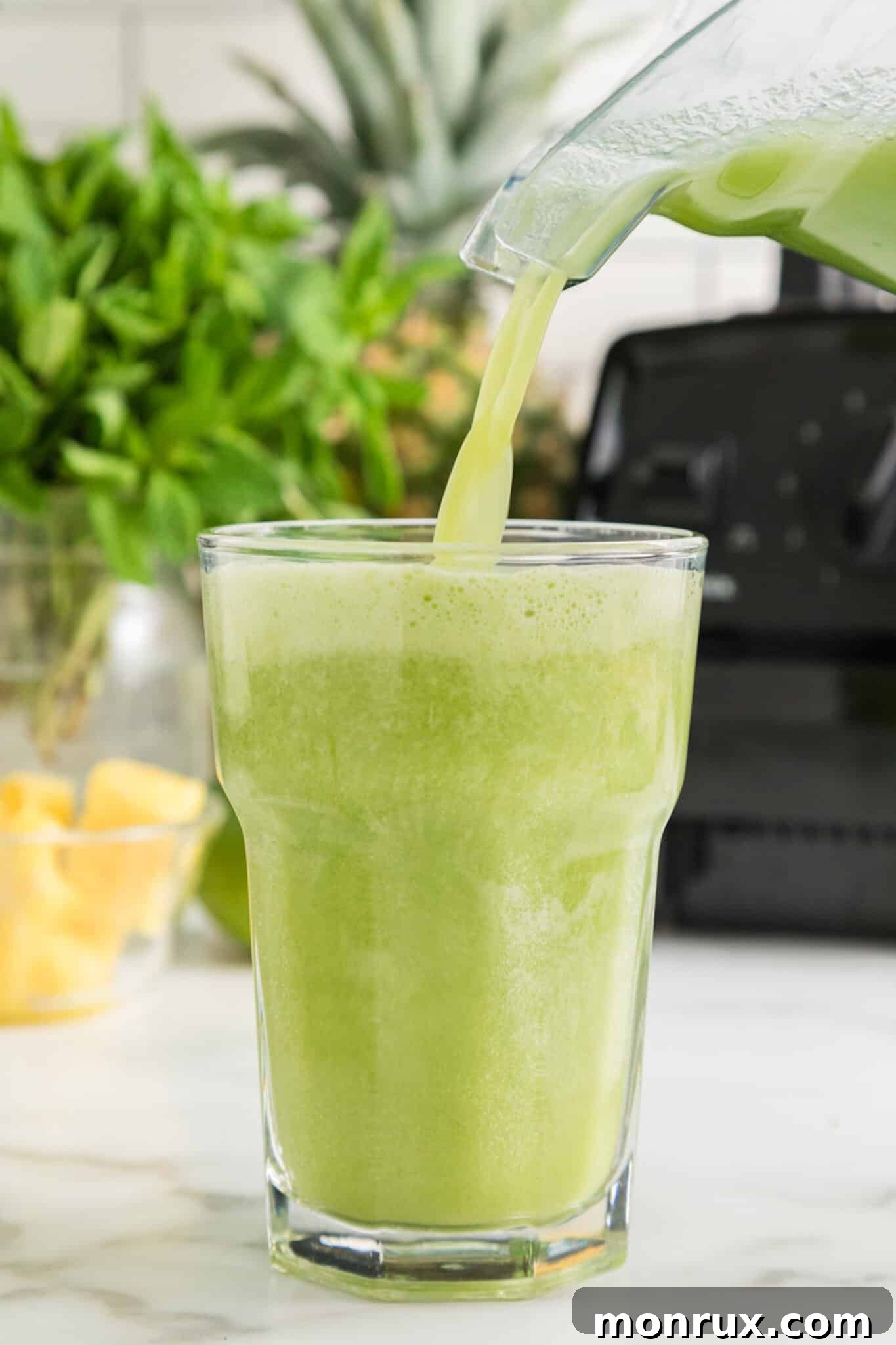
Smoothies and milkshakes are invaluable for individuals with dysphagia. They naturally offer a smooth, uniform texture that is typically easy to swallow. Furthermore, they provide a convenient and highly versatile vehicle for delivering a concentrated dose of essential nutrients. If protein intake is a concern, you can easily boost the nutritional profile by adding ingredients like protein powders, Greek yogurt, smooth nut butters, or even silken tofu. They can be customized with various fruits, vegetables, and healthy fats to create a complete and satisfying meal or snack.
5. Yogurt
Yogurt is an excellent food choice, offering a creamy, smooth, and easily digestible texture. It’s not only a good source of protein but also rich in beneficial probiotics that support gut health. When selecting yogurt, prioritize plain, unflavored varieties to avoid excessive sugars and artificial flavorings that can diminish its health benefits. You can then naturally sweeten it with pureed fruits like mashed bananas, soft berries (without seeds), or applesauce, enhancing both flavor and nutritional content.
6. Eggs
Eggs are a highly versatile and complete source of protein, making them a valuable component of a dysphagia-friendly diet. Several preparation methods ensure they are soft and easy to swallow. Poached eggs, soft-boiled eggs, and carefully prepared scrambled eggs are all excellent options. When scrambling, cook them gently to keep them moist and tender, perhaps even using a double boiler to prevent them from becoming dry or rubbery. Adding a touch of cheese while scrambling can enhance flavor and creaminess. For those with less severe dysphagia, a light and airy soufflé can also be a delightful and safe indulgence.
7. Soft, Cooked Grains
Nutrient-dense grains like oatmeal, rice, barley, and pseudo-grains such as quinoa and amaranth can be safely included when cooked to a very soft consistency. Ensure they are thoroughly cooked, often with extra liquid, and served with a sauce, gravy, or even milk to enhance moisture. They can also be incorporated into soups and casseroles, where they absorb liquids and become tender. While brown rice is more nutritious, white rice tends to cook to a softer, less chewy texture, which may be preferred by some individuals with more pronounced swallowing difficulties.
8. Smooth Soups and Broths
Soups are an ideal meal choice for those with swallowing difficulties, offering warmth, hydration, and an easy way to incorporate a variety of nutrients. The key is to ensure soups are smooth and free of large chunks of meat, vegetables, or other ingredients that could pose a choking risk. Avoid excessively thin broths if thickened liquids are recommended, as they can be difficult to control. Cream-based soups, pureed vegetable soups, and blended lentil soups can be wonderfully flavorful and safe options.
9. Mashed or Pureed Legumes and Beans
Legumes and beans are excellent sources of plant-based protein and dietary fiber. However, their skins can be tough. The solution is to consume them in a mashed or pureed form, such as creamy hummus, refried beans, or well-cooked baked beans (which are also served in a moist sauce). Blended lentil soups or pureed black beans can also be nutritious additions to the diet, providing vital nutrients without the risk associated with intact bean skins.
10. Soft, Ripe Fruits (Peeled and Seedless)
Fruits are essential for providing vitamins, minerals, and dietary fiber. While some raw fruits are problematic, many others can be safely enjoyed when properly prepared. Focus on soft, very ripe fruits, ensuring all skins, membranes, and seeds are removed. Examples include ripe bananas, soft peaches, cooked applesauce, and well-mashed cantaloupe. Canned fruits, typically softer than their fresh counterparts, can also be a good option, provided they are packed in juice or light syrup and are free of seeds and tough skins. Remember to incorporate these soft fruits into your smoothies and yogurts for added variety and nutrition.
Practical Tips for a Dysphagia Diet
Navigating a dysphagia diet extends beyond simply knowing which foods to eat or avoid; it involves adopting practical strategies to make eating as safe and enjoyable as possible. Your healthcare team, including your doctor, a speech-language pathologist (SLP), and a registered dietitian, are your best resources for personalized guidance.
Here are some valuable tips for successfully managing a dysphagia diet:
- Eat Small, Frequent Meals: Instead of three large meals, consider eating smaller portions more frequently throughout the day. This can be less overwhelming for the swallowing mechanism and help prevent fatigue during meals. Take small bites and sips, allowing ample time for each swallow.
- Enhance Flavor and Moisture: Add appealing sauces, gravies, or broths to moisten foods, making them easier to manage and significantly more tempting. This also helps combat potential dry mouth.
- Prioritize Visual Appeal: Presentation matters! Make your meals as visually appealing as possible. Colorful ingredients, attractive plating, and pleasant aromas can stimulate appetite and prevent unwanted weight loss, which is a common concern with dysphagia.
- Maintain Proper Posture: Always sit upright at a 90-degree angle while eating and drinking. Use pillows for support if needed. This upright position helps gravity assist the swallow and reduces the risk of aspiration. Remain in this position for at least 15-30 minutes after eating.
- Consider Nutritional Supplements: If you’re concerned about meeting your caloric or protein needs, discuss liquid nutrition supplements with your healthcare provider. These specialized drinks can be beneficial, but they often need to be thickened to the specific consistency that is safe for you. It’s important to remember that for some individuals, thin liquids can be harder to control and swallow safely than thickened ones.
- Slow Down and Focus: Minimize distractions during mealtimes. Eat slowly, take small sips, and concentrate on the act of swallowing. Avoid talking while chewing or swallowing.
- Oral Hygiene: Maintain excellent oral hygiene to reduce the risk of aspiration pneumonia, as bacteria from the mouth can be carried into the lungs if aspiration occurs.
Adhering to these guidelines, in conjunction with your healthcare provider’s recommendations, can empower you to manage dysphagia effectively, ensuring both safety and quality of life.
My Personal Journey with Dysphagia
I experienced episodes of dysphagia intermittently for several years following my thyroid cancer surgery. This was primarily attributed to scar tissue that formed in my neck area, specifically around where my thyroid and lymph nodes had been removed. It was a challenging time, and I truly understand the anxieties and frustrations that come with difficulty swallowing.
While my swallowing abilities have significantly improved over time, I remain cautious. I still find it essential to avoid talking and swallowing simultaneously, and I make a conscious effort to chew my food very thoroughly. These simple practices make swallowing easier and provide me with greater confidence that I won’t choke. My hope is that sharing my experience and this comprehensive guide offers practical help and reassurance to others facing the challenges of dysphagia.
More Health Resources You Might Like
Summary and Final Thoughts
Adapting to a dysphagia diet can initially feel overwhelming, but it’s a critical step toward ensuring both safety and nutritional well-being. The good news is that with thoughtful planning and appropriate preparation, you can continue to enjoy a vast array of wonderfully tasty and nourishing foods every day. By understanding the textures and consistencies that are safe, and by experimenting with different cooking methods, you can create a varied, appealing, and satisfying menu.
Remember, managing dysphagia is a journey, and with the right knowledge and support from healthcare professionals, mealtimes can once again become a source of pleasure rather than anxiety. Embrace the possibilities of modified diets, and look forward to savoring your food safely and comfortably.
Don’t forget to join my newsletter list to get exclusive clean eating recipes and tips. The newsletter is 100% free with no spam; unsubscribe anytime.
About the Author: Carrie Forrest has a master’s degree in public health with a specialty in nutrition and is a certified holistic nutritionist. She is a top wellness and food blogger with over 5 million annual visitors to her site. Carrie has an incredible story of recovery from chronic illness and is passionate about helping other women transform their health. Send her a message through her contact form.
Note: this post is for informational purposes only and is not intended as medical advice. Please consult your healthcare provider for recommendations related to your individual situation.