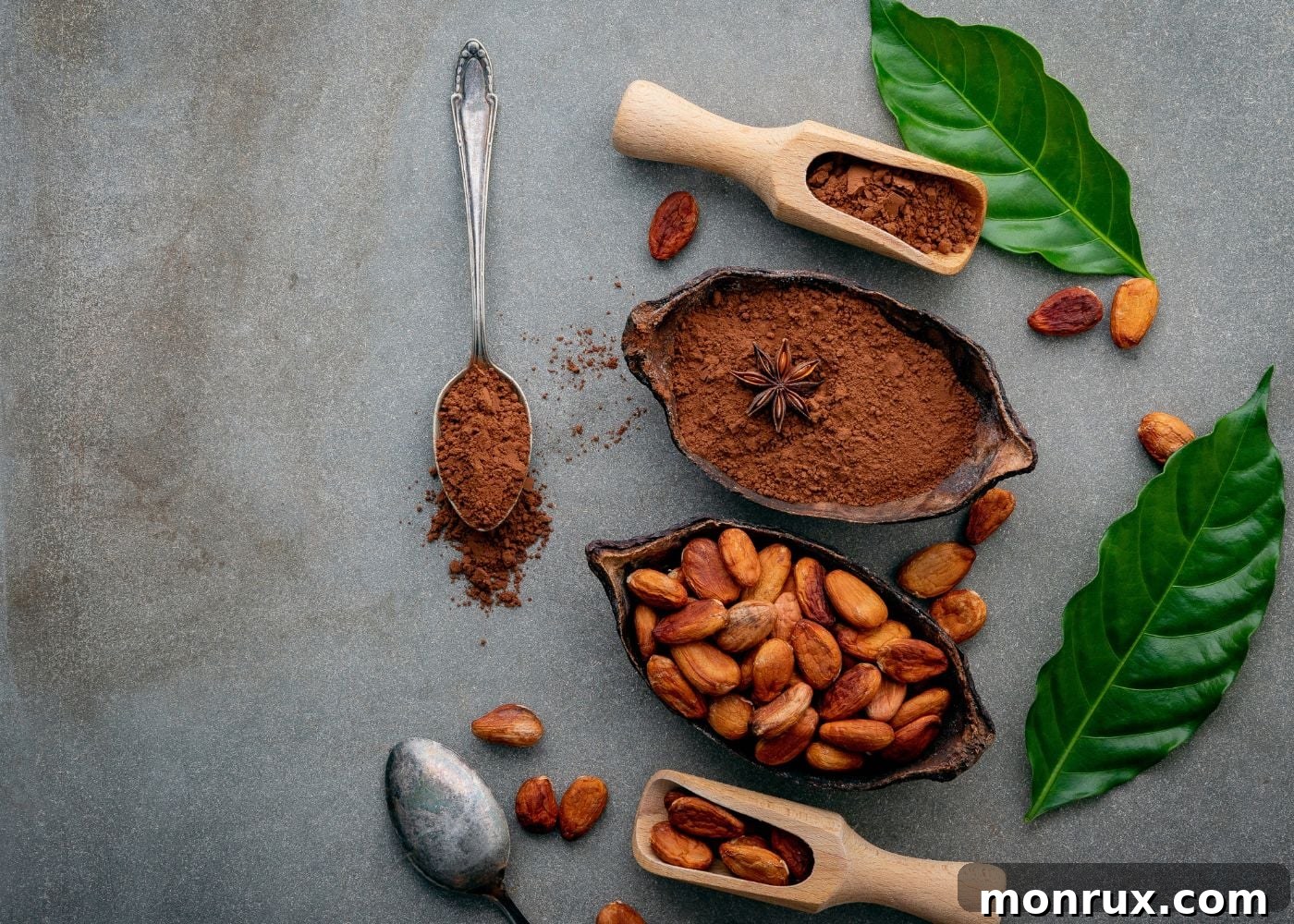
Running low on cocoa powder in the middle of a baking project can be frustrating, but it doesn’t have to spell disaster for your delicious treats. Cocoa powder is a fundamental ingredient in countless chocolate-infused recipes, from rich cakes and brownies to comforting hot cocoa. Its deep, intense chocolate flavor and beautiful dark color are often irreplaceable for many home bakers. However, whether you’ve unexpectedly run out, are looking for a slightly different flavor profile, or need to accommodate dietary restrictions, there are several excellent cocoa powder substitutes available. This comprehensive guide will explore the best alternatives, including unsweetened baking chocolate, raw cacao powder, nutritious cacao nibs, versatile Nutella, and caffeine-free carob powder, ensuring your chocolate cravings are always satisfied and your baking endeavors remain successful.
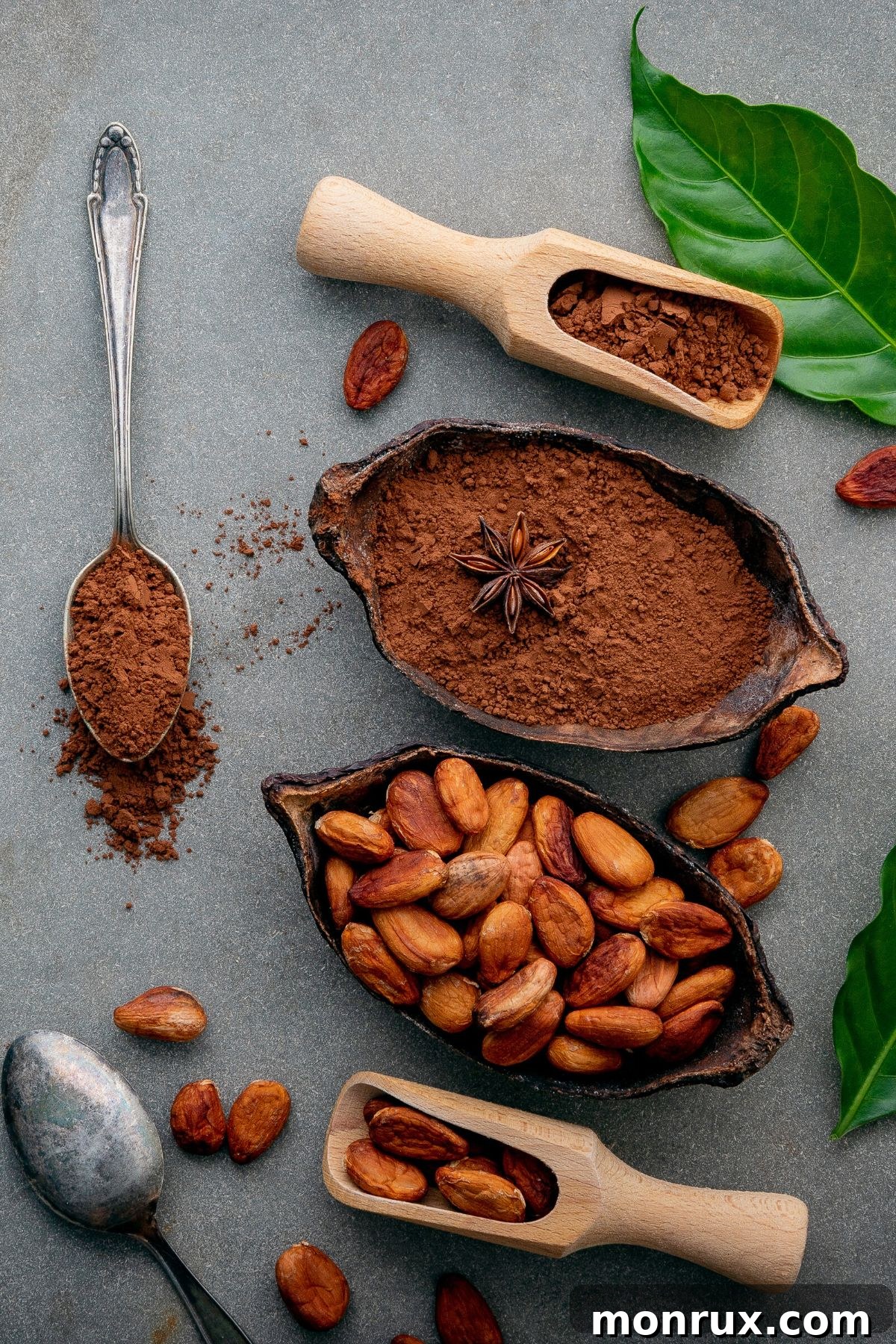
Understanding Cocoa Powder: The Foundation of Chocolate Flavor
Before diving into substitutes, let’s understand the essence of cocoa powder. It originates from the beans of the cacao tree (Theobroma cacao), a tropical evergreen native to the Amazon rainforest. The journey from a bitter bean to the beloved powder we use in our kitchens is a fascinating and intricate process.
Initially, cacao beans undergo fermentation, a crucial step that develops their characteristic flavor and aroma. Following fermentation, the beans are dried, roasted, and then ground into a thick, liquor-like paste known as chocolate liquor. This liquor is essentially pure ground cacao beans, containing both cocoa solids and cocoa butter.
To produce cocoa powder, the cocoa butter—a natural fat—is pressed out of the chocolate liquor. The remaining solid mass, called a “press cake,” is then dried and finely ground into the powder we recognize. This process leaves cocoa powder as an unsweetened product, distinct from sweet chocolate bars. Its pure, concentrated form gives it a significantly more bitter taste, but also imparts a rich, deep flavor, intense color, and delightful fragrance, making it indispensable in chocolate-based desserts and beverages.
It’s vital to distinguish pure cocoa powder from “chocolate powder” or “hot cocoa mix.” While often confused, pure cocoa powder contains no added sugar or milk solids. Chocolate powder, on the other hand, is typically a processed blend that includes sweeteners, milk powder, and other additives designed for instant drinks, offering a vastly different flavor and texture profile unsuitable for precise baking substitutions.
Why Seek a Cocoa Powder Replacement? Common Scenarios
There are several common reasons why you might find yourself in need of a reliable cocoa powder replacement:
- Unexpected Shortage: The most frequent reason—you’re halfway through a recipe and realize your pantry is bare.
- Dietary Needs and Sensitivities: Some individuals are sensitive to caffeine (naturally present in cocoa), while others might be seeking alternatives for specific allergies or dietary preferences, such as a desire for raw or caffeine-free options.
- Flavor Experimentation: Each substitute offers a unique nuance to the final dish, allowing for creative culinary exploration and the development of new signature flavors.
- Ingredient Availability: Certain specialty cocoa powders might not be readily available in all areas, making common pantry staples invaluable.
Regardless of your reason, rest assured that delicious, chocolatey results are still within reach with the right substitute!
Top Cocoa Powder Substitutes for Baking and Cooking
If you find yourself without cocoa powder, don’t despair! Here are some of the best alternatives that can save your recipe and deliver fantastic flavor, along with practical tips for using them effectively.
1. Unsweetened Baking Chocolate (Baking Bar)
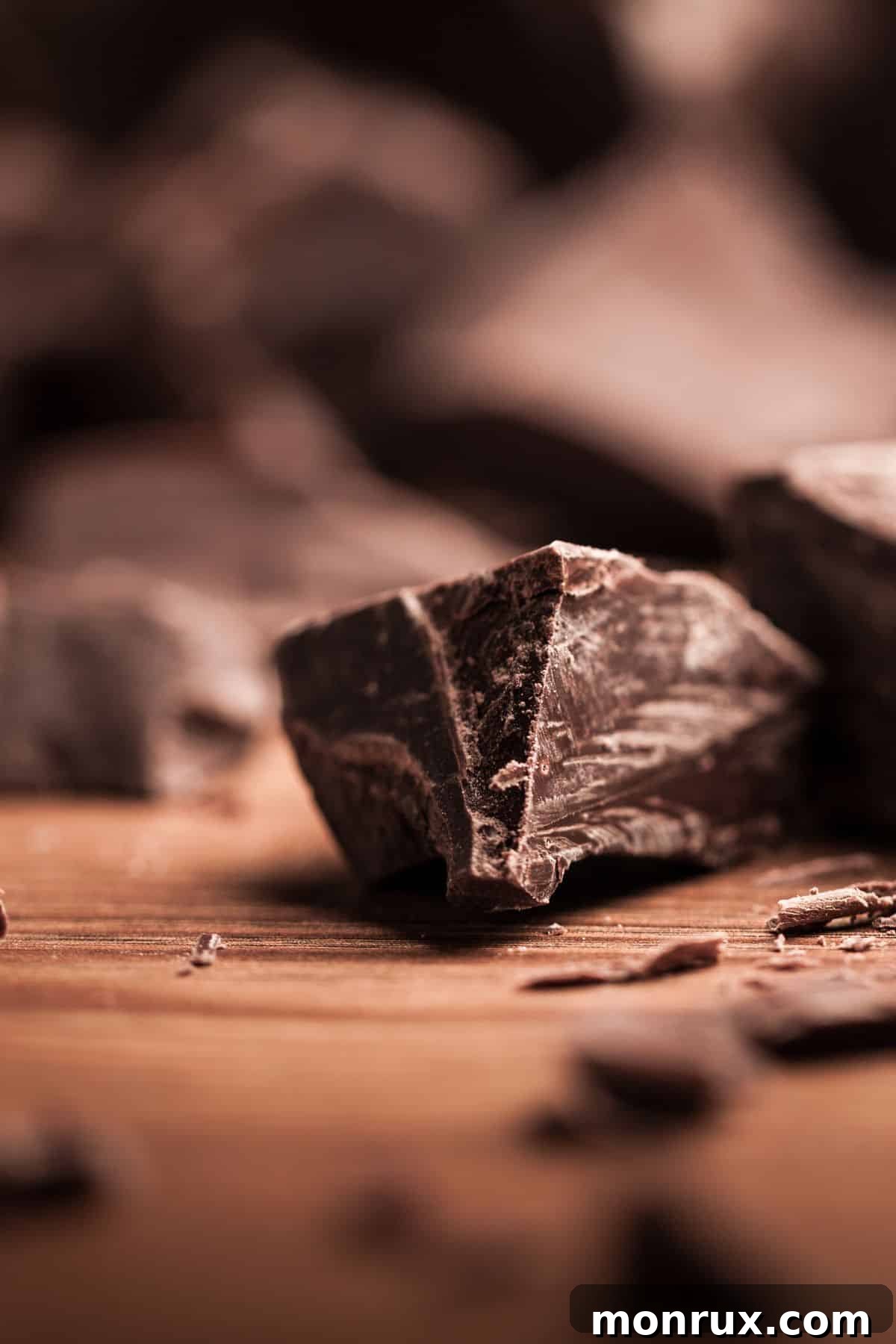
Unsweetened baking chocolate, often sold in bars or blocks, is an exceptional substitute for cocoa powder due to its high concentration of cocoa solids and chocolate liquor. Like pure cocoa powder, it contains no added sugar, ensuring that the sweetness level of your finished dish remains entirely in your control. This makes it an ideal choice for recipes where precise sugar balance is critical, preventing unexpected sweetness.
The primary difference between unsweetened baking chocolate and cocoa powder lies in its fat content. Baking chocolate contains a significant amount of cocoa butter, which is largely pressed out during the production of cocoa powder. Consequently, when using this substitute, you’ll need to adjust the fat content in your recipe to avoid a greasy or overly dense outcome. A general rule of thumb is to remove 1 tablespoon of fat (such as butter, oil, or shortening) from your recipe for every ounce (approximately 28 grams) of unsweetened baking chocolate you incorporate.
Preparation is also key. Unsweetened baking chocolate must be melted before incorporation into your recipe. The safest and most effective methods include melting it in short, 10-second bursts in a microwave, stirring frequently between each burst to prevent scorching, or using a double boiler setup. This involves placing the chocolate in a heat-proof bowl set over a pan of simmering water, allowing the gentle steam to melt the chocolate evenly and smoothly.
Conversion Ratio: For every 3 tablespoons of cocoa powder required in your recipe, use 1 ounce (28 grams) of unsweetened baking chocolate. Remember to reduce the amount of other fats in your recipe by 1 tablespoon per ounce of chocolate used.
Best for: Rich brownies, decadent chocolate cakes, cookies, and creamy custards where an intense chocolate flavor and smooth texture are desired. It works particularly well in recipes that originally called for a significant amount of cocoa powder.
2. Cacao Powder (Raw Cacao)
While often used interchangeably by some, cacao powder and cocoa powder are distinct products derived from the same source: cacao beans. Cacao powder is considered a “raw” product because it undergoes minimal processing at very low temperatures. This gentle method aims to preserve more of the bean’s natural enzymes and nutrients, particularly its high antioxidant content, making it a popular choice in health-conscious cooking and superfood recipes.
Cacao powder is made by grinding whole cacao pods and beans, resulting in a product that is often more bitter and less sweet than standard cocoa powder. This intense bitterness is due to the lack of significant roasting or alkalization that cocoa powder typically undergoes, which can mellow its flavor. When substituting cacao powder for cocoa powder, you might find it beneficial to add a small amount of extra sweetener (such as sugar, maple syrup, or honey) to your recipe to balance the flavor, especially in desserts where sweetness is expected. However, in savory applications like chili or barbecue rubs, many culinary enthusiasts prefer the bolder, earthier, and slightly fruitier notes of cacao powder, as its robust flavor can add an unexpected depth.
Conversion Ratio: For every 1 tablespoon of cocoa powder in your recipe, you can use 1 tablespoon of cacao powder. Always taste and adjust sweetness as needed, as raw cacao is naturally more bitter.
Best for: Smoothies, raw desserts, energy bars, protein shakes, and recipes where nutritional benefits are a priority, or where a more robust, slightly bitter, and complex chocolate flavor is desired.
3. Cacao Nibs
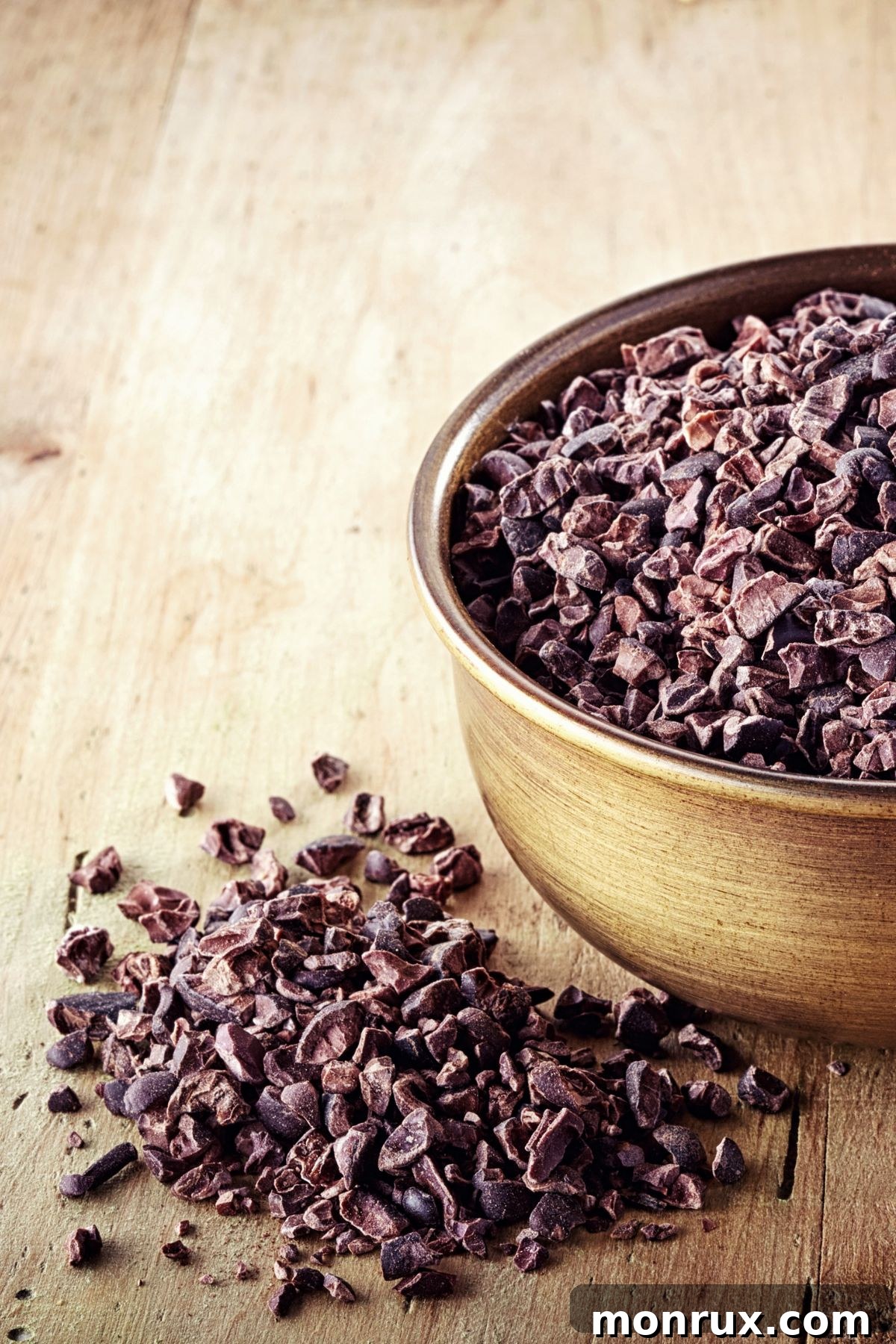
Cacao nibs are essentially crushed, fermented, and typically roasted (though raw versions exist) fragments of cacao beans. These small, irregularly shaped pieces are packed with an intense, pure chocolate flavor and are renowned for their nutritional benefits, being rich in antioxidants, fiber, and minerals. Like cacao powder, they are unsweetened and carry a significant bitterness, along with a distinct, slightly nutty, and often fruity flavor profile that reflects their origin.
When used as a direct substitute for finely milled cocoa powder, the main challenge with cacao nibs is their texture. While delightful in granolas, cookies, or as a garnish, their crunchiness is typically not desired in recipes calling for a smooth powder. To use cacao nibs as a cocoa powder alternative, you’ll need to grind them into a very fine powder. A powerful food processor, spice grinder, or a dedicated coffee grinder can achieve this effectively. Once powdered, they can be used similarly to cacao powder, offering a rich chocolate flavor without added sweetness.
An exception to grinding would be in recipes where their texture is welcome, such as certain mole sauces or stews, where they can be added whole and blended later into the sauce to thicken and flavor the dish. They can also be a great addition to batters for muffins or quick breads for an extra textural element, but wouldn’t be a direct substitute for the powder in that form.
Conversion Ratio: For every 1 tablespoon of cocoa powder in your recipe, use 1 tablespoon of finely ground cacao nibs. It’s advisable to taste your batter or dough and consider adjusting other sweeteners in the recipe to balance the inherent bitterness of the nibs.
Best for: Adding intense chocolate flavor and crunch to granolas, trail mixes, smoothies, and certain savory dishes, or when ground, as a potent, raw replacement in recipes where a bold, slightly bitter chocolate note is acceptable.
4. Nutella (Hazelnut Spread)
Nutella, the widely popular hazelnut cocoa spread, can be a surprisingly effective substitute for cocoa powder in specific recipes, particularly those that benefit from its creamy texture and distinct nutty-chocolate flavor. However, it’s crucial to understand that Nutella is a heavily sweetened and fatty product, meaning significant adjustments will be necessary for your recipe to achieve the desired outcome.
Given its high sugar content, you must significantly reduce the amount of sugar called for in your original recipe to prevent the final product from becoming overly sweet. Additionally, Nutella contains a substantial amount of fat (around 15g per tablespoon), primarily from hazelnuts and oils. Therefore, you will need to reduce other fats in your recipe, and potentially even liquids, to achieve the desired consistency and prevent a greasy or heavy outcome. This makes it more suitable for frostings, dessert sauces, or certain quick bread recipes and muffins rather than delicate baked goods like cakes or soufflés where precise ingredient balance is paramount.
If you’re feeling adventurous and want more control over the ingredients, making your own hazelnut spread at home is a rewarding experience. This allows you to customize the sweetness and fat levels, creating a healthier or more tailored version of Nutella for your specific substitution needs. Here’s a simple recipe to try:
Homemade Hazelnut Chocolate Spread Recipe:
- 8 ounces roasted hazelnuts (skinless)
- 1 cup confectioner’s sugar
- 1/3 cup unsweetened cocoa powder
- 2 tablespoons coconut oil (or other neutral oil like grapeseed or sunflower)
- 1 teaspoon salt
- 1 teaspoon vanilla extract
- Process the roasted hazelnuts in a powerful food processor until very finely ground and a natural nut butter begins to form. This can take 5-10 minutes, so be patient and scrape down the sides of the bowl as necessary.
- Add the confectioner’s sugar and unsweetened cocoa powder. Continue to process for about 5 minutes, until thoroughly combined and smooth. The mixture should be thick.
- With the food processor running, gradually drizzle in the coconut oil, vanilla extract, and salt. Continue processing until the mixture is completely smooth and creamy.
- Transfer the homemade spread to a clean, airtight jar and store in the fridge for up to one month.
Conversion Ratio: For every 3 tablespoons of cocoa powder in your recipe, you will need approximately 4 ounces (113 grams) of Nutella. Remember to significantly reduce both the sugar and fat content in your recipe when using this substitute to maintain balance.
Best for: Frostings, glazes, dessert sauces, milkshakes, hot beverages, and recipes where its inherent sweetness, fat content, and nutty flavor can be easily balanced or are desirable additions.
5. Carob Powder
Carob powder is an excellent, naturally sweet alternative to cocoa powder, derived from the dried and roasted pods of the carob tree (Ceratonia siliqua). While it looks remarkably similar to cocoa powder in color and texture, its flavor profile is distinctly different. Carob has a naturally sweet, malty, and slightly earthy taste, lacking the inherent bitterness found in cocoa. This natural sweetness means you can often reduce the amount of sugar in your recipe when using carob powder as a substitute, leading to a healthier end product.
One significant advantage of carob powder, especially for those with sensitivities, is that it is completely caffeine-free and contains no theobromine (another stimulant found in chocolate). This makes it an ideal alternative for individuals who experience headaches, jitters, or other discomforts from caffeine, allowing them to still enjoy chocolate-like flavors without the stimulant effects. It’s also low in fat, making it a good choice for those monitoring fat intake.
While carob powder works well as a 1:1 substitute in terms of volume or weight for cocoa powder, be mindful that the final flavor of your dish will be altered. It won’t taste exactly like chocolate, but rather a milder, sweeter, and unique carob flavor. This can be a pleasant and welcome change for some, or it might require a slight adjustment in expectations depending on the recipe and personal preference.
Conversion Ratio: For every 1 tablespoon of cocoa powder in your recipe, use 1 tablespoon of carob powder. You may need to reduce the amount of sugar in your recipe by 1-2 tablespoons per 1/2 cup of carob powder used, depending on your desired sweetness level and the original recipe’s sugar content.
Best for: Recipes where a chocolate-like flavor is desired but caffeine is to be avoided, or for those who appreciate its unique, naturally sweet and malty taste. It performs well in cookies, brownies, cakes, and various beverages, especially for children or those with chocolate allergies.
Summary of Cocoa Powder Substitutes: At a Glance
To help you quickly choose the best alternative for your specific baking and cooking needs, here’s a concise overview of the pros and cons of each cocoa powder substitute:
| Substitute | Pros | Cons |
|---|---|---|
| Unsweetened Baking Chocolate | Rich, intense, pure chocolate flavor; no added sugar; excellent for deep chocolate notes. | High in cocoa butter, requires fat reduction in recipe; must be melted before use; not suitable for dry mixes. |
| Cacao Powder | High in antioxidants and nutrients; offers a robust, pure chocolate flavor; good texture match to cocoa powder. | More bitter and less sweet than cocoa powder, may require extra sweetener adjustment; can be more expensive. |
| Cacao Nibs | Nutritious and high in antioxidants; provides a potent, pure chocolate flavor. | Must be ground into a powder for most baking uses; very bitter; provides no sweetness; unique texture when not ground. |
| Nutella | Sweet, creamy, and distinct hazelnut-chocolate flavor; adds richness and moisture. | Very high in sugar and fat, requires significant recipe adjustments for both; distinct hazelnut flavor might not be desired in all recipes. |
| Carob Powder | Naturally sweet; completely caffeine-free; good texture match; low in fat. | Flavor profile is distinctly different from chocolate (malty, earthy); may alter the overall taste of recipes designed for chocolate. |
Different Types of Cocoa Powder Explained: Beyond the Basics
Understanding the nuances between various types of cocoa powder can significantly enhance your baking and help you make more informed substitutions or simply elevate your culinary results. Not all cocoa powders are created equal, and their processing directly impacts their flavor, color, and how they interact with other ingredients, especially leavening agents.
Natural Cocoa Powder
This is the most common and widely available type of cocoa powder, often simply labeled “unsweetened cocoa powder.” It undergoes minimal processing: fermented, dried, roasted, and then pressed to remove cocoa butter, leaving the pure cocoa solids. Natural cocoa powder is typically light brown in color and has a distinctively bitter, slightly acidic, and often fruity flavor. Its pH level usually ranges between 5.3 and 5.8, classifying it as acidic. This acidity is crucial in recipes that specifically use baking soda (sodium bicarbonate) as a leavening agent. Baking soda is an alkali that reacts with acids to produce carbon dioxide gas, which helps cakes, cookies, and quick breads rise and achieve a light, airy texture. If your recipe calls for baking soda and no other prominent acidic ingredients (like buttermilk, lemon juice, or vinegar), natural cocoa powder is almost always the correct and intended choice.
Dutch-Processed Cocoa Powder
Also known as “alkalized cocoa powder” or labeled as “processed with alkali,” Dutch-processed cocoa powder undergoes an extra step where the cocoa beans or finished cocoa powder are washed with an alkaline solution (typically potassium carbonate). This process neutralizes the cocoa’s natural acidity, raising its pH to a more neutral range, typically between 6.8 and 7.2. The result is a darker, often reddish-brown powder with a milder, less bitter, and smoother chocolate flavor. Because it’s neutral, Dutch-processed cocoa does not react with baking soda. Therefore, it’s best used in recipes that rely on baking powder (which contains its own acid) for leavening, or in non-leavened items like sauces, puddings, ice cream, and hot chocolates where its darker color and mellow, rich flavor are desired. While the Dutching process can reduce some of the antioxidant content, it’s largely chosen for its distinct flavor profile and impressive visual appeal.
Black Cocoa Powder
Black cocoa powder represents an extreme form of Dutch-processed cocoa. It has been treated with alkali to a much greater extent than standard Dutch-processed cocoa, resulting in an exceptionally dark, almost jet-black color. This is the secret ingredient behind the iconic dark hue of Oreo cookies and other intensely dark chocolate baked goods. Black cocoa powder has a very mild, sometimes even bland, flavor compared to natural or regular Dutch-processed cocoa, as much of its nuanced chocolate flavor has been stripped away during the extensive alkalization process. Due to its extremely neutral pH, it offers virtually no leavening power. It should only be used in recipes that specifically call for it, or in combination with other leavening agents (typically baking powder), primarily for its dramatic color effect rather than its significant flavor contribution.
Cocoa Mix (Hot Cocoa Mix)
It’s important to reiterate that “cocoa mix” or “hot cocoa mix” is not a suitable substitute for pure cocoa powder in serious baking. These mixes are convenience products primarily designed to quickly make a warm beverage. They do contain some pure cocoa powder, but also a significant amount of sugar, milk powder, emulsifiers, and often artificial flavors and stabilizers. Using hot cocoa mix in a baking recipe would drastically throw off the delicate balance of sugar, fat, and liquid, ruin the intended texture, and likely result in a far less rich and authentic chocolate flavor. Always ensure you are using pure, unsweetened cocoa powder when a recipe calls for it in baking applications.
General Tips for Successful Substitutions
When swapping ingredients, particularly a foundational component like cocoa powder, a little foresight and understanding go a long way in ensuring your culinary success:
- Understand the Role: Before substituting, consider what cocoa powder contributes to the original recipe beyond just flavor. Does it provide acidity for leavening? Does it add significant bulk?
- Adjust Other Ingredients: Be prepared to modify sugar, fat, and liquid amounts in your recipe based on the specific characteristics of your chosen substitute. This is often the most critical step.
- Taste as You Go: For non-baked items like sauces, puddings, or drinks, taste and adjust flavors incrementally. For baked goods, rely on your knowledge of the substitute’s flavor profile.
- Consider Texture: Ensure your substitute matches the desired texture. For instance, cacao nibs must be finely ground if replacing powdered cocoa.
- Leavening Agents: Pay close attention to whether your recipe uses baking soda (which requires an acid to react) or baking powder (which is a self-contained leavener). Natural cocoa is acidic; Dutch-processed cocoa and carob powder are not. Incorrectly pairing these can lead to flat baked goods.
Storing Cocoa Powder and Its Substitutes for Optimal Freshness
Proper storage is essential to maintain the longevity, potency, and vibrant flavor of your cocoa powder and its various substitutes:
- Cocoa Powder (Natural & Dutch-Processed): Store in an airtight container in a cool, dark pantry, away from direct sunlight, moisture, and strong odors that it can absorb. While it doesn’t truly spoil, its flavor may gradually diminish over 2-3 years.
- Unsweetened Baking Chocolate: Keep it wrapped tightly in its original packaging or an airtight container in a cool, dry place. Avoid refrigeration, which can cause sugar bloom (white streaks that don’t affect taste but alter appearance). It generally lasts for 1-2 years.
- Cacao Powder/Nibs: Store similarly to cocoa powder—airtight, cool, and dark. Raw products are often more delicate than roasted cocoa and may have a slightly shorter shelf life. Check for freshness periodically.
- Nutella: Store at room temperature in a cool, dry place. Refrigeration can cause it to harden and become difficult to spread. It typically lasts several weeks to months after opening, depending on usage.
- Carob Powder: Store in an airtight container in a cool, dark pantry. It has a very long shelf life, often several years, due to its low fat content.
Some Delicious Recipes Using Cocoa Powder
Inspired to bake or create something new with chocolatey flavors? Here are some delightful recipes that showcase the versatility of cocoa powder, where you can apply your newfound substitution knowledge:
- Chocolate Peanut Butter Banana Ice Cream
- Vegan Fudgesicles
- Edible Chocolate Cookie Dough
- Chocolate Smoothie Bowl
- Avocado Chocolate Ice Cream
More Articles About Substituting Ingredients
Conclusion: Embrace Culinary Flexibility and Creativity
Cocoa powder is indeed a star ingredient, offering unparalleled flavor, depth, and color to a myriad of dishes. However, as this comprehensive guide demonstrates, being without it doesn’t mean your culinary adventures have to pause. From the intense richness of unsweetened baking chocolate to the raw power of cacao powder, the unique sweetness of carob, and the indulgent creaminess of Nutella, a diverse range of alternatives awaits your exploration.
Each cocoa powder substitute brings its own unique properties, requiring careful consideration of conversion ratios, fat and sugar adjustments, and the overall desired outcome of your recipe. Don’t hesitate to experiment with these options to discover which ones best suit your taste, specific dietary needs, and particular baking requirements. With a little creativity and these handy tips, you can confidently tackle any chocolate recipe, ensuring delicious results every time, even when your pantry isn’t fully stocked. Happy baking!