
In today’s fast-paced world, the journey to a healthier lifestyle often begins with a simple yet powerful commitment: embracing clean eating. Whether your goal is effective weight management, a significant boost in energy levels, or simply an improved sense of overall well-being, prioritizing whole, unprocessed foods is a fundamental step. However, a common misconception is that a clean eating lifestyle is inherently expensive and out of reach for those on a tight budget. This couldn’t be further from the truth.
This comprehensive guide is dedicated to dispelling that myth, offering practical, actionable strategies and a meticulously crafted 7-day meal plan to demonstrate precisely how to eat healthy on a budget. We’ll dive deep into smart shopping techniques, clever meal preparation, and wise food choices that allow you to nourish your body with wholesome, clean ingredients without breaking the bank. Prepare to transform your approach to food, proving that a nutritious, vibrant diet is accessible to everyone, regardless of financial constraints.
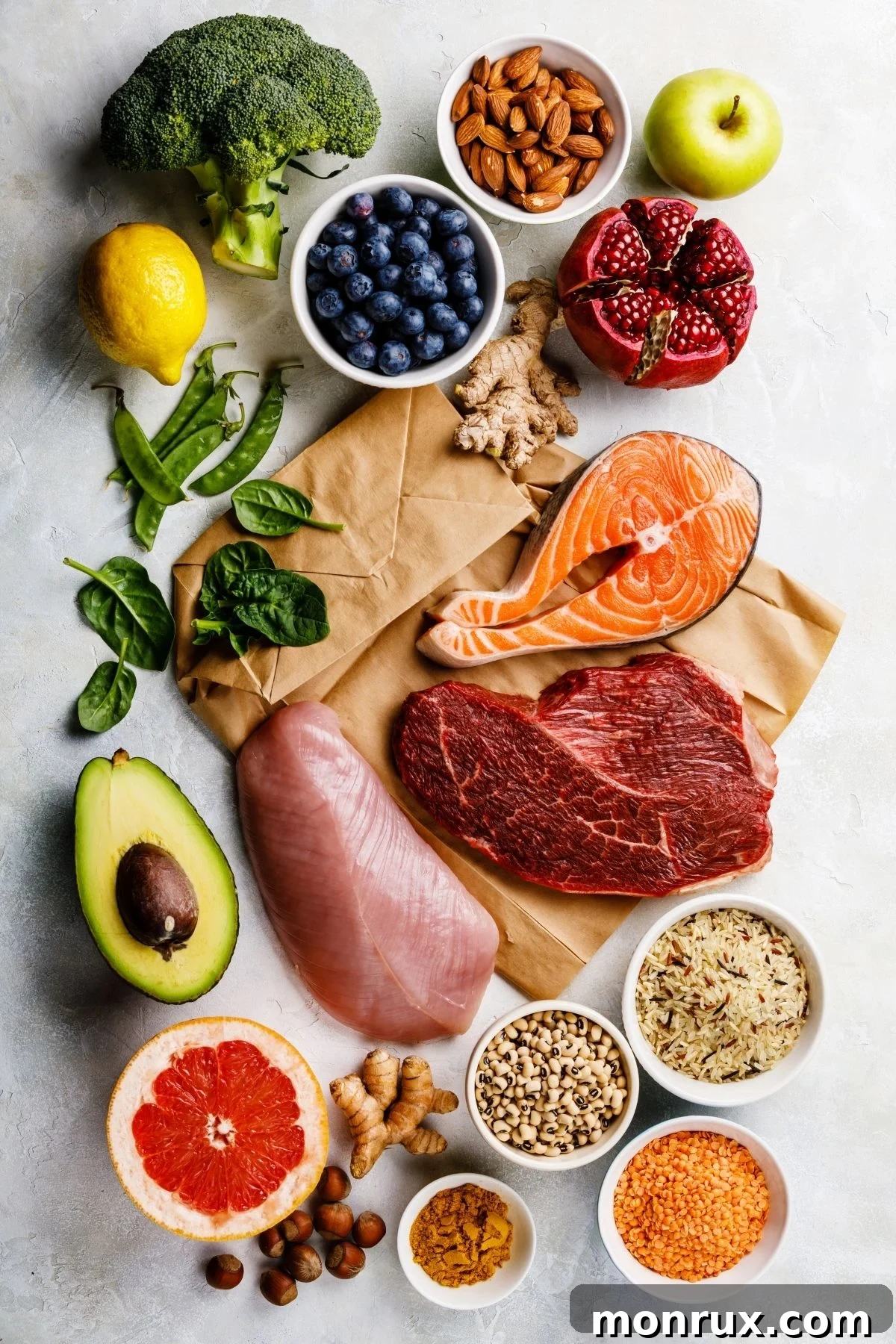
Smart Strategies for Budget-Friendly Clean Eating
The idea that clean eating is exclusively for those with ample disposable income is a persistent myth. However, through careful planning and informed choices, it is entirely possible to nourish your body with wholesome foods while adhering to a strict budget. My journey into understanding affordable nutrition began during my university studies in nutrition, where a challenging assignment required me to design a week-long meal plan for a family with very limited financial resources. This academic exercise, combined with years of personal experience navigating life on a shoestring budget, provided invaluable insights into the practicalities of economical healthy eating.
The following tips are a culmination of both my formal training in public health nutrition and my real-world experiences. They are designed to empower you to make intelligent food decisions that support both your health and your wallet. If you discover additional creative ways to save money while eating clean, please share your wisdom in the comments section below – collective knowledge is a powerful tool in building a healthier, more accessible food system for everyone.
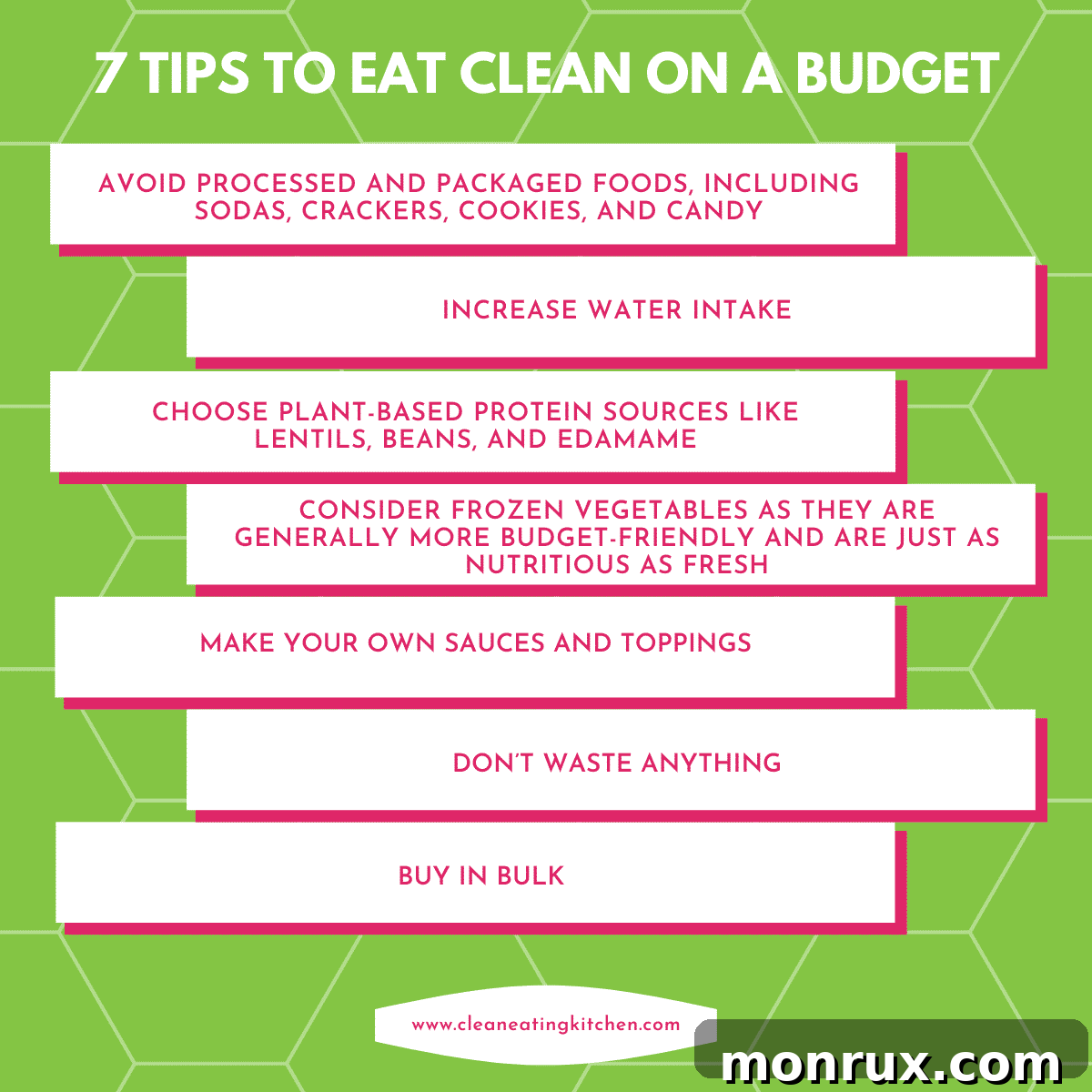
1. Prioritize Whole Foods and Drastically Reduce Processed Items
- Why It Matters for Your Health and Wallet: It’s a common misconception that highly processed, packaged foods like sodas, crackers, cookies, and candy are always the cheaper option. While their initial price tag might seem appealing, the true cost extends far beyond the checkout aisle. These items are often laden with unhealthy fats, added sugars, and artificial ingredients that offer minimal nutritional value, leading to poor satiety and often prompting you to eat more. More significantly, a diet high in processed foods has been extensively linked to an increased risk of chronic health issues such as obesity, heart disease, type 2 diabetes, and various micronutrient deficiencies. Managing these conditions incurs substantial long-term financial burdens through medical expenses, lost productivity, and a potentially diminished quality of life. Investing in whole foods now is an investment in your future health and financial stability.
- How to Implement This Strategy:
- Shop the Store Perimeter: The outer aisles of grocery stores are typically where you’ll find fresh produce, dairy (if consumed), and lean proteins – the cornerstones of clean eating. Prioritize filling your cart with these nutrient-dense options first.
- Explore Farmer’s Markets: Many farmer’s markets offer seasonal produce at competitive prices, and some even accept food stamps, making fresh, local food more accessible.
- Strategic Inner Aisle Shopping: Venture into the inner aisles only for essential bulk items or minimally processed staples like whole grains, legumes, and certain frozen goods. Consult a comprehensive Clean Eating Grocery List & Pantry Guide to make informed choices.
- Healthy Snack Alternatives: Instead of packaged cookies and cakes, explore a variety of clean eating desserts and snacks you can easily make at home, such as fruit, nuts, or homemade energy bites.
2. Boost Hydration with Water and Homemade Beverages
- Why It Matters for Your Health and Wallet: Proper hydration is fundamental to virtually every bodily function, impacting everything from energy levels and metabolism to skin health and cognitive performance. Swapping sugary beverages like soda, juice, or even store-bought specialty coffees for water can significantly reduce your daily calorie intake and sugar consumption, lowering your risk of obesity and related chronic diseases. Beyond the health benefits, this simple switch offers substantial financial savings. Think about how much you spend on bottled drinks or daily coffee shop visits – these costs quickly accumulate.
- How to Implement This Strategy:
- Invest in a Water Filter: Rather than repeatedly purchasing expensive bottled water, invest in a good quality, reasonably priced water filter for your tap. This provides clean, refreshing water at a fraction of the cost over time.
- Infuse Your Water Naturally: Make water more appealing by infusing it with fresh fruits and vegetables. Try refreshing combinations like Cucumber Ginger Lemon Water or a zesty blend of Apple Cider Vinegar and Lemon Juice.
- Brew at Home: Save those overpriced coffee shop drinks for rare treats. Making your coffee and tea at home is not only significantly cheaper but also allows you to control the ingredients, avoiding excessive sugars and artificial additives.
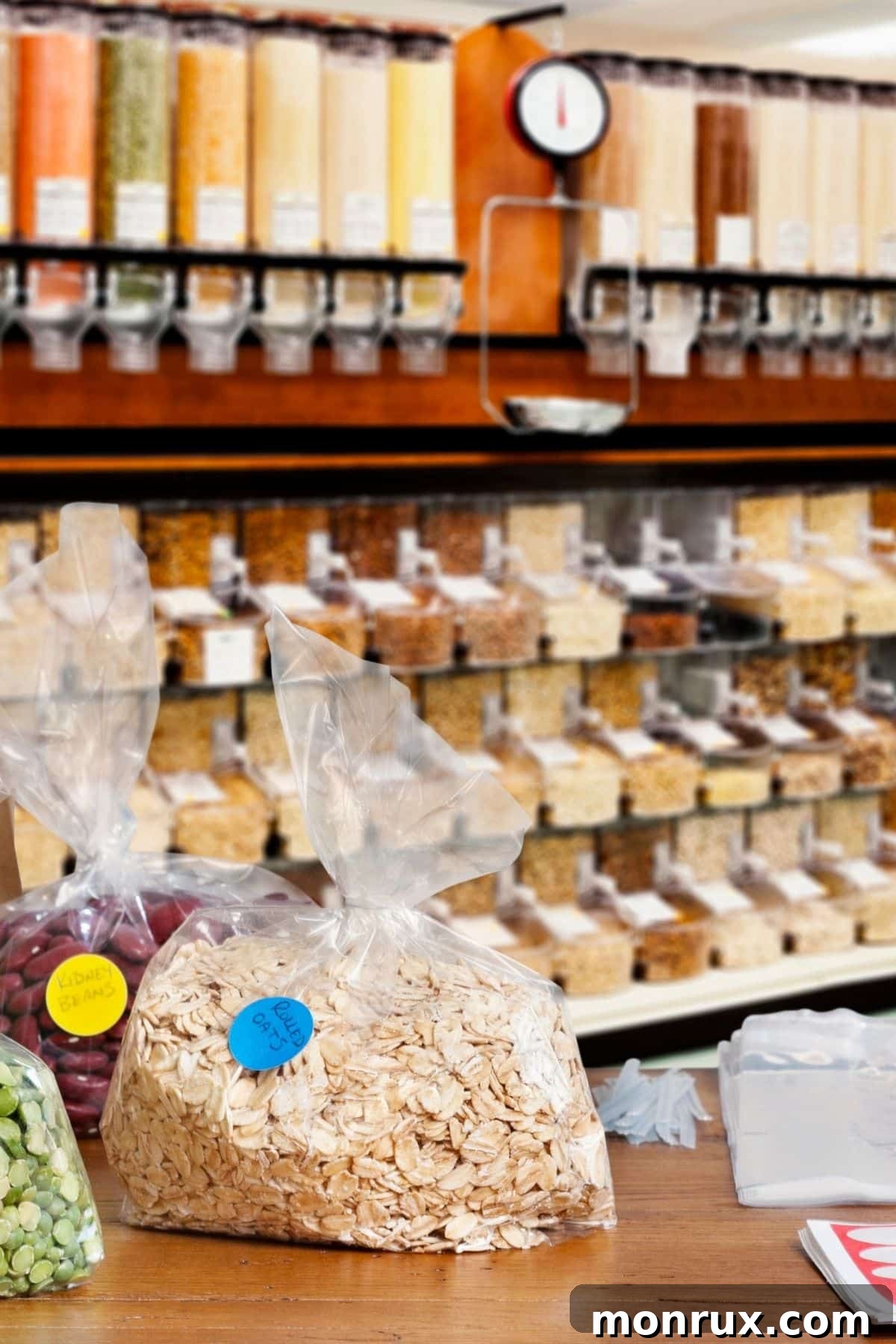
3. Embrace Bulk Buying for Long-Term Savings
- Why It Matters for Your Health and Wallet: For frequently used staples, purchasing in bulk is an incredibly effective money-saving strategy. Buying larger quantities of items like whole grains, dried beans, lentils, spices, dried fruits, nuts, and seeds typically results in a lower unit price, reducing your overall grocery bill. This approach also translates to fewer trips to the grocery store, saving you both time and fuel costs. Furthermore, having a well-stocked pantry with bulk essentials minimizes the temptation and necessity for impulse take-out orders when time is short, which can significantly inflate your food budget.
- How to Implement This Strategy:
- Consider Warehouse Memberships: Stores like Costco or Sam’s Club offer excellent value on canned or frozen vegetables, and often provide organic fresh produce and meat options at competitive prices. Explore options like gluten-free products at Walmart, which also features bulk-friendly options.
- Local CSA Memberships: If big box stores aren’t your preference, research Community Supported Agriculture (CSA) programs in your area. Building relationships with local farmers might reveal budget-friendly options, and you can even split a membership with friends or neighbors to make fresh, local eating more affordable.
- Storage Solutions: Ensure you have appropriate airtight containers to store bulk items, maintaining freshness and preventing spoilage.
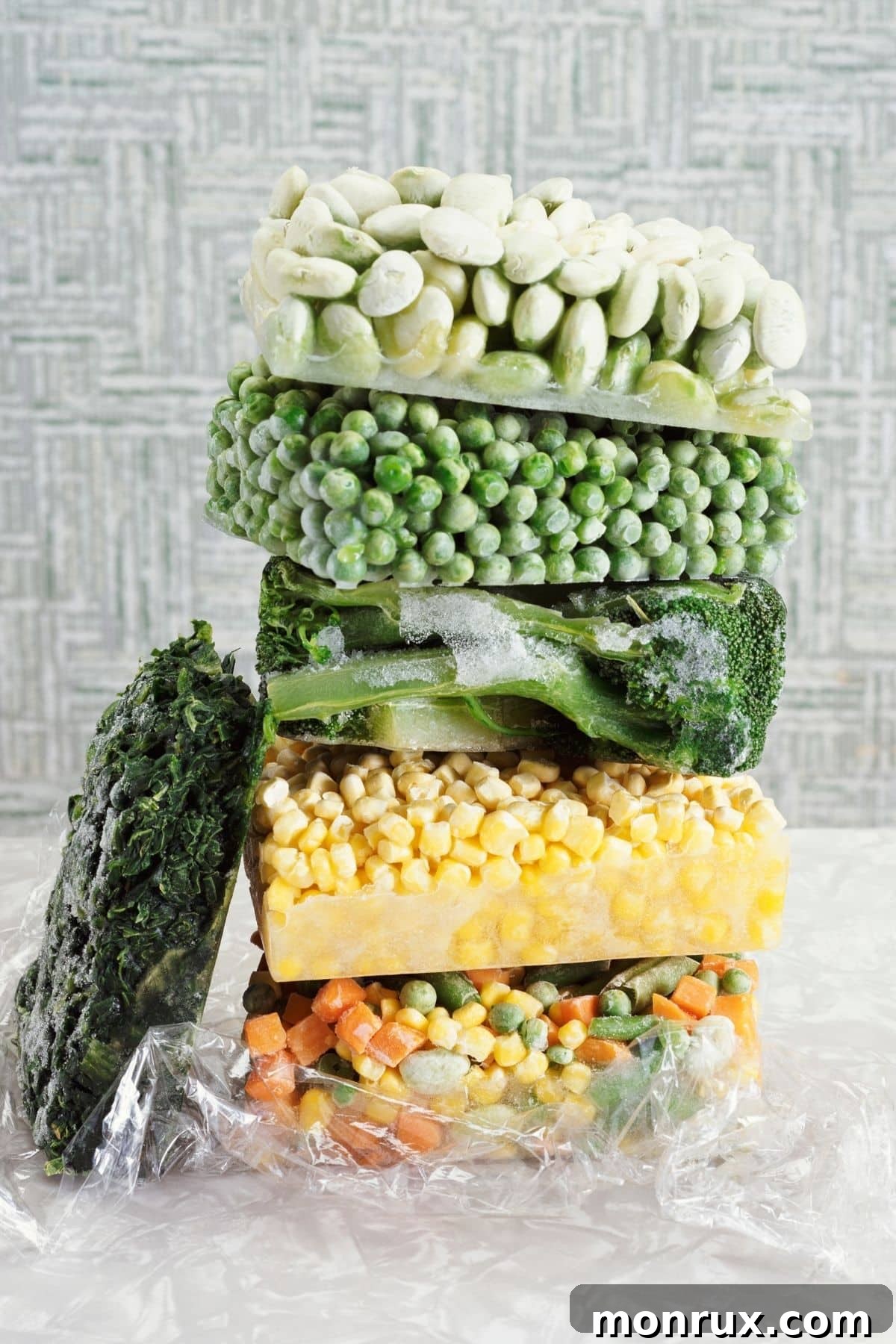
4. Leverage the Nutritional and Financial Benefits of Frozen Vegetables
- Why It Matters for Your Health and Wallet: Frozen vegetables and fruits are often overlooked in favor of their fresh counterparts, but they offer remarkable advantages for clean eating on a budget. A bag of organic frozen broccoli, for instance, can cost half the price of a similar quantity of fresh, pre-cut florets. Crucially, frozen produce boasts a significantly longer shelf life, eliminating waste and allowing you to stock up without worry. Moreover, frozen vegetables are frequently harvested at their peak ripeness and flash-frozen, locking in nutrients. This means they are often just as, if not more, nutritious than fresh produce that has traveled long distances and sat on grocery shelves for days.
- How to Implement This Strategy:
- Prioritize Frozen Options: When compiling your grocery list, look for frozen options first. They are incredibly versatile for smoothies, stir-fries, soups, and roasting. Many frozen vegetables roast beautifully, just like fresh ones!
- Diverse Recipe Applications: Don’t limit your imagination. Explore recipes such as Roasted Frozen Broccoli Florets or Air Fryer Frozen Green Beans to see how easily frozen produce integrates into delicious meals.
- DIY Freezing: Extend the life of seasonal fresh produce by freezing it yourself. Learn how to freeze cauliflower, how to freeze cabbage, or how to freeze sweet potatoes to maximize freshness and minimize waste.
5. Embrace Plant-Based Protein for Cost-Effective Nutrition
- Why It Matters for Your Health and Wallet: Opting for plant-based protein sources like lentils, beans, chickpeas, and edamame is one of the most impactful ways to significantly reduce your grocery bill while boosting your nutritional intake. These versatile ingredients are overwhelmingly more affordable than most meat and fish options. Beyond cost savings, plant proteins are packed with dietary fiber, a nutrient often lacking in the average American diet, especially for those on tighter food budgets. Fiber promotes satiety, aids digestion, and contributes to better blood sugar control, leading to improved overall health and sustained energy.
- How to Implement This Strategy:
- Make Plant Proteins Your Mainstay: Aim to make the majority of your meals centered around plant-based protein sources. These often double as excellent carbohydrate sources, reducing the need to buy separate grains.
- Simple and Satisfying Meals: A perfect example of a high-protein, low-cost, and low-effort plant-based meal is a hearty slow cooker chili made with a generous mix of lentils and beans, replacing or significantly reducing meat.
- Explore Vegan Recipes: Dive into a world of vegan recipes for inspiration, discovering creative and delicious ways to incorporate more plant-based meals into your weekly rotation.
6. Craft Your Own Sauces, Dressings, and Toppings
- Why It Matters for Your Health and Wallet: Pre-made sauces, dressings, and toppings in grocery stores come with a hefty premium. Manufacturers capitalize on convenience, marking up simple condiments that are incredibly inexpensive and easy to make at home. By preparing your own, you gain complete control over the ingredients, avoiding unnecessary added sugars, unhealthy oils, excessive sodium, and artificial preservatives often found in store-bought versions. This not only saves you money but also ensures your meals align perfectly with clean eating principles.
- How to Implement This Strategy:
- Simple Vinaigrette Magic: Did you know a delicious, fresh vinaigrette can be whipped up in under 5 minutes for a fraction of the cost of a bottled dressing? All you need are good quality oil (like olive or avocado oil), vinegar, a touch of mustard, and herbs.
- Recipe Exploration: Utilize resources like Pinterest or a dedicated clean eating recipe index to find simple, homemade recipes for your favorite condiments. As you gain confidence, you’ll naturally start experimenting and creating your own signature flavors, perhaps even making a quick Thai peanut sauce from that bulk peanut butter you purchased!
- Quality Oil Choices: When making your own, always opt for healthy cooking oils like olive oil and avocado oil. Refer to a guide on the safest cooking oils for your kitchen to make informed choices.
- Smart Store-Bought Choices: If you occasionally buy sauces, look for healthier options, such as those recommended on a list of the best gluten-free sauces.
7. Strategically Use Animal Proteins for Flavor, Not as the Main Event
- Why It Matters for Your Health and Wallet: Animal proteins, particularly ethically raised and high-quality meats, are notoriously expensive. While they can be a valuable part of a balanced diet, making them the star of every meal can quickly deplete your food budget. Embracing a mindset where meat serves as a flavorful condiment or a complementary side, rather than the primary component, is a smart and sustainable strategy. This approach is common in many cultures globally where meat is a precious commodity, demonstrating that smaller portions can still deliver rich flavor and nutritional benefits.
- How to Implement This Strategy:
- Mindful Portion Control: Instead of a large slab of meat, think of your animal protein as an accent. For example, prepare a vibrant stir-fry brimming with colorful vegetables and wholesome grains, then sprinkle in a couple of ounces of thinly sliced chicken, beef, or shrimp for flavor and texture.
- Quality Over Quantity: Focus on purchasing higher-quality, ethically sourced meat when you do buy it, knowing that a little goes a long way. You can still reap the nutritional benefits from smaller serving sizes.
- Supplement with Plant Proteins: If you’re concerned about your overall protein intake with reduced meat portions, easily supplement with more affordable and nutrient-dense plant-based proteins like beans, lentils, or tofu.
8. Shop Smartly with the “Clean 15” and “Dirty Dozen” Lists
- Why It Matters for Your Health and Wallet: The notion that all produce must be organic to be healthy is another budget-busting myth. While organic produce is excellent, it’s not always necessary for every item. Certain fruits and vegetables naturally have lower pesticide residues, making them safer to purchase conventionally grown. These are compiled annually into the “Clean 15” list by the Environmental Working Group (EWG). By understanding which items fall into this category, you can avoid paying the often-significant organic mark-up where it’s not critical, allowing you to allocate your budget more effectively to other clean eating essentials.
- How to Implement This Strategy:
- Consult the EWG Guides: Before your grocery trip, always consult the Environmental Working Group’s Dirty Dozen and Clean 15 lists. The “Dirty Dozen” lists produce with the highest pesticide residues, which should ideally be bought organic or avoided. Conversely, the “Clean 15” lists items that are generally safe to buy conventionally.
- General Rule of Thumb: Produce with thick, inedible skins (like avocados or bananas) or those grown underground (such as sweet potatoes and onions) are typically safer to buy conventional.
- Strategic Budget Allocation: Use the savings from purchasing conventional “Clean 15” items to invest in organic versions of the “Dirty Dozen” produce, or allocate those funds to other high-quality, clean eating ingredients.
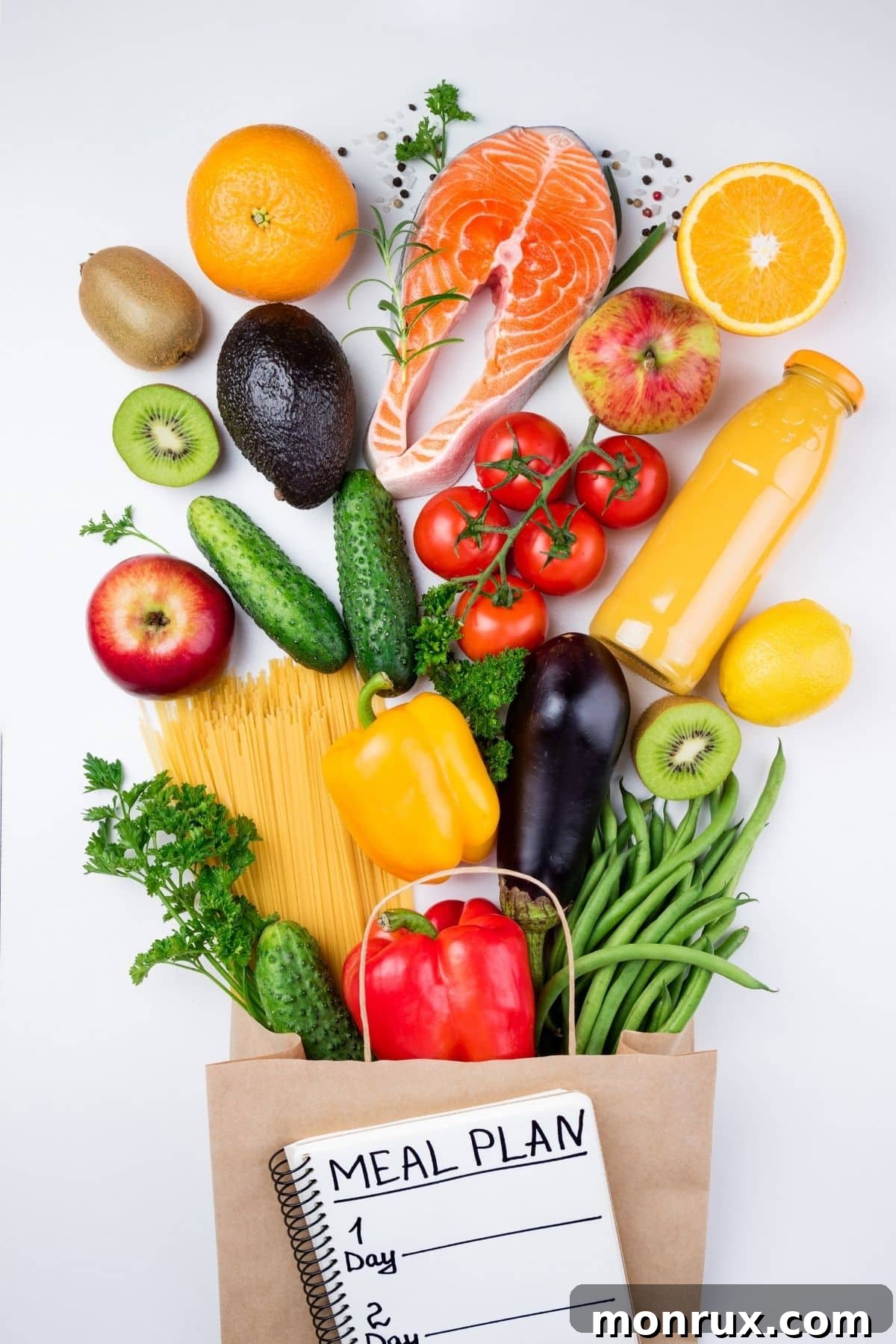
9. Master Meal Planning and Preparation to Avoid Impulse Buys
- Why It Matters for Your Health and Wallet: Meal planning is arguably one of the most powerful tools for maintaining a clean eating lifestyle on a budget. It’s not about eating the same monotonous meals every day; rather, it’s about strategic foresight. By dedicating a small amount of time each week to planning your meals – including accounting for leftovers – you create a clear roadmap for your eating habits. This proactive approach drastically reduces the likelihood of impulse purchases of unhealthy fast food or expensive pre-made meals when hunger strikes and you’re unprepared. It saves money, reduces stress, and keeps you consistently on track with your health goals.
- How to Implement This Strategy:
- Assess Your Needs: Start by determining how many meals and servings you’ll need for the week. Don’t forget to include healthy snacks!
- Seek Inspiration: Browse Pinterest, your favorite healthy recipe blogs, or a clean eating recipe index for inspiration. Look for recipes that use similar ingredients to maximize efficiency and minimize waste.
- Create Your Plan: Plug your chosen healthy meals into a simple day planner or spreadsheet. Be sure to schedule in days for using leftovers.
- Develop and Stick to Your Grocery List: Once your meal plan is set, create a detailed grocery list based solely on the ingredients you need. This is crucial for avoiding impulse buys at the store.
- Batch Cook: Dedicate a few hours one day a week (e.g., Sunday) to chop vegetables, cook grains, and prepare components of your meals in advance. See more meal prep tips for beginners for a smooth start.
10. Drastically Reduce Food Waste to Save Money
- Why It Matters for Your Health and Wallet: Food waste is not just an environmental issue; it’s a significant financial drain. In the US alone, the average family discards approximately $1,600 worth of produce annually. This means a substantial portion of your hard-earned money is literally ending up in the trash. By adopting a “use everything” mentality, akin to what our grandmothers practiced, you prevent valuable resources from being squandered and ensure you’re getting the most value out of every grocery dollar spent. Minimizing food waste is a cornerstone of budget-friendly clean eating.
- How to Implement This Strategy:
- Ingredient Repurposing in Meal Planning: When creating your meal plan, select a few base ingredients (e.g., a large head of broccoli, a bag of carrots, a chicken) and plan multiple meals around them. This ensures you utilize all parts of your produce and protein before anything spoils.
- Creative Leftover Use: Don’t let wilting vegetables or leftover cooked grains go to waste. Vegetable scraps can be transformed into a flavorful homemade vegetable broth, carrot tops can become a vibrant pesto, and leftover rice can be added to a stir-fry or soup.
- Embrace Your Freezer: The freezer is your best friend in preventing food waste. Purchase frozen vegetables directly, or freeze any fresh produce, cooked meals, or even leftover ingredients (like herbs in olive oil) before they spoil, preserving them for future use.
- Proper Storage: Learn how to properly store different types of produce to extend their shelf life. For instance, store leafy greens in an airtight container with a damp paper towel, and keep apples and potatoes separate.
11. Steer Clear of Pre-Chopped Vegetables and Prepared Meal Kits
- Why It Matters for Your Health and Wallet: The convenience of pre-chopped vegetables, fruits, and prepared meal kits comes at a steep price. Grocery stores and manufacturers significantly mark up these items, preying on consumers’ busy schedules and desire for quick solutions. While they save a few minutes of prep time, you pay a premium for the labor. Furthermore, pre-chopped produce often spoils faster than its whole counterparts due to increased surface area exposure to air, leading to more food waste and negating any perceived savings. The notable exception here is frozen produce, which is often already chopped and generally more cost-effective.
- How to Implement This Strategy:
- Keep Recipes Simple: If your time for meal prep or cooking is limited, opt for recipes that naturally involve less chopping. Instead of a complex dish requiring finely diced ingredients, lean on easily prepared staples like baked potatoes, roasted root vegetables, legumes, and leafy greens that require minimal knife work.
- Develop Basic Knife Skills: Even a rudimentary ability to chop vegetables can save you a considerable amount over time. YouTube tutorials can offer quick lessons to improve your efficiency.
- Plan for Fresh Prep: Integrate fresh chopping into your weekly meal prep session, making it a dedicated task rather than a rushed activity before each meal.
12. Choose More Affordable Animal Protein Sources
- Why It Matters for Your Health and Wallet: If you prefer to include animal protein in your diet but are mindful of costs, there are plenty of budget-friendly options that still deliver excellent nutrition. By making smarter choices in this category, you can significantly reduce your overall grocery expenditure. The money saved can then be strategically reallocated towards other clean eating essentials, perhaps allowing you to opt for organic produce or wild-caught fish when it truly matters.
- How to Implement This Strategy:
- Eggs: The Versatile Powerhouse: Eggs are incredibly nutritious, cost-effective, and versatile. They are a complete protein source, rich in vitamins and minerals, and last for weeks in the refrigerator. Perfect for breakfasts, lunches, or even quick dinners.
- Canned Fish: A Shelf-Stable Gem: Canned tuna, salmon, and sardines are convenient, inexpensive sources of protein and omega-3 fatty acids. They make quick, healthy additions to salads, sandwiches, or pasta dishes.
- Homemade Broths: Maximize Resources: Instead of buying expensive cartons of broth, make your own. Use leftover bones from a roasted chicken or turkey to simmer a nutrient-rich, flavorful bone broth. This is a fantastic way to minimize food waste and create a foundational ingredient for many meals.
13. Strategically Shop Sales and Prioritize In-Season Produce
- Why It Matters for Your Health and Wallet: Nearly every grocery store runs daily or weekly sales, offering prime opportunities to save money on items you regularly purchase or to try new healthy foods at a reduced cost. Ignoring these sales means leaving potential savings on the table. Equally important is the practice of buying produce when it’s in season. Out-of-season produce typically travels long distances, resulting in higher prices, diminished flavor, and often lower nutritional value. For instance, purchasing blueberries in December will invariably be more expensive and less flavorful than buying them during their peak season in summer.
- How to Implement This Strategy:
- Utilize Store Resources: Before your grocery trip, grab the weekly flyer, download the store’s app, or check their website for current sales. Align your meal planning with items that are on sale.
- Embrace Flexibility: Be open to swapping ingredients based on sales. If a different brand of whole-grain pasta or a particular type of vegetable is on sale, consider trying it instead of your usual choice.
- Coupon Smart: Don’t overlook coupons, whether digital or physical. Even small savings add up over time.
- Seasonal Planning: Base your meal plans around what fruits and vegetables are currently in season. They will be at their freshest, most flavorful, and most affordable. When an item is out of season, either skip it or opt for the frozen version. Refer to a seasonal produce guide for a comprehensive overview.
14. Distinguish Between Essentials and “Wellness Culture” Extras
- Why It Matters for Your Health and Wallet: The booming “wellness culture” market often promotes an array of specialized products – from adaptogens and collagen powders to exotic superfood supplements like cacao nibs and bee pollen. While some of these might offer perceived benefits or add an interesting flair to meals, they are generally not essential for the majority of people striving for basic clean eating and good health. These items are often highly marked up and can quickly drain a budget that should be prioritized for foundational whole foods. Focus on the basics before adding expensive, non-essential “extras.”
- How to Implement This Strategy:
- Prioritize Whole Foods First: Build your diet around nutrient-dense, unprocessed foods. For most individuals, all necessary vitamins, minerals, and macronutrients can be obtained from a varied diet of fruits, vegetables, whole grains, and lean proteins.
- Consult a Professional for Supplements: Unless you have a specific health condition, deficiency, or have been explicitly instructed by a qualified doctor or registered dietitian, resist the urge to spend money on expensive supplements or “superfood” powders.
- Mindful Specialty Purchases: If you occasionally want to include specialty items (like gluten-free products if you don’t have an intolerance), ensure they are budgeted for and ideally purchased on sale or in bulk to minimize their impact on your overall food expenditure.
15. Cultivate Your Own Food Source: Start a Home Garden
- Why It Matters for Your Health and Wallet: Growing your own food is arguably the most direct and sustainable way to save money on fresh produce while ensuring the highest quality and freshness. While there might be an initial investment in seeds, soil, and basic tools, a well-maintained garden can provide a continuous harvest of seasonal vegetables, fruits, and herbs for many years. Beyond the financial savings, gardening offers numerous health benefits, including physical activity, stress reduction, and a deeper connection to where your food comes from.
- How to Implement This Strategy:
- Start Small and Simple: You don’t need a sprawling backyard to begin. Start with a container garden on a balcony or windowsill. Beginners can find success with easy-to-grow items like herbs, lettuce, tomatoes, or even quick-growing options like broccoli sprouts or microgreens.
- Learn as You Grow: Gardening is a rewarding learning process. As you gain experience and confidence, you can gradually expand your garden and grow a wider variety of produce, further maximizing your savings and fresh food supply.
- Community Resources: Look into community gardens in your area, which often provide plots at a low cost and offer a supportive environment for new gardeners.
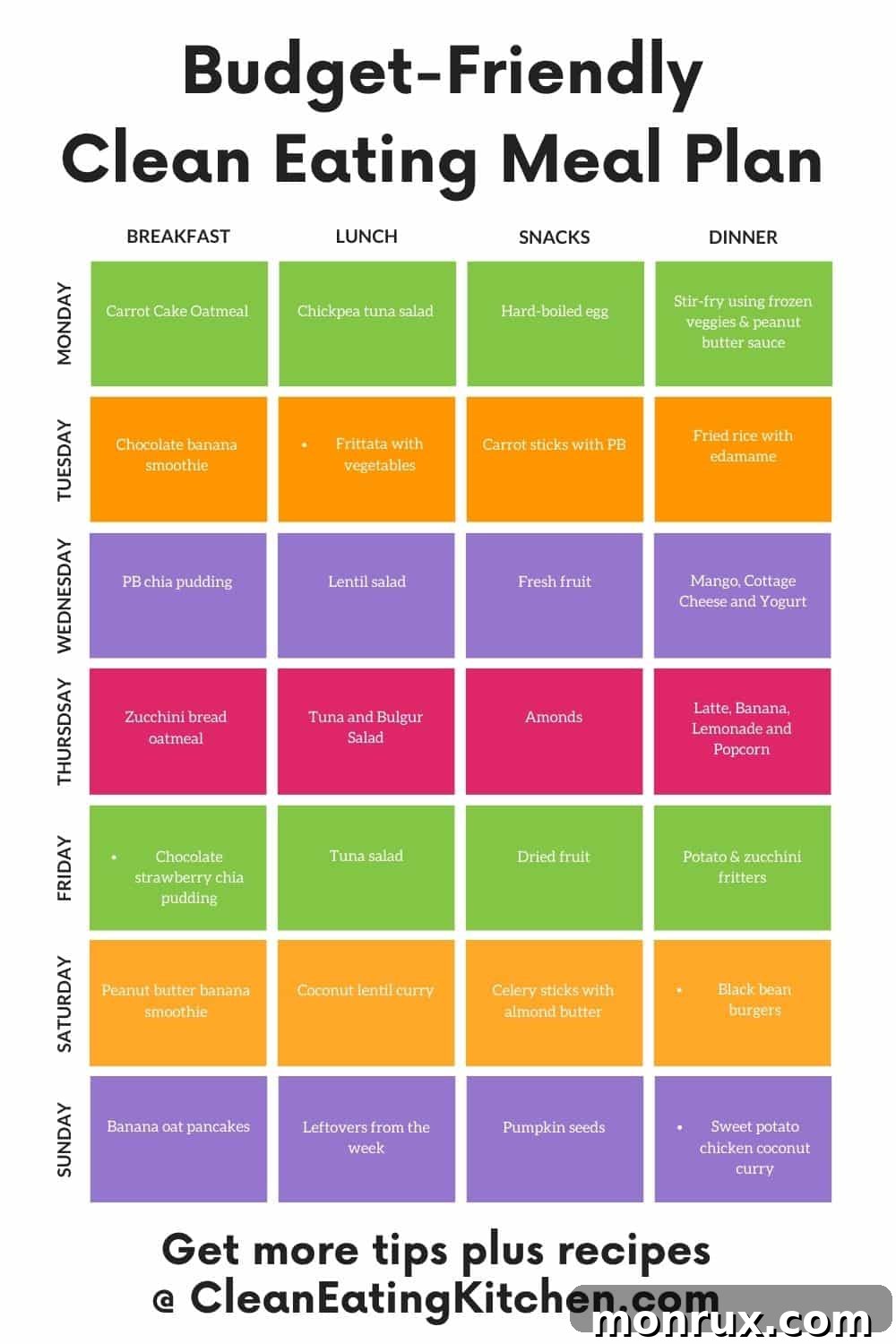
7-Day Affordable Clean Eating Meal Plan
To put these budget-friendly clean eating tips into practice, I’ve designed a sample 7-day meal plan that exclusively utilizes real, unprocessed food ingredients. You’ll notice a deliberate absence of packaged, pre-made items in this plan, focusing instead on affordable staples such as whole oats, versatile potatoes, nutrient-dense beans and lentils, economical frozen vegetables, and smart plant-based proteins. This plan demonstrates that healthy eating doesn’t require gourmet ingredients or elaborate preparation; it hinges on smart choices and simple, wholesome cooking.
Remember, this meal plan is a flexible guide. Feel free to swap out any meals or ingredients you don’t prefer with similar recipes that align with your taste and dietary needs. My extensive Clean Eating Recipe Index offers hundreds of easy-to-follow recipes to inspire your culinary journey. For a deeper understanding of what constitutes a real food diet, refer to my comprehensive Clean Eating Food List. Additionally, for more inspiration on budget-friendly healthy eating, I highly recommend exploring resources like Budget Bytes and A Mindful Mom, which share fantastic ideas for delicious and economical meals.
Monday
- Breakfast: Sweet Potato Apple Breakfast Hash
- Lunch: Chickpea “Tuna” Salad served in whole-grain tortillas
- Dinner: Panda Express Mushroom Chicken (copycat recipe with plenty of veggies)
Tuesday
- Breakfast: Strawberry Banana Chocolate Smoothie
- Lunch: Vegetable Frittata (great for using up leftover veggies)
- Dinner: Gluten-Free Pasta Salad (full of fresh or frozen vegetables)
Wednesday
- Breakfast: Peanut Butter Chia Pudding
- Lunch: Lentil Salad (hearty and fulfilling)
- Dinner: Loaded Baked Sweet Potatoes (topped with black beans, salsa, and any leftover veggies)
Thursday
- Breakfast: Strawberry Oatmeal Smoothie
- Lunch: Healthy Tuna Pasta Salad (using canned tuna for budget-friendliness)
- Dinner: Potato Zucchini Fritters (excellent for utilizing seasonal produce)
Friday
- Breakfast: Whole30 Vanilla Chia Pudding
- Lunch: Coconut Lentil Curry (a warm, flavorful, and inexpensive meal)
- Dinner: Black Bean Burgers (homemade, served on lettuce wraps or whole-grain buns)
Saturday
- Breakfast: Strawberry Banana Peanut Butter Smoothie
- Lunch: Tofu Scramble (a simple and quick plant-based protein meal)
- Dinner: Spaghetti (whole-wheat pasta with a homemade tomato sauce, optionally with lentils or small amount of ground meat)
Sunday
- Breakfast: Oat Flour Pancakes
- Lunch: Creative Leftovers (utilize any remaining dishes from the week to minimize waste)
- Dinner: Sweet Potato Chicken Coconut Curry (using chicken sparingly or substituting with chickpeas)
Budget-Friendly Snacks & Treats
- Crunchy carrot sticks paired with a spoonful of peanut butter or almond butter
- A small portion of cheese (if your diet includes dairy)
- Seasonal fresh fruit or a handful of dried fruit for natural sweetness
- A mix of nuts or seeds for healthy fats and protein
- Nutrient-dense hard-boiled eggs for a quick protein boost
For more snack ideas, explore my curated list of the best clean eating snacks.
Embracing a Sustainable and Healthy Lifestyle
The journey to a clean eating lifestyle, even when navigating a strict budget, is not only achievable but immensely rewarding. By integrating the practical tips and utilizing the 7-day meal plan provided in this article, you can confidently cultivate a diet rich in real, unprocessed foods without overspending. The key lies in strategic planning, smart shopping, and mindful consumption. By consistently planning your meals, leveraging bulk purchases, embracing plant-based proteins, and minimizing food waste, you effectively circumvent the allure and expense of unhealthy processed options.
Eating healthy on a budget is more than just saving money; it’s about investing in your long-term health, increasing your energy, and fostering a deeper, more sustainable relationship with the food you consume. With these actionable strategies, you are well-equipped to transform your plate, your pantry, and your perception of affordable nutrition. Start today, and discover the profound benefits of nourishing your body with wholesome goodness, proving that a vibrant, healthy diet is truly accessible to everyone.
Essential Clean Eating Resources You Shouldn’t Miss
Don’t forget to join my newsletter list to receive exclusive clean eating recipes, expert tips, and inspiration directly in your inbox. It’s 100% free, spam-free, and you can unsubscribe anytime.
About the Author: Carrie Forrest holds a master’s degree in public health with a specialization in nutrition and is a certified holistic nutritionist. She is a highly respected wellness and food blogger, attracting over 5 million visitors annually to her platform. Carrie shares an inspiring story of recovery from chronic illness and is deeply passionate about empowering other women to transform their health journeys. You can connect with her directly through her contact form.
Note: This content is provided for informational purposes only and should not be considered medical advice. Always consult with your healthcare provider for personalized recommendations regarding your individual health situation.