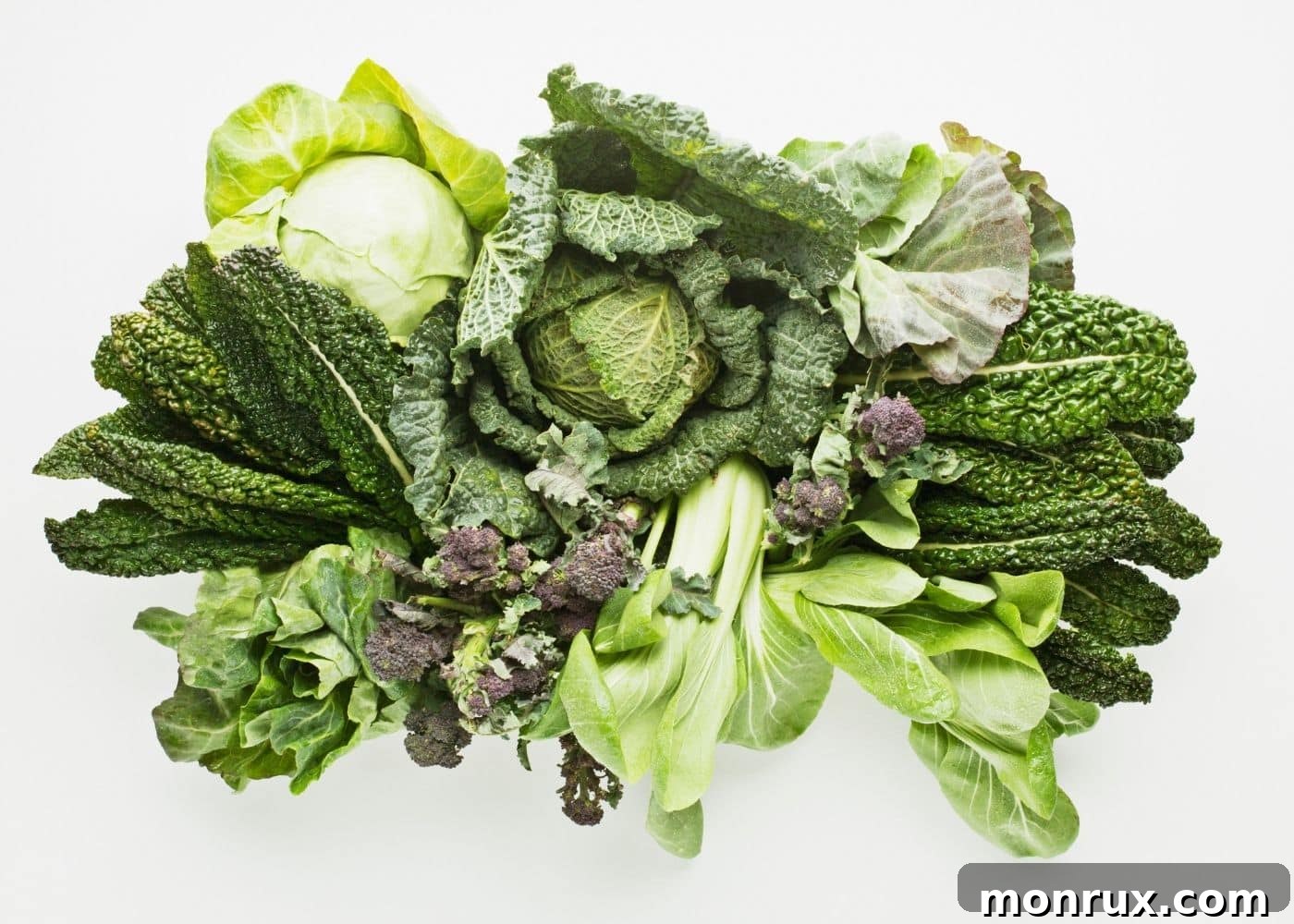
Unlocking Vitality: A Comprehensive Guide to the Health Benefits and Best Green Vegetables
Embark on a journey to discover the profound health benefits of integrating green vegetables into your daily diet. This extensive guide provides practical tips on seamless incorporation and presents a curated list of both leafy and non-leafy greens to nourish your body and boost your well-being.
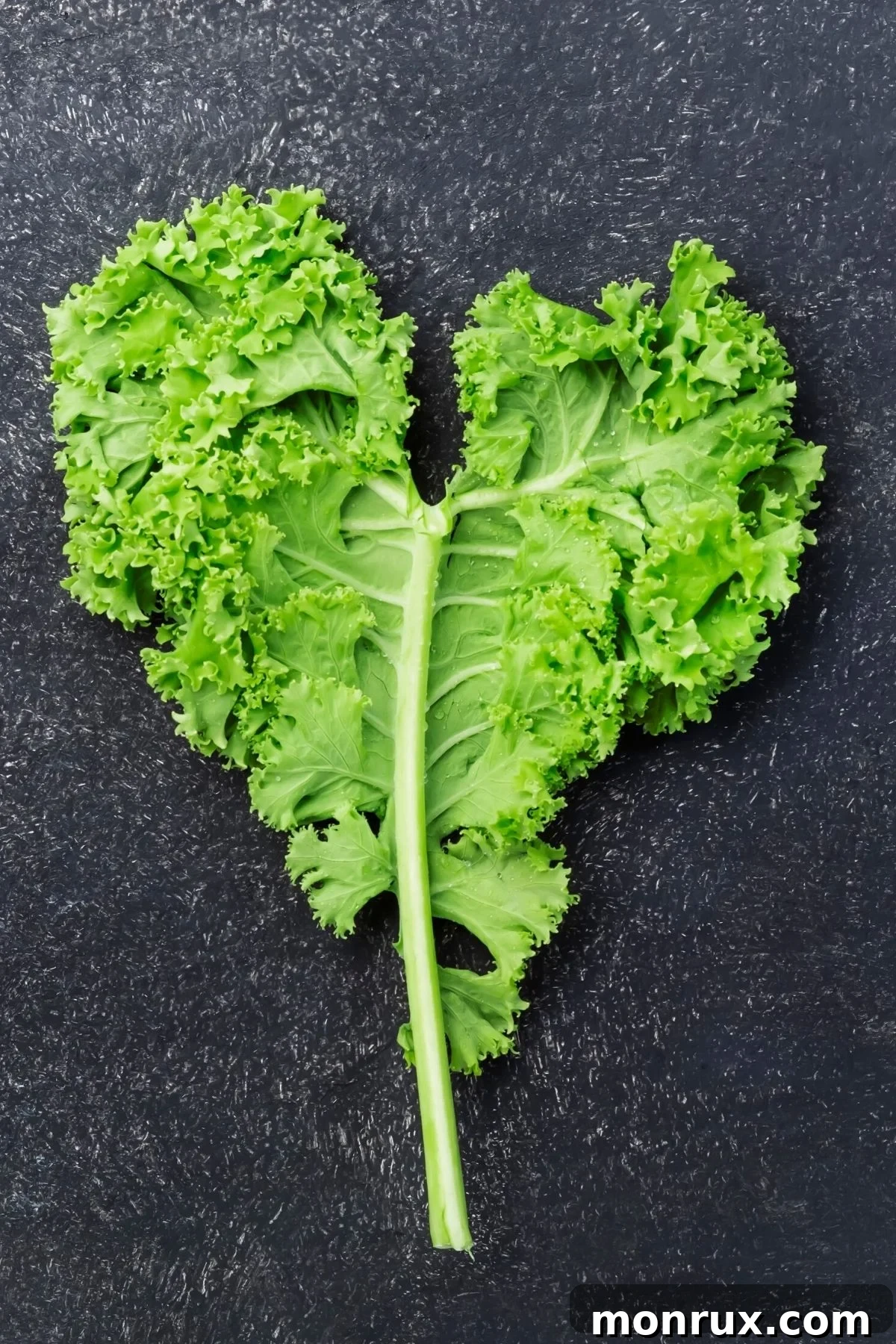
While all vegetables offer invaluable nutritional contributions, green vegetables, in particular, possess a unique spectrum of benefits that make them indispensable to a balanced and health-promoting diet. Their vibrant color often signals a rich concentration of vitamins, minerals, and powerful plant compounds essential for optimal bodily functions.
Green Vegetables List (At a Glance)
Ready to green-light your diet? Here’s a quick summary of the diverse green vegetables we’ll explore in this guide. Scroll down or click on each link to delve deeper into their unique benefits, culinary uses, and delicious recipe ideas.
- Green squash
- Dandelion greens
- Microgreens
- Herbs
- Green beans
- Broccoli
- Watercress
- Cabbage
- Brussels sprouts
- Bok choy
- Kale
- Spinach
- Swiss chard
- Okra
- Asparagus
- Celery
- Cucumber
- Green peppers
- Tomatillos
- Arugula
- Collard greens
- Green onions
- Leeks
- Artichokes
- Fennel
- Endive
- Broccoli Rabe
- Peas
- Romaine
- Beet greens
- Mustard greens
The Ultimate Green Vegetables List (In Detail)
Explore an in-depth look at some of the most beneficial and versatile green vegetables available, complete with their health highlights, common uses, and tips for enjoying them.
1. Green Squashes
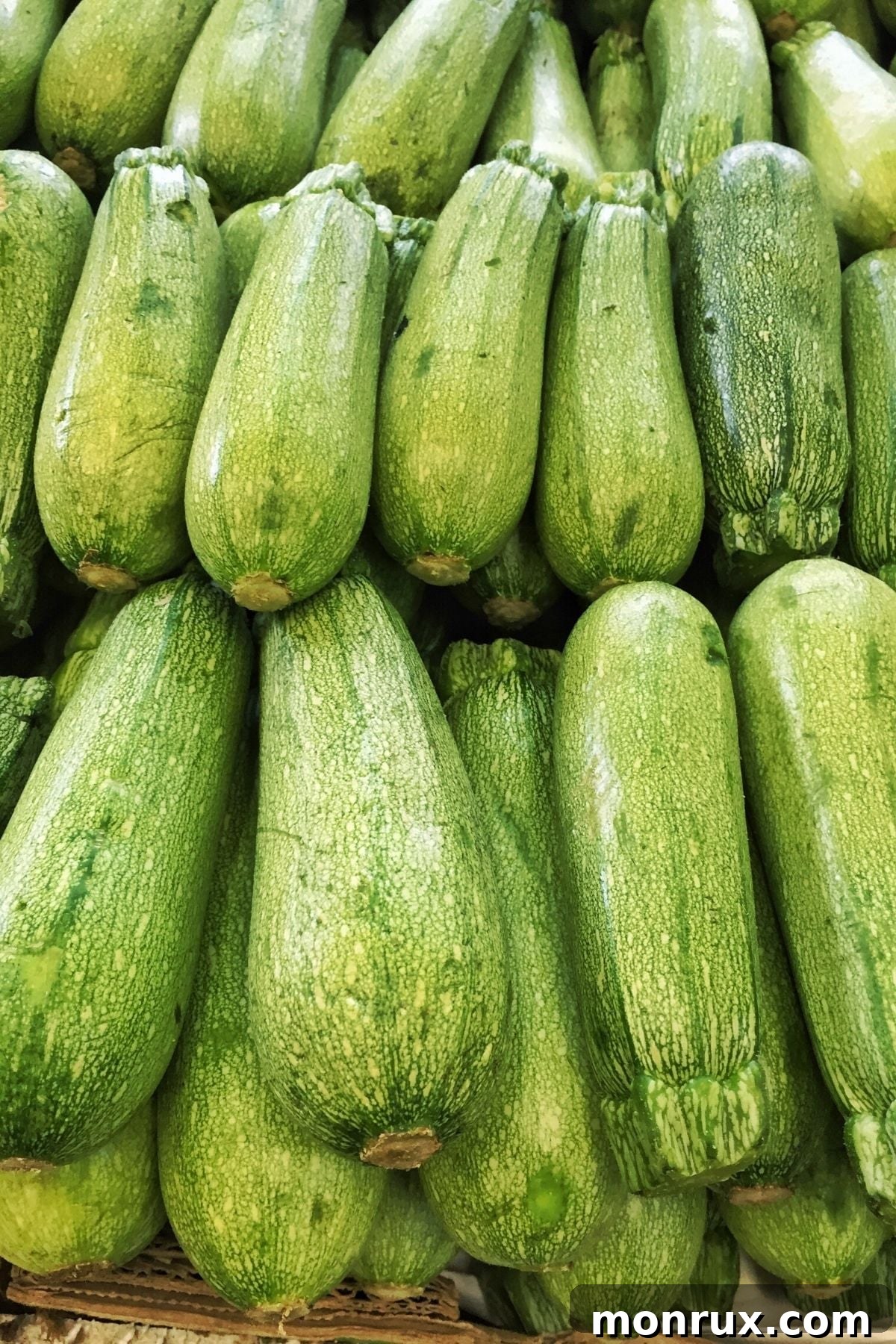
Indeed, squashes aren’t always orange or yellow; many delicious varieties boast a vibrant green hue! This category includes popular choices like zucchini, the uniquely ribbed romanesco zucchini, the apple-shaped cousa squash, the scalloped pattypan squash, and the pear-like chayote squash. These green gems are not only aesthetically pleasing but are also incredibly healthy additions to any diet.
Green squashes are packed with essential nutrients, including chlorophyll and a diverse array of antioxidants that combat oxidative stress. They are an excellent source of Vitamin C, crucial for immune function, and beta-carotene, a precursor to Vitamin A, vital for vision and skin health. Furthermore, they provide B vitamins, which play key roles in energy metabolism, and are rich in dietary fiber, promoting healthy digestion and satiety.
Zucchini, with its notably mild flavor, is a favorite for incorporating greens subtly into various dishes. Try it in savory recipes like my Instant Pot Zucchini and Tomatoes, or get adventurous with Vegan Zucchini Brownies (yes, you read that right – it adds moisture and nutrients without altering the taste!). For a crispy snack, my Air Fryer Zucchini Chips are a must-try. These versatile squashes can also be spiralized into “zoodles” as a low-carb pasta alternative or added to stir-fries, soups, and gratins.
2. Dandelion Greens
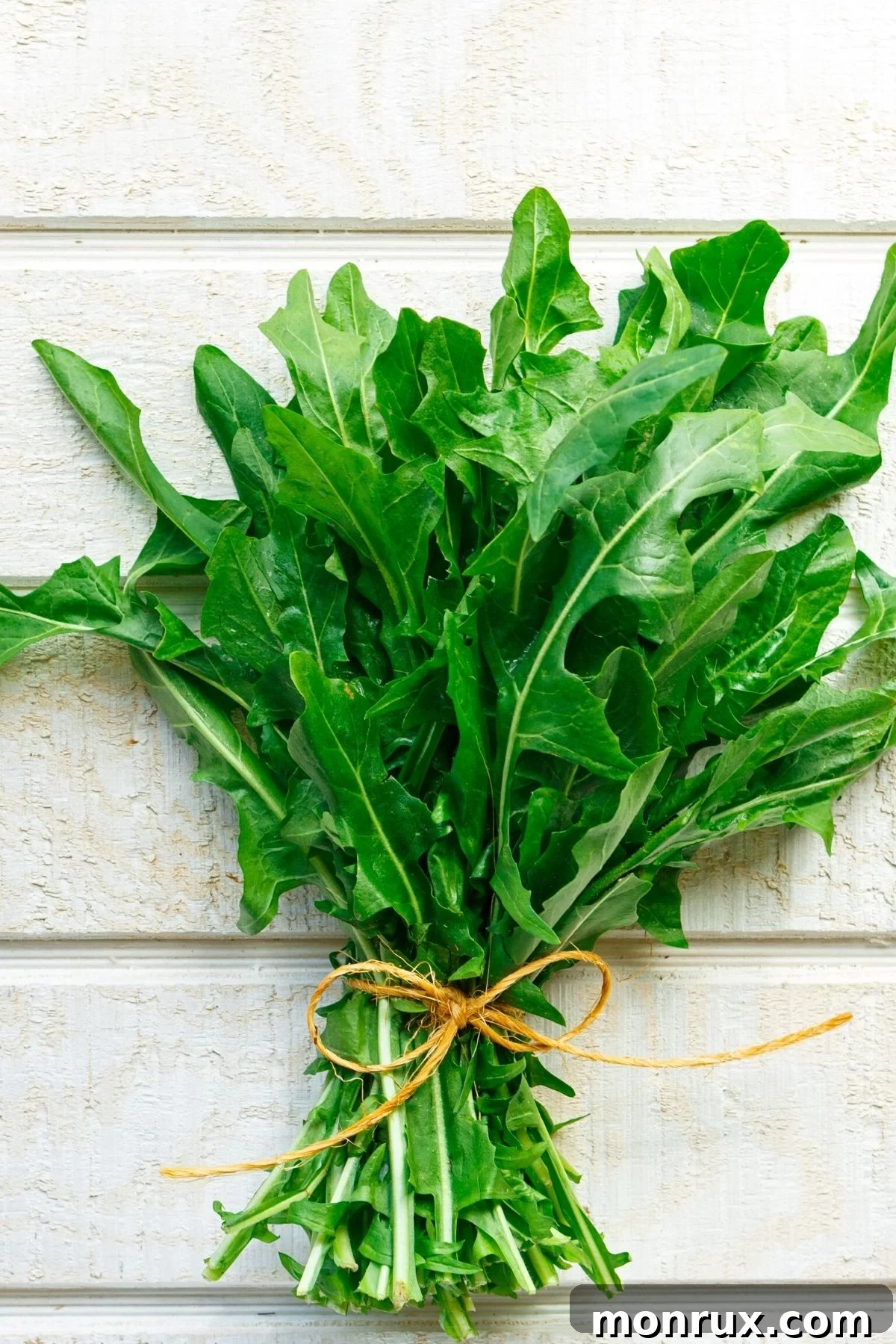
More than just a garden weed, dandelion greens are a surprisingly potent and edible wild lettuce found globally. Characterized by their distinct bitter flavor, these leafy greens are celebrated for being exceptionally rich in vitamins and minerals. They provide significant amounts of Vitamin K, Vitamin A, Vitamin C, and calcium, supporting bone health, vision, and immune function. Dandelion greens also act as a natural diuretic and may support liver detoxification.
Versatile in the kitchen, dandelion greens can be enjoyed raw in salads to add a peppery, slightly bitter kick, or cooked through sautéing, steaming, or blanching to mellow their intensity. They are a popular ingredient in hearty soups and stews, lending a complex depth of flavor. Their robust nature stands up well to strong dressings and other bold ingredients.
While their bitterness might be strong for some when eaten raw in large quantities, I find them excellent when blended into green smoothies, where the bitterness is masked by sweeter fruits. For more inspiration on incorporating nutrient-packed beverages, explore the Health Benefits of Green Smoothies. Dandelion greens are also recognized for their digestive support, earning them a spot on my list of the best gut-healing foods!
3. Microgreens

Beyond being a delightful garnish that adds visual appeal to your dishes, microgreens are incredibly nutrient-dense powerhouses. These tiny, immature seedlings of various vegetables and herbs, harvested when they are just a few inches tall, deliver a concentrated nutrient punch in a small serving. Despite their size, studies show they often contain significantly higher levels of vitamins, minerals, and antioxidants compared to their mature counterparts.
The specific nutrient profile varies by microgreen type, but common benefits include high concentrations of Vitamin C, vital for immunity; chlorophyll, which supports detoxification; beta-carotene, essential for vision; Vitamin K, crucial for blood clotting and bone health; various B vitamins for energy; and Vitamin E, a potent antioxidant for skin health. They are excellent for adding fresh flavor and a vibrant aesthetic to meals.
You can easily cultivate your own microgreens at home. Learn how to grow broccoli sprouts right on your kitchen countertop with minimal effort. Once harvested, discover how to eat broccoli sprouts and other microgreens, including specific guides for broccoli microgreens, spinach microgreens, radish microgreens, and arugula microgreens. For an overview of the most beneficial varieties, consult my list of the healthiest microgreens to eat.
4. Herbs
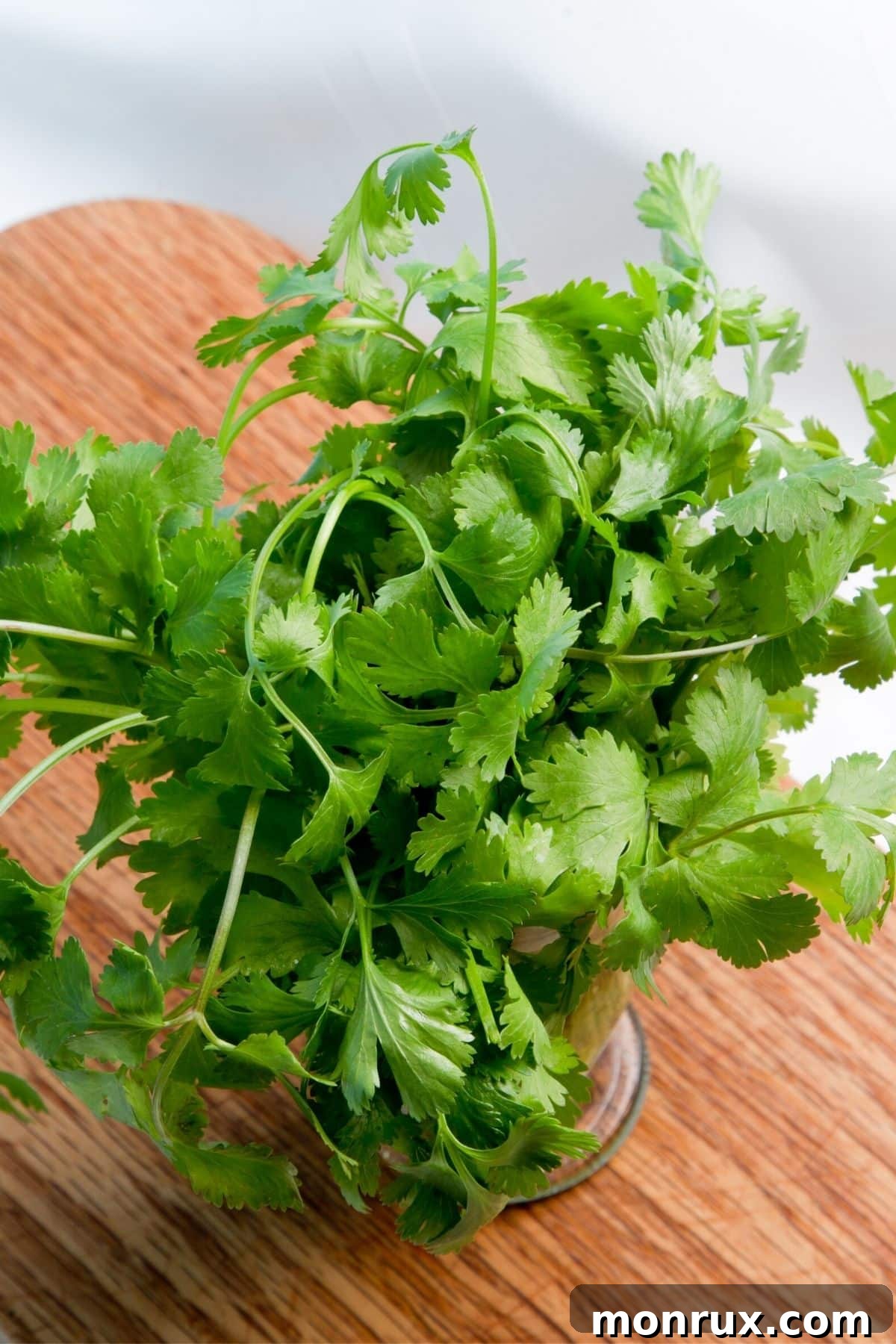
When compiling your list of green vegetables, don’t overlook the incredible power of herbs! These culinary workhorses are much more than just flavor enhancers; they are remarkably nutrient-dense green vegetables in their own right. Whether fresh or dried, herbs like cilantro, basil, parsley, chives, rosemary, mint, and oregano are brimming with health-boosting compounds.
They are rich in chlorophyll, antioxidants, and beta-carotene, contributing to overall cellular health and disease prevention. Many herbs also provide significant amounts of Vitamin C, bolstering the immune system, and some even possess potent anti-fungal and anti-inflammatory properties. Integrating herbs into your cooking not only elevates the taste of your dishes but also significantly enhances their nutritional value.
For a concentrated dose of herbal goodness, try my Green Vegetable Juice or the refreshing Parsley Juice. If juicing isn’t your preference, simply make it a habit to generously sprinkle fresh, chopped herbs as a garnish over almost any meal—from eggs and salads to soups and roasted vegetables. You’ll be surprised how quickly this small habit adds big flavor and nutrition.
5. Green Beans
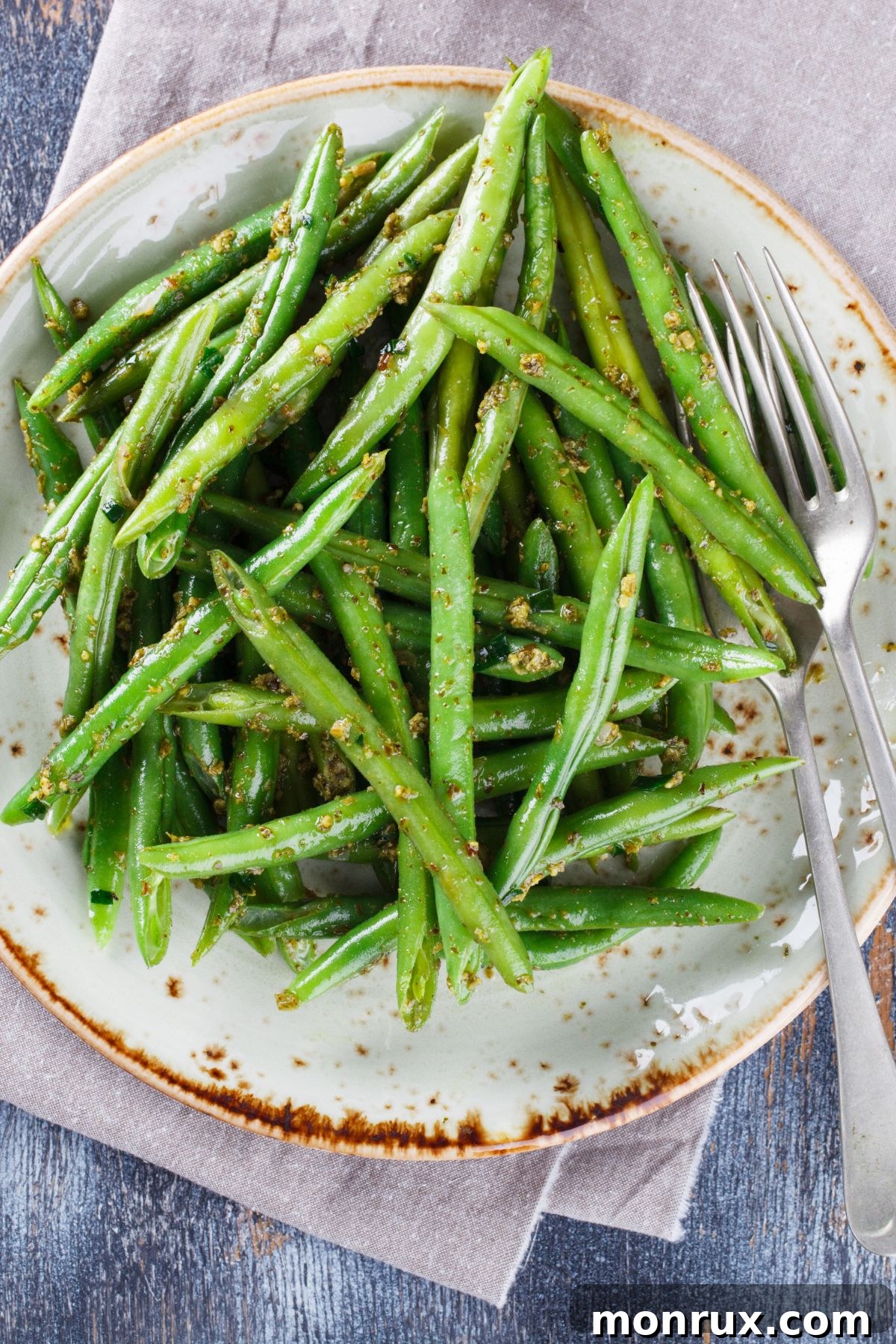
Green beans, often known as snap beans or string beans, are a widely popular and healthy type of legume, characterized by their slender, elongated green pods. They offer a slightly sweet, earthy flavor and a satisfying tender-crisp texture when properly cooked. These versatile vegetables can be enjoyed both raw in salads or cooked through various methods such as steaming, boiling, sautéing, or roasting.
Nutritionally, green beans are an excellent source of dietary fiber, supporting digestive health and helping to regulate blood sugar levels. They are also packed with Vitamin C, an essential antioxidant for immune support, and Vitamin K, critical for blood clotting and bone health. Furthermore, green beans provide folate, a B vitamin important for cell growth, and a range of other antioxidants including carotenoids and flavonoids.
Available fresh or frozen, green beans are a convenient vegetable to keep on hand. Incorporate them into dynamic stir-fries, like my Salmon Stir Fry, or prepare them as a simple yet delicious side dish. My recipes for Air Fryer Green Beans and Air Fryer Frozen Green Beans offer quick and easy ways to achieve perfectly crispy results, making them a family favorite.
6. Broccoli
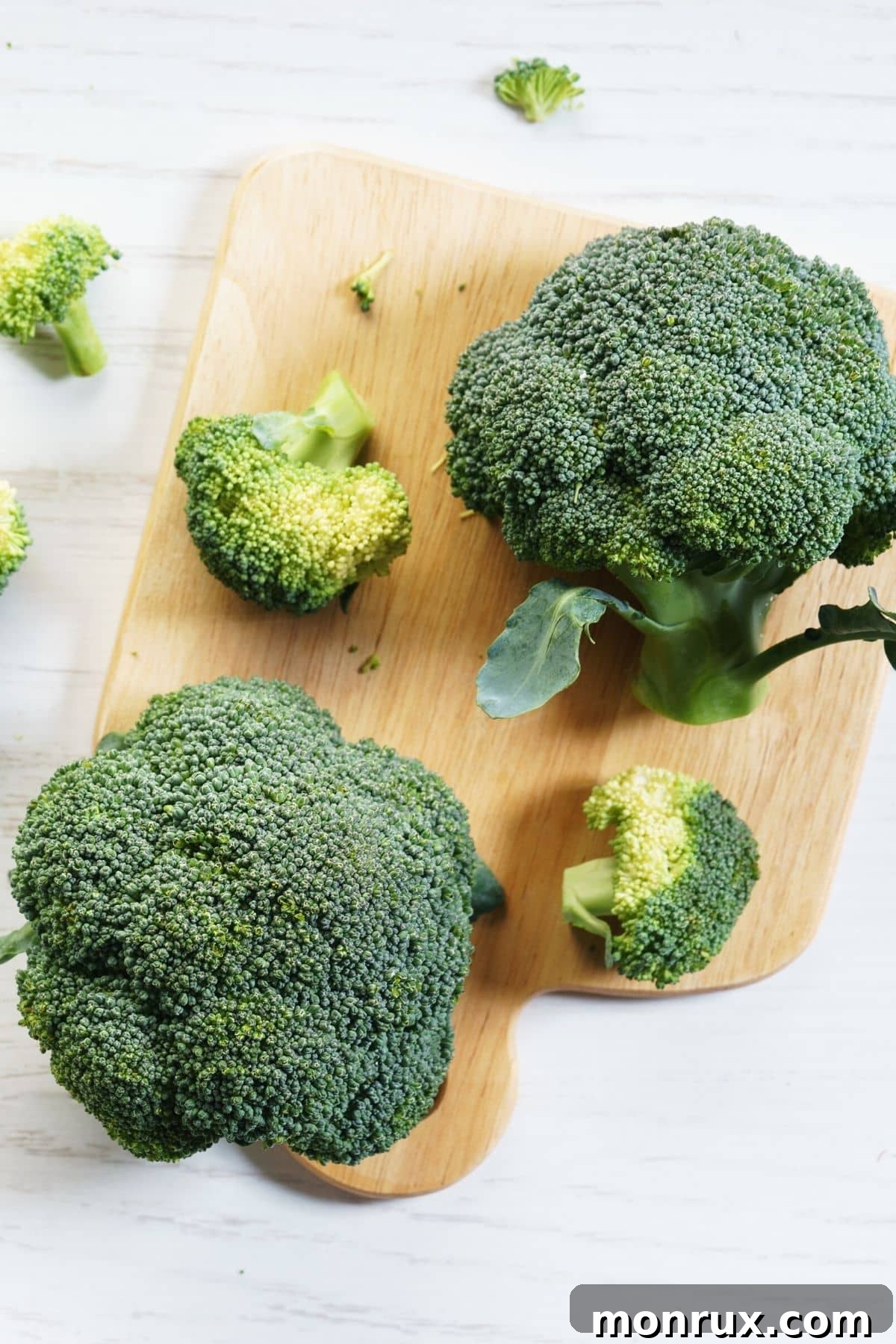
Broccoli is a beloved member of the cruciferous vegetable family, known for its distinctive tree-like florets and thick, edible stems. Its small, green florets have a slightly bitter yet earthy taste and a satisfying crunch when raw, becoming tender and sweeter when cooked. Common preparation methods include boiling, steaming, roasting, and stir-frying.
This powerhouse vegetable is a fantastic source of dietary fiber, essential for gut health, and an abundance of Vitamin C and Vitamin K. Beyond these, broccoli is particularly lauded for its concentration of cancer-fighting phytonutrients, most notably sulforaphane. Regular consumption of broccoli is associated with reduced risk of various cancers, improved heart health, and protection against age-related macular degeneration, making it a critical component of a preventative diet.
A major advantage of broccoli is its widespread availability throughout the year and its affordability, offering excellent nutritional value. It’s readily found fresh, frozen, or even canned, ensuring accessibility for all budgets and culinary needs. For those who claim not to enjoy broccoli, my site offers a plethora of delicious recipes designed to convert skeptics! Try the creamy Vegan Broccoli Potato Soup, crispy Air Fryer Frozen Broccoli, or perfectly tender Roasted Frozen Broccoli. It’s also an ideal addition to stir-fries, as demonstrated in my Bison Broccoli Stir-Fry recipe.
7. Watercress
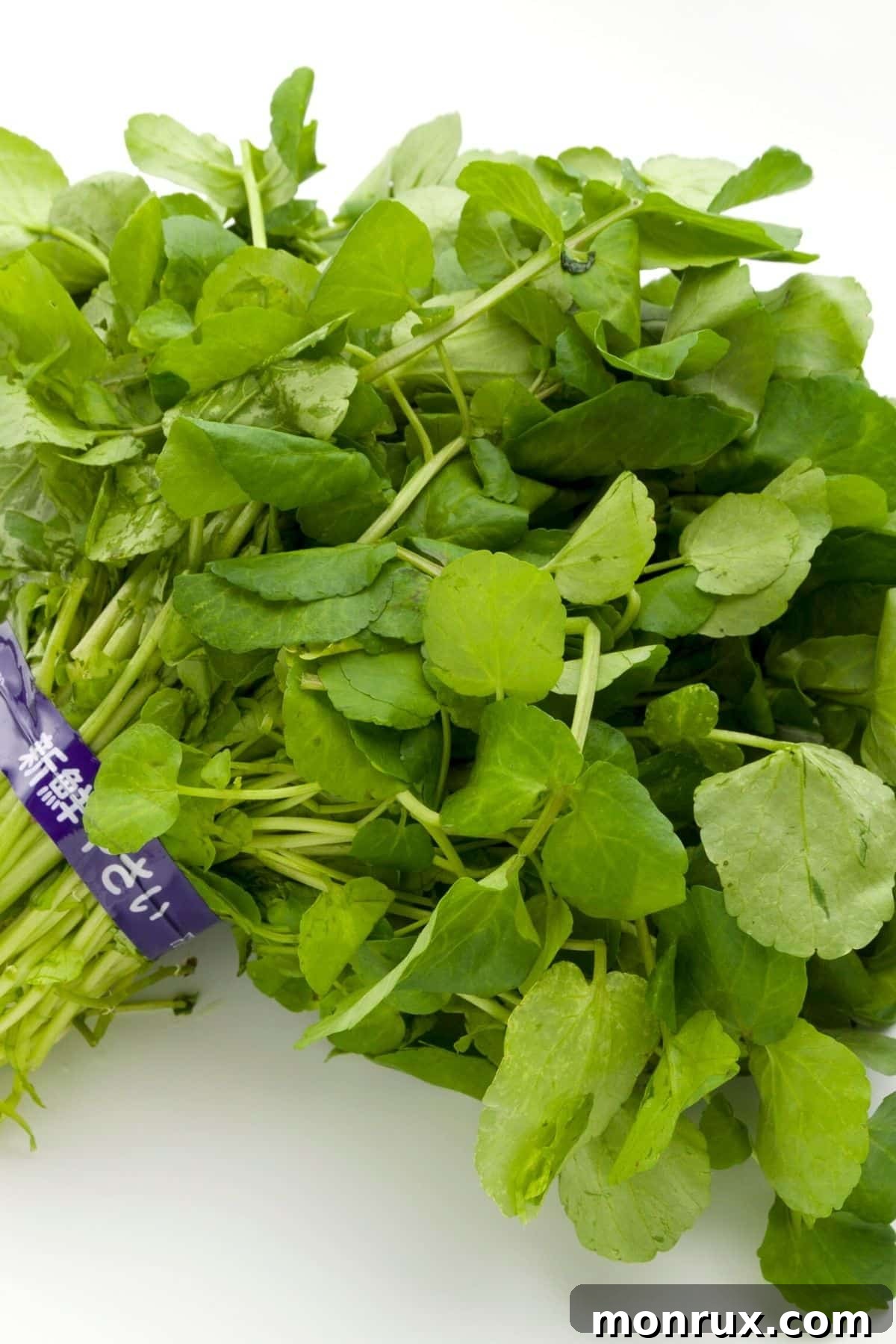
Watercress is a highly prized leafy green vegetable, primarily consumed raw to fully appreciate its distinctive peppery flavor and delicate texture. Renowned for its exceptional nutritional density, watercress is often cited as one of the most healthy greens, if not the healthiest, due to its high concentration of vitamins, minerals, and phytonutrients.
It is particularly rich in Vitamin C, acting as a powerful antioxidant and immune booster, and is an excellent source of Vitamin K, crucial for blood coagulation and bone metabolism. Furthermore, watercress supplies significant amounts of Vitamin A, calcium, and iron. Its antioxidant content, including compounds like isothiocyanates, contributes to its potential role in cancer prevention and reducing oxidative stress.
While most commonly served raw in vibrant salads, lending a fresh, pungent note, watercress can also be lightly cooked. Steaming, boiling briefly, or quickly sautéing can temper its strong flavor, making it a good addition to soups, sandwiches, or as a garnish for various dishes. Its crisp texture and bold taste make it a sophisticated and healthful component of any meal.
8. Cabbage
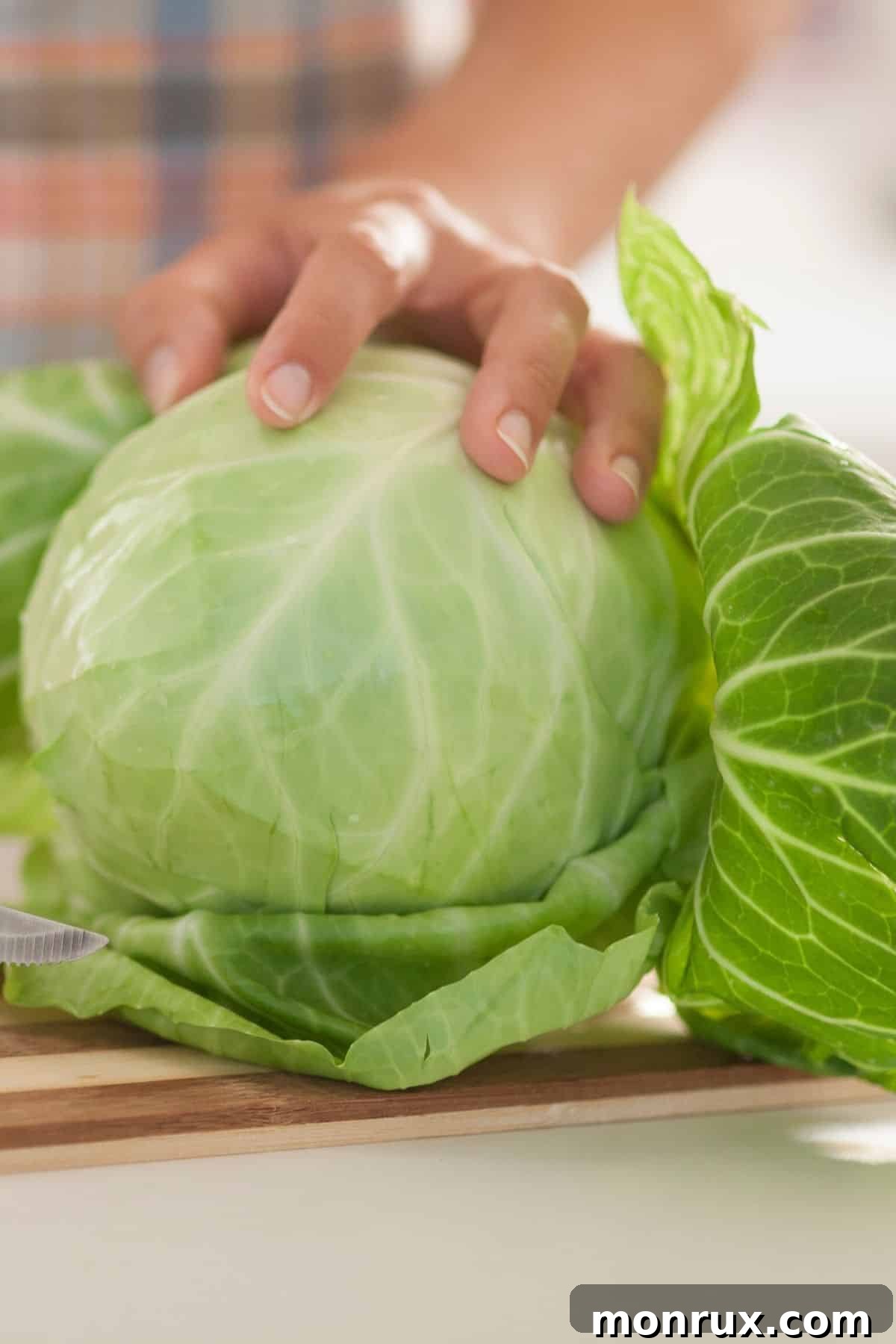
Cabbage, a versatile and affordable nutritious vegetable, is a member of the cruciferous family, known for its dense, leafy heads. It offers a satisfying crunchy texture and a mildly sweet to slightly peppery flavor, depending on the variety and how it’s prepared. Cabbage comes in various appealing colors, including vibrant green, deep red, and striking purple, each offering a slightly different nutritional profile and culinary application.
It is an excellent source of dietary fiber, crucial for digestive health, and exceptionally rich in Vitamin C, a powerful antioxidant that supports immune function and skin health. Cabbage also provides a good amount of Vitamin K, essential for blood clotting and bone strength, and potassium, important for blood pressure regulation. Its antioxidant compounds, including anthocyanins in red cabbage, help protect the body against cellular damage and chronic diseases.
Cabbage can be enjoyed in a multitude of ways: shredded raw in salads and coleslaws, fermented into sauerkraut or kimchi for probiotic benefits, or cooked through boiling, steaming, roasting, or stir-frying. My site offers a wide array of delicious cabbage recipes, such as the comforting Cabbage Vegetable Soup (easily made in an Instant Pot or stovetop), tender Slow Cooker Cabbage, and quick Instant Pot Cabbage. For the truly adventurous, consider trying the uniquely refreshing Cabbage Juice!
9. Brussels Sprouts

Brussels sprouts are miniature, cabbage-like vegetables that grow in clusters along a thick stalk. Often boiled or, more deliciously, roasted, they possess a complex flavor profile that is slightly bitter with underlying sweet and nutty notes. It’s worth noting the correct plural form is “Brussels sprouts,” not “brussel sprouts.”
These small green globes are nutritional powerhouses, particularly high in fiber, which aids digestion and promotes satiety, and Vitamin C, a potent antioxidant that supports immune function. They also contain significant amounts of Vitamin K, vital for bone health and blood clotting, and a wealth of powerful antioxidants, including glucosinolates, known for their potential anti-cancer properties. These compounds contribute to cellular detoxification and protection against chronic diseases.
For truly delicious Brussels sprouts that even skeptics will love, roasting is often the key to unlocking their best flavor and texture. Try my popular recipes: Air Fryer Brussels Sprouts with Bacon for a savory crunch, or the convenient Frozen Brussels Sprouts in Air Fryer for a quick and easy side dish. These methods help caramelize the outer leaves, transforming them into a delightful, crispy treat.
10. Bok Choy
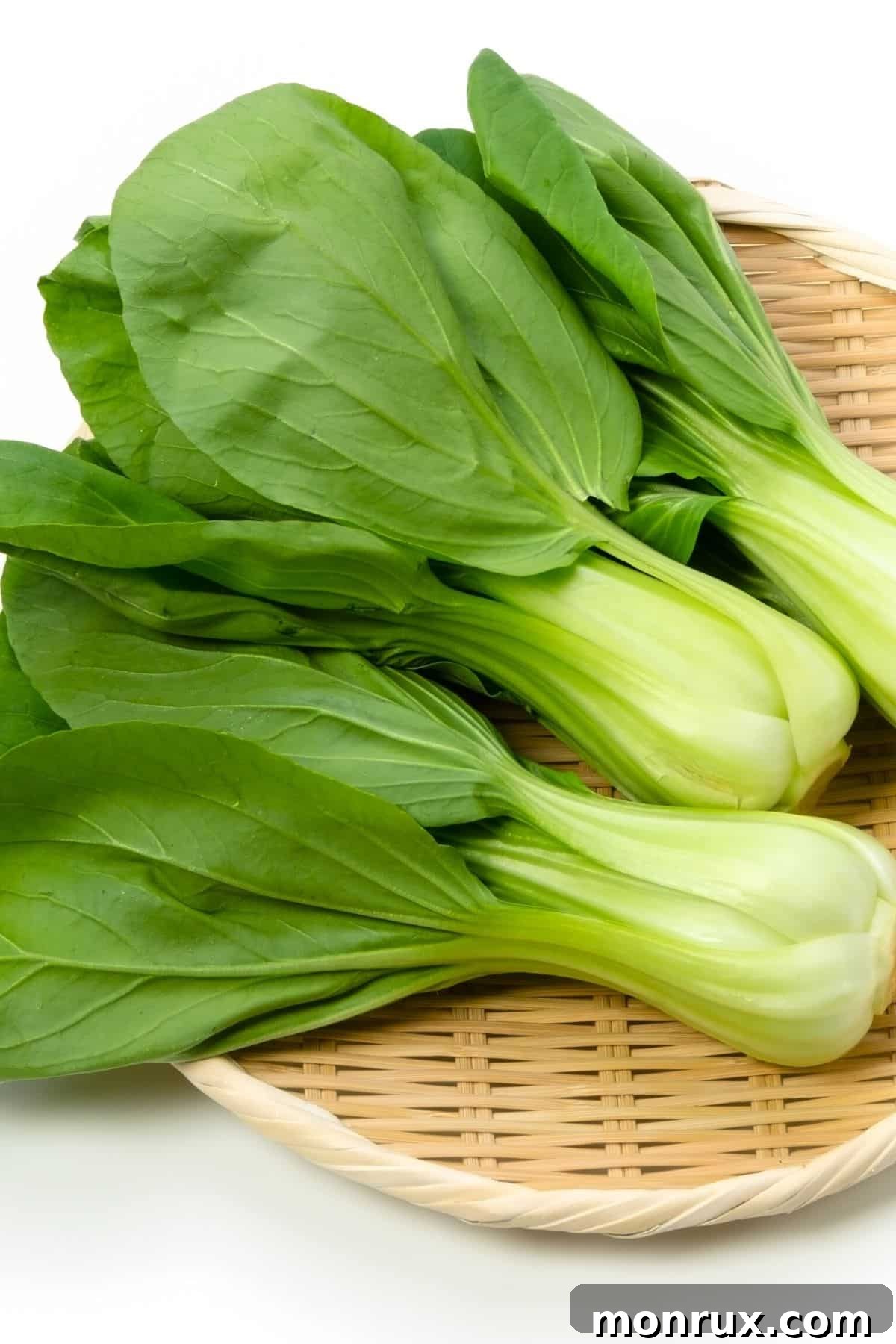
Bok choy, a cornerstone of Chinese cuisine, is a delightful and healthy type of Chinese cabbage. It’s easily recognizable by its crisp white, celery-like stalks that fan out into tender, dark green leaves. This vegetable offers a mild, slightly sweet flavor with a hint of pepperiness, making it incredibly versatile and appealing even to those new to Asian greens.
Nutritionally, bok choy is a powerhouse. It’s an excellent source of dietary fiber, supporting digestive health, and boasts an impressive profile of vitamins and minerals. It’s particularly rich in Vitamin C, an antioxidant crucial for immune function, and Vitamin A, vital for vision and skin. Furthermore, bok choy provides Vitamin K for bone health, folate for cell growth, and essential minerals like calcium and potassium. Its glucosinolate compounds also contribute to its potential anti-cancer properties.
Bok choy is a wonderfully versatile vegetable that shines in various cooking methods. It can be lightly steamed, quickly stir-fried, braised, or added to soups and noodle dishes. I personally prefer to buy baby bok choy, as its smaller size makes it more tender and quicker to cook, offering a more delicate texture. When preparing, separate the stalks and leaves, as the stalks require slightly longer cooking. It pairs beautifully with garlic, ginger, soy sauce, and sesame oil.
11. Kale
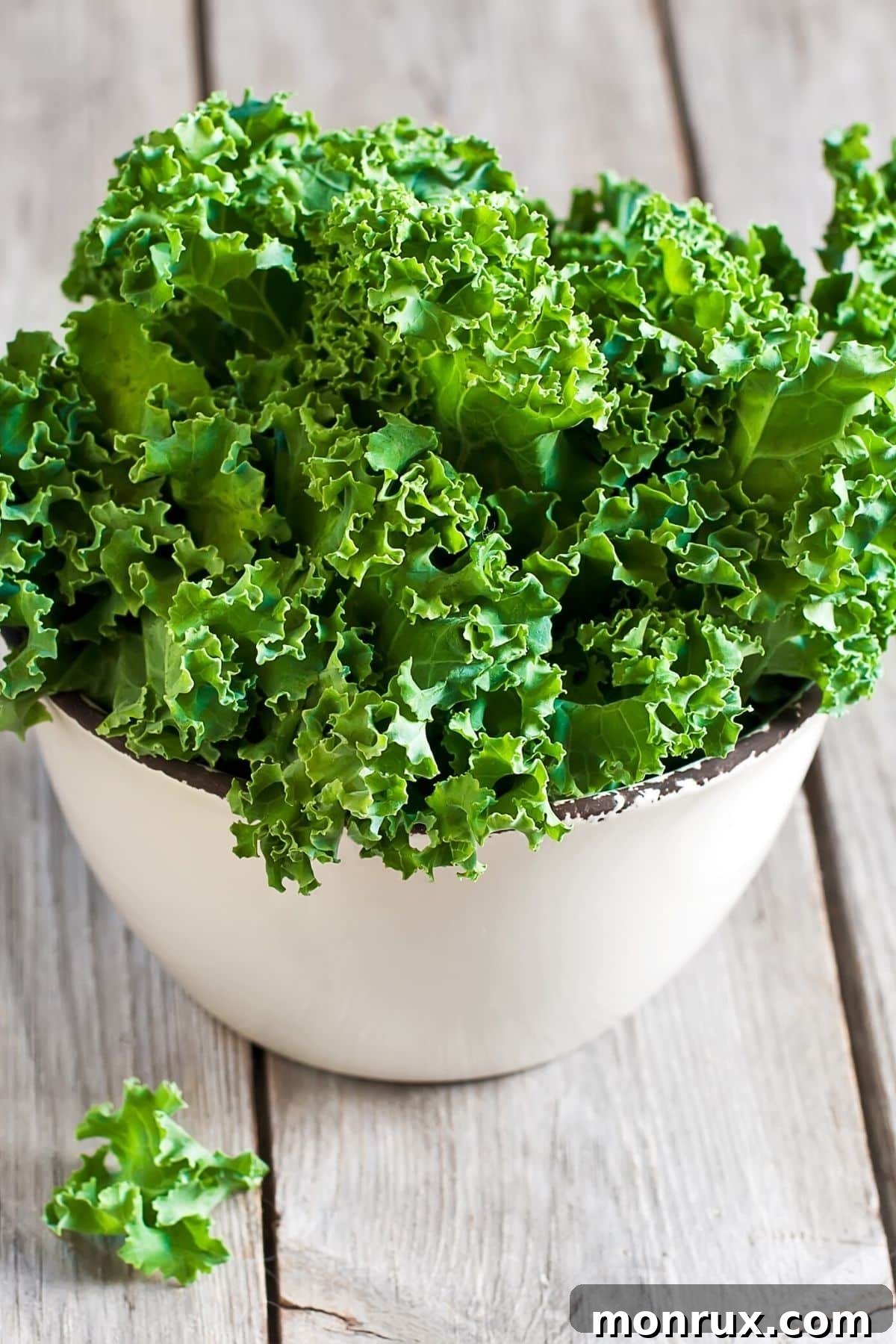
Kale, a prominent dark, leafy green vegetable, is a close relative to broccoli and cabbage, belonging to the highly beneficial cruciferous family. It is celebrated for its slightly bitter, earthy taste and robust, sometimes chewy texture, which can be softened through cooking or “massaging” when used raw in salads. Kale is widely recognized as a superfood due to its extraordinary nutrient density.
This verdant green is an outstanding source of Vitamins A, C, and K. Vitamin A is crucial for vision and immune function, Vitamin C acts as a powerful antioxidant, and Vitamin K is vital for blood clotting and bone health. Kale also boasts a rich profile of antioxidants like beta-carotene, lutein, and zeaxanthin, along with minerals such as calcium, magnesium, and potassium. Its high fiber content supports digestive health, and its glucosinolates are linked to powerful detoxifying and anti-cancer effects.
Kale’s versatility allows for numerous culinary applications: it can be steamed, boiled, sautéed, roasted, or even baked into crispy chips. Different varieties, such as Lacinato kale (also known as Tuscan or Dino kale, featured on my list of best vegetables starting with L), curly kale, and red kale, offer slight variations in texture and flavor. Some of my favorite recipes for incorporating this nutritional powerhouse include:
- Crispy and addictive Air Fryer Kale Chips
- A nutrient-dense Kale Juice Recipe
- The incredibly flavorful Erewhon Kale Salad (Copycat)
- A refreshing and beneficial Kale Weight Loss Smoothie
12. Spinach
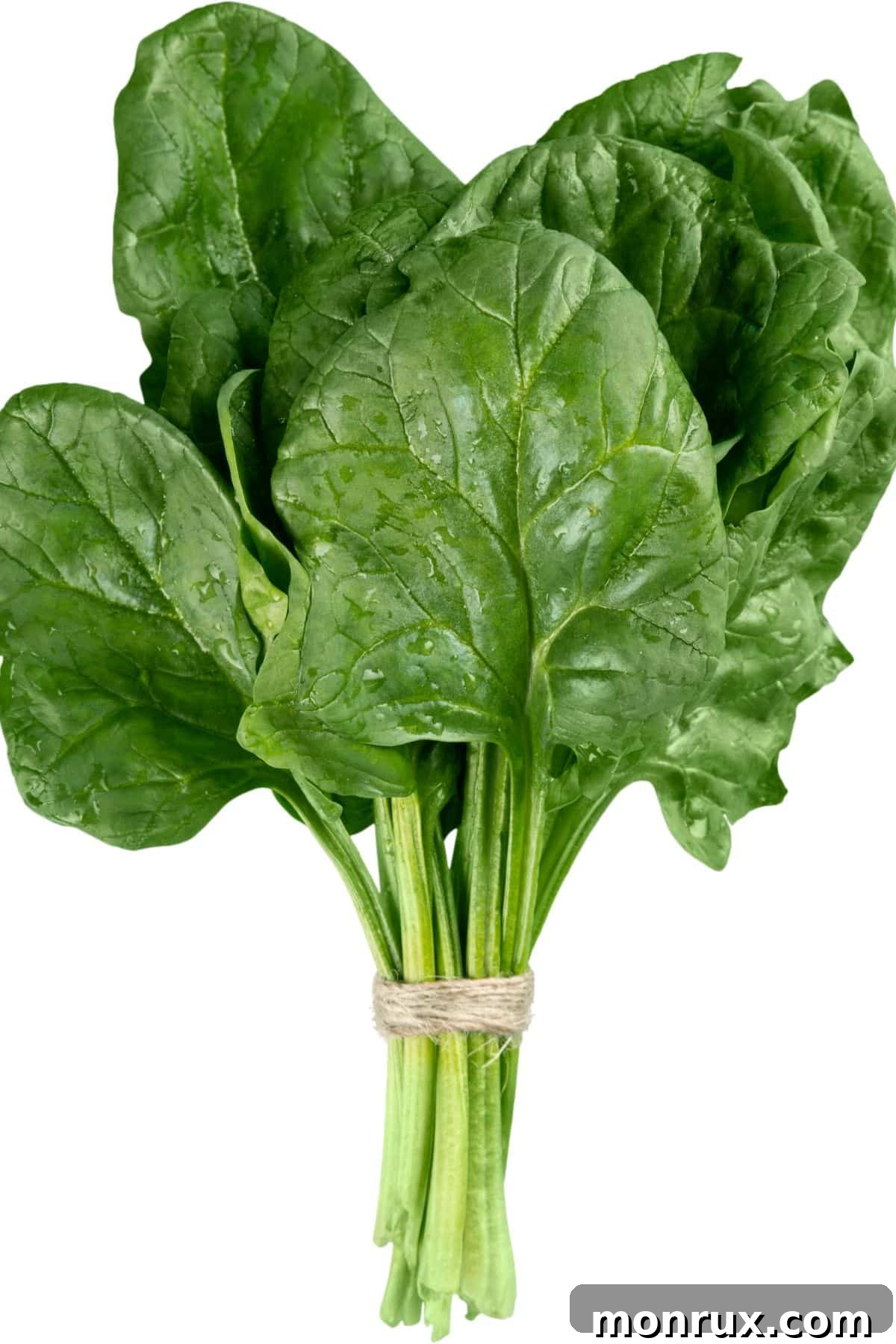
Spinach is a globally celebrated leafy green vegetable known for its mild, slightly earthy flavor and delicate texture, particularly when young. It is exceptionally versatile, equally delicious whether eaten raw in salads or cooked into a myriad of dishes. Its broad appeal and nutrient density make it a staple in healthy diets worldwide.
This green superstar is an outstanding source of Vitamin A (as beta-carotene), essential for eye health and immune function, and abundant in Vitamin C, a powerful antioxidant. Spinach also provides significant amounts of Vitamin K, vital for blood clotting and bone strength, as well as magnesium, crucial for muscle and nerve function, and folate, important for cell growth and DNA synthesis. Its rich chlorophyll content and various phytonutrients contribute to its anti-inflammatory and antioxidant properties.
Baby spinach leaves are notably more tender and milder than mature spinach, making them perfect for raw salads. When cooking, spinach wilts down significantly, so a large quantity of fresh leaves yields a small amount of cooked spinach. It’s best cooked for a short duration to retain its nutrients and prevent it from becoming tough or overly bitter. Discover spinach in these delightful recipes:
- Hearty Slow Cooker Chicken Stew with Lentils and Spinach
- Refreshing Green Apple Smoothie with Spinach
- Quick Food Processor Smoothie
- Invigorating Spinach Juice
- A delicious Weight Loss Green Smoothie
Additionally, learn my easy method for how to freeze spinach to preserve its freshness and minimize waste.
13. Swiss Chard
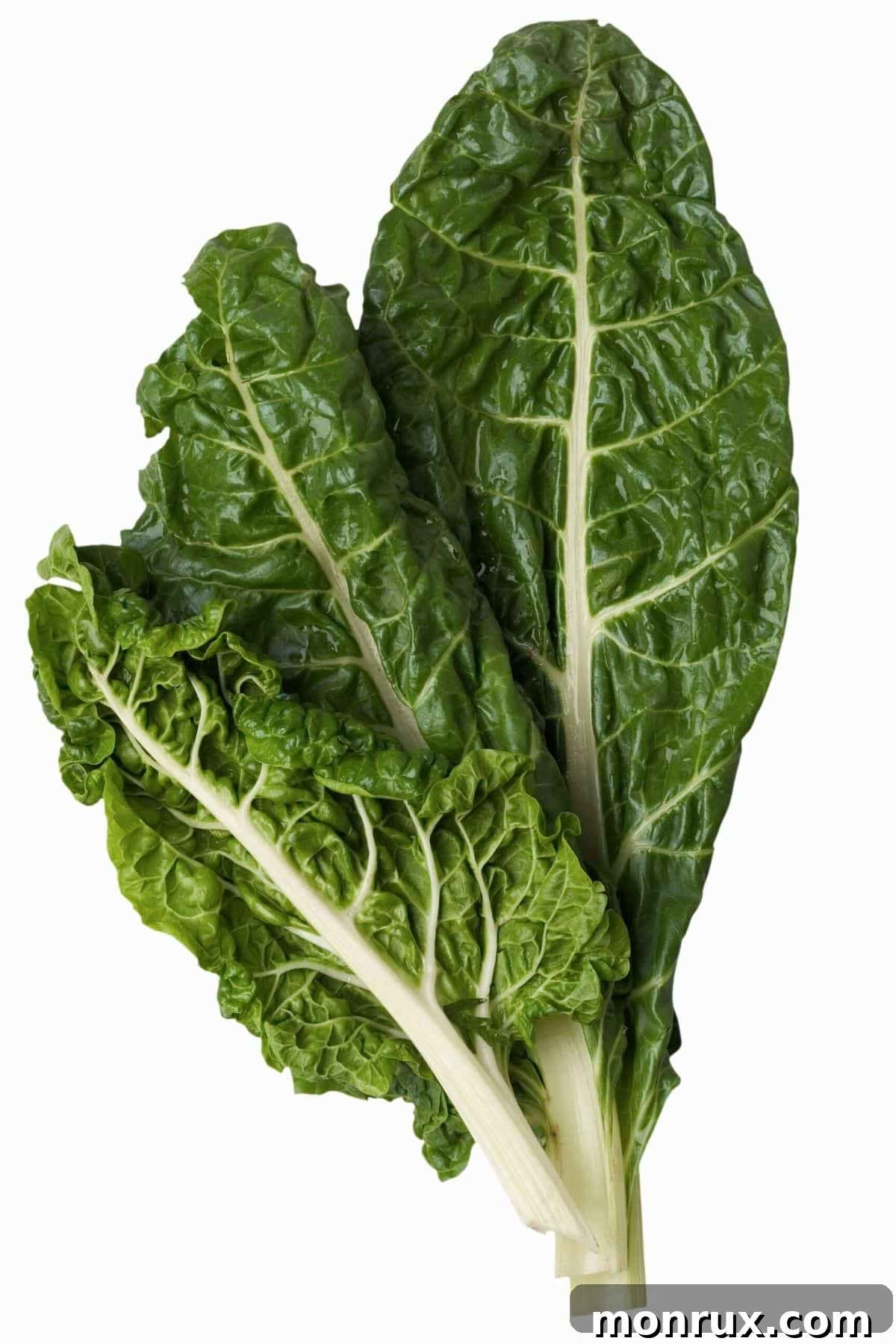
Swiss chard is a magnificent leafy green vegetable, prized for its robust leaves and colorful, edible stalks. While often used in salads or stir-fries, its slightly earthy and mildly bitter taste becomes sweeter and more palatable upon cooking. What sets Swiss chard apart visually is its striking appearance; it is sometimes referred to as “Rainbow Chard” because varieties feature stalks in brilliant shades of red, orange, yellow, and white, making it a beautiful addition to any dish.
Nutritionally, Swiss chard is a true powerhouse. It’s an excellent source of Vitamins A, C, and K. Vitamin K, in particular, is present in very high amounts, crucial for bone health and blood clotting. It also contains significant levels of antioxidants, including beta-carotene and various flavonoids, which help protect cells from damage. Essential minerals like potassium, calcium, and magnesium are also abundant, supporting heart health, bone density, and muscle function.
Both the tender leaves and the crunchy, vibrant stems of Swiss chard are edible. The leaves can be used similarly to spinach, while the thicker stems require slightly longer cooking and can be treated like asparagus or celery. It can be prepared by boiling, stir-frying, steaming, or even sautéing with garlic and olive oil. I particularly enjoy incorporating it into my Swiss Chard Smoothie for a nutrient-packed breakfast or snack. Its versatility and dense nutritional profile make it an outstanding choice for any health-conscious kitchen.
14. Okra
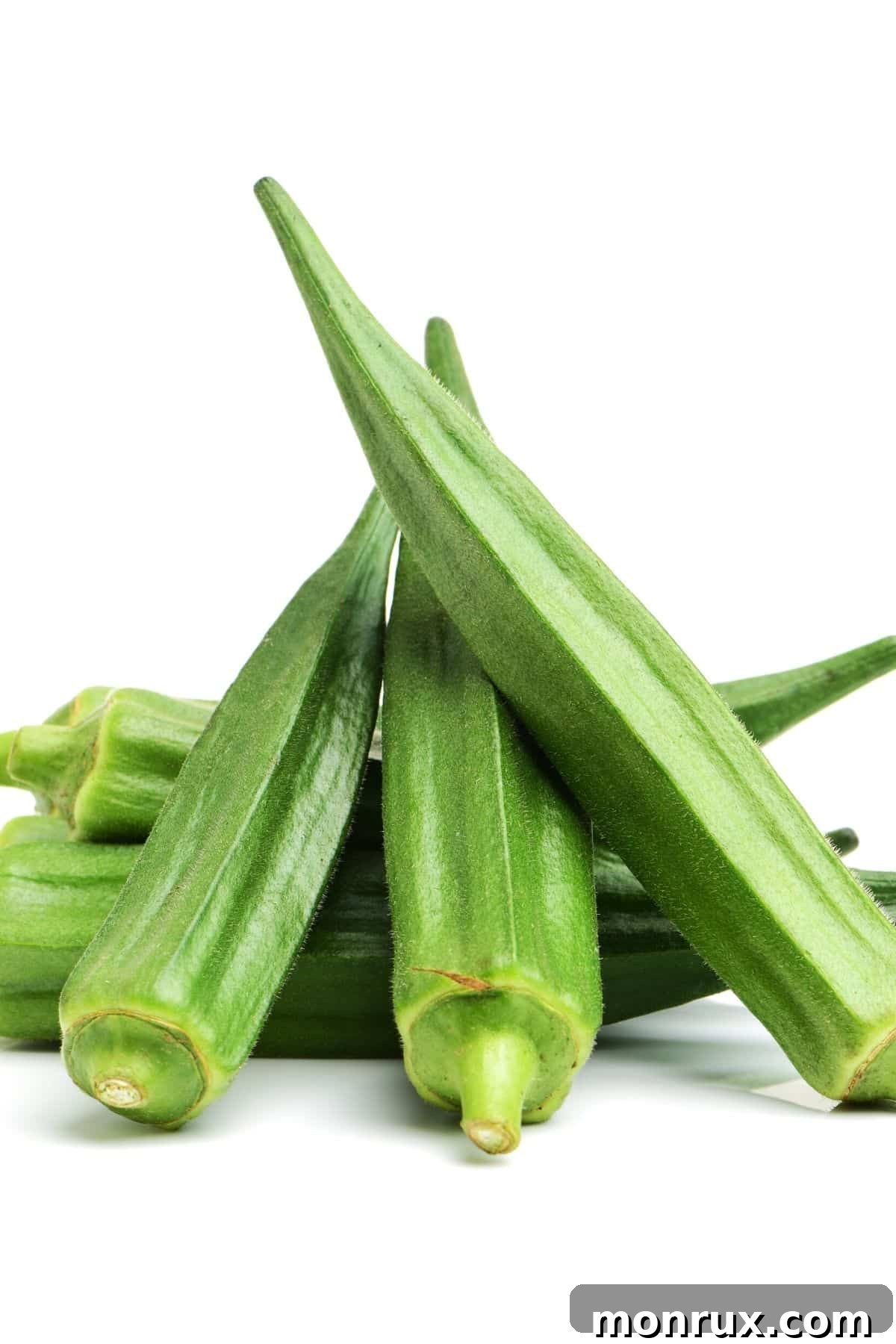
Okra, often recognized by its distinctive ribbed pods, is a flowering plant in the mallow family. The edible pods are typically green, though some varieties can be yellow or red, and usually measure about 6-8 inches long. Both the pods and the small seeds within are consumed. While okra has a unique, sometimes slimy texture when cooked (which can be minimized with certain preparation methods) and an unusual taste that takes some getting used to, it is an incredibly nutritious vegetable.
Despite its polarizing texture, okra is packed with nutritional value. It’s a rich source of dietary fiber, beneficial for digestion and blood sugar control. It also provides a significant amount of Vitamin C, an essential antioxidant, and Vitamin K, crucial for blood clotting and bone health. Furthermore, okra contains folate, Vitamin A, and various antioxidants like quercetin and catechins, which help protect cells from oxidative stress and inflammation.
In the United States, okra is most famously associated with Creole and Southern cuisines, where it is a star ingredient in dishes like gumbo. Its natural mucilage helps thicken stews and soups. Growing up in the Midwest, I recall enjoying crispy okra pickles. Beyond these, okra can be roasted (which reduces sliminess), grilled, fried, or added to curries and stir-fries. To reduce the “slime,” cook okra quickly at high heat, or soak it in vinegar before cooking.
15. Asparagus
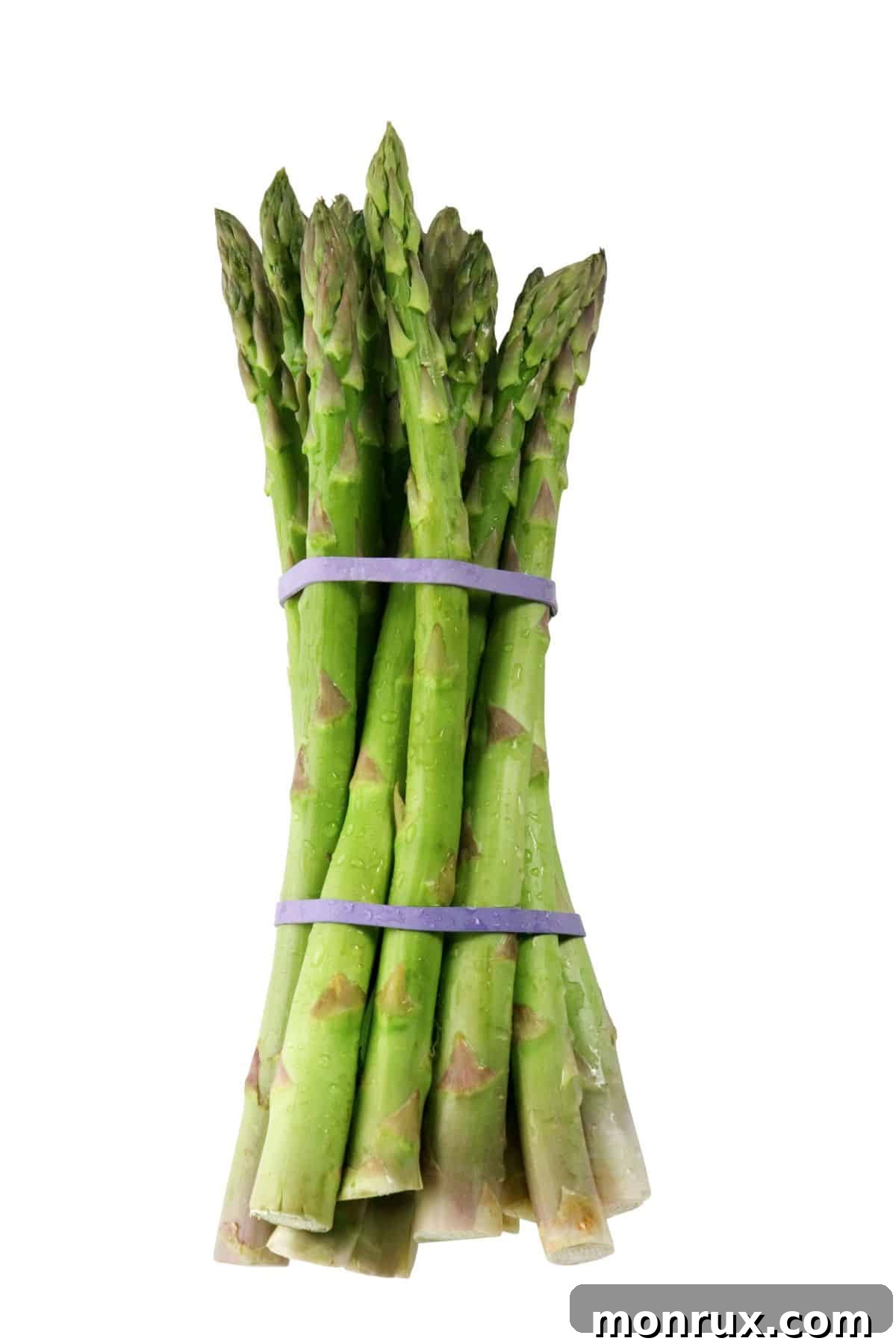
Asparagus is a highly esteemed spring vegetable with a rich history, cultivated for as long as 2,000 years. Known for its distinct, slightly earthy and savory flavor, asparagus spears come in three primary colors: the most common green, the vibrant purple, and the delicate white (which is grown without light). Its tender tips are generally the most coveted part, while the lower stems can be tough and woody.
Nutritionally, asparagus is a powerhouse, particularly high in folate, a B vitamin crucial for cell growth and DNA synthesis. It is also an excellent source of Vitamin K, vital for blood clotting and bone health, and provides a good amount of Vitamin C, Vitamin A, and dietary fiber. Asparagus contains powerful antioxidants, including flavonoids and polyphenols, which contribute to its anti-inflammatory properties and may help protect against certain diseases.
To prepare asparagus, snap or cut off the woody ends at the base of each spear. It can be boiled, steamed, roasted, grilled, or sautéed until just tender-crisp. Overcooking can make it mushy and diminish its vibrant color. My recipe for Instant Pot Asparagus offers a quick and easy way to achieve perfectly cooked spears. Asparagus pairs beautifully with lemon, garlic, olive oil, and parmesan cheese, making it a versatile and elegant side dish.
16. Celery
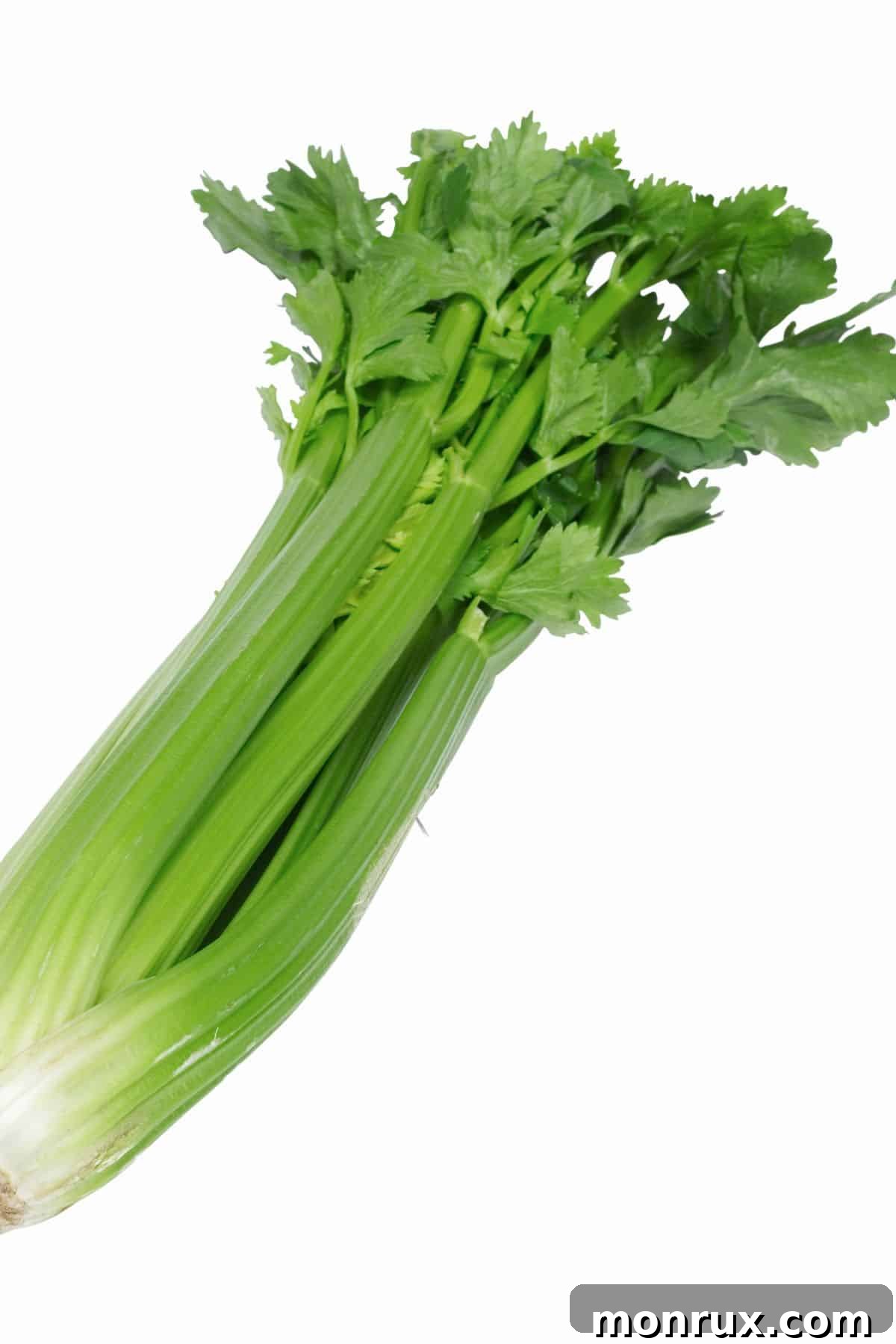
Celery is a widely recognized crunchy vegetable, beloved for its mild, slightly salty flavor and high water content, which makes it incredibly refreshing. It’s a fantastic addition to salads, soups, and stews, or simply enjoyed as a standalone snack. While often cooked by boiling, steaming, or even microwaving, celery is most commonly consumed raw in the United States.
Nutritionally, celery is a low-calorie vegetable that offers significant health benefits. It is notably high in fiber, which aids digestion, promotes regularity, and contributes to a feeling of fullness. Celery is also a good source of Vitamin C, an antioxidant that supports the immune system, and Vitamin K, essential for blood clotting. Furthermore, it contains a variety of phytonutrients, including flavonoids and phenolic acids, which possess antioxidant and anti-inflammatory properties.
Both the crisp stalks (often called ribs) and the leafy greens of celery are edible, though the stalks are far more commonly eaten. After washing thoroughly, the ribs can be chopped and added to tuna salad, chicken salad, or almost any type of salad for added crunch and flavor. Celery is also excellent for making refreshing beverages like Celery Juice, known for its hydrating and detoxifying properties. Don’t discard the leaves; they can be chopped and used as a garnish or added to stocks and broths for extra flavor.
17. Cucumbers
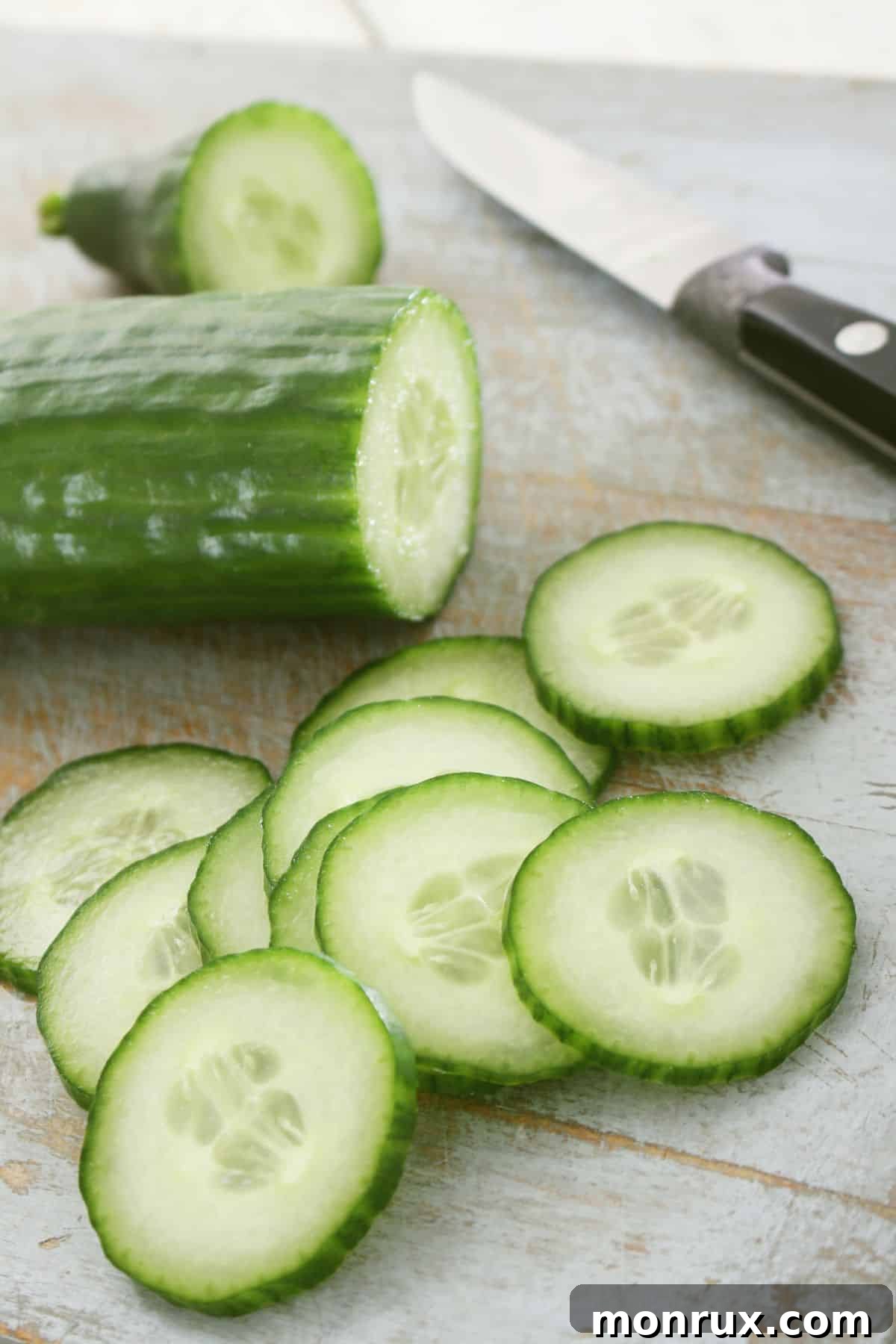
Cucumbers are a refreshingly crisp and hydrating vegetable, comprising about 95% water. Their cool, mild flavor makes them excellent thirst-quenchers and a staple in cuisines worldwide. The very name “cucumber” derives from the Arabic word khiyar, signifying its ancient roots and global presence. Available in various types, from the long English cucumber to the smaller pickling varieties, they all share a similar delightful crunch and high water content.
Beyond hydration, cucumbers are packed with essential nutrients, including Vitamins A and C, which provide antioxidant benefits and support immune health, and potassium, important for blood pressure regulation. Their skin and seeds contain the most nutrients and fiber, so it’s often beneficial to eat them unpeeled. They also contain unique compounds like cucurbitacins, which have been studied for their potential health benefits.
What makes cucumbers truly fantastic is their versatility in both sweet and savory dishes. While most commonly enjoyed raw, sliced in salads, or as a crunchy snack with dips, they can also be pickled, grilled, or even roasted. Thinly sliced cucumbers are perfect for sandwiches or infused waters. Don’t miss my creative recipes for Carrot Cucumber Salad, the invigorating Cucumber Ginger Lemon Water, a fresh Cucumber Pico de Gallo, or the pure refreshment of Cucumber Juice. For even more liquid refreshment, explore my list of Cucumber Drink recipes for weight loss.
18. Green Bell Peppers
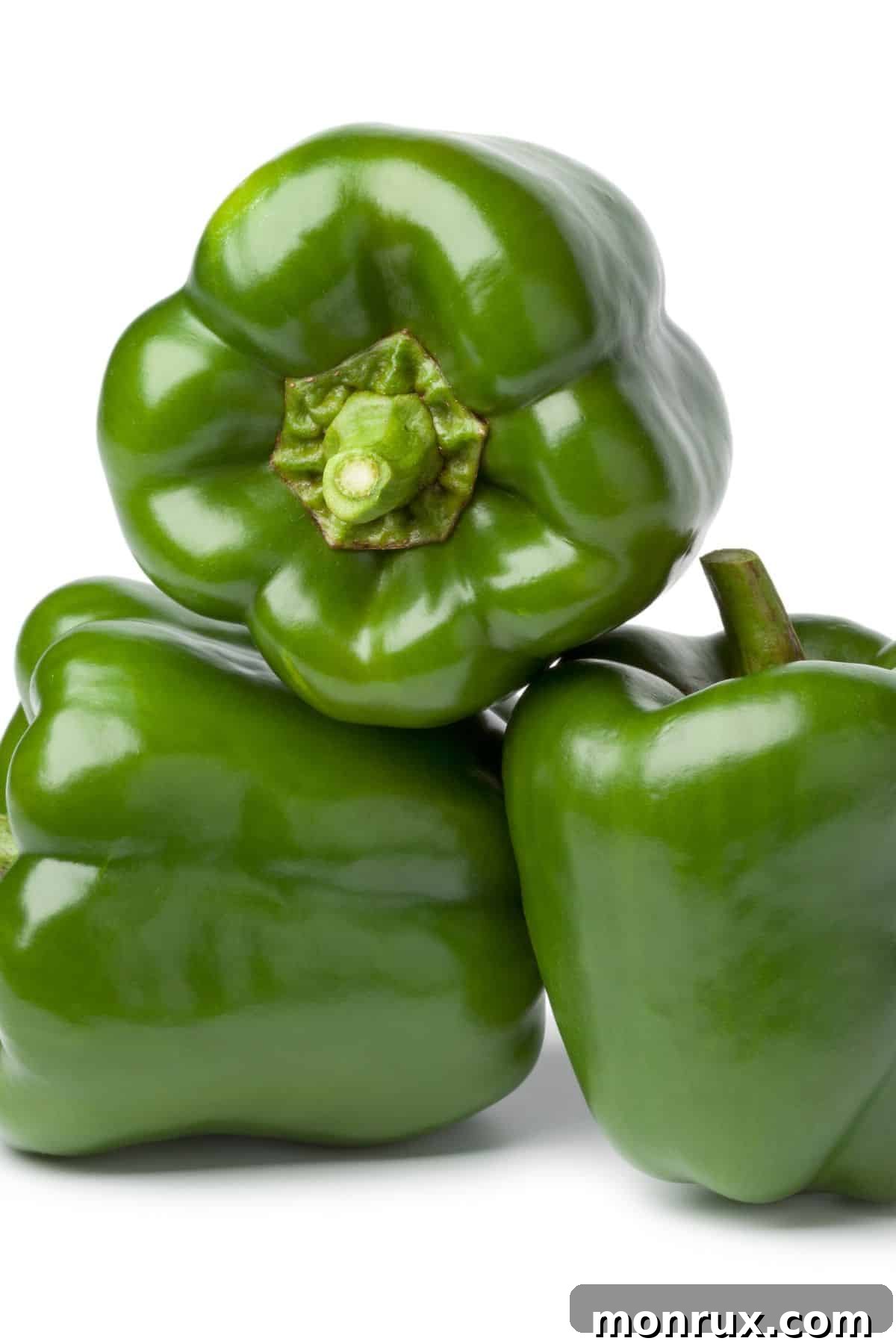
Often perceived solely as a crunchy raw addition to salads, green bell peppers are far more versatile than commonly assumed. These vibrant, crisp vegetables can be cooked in numerous ways, lending a distinct, slightly grassy flavor that enhances many culinary creations. They are essentially unripe bell peppers; given more time on the vine, they would mature into their sweeter red, yellow, or orange counterparts.
The characteristic flavor of green bell peppers is mildly bitter and earthy, a taste enjoyed by many and a key component in dishes like mirepoix and the “holy trinity” of Cajun cooking. Nutritionally, they are an excellent source of Vitamin C, a powerful antioxidant that supports immune health and collagen production. They also contain Vitamin A (in the form of beta-carotene), dietary fiber, and various other antioxidants and nutrients that contribute to overall well-being, including lutein and zeaxanthin for eye health.
Green bell peppers can be stuffed, roasted, sautéed, grilled, or incorporated into stir-fries, fajitas, and sauces. Their firm texture holds up well to cooking, making them ideal for adding bulk and flavor to meals. For recipe inspiration, check out ideas for what to serve with stuffed peppers or learn how to freeze peppers to enjoy their goodness year-round.
19. Tomatillos
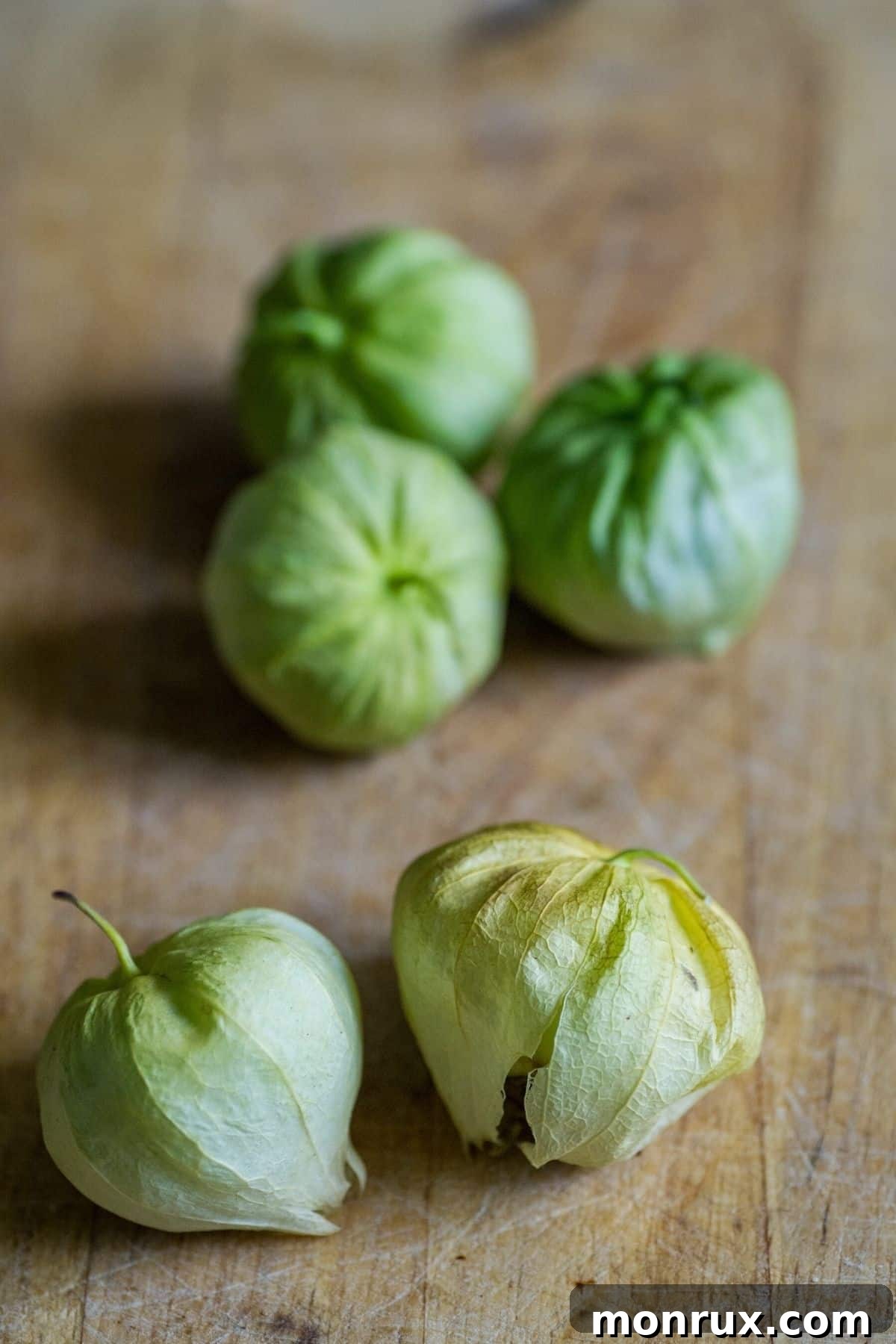
Tomatillos are a unique type of Mexican fruit, often mistaken for green tomatoes due to their similar size and texture, but distinctly identified by their papery husk. While sometimes referred to as “Mexican tomatoes” or “green tomatoes,” they are scientifically different and belong to the nightshade family, much like ground cherries. They grow on bushes, unlike true tomatoes which typically grow on vines, and their vibrant green color and tangy flavor set them apart.
Tomatillos have been a culinary staple in Mexico for centuries, traditionally consumed raw in salsas and sauces for their bright, tart, and slightly sweet flavor, which is best appreciated when fresh. Their flavor becomes somewhat mellowed and less vibrant when cooked. Nutritionally, tomatillos are a good source of Vitamin C, an essential antioxidant, and Vitamin K, important for blood clotting. They also provide dietary fiber, potassium, and various antioxidants, including flavonoids, that contribute to overall health.
Before use, the papery husk must be removed, and the sticky residue beneath rinsed off. Tomatillos are the star ingredient in authentic salsa verde, offering its characteristic tang. They can be roasted, grilled, or boiled before blending into sauces, adding a complex depth of flavor to Mexican and Southwestern dishes. Their firm texture also makes them suitable for chopping into fresh salads or serving alongside grilled meats.
20. Arugula
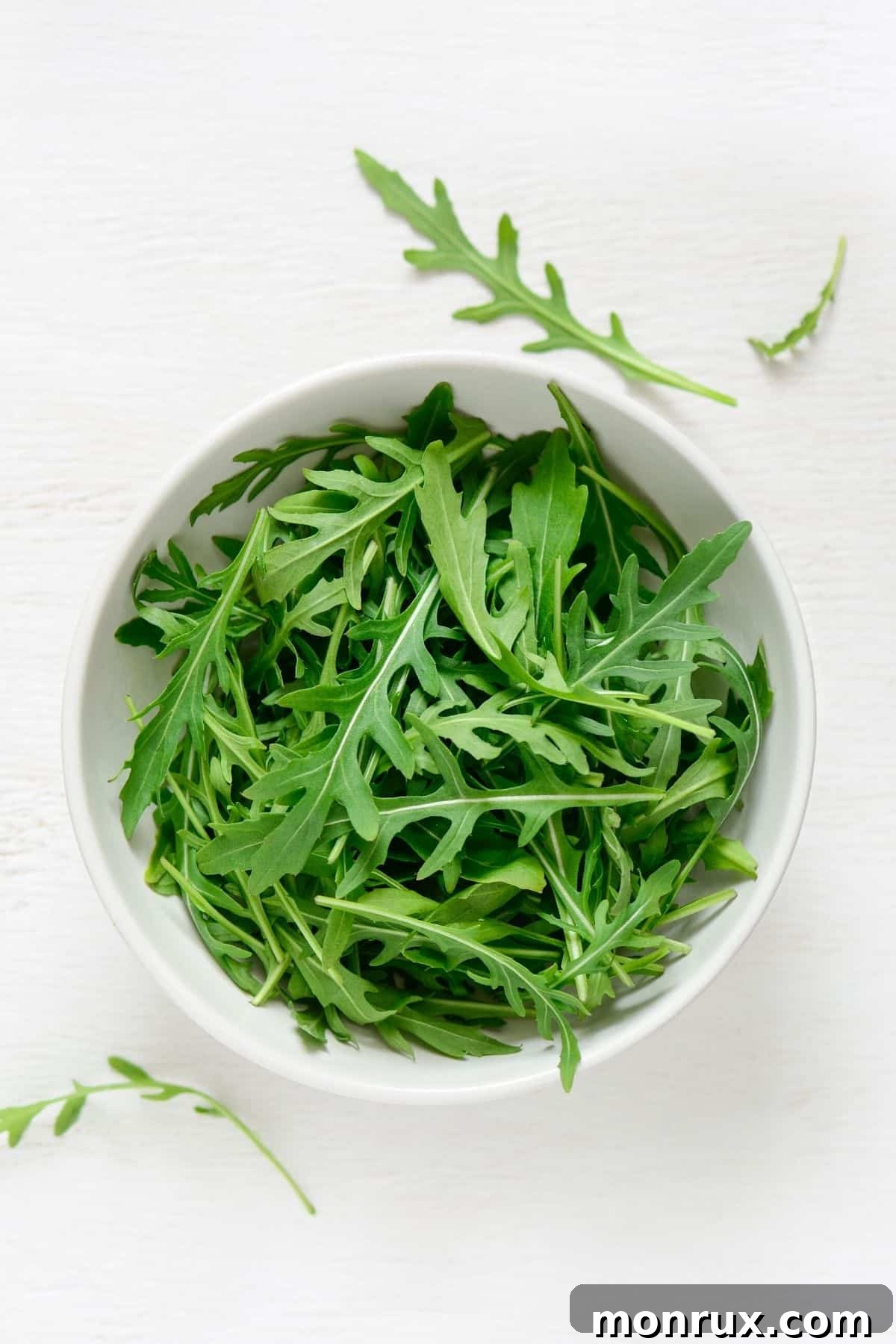
Arugula, also known as rocket or roquette, is a distinctive leafy green vegetable celebrated for its bold, peppery, and slightly bitter taste. While most commonly enjoyed raw in salads, its unique flavor profile makes it a compelling addition to a variety of cooked dishes as well. Its tender leaves and pungent notes add a sophisticated edge to simple meals.
Nutritionally, arugula is an excellent choice for a healthy diet. It is remarkably high in Vitamins A and C, providing potent antioxidant benefits and supporting immune function. It also boasts a significant amount of Vitamin K, crucial for bone health and blood clotting, and folate, essential for cell growth. Arugula contains a wealth of powerful antioxidants and anti-inflammatory compounds, including glucosinolates, which are known for their potential cancer-preventive properties. Its low-calorie, high-nutrient profile makes it a valuable component for weight management and overall vitality.
Beyond salads, arugula can be lightly sautéed, stirred into warm pasta dishes, used as a topping for pizza after baking, or blended into pesto for an unexpected twist. Its vibrant flavor pairs particularly well with cheeses, citrus, and nuts. To best enjoy its peppery kick, add arugula toward the end of cooking or serve it fresh.
21. Collard Greens
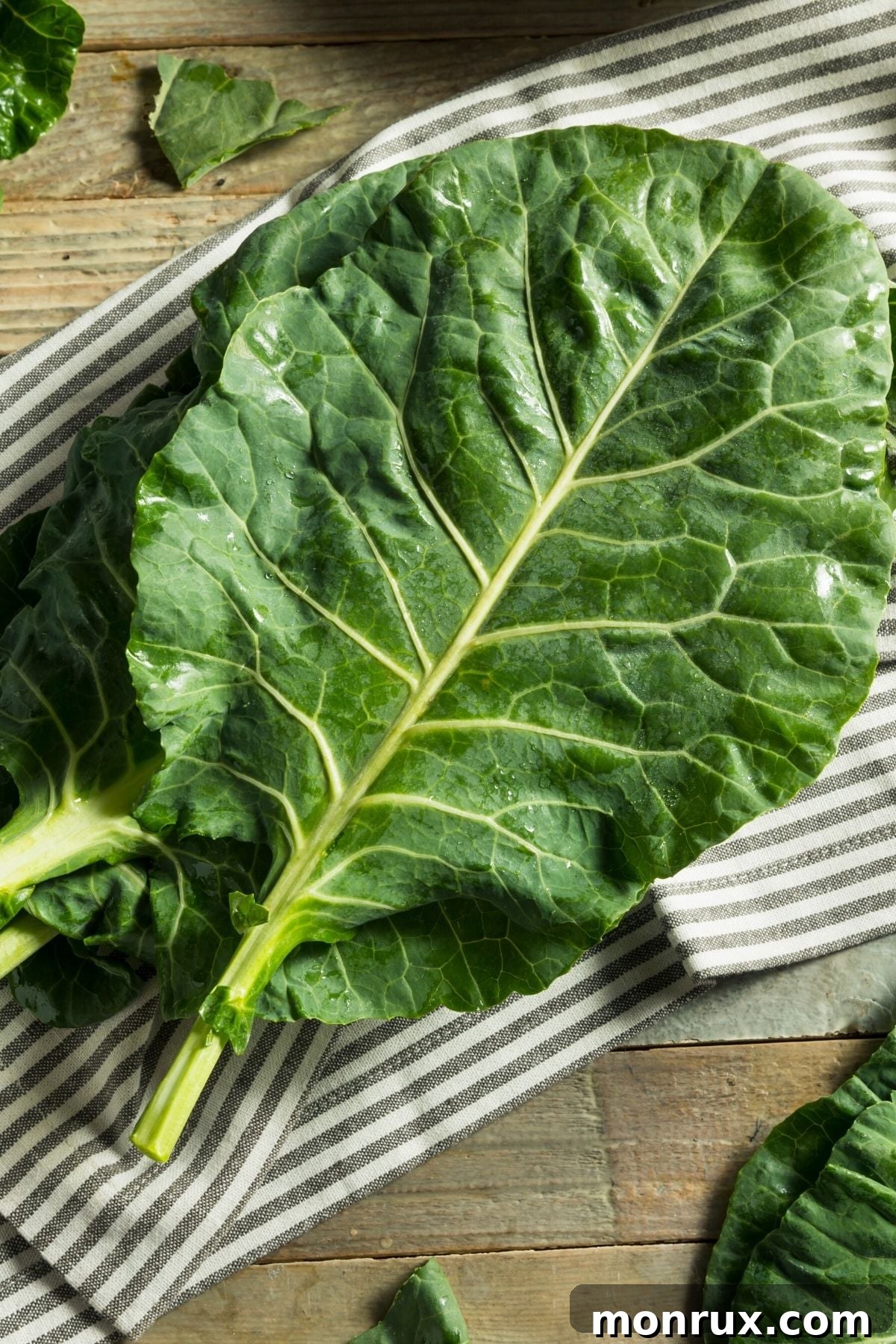
Collard greens are a robust, nutrient-dense leafy vegetable characterized by their thick stems and broad, often dark green or sometimes purple-tinged leaves. A close relative to broccoli, cabbage, and kale, they belong to the highly beneficial cruciferous family. Collards have a slightly bitter, earthy flavor that mellows significantly and develops a rich, savory depth when cooked.
This traditional Southern American vegetable is usually prepared by boiling, braising, or steaming, often with savory ingredients like smoked ham hocks or turkey for flavor. Nutritionally, collard greens are an exceptional source of vitamins A, C, and K, particularly Vitamin K, which is vital for blood clotting and bone health. They also provide significant amounts of essential minerals such as potassium and calcium, along with dietary fiber. The presence of glucosinolates contributes to their powerful antioxidant and anti-inflammatory properties, making them a strong protector against chronic diseases.
While most commonly cooked, fresh collard leaves can also be used as a wrap for sandwiches or fillings, offering a low-carb alternative. For a fresh, nutrient-packed boost, I enjoy making a vibrant Collard Green Smoothie, where the bitterness is balanced by fruits. Collards hold up well to longer cooking times, making them a hearty and satisfying addition to winter meals.
22. Green Onions
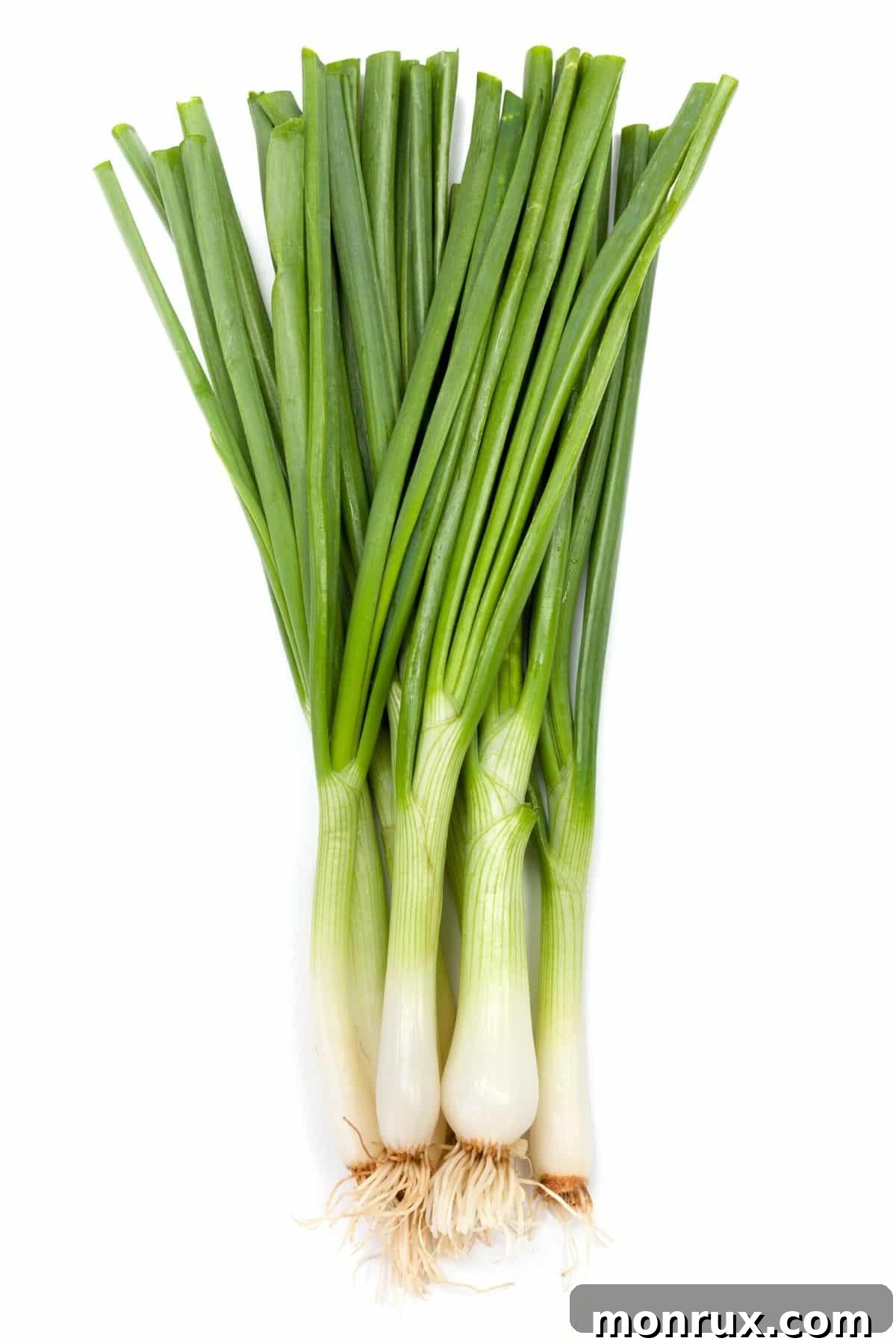
Green onions, often interchangeably called scallions, are immature onions harvested before the bulb fully develops. They are characterized by their long, hollow green stalks and small white bases. These delicate alliums offer a milder, fresher onion flavor compared to larger bulb onions, with a pleasant crispness when raw. When lightly cooked, their sweetness becomes more pronounced, adding depth without overpowering other flavors.
Nutritionally, green onions are low in calories and contribute to a healthy diet. They are a good source of Vitamin A (as beta-carotene), essential for vision and immune support, and Vitamin K, important for blood clotting and bone health. They also contain a notable amount of Vitamin C, an antioxidant, and various flavonoids. The sulfur-containing compounds responsible for their characteristic flavor also contribute to their potential health benefits, including anti-inflammatory properties.
Green onions are most commonly enjoyed thinly sliced and served raw as a garnish for salads, tacos, stir-fries, soups, and Asian dishes, providing a burst of fresh flavor and a vibrant green color. The white and light green parts can be used in cooking, sautéed briefly to soften, or added to omelets and frittatas. They also make an excellent addition to marinades and dressings. Their gentle flavor ensures they complement a wide range of cuisines.
23. Leeks
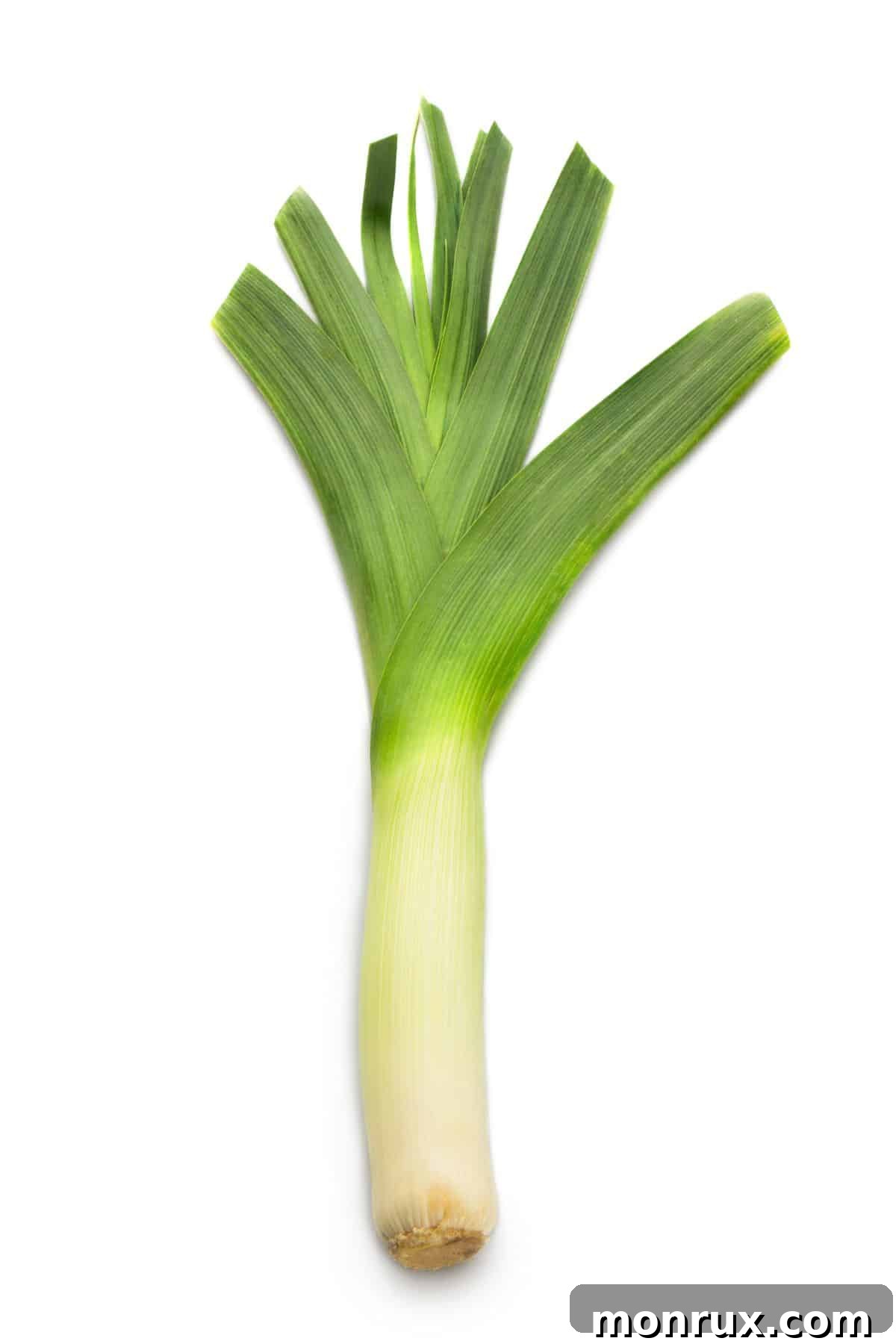
Leeks are elegant vegetables belonging to the Allium family, making them close cousins to onions, garlic, and shallots. Visually, they resemble giant green onions, featuring a long, cylindrical white stem that gradually transitions into broad, flat, fan-like green leaves. Unlike the pungent bite of an onion, leeks offer a milder, sweeter, and more delicate flavor, making them a cherished ingredient in gourmet and comfort cooking alike.
Nutritionally, leeks are an excellent choice for enhancing both flavor and health. They are a good source of dietary fiber, which is crucial for promoting digestive health, maintaining regular bowel movements, and contributing to a feeling of fullness, thus aiding in weight management. Leeks also provide a rich supply of vitamins and minerals, including Vitamin K for bone health and blood clotting, Vitamin A (as beta-carotene), and Vitamin C. They contain various antioxidants and sulfur-containing compounds similar to those found in garlic and onions, contributing to their potential anti-inflammatory benefits.
The white and light green parts of the leek are most commonly used, though the darker green tops can be added to stocks for flavor. Due to their layered structure, leeks can trap dirt, so thorough washing is essential. They are incredibly versatile, forming a foundational flavor in many soups (like classic potato-leek soup), stews, gratins, and quiches. Leeks can be sautéed, braised, roasted, or even grilled, caramelizing beautifully to bring out their natural sweetness.
24. Artichokes
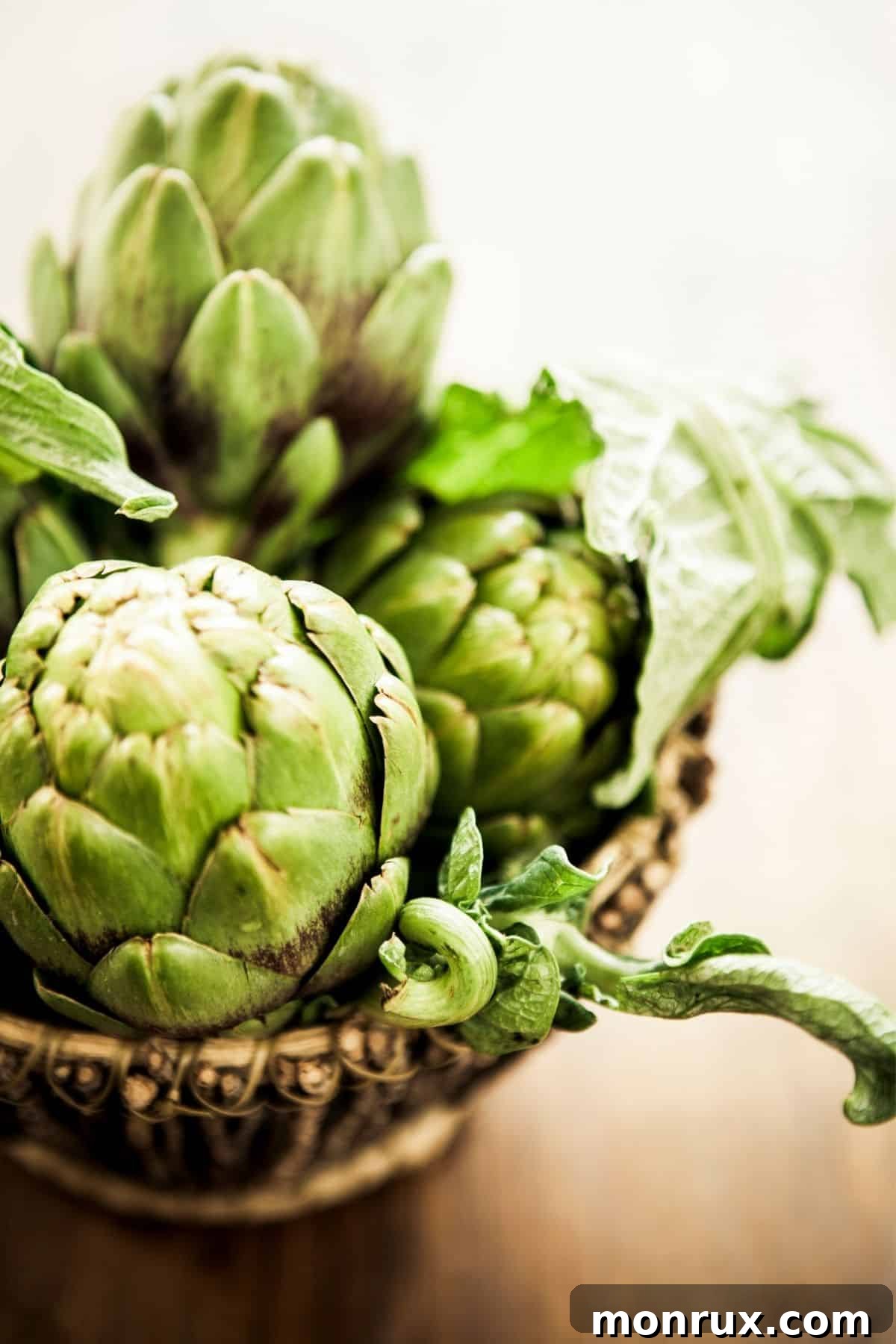
Artichokes are distinctive and highly prized edible thistle plants, native to the Mediterranean region. Their unique appearance is characterized by layered, tough, green, petal-like leaves (bracts) that surround a tender, edible core known as the “heart.” While the outer leaves are discarded after scraping the tender flesh from their base, the inner leaves and the entire heart are a true delicacy with a subtly nutty and slightly sweet flavor.
I absolutely love preparing Instant Pot Artichokes for a quick and easy way to enjoy them! Artichokes are incredibly nutrient-dense, boasting an impressive supply of fiber, which aids digestion and promotes satiety. They are rich in essential vitamins and minerals such as Vitamin C for immune support, Vitamin K for bone health, folate for cell growth, and magnesium for muscle and nerve function. Furthermore, artichokes contain powerful antioxidants, notably cynarin and silymarin, which are well-regarded for their ability to support liver health, stimulate bile production, and help in lowering cholesterol levels, contributing significantly to cardiovascular wellness. Their unique nutritional profile makes them a highly beneficial addition to any diet.
25. Fennel
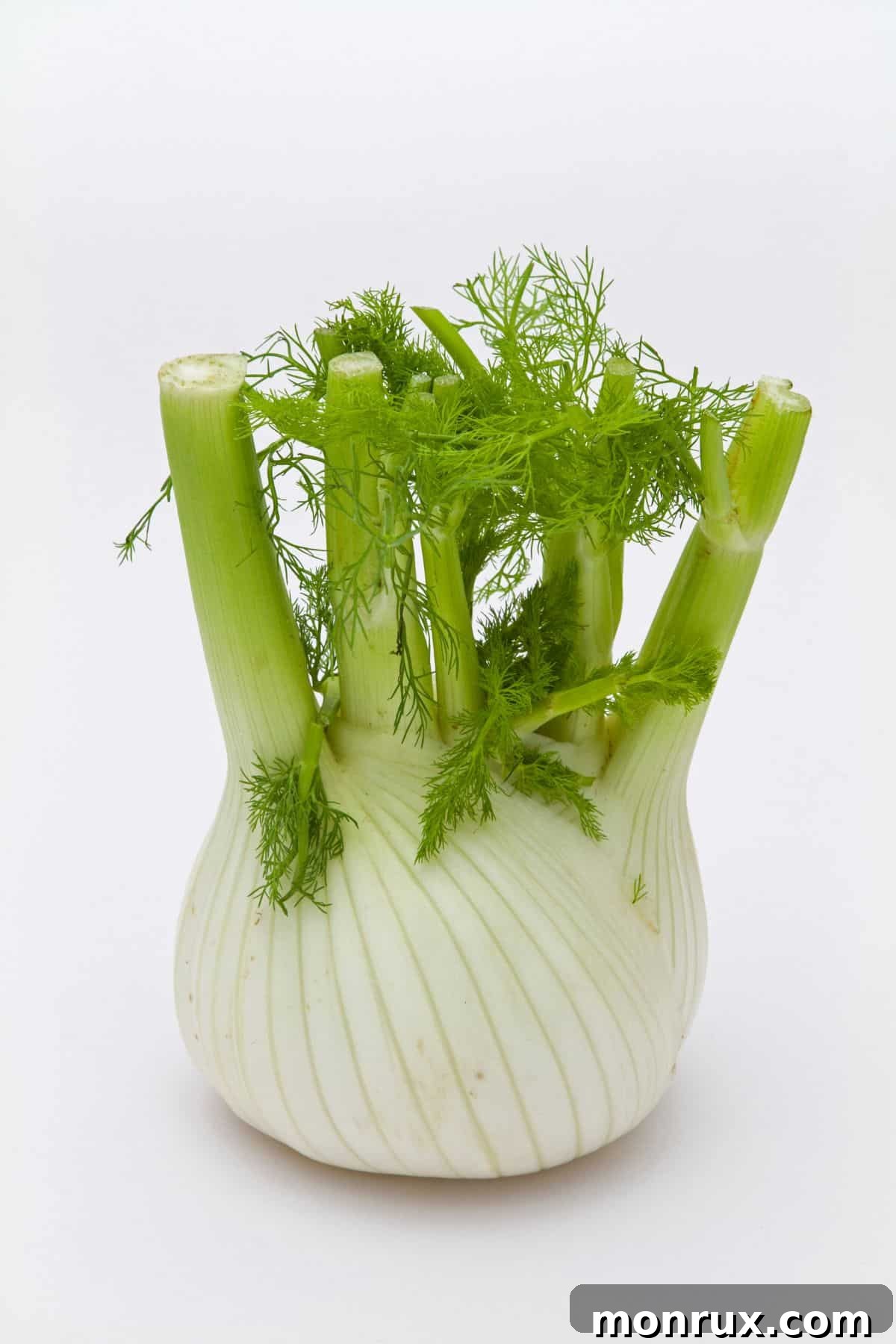
Fennel is a wonderfully versatile vegetable with a distinctive licorice-like or anise flavor, native to the Mediterranean region. This unique plant consists of several edible parts: a crisp, bulbous white base, long green stalks, delicate feathery green leaves (fronds), and small yellow flowers. All parts of the fennel plant, including its seeds (which are used as a popular spice), contribute to its culinary appeal. I particularly enjoy the subtle sweetness and unique aroma that emerge when roasting fennel or adding it to hearty soups and stews.
Beyond its aromatic qualities, fennel is packed with essential nutrients, making it a valuable addition to a healthy diet. It contains a unique combination of phytonutrients, including the potent flavonoid anethole, which is responsible for its characteristic flavor and has been extensively studied for its anti-inflammatory properties. Anethole is also linked to potential protective effects against certain cancers. Furthermore, fennel is a good source of Vitamin C, fiber, potassium, and manganese, supporting immune function, digestive health, and bone strength. Its rich antioxidant profile helps combat oxidative stress, contributing to overall cellular health.
26. Endive

Endive is a refined leafy vegetable belonging to the chicory family, frequently featured in sophisticated salads and various culinary dishes. Its appearance can vary; some varieties, like curly endive or frisée, have tightly curled, delicate leaves with a pronounced bitter taste, while others, such as Belgian or French endive, present broad, smooth, and tightly packed leaves with a milder bitterness and a satisfying crunch. This diverse family offers a range of textures and flavors to explore.
Endive is a remarkably low-calorie vegetable, yet it is exceptionally dense in essential nutrients, making it a stellar choice for a health-conscious diet. It is particularly rich in vitamins A, K, and folate. Vitamin A supports eye health and immune function, Vitamin K is crucial for blood clotting and bone density, and folate is vital for cell growth and repair. The presence of kaempferol, a powerful flavonoid antioxidant found abundantly in endive, has been associated with significant protective effects against chronic diseases, including various types of cancer. Furthermore, its fiber content aids digestion.
You can typically find endive varieties in the produce aisle of most grocery stores, often alongside other lettuces and specialty greens. Its crisp leaves serve as excellent edible “boats” for savory fillings, or they can be chopped and added to salads for a peppery, bitter counterpoint to sweeter ingredients. Endive can also be lightly sautéed or braised, which mellows its bitterness and brings out a subtle sweetness.
27. Broccoli Rabe
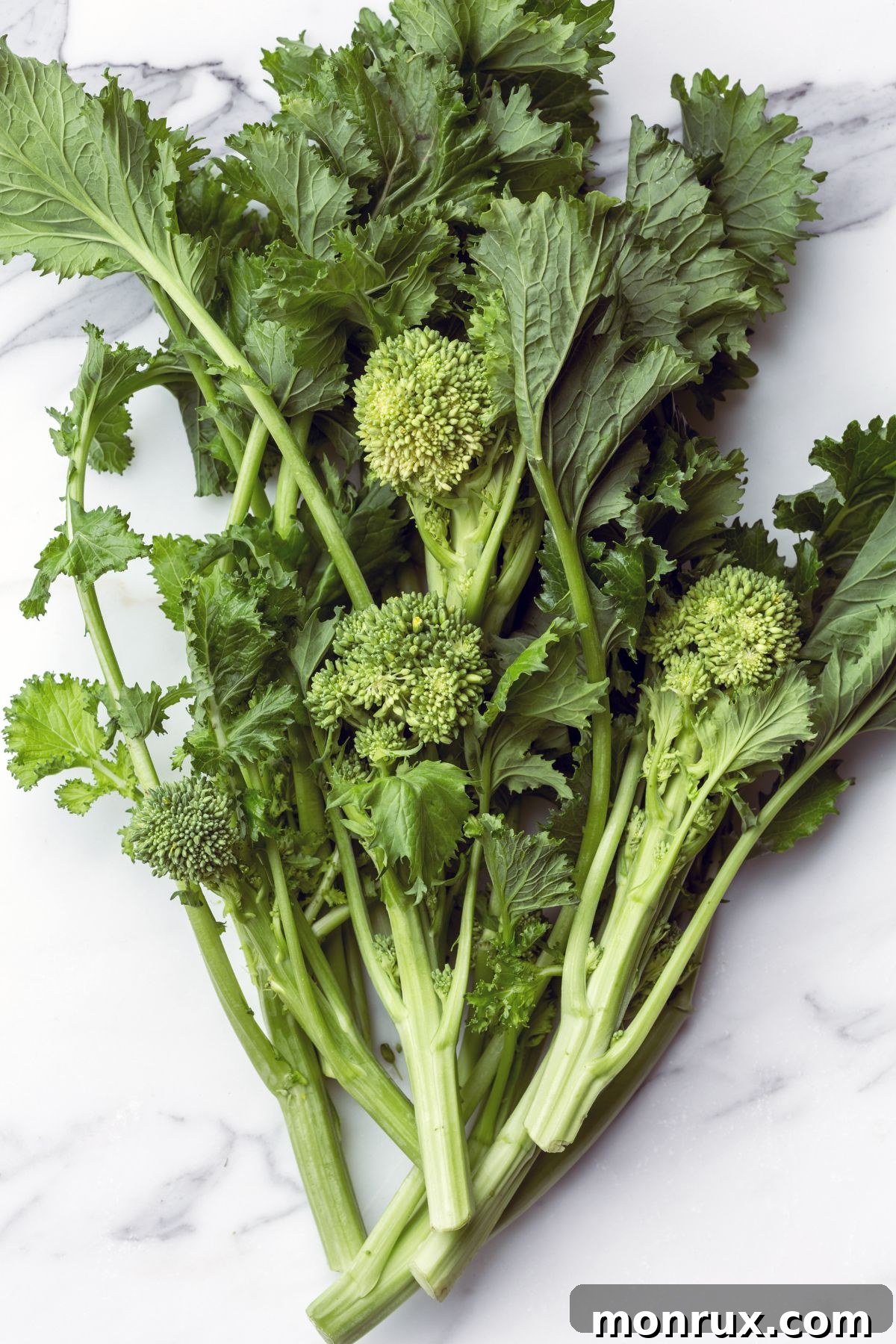
Broccoli rabe, also widely known as rapini, is a leafy green vegetable characterized by its slender stalks, small, broccoli-like buds, and abundant leaves. Despite its common name, it is botanically more closely related to turnips than to traditional broccoli, sharing a family with mustard greens. It boasts a distinct, pungent, and slightly bitter taste, which is a hallmark of many brassicas and a favorite in Italian and Chinese cuisines.
Broccoli rabe is an exceptional nutrient powerhouse, offering a comprehensive profile of essential vitamins and minerals. It’s generously packed with Vitamins A, C, and K, all critical for immune function, antioxidant protection, and bone health, respectively. Furthermore, it supplies vital minerals like calcium and iron, contributing to bone density and oxygen transport. Its rich antioxidant content, particularly glucosinolates (the same compounds found in broccoli), has been extensively linked to potential cancer-preventive properties and detoxification support, making it a highly protective food choice. The bitterness can be mellowed by blanching or sautéing with garlic and olive oil.
28. Peas
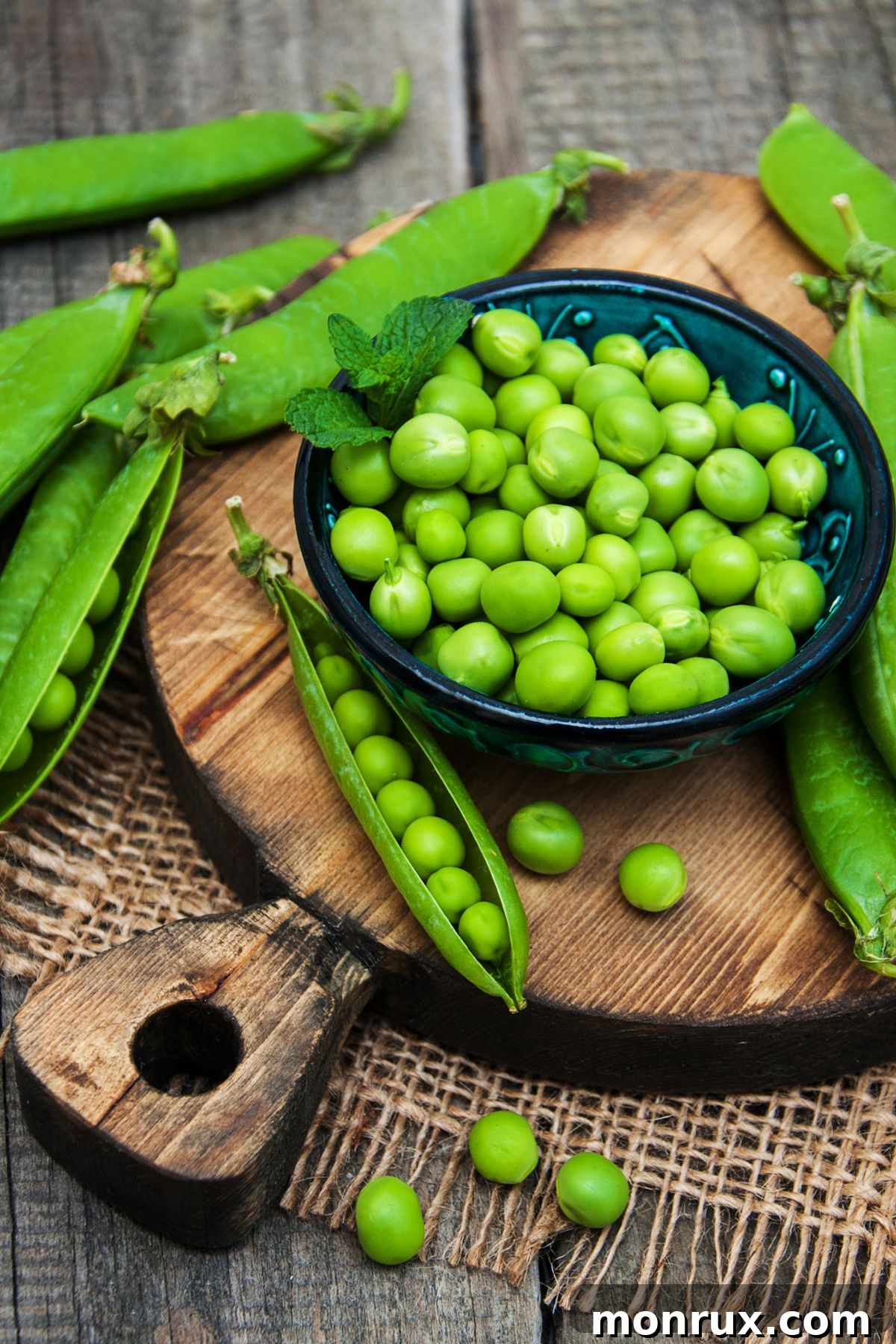
Green peas are small, spherical seeds that originate from the pods of the Pisum sativum plant. These vibrant green legumes are a staple in countless global cuisines, cherished for their sweet, slightly starchy taste and tender texture. Often sold fresh, frozen, or canned, peas are a convenient and versatile ingredient that can be enjoyed year-round.
Green peas are impressively rich in a diverse array of essential vitamins and minerals, making them a valuable component of a healthy diet. They provide significant amounts of Vitamins A, C, and K, crucial for vision, immunity, and blood clotting, respectively. They are also a good source of iron, vital for oxygen transport, and manganese, an important antioxidant mineral. Beyond vitamins and minerals, peas offer a notable source of plant-based protein, contributing to muscle repair and growth, and are high in dietary fiber, promoting digestive health and sustained energy levels. Their rich antioxidant profile helps protect against cellular damage and inflammation.
29. Romaine Lettuce
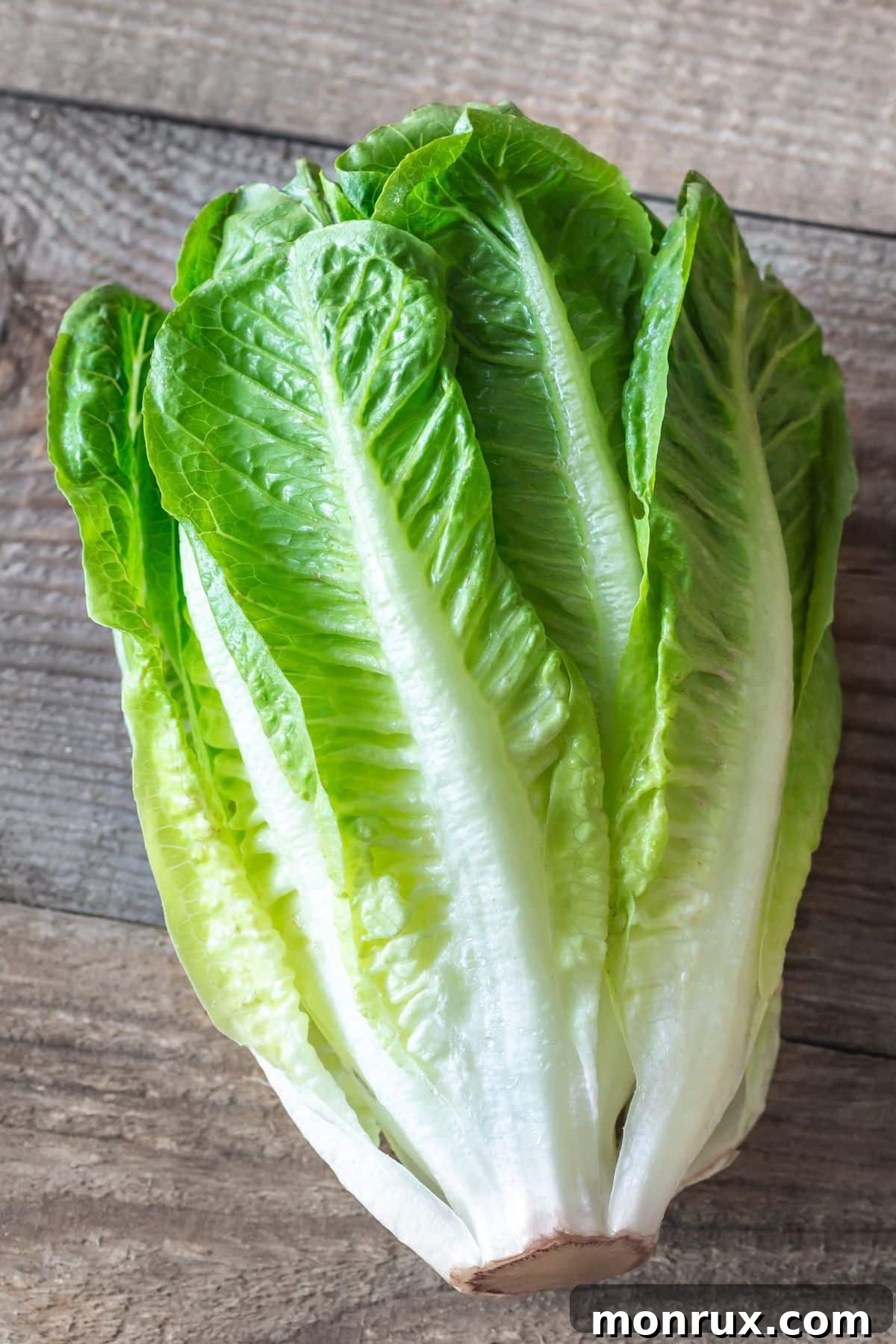
Romaine lettuce, also frequently referred to as Cos lettuce, is a popular variety of lettuce distinctive for its tall, elongated leaves and a prominent, firm rib running down the center. Its leaves are celebrated for their crisp texture and a complex flavor that is subtly bitter and nutty, making it the classic choice for Caesar salads and a beloved ingredient in various other culinary applications. Unlike some softer lettuces, romaine maintains its structure, offering a satisfying crunch.
I particularly love using it in my simple yet flavorful Romaine Salad Recipe with Vinaigrette. Nutritionally, romaine lettuce is a hydrating and nutrient-rich vegetable, especially impressive for a leafy green. It is densely packed with Vitamins A, C, and K, all contributing to immune health, antioxidant defense, and proper blood clotting and bone health, respectively. It also provides a good source of folate, essential for cell division and DNA synthesis, and offers dietary fiber for digestive well-being. Its high water content makes it incredibly refreshing and a fantastic choice for supporting hydration.
30. Beet Greens
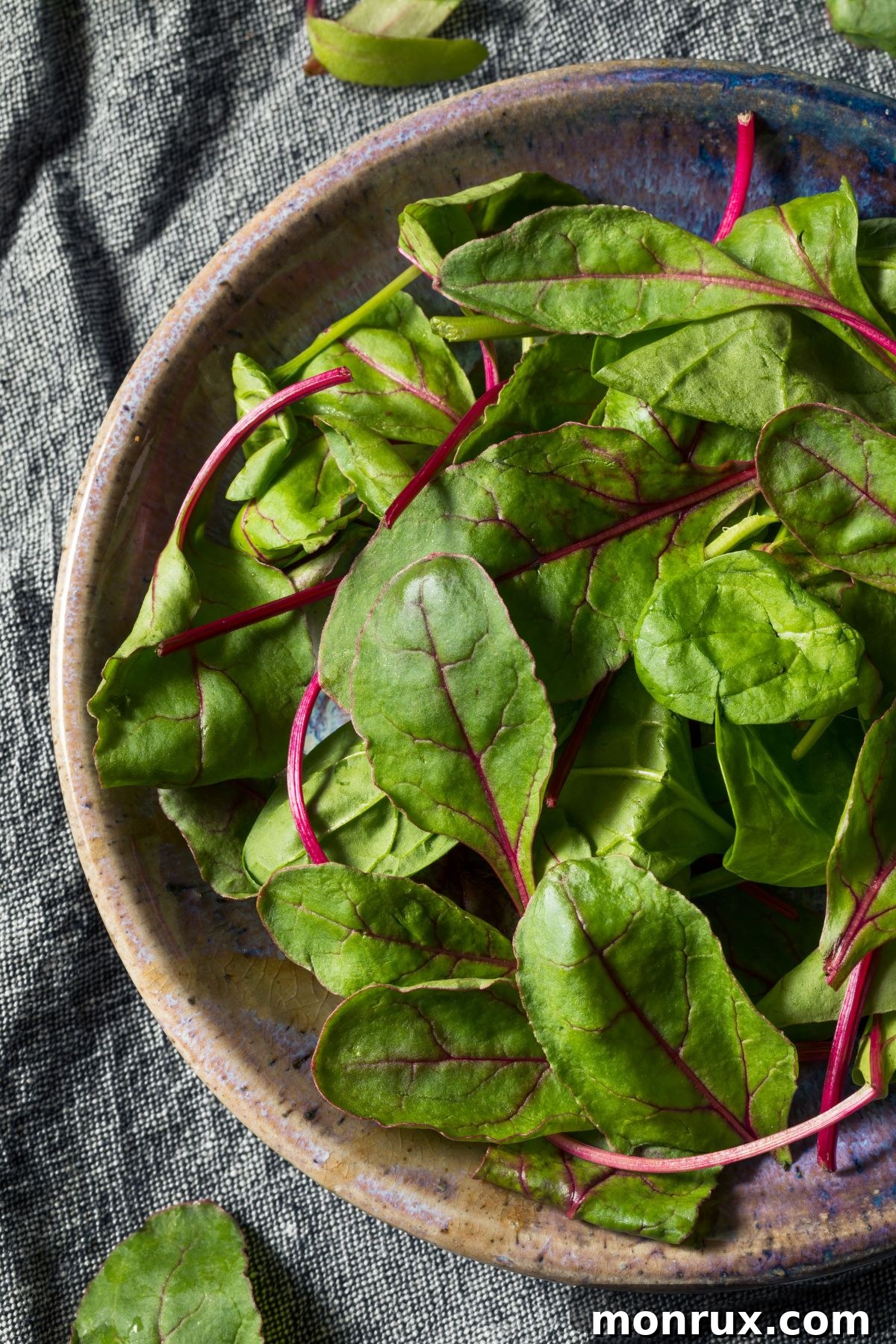
Beet greens are the vibrant, leafy tops of the beetroot plant, often discarded in favor of the popular root vegetable. However, these greens are a culinary treasure in their own right, offering a distinct flavor profile similar to Swiss chard or spinach, with a pleasant earthy undertone and a slight bitterness. They can be enjoyed both raw in salads for a peppery kick or cooked through sautéing, steaming, or braising to mellow their flavor and tenderize their texture.
Nutritionally, beet greens are incredibly dense, surpassing even the beetroots themselves in certain nutrients. They are exceptionally loaded with Vitamins A, C, and K, providing powerful antioxidant protection, immune support, and essential compounds for bone health and blood clotting. Furthermore, beet greens are a rich source of vital minerals like calcium, iron, and magnesium, supporting bone density, oxygen transport, and muscle function. They contain potent antioxidants, including betalains, which are unique pigments linked to a wide range of health benefits such as anti-inflammatory effects, enhanced detoxification support, and cellular protection. Don’t let these nutritional powerhouses go to waste!
31. Mustard Greens
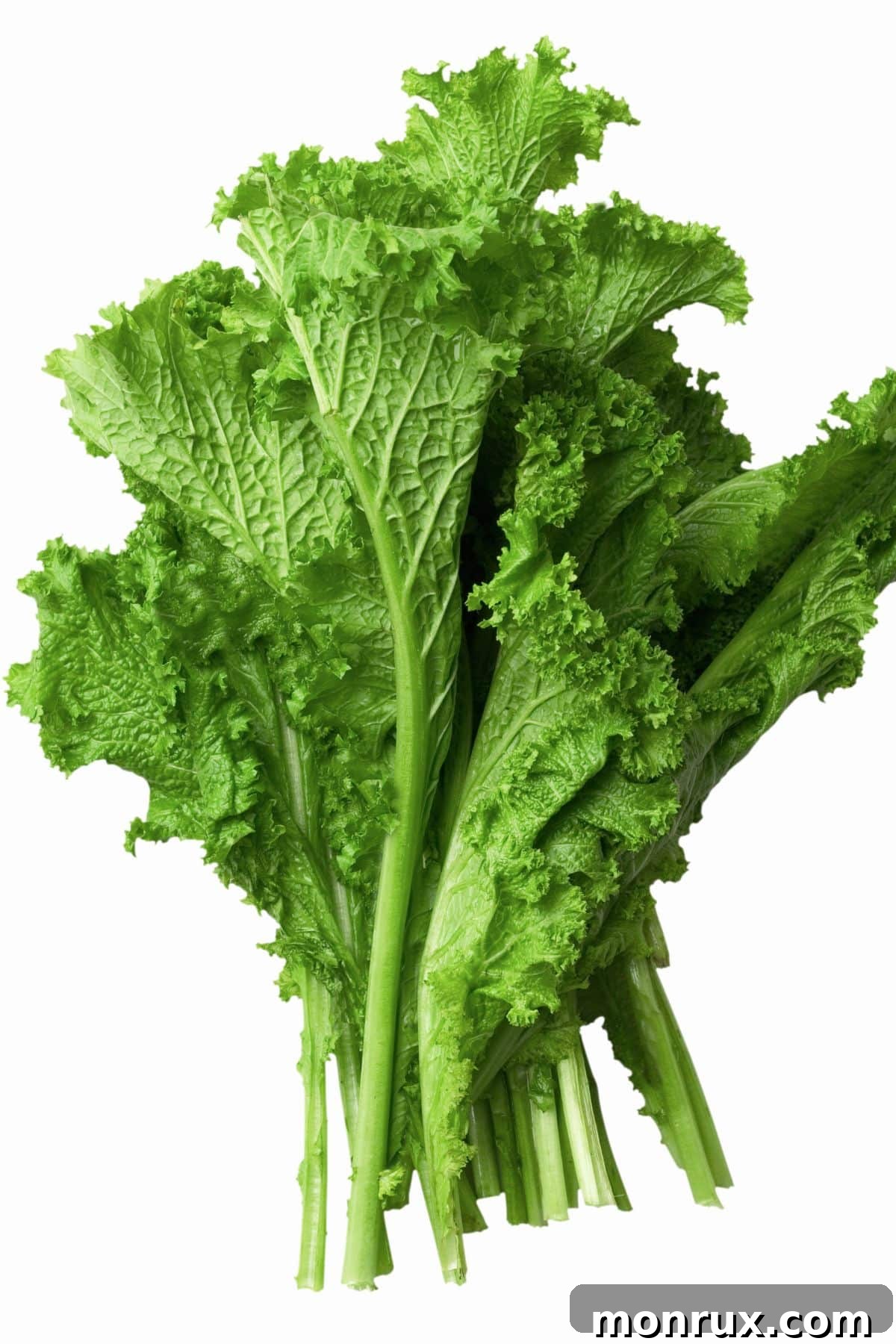
Mustard greens, derived from the same plant family as mustard seeds, are boldly flavored leafy vegetables that are a prominent feature in diverse cuisines, particularly in Southern American, Indian, and various Asian dishes. They are characterized by their broad, often ruffled or crinkled leaves that can range in color from light green to a deeper, sometimes purplish-green, depending on the specific variety. Their taste is distinctly peppery and pungent, with a satisfying bitterness that mellows when cooked.
Nutritionally, mustard greens are a powerhouse of essential nutrients. They are notably rich in Vitamins A, C, and K, providing robust antioxidant protection, immune system support, and crucial elements for bone health and blood clotting. Furthermore, they are abundant in phytonutrients known as glucosinolates, which are potent antioxidants and are extensively studied for their potential cancer-preventive properties and ability to support the body’s natural detoxification processes. They also offer dietary fiber and other important minerals, making them an excellent choice for a vibrant and protective diet. To reduce their peppery bite, they can be blanched or sautéed with ingredients that balance their strong flavor.
Bonus Green Vegetables to Explore
This extensive list of 31 incredible green vegetables is by no means exhaustive! The world of green produce is vast and filled with even more obscure yet equally beneficial options. Don’t hesitate to broaden your culinary horizons.
The next time you visit your local grocery store or farmer’s market, challenge yourself to explore the fresh produce aisle. Look for green-hued vegetables you’ve never tried before. Sometimes, the most unexpected finds can become your new favorites, offering unique flavors and nutrient profiles.
Some additional green veggies worth seeking out include various types of baby lettuce, the slightly bitter turnip greens (which come from the turnip plant), and the visually stunning romanesco cauliflower, a striking chartreuse-colored cousin to broccoli with a fractal pattern. Each of these offers distinct flavors and textures that can add excitement and nutritional diversity to your meals.
Profound Health Benefits of Green Vegetables
Incorporating a generous intake of green vegetables into your daily diet is one of the most impactful choices you can make for your health. These natural powerhouses offer a multitude of benefits, contributing to overall well-being and disease prevention. Here are the primary reasons why green vegetables are absolutely essential for a thriving body:
- Rich in Phytonutrients: Dark green and leafy green vegetables are brimming with special plant compounds called phytonutrients. These powerful chemicals, such as carotenoids, flavonoids, and glucosinolates, act as antioxidants and anti-inflammatory agents in the body. They don’t just provide basic nutrition; they actively boost health at a cellular level, protecting against chronic diseases and supporting various bodily systems.
- Abundant in Vital Nutrients: Beyond phytonutrients, most green veggies are exceptionally rich in essential nutrients. This includes a broad spectrum of vitamins (like A, C, E, K, and various B vitamins such as folate), crucial minerals (like calcium, magnesium, iron, and potassium), and a high concentration of disease-fighting antioxidants. This comprehensive nutrient profile supports everything from bone health and energy production to nerve function and immune defense.
- Chlorophyll Content: The vibrant green hue of these vegetables is due to chlorophyll, the pigment plants use to absorb sunlight for photosynthesis. While not an essential nutrient for humans, chlorophyll has been associated with several health benefits, including supporting detoxification, potentially acting as an internal deodorant, and having mild antioxidant properties. It’s truly a sign of a vibrant, living food that contributes to overall vitality.
- Meeting Dietary Recommendations: Official guidelines, such as those from the FDA, consistently emphasize the importance of vegetables. They suggest consuming at least 2-3 cups of vegetables daily to ensure we meet our minimum fiber and nutrient intakes. Green vegetables are a cornerstone of these recommendations, providing bulk, satiety, and a concentrated source of essential micronutrients without excess calories.
- Support for MTHFR Gene Mutation: For individuals with an MTHFR gene mutation, the body has difficulty converting synthetic folic acid into its active form, folate. Green vegetables are a natural and bioavailable source of folate, making them particularly beneficial. Consuming folate-rich green vegetables can assist in overcoming the challenges posed by the MTHFR mutation, as they are naturally rich in this crucial B vitamin, supporting vital metabolic processes.
Embracing the rich diversity of green vegetables can transform your diet and health. This comprehensive Green Vegetables List is designed to help you easily integrate these amazing foods into your life. Enjoy the journey to a healthier you!
Creative Ways to Eat More Green Vegetables
Green vegetables encompass a vast category, including any vegetable that boasts a green color. From leafy greens like spinach to robust cruciferous vegetables like broccoli, and even green fruits used culinarily as vegetables like cucumbers, each type belongs to different plant families and provides unique phytonutrients with a wide array of health benefits. To maximize these advantages, aim for diversity!
A simple yet effective strategy is to try adding one new green vegetable to your diet every week. This consistent effort ensures you get the broadest spectrum of antioxidants, vitamins, and minerals, preventing dietary boredom and boosting overall health. Don’t be afraid to experiment with different preparation methods to find what you truly enjoy.
For expert guidance on preparing vegetables in ways that are both delicious and appealing, consult my article on How to Cook Vegetables to Taste Good. This resource offers practical tips and tricks to elevate your veggie game.
Expand your knowledge beyond just greens! You may also appreciate these curated lists for a vibrant, diverse diet: the Best Green Fruits for a refreshing twist, or the Best Orange Vegetables for a boost of beta-carotene and other unique compounds.
Sample Green Vegetable Meal Plan
Green vegetables are remarkably versatile and can be seamlessly integrated into almost any meal of the day. Their adaptability allows them to be sautéed, steamed, boiled, roasted, enjoyed raw, or even blended into delicious smoothies, ensuring you can find a preparation method that suits your taste and lifestyle. Here are some actionable tips and creative ideas for incorporating more green vegetables into your breakfast, lunch, and dinner:
- For a vibrant breakfast, finely chop leafy greens such as spinach or kale and sauté them briefly before folding into scrambled eggs, an omelet, or a savory frittata. Finish with a sprinkle of fresh parsley or cilantro for an extra burst of flavor and a significant nutrient boost.
- Another excellent breakfast or snack option is a nutrient-dense smoothie. Blend mild-tasting greens like spinach, zucchini, cucumber, or a few sprigs of mint into your favorite fruit smoothie. The neutral-flavored vegetables are barely detectable but add a significant amount of fiber, vitamins, and minerals. Try my favorite Swiss Chard Smoothie for a delightful experience.
- For a refreshing lunch, assemble a generously sized salad. Start with a base of mixed greens, add a handful of dark leafy greens like romaine or kale, and top with crunchy microgreens for texture and concentrated nutrients. Incorporate other chopped green vegetables like cucumber, bell peppers, or celery. Here’s a great kale salad recipe that is both satisfying and incredibly healthy.
- For a nourishing dinner, make a side of roasted green vegetables a priority. Roasting brings out the natural sweetness in vegetables and creates a delightful caramelized crunch. Broccoli, okra, or asparagus are excellent choices. An air fryer is an invaluable tool for quickly and easily preparing crispy green vegetable side dishes with minimal oil. Explore all of my healthy air fryer recipes for more delicious inspiration.
Frequently Asked Questions About Green Vegetables
While a serving of green vegetables can vary, roughly one cup is a good general guideline. The FDA recommends that the average adult consume between 1 to 3 cups of vegetables per day. However, it is often beneficial to consume more than these minimum guidelines to ensure optimal dietary fiber intake and nutrient absorption. Green vegetables are low in calories and packed with fiber and essential micronutrients, making them ideal for liberal consumption. Aim to include a variety of green vegetables with every meal to maximize their diverse health benefits, regardless of your specific weight goals.
The precise serving size can vary depending on the specific vegetable. For instance, a serving of dense vegetables like sweet potato will differ significantly in calories and volume from a serving of light, leafy greens like spinach. Generally, a serving of leafy greens is considered to be one cup (raw), while for other vegetables, it is typically half a cup, whether cooked or raw. A helpful visual recommendation often cited is to make “half your plate” consist of vegetables at each meal. This simple guideline ensures you are adequately incorporating these vital foods into your diet.
Absolutely, it’s very possible! Green vegetables are naturally low in calories and carbohydrates, yet exceptionally high in beneficial antioxidants, vitamins, minerals, and dietary fiber. The high fiber content promotes satiety, helping you feel full for longer and reducing overall calorie intake. By replacing more calorie-dense foods with nutrient-rich green vegetables, you can create a caloric deficit necessary for weight loss without feeling deprived. Regularly adding 1-3 servings of diverse green vegetables to your diet can significantly contribute to effective weight management and long-term weight loss success.
Yes, in many cases, frozen green vegetables can be just as, if not more, nutritious than fresh ones. Vegetables designated for freezing are typically harvested at their peak ripeness, when their nutrient content is highest, and then flash-frozen shortly after picking. This process locks in vitamins and minerals. Fresh vegetables, on the other hand, may lose some nutrients during transportation and storage, especially if they travel long distances. Both fresh and frozen options are excellent choices for a healthy diet, so choose whichever is most convenient and accessible for you.
Leafy greens, such as spinach, kale, and romaine, are characterized by their edible leaves and typically have a high water content and delicate texture (though some, like kale, are more robust). They are often consumed raw in salads or lightly cooked. Other green vegetables encompass a broader category, including cruciferous vegetables (broccoli, Brussels sprouts), legumes (green beans, peas), root vegetables with edible greens (beet greens, turnip greens), and even green squashes. While both categories are incredibly healthy, their nutrient profiles, textures, and ideal culinary uses vary, highlighting the importance of consuming a wide variety from all green vegetable groups.
Further Resources for Healthy Eating
Conclusion: Embrace the Power of Greens
For a multitude of compelling reasons, prioritizing several servings of vegetables daily, with a particular emphasis on green varieties, is paramount for your health. These incredible foods are foundational to a nutritious diet, offering a vast spectrum of vitamins, minerals, fiber, and powerful phytonutrients that support every aspect of your well-being.
You can effortlessly enhance your diet by consciously incorporating a serving of green veggies with each meal. From blending nutrient-packed smoothies for breakfast to crafting vibrant salads for lunch, and preparing delicious roasted or sautéed side dishes for dinner, there are countless ways to make greens a delicious and enjoyable part of your routine. The key is to experiment with different preparation techniques and recipes until you discover the methods you genuinely love, ensuring that eating your vegetables becomes a pleasure, not a chore.
Don’t miss out on exclusive clean eating recipes and valuable health tips! Join my newsletter list today. It’s 100% free, spam-free, and you can unsubscribe anytime.
About the Author: Carrie Forrest holds a master’s degree in public health with a specialization in nutrition and is a certified holistic nutritionist. As a prominent wellness and food blogger, her site welcomes over 5 million annual visitors. Carrie’s inspiring journey of recovery from chronic illness fuels her passion for empowering other women to transform their health. Feel free to reach out to her through her contact form for any inquiries or support.
Note: This post is provided for informational purposes only and should not be considered medical advice. Please consult your healthcare provider for personalized recommendations pertinent to your individual health situation.