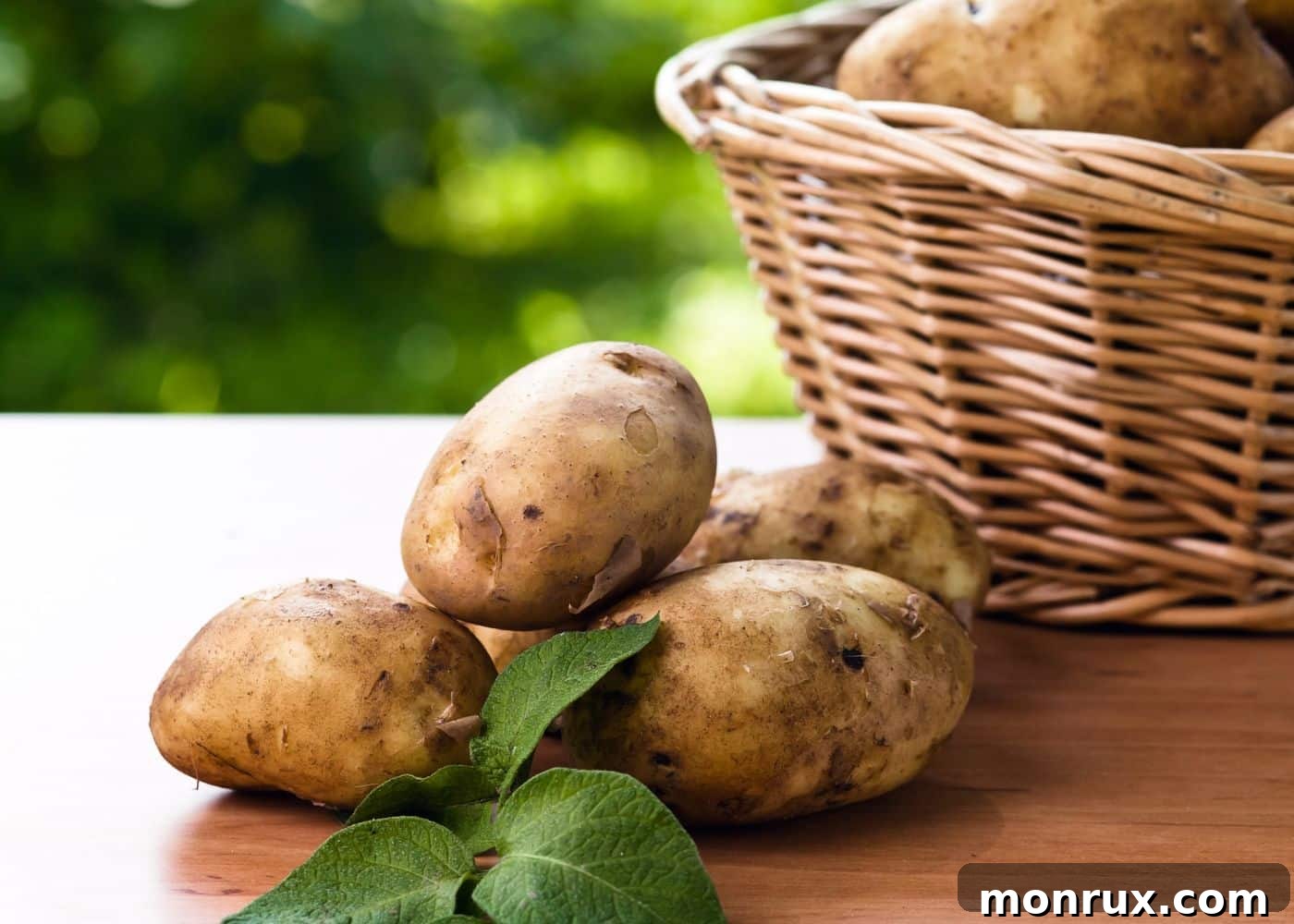
Potatoes, renowned for their creamy texture and starchy profile, are a staple in countless cuisines worldwide. While undeniably delicious and versatile, their high carbohydrate content makes them a less suitable choice for individuals following low-carb, keto, or other carbohydrate-restricted diets. If you’re looking to reduce your carb intake without sacrificing flavor or satisfying meals, fear not! There are numerous nutritionist-approved alternatives that can effortlessly step into the potato’s role. This comprehensive guide will explore eight excellent low-carb potato substitutes, offering insights into their nutritional benefits, ideal cooking methods, and how to seamlessly integrate them into your favorite dishes.
This article was originally published in 2022 and updated in March 2025 to provide the most current and comprehensive information.
Understanding Potatoes: Nutrition and Carb Content
Potato Nutrition Overview
Before diving into substitutes, it’s helpful to understand the nutritional profile of potatoes. They are a valuable source of several essential nutrients, offering significant amounts of potassium, which is crucial for blood pressure regulation and nerve function. Potatoes also contain a notable amount of vitamin C, an antioxidant vital for immune health, and vitamin B6, important for metabolism. Furthermore, they provide dietary fiber, contributing to digestive health and feelings of fullness.
Potatoes are naturally low in calories and fat, making them a healthy food choice in their unprocessed form. However, their nutritional value can dramatically change based on preparation. For instance, while baked or steamed potatoes are relatively healthy, preparing them as french fries or heavily buttered mashed potatoes can significantly increase their fat, sodium, and calorie content.
Versatility in Serving
Potatoes are incredibly versatile, lending themselves to a multitude of cooking methods and culinary applications. They can be boiled until tender, steamed for a lighter option, baked whole or in wedges, mashed into a creamy side, smashed and crisped, or fried to golden perfection. Their mild flavor makes them a perfect canvas for a wide array of seasonings and toppings, from herbs and spices to cheese, sour cream, and gravy. This adaptability is precisely why finding suitable low-carb potato alternatives is so valuable for those managing their carbohydrate intake.
Carbohydrate Content of Potatoes
The primary reason potatoes are often avoided on low-carb diets is their significant carbohydrate content, typically ranging between 20-30 grams per average-sized potato (approximately 100-150 grams). These carbohydrates are primarily complex, meaning they are absorbed more slowly than simple sugars or refined carbohydrates. While this offers sustained energy, it still contributes substantially to daily carb limits on restrictive diets like keto. Understanding this helps clarify why seeking effective low-carb potato substitutes is essential for adherence to such eating plans.
If you’re also exploring other low-carb alternatives, you might find my list of healthy bread alternatives particularly useful.
Top 8 Low-Carb Potato Substitutes
For those committed to a keto, low-carb, or simply lower-carb eating plan, the quest for satisfying potato replacements is real. Below are eight nutritionist-approved low-carb alternatives, complete with their approximate carbohydrate content per 100-gram serving, along with detailed usage tips to help you make the best culinary swaps.
1. Cauliflower – 2g of carbs
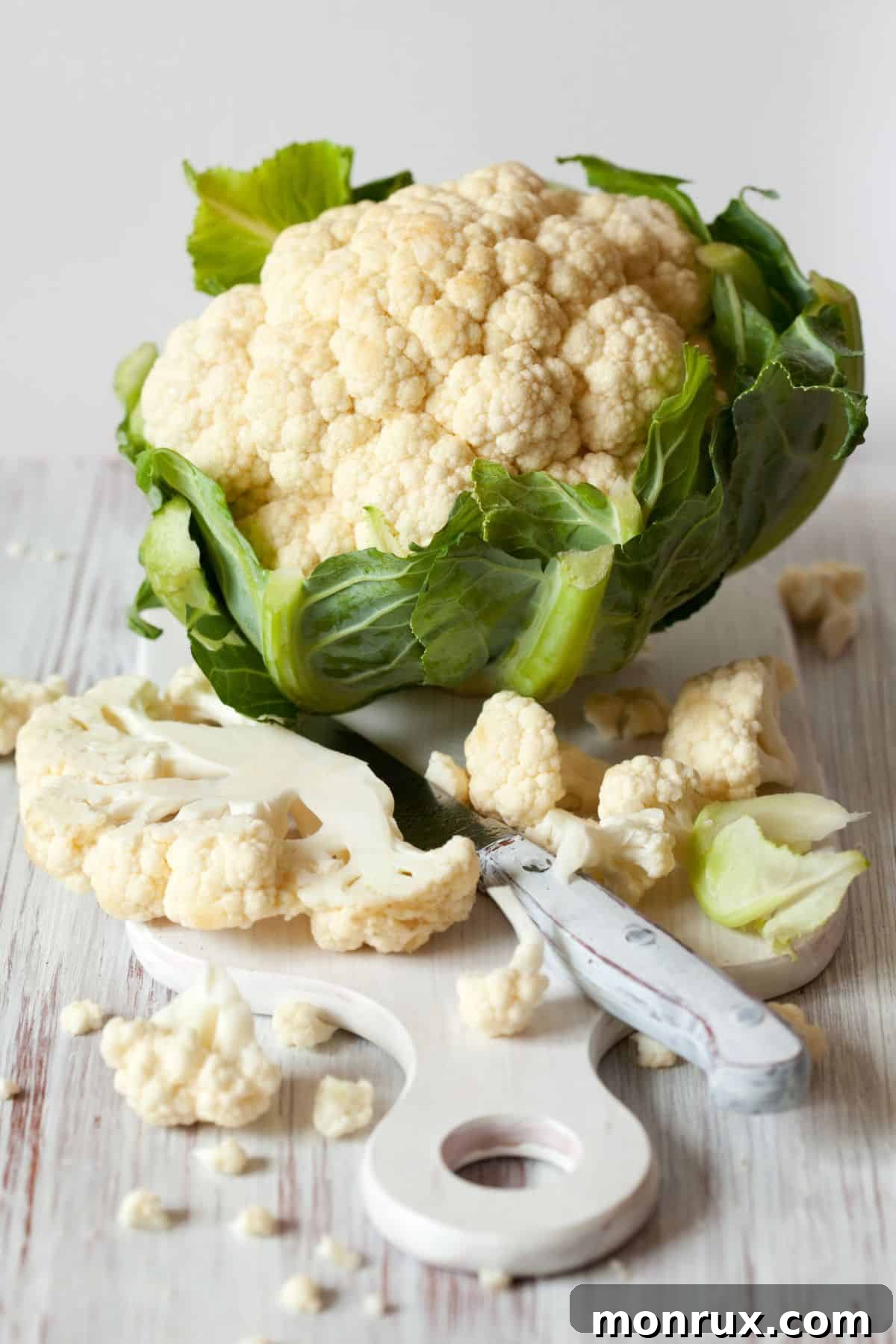
Cauliflower stands out as a truly remarkable low-carb potato substitute, offering an impressive blend of fiber and a high concentration of vitamin C. Its mild flavor and adaptable texture allow it to mimic potatoes surprisingly well, especially when mashed. While it provides a similar density to potatoes, cauliflower is significantly less starchy and packed with beneficial compounds as a cruciferous vegetable.
To effectively substitute cauliflower for potatoes, simply steam, boil, or roast the florets until tender. Use them in a 1:1 ratio in your recipes. Because cauliflower has a milder flavor than potatoes, you may want to enhance it with seasonings like salt, black pepper, garlic powder, onion powder, or fresh herbs. Mashed cauliflower is an incredibly popular potato alternative, often prepared with butter, cream, and seasonings to achieve a rich, creamy consistency reminiscent of traditional mashed potatoes. For a lower-carb mash, you can also combine half cauliflower with half potatoes.
Beyond mashing, cauliflower can be roasted to crispy perfection, added to stir-fries, or even transformed into “rice” using a food processor for a fantastic low-carb alternative to white rice. It’s an incredibly versatile vegetable, and you can even learn how to freeze cauliflower for convenience.
Explore some delicious cauliflower recipes like Instant Pot Cauliflower Florets or Keto Cauliflower Mexican Rice to see its full potential.
2. Turnips – 4g of carbs
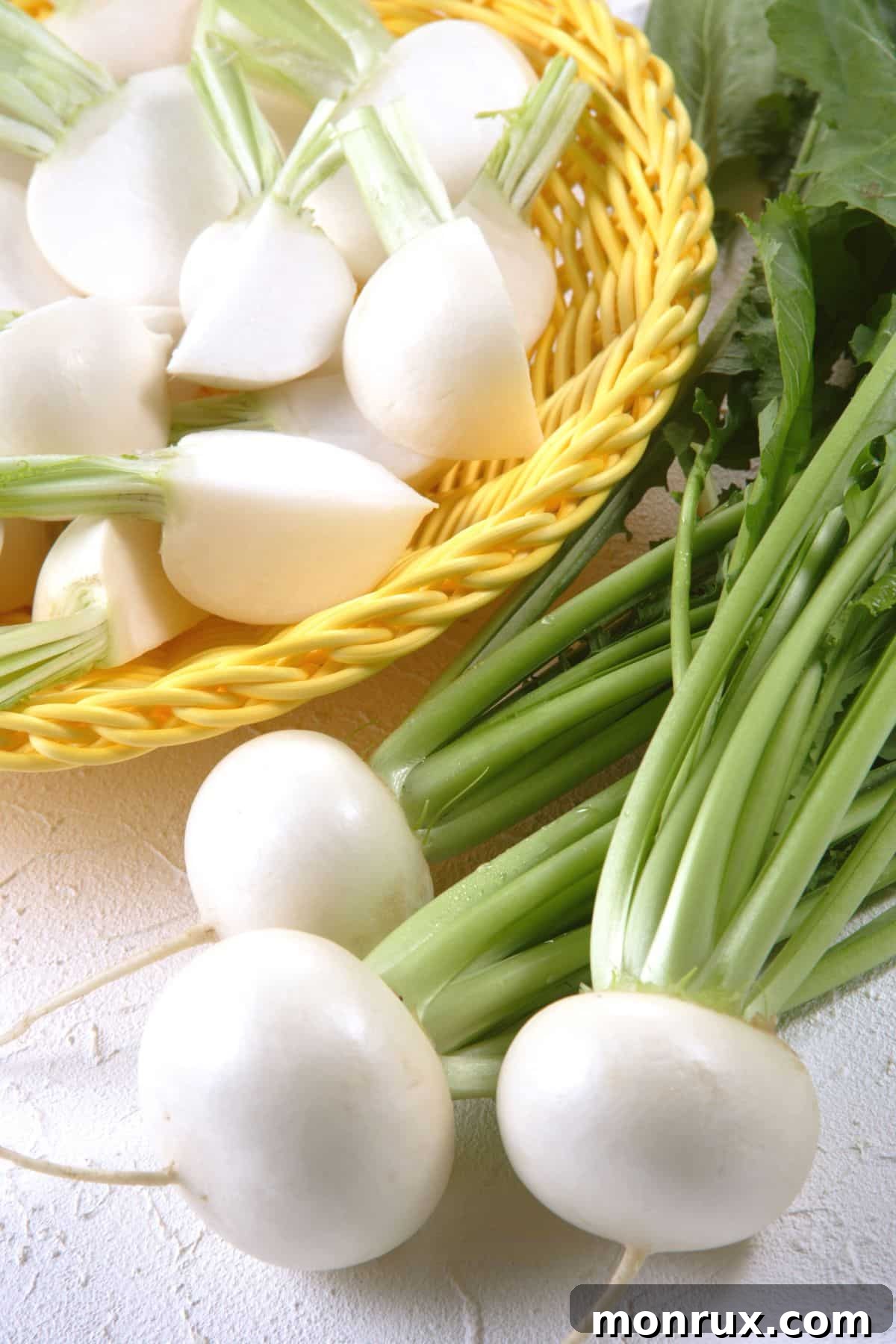
Turnips offer an excellent low-carb option for those seeking a potato alternative. With a nutritional profile that parallels potatoes but with significantly fewer carbohydrates, turnips are a natural choice. They can be prepared in many of the same ways as potatoes, making them highly adaptable for a variety of dishes. Think mashed turnips, roasted turnip cubes, or as a hearty addition to soups and stews.
You can readily find fresh turnips at most local grocery stores, often alongside other root vegetables. When substituting, use cooked turnip in place of cooked potatoes in a 1:1 ratio. It’s worth noting that turnips possess a slightly sweeter and subtly bitter flavor compared to potatoes, along with a distinct crunchy texture when raw or lightly cooked. This flavor profile might require some adjustment in certain recipes, but it also opens doors to new culinary experiences. For a similar texture and a slightly different flavor, you can also consider using white or red radishes as an alternative.
For more ideas, consult my article on substitutes for turnips.
3. Kohlrabi – 2g of carbs

For those on a low-carb journey, kohlrabi emerges as an excellent and often overlooked potato alternative. This nutrient-dense vegetable is a powerhouse of fiber, vitamin C, and vitamin B6. Remarkably, it contains just 2 grams of net carbs per 100 grams, making it an ideal choice for keto and low-carb diets.
To prepare kohlrabi as a potato substitute, begin by peeling its outer layer and dicing the vegetable into small, manageable pieces. You can then boil it until tender, roast it in the oven for a caramelized flavor, or even sauté it. Use cooked kohlrabi as a 1:1 substitute for cooked potatoes in most recipes. While kohlrabi does have a slightly unique flavor – often described as a mild, sweet, and peppery taste, similar to a broccoli stem but milder – it blends seamlessly into many dishes where potatoes are traditionally used. Its firm texture holds up well to various cooking methods, making it a truly versatile low-carb option.
It’s an interesting fun fact that kohlrabi is also a member of the cruciferous family, just like broccoli and cabbage, a piece of knowledge I picked up during my post-graduate food science studies.
4. Rutabaga – 5g of carbs
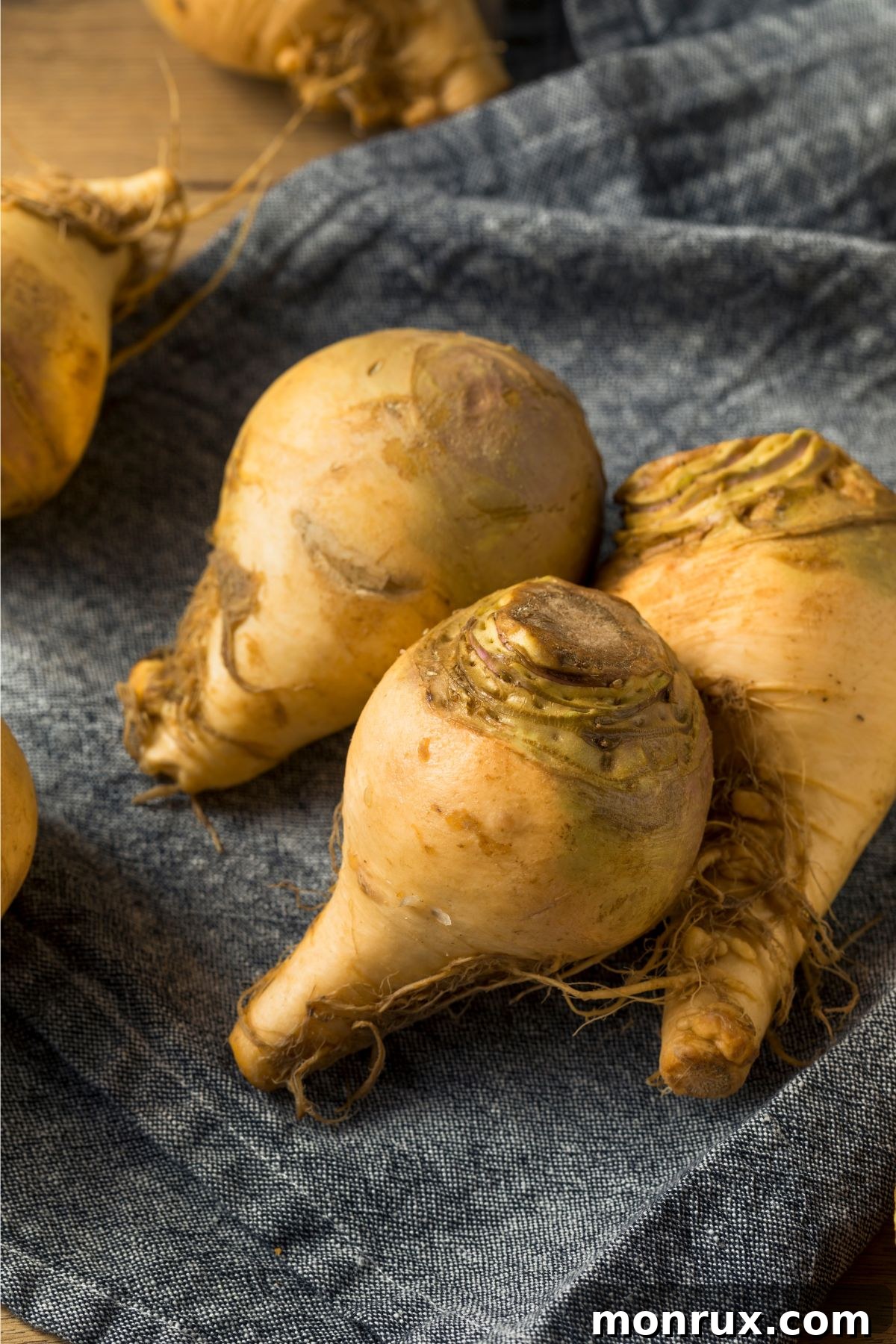
Rutabagas, often referred to as swedes, are a fantastic low-carb potato substitute. These root vegetables boast a creamy yellow flesh and a slightly sweeter taste than traditional potatoes, offering a unique flavor profile that can elevate your dishes. They are incredibly versatile and can be used in many of the same ways as potatoes, including boiling, mashing, roasting, and even frying.
When incorporating rutabagas into your cooking, it’s important to be mindful of their cooking time. Rutabagas tend to cook more quickly than potatoes, so you may need to adjust your recipe timings accordingly to prevent them from becoming too soft. This quick cooking time can also be an advantage for weeknight meals when you need a speedy side dish.
Mashed rutabaga is a particularly popular and satisfying alternative to mashed potatoes, offering a subtly sweet and earthy flavor that pairs well with savory main courses. Look for this nutritious root vegetable in the produce section of most grocery stores. You can confidently substitute cooked rutabaga for cooked potatoes in a 1:1 ratio.
For more information on similar root vegetables, check out my related article on substitutes for rutabaga.
5. Celery Root – 7g of carbs
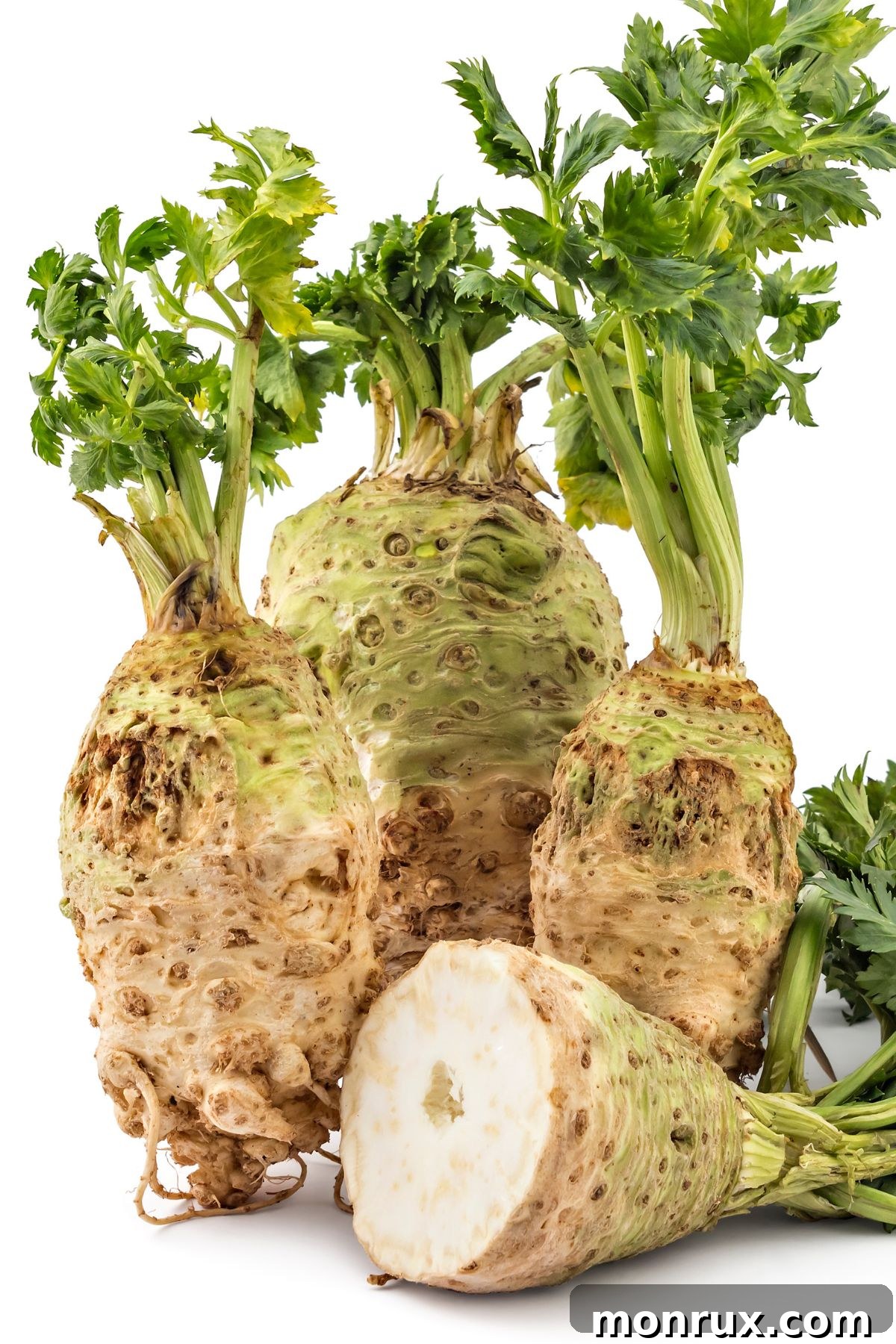
Celery root, also widely known as celeriac, is an excellent choice for those seeking a low-carb potato substitute. It shares a similar texture to potatoes but boasts a much lower carbohydrate count, making it an ideal addition to ketogenic and low-carb diets. This unique root vegetable can be prepared in various ways that mirror potato preparations, including roasting, mashing, or incorporating it into comforting soups and stews.
When making the swap, use cooked celery root for cooked potatoes in a straightforward 1:1 ratio. However, it’s important to acknowledge some key distinctions between the two vegetables. Celeriac has a distinct, slightly earthy and nutty flavor, sometimes with a hint of celery, which differs from the more neutral taste of potatoes. Additionally, celeriac is lower in calories, contributing to its appeal as a healthy alternative.
Beyond its low-carb benefits, celeriac is a good source of dietary fiber, supporting digestive health, and provides a good array of vitamins and minerals. Its mild yet intriguing flavor makes it a fantastic low-carb vegetable to experiment with, adding depth and nutrition to your meals without significantly impacting your carb count.
6. Radishes – 3.4g of carbs
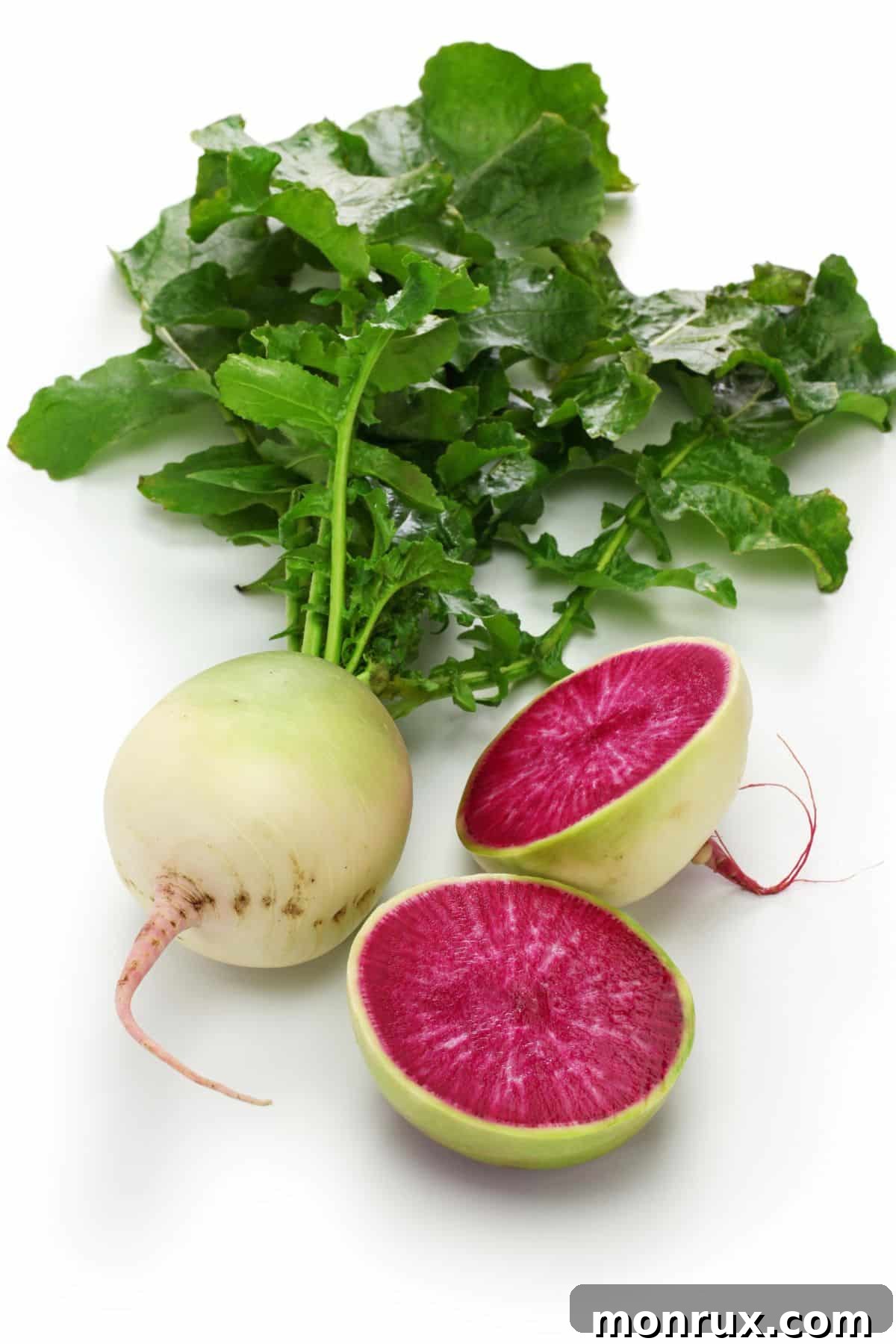
While often enjoyed raw for their peppery bite, radishes can surprisingly transform into a fantastic low-carb potato substitute when cooked. They can be roasted until tender and sweet, or added to soups and stews, where their peppery flavor mellows beautifully. Radishes are also a good source of vitamin C, adding a nutritional boost to your dishes.
When substituting radishes for potatoes, a key consideration is their cooking time; radishes cook much faster than potatoes. Therefore, it’s crucial to monitor them closely to prevent overcooking and ensure they retain some texture. Unlike the creamy consistency of traditional potatoes, cooked radishes will offer a slightly crunchier texture, providing a pleasant contrast in your favorite potato-inspired dishes.
Don’t limit radishes to just cooked applications; their crispness makes them excellent in salads, and for an adventurous twist, you can even try my recipe for Radish Juice! When incorporating them into cooked meals, use cooked radishes as a 1:1 substitute for cooked potatoes. They are an excellent way to introduce a unique flavor and texture profile while keeping your carbohydrate intake low.
7. Butternut Squash – 12g of carbs
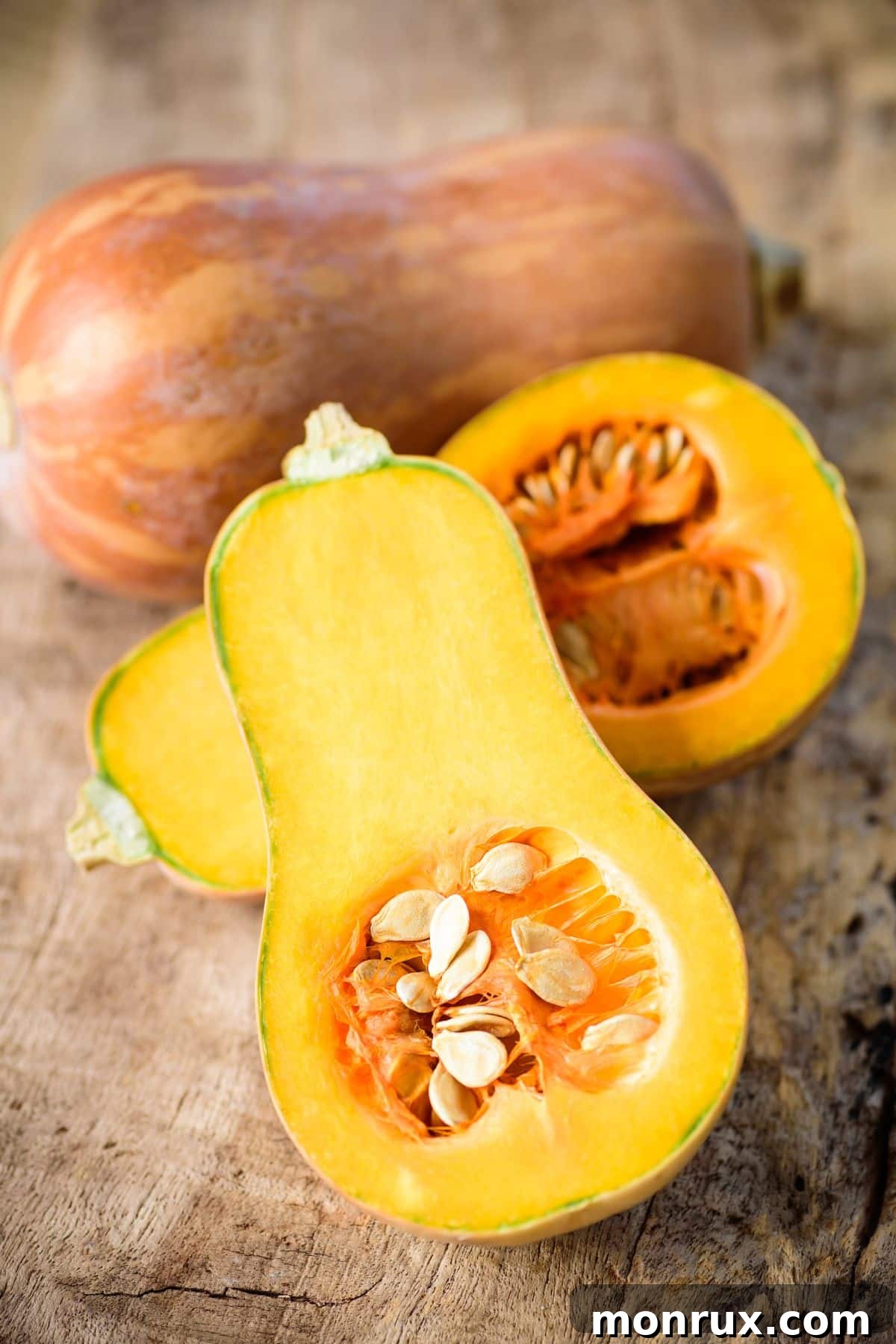
While butternut squash has a higher carbohydrate count compared to some other vegetables on this list (around 12g per 100g), it remains a lower-carb option than white potatoes and offers a wealth of nutritional benefits. It’s an excellent source of vitamins A and C, crucial for vision and immune function, respectively. Additionally, it provides potassium, magnesium, and manganese, contributing to overall health.
Butternut squash can be used remarkably similarly to potatoes in many recipes. It can be roasted to bring out its natural sweetness, mashed into a creamy side dish, or even cut into strips and baked to create delicious “fries.” For convenience, learn how to make Instant Pot Whole Butternut Squash.
When substituting for potatoes, use cooked butternut squash in a 1:1 ratio. While its taste is distinctly sweeter and its texture softer than potatoes, butternut squash offers a satisfying and flavorful alternative that can curb your cravings while keeping your net carb intake considerably lower, thanks to its high fiber content. Its natural sweetness means it pairs particularly well with warming spices like cinnamon, nutmeg, and ginger.
Beyond potato substitutes, if you’re looking for a low-carb pasta alternative, try my recipe for Instant Pot Whole Spaghetti Squash!
8. Zucchini – 2g of carbs
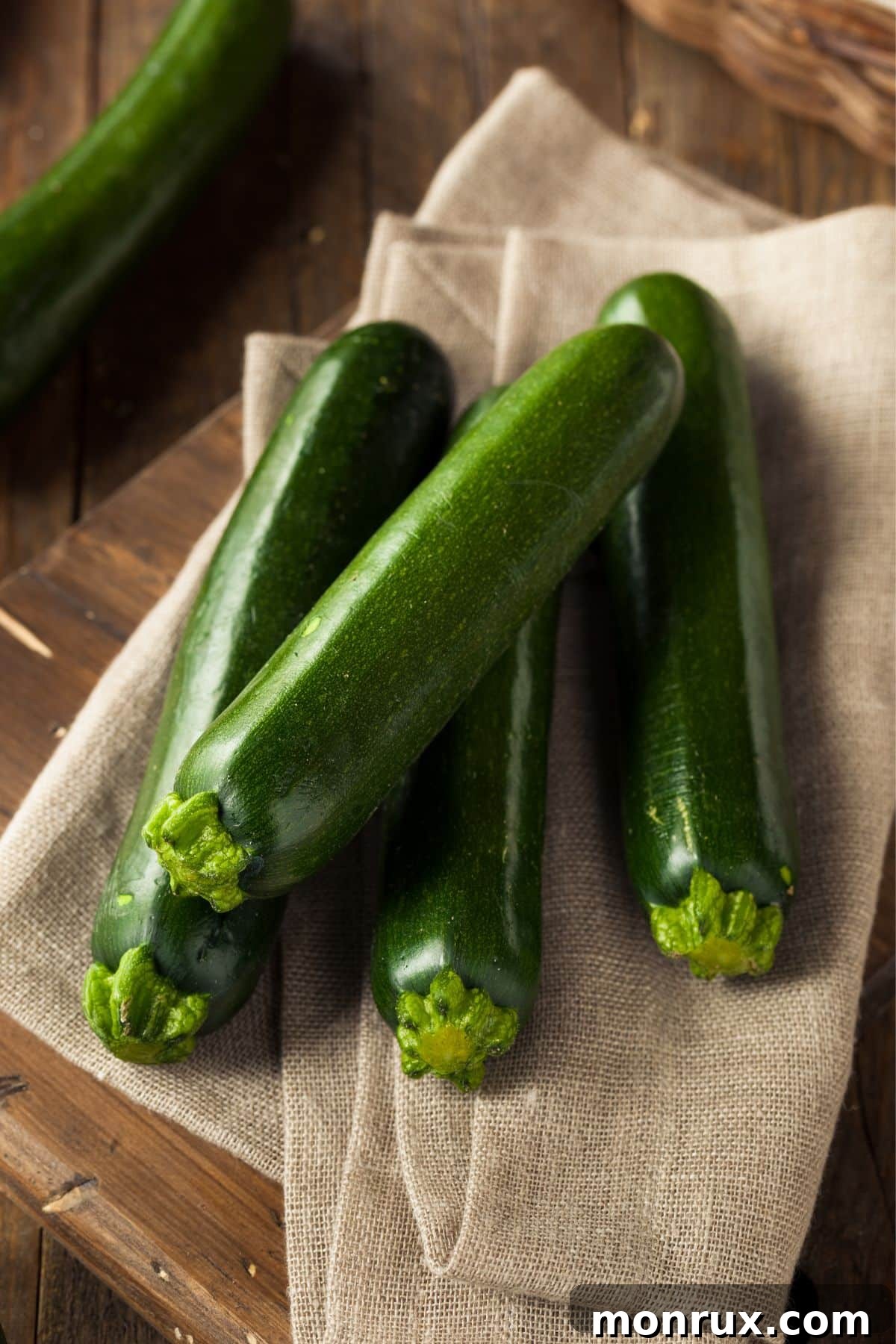
Zucchini is an incredibly low-carb vegetable, containing just 2 grams of carbs per 100g, making it a star player in any low-carb kitchen. It’s also rich in fiber, vitamin B6, and beneficial antioxidants, making it a nutritious choice. As one of my favorite long green vegetables, its versatility knows few bounds.
To substitute zucchini for potatoes, simply use it in place of the potato specified in your recipe. For instance, if a dish calls for two cups of diced potatoes, opt for two cups of diced zucchini instead. Zucchini excels in applications where potatoes are diced, roasted, or added to casseroles and stews.
When cooking with zucchini as a potato substitute, bear in mind its unique texture and higher water content. Zucchini is more delicate than potatoes and may not hold up as well to prolonged boiling or baking. To counteract its higher water content, which could make your dish wetter, consider cooking zucchini for a shorter duration or lightly draining it after cooking before adding it to your dish. Roasting or sautéing can also help reduce its moisture content and concentrate its flavor.
Beyond replacing potatoes, zucchini is famously used to create “zoodles” (spiralized zucchini noodles) as a popular low-carb pasta alternative. You can even learn how to freeze spiralized zucchini for future use.
Why Choose Low-Carb Potato Alternatives?
Embracing low-carb potato substitutes offers a myriad of benefits, particularly for those managing blood sugar, aiming for weight loss, or simply seeking to improve their overall metabolic health. By swapping out high-starch potatoes for these nutrient-dense vegetables, you can significantly reduce your carbohydrate intake, which is essential for ketogenic and other low-carb diets. These alternatives not only help maintain ketosis but also often provide a wider array of vitamins, minerals, and dietary fiber. This means you can enjoy satisfying, flavorful meals without the blood sugar spikes associated with high-carb foods, leading to more stable energy levels and better satiety. Making these mindful swaps is a simple yet powerful step towards a healthier lifestyle.
Tips for Successful Potato Substitutions
Making the switch to low-carb potato alternatives can be a smooth and enjoyable process with a few helpful tips:
- Understand Textural Differences: Not all substitutes will have the exact same texture as potatoes. Cauliflower and celeriac offer a good approximation for mash, while radishes and turnips retain more crunch. Adjust your expectations and embrace the unique characteristics of each vegetable.
- Season Generously: Many low-carb vegetables have milder flavors than potatoes. Don’t be shy with herbs, spices, garlic, onion, and healthy fats like olive oil or butter to enhance their taste and make them truly delicious.
- Adjust Cooking Times: As noted with rutabaga, radishes, and zucchini, many substitutes cook faster than potatoes. Monitor them closely to prevent overcooking and ensure the desired texture.
- Manage Moisture Content: Vegetables like zucchini have higher water content. If making a casserole or a dish where excess moisture is a concern, consider salting and draining zucchini before use, or roasting it first to reduce water.
- Experiment with Blends: If you’re new to low-carb alternatives, try combining them with a small amount of potato initially. For example, a 50/50 mix of mashed cauliflower and potato can be a great transition.
- Explore Different Preparations: Don’t just stick to one cooking method. Roast, mash, sauté, or boil your substitutes to discover which preparations you enjoy most for each vegetable.
Nutrition & Substitute FAQs
While sweet potatoes are often perceived as a healthier choice than white potatoes due to their higher vitamin A content and slightly lower glycemic index, they are still relatively high in carbohydrates. An average sweet potato contains around 23-26 grams of carbs per 100 grams, which is comparable to white potatoes. Therefore, if you are strictly adhering to a keto or very low-carb diet, you’ll want to opt for alternatives with significantly lower carb counts, such as cauliflower, rutabaga, or radishes, to stay within your daily carbohydrate limits.
Craving the crispy texture and savory flavor of hash browns while sticking to a low-carb diet? You’re in luck! Several excellent low-carb alternatives can be grated and pan-fried to achieve a similar golden-brown crispiness. Options like grated turnips, jicama, or zucchini work wonderfully. Simply grate your chosen vegetable, press out any excess moisture, and pan-fry it with a bit of olive oil or coconut oil until it’s beautifully browned and crisp. Season with salt, pepper, and your favorite spices for a delicious, low-carb take on the real thing. For a different twist, you might also enjoy making Cabbage Fritters!
It’s important to understand that while many low-carb substitutes can mimic the texture and culinary role of potatoes, they often offer a different, yet equally valuable, nutrient profile. For example, potatoes are known for their high potassium content, while cauliflower is exceptionally rich in vitamin C and sulforaphane, a powerful antioxidant. Turnips provide a good source of fiber and various antioxidants, and butternut squash is packed with vitamins A and C. By incorporating a variety of these low-carb vegetables into your diet, you ensure a diverse intake of essential vitamins, minerals, and phytonutrients, often surpassing the nutrient spectrum provided by potatoes alone. This diverse approach contributes to a more well-rounded and nutrient-rich diet.
Pros and Cons of Various Potato Substitutes
To help you choose the best low-carb potato alternative for your needs, here’s a detailed chart summarizing the carbohydrate content, along with the distinct advantages and potential considerations for each option:
| Substitute | Carbs per 100g (Net Carbs Approx.) | Pros | Cons |
|---|---|---|---|
| Cauliflower | 2g | Extremely low in carbs, high in fiber & vitamin C, incredibly versatile, mimics texture well when mashed. | Less starchy, lacks natural potato flavor, may require more seasoning to taste. |
| Turnips | 4g | Good source of vitamin C and fiber, similar density to potatoes, can be mashed, roasted, or boiled. | Has a slightly sweeter and subtly bitter flavor, may not suit all traditional potato recipes, can have a distinct aroma when cooked. |
| Kohlrabi | 2g | High in fiber, vitamins C and B6, very low carb, crisp when raw, tender when cooked. | Unique, mild peppery/sweet flavor that differs from potatoes, requires peeling and dicing, less common in grocery stores. |
| Rutabaga | 5g | Nutrient-dense, creamy texture when cooked, slightly sweet and earthy flavor, good source of vitamin C. | Sweeter than potatoes, cooks faster, can be slightly fibrous, specific flavor may not appeal to everyone. |
| Celery Root (Celeriac) | 7g | Good source of fiber and vitamin K, similar density and texture to potatoes when cooked, versatile for mashing or roasting. | Distinct earthy, slightly celery-like flavor, can be challenging to peel, higher carb count than some other options on this list. |
| Radishes | 3.4g | Very low in carbs, high in vitamin C, adds a unique peppery kick, transforms flavor significantly when cooked (milder). | Crisper texture than potatoes, cooks very quickly, distinct flavor even when mellowed, not ideal for creamy applications. |
| Butternut Squash | 12g | Rich in vitamins A and C, high in fiber, naturally sweet and creamy texture, excellent for roasting or mashing. | Higher in carbs compared to other alternatives (though lower than potatoes), distinct sweet flavor and vibrant orange color, not suitable for very strict keto diets. |
| Zucchini | 2g | Extremely low in carbs, good source of vitamin B6 and antioxidants, highly versatile, easy to spiralize. | More delicate texture, high water content which can make dishes watery if not managed, milder flavor that may require extra seasoning. |
Don’t Miss These Low-Carb Recipes!
Ready to put these low-carb potato substitutes to delicious use? Explore some of my favorite recipes designed to help you enjoy satisfying meals while keeping your carb count in check.
Conclusions
Embarking on a low-carb journey doesn’t mean you have to bid farewell to your favorite potato-inspired dishes. As this guide illustrates, a world of healthy, delicious, and nutrient-dense low-carb potato substitutes awaits. From the incredible versatility of cauliflower and the earthy notes of celery root to the subtle sweetness of rutabaga and the crispness of radishes, each vegetable offers a unique profile to enhance your meals while keeping your carbohydrate intake in check. Experimenting with these alternatives—including butternut squash, zucchini, turnips, and kohlrabi—is a fantastic way to broaden your culinary horizons, introduce new flavors and textures, and significantly contribute to your overall health and wellness goals. By making these smart swaps, you can enjoy satisfying, flavorful meals that align perfectly with your dietary preferences.
Don’t forget to join my newsletter list to receive exclusive clean eating recipes and valuable tips directly in your inbox. It’s 100% free with no spam, and you can unsubscribe at any time.
About the Author: Carrie Forrest holds a master’s degree in public health with a specialty in nutrition and is a certified holistic nutritionist. She is a prominent wellness and food blogger, attracting over 5 million annual visitors to her site. Carrie shares an inspiring story of recovery from chronic illness and is deeply passionate about empowering other women to transform their health journeys. Feel free to send her a message through her contact form.
Note: This post is provided for informational purposes only and should not be considered medical advice. Please consult your healthcare provider for personalized recommendations pertinent to your individual health situation.