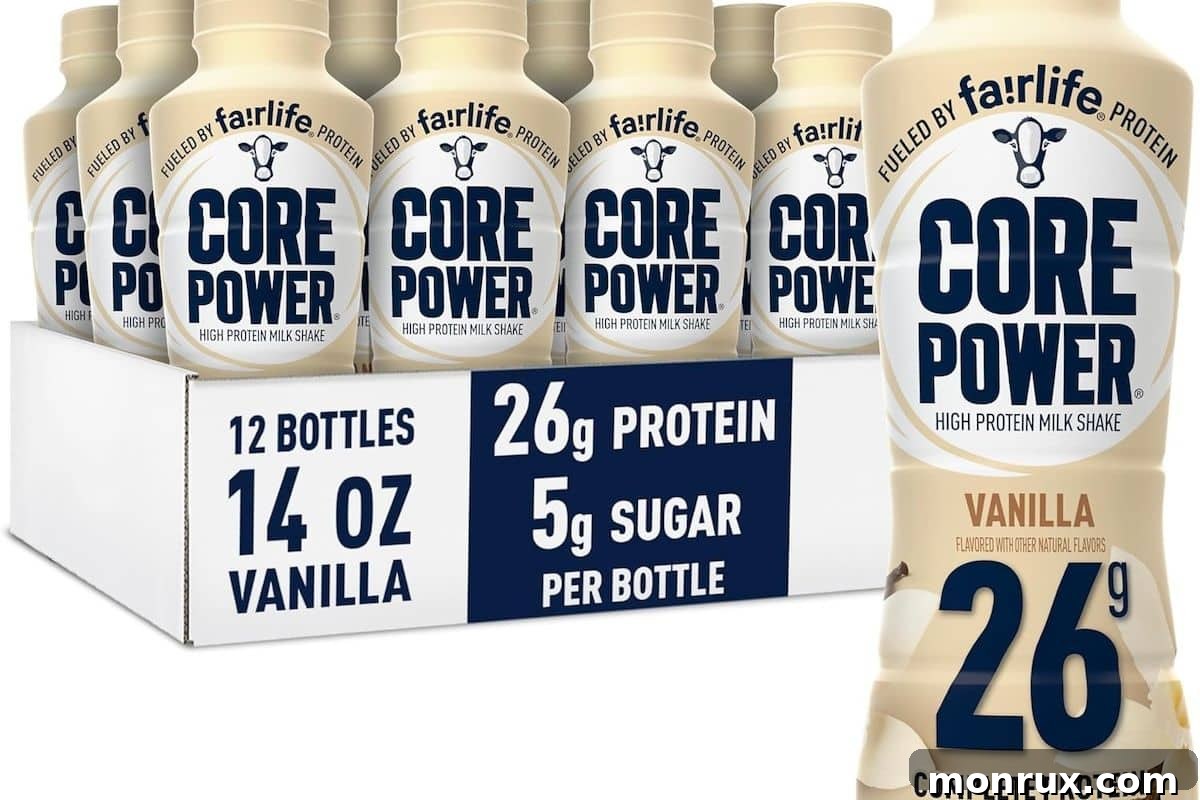
Are Fairlife Protein Shakes Healthy? An In-Depth Nutritional Review
In the bustling world of health and fitness, protein shakes have become a ubiquitous staple for athletes, busy professionals, and anyone striving to meet their daily protein goals. Among the myriad options available, Fairlife Protein Shakes, particularly their Core Power line, frequently spark debate. This comprehensive review dives deep into the question: Are Fairlife Protein Shakes truly healthy? We’ll meticulously examine the nutritional profile, scrutinize the ingredients list, and weigh both the advantages and disadvantages of incorporating this popular product into your diet. For many health-conscious individuals, the answer isn’t straightforward, as Fairlife Core Power is often viewed with skepticism due to its highly processed nature and the inclusion of various controversial ingredients, notably artificial sweeteners.
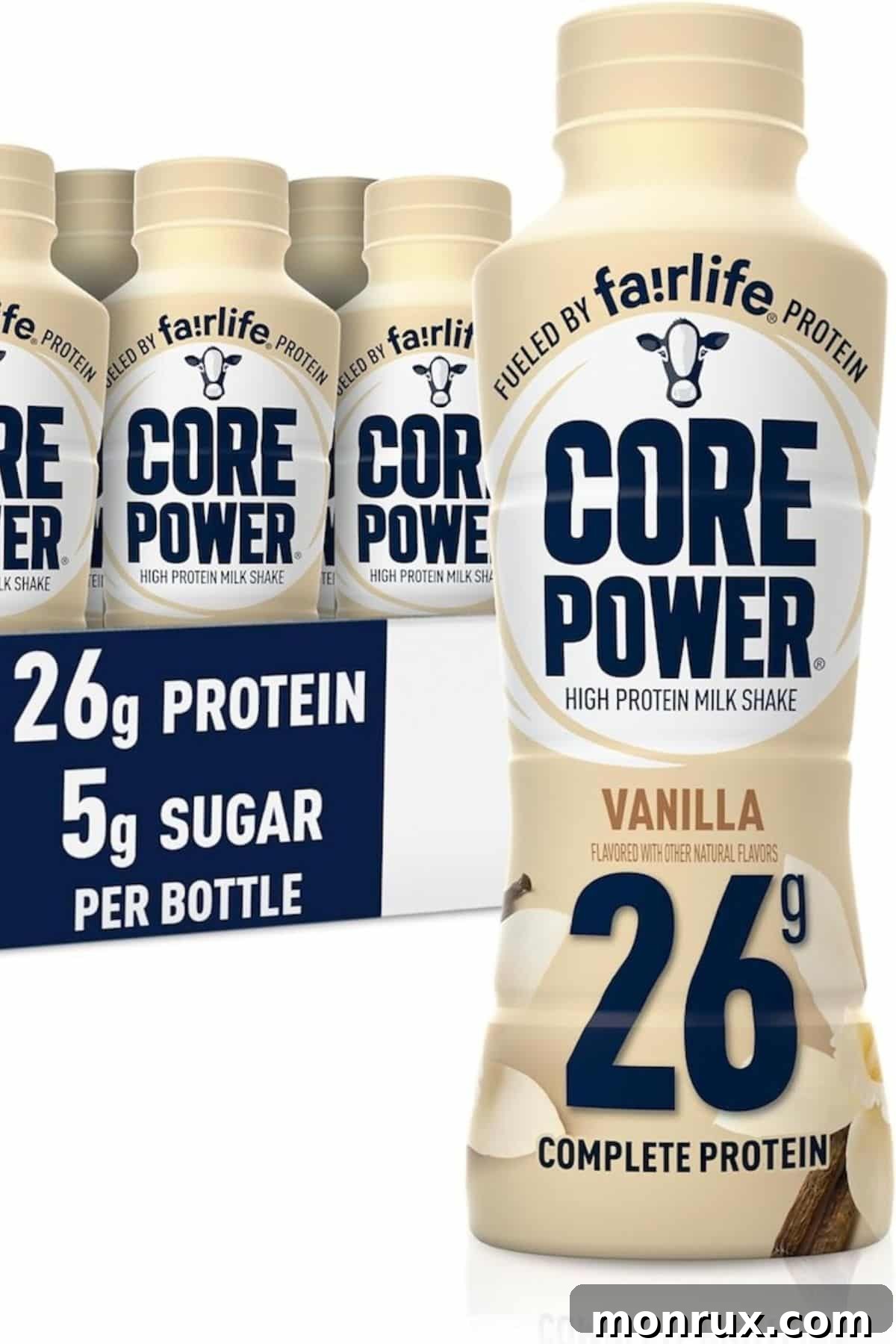
Fairlife Core Power Protein Shake Facts
Fairlife Protein Shakes are a popular line of dairy-based protein beverages, distinguishing themselves primarily through their use of ultra-filtered low-fat Grade A milk as their foundational ingredient. Produced by Fairlife LLC, a subsidiary of the global beverage giant The Coca-Cola Company, these shakes are readily available and come in three widely appealing flavor variants:
- Chocolate
- Vanilla
- Strawberry Banana
Each convenient 14-ounce serving of Fairlife Core Power delivers a substantial 26 grams of high-quality protein. This significant protein content is a key selling point, as protein is renowned for its ability to promote satiety, helping you feel fuller for longer, which can be beneficial for weight management. Furthermore, adequate protein intake is crucial for muscle repair and growth, making these shakes particularly attractive to individuals engaged in regular physical activity or those aiming to build and maintain lean muscle mass. This positions the brand as a strong contender in the market for health-conscious consumers, including athletes, fitness enthusiasts, and individuals adhering to high-protein diets who are actively seeking convenient and effective nutritional options.
Despite their appeal, it’s important to note that while Fairlife Protein Shakes boast no added sugar, they achieve their sweetness through the inclusion of artificial sweeteners such as acesulfame potassium and sucralose, alongside stevia leaf extract. This choice of sweeteners is a critical point of discussion for those evaluating the product’s overall health merits.
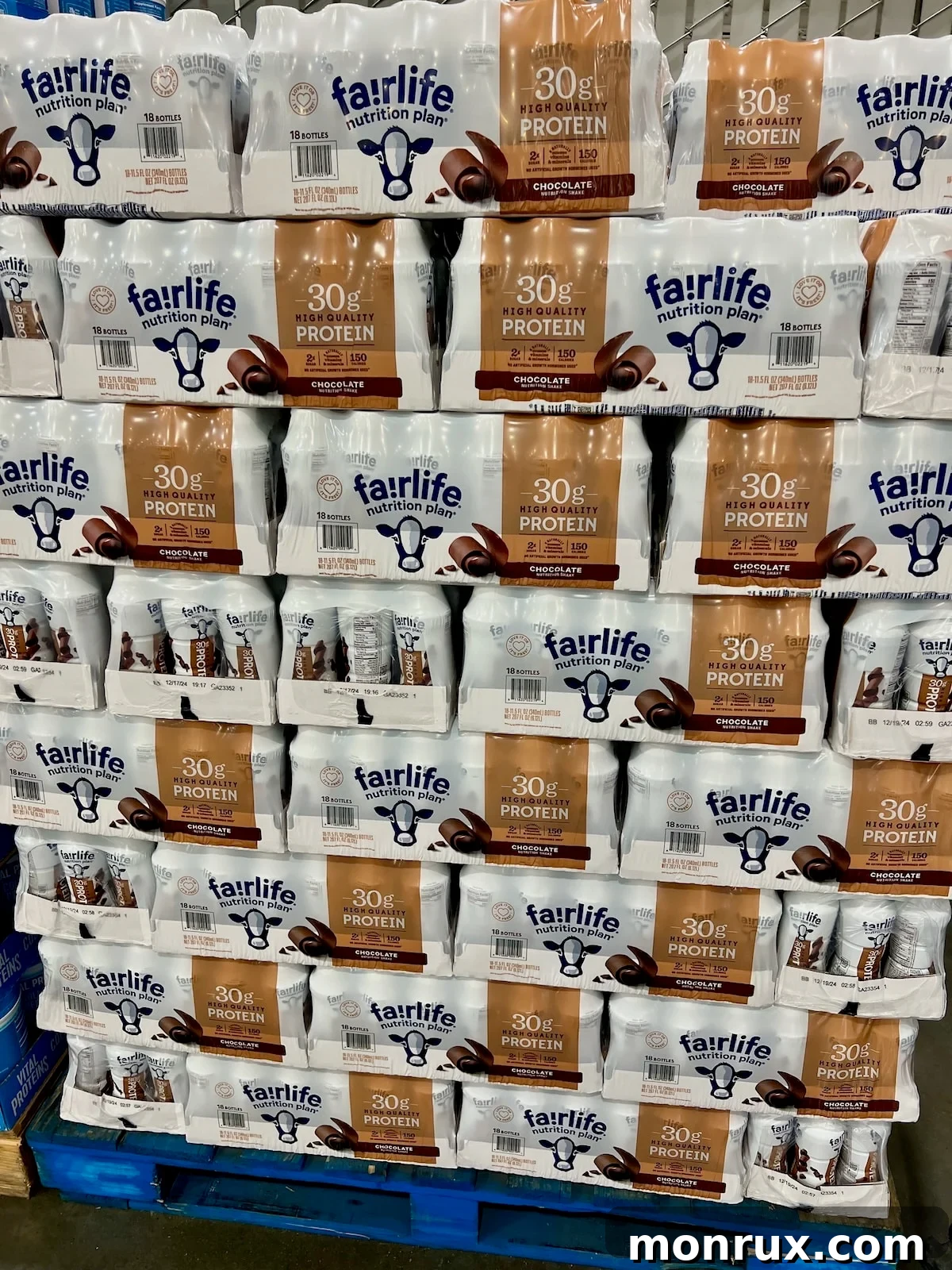
Ingredients: A Closer Look
To truly understand whether Fairlife Protein Shakes are a healthy choice, we must dissect their ingredient list beyond the headline “ultra-filtered milk.” All Fairlife Protein Shakes feature low-fat, ultra-filtered milk as their primary component. Beyond this, their formulation includes a blend of various additives, enzymes, and flavor enhancers. The typical ingredient profile encompasses lactase enzymes, essential vitamins, natural and artificial flavors, carrageenan, cellulose gel, cellulose gum, maltodextrin, monk fruit juice concentrate, stevia leaf extract, acesulfame potassium, and sucralose.
For context, let’s examine the specific ingredient list for the Vanilla Fairlife Protein Shake, which is representative of the line:
- Filtered lowfat Grade A milk
- Natural flavors
- Monk fruit juice concentrate
- Stevia leaf extract
- Carrageenan
- Cellulose gel
- Cellulose gum
- Acesulfame potassium
- Sucralose
- Lactase enzyme
- Vitamin A palmitate
- Vitamin D3
Now, let’s delve deeper into the main ingredients and additives to explore their potential implications for your health, moving beyond a simple list to a more comprehensive understanding.
Grade A Ultra-Filtered Milk
The cornerstone of Fairlife Protein Shakes is Grade A ultra-filtered milk. This is not your conventional dairy milk; it undergoes a specialized filtration process designed to modify its nutritional composition. This advanced process boosts its protein content while simultaneously removing lactose (milk sugar) and other impurities. Essentially, the milk is passed through fine membranes that separate its components, concentrating the high-quality protein and other essential nutrients, while reducing the sugar content significantly. For a more detailed look at the base product, you might find my related article, “Is Fairlife Milk Healthy?” insightful.
While ultra-filtered milk offers some compelling advantages, such as reduced sugar levels, an increased concentration of protein, and a prolonged shelf life compared to traditional milk, these benefits come with potential health considerations. One primary concern revolves around the possible loss of certain beneficial nutrients during the filtration process. Although the process concentrates protein, some micronutrients or beneficial compounds might be diminished, potentially lowering the milk’s overall nutritional value when compared to its whole, unprocessed counterpart. Crucially, the extensive filtering process transforms milk from its original, whole-food state into a more highly processed food product. This level of processing is often a point of contention for those adhering to clean eating principles or seeking minimally processed foods in their diet.
Lactase Enzyme
The inclusion of lactase enzyme in Fairlife products is a strategic move to address a common dietary concern: lactose intolerance. Lactase is an enzyme that naturally facilitates the breakdown of lactose, the complex sugar found in dairy products, into simpler, more easily digestible sugars like glucose and galactose. By adding lactase, Fairlife aims to enhance the digestibility of its milk-based products, making them accessible to a broader audience, including individuals who typically experience discomfort such as bloating, gas, and diarrhea after consuming traditional dairy.
While lactase enzyme supplementation in milk undeniably alleviates digestive discomfort for many, it also brings a few potential health considerations to light. Some individuals might experience sensitivities not to lactose itself, but to the enzymes or other milk components that remain or are altered during processing. Another potential risk is that an over-reliance on lactase-treated milk could, in some cases, mask the underlying symptoms of lactose intolerance or even obscure broader digestive concerns that warrant proper medical attention. Furthermore, while immediate benefits are clear, the long-term effects of regular consumption of enzyme-treated dairy products on the gut microbiome and overall digestive health are not yet fully understood by experts. Therefore, it’s important for consumers to approach these products with awareness and caution, especially if they have pre-existing digestive conditions or sensitivities.
Vitamin A Palmitate and Vitamin D3
Food manufacturers frequently fortify milk and dairy-based products with vitamins like A and D to enhance their nutritional profile, especially since some natural vitamins can be reduced during processing or pasteurization. These fat-soluble vitamins play absolutely pivotal roles in supporting various aspects of human health. Vitamin A, often added as retinyl palmitate or vitamin A palmitate, is essential for maintaining healthy vision, supporting a robust immune system, and promoting skin health. Vitamin D3, on the other hand, is critical for calcium absorption, which directly contributes to strong bones and teeth, and also plays a role in immune function and mood regulation.
While these added nutrients offer notable benefits, it’s crucial to understand that excessive intake can pose health risks. Overconsumption of vitamin A, particularly from supplements or highly fortified foods, may lead to toxicity, a condition that can manifest with symptoms such as nausea, dizziness, headaches, and in severe cases, liver damage. Similarly, an excessive intake of vitamin D can induce hypercalcemia, a dangerous condition characterized by abnormally high levels of calcium in the blood. Symptoms of hypercalcemia can include nausea, vomiting, weakness, frequent urination, and potentially serious kidney problems. Therefore, monitoring your overall dietary intake of these vitamins, especially if you regularly consume other fortified foods, multiple dairy products, or dietary supplements, is essential to prevent adverse health effects and ensure a balanced nutrient intake.
Sucralose and Acesulfame Potassium
Fairlife Protein Shakes utilize artificial sweeteners, specifically sucralose and acesulfame potassium (also known as Ace-K), to achieve their desired sweetness without adding traditional sugars. These high-intensity sweeteners are widely adopted in various food and beverage products as sugar substitutes, appealing to consumers looking to reduce sugar intake or manage calorie consumption. Despite their role in delivering sweetness without a caloric burden, their long-term consumption has sparked considerable debate and concern within the scientific and health communities regarding potential health risks.
Acesulfame potassium, for instance, has been the subject of research suggesting a potential link to cancer, particularly when consumed in high doses, although regulatory bodies generally deem it safe at typical consumption levels. The evidence, often derived from animal studies, highlights the need for continued human research. Sucralose, while also considered safe by major regulatory authorities like the FDA, continues to face scrutiny regarding its impact on gut health and metabolism. Emerging research suggests that sucralose might alter the gut microbiome, potentially affecting glucose metabolism and insulin sensitivity, especially with extensive and regular intake. These potential effects underscore a broader concern: while artificial sweeteners may offer an immediate benefit by reducing sugar and calorie content, their long-term systemic impact on the human body, particularly on metabolic processes and the delicate balance of the gut microbiota, remains an active area of scientific inquiry and caution for health-conscious consumers.
Food Additives
Beyond sweeteners, Fairlife Protein Shakes contain a range of other food additives designed to enhance texture, stability, and flavor. These include artificial flavors, cellulose gel, cellulose gum, and carrageenan. While many of these additives are approved for consumption by regulatory bodies, their cumulative effects, especially with regular intake of highly processed foods, are a growing area of concern for health experts and consumers alike. Individually, in moderate amounts, some of these may not pose an immediate threat. However, in products like Fairlife Protein Shakes, where several such additives are present, their combined impact can be significant.
Regular consumption of highly processed protein shakes or other products laden with high levels of food additives can contribute to various digestive problems. Symptoms such as stomach cramps, bloating, excessive gas, constipation, and diarrhea are commonly reported. The mechanisms behind these issues are often linked to how these additives interact with the gut lining and the gut microbiome. For example, some additives, particularly emulsifiers and thickeners like cellulose gums and carrageenan, have been implicated in disrupting the protective mucus layer of the intestines and promoting low-grade inflammation. This disruption can lead to increased gut permeability, often referred to as “leaky gut,” and an imbalance in gut bacteria, both of which are detrimental to digestive health.
Furthermore, research has linked some of these additives to more severe health problems. Carrageenan, for instance, has been a subject of controversy due to studies suggesting its potential to cause inflammation and its association with gastrointestinal issues, even being linked to oxidative stress and, in some animal models, inflammatory bowel disease (IBD). Similarly, other thickeners and emulsifiers have been scrutinized for their potential role in altering the gut microbiome in ways that could predispose individuals to various chronic conditions, including even cancer. This highlights the importance of being mindful of overall additive intake and considering whole-food alternatives where possible.
Nutrition Pros of Fairlife Protein Shakes
Despite the concerns surrounding their processed nature and additive content, Fairlife Protein Shakes do offer several nutritional advantages that appeal to a broad range of consumers:
- Lactose-Free: A significant benefit is that these shakes are virtually lactose-free. Thanks to the ultra-filtration process and the addition of lactase enzyme, individuals who are lactose intolerant can typically consume this product without experiencing the digestive discomfort often associated with traditional dairy. This expands their accessibility to a wider demographic.
- High Protein Content: With 26 grams of protein per serving, these drinks are an excellent option for individuals looking to significantly increase their protein intake. This is particularly valuable for supporting muscle growth and repair, aiding in recovery after strenuous exercise, and promoting satiety, which can be beneficial for appetite control and weight management. Dairy protein, consisting of both fast-digesting whey and slow-digesting casein, provides a complete amino acid profile, offering all essential amino acids necessary for the body’s physiological functions.
- Convenience and Accessibility: Fairlife Protein Shakes are a highly convenient, ready-to-drink option, making them ideal for on-the-go nutrition. Available in three appealing flavors, they are widely distributed in most grocery stores and gas stations, and are often competitively priced. This ease of access and portability makes them a practical solution for busy lifestyles when preparing a protein-rich meal or snack isn’t feasible.
Nutrition Cons of Fairlife Protein Shakes
While Fairlife Protein Shakes offer convenience and a high protein count, they also come with a notable list of nutritional drawbacks that warrant careful consideration:
- Highly Processed Nature: The most prominent concern is that Fairlife Protein Shakes are a highly processed product. The ultra-filtration process, while concentrating protein, fundamentally alters the milk from its natural state, moving it away from a whole food. This intensive processing can strip away some of the natural micronutrients and beneficial compounds that would typically be found in less processed dairy.
- Artificial Sweeteners and Additives: The shakes contain a cocktail of artificial sweeteners like acesulfame potassium and sucralose, and various food additives including carrageenan, cellulose gel, and cellulose gum. As discussed earlier, these ingredients have been linked to potential issues ranging from gut health disruption and inflammatory responses to more serious concerns like oxidative stress and possible links to certain diseases, particularly with chronic intake.
- Non-Organic Dairy Concerns: Fairlife milk is sourced from conventionally farmed cows and is not organic. This means the milk may contain residues of pesticides used on animal feed and antibiotics administered to cows, which can be a concern for individuals striving for a cleaner, more natural diet. While levels are typically regulated, the cumulative effect of consuming such residues is an ongoing debate.
- Phthalates in Packaging: A significant health risk identified recently is the presence of phthalates. A 2024 report by Consumer Reports found high levels of phthalates in Fairlife Core Protein Shakes. Phthalates are a group of chemicals used to make plastics more durable, often found in plastic food packaging. These chemicals can leach into food and beverages, and their ingestion has been associated with significant health risks. Phthalates are known endocrine disruptors, meaning they can interfere with the body’s hormonal system, potentially affecting reproductive health, contributing to developmental problems, and increasing risks for certain cancers and metabolic disorders. This finding adds a critical layer of concern for consumers evaluating the health implications of Fairlife Protein Shakes.
Considering all these factors, particularly the high degree of processing, the use of artificial ingredients, and the concerning phthalate contamination, I do not consider Fairlife Protein Shakes to be a healthy food choice or aligned with a clean eating approach. For those committed to mindful consumption, focusing on whole, unprocessed foods is generally recommended (you can get my free clean eating grocery list for guidance).
For a superior, protein-rich option, consider making your own protein shake at home using whole ingredients. Blending plain Greek yogurt or cottage cheese with fresh berries, spinach, and a splash of water or unsweetened almond milk can create a nutrient-dense and additive-free beverage. Alternatively, if you prefer powdered protein, opt for one of my favorite paleo protein powders, which are typically free from dairy, soy, and artificial ingredients, mixing them with water or a plant-based milk.
Frequently Asked Questions About Fairlife Protein Shakes
Yes, individuals with lactose intolerance can generally consume Fairlife Protein Shakes. Fairlife utilizes a proprietary ultra-filtration process that effectively removes most of the lactose from the milk used in their shakes. As a result, these shakes are considered lactose-free or contain very low levels of lactose, making them suitable for many individuals sensitive to lactose. Additionally, the shakes contain an added lactase enzyme, which further aids in the digestion of any residual lactose that might be present in the product.
Yes, Fairlife Protein Shakes do contain artificial sweeteners and various food additives. To enhance sweetness without adding extra sugar, they include artificial sweeteners such as acesulfame potassium and sucralose, alongside stevia leaf extract. In terms of other additives, Fairlife Protein Shakes also incorporate stabilizers, thickeners, and various natural and artificial flavors to improve their taste and texture. Common examples of these additives include carrageenan, cellulose gel, and cellulose gum.
No, Fairlife Protein Shakes are generally not considered a significant source of dietary fiber. While their primary nutritional focus is on providing a high protein content to support muscle health and satiety, Fairlife Protein Shakes typically contain minimal to no dietary fiber. Consumers looking to increase their fiber intake should seek out other food sources such as fruits, vegetables, whole grains, and legumes.
More Packaged Product Reviews You Might Like
Conclusions: Are Fairlife Protein Shakes a Healthy Choice?
In conclusion, while Fairlife Protein Shakes offer a convenient and high-protein option for many, a thorough examination reveals that they are highly processed products containing numerous added ingredients that raise significant health concerns. The ultra-filtration process, while providing benefits like reduced lactose and increased protein, fundamentally transforms milk into a highly processed food, moving it away from a whole-food ideal. Furthermore, the inclusion of artificial sweeteners like sucralose and acesulfame potassium, alongside various food additives such as carrageenan and cellulose gums, introduces substances that have been linked to potential digestive problems, inflammatory responses, and broader health risks in scientific research. The recent findings regarding phthalate contamination in the plastic packaging add another layer of concern about potential endocrine disruption and other adverse health effects. Therefore, for those prioritizing a clean eating approach and minimizing their intake of processed foods and artificial ingredients, Fairlife Protein Shakes may not align with their health goals. Opting for whole-food sources of protein or minimally processed alternatives remains the most recommended strategy for optimal health and nutrition.
Don’t forget to join my newsletter list to get exclusive clean eating recipes and tips. The newsletter is 100% free with no spam; unsubscribe anytime.
About the Author: Carrie Forrest has a master’s degree in public health with a specialty in nutrition and is a certified holistic nutritionist. She is a top wellness and food blogger with over 5 million annual visitors to her site. Carrie has an incredible story of recovery from chronic illness and is passionate about helping other women transform their health. Send her a message through her contact form.
Note: this post is for informational purposes only and is not intended as medical advice. Please consult your healthcare provider for recommendations related to your individual situation.