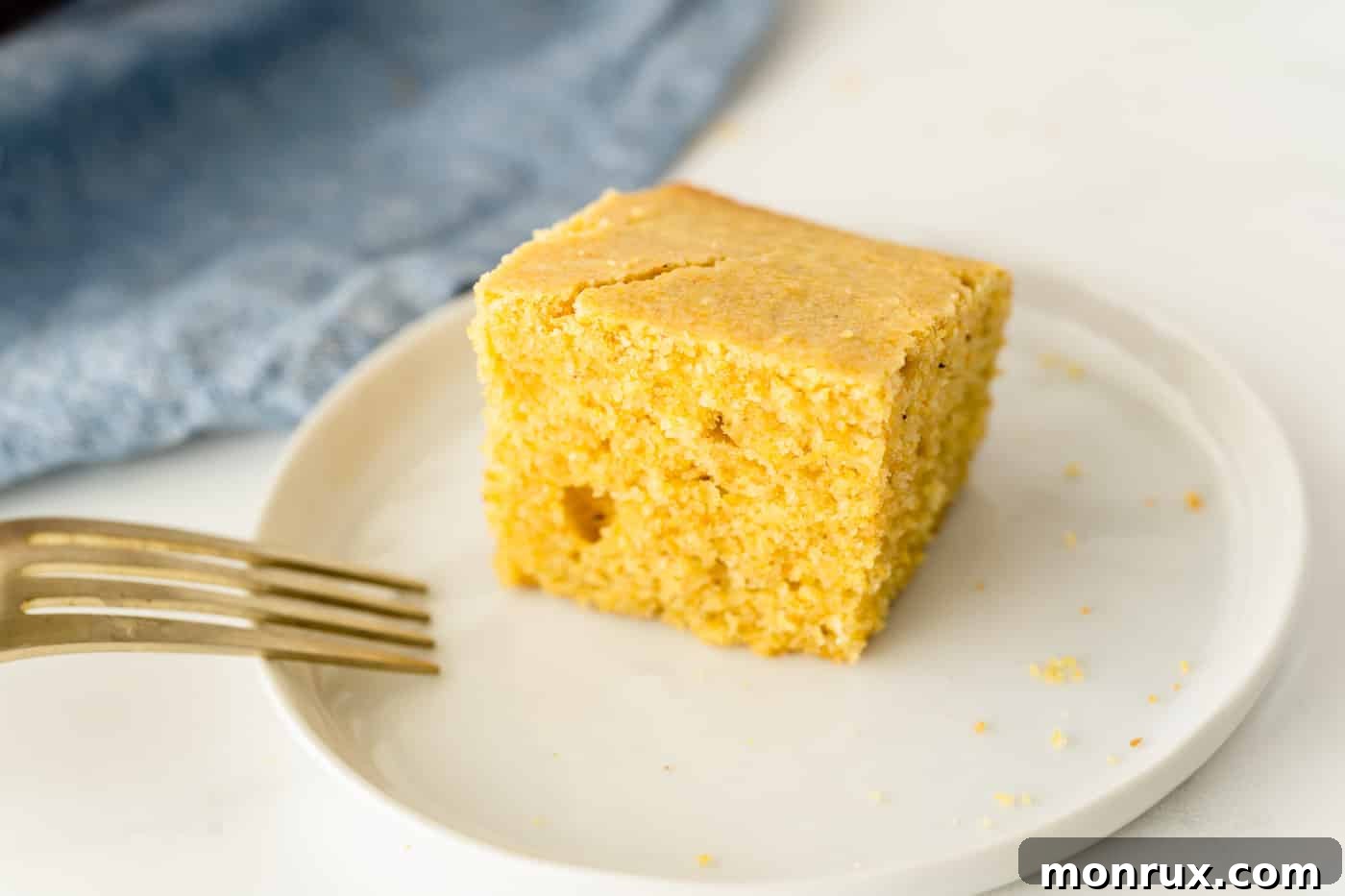
Discover the ultimate recipe for a truly unforgettable **gluten-free and dairy-free cornbread**. This recipe delivers an incredibly moist and flavorful experience, making it the perfect companion for any weeknight meal, holiday feast, or potluck gathering. Forget dry, crumbly alternatives or lackluster boxed mixes – this homemade cornbread is crafted with simple ingredients and guarantees a delicious, healthy, and satisfying result every time. Prepare to elevate your meals with this wholesome, comforting side dish!
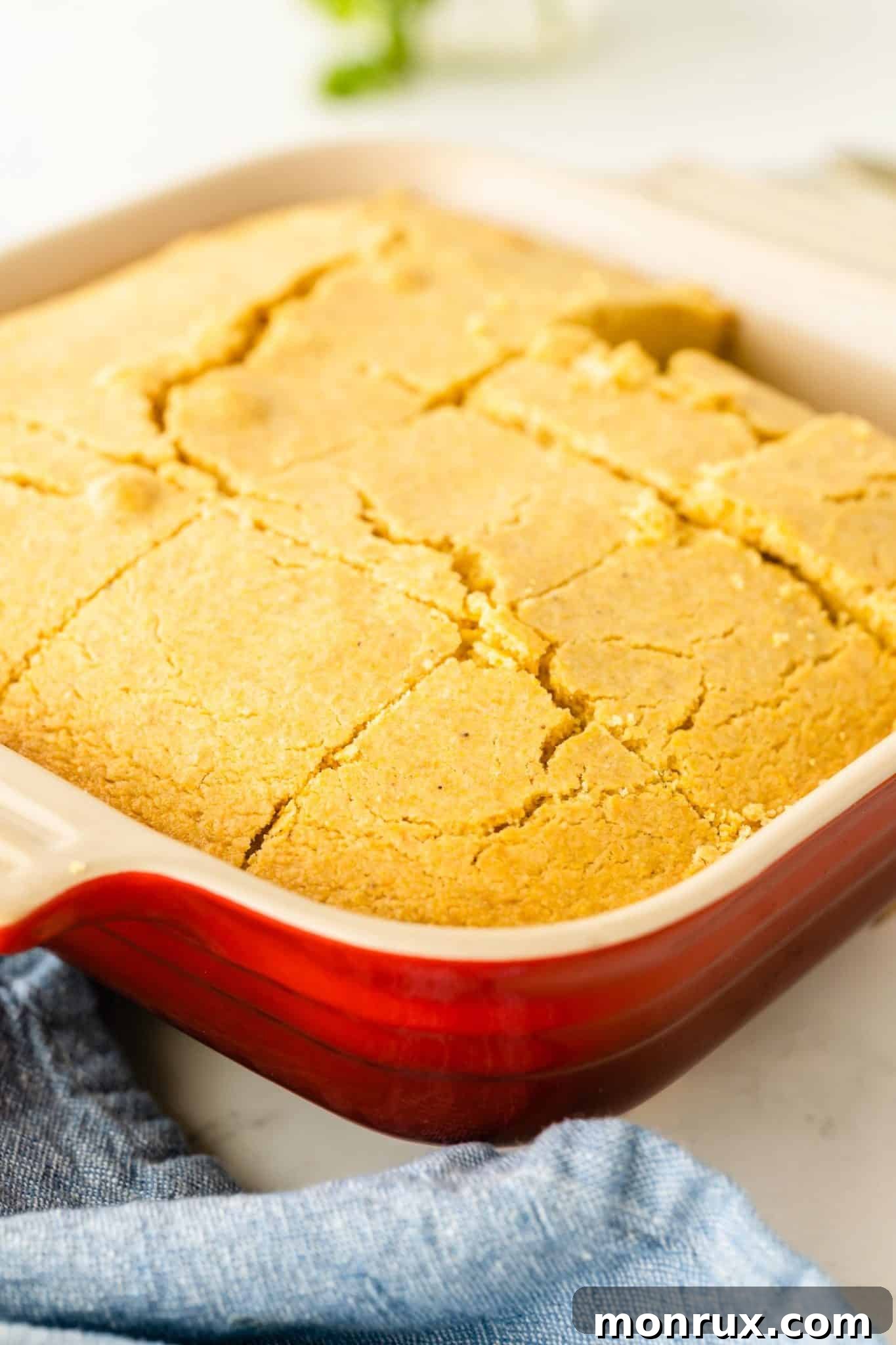
Cornbread has a unique ability to transform an ordinary meal into something special. Its rich, slightly sweet flavor and tender texture make it a versatile addition to almost any dish, from hearty soups and stews to classic BBQ. Beyond its immediate appeal, it’s also remarkably easy to prepare and freezes beautifully, ensuring you can enjoy homemade goodness whenever a craving strikes.
This carefully developed recipe caters specifically to those avoiding wheat and dairy products, without compromising on the delightful texture or robust flavor traditionally associated with the best cornbread. You’ll find it boasts a fantastic crumb and a rich taste that belies its dietary adaptations.
Achieving the right balance of sweetness is key for perfect cornbread. Our recipe offers just the right touch of sweetness, complementing the natural corn flavor without being overwhelming. It’s truly a sweet cornbread that hits all the right notes!
Why You’ll Love This Gluten-Free Dairy-Free Cornbread
There are countless reasons why this gluten-free and dairy-free cornbread recipe will become a staple in your kitchen. For starters, it’s a lifesaver for anyone managing dietary restrictions, offering a safe and delicious option that often feels out of reach. But even beyond its allergen-friendly nature, this cornbread stands out for its:
- **Unmatched Moisture:** Say goodbye to dry, crumbly cornbread. Our recipe is designed for a consistently moist and tender crumb.
- **Authentic Flavor:** Despite being free from gluten and dairy, it captures the comforting, subtly sweet, and rich flavor of traditional Southern cornbread.
- **Effortless Preparation:** With straightforward steps and readily available ingredients, this recipe is incredibly easy to follow, making it perfect for both novice and experienced bakers.
- **Versatility:** Serve it as a side with dinner, crumbled into chili, or even as a light breakfast with a drizzle of honey.
- **Healthy Choice:** Made with wholesome ingredients, it’s a healthier alternative to many store-bought options, allowing you to enjoy a classic comfort food guilt-free.
This cornbread is not just a substitute; it’s a delicious dish in its own right that everyone at your table will enjoy, regardless of their dietary needs.
Essential Ingredients for Perfect GF/DF Cornbread
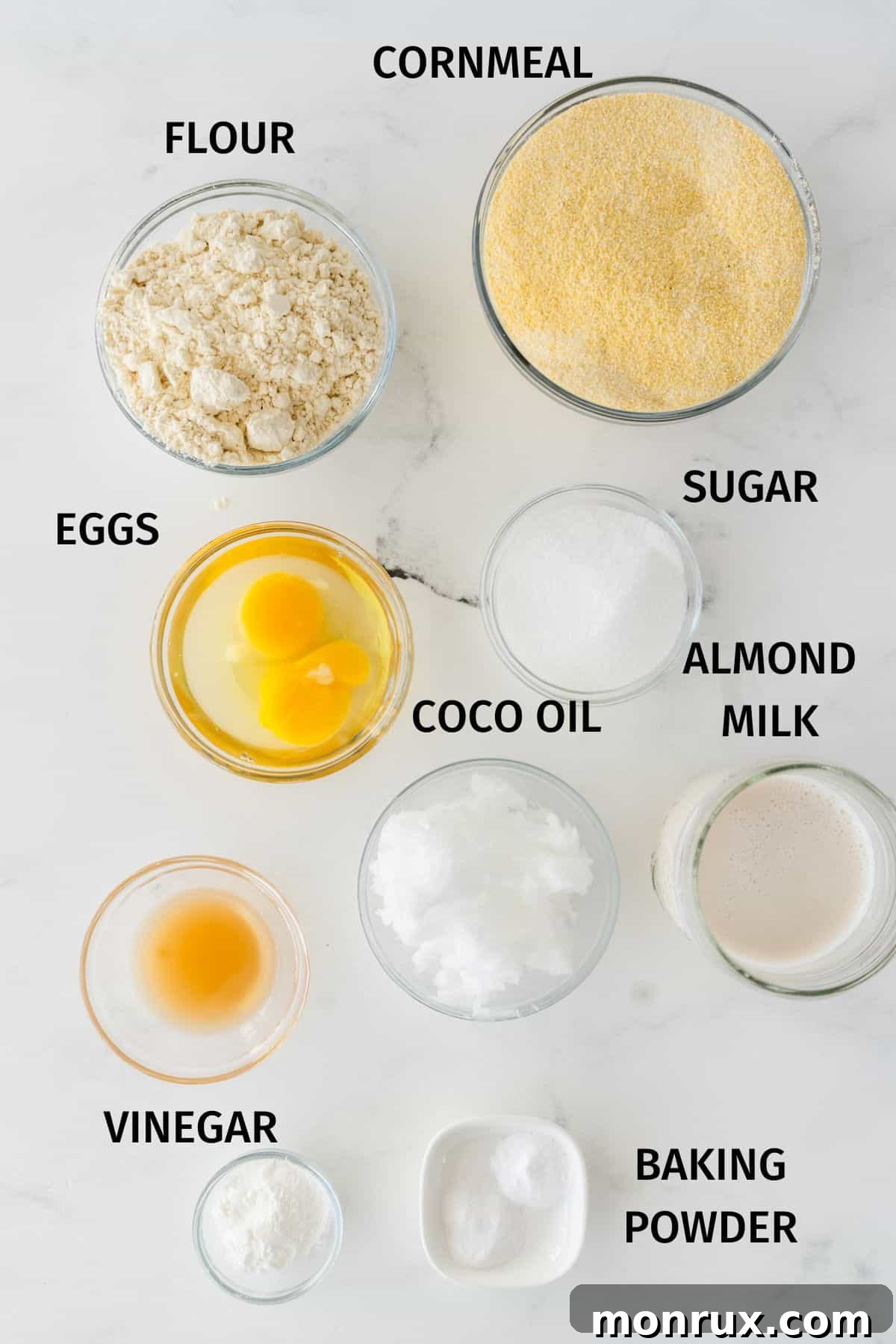
Creating delicious gluten-free and dairy-free cornbread relies on selecting the right ingredients. Here’s a closer look at the key components that give this recipe its fantastic texture and flavor:
- Gluten-free flour blend and yellow cornmeal: These two form the foundational base of our Southern-style cornbread. A good quality gluten-free all-purpose flour blend is crucial for structure, while yellow cornmeal provides the signature texture and golden hue. For best results, use a fine or medium-ground cornmeal that is certified gluten-free to avoid cross-contamination if you have Celiac disease or high sensitivity.
- Vinegar and almond milk: This clever combination works wonders to create a dairy-free “buttermilk.” The acidity of the vinegar curdles the almond milk slightly, mimicking the tang and tenderizing properties of traditional buttermilk. If apple cider vinegar isn’t on hand, fresh lemon juice makes an excellent substitute. Any unsweetened plant-based milk can work, but almond milk offers a neutral flavor that allows the corn to shine.
- Coconut oil: This is our stellar butter replacement, contributing richness and moisture without any dairy. Melted coconut oil integrates beautifully into the batter. If you’re not a fan of coconut’s subtle flavor, or prefer an alternative, avocado oil can also be used, though many find coconut oil provides the best overall texture and mouthfeel for this particular cornbread. Ensure it’s fully melted but not hot.
- Eggs: Essential for lift and structure, eggs contribute significantly to the fluffy texture of the cornbread. They act as a binder, holding the ingredients together and preventing the cornbread from becoming too crumbly. For a vegan version, see the notes section on potential egg substitutes, though the recipe hasn’t been tested with them directly.
- Sugar: A touch of granulated sugar provides the perfect balance of sweetness, ensuring the cornbread is comforting and inviting without being overly dessert-like. This is a sweet cornbread recipe, which appeals to many palates.
- Baking powder and baking soda: These leavening agents work in harmony to give the cornbread its rise and airy texture. The baking soda reacts with the vinegar in the “buttermilk,” while baking powder provides additional lift.
- Sea salt: A small amount of sea salt enhances all the other flavors, bringing out the natural sweetness of the cornmeal and sugar.
You’ll find the precise measurements for each of these ingredients in the detailed recipe card below, ensuring you have everything you need to create this amazing cornbread.
Step-by-Step Guide to Baking Your Cornbread
Step One: Preparation
Begin by preheating your oven to 400°F (200°C). This ensures the oven is at the correct temperature when the batter is ready, which is crucial for even baking and a good rise. While the oven heats, thoroughly spray your 8×8-inch square baking dish with a nonstick cooking spray or grease it lightly with coconut oil. This prevents sticking and makes for easy removal. Next, gather all your ingredients, measuring them out precisely before you begin mixing. This “mise en place” approach makes the baking process smooth and stress-free.
In a small pitcher or bowl, combine your almond milk (or your preferred dairy-free milk alternative) with the apple cider vinegar. Give it a quick stir and then set it aside. This mixture will begin to curdle slightly, forming our dairy-free “buttermilk” substitute, which adds tenderness and a subtle tang to the cornbread.
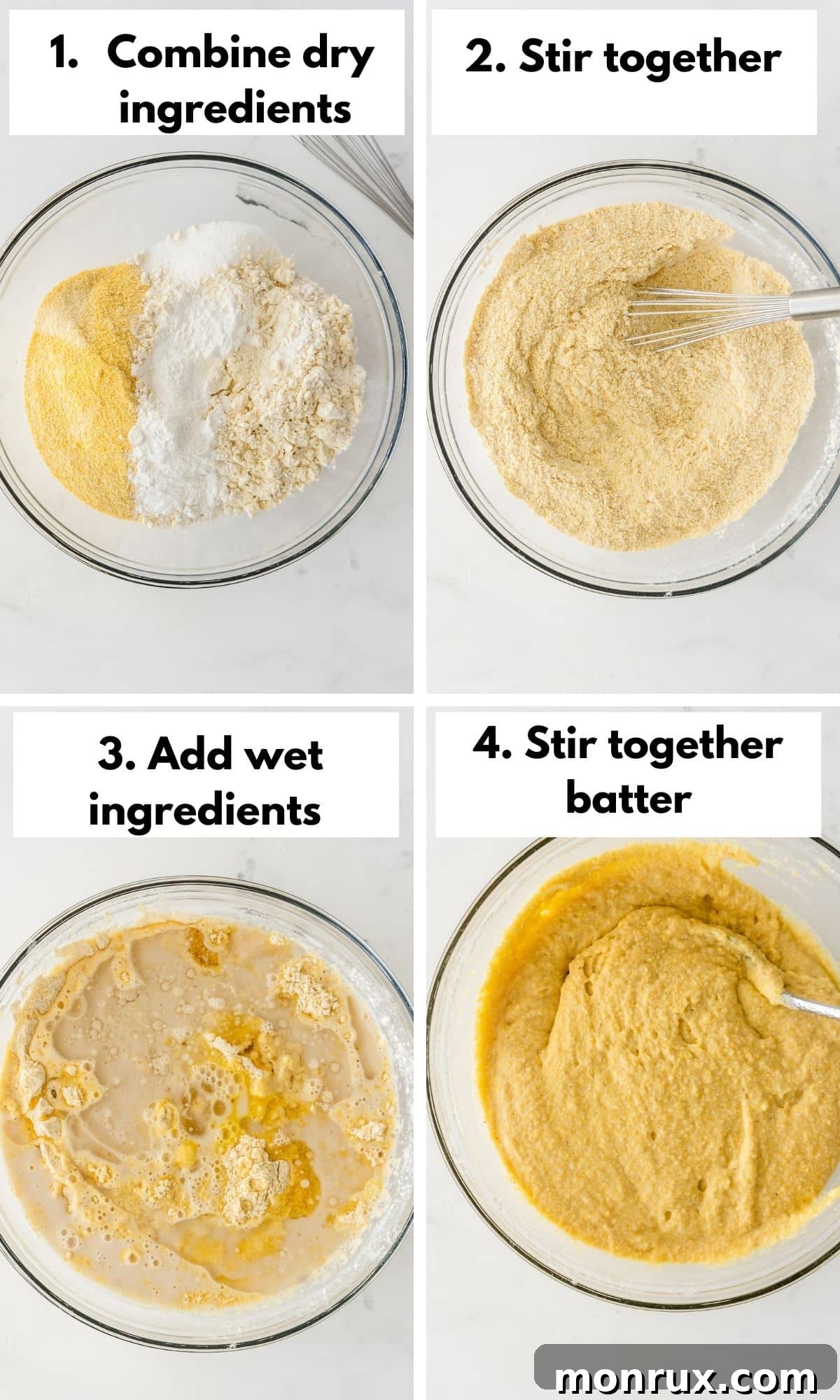
In a large mixing bowl, add all your dry ingredients: the gluten-free baking flour, gluten-free yellow cornmeal, granulated sugar, baking powder, baking soda, and sea salt.
Step Two: Mixing Dry Ingredients
Using a whisk or a spoon, thoroughly stir the dry ingredients together until they are well combined. It’s important to ensure there are no lumps and that the leavening agents (baking powder and baking soda) and salt are evenly distributed throughout the flour and cornmeal. This step is vital for a consistent texture and proper rise in your finished cornbread.
Remember, precise measurements are critical for baking success, so refer to the recipe card at the end of this post for the exact quantities of each ingredient.
Step Three: Combining Wet and Dry
Now, it’s time to bring everything together. Add the prepared milk and vinegar mixture (your dairy-free “buttermilk”), the beaten eggs, and the melted coconut oil to the large bowl containing your dry mixture. Stir everything gently but thoroughly until a smooth batter forms. Be careful not to overmix; overmixing can lead to a tougher cornbread. Mix just until the ingredients are incorporated and there are no large dry streaks of flour. A few small lumps are perfectly fine.
Step Four: Baking and Serving
Pour the smooth batter evenly into your prepared baking dish. Place it in the preheated oven and bake for 28-32 minutes. The exact baking time may vary slightly depending on your oven, so keep an eye on it. The cornbread is ready when the top turns a beautiful golden brown and a toothpick inserted into the center comes out clean. If you see any wet batter clinging to the toothpick, return the cornbread to the oven for an additional 5-10 minutes, checking again periodically.
Once baked, remove the cornbread from the oven and let it cool in the pan for a few minutes. This allows it to set properly before slicing. Serve your delicious cornbread warm or at room temperature. It’s fantastic plain, but you can also enhance it with a smear of vegan butter, a generous drizzle of pure maple syrup, or a touch of honey for those who consume it. We’re confident your family will agree this is the best gluten-free cornbread recipe they’ve ever tasted!
This versatile side dish pairs wonderfully with a variety of meals. Try it alongside a comforting Instant Pot Lentil Soup or a hearty Instant Pot 15 Bean Soup for a truly satisfying meal.
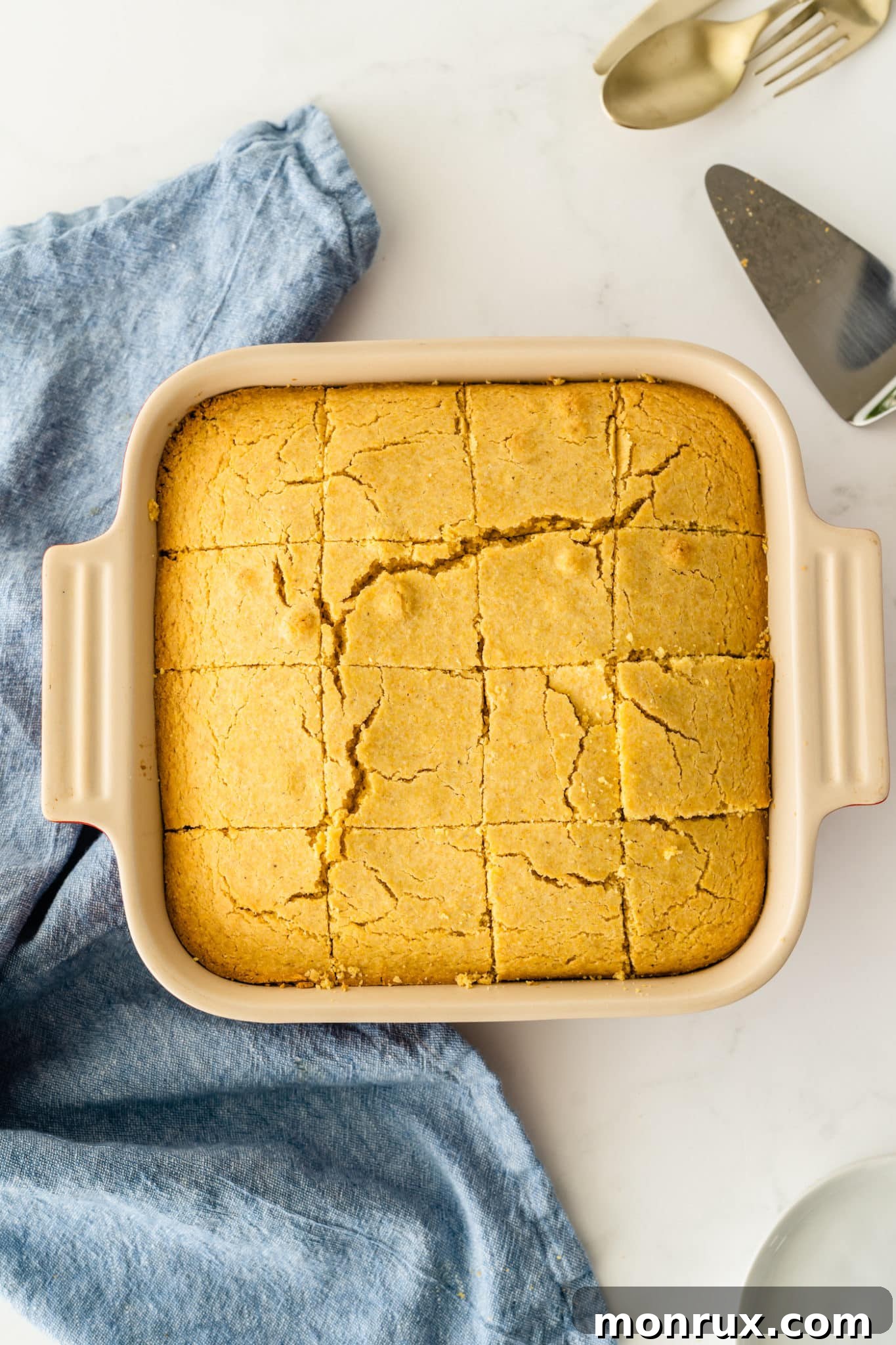
Pro Tips for the Best Gluten-Free Dairy-Free Cornbread
Achieving consistently perfect cornbread, especially when adhering to gluten-free and dairy-free requirements, can be made easier with a few expert tips:
- Don’t Overmix the Batter: This is a golden rule for many baked goods, and cornbread is no exception. Overmixing develops gluten (even in gluten-free flours, to some extent, and can lead to a gummy texture), resulting in a tough and dense cornbread. Mix just until the ingredients are combined and no dry streaks of flour remain. A few small lumps are perfectly acceptable.
- Use Room Temperature Eggs: Eggs that are at room temperature incorporate more easily and evenly into the batter, leading to a smoother mixture and a better rise. If your eggs are cold, place them in a bowl of warm water for 5-10 minutes before using.
- Accurate Measurements Are Key: Baking is a science. Use proper measuring cups and spoons, and for flour and cornmeal, spoon them into the cup and level with a straight edge rather than scooping directly, which can compact the ingredients and lead to too much flour.
- Oven Temperature Consistency: Ovens can vary. An oven thermometer can help ensure your oven is truly at 400°F (200°C). Consistent temperature is crucial for the leavening agents to work effectively and for even cooking.
- Don’t Skimp on Cooling Time: While it’s tempting to dive into warm cornbread immediately, allowing it to cool in the pan for at least 5-10 minutes allows the structure to set. This prevents it from falling apart when you slice it.
- Experiment with Sweeteners: While this recipe uses granulated sugar, you could experiment with other natural sweeteners like maple syrup or honey (if not vegan) for a slightly different flavor profile. Just be mindful that liquid sweeteners might alter the batter consistency slightly, so you might need minor adjustments to dry ingredients.
- Add-ins for Flavor: Feel free to customize your cornbread! For a savory kick, fold in some diced jalapeños (remove seeds for less heat) or a handful of dairy-free cheese shreds. For a sweeter version, try adding a sprinkle of cinnamon or a handful of fresh berries.
Serving Suggestions for Your Homemade Cornbread
This gluten-free and dairy-free cornbread is incredibly versatile and can be enjoyed in numerous ways. Here are some delicious serving suggestions to inspire you:
- **Classic Comfort:** Serve warm slices with a generous pat of vegan butter. The butter melts into the moist crumb, creating a truly comforting experience.
- **Sweet Indulgence:** Drizzle with pure maple syrup or honey for a delightful breakfast or dessert-like treat. A spoonful of fruit preserves or apple butter also makes a fantastic topping.
-
**Savory Pairings:** Cornbread is the quintessential accompaniment to many hearty dishes. It’s superb with:
- Chili (especially a rich, spicy one!)
- Bean soups and stews
- Barbecue pulled pork (or jackfruit for a vegan option)
- Roasted chicken or turkey
- Any kind of hearty greens, like collard greens or turnip greens
- **Crumble Topping:** Break up leftover cornbread into crumbles and use it as a topping for casseroles, or even as a stuffing base.
- **Breakfast Treat:** Enjoy a slice with your morning coffee or tea. It’s surprisingly good with a side of fresh fruit.
No matter how you choose to serve it, this homemade gluten-free dairy-free cornbread is sure to be a crowd-pleaser.
Frequently Asked Questions (FAQs) about GF/DF Cornbread
Naturally, cornmeal does not contain gluten. However, there’s a significant risk of cross-contamination because cornmeal is often processed in facilities that also handle wheat and other gluten-containing grains. If you have Celiac disease or are highly sensitive to even trace amounts of gluten, it is essential to look for cornmeal that is specifically labeled “gluten-free.” This certification ensures it has been processed in a dedicated facility or with strict protocols to prevent contamination.
Yes, gluten-free cornbread freezes exceptionally well, making it perfect for meal prep or saving leftovers. For the best results, aim to freeze it within two days of baking. We recommend slicing the cornbread first, then arranging the slices on a plate or half-sheet pan and freezing them for about 30 minutes. Once firm, transfer the individual slices to a freezer-safe bag or airtight container. This method prevents the slices from sticking together or getting “smooshed” in the bag. Consume within 30 days for optimal freshness and texture.
Cornbread is undeniably at its peak flavor and texture on the day it’s baked. However, it will remain perfectly good stored on the countertop in an airtight container for up to two full days. If you need to extend its freshness, transfer it to the refrigerator, where it will keep well for up to 4-5 days. Always ensure it’s properly covered to prevent it from drying out.
Absolutely! This recipe adapts beautifully to muffin tins for individual servings. You will need to make a couple of adjustments: reduce the oven temperature to 375°F (190°C) and shorten the bake time to approximately 20-25 minutes. To check for doneness, insert a toothpick into the center of one of the muffins; it should come out clean. Muffin-sized cornbread is excellent for grab-and-go meals or for serving alongside a smaller portion of soup.
While you can substitute almond flour for the gluten-free baking flour, be aware that the results will differ. Almond flour creates a denser cornbread with a slightly different texture and often imparts a light brown tint rather than the bright yellow typically associated with traditional cornbread. If you’re looking for a lighter, fluffier texture, sticking to a dedicated gluten-free baking blend is recommended.
Unsweetened almond milk is recommended for its neutral flavor profile, which allows the cornmeal to shine. However, you can also use other unsweetened plant milks like soy milk or oat milk. Just ensure they are plain and unsweetened to avoid altering the taste of the cornbread. Coconut milk (from a carton, not canned) can also be used, but may impart a slight coconut flavor.
Yes, absolutely! To make this cornbread more savory, you can reduce the sugar amount by half, or even omit it completely for a truly savory version. Consider adding ingredients like finely diced jalapeños, a pinch of smoked paprika, or dried herbs like thyme or rosemary to the batter. You could also stir in some dairy-free cheese shreds for a cheesy kick.
I truly hope you enjoy making and savoring this delicious recipe! If you do, please leave a comment and a starred review below to let us know your thoughts. Your feedback is greatly appreciated.
And, consider following us on social media to stay connected and discover more clean eating recipes and wellness tips. You can find us on Facebook, Pinterest, Instagram, and YouTube!
Print
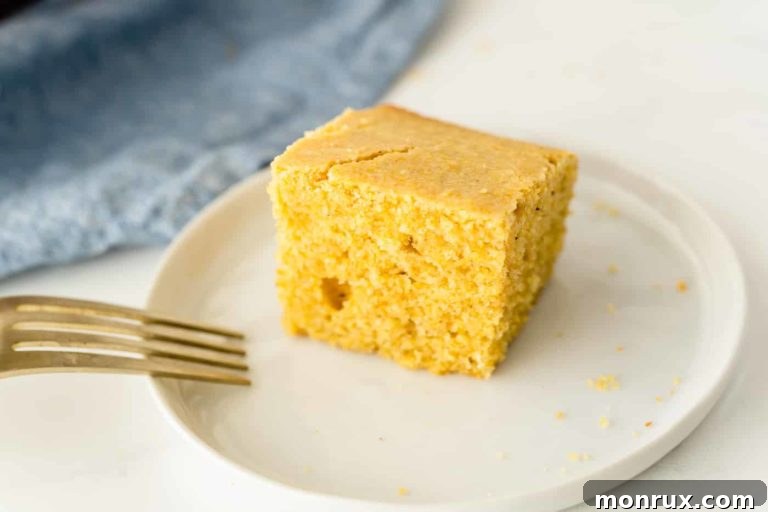
Gluten-Free Dairy-Free Cornbread Recipe
5 from 3 reviews
This gluten-free and dairy-free cornbread recipe is designed to be incredibly moist and flavorful, making it a perfect addition to any meal, from simple weeknight dinners to festive holiday spreads. With its simple ingredients and easy-to-follow steps, this healthy homemade cornbread is a clear winner over any boxed mix.
Total Time: 55 minutes
Yield: 12 servings
Ingredients
- Nonstick cooking spray
- 1 1/2 cup unsweetened almond milk (or your choice of plant milk)
- 1 tablespoon apple cider vinegar or white wine vinegar
- 1 cup gluten-free baking flour (like Bob’s Red Mill 1 to 1 Gluten-Free Baking Flour)
- 1 1/2 cups gluten-free yellow cornmeal
- 1/3 cup sugar
- 2 teaspoon baking powder
- 1/2 teaspoon baking soda
- 1/2 teaspoon sea salt
- 2 eggs, beaten
- 1/2 cup coconut oil, melted
Instructions
- Preheat your oven to 400°F (200°C). Spray an 8×8-inch square baking dish with nonstick cooking spray and set aside.
- In a small pitcher or bowl, combine the milk and vinegar. Stir gently and set aside for a few minutes to allow it to curdle slightly (this creates a dairy-free “buttermilk”).
- In a large mixing bowl, combine the gluten-free flour, cornmeal, sugar, baking powder, baking soda, and sea salt. Whisk well to ensure all dry ingredients are evenly distributed.
- Pour the milk and vinegar mixture, beaten eggs, and melted coconut oil into the bowl with the dry ingredients.
- Stir the batter until it is smooth and just combined, with no large lumps of dry ingredients. Be careful not to overmix, as this can lead to a dense texture.
- Pour the batter evenly into your prepared baking dish. Bake for 28-32 minutes, or until the top is golden brown and a toothpick inserted into the center comes out clean. If needed, bake for an additional 5-10 minutes.
- Let the cornbread cool in the pan for at least 5-10 minutes before slicing. This allows it to set properly, making it easier to cut. Serve warm or at room temperature.
Notes
- If you prefer to make cornbread muffins, reduce the oven temperature to 375°F (190°C) and shorten the bake time to approximately 20-25 minutes. Check for doneness by inserting a toothpick into a muffin; it should come out clean.
- This cornbread can also be baked in a well-seasoned cast iron skillet or cast iron pan. Ensure your skillet is large enough and very well greased to prevent sticking. Baking times may vary slightly, so monitor closely.
- To store leftovers, place any remaining cornbread in an airtight container or wrap tightly with plastic wrap. It will keep fresh in the refrigerator for up to 4 days. For longer storage, cooked cornbread can be frozen for up to 2 months.
- This recipe has not been tested with egg substitutes like flax eggs for a completely vegan version. If you experiment with a vegan egg alternative, please share your results in the comments!
- Author: Carrie Forrest, MPH in Nutrition
- Prep Time: 20 minutes
- Cook Time: 35 minutes
- Category: Side Dish, Bread
- Method: Baking, Oven
- Cuisine: American, Southern
- Diet: Gluten Free, Dairy Free
Nutrition
- Serving Size: 1/12 of recipe
- Calories: 220
- Sugar: 5.7 g
- Sodium: 191.4 mg
- Fat: 10.7 g
- Saturated Fat: 7.8 g
- Carbohydrates: 28.3 g
- Fiber: 1.5 g
- Protein: 3.1 g
- Cholesterol: 31 mg
*Nutritional information is an estimate and may vary based on specific ingredients and preparation methods.
Explore More Gluten-Free & Dairy-Free Bread Recipes!
Don’t forget to join our newsletter list to receive exclusive clean eating recipes, helpful tips, and wellness insights directly in your inbox. Our newsletter is completely free, with no spam, and you can unsubscribe at any time.
About the Author: Carrie Forrest holds a master’s degree in public health with a specialization in nutrition and is a certified holistic nutritionist. She is a prominent wellness and food blogger, attracting over 5 million visitors annually to her acclaimed site. Carrie shares an inspiring story of recovery from chronic illness and is deeply passionate about empowering other women to transform their health through nourishing food. Feel free to send her a message through her contact form.