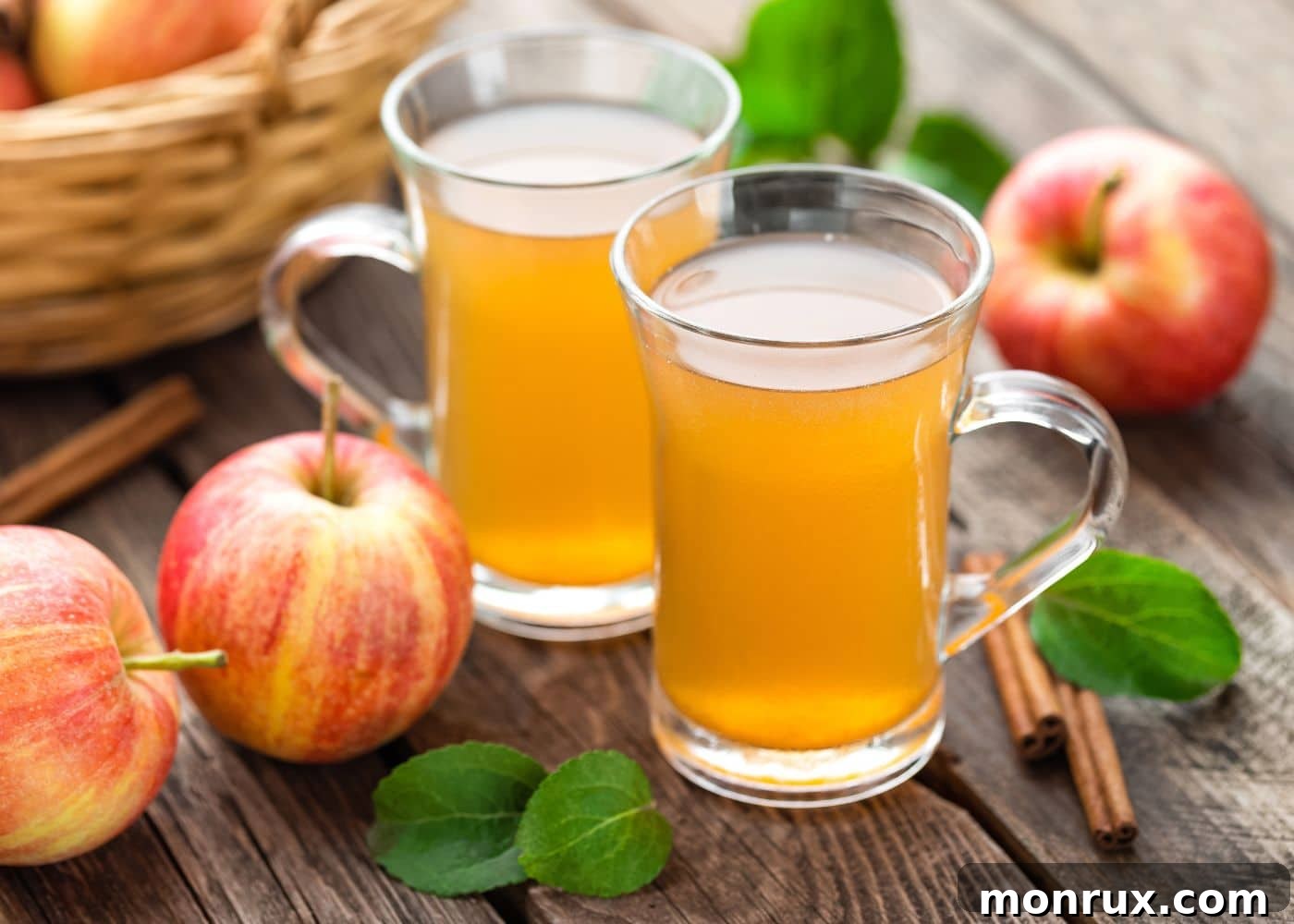
Apple cider, with its crisp, sweet, and tangy profile, is a quintessential beverage, especially cherished during the vibrant fall season and the cozy winter holidays. Often, a trip to the apple orchard or a festive gathering can leave you with an abundance of this delightful drink. However, fresh, unpasteurized apple cider has a remarkably short shelf life, typically lasting only about a week in the refrigerator. This often leads to a common question: “Can you freeze apple cider?” The answer is an emphatic yes! Freezing apple cider is not only possible but also an incredibly effective and simple method to preserve its quality and flavor for many months, ensuring you can savor its goodness long after the season ends. This ultimate guide will walk you through everything you need to know, from preparation to thawing and creative uses, so not a single drop goes to waste.
Why Freezing Apple Cider is Your Smartest Preservation Strategy
The fleeting freshness of apple cider makes preservation a priority for anyone who loves this beverage. Freezing emerges as the superior method for several compelling reasons, offering both practical and economic benefits.
First and foremost, freezing significantly extends the shelf life of apple cider. By lowering its temperature below freezing point, you effectively halt the microbial activity that leads to spoilage and fermentation. This means your cider maintains its original, vibrant flavor and nutritional integrity, allowing you to enjoy that “just-pressed” taste up to 18 months later. Imagine having the taste of autumn available in the middle of summer – a true luxury!
Beyond preservation, freezing offers unparalleled convenience. It allows you to buy apple cider in bulk when it’s in season and often more affordable, saving you money in the long run. Portioned and frozen cider means you always have a readily available ingredient for various culinary applications or a quick, comforting drink. Whether you need a small splash for a salad dressing, a measured amount for a baking recipe, or a full serving to warm up with on a chilly evening, having frozen portions at your fingertips simplifies meal preparation and reduces impromptu grocery runs. It’s an excellent way to combat food waste and maximize the utility of every bottle.
What Exactly is Apple Cider? Differentiating Your Apple Drinks
Before we delve into the freezing specifics, it’s helpful to understand what apple cider is and how it stands apart from other apple-based beverages you might find. Apple cider, specifically the non-alcoholic variety we’re discussing, is essentially fresh-pressed apple juice that has not been filtered to remove pulp and sediment. This unfiltered nature gives it a cloudy appearance and a robust, intensely fresh apple flavor that many find more complex and authentic than clear apple juice.
It’s important to clarify the distinctions:
- Apple Cider vs. Apple Juice: While both come from apples, apple juice is typically filtered to achieve a clear consistency and is often pasteurized at higher temperatures, sometimes with added sweeteners. Apple cider is less processed, retaining more of the apple’s natural character.
- Apple Cider vs. Hard Cider: This is a crucial distinction for freezing purposes. Hard cider is an alcoholic beverage made through the fermentation of apple juice or cider. The alcohol content in hard cider significantly lowers its freezing point. Consequently, hard cider will not freeze solid in a standard home freezer; it will merely become a slushy, separated mixture. Therefore, this guide exclusively applies to non-alcoholic apple cider.
Beyond its delicious taste, apple cider also boasts health benefits. It naturally contains vitamins, minerals, and polyphenols, which are potent antioxidants. These compounds contribute to overall well-being and cellular health. By learning how to properly freeze apple cider, you’re not just preserving a tasty drink, but also locking in a portion of these beneficial nutrients for future enjoyment.
Gather Your Gear: Essential Equipment for Freezing Cider
Freezing apple cider is refreshingly simple and doesn’t demand any obscure or expensive kitchen gadgets. Chances are, you already own most of what you’ll need. The key lies in selecting the right containers to suit your future consumption plans. Here’s a detailed look at the necessary equipment:
1. Freezer-Safe Containers: The Foundation of Good Freezing
The type of container you choose is paramount and should be dictated by the portion sizes you anticipate needing later. Always ensure your chosen containers are labeled “freezer-safe” to prevent cracking or warping at low temperatures.
- Glass or Plastic Bottles: For larger quantities that you might want to thaw and enjoy as a drink, or use as a primary ingredient in big batches of recipes (like stew or punch bases), bottles are an excellent choice. If using glass, opt for tempered glass designed for freezing, as regular glass can shatter due to expansion. Always ensure bottles have secure, airtight lids to prevent leaks and exposure to freezer air.
- Freezer-Safe Plastic Food Containers: Brands like Tupperware or other reusable plastic containers are incredibly versatile. They come in various sizes, making them suitable for medium to large portions. Like bottles, their lids must form an airtight seal to protect the cider from freezer burn.
- Ice Cube Trays (Silicone, Plastic, or Metal): These are indispensable for creating individual, bite-sized portions of frozen apple cider. Cider ice cubes are perfect for adding to smoothies, mixing into salad dressings, deglazing pans, or simply popping into a glass of water for a subtle apple flavor. Silicone trays are particularly user-friendly, as the flexible material makes it easy to pop out the frozen cubes.
- Silicone Muffin Pan Liners: If you prefer slightly larger, pre-portioned amounts than ice cubes (typically around ¼ to ½ cup), silicone muffin liners are ideal. Once frozen, the cider “pucks” can be easily removed and stored. These portions are fantastic for baking, simmering sauces, or preparing smaller batches of spiced cider.
- Popsicle Molds: For a fun and healthy frozen treat, especially during warmer months, popsicle molds filled with apple cider are a delightful option. You can even add a cinnamon stick to each mold before freezing for an extra flavor kick.
Expert Tip for Container Strategy: Don’t feel limited to just one type of container. If you envision using your apple cider for diverse purposes, use a variety! Freeze some in ice cube trays for culinary use, some in muffin liners for measured portions, and larger amounts in bottles for drinking. This multi-pronged approach offers maximum flexibility and convenience.
2. Freezer-Friendly Bags: The Ultimate Space Saver and Protector
Once your apple cider has frozen into solid cubes or pucks in trays or liners, freezer-friendly bags become essential. High-quality Ziploc freezer bags or vacuum-sealable bags are perfect for transferring these smaller portions. They save valuable freezer space compared to leaving them in trays indefinitely, and crucially, they provide an additional layer of protection against freezer burn and odor absorption. When using bags, always press out as much air as possible before sealing to create a near-vacuum, which minimizes ice crystal formation and preserves quality.
3. Freezer Labels and a Permanent Marker: Your Memory’s Best Friend
This step, though seemingly minor, cannot be overstated. There’s nothing more frustrating than discovering an unlabeled mystery item in the depths of your freezer. Proper labeling is paramount for efficient freezer management and to prevent culinary confusion. On each container or bag, clearly write:
- Contents: “Apple Cider”
- Date Frozen: This helps you track freshness.
- Use-By Date: Approximately 12-18 months from the freezing date.
- Portion Size: For instance, “1 cup,” “4 oz,” or “10 cubes” to avoid guesswork when planning meals.
While specialized freezer labels offer excellent adhesion in cold conditions, a simple piece of masking tape and a permanent marker will work just as effectively. Make it a habit to label everything before it enters the freezer – your future self will thank you!
The Simple Steps: How to Freeze Apple Cider Perfectly
Freezing apple cider is a straightforward process that requires minimal time and effort. By following these clear, step-by-step instructions, you’ll be able to preserve your cider with confidence and ensure it retains its quality for months to come.
Step 1: Cool Your Apple Cider to Room Temperature
If your apple cider is warm (perhaps you just heated it up for a test or it’s very fresh from a warm pressing), it is absolutely essential to let it cool down completely to room temperature before you begin the freezing process. Introducing warm liquid into your freezer can temporarily raise the internal temperature, potentially affecting other frozen items nearby. More importantly, it can lead to larger ice crystals forming in your cider, which might slightly alter its texture upon thawing.
Step 2: Prepare Your Freezer-Safe Containers
Gather all the various containers you’ve selected for freezing. If you plan to use silicone muffin liners or ice cube trays, arrange them neatly on a flat baking sheet or a sturdy tray. This provides stability and makes it much easier to transfer the liquid-filled trays into the freezer without spills. Ensure your containers are clean and dry before use.
Step 3: Pour the Apple Cider into Containers, Remembering Headspace
Carefully pour the cooled apple cider into your chosen containers. This is the most crucial step in preventing cracked containers and messy freezer overflows. Remember the golden rule of freezing liquids: they expand as they freeze. Therefore, you must leave adequate “headspace” – the empty space between the liquid and the container’s lid or rim. A good guideline is to fill containers only about three-quarters (¾) full. For bottles, aim to leave at least an inch or two of space at the top. Underfilling slightly is always better than overfilling, especially with rigid containers like glass.
Step 4: Add a Touch of Lemon Juice (Optional for Color)
For those who want to ensure their apple cider maintains its beautiful golden hue after thawing, consider adding a small squeeze of fresh lemon juice. The citric acid in lemon acts as a natural antioxidant, helping to prevent enzymatic browning and discoloration. You can add a small amount to the entire batch before pouring, or a few drops directly into each container. Rest assured, the subtle lemony taste will be completely overwhelmed by the apple flavor and will not be noticeable once thawed and used, especially if spiced or incorporated into recipes.
Step 5: Seal, Label, and Freeze
Once your containers are filled (and headspace is accounted for), seal them tightly. For bottles and rigid plastic containers, ensure their lids create an airtight seal. Immediately label each container clearly with its contents (“Apple Cider”), the date it was frozen, and the portion size. This prevents any future guesswork. Then, carefully place these labeled containers directly into your freezer.
If you’re using ice cube trays or muffin liners, place the entire tray, along with the filled liners, directly into the freezer. Allow the apple cider to freeze completely solid – this typically takes at least 3 hours, but can be longer for larger portions. Once fully frozen, remove the solid cider portions from the trays or liners. Transfer these individual frozen pieces into a freezer-friendly bag (like a Ziploc freezer bag). Press out as much air as possible from the bag before sealing it tightly. Label the bag with the same details, then return it to the freezer for convenient, long-term storage. This “flash freezing” method prevents the pieces from sticking together and makes it easy to grab just what you need.
Thawing and Enjoying Your Frozen Apple Cider: Unleashing its Potential
Once your apple cider is perfectly frozen, you’ve unlocked a treasure trove of possibilities. Proper thawing and creative usage will ensure you make the most of your preserved autumn bounty.
Effective Thawing Methods:
- Refrigerator Thawing (Recommended): This is the safest and gentlest method for thawing. Simply transfer your desired portion of frozen apple cider from the freezer to the refrigerator a day or night before you plan to use it. Large bottles might take up to 24 hours, while smaller portions like cubes will thaw in just a few hours. This slow thaw helps maintain the cider’s texture and flavor integrity.
- Cold Water Bath: For quicker thawing, place the sealed container or freezer bag of cider into a bowl of cold water. Change the water every 30 minutes to maintain its cold temperature and speed up the process. Avoid using hot water, as rapid temperature changes can affect the cider’s flavor and texture, and could promote bacterial growth.
- Microwave (for small, immediate use): If you only need a small amount of cider quickly, such as a few ice cubes for a smoothie, you can use the defrost setting on your microwave. Ensure the container is microwave-safe. Thaw in short bursts, stirring occasionally, until it reaches the desired consistency.
After thawing, it’s normal for some natural separation to occur; just give the cider a good shake or stir to reincorporate any settled pulp or solids. It will then be ready for enjoyment, just like fresh apple cider.
Creative Culinary Uses for Your Frozen Apple Cider:
Freezing your apple cider transforms it from a seasonal drink into a versatile ingredient that can enhance countless dishes and beverages throughout the year.
- The Ultimate Spiced Cider: The classic way to enjoy it! Thaw, then gently heat on the stovetop with aromatic spices like cinnamon sticks, whole cloves, star anise, and a few orange slices. A touch of maple syrup can be added for extra sweetness.
- Refreshing Iced Cider Slushy: On a hot summer day, blend frozen apple cider cubes with a little fresh apple juice or sparkling water for a wonderfully invigorating and naturally sweet slushy or granita.
- Smoothie Booster: Add frozen cider cubes directly to your blender when making fruit or vegetable smoothies. They contribute a delicious apple flavor, natural sweetness, and a lovely frosty texture without diluting your smoothie.
- Gourmet Salad Dressings: The tangy sweetness of apple cider makes it an exceptional base for homemade vinaigrettes. Thaw a small portion and whisk it with olive oil, Dijon mustard, a touch of honey, and your favorite herbs for a vibrant dressing.
- Savory Marinades and Sauces: Use thawed cider to tenderize and infuse flavor into meats like pork or chicken. It also adds a wonderful depth to pan sauces, glazes for roasted vegetables, or gravies.
- Baking and Desserts: Incorporate apple cider into your baking! Use it as a liquid component in apple pies, muffins, cakes, or even glazes for pastries. It intensifies the apple flavor in any recipe.
- Homemade Jellies, Jams, or Syrups: Reduce thawed apple cider over heat to create a concentrated apple syrup, perfect for pancakes, waffles, or cocktails. You can also use it as a base for homemade apple jelly.
- Festive Punches: For entertaining, partially thaw a large block of frozen apple cider to use as a decorative and flavorful ice block in a punch bowl. It will slowly melt, flavoring the punch without diluting it.
Tips for Success and Essential Troubleshooting
To ensure your apple cider freezing experience is consistently successful, keep these vital tips and considerations in mind:
- Prioritize Headspace: This cannot be emphasized enough. Always leave sufficient space in your containers to accommodate expansion. Neglecting this step is the primary cause of cracked containers and messy freezer cleanups.
- Airtight Seals are Crucial: The enemy of frozen food quality is air exposure, which leads to freezer burn. Ensure all containers have tightly sealing lids, and press as much air out of freezer bags as possible.
- Label, Label, Label: A well-organized freezer is an efficient freezer. Clear, detailed labels save time, prevent waste, and eliminate guesswork.
- Understand the “No Hard Cider” Rule: Remember, alcoholic beverages do not freeze effectively in home freezers. Hard apple cider will not solidify and attempting to freeze it will only compromise its quality.
- Thaw Smart for Best Quality: While faster thawing methods exist, thawing slowly in the refrigerator generally yields the best results in terms of flavor and texture preservation. Plan ahead!
- Avoid Refreezing: Once apple cider has been completely thawed, it’s best not to refreeze it. Repeated freezing and thawing cycles can cause larger ice crystals to form, significantly degrading the cider’s texture and flavor. It’s always better to freeze in portion sizes that you expect to use at once.
- Check for Spoilage Post-Thaw: Although freezing halts spoilage, it doesn’t reverse it. After thawing, always give your cider a quick sensory check. If it smells sour, has an off-color, or shows any signs of mold, it’s best to discard it to err on the side of caution.
- Consider Freezing Spiced Cider: If you often enjoy warm spiced cider, you can even simmer your cider with spices (cinnamon, cloves, orange peel) first, let it cool, then freeze it. This creates ready-to-heat spiced cider portions.
Frequently Asked Questions About Freezing Apple Cider
When properly frozen in airtight, freezer-safe containers, non-alcoholic apple cider can maintain its optimal flavor and quality for an impressive period of 12 to 18 months. While it might technically remain safe to consume beyond this timeframe, you may notice a gradual decline in its peak taste and texture.
When frozen correctly (cooled first, with adequate headspace, and in an airtight container), there should be virtually no discernible change to the taste or texture of the apple cider once it’s thawed. Occasionally, some natural pulp might settle, but a good shake or stir will reincorporate it. However, if the container isn’t sealed properly, the cider could absorb odors from other foods in your freezer or suffer from freezer burn, which could subtly alter its quality.
Thawed apple cider is incredibly versatile and can be used in all the same ways as fresh cider. Enjoy it warmed with mulling spices for a comforting drink, blend frozen cubes into your morning smoothies, use it as a flavorful base for homemade salad dressings, marinades for meats, or enriching sauces. It’s also an excellent liquid component in various baking recipes, from apple pies to muffins, adding a natural depth of apple flavor.
No, you generally cannot successfully freeze hard (alcoholic) apple cider in a standard home freezer. The alcohol content in hard cider significantly lowers its freezing point, meaning most residential freezers are not cold enough to freeze it solid. Attempting to do so will likely result in an unpleasant, partially frozen slush where the water separates from the alcohol, severely degrading the drink’s quality and texture.
It is generally not recommended to refreeze apple cider after it has been fully thawed. Each freezing and thawing cycle can cause the formation of larger ice crystals, which damage the cider’s cellular structure and lead to a noticeable decline in its flavor and texture. To avoid this, always freeze apple cider in convenient, single-use portions that you expect to consume in one sitting.
After thawing, use your senses to check for spoilage. Fresh apple cider should have a pleasant, sweet apple aroma. If it smells sour, vinegary, or fermented (beyond its original non-alcoholic state), it has likely gone bad. Also, look for any off-colors, cloudiness that seems unusual, or visible mold growth. If any of these signs are present, it’s safest to discard the cider.
Expand Your Preservation Skills with These Related Guides
Mastering the art of freezing can transform your kitchen and reduce food waste. If you found this guide helpful, you might also be interested in exploring our other comprehensive freezing tutorials:
- How to Freeze Pomegranate Seeds for Year-Round Use
- How to Freeze Ripe Avocados (Whole or Sliced) Effectively
- The Best Way to Freeze Fresh Figs
- A Simple Guide to Freezing Carrots for Future Meals
Recipe: How to Freeze Apple Cider (Preserve for Up To 18 Months)
Rated 5 out of 5 stars from 1 review
This simple method ensures your non-alcoholic apple cider retains its fresh taste and versatility, allowing you to enjoy this delicious beverage for up to 18 months. Perfect for reducing waste and having apple goodness at your fingertips anytime!
- Total Time: 3 hours 10 minutes
- Yield: 4 Servings (or as desired based on portioning)
Ingredients
- 24 ounces (approx. 3 cups) non-alcoholic apple cider
- Optional: a squeeze of fresh lemon juice (to prevent discoloration)
Instructions
- Cool the Cider: If your apple cider is warm, ensure it has cooled completely to room temperature before you start the freezing process. This prevents large ice crystals and maintains quality.
- Prepare Containers: Gather your chosen freezer-safe containers (bottles, plastic containers, ice cube trays, or silicone muffin liners). If using trays or liners, place them on a flat baking sheet for stability when transferring to the freezer.
- Pour with Headspace: Carefully pour the apple cider into your containers, filling them only about ¾ full. This crucial step leaves enough room for the liquid to expand as it freezes, preventing containers from cracking or lids from popping off.
- (Optional) Add Lemon Juice: To help preserve the cider’s color and prevent browning during freezing, add a small squeeze of fresh lemon juice to the cider before pouring, or a few drops into each container. Stir gently.
- Seal and Freeze Rigid Containers: If using bottles or rigid plastic containers, seal them tightly with their airtight lids. Label each container clearly with “Apple Cider,” the date frozen, and the portion size. Place directly into the freezer.
- Flash Freeze and Bag Smaller Portions: For ice cube trays or muffin liners, place the tray directly into the freezer until the cider portions are completely solid (typically 3+ hours). Once frozen, remove the solid cider cubes or pucks from their molds. Transfer them into a freezer-friendly bag, press out as much air as possible, seal tightly, label the bag, and return it to the freezer for convenient, long-term storage.
Notes
- For versatile usage, freeze apple cider in various quantities: small cubes for cooking, muffin-sized portions for recipes, and larger bottles for drinking.
- Always use truly freezer-safe containers, especially if opting for glass, to prevent breakage from expansion.
- Properly labeling your frozen apple cider with its contents, freezing date, and portion size is essential for efficient freezer management and optimal freshness.
- Author: Carrie Forrest, MPH in Nutrition
- Prep Time: 10 minutes
- Freezing Time: 3 hours
- Category: Drinks, Preservation
- Method: Freezing
- Cuisine: American
- Diet: Vegetarian, Vegan
Nutrition
- Serving Size: 8 ounces
- Calories: 90
- Sugar: 22.5 g
- Sodium: 44.3 mg
- Carbohydrates: 22.5 g
- Fat: 0 g
- Protein: 0 g
Don’t forget to join my newsletter list to receive exclusive clean eating recipes, practical tips, and wellness insights directly in your inbox. It’s 100% free, spam-free, and you can unsubscribe anytime.
About the Author: Carrie Forrest holds a master’s degree in public health with a specialization in nutrition and is a certified holistic nutritionist. As a prominent wellness and food blogger, her site welcomes over 5 million annual visitors. Carrie shares an inspiring story of recovery from chronic illness and is dedicated to empowering other women on their health transformation journeys. Feel free to connect with her through her contact form for any inquiries or collaborations.