Unlock the secret to efficient meal prep and combat food waste by mastering the art of how to freeze peppers and onions. This simple yet powerful technique ensures you always have these versatile vegetables on hand, ready to transform everyday meals into culinary delights. Whether you’re whipping up a hearty breakfast hash, sizzling steak fajitas, a vibrant chicken stir-fry, or a comforting chili, pre-frozen peppers and onions are a game-changer for busy kitchens and budget-conscious cooks alike. Say goodbye to forgotten produce in the crisper drawer and hello to convenience and savings.
Embrace the Freezer: An Introduction to Freezing Peppers & Onions
Peppers and onions are fundamental building blocks for an incredible variety of dishes, adding layers of flavor, texture, and vibrant color. They are often available in bulk at grocery stores or farmers’ markets, especially during peak seasons, making them a cost-effective purchase. However, the perishable nature of fresh bell peppers means they tend to spoil rather quickly, leading to unfortunate food waste if not used promptly.
This comprehensive guide will walk you through the simple, effective process of preparing and freezing sweet bell peppers and various types of onions. By dedicating a small amount of time to this meal prep hack, you can extend the life of these essential vegetables, capture their fresh flavor, and ensure they are always ready for your next culinary creation. Whether you’re a seasoned meal prepper or just starting to explore ways to streamline your cooking, having a freezer stocked with these prepped ingredients will undoubtedly save you significant time and effort in the kitchen.
Why Freezing Peppers and Onions is a Smart Kitchen Hack
Save Money and Reduce Food Waste
Buying peppers and onions in larger quantities, particularly when they’re on sale or in season, can lead to substantial savings. Freezing allows you to take advantage of these deals without worrying about the produce spoiling before you can use it all. This directly translates to less money spent on groceries and a significant reduction in food waste, benefiting both your wallet and the environment.
Unbeatable Convenience and Time-Saving
Imagine reaching into your freezer and pulling out perfectly chopped peppers and onions, ready to be tossed into your pan. No more washing, seeding, peeling, or chopping when you’re pressed for time! This convenience is invaluable on busy weeknights, making it much easier to prepare healthy, home-cooked meals instead of resorting to takeout. It’s the ultimate shortcut for quick stir-fries, omelets, and casseroles.
Preserve Peak Freshness and Flavor
When you freeze peppers and onions at their peak freshness, you lock in their vibrant flavors and nutritional value. While their texture might soften slightly upon thawing, their taste remains robust, making them ideal for cooked applications where texture is less critical. This method allows you to enjoy the taste of summer vegetables even in the depths of winter.
Versatility for Countless Recipes
From a rustic breakfast hash to elegant fajitas, hearty chili, or a flavorful pasta sauce, frozen peppers and onions can be incorporated into an endless array of dishes. They are perfect for adding bulk, flavor, and nutrition to soups, stews, sautés, and scrambles, becoming a versatile staple in your frozen vegetable arsenal.
Selecting the Best Bell Peppers and Onions for Freezing
The quality of your frozen vegetables begins with the quality of your fresh produce. Choosing ripe, firm, and healthy peppers and onions will ensure the best results after freezing.
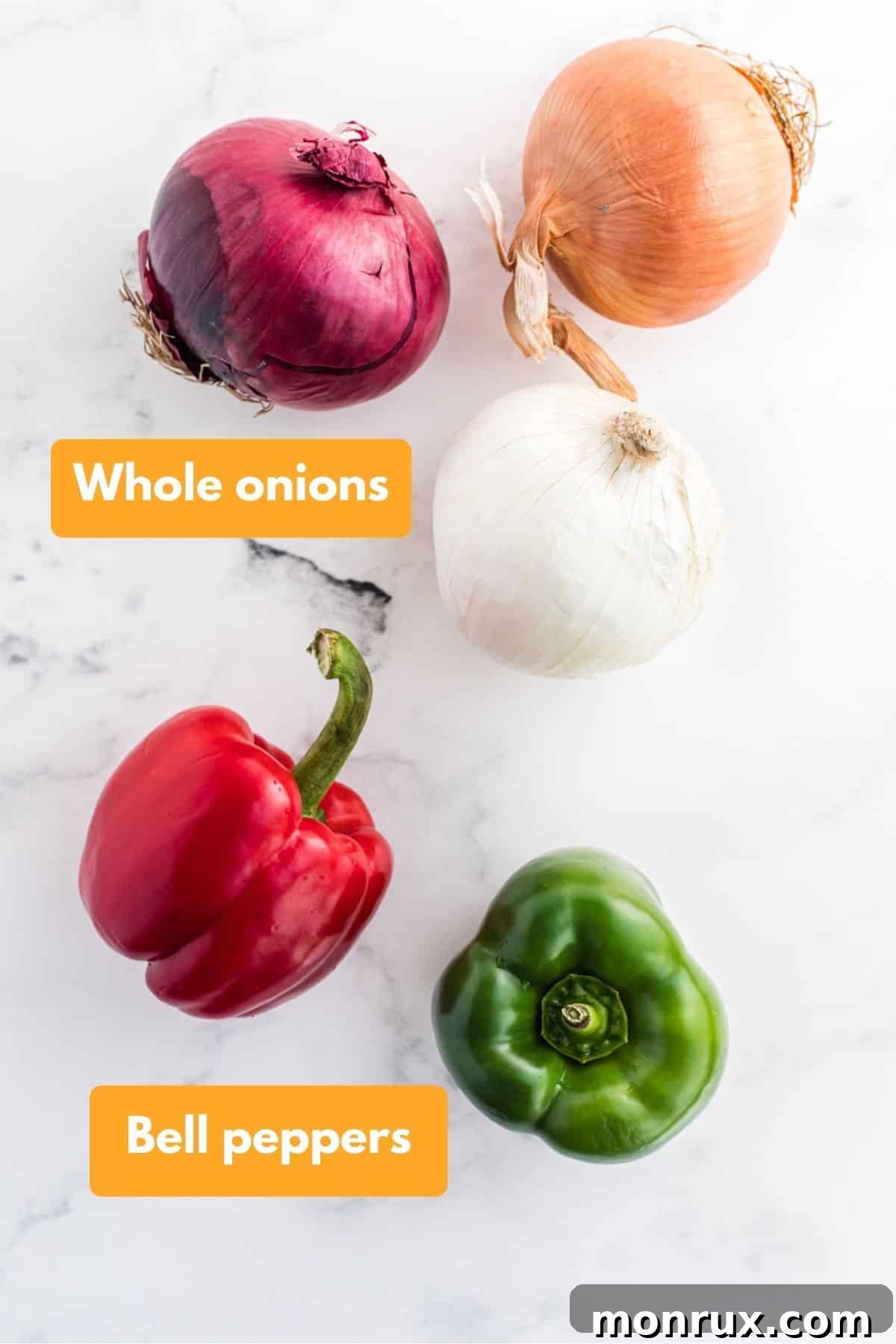
- Bell Peppers: These are excellent candidates for freezing due to their sturdy structure and sweet flavor. You can use any color – red, yellow, orange, or green bell peppers all hold up beautifully in the freezer. Look for peppers that are firm to the touch, brightly colored, and free of soft spots or blemishes. Avoid any that appear wrinkled or dull.
- Onions: White, yellow, and red onions are all suitable for freezing. Choose firm onions with dry, papery skins that are free from sprouts or mold. Their pungent flavor and slightly crisp texture will mellow a bit in the freezer, making them perfect for cooking. However, it’s generally recommended to avoid freezing green onions (scallions) as their delicate texture tends to become mushy and lose its appeal once thawed.
While this guide focuses on these common varieties, the principles can be applied to other sweet peppers as well. For exact quantities for a typical batch, please refer to the recipe card located at the conclusion of this article.
Step-by-Step Guide: How to Freeze Peppers and Onions Perfectly
Freezing peppers and onions is a straightforward process that requires minimal equipment and effort. Follow these simple steps for perfectly prepped vegetables ready for your freezer.
Step One: Prepare Your Produce
Washing and Drying
Begin by thoroughly washing your bell peppers and onions under cool running water. It’s crucial to dry them completely before proceeding. Excess moisture can lead to ice crystals forming and affect the texture of the vegetables once frozen.
Prepping the Onions
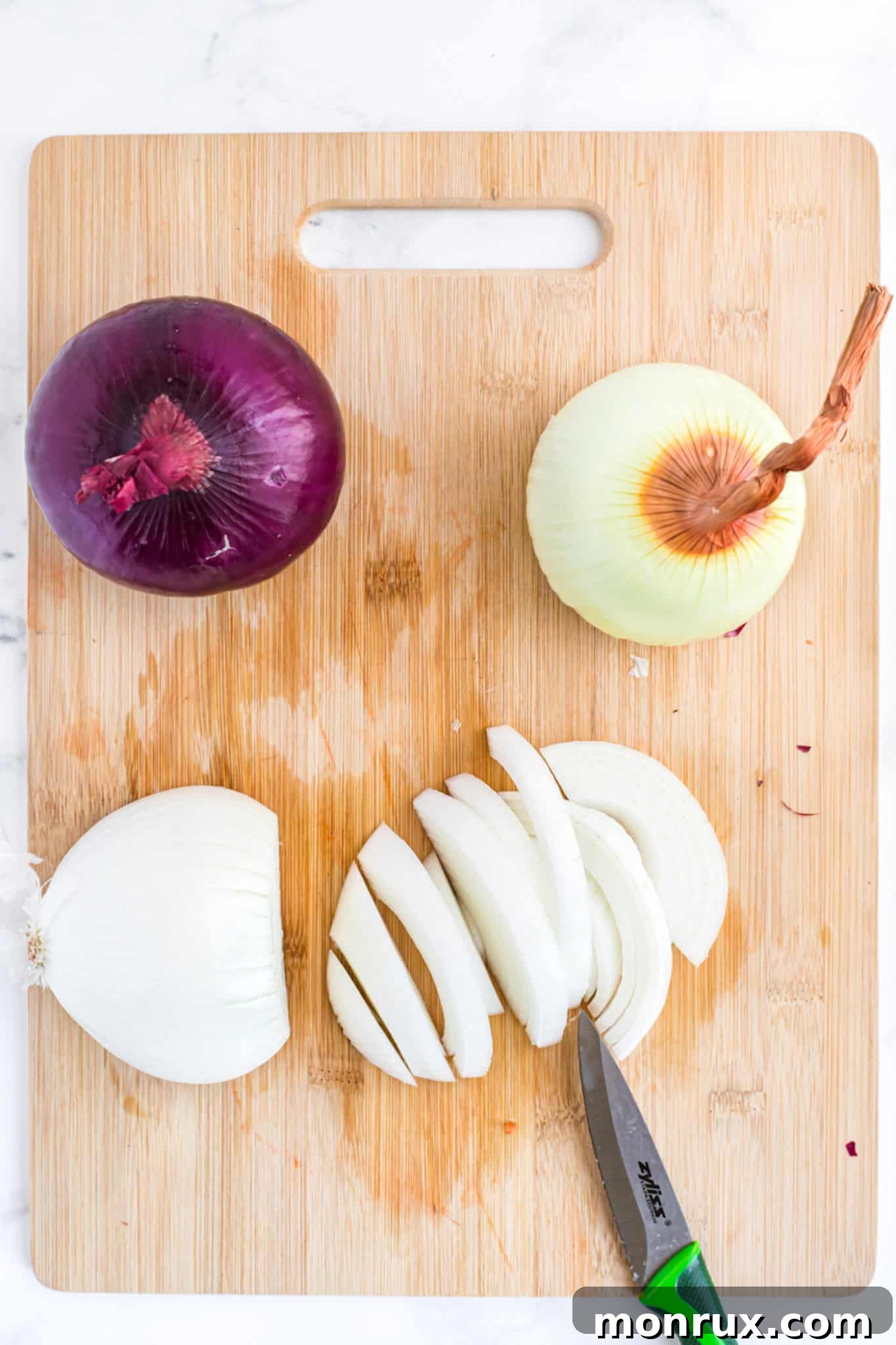
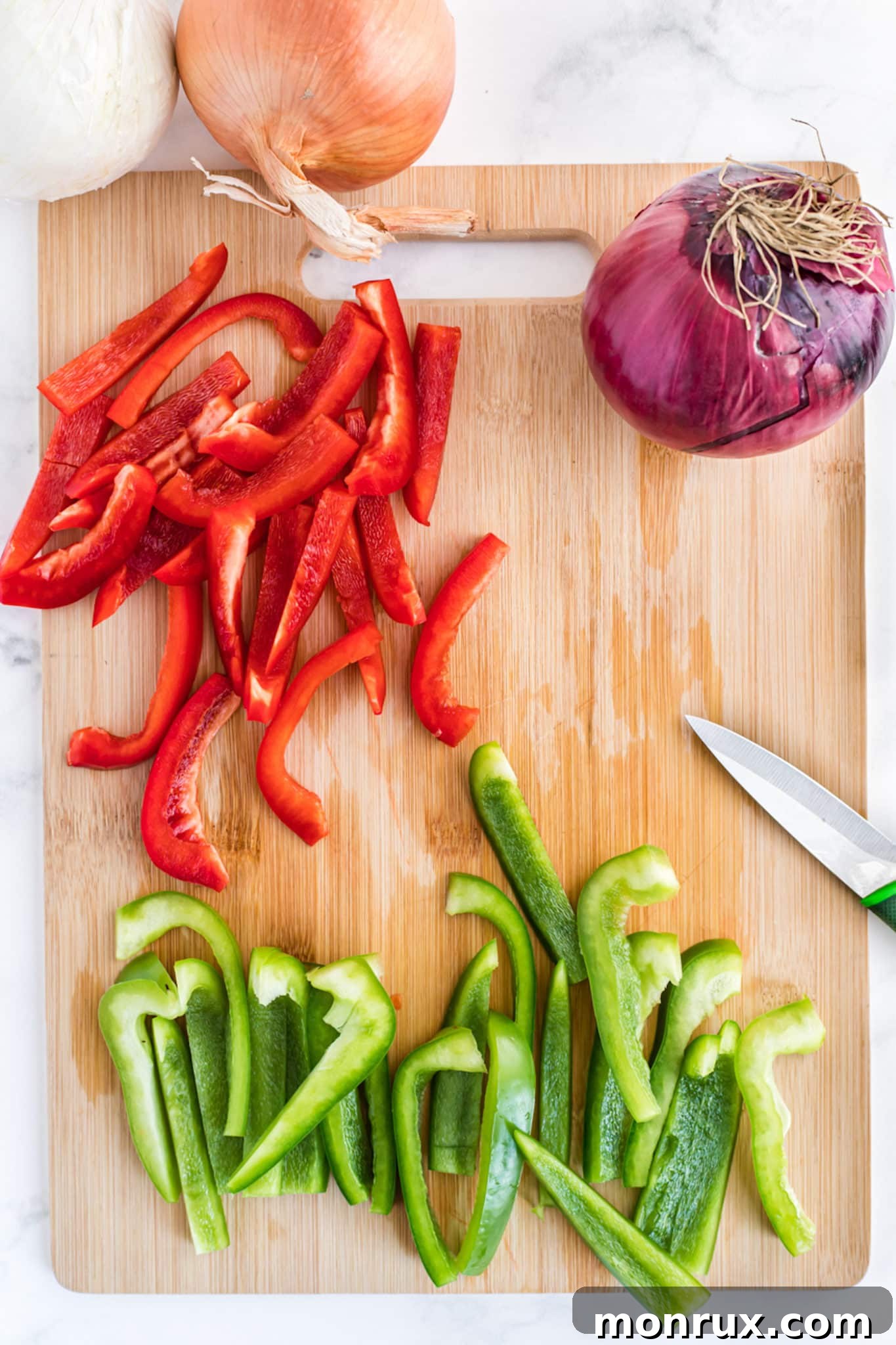
For onions, start by slicing them from root to tip, then trim a small portion off the top and bottom to create clean, flat edges. This makes peeling the papery skin much easier. Decide on your preferred cut: you can slice them into rings, chop them into small dice, or cut them into larger chunks. If you plan to freeze them in halves (which is less common but possible for larger recipes), simply cut off the root end and peel.
Prepping the Peppers
Next, tackle the peppers. Slice each bell pepper in half lengthwise, then carefully remove the stem, all seeds, and any white ribs from the inside. These parts can become bitter or unpleasant after freezing. Just like with onions, cut your peppers into your desired shape and size – whether that’s thin strips for fajitas, small dice for sauces, or larger pieces for roasting. While you can use any color of sweet bell pepper, it’s best to avoid freezing whole peppers, as they take up too much space and are difficult to use from frozen. Also, consider skipping hot peppers for general freezing; their intense flavor can sometimes overpower dishes, and they aren’t as versatile as their sweet counterparts.
Step Two: Flash Freeze for Perfection
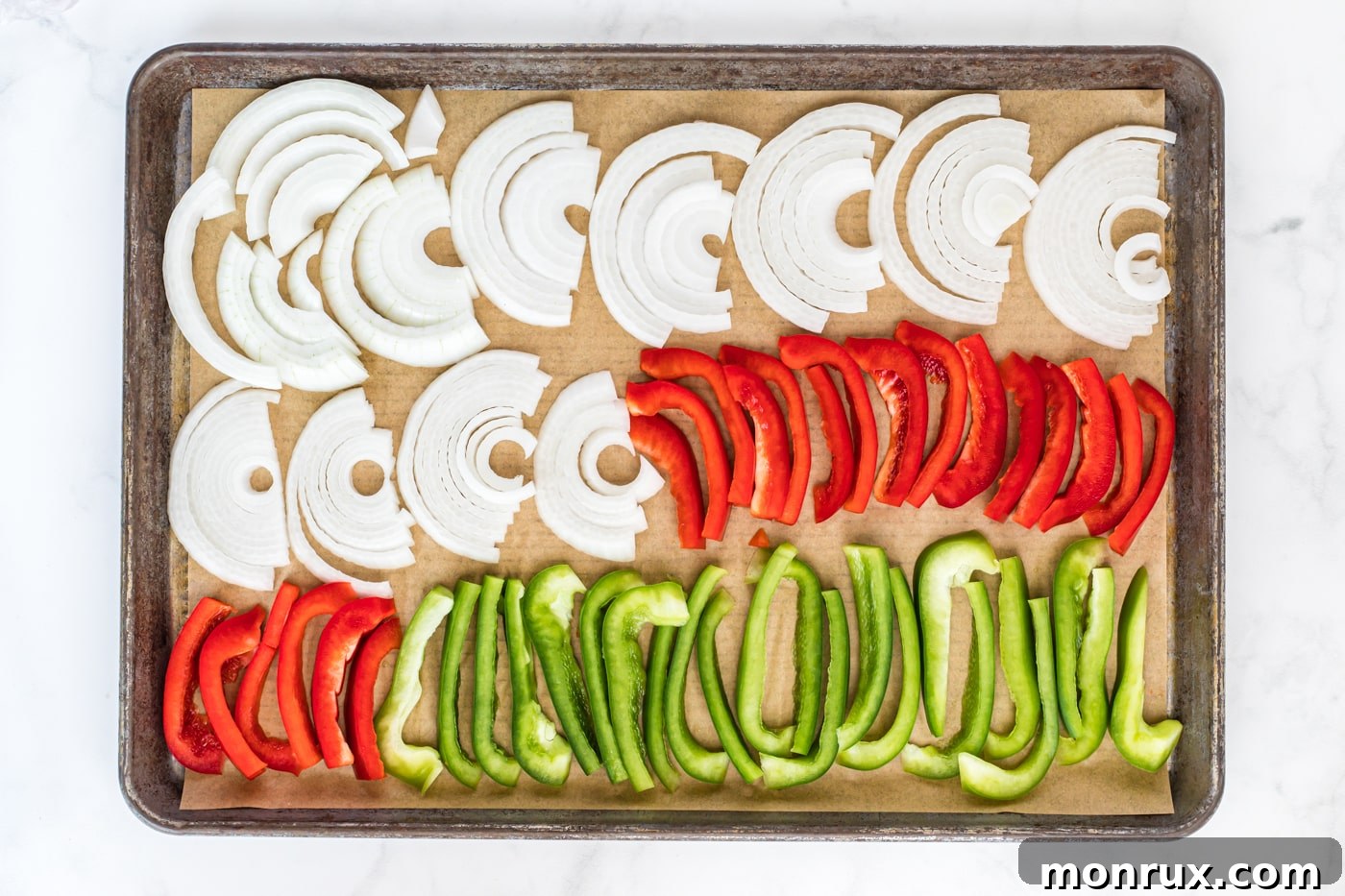
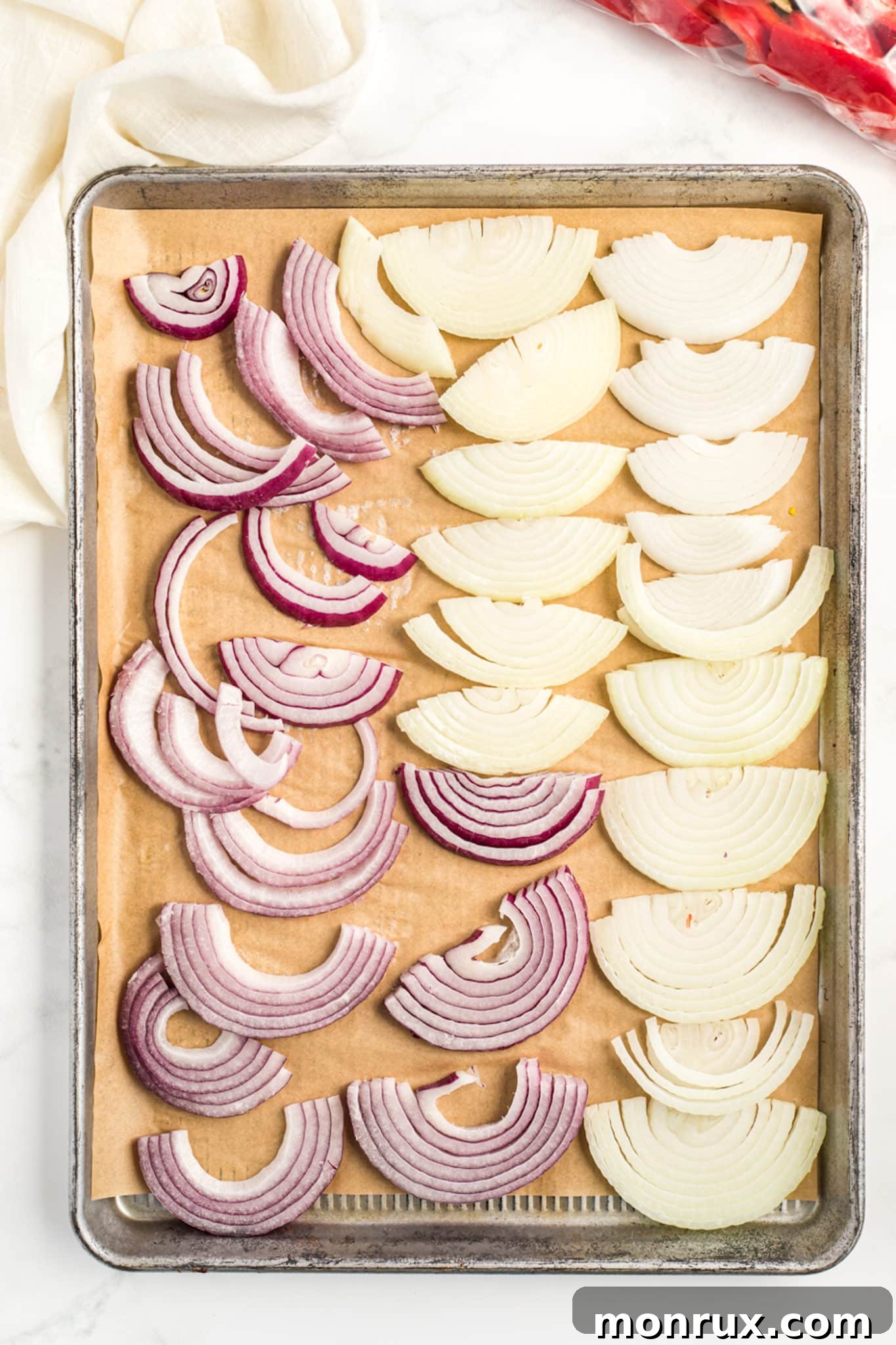
This step is critical for preventing your peppers and onions from clumping together into one solid block, making them much easier to portion and use later. Lay your sliced or diced peppers and onions in a single layer on a parchment-lined baking sheet or cookie sheet. Ensure there’s enough space between the pieces so they don’t touch. This “flash freezing” step ensures that each piece freezes individually.
Place the baking sheet in your freezer and allow the vegetables to freeze solid for approximately 8 to 12 hours, or overnight. This duration ensures they are completely frozen through, preventing them from sticking together when transferred to storage bags.
Step Three: Package and Store for Long-Term Freshness
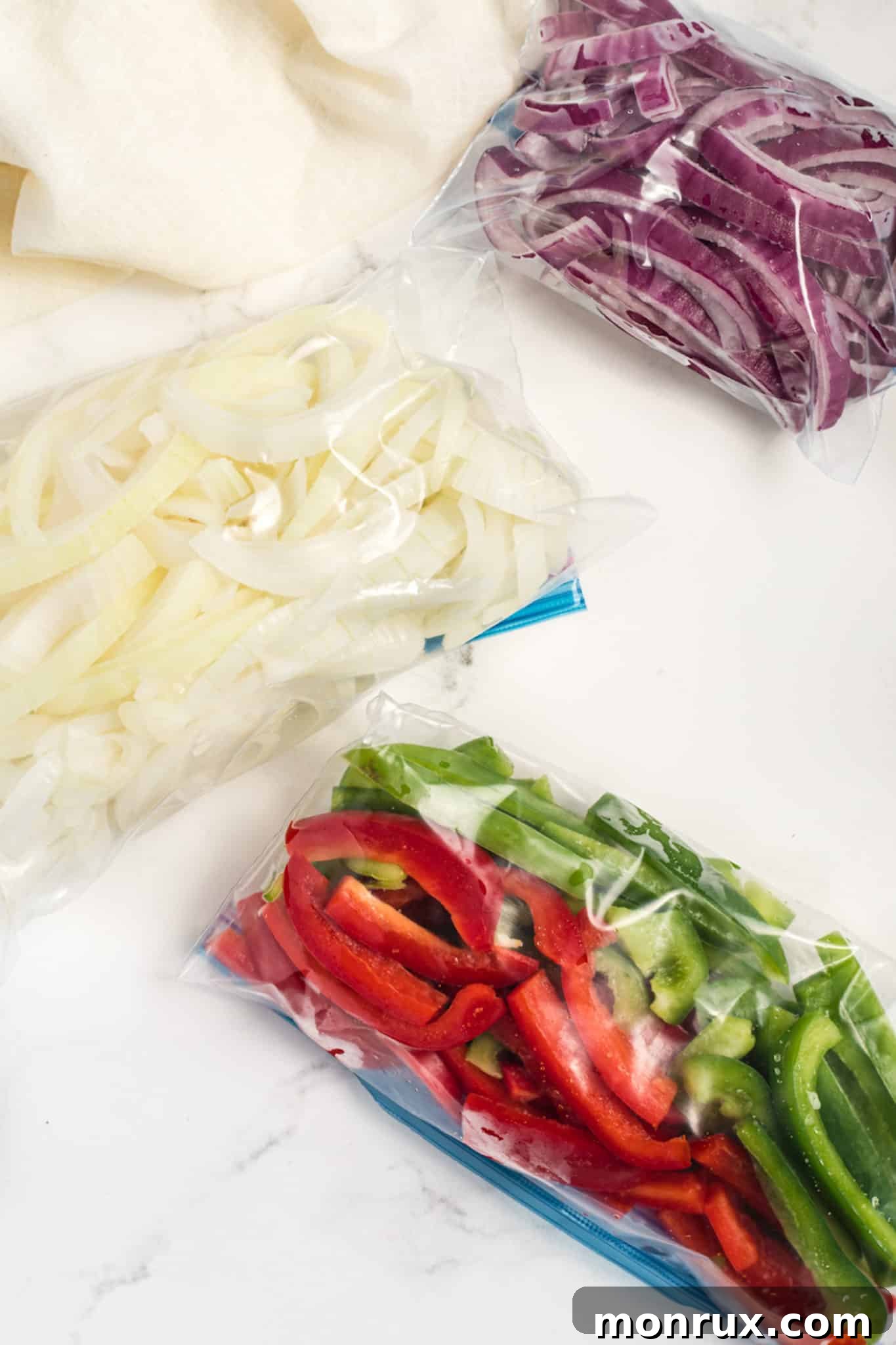
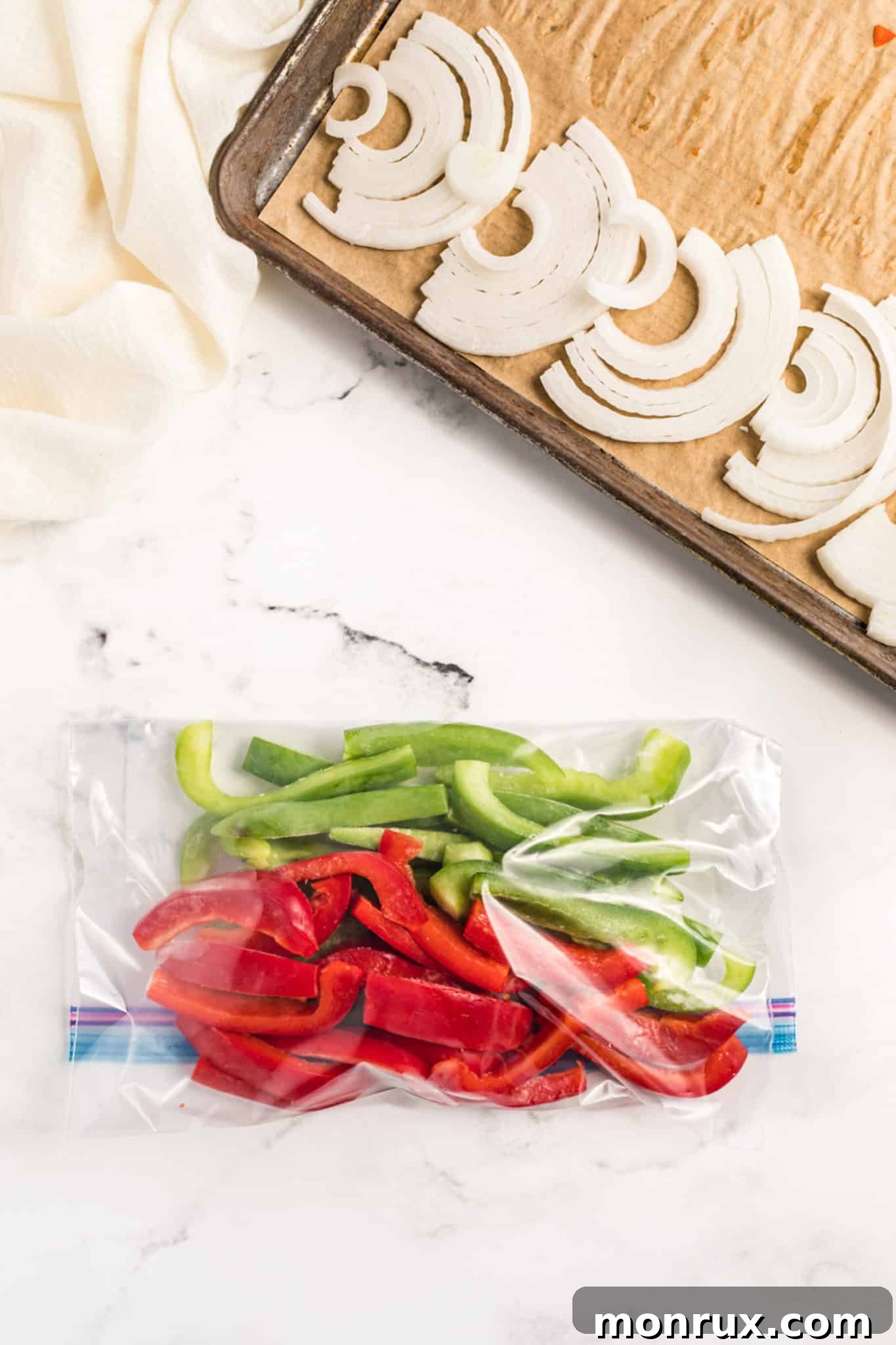
Once your peppers and onions are fully flash-frozen, transfer them from the baking sheet into heavy-duty zip-top freezer bags or airtight freezer-safe containers. Before sealing, gently press out as much air as possible from the bags. Air is the enemy of frozen food, as it contributes to freezer burn, which can affect the taste and texture over time.
Don’t forget to label each bag or container with the contents (e.g., “Sliced Bell Peppers & Onions”) and the date it was frozen. This practice helps you keep track of your freezer inventory and ensures you use your frozen produce within its optimal timeframe. Properly stored, frozen peppers and onions can last beautifully for 10-12 months.
Expert Tips for Freezing Success
- Customize Your Cuts: Feel free to slice, dice, or julienne your onions and peppers into different sizes or shapes. Having bags of various cuts means you’re prepared for any recipe, whether it’s a soup, a stir-fry, or a quick omelet. Consider what sizes you use most frequently.
- Speed Up Prep with a Food Processor: If you’re freezing a large batch, a food processor with a dicing or slicing disk can make quick work of the chopping. This significantly reduces prep time, allowing you to process more vegetables in less time.
- Blanching is Optional (and Often Unnecessary): For peppers and onions, blanching (briefly boiling then chilling) is generally not required before freezing. They hold their flavor and texture well without this extra step, especially if destined for cooked dishes.
- Prevent Freezer Burn: The key to long-lasting frozen vegetables is minimizing exposure to air. Always ensure you press out as much air as possible from zip-top bags. For an even better seal, consider using a vacuum sealer if you have one. This can extend their freezer life and maintain quality.
- Source Quality Produce: Always start with fresh, firm, blemish-free bell peppers and onions. The better the quality of the fresh vegetable, the better it will be after freezing. Look for them in the produce section of your local grocery store or at your community farmers market, especially when in season for the best flavor and price.
- Mix and Match: For ultimate convenience, you can freeze peppers and onions together in the same bag if your recipe calls for both. This creates a ready-to-use vegetable blend that’s perfect for fajitas, chili, or a quick sauté.
Frequently Asked Questions (FAQs) About Freezing Peppers and Onions
Absolutely! Raw peppers freeze exceptionally well without the need for blanching. While their texture might soften slightly upon thawing, they retain much of their nutritional value and are perfectly suited for cooked dishes. You can even use them thawed in some raw applications, though their crispness won’t be the same as fresh.
When properly prepared and stored in airtight containers or heavy-duty freezer bags with as much air removed as possible, both frozen peppers and onions can maintain excellent quality for 10-12 months. After this period, they might still be safe to eat, but their quality, flavor, and texture may start to degrade.
Freezing cooked peppers and onions is just as easy as freezing raw ones. First, allow them to cool completely to room temperature. Then, spread them in a single layer on a parchment paper-lined baking sheet and flash freeze for 8-12 hours. Once solid, transfer them to a zip-top freezer bag or airtight container for long-term storage. They’re perfect for adding to dishes like Air Fryer Sausage and Peppers directly from the freezer!
In most cases, no! For dishes like stir-fries, soups, stews, or fajitas, you can typically add frozen peppers and onions directly to the pan. They will thaw and cook as part of the dish. If a recipe requires a specific sautéed texture, you might prefer to let them thaw partially in the refrigerator for a short time, but often it’s not necessary.
Freezing causes the water content within the vegetable cells to expand, which can break down cell walls. This means that frozen and thawed peppers and onions will generally be softer than their fresh counterparts. They might not be ideal for raw salads where crispness is key, but this softer texture is perfectly fine, and even desirable, for cooked applications where they will be tenderized further.
Creative Recipes Using Frozen Bell Peppers and Onions
Once you have a stash of frozen peppers and onions, the culinary possibilities are endless. Here are some fantastic recipes where these freezer staples shine, making meal prep faster and more enjoyable:
- Honey Sesame Chicken: A quick and flavorful weeknight dinner.
- Chili’s Shrimp Fajitas: Recreate restaurant favorites at home with ease.
- Keto Chicken Fajitas: A low-carb option that doesn’t skimp on flavor.
- Keto Mexican Rice: Add a burst of flavor and color to this satisfying side dish.
- Air Fryer Sausage and Peppers: A simple, delicious, and healthy meal made even quicker with frozen veggies.
- Breakfast Scrambles & Omelets: Toss a handful into your morning eggs for a speedy, nutritious start.
- Soups & Stews: From hearty beef stew to minestrone, they’re a perfect base.
- Chili & Tacos: Enhance the flavor profile of your favorite chili recipe or taco fillings.
- Pizza Toppings: Sprinkle directly onto homemade or store-bought pizza before baking.
- Meatloaf & Meatballs: Finely diced, they add moisture and flavor without extra chopping.
Don’t Miss These Freezer Guides
Mastering freezer meal prep extends beyond just peppers and onions. Expand your kitchen efficiency with these other helpful freezing guides:
We hope this guide inspires you to make the most of your fresh produce! If you try this freezing method, please leave a comment and a starred review below. Your feedback helps other home cooks discover valuable tips.
Stay connected with us for more clean eating recipes and kitchen hacks! You can find us on Facebook, Pinterest, Instagram, and YouTube!
Print Recipe
How to Freeze Peppers and Onions (Easy Guide)
Average: 5 from 1 review
This easy guide demonstrates how to freeze bell peppers and onions, saving you time and money. Perfect for adding to breakfast hashes, fajitas, stir-fries, and more, these frozen veggies are a convenient way to prevent food waste and always have ingredients ready for quick, healthy meals.
- Total Time: 8 hours 15 minutes
- Yield: 4 servings
Ingredients
- 2 whole onions (red, white, or yellow)
- 2 whole sweet bell peppers (any color: red, yellow, green, orange)
Instructions
- Wash and thoroughly dry your onions and bell peppers.
- Slice onions in half, then peel. Proceed to slice or dice them into your desired “recipe ready” format (e.g., strips, cubes, rings).
- Slice peppers in half, remove the stems, and discard all seeds and white ribs. Slice and dice them into your preferred shape and size.
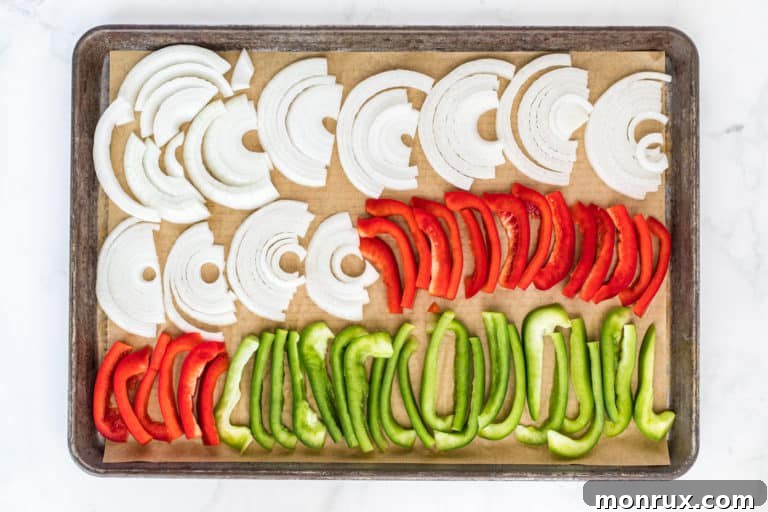
- Arrange the sliced peppers and onions in a single layer on a parchment-lined baking sheet. Freeze for 8-12 hours until completely solid and individually frozen.
- Once fully frozen, transfer the produce into labeled and dated zip-top freezer bags or airtight containers for long-term storage. Press out as much air as possible before sealing.
- Use your frozen peppers and onions directly from the freezer in any cooked recipe for easy meal preparation.
Notes
- Freezing in a single layer first is crucial to prevent the individual pieces from sticking together, allowing for easy portioning later.
- Always gently press your zip-top bag after filling to remove as much air as possible before freezing. This helps prevent freezer burn and preserves quality.
- Store your frozen peppers and onions in the freezer for up to 10-12 months for best quality.
- To save even more time during future cooking, pre-slice or dice your onions and peppers into various sizes. This ensures you have the perfect cut ready for any meal, whether you’re making soup or fajitas.
- For large batches, consider using a food processor with a dicing disk. It can significantly speed up the chopping process, making meal prep a breeze!
- Author: Carrie Forrest, MPH in Nutrition
- Prep Time: 15 minutes
- Cook Time: 8 hours (This refers to the freezing time for the recipe, not active cooking.)
- Category: Healthy
- Method: Freezer
- Cuisine: Healthy
- Diet: Vegetarian
Nutrition
- Serving Size: 1/4 of recipe
- Calories: 47
- Sugar: 5.8 g
- Sodium: 5.5 mg
- Fat: 0.3 g
- Saturated Fat: 0 g
- Carbohydrates: 10.1 g
- Fiber: 2.7 g
- Protein: 1.4 g
- Cholesterol: 0 mg
Don’t forget to join my newsletter list to get exclusive clean eating recipes, valuable tips, and inspiring health insights delivered straight to your inbox. The newsletter is 100% free with no spam; you can unsubscribe anytime.
About the Author: Carrie Forrest holds a master’s degree in public health with a specialization in nutrition and is a certified holistic nutritionist. She is a highly successful wellness and food blogger, attracting over 5 million visitors to her site annually. Carrie shares an incredible personal journey of recovery from chronic illness and is deeply passionate about empowering other women to transform their health. Feel free to reach out to her through her contact form for any inquiries or collaborations.