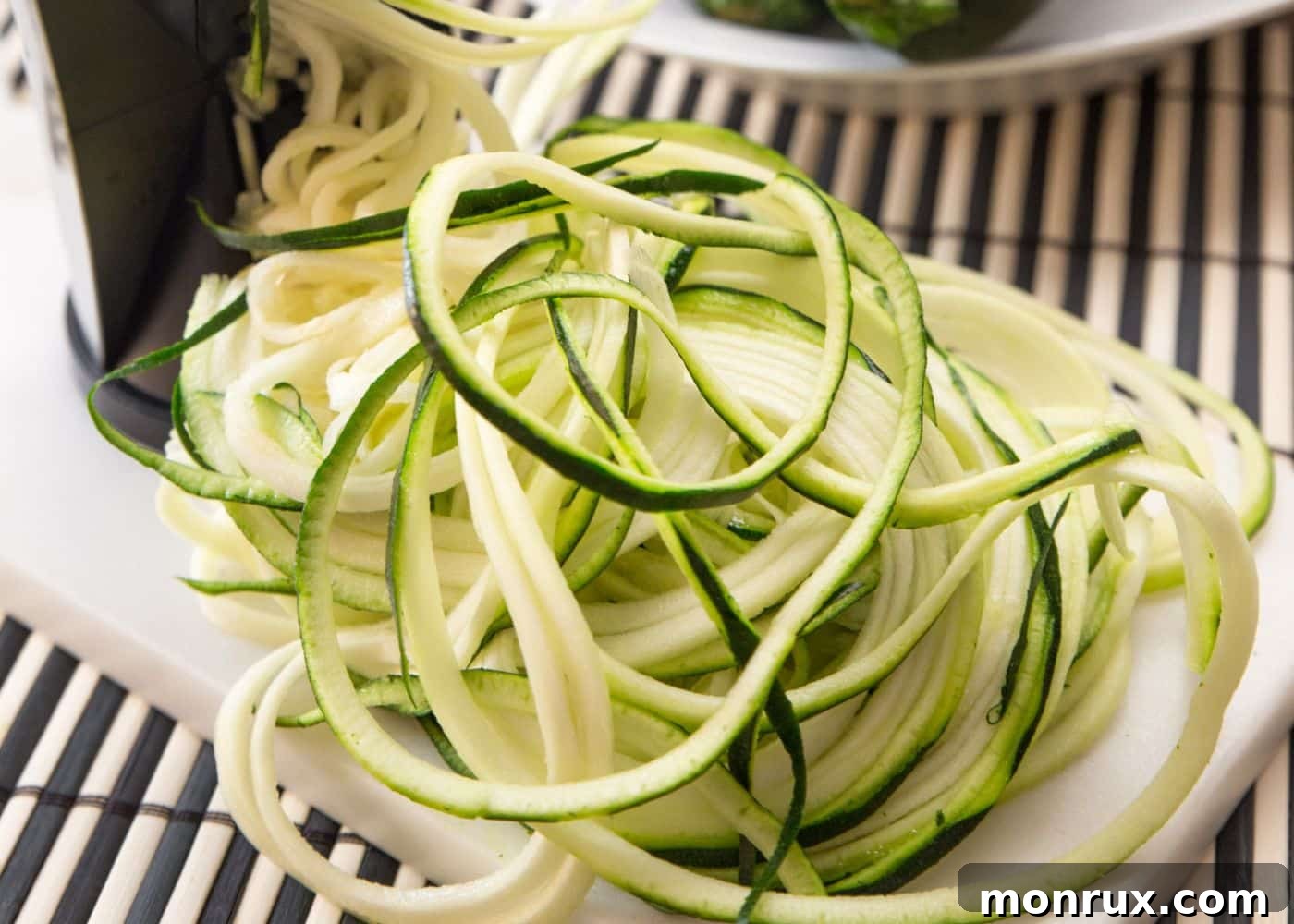
Say goodbye to soggy surprises! Preparing your zucchini noodles (affectionately known as zoodles) properly before freezing is the key to preserving their texture and flavor. This comprehensive guide will walk you through two effective, step-by-step methods for how to freeze zucchini noodles so you can enjoy them later without ever encountering that dreaded mushy mess.
The Magic of Zucchini Noodles: A Healthy Pasta Alternative
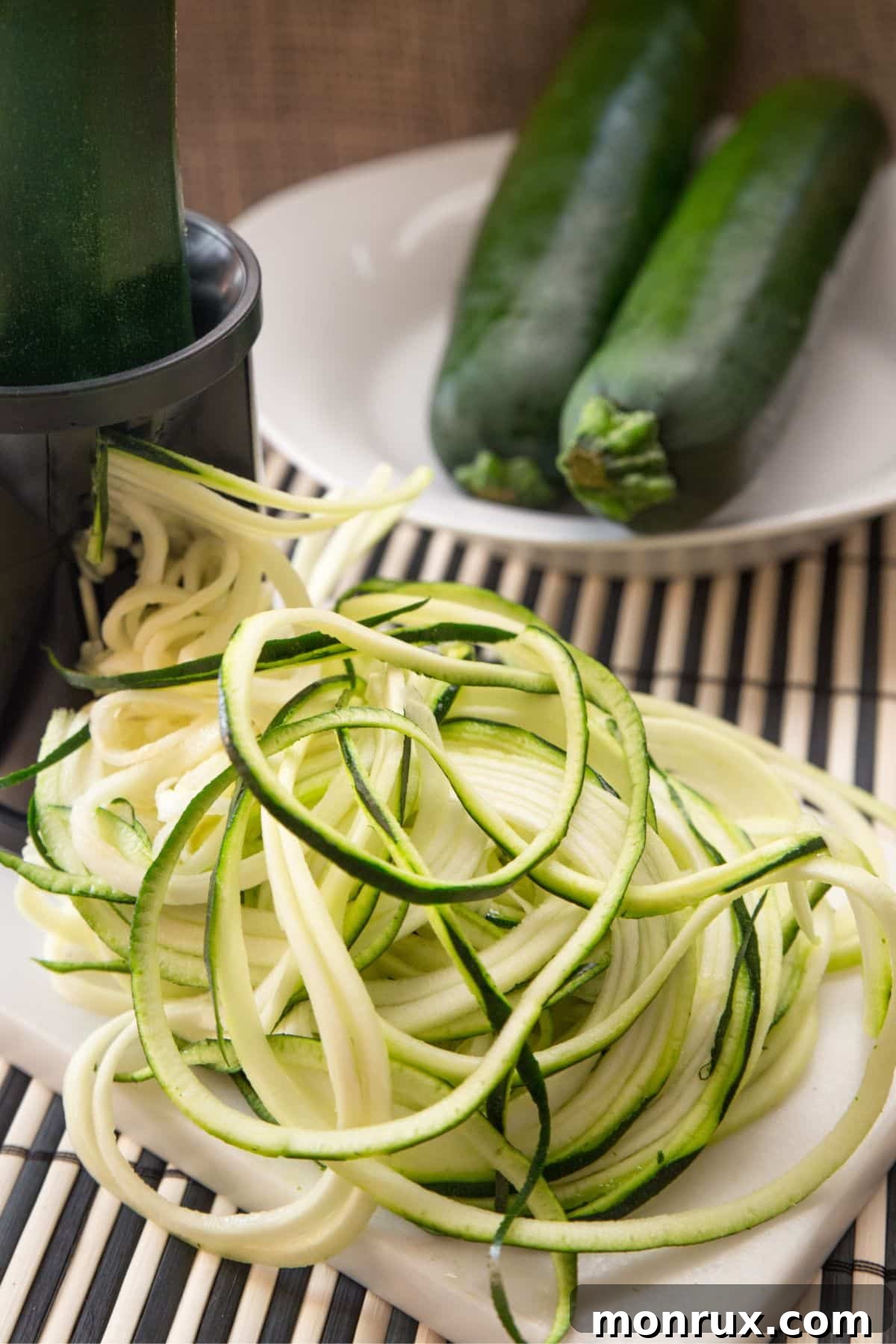
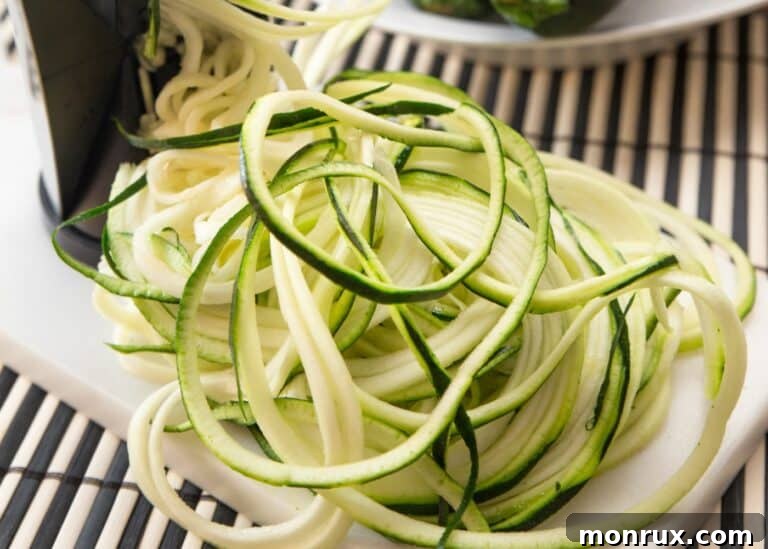
For anyone embracing a gluten-free, low-carb, or simply healthier lifestyle, discovering spiralized zucchini is nothing short of a culinary revolution. These vibrant green strands, often dubbed zoodles, transform the way we think about “pasta” and “noodle” dishes, allowing for guilt-free enjoyment of your favorite meals. They stand out as one of the healthiest and most versatile alternatives to traditional wheat-based pasta, offering a wealth of nutritional benefits without compromising on taste.
Zoodles are remarkably low in carbohydrates and calories, yet surprisingly rich in flavor and essential nutrients like vitamins A and C, potassium, and fiber. Their mild taste makes them an ideal canvas for a wide array of sauces and seasonings, effortlessly pairing with everything from hearty meat sauces to light, fresh pestos. Whether you’re crafting them from scratch using a large, fresh zucchini or opting for the convenience of store-bought spiralized zucchini, their potential for creating delicious, wholesome meals is boundless.
As a huge fan, I particularly love how swiftly I can whip up a delectable gluten- and dairy-free meal. A quick sauté of zoodles with a generous dollop of homemade vegan pesto, a sprinkle of nutritional yeast for that cheesy flavor, and a simple side of crisp romaine salad ticks every box for flavor, crunch, and nutritional impact. This ease and versatility are precisely why freezing zoodles in portion sizes is such a smart move; it ensures you’re always just minutes away from a tasty, nutritious meal, simplifying healthy eating on even the busiest days.
The Challenge of Soggy Zoodles
Zucchini, renowned for its high water content, poses a unique challenge when it comes to freezing. Many home cooks discover that simply tossing raw zoodles into the freezer results in a disappointing, mushy texture upon thawing. While smaller, less mature zucchini might fare slightly better with minimal prep, larger ones almost inevitably transform into a watery mess. To truly achieve that desirable al dente texture even after freezing, a crucial pre-treatment is essential. This guide offers two distinct, tried-and-true methods designed to extract excess moisture, ensuring your frozen zoodles emerge crisp and ready for your favorite dishes.
Preparing for Success: What You’ll Need
Choosing the right tools for your preferred freezing method will streamline the process and contribute significantly to your success in preventing soggy zucchini noodles. Below is a detailed list of the equipment required for each technique.
Method 1: The Dehydrating Approach
This method focuses on drawing out moisture through salting and manual drying, requiring simple kitchen essentials.
Equipment Checklist for Dehydrating:
- A Large Bowl: Select a bowl spacious enough to comfortably hold all your spiralized zucchini. Its primary function will be to collect the liquid drawn out by the salt, so ample capacity is key. Any material, such as plastic, glass, or metal, will work fine.
- Absorbent Kitchen Cloths (Two): You’ll need one clean, thin kitchen towel or an absorbent cloth to line your bowl and allow the zucchini to drain its initial moisture. A second, dry cloth will be indispensable for gently squeezing out any remaining liquid after the salting process. Alternatively, sturdy paper towels can be used for this step, though cloth towels are more environmentally friendly and reusable.
- Freezer-Friendly Storage:
- Zip-Top Freezer Bags: Opt for high-quality, heavy-duty freezer bags specifically designed to withstand freezing temperatures and prevent freezer burn. Ensure you choose the right size to accommodate individual portion sizes.
- Airtight Containers: If you prefer to avoid plastic bags, any freezer-safe, airtight container made of glass or sturdy plastic can be used. The goal is to minimize air exposure to protect the zoodles from ice crystals and freezer burn.
Method 2: The Blanching Technique
Blanching involves a brief cook-and-chill process, requiring a few additional items for temperature control.
Equipment Checklist for Blanching:
- A Large Pot: A deep pot is necessary to boil a sufficient amount of water. It should be large enough to submerge your spiralized zucchini in batches, ensuring even cooking.
- A Large Bowl for Ice Bath: This bowl should be roughly the same size as your boiling pot. It will be filled with ice water to rapidly halt the cooking process after blanching, which is crucial for maintaining the zoodles’ texture and vibrant color.
- Colander or Slotted Spoon/Tongs: Ideally, a colander that fits snugly into both your boiling pot and ice bath will simplify the process of transferring the zoodles. If a suitable colander isn’t available, a large slotted spoon or a pair of tongs can be used to safely move the zucchini strands.
- A Baking Tray: A large, flat baking sheet is essential for spreading out the blanched and dried zoodles for flash-freezing. Ensure it’s big enough to allow the zoodles to lie in a single layer without overcrowding, and that it will fit easily into your freezer. A plastic cutting board or any other freezer-safe flat surface can also serve this purpose.
- Absorbent Kitchen Cloths (Three): You’ll need three clean, absorbent cloths. One for general drying after the ice bath, another for patting the zoodles dry on the baking tray, and a third for any final moisture absorption before bagging. If you don’t have three kitchen towels, any clean, absorbent fabric will suffice.
- Freezer-Friendly Storage:
- Zip-Top Freezer Bags: As with the dehydrating method, high-quality zip-top freezer bags are recommended for portioning and protecting your blanched zoodles from freezer burn.
- Airtight Containers: Freezer-safe airtight containers are an excellent alternative for long-term storage, providing a rigid barrier against freezer damage.
Essential Ingredients for Freezing Zoodles
The beauty of freezing zucchini noodles lies in its simplicity, requiring just two core ingredients: fresh zucchini and salt. However, knowing how to select and utilize these components can significantly impact the quality of your frozen product.
Choosing the Best Zucchini
- For Ready-Made Zoodles: If you’re purchasing pre-spiralized zucchini from the grocery store, always check the expiration date. Opt for the freshest package available to ensure optimal texture and flavor when you prepare them for freezing.
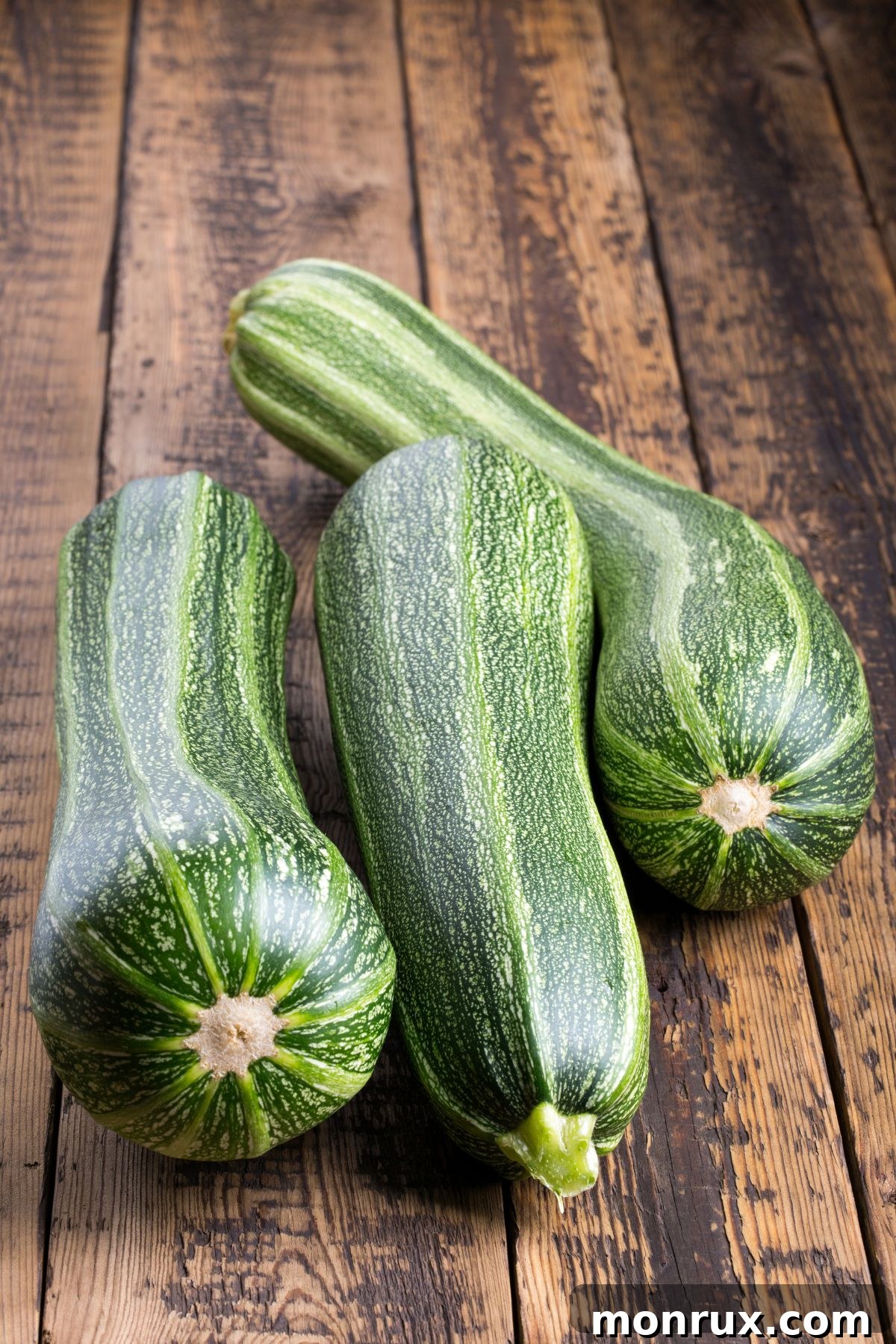
- For Home Spiralizing: When spiralizing zucchini at home, the size of your vegetable matters. Aim for smaller zucchini, ideally around 8 inches in length. Larger zucchini tend to have more developed seeds and a higher water content, which can make them difficult to spiralize successfully and lead to a much soggier result after thawing. They are also prone to becoming more fibrous.
- Spiralizing Tools: You can create zoodles using a dedicated spiralizer tool or a food processor equipped with a spiralizing or shredding attachment. Experiment to find which tool works best for your kitchen.
- Versatile Application: These freezing techniques aren’t limited to zucchini! You can apply the same principles to preserve other spiralized vegetables such as carrots, cucumbers (though they contain even more water), or even sweet potatoes, expanding your repertoire of healthy, prepped ingredients.
The Critical Role of Salt
Any type of salt you have on hand – table salt, sea salt, kosher salt – will work perfectly for this process. Its purpose here is purely functional, not for flavoring the zucchini. The salt acts as a desiccant, drawing out excess moisture from the zucchini through the process of osmosis. This crucial step significantly reduces the water content, which is the primary culprit behind soggy, defrosted zoodles. Don’t worry about the sodium content; the salt will be rinsed off or squeezed out, leaving behind perfectly prepped zucchini with a much-improved texture for freezing.
Step-by-Step Guide: Two Proven Methods to Freeze Zucchini Noodles
Now, let’s dive into the detailed instructions for both methods. Each approach is designed to effectively remove excess water, ensuring your frozen zucchini noodles retain their desired texture and make for delicious meals later.
Detailed Instructions: Method 1 (The Dehydrating Process for Crisp Zoodles)
This method, often referred to as the “salting method,” is ideal for those who prefer to keep their zoodles raw before freezing and rely on salt to draw out moisture naturally.
- Prepare Your Draining Station: Line a large bowl with a clean, thin kitchen towel or another highly absorbent cloth. Ensure the cloth extends over the edges of the bowl to catch any draining liquid. Place your spiralized zucchini into this cloth-lined bowl.
- Salt Generously: Evenly sprinkle salt over the zucchini noodles. A good guideline is to use approximately one tablespoon of salt for every cup of spiralized zoodles you are processing. This amount is sufficient to initiate the osmotic process.
- Gentle Mixing: Use your fingertips to gently toss and mix the salt into the zucchini noodles. You don’t need to apply much pressure; just ensure the salt is evenly distributed. Within about 2 minutes, you’ll notice the zoodles starting to look slightly “soapy” or slick, indicating the salt is beginning its work.
- Allow to Rest and Drain: Let the salted zucchini noodles stand in the cloth-lined bowl for at least one hour, or even up to two hours if you have the time. During this period, the salt will continue to draw out a significant amount of moisture, which will accumulate at the bottom of the bowl and on the cloth.
- Observe Moisture Release: You’ll clearly see the cloth becoming visibly wet, and a pool of liquid will gather in the bowl beneath the zucchini. This is a positive sign that the moisture extraction is working effectively.
- Squeeze Out More Moisture: Gather the corners of the cloth containing the zoodles and gently twist and squeeze to press out as much excess moisture as possible. You can also transfer the zoodles to a second, dry kitchen cloth or a few layers of paper towels for this step, pressing firmly but carefully to avoid breaking the delicate strands. The goal is to get them as dry as possible.
- Air Dry (Optional but Recommended): For optimal results, transfer the semi-dried zoodles to a third clean, dry cloth or spread them thinly on a clean baking sheet. Allow them to air dry for another hour or so. This additional drying time helps evaporate any lingering surface moisture.
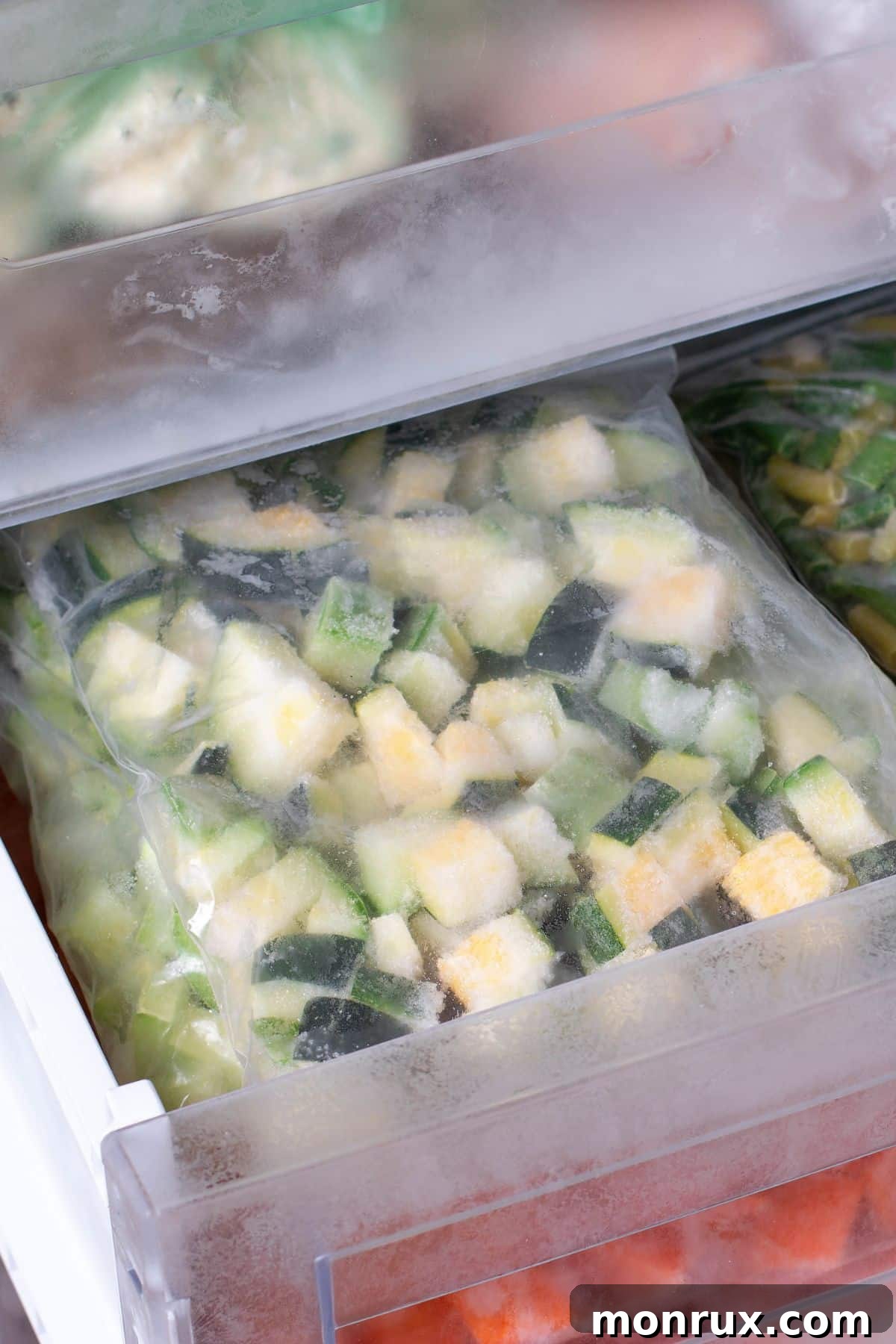
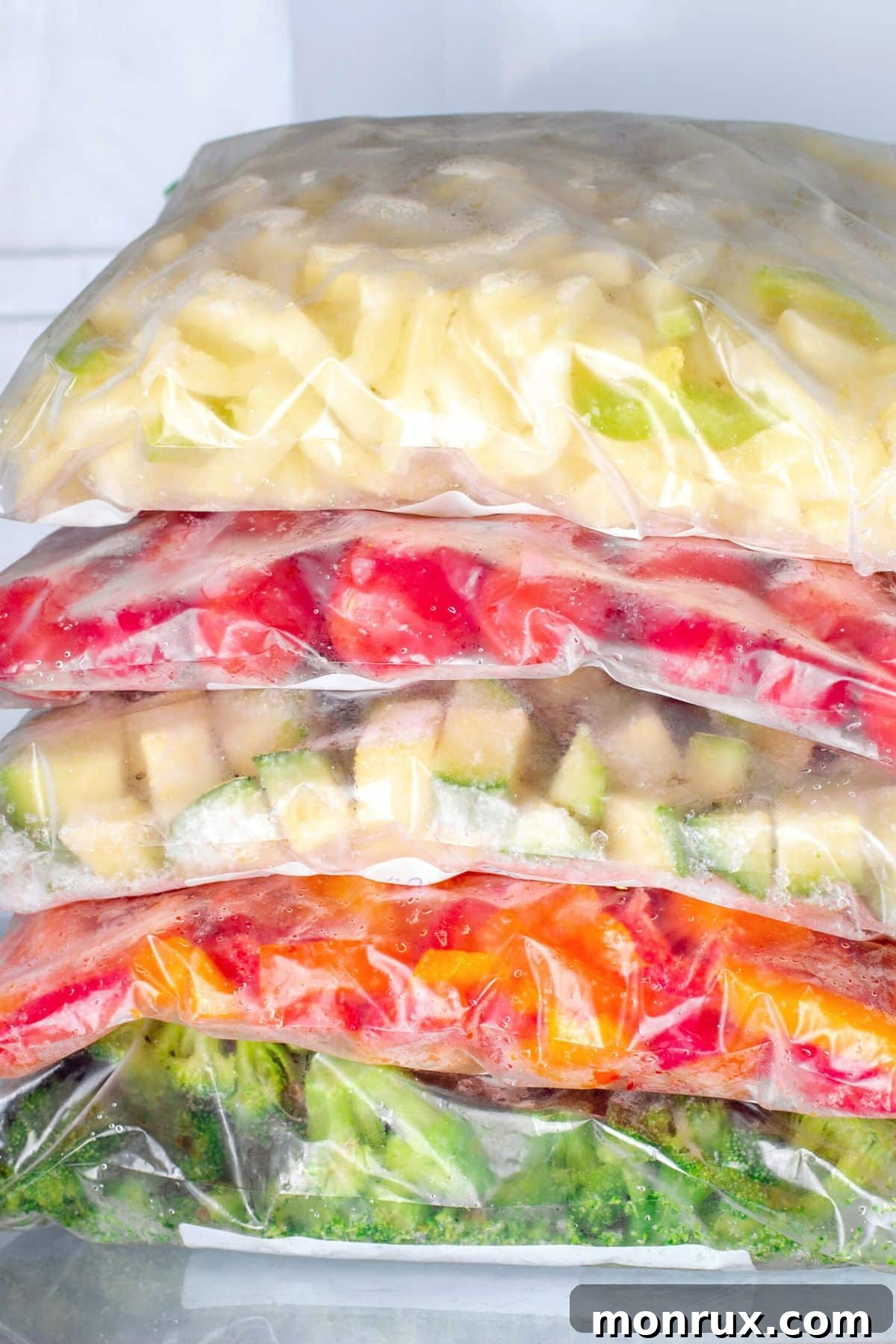
- Portion and Bag: Once the zoodles are as dry as you can get them, divide them into individual, meal-sized portions. Place each portion into freezer-friendly zip-top bags or airtight containers. Removing as much air as possible from the bags (you can use a straw to suck out air or a vacuum sealer) will help prevent freezer burn and preserve their quality.
- Freeze: Place the portioned and sealed zoodles into your freezer. They are now ready for long-term storage and future use.
Detailed Instructions: Method 2 (The Blanching Technique for Perfectly Frozen Zucchini Noodles)
Blanching involves a brief cooking period followed by an ice bath, which helps to deactivate enzymes that cause spoilage and can lead to a mushy texture in the freezer.
- Prepare Your Stations: Fill a large, deep pot halfway with water and bring it to a rolling boil. While the water heats, prepare an ice bath by filling a large bowl with ice and cold water. Line a large baking tray with a clean, dry kitchen cloth or several layers of paper towels; this will be your drying station.
- Blanch the Zoodles: Place your spiralized zucchini into a colander. Once the water is boiling, carefully immerse the colander containing the zoodles into the boiling water for precisely two minutes. This brief cooking time is enough to deactivate the enzymes without fully cooking the zucchini.
- Shock in Ice Bath: Immediately after two minutes, remove the colander from the boiling water and plunge it into the prepared ice bath. Let the zoodles sit in the ice water for one minute. This rapid cooling stops the cooking process, helping the zucchini retain its crispness and vibrant green color.
- Thorough Drying: Transfer the blanched and shocked zucchini noodles from the ice bath to your prepared baking tray. Spread them out in a single layer to allow maximum air circulation. Gently pat them dry with a clean cloth to absorb as much surface moisture as possible. The drier they are, the less likely they are to stick together and develop ice crystals.
- Flash-Freeze for Separation: Place the entire baking tray with the dried zoodles directly into the freezer for at least 30 minutes, or until they are firm but not completely frozen solid. This crucial “flash-freezing” step prevents the zoodles from clumping together into one large mass when you eventually bag them, allowing you to easily grab individual portions later.
- Portion and Bag: Once flash-frozen, quickly transfer the individual zoodle strands into freezer-friendly zip-top bags or airtight containers. Divide them into convenient meal-sized portions. Squeeze out as much air as possible before sealing to prevent freezer burn.
- Final Freeze: Return the sealed portions to the freezer for long-term storage.
Benefits of Freezing Zucchini Noodles
Beyond simply preserving a summer harvest, freezing zucchini noodles offers a multitude of advantages for health-conscious home cooks:
- Locks in Nutrition: Vegetables begin to degrade nutritionally shortly after harvesting. Freezing acts as a “pause button,” locking in the vitamins, minerals, and antioxidants at their peak freshness, ensuring you get the most out of your healthy meals.
- Reduces Food Waste: Zucchini often yields abundant harvests, and freezing spiralized zucchini is an excellent strategy to utilize and preserve this bounty. It prevents perfectly good produce from going to waste, making your kitchen more sustainable.
- Convenient Mid-Week Meals: Frozen zoodles are a lifesaver for busy weeknights. Having prepped portions ready in the freezer means you’re always just minutes away from a healthy, gluten-free, and low-carb meal. No more last-minute stress about what to cook!
- Encourages Vegetable Intake: For families, especially those with picky eaters, zoodles can be a fun and delicious way to incorporate more vegetables into their diet. Simply add their favorite pasta sauce and perhaps some Parmesan cheese (or a dairy-free alternative), and they’ll likely gobble it up without complaint!
- Cost-Effective: Buying zucchini in season when prices are lower and then freezing it allows you to enjoy this versatile vegetable year-round without paying premium off-season prices.
- Dietary Flexibility: For those managing specific dietary needs like gluten intolerance, diabetes, or those following ketogenic or paleo diets, frozen zoodles provide a reliable and convenient staple that fits perfectly into their meal plans.
Optimizing Your Frozen Zoodles: Essential Freezing Tips
To get the most out of your frozen zucchini noodles and ensure they stay delicious for as long as possible, keep these expert tips in mind:
- Combat Food Waste Effectively: Freezing zucchini noodles is one of the best strategies for avoiding food waste, especially during peak harvest season. Make it a routine to spiralize and freeze any excess zucchini.
- Prioritize Moisture Removal: Always adhere to either the dehydrating method or the blanching method as described above. Skipping these crucial steps is the primary reason for soggy, unappetizing noodles once thawed. The less water in the zucchini before freezing, the better its texture will be after thawing.
- Prevent Freezer Burn: Freezer burn occurs when food is exposed to air, leading to dehydration and changes in texture and flavor. To avoid this:
- Use Proper Containers: Always use freezer-safe containers such as heavy-duty zip-top bags, specialized freezer bags, or sturdy glass containers. These are designed to create a tight seal and withstand extreme cold.
- Remove Air: When using bags, press out as much air as possible before sealing. For an even better seal, consider using a vacuum sealer, which can significantly extend the freezer life of your zucchini by removing virtually all air.
- Pack Tightly: Fill containers as much as possible to minimize empty space where air can accumulate.
- Label Clearly: Always label your freezer bags or containers with the contents (e.g., “Zoodles – Dehydrated,” “Zoodles – Blanched”) and the date they were frozen. This helps with organization and ensures you use the oldest items first.
- Store Flat: If using freezer bags, lay them flat in the freezer until solid. Once frozen, they can be stacked vertically to save space.
Thawing and Cooking Frozen Zucchini Noodles
The way you thaw and cook your frozen zoodles is just as important as how you freeze them to maintain their best texture. Avoid simply thawing them in the fridge overnight, as this can still lead to some sogginess as ice crystals melt.
- No Thawing Required (Preferred Method): For best results, it’s often best to cook frozen zoodles directly from the freezer. This minimizes the amount of time they sit in their own melting water.
- Quick Sauté or Stir-Fry: Add frozen zoodles directly to a hot pan with a little olive oil or your favorite sauce. Sauté quickly for just 2-3 minutes, stirring constantly, until they are heated through and slightly tender-crisp. Avoid overcooking, which will make them soft.
- Add to Soups/Stews: Drop frozen zoodles into hot soups or stews during the last few minutes of cooking. They will quickly warm through without needing to be thawed separately.
- Baking/Casseroles: If adding to a baked dish or casserole, you might want to give them a quick sauté first to remove some initial moisture, then add them to your recipe.
- Microwave (Use with Caution): If you must microwave, do so in short bursts (30-60 seconds), stirring in between, and drain any accumulated water. This method is generally less ideal for preserving texture.
Best Uses for Frozen Zucchini Noodles: Frozen zoodles are excellent for:
- Quick pasta dishes with your favorite sauce (pesto, marinara, alfredo).
- Adding bulk and nutrients to stir-fries.
- A healthy base for noodle soups.
- Incorporating into frittatas or omelets.
- Making a quick side dish with garlic and herbs.
Frequently Asked Questions About Freezing Zucchini Noodles
If you prepare and freeze your zoodles properly using either the dehydrating or blanching method, they can maintain good quality in your freezer for up to a year. However, for the absolute best flavor and texture, it’s recommended to use them within 2-3 months. Beyond that, while still safe to eat, their quality might slowly diminish.
The culinary possibilities for zoodles are endless! You can use them in almost any dish where you’d typically use traditional noodles or spaghetti. They’re fantastic simply tossed with pesto or your favorite pasta sauce for a quick, light meal. You can sauté them with a little olive oil and fresh garlic for a minimalist side, or incorporate them into more elaborate dishes like Asian-inspired Pad Thai, vibrant stir-fries, or even cold noodle salads. They also work well as a base for chicken or shrimp scampi.
Absolutely, spiralized zucchini is incredibly healthy! Zucchini is a nutrient-dense vegetable offering a wide range of health benefits. It’s low in calories and carbohydrates, yet rich in essential vitamins (like A and C), minerals (such as potassium and manganese), and dietary fiber, which aids digestion. Furthermore, it contains beneficial antioxidants, contributing to overall well-being. It’s an excellent choice for adding volume and nutrients to meals without excess calories.
Flash-freezing the blanched and dried spiralized zucchini is a critical step to prevent the zoodles from clumping together. When individual strands are briefly frozen in a single layer, they become firm enough that when you transfer them to a freezer bag, they remain separate. This means you can easily grab just the amount you need for a single serving without having to thaw an entire block of frozen zucchini, making meal prep much more convenient.
While you technically *can* freeze raw zoodles without any prep, it’s generally not recommended, especially for larger zucchini. Due to their high water content, raw zoodles frozen without pre-treatment almost always turn into a very watery, mushy, and unappetizing mess upon thawing. The dehydrating or blanching methods are essential for minimizing water content and preserving a more desirable texture, preventing that soggy outcome.
I hope you find this guide incredibly useful for your healthy kitchen! If you try these methods, please consider leaving a comment and a starred review below.
And, to stay connected and receive more clean eating recipes and tips, follow me on social media. You can find me on Facebook, Pinterest, Instagram, and YouTube!
Print Recipe
Complete Recipe Card: How to Freeze Zucchini Noodles Without Getting Soggy
5 from 1 review
Preparing zoodles correctly before freezing them is paramount for preserving their delightful texture. This comprehensive recipe card outlines two proven methods – dehydrating and blanching – to ensure your homemade spiralized zucchini remains firm and flavorful, ready for any meal.
- Total Time: 3 hours 5 minutes (includes prep and waiting time)
- Yield: 4 servings (approximately 4 cups of spiralized zucchini)
Ingredients
- 4 cups spiralized zucchini (from about 2-3 medium zucchinis)
- 1-2 tablespoons salt (for the dehydrating method, adjust based on zucchini volume)
- Water and ice (for the blanching method)
Instructions (Choose Your Preferred Method)
Method 1: The Dehydrating Method
- Line a large bowl with a clean, thin kitchen towel or absorbent cloth. Place the spiralized zucchini into the bowl.
- Sprinkle 1 tablespoon of salt for every cup of zoodles over the zucchini.
- Use your fingertips to gently mix the salt in. The zoodles will begin to look slightly slick after about 2 minutes.
- Allow the salted zucchini to stand for approximately 1 hour (or up to 2 hours for more moisture removal).
- You will notice the cloth and bottom of the bowl accumulating liquid.
- Gather the cloth and gently squeeze out the excess moisture. You can also transfer to a second dry cloth for further pressing.
- Spread the semi-dried zoodles onto a third clean cloth or baking sheet and let them air dry for another hour or so.
- Divide the dried zoodles into individual portions and place them into freezer-friendly zip-top bags or airtight containers. Remove as much air as possible.
- Place the sealed portions in the freezer until ready to use.
Method 2: The Blanching Method
- Fill a deep pot halfway with water and bring it to a boil. Prepare a large bowl of ice water and line a baking tray with a clean, dry kitchen cloth.
- Place zoodles into a colander and immerse them in the boiling water for exactly two minutes.
- Immediately transfer the colander to the ice bath and let the zoodles cool for one minute.
- Remove the zoodles from the ice bath and spread them in a single layer on the prepared baking tray. Pat them thoroughly dry with a clean cloth.
- Place the entire tray into the freezer for 30 minutes to flash-freeze the zoodles individually.
- Once flash-frozen, transfer the zoodles to freezer-friendly bags or airtight containers, portioning as desired and removing excess air.
- Return the sealed portions to the freezer for long-term storage.
Notes
- Storage Duration: While frozen zoodles can last up to a year, for best quality, aim to use them within 2-3 months.
- Thawing & Cooking: For optimal texture, cook frozen zoodles directly from the freezer in a hot pan for 2-3 minutes, or add to soups/stews in the last few minutes. Avoid thawing at room temperature or in the refrigerator, as this can lead to sogginess.
- Portion Control: Freezing zoodles in single-serving or meal-sized portions makes them incredibly convenient for quick meals.
- Author: Carrie Forrest, MPH in Nutrition
- Prep Time: 5 minutes
- Cook Time: 3 hours (refers to waiting/drying time for dehydrating method)
- Category: Side Dish, Meal Prep
- Method: Freezer, Dehydrating, Blanching
- Cuisine: Healthy, American
- Diet: Vegetarian, Vegan-friendly, Gluten-Free, Low-Carb
Nutrition
(Based on 1/2 of a spiralized zucchini, approximate values)
- Serving Size: 1/2 of spiralized zucchini
- Calories: 28
- Sugar: 4 g
- Sodium: 12.9 mg
- Fat: 0.5 g
- Saturated Fat: 0.1 g
- Carbohydrates: 5 g
- Fiber: 1.6 g
- Protein: 2 g
- Cholesterol: 0 mg
More Zucchini Recipes You’ll Love
Zucchini’s versatility extends far beyond just “pasta” dishes. Explore these other fantastic zucchini recipes to make the most of this nutritious vegetable:
- How to Freeze Zucchini for Smoothies (a different approach for a different use!)
- Hearty Zucchini Potato Soup
- Delicious Gluten-Free Zucchini Bread
- Crispy Air Fryer Zucchini Chips
Essential Freezer Guides for a Well-Stocked Kitchen
Mastering the art of freezing can revolutionize your meal prep and reduce food waste. Don’t miss these other helpful guides:
Don’t forget to join my newsletter list to get exclusive clean eating recipes and tips delivered straight to your inbox. The newsletter is 100% free with no spam; you can unsubscribe anytime.
About the Author: Carrie Forrest holds a master’s degree in public health with a specialty in nutrition and is a certified holistic nutritionist. She is a prominent wellness and food blogger, attracting over 5 million annual visitors to her site. Carrie shares an inspiring story of recovery from chronic illness and is deeply passionate about empowering other women to transform their health through clean eating. Feel free to send her a message through her contact form.