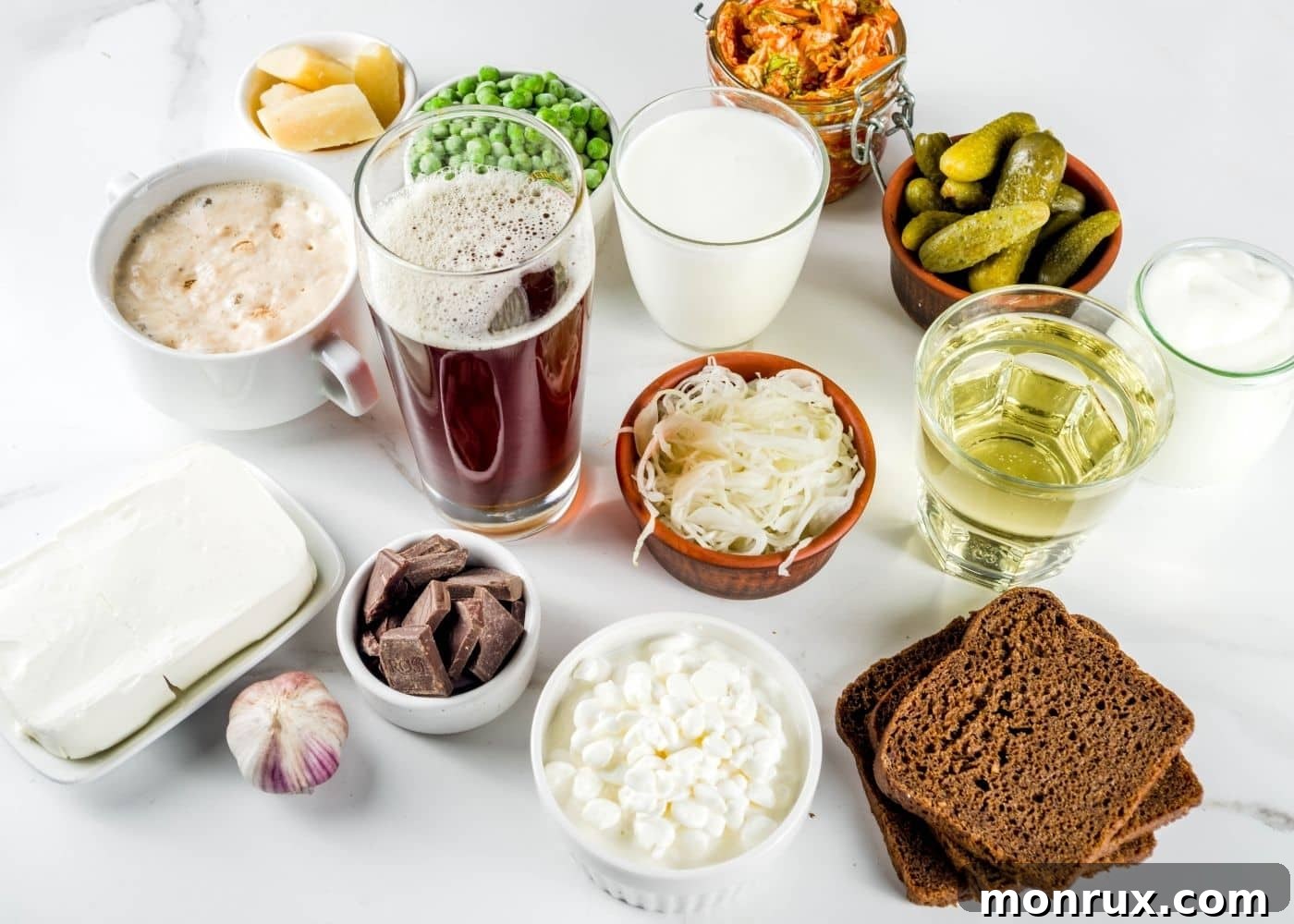
Are you one of the millions struggling with persistent gut issues? From occasional discomfort to more chronic conditions like IBS or leaky gut syndrome, digestive problems can significantly impact your daily life and overall well-being. The good news is that cultivating a healthy gut doesn’t have to be complicated. By making informed dietary choices, you can embark on a journey toward profound gut healing and improved health. This comprehensive guide delves into a selection of powerful gut-healing foods that can transform your digestive landscape, alongside crucial foods to avoid for optimal gut health. Get ready to nourish your body from the inside out and discover a path to lasting digestive comfort and vitality.
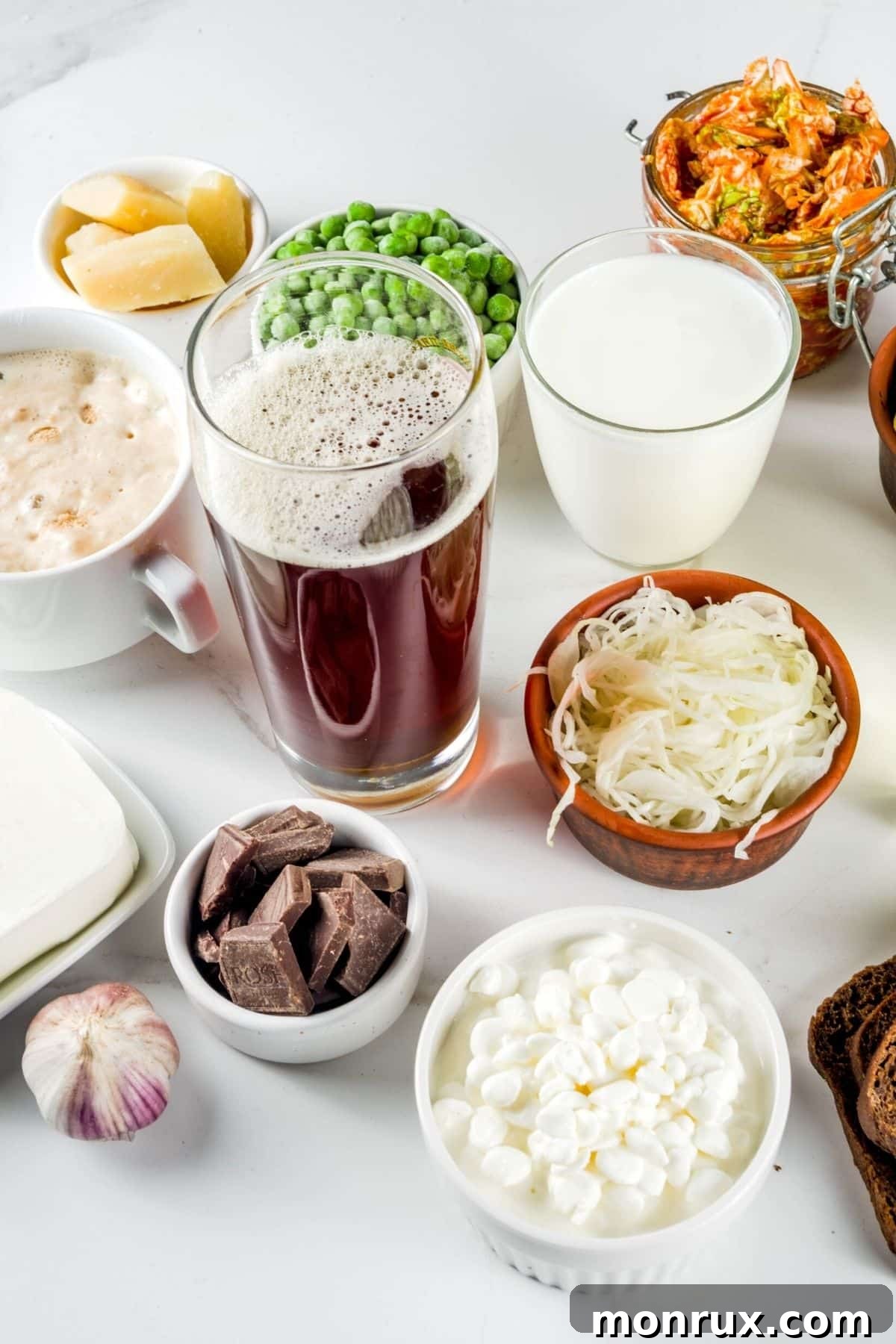
Gut Healing Foods: Your Path to Digestive Wellness
Incorporating specific, nutrient-dense foods into your diet is a cornerstone of any gut-healing strategy. These foods are carefully chosen for their unique ability to soothe inflammation, repair gut lining, foster beneficial bacteria, and improve overall digestive function. Here’s a closer look at some of the top gut health foods that can significantly enhance your digestion and well-being.
1. Bone Broth

Crafted by simmering animal bones and connective tissues for an extended period, bone broth is far more than just a flavorful liquid; it’s a superfood rich in essential nutrients vital for gut repair. Its nutritional profile includes a powerful blend of minerals and compounds renowned for their gut-healing properties.
At the heart of bone broth’s benefits are collagen and gelatin, which are crucial for maintaining the integrity of the intestinal lining. These compounds are complemented by three key amino acids: glutamine, proline, and arginine. Together, these nutrients work synergistically to help heal damage to the intestinal wall, effectively preventing conditions like leaky gut syndrome (intestinal permeability). Beyond repair, bone broth actively supports a robust immune system and aids in keeping chronic inflammation at bay, offering comprehensive digestive support.
For maximum nutritional benefit, strive to use a variety of bones (e.g., chicken, beef, fish) when making your broth. A crucial tip is to add a splash of apple cider vinegar during the simmering process; this acidity helps extract the vital minerals and collagen from the bones into the liquid, enhancing its healing power.
You can explore delicious ways to incorporate bone broth into your diet with this Bone Broth recipe or try my soothing recipe for Bone Broth Rice.
It’s important to note that bone broth, like other fermented foods, is considered high in histamines. For individuals following a low-histamine diet, or those sensitive to collagen protein (which can manifest as allergy symptoms or side effects), caution is advised. Begin with a small serving, just a few ounces, to assess your body’s reaction, then gradually increase your intake to about 6-10 ounces per day if tolerated. Listening to your body is key to integrating this powerful healing food effectively.
2. Dandelion Greens & Bitter Greens
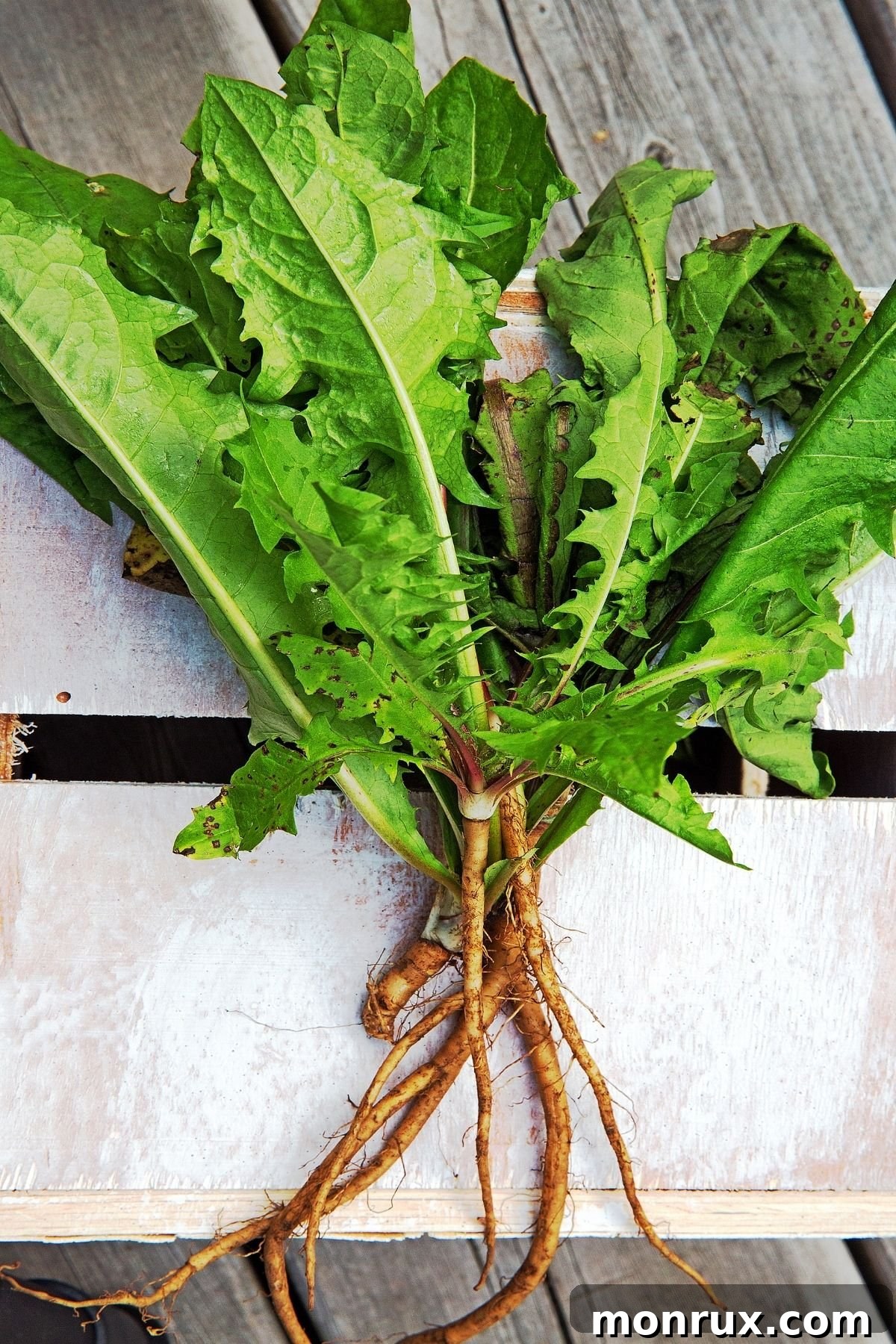
For centuries, “bitters” such as dandelion greens, endive, radicchio, and arugula have been celebrated for their remarkable ability to stimulate digestion. Their inherent bitterness acts as a natural trigger, encouraging the body to increase its production of stomach acid and digestive enzymes. This enhanced enzymatic activity is crucial for breaking down food more efficiently, leading to better nutrient absorption and reduced digestive discomfort.
Beyond their digestive aid, preliminary research, primarily in animal studies, suggests that dandelion greens may possess significant anti-inflammatory properties. This is particularly beneficial for gut health, as chronic inflammation is a common underlying factor in many digestive disorders.
Furthermore, these leafy greens are a valuable source of inulin, a type of prebiotic fiber. Inulin is not digested by human enzymes but instead serves as nourishment for the beneficial bacteria in your gut. This fosters a healthier gut microbiome, which in turn helps ensure smooth transit of food through the digestive system and can significantly reduce the risk of constipation.
To mitigate their bitterness and enhance digestibility, consider lightly cooking dandelion greens. A simple method involves boiling them for a few minutes to soften, then sautéing them briefly in a hot pan with garlic and a drizzle of olive oil. They make an excellent side dish or can be stirred into scrambled eggs for a nutrient boost. Incorporating these greens into smoothies is another fantastic way to enjoy their benefits, and they can even contribute to weight loss-friendly smoothies.
For a broader understanding of greens, refer to my list of the best green vegetables. Notably, greens are also recognized for their role in promoting hormonal balance, appearing on my list of the best progesterone-increasing foods. Aim for at least 1-2 servings of green vegetables daily, working towards 3-4 servings of vegetables overall for optimal health and vibrant digestion.
3. Probiotic Foods
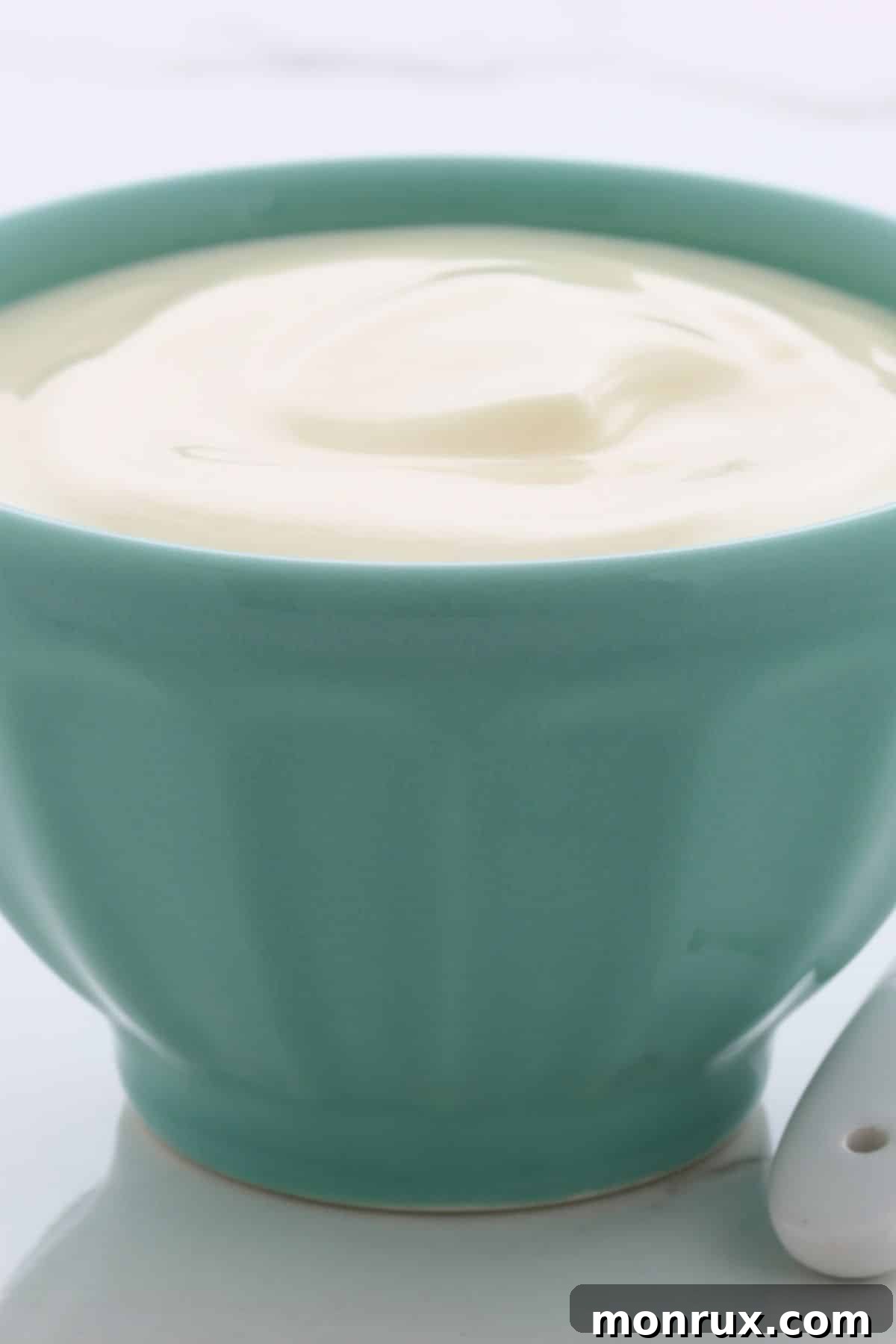
The term “probiotics” has become ubiquitous, especially on dairy products, but what exactly are these microscopic allies? Probiotics are live microorganisms, often referred to as “good” or “beneficial” bacteria, that, when consumed in adequate amounts, confer a health benefit on the host. In the context of gut health, they are essential for populating your gut microbiome with a diverse array of healthy bacteria, which is crucial for optimal digestion.
Beyond their direct impact on digestive health, probiotics play a multifaceted role in overall wellness. They significantly enhance your body’s ability to absorb vital nutrients from food and are powerful immune system boosters, helping to ward off infections and maintain a balanced internal environment. A thriving gut microbiome, rich in various probiotic strains, can also influence mood, skin health, and even cognitive function.
Fortunately, the culinary world offers a rich tapestry of probiotic-rich foods. While yogurt and kefir are well-known choices, the spectrum extends much further:
- Fermented Vegetables: Options like kimchi and sauerkraut, traditionally made from cabbage, are packed with lactic acid bacteria beneficial for the gut.
- Miso: A Japanese seasoning made from fermented soybeans, miso is a staple in many traditional dishes and a source of beneficial bacteria.
- Pu-erh Tea: Hailing from China’s Yunnan Province, this unique fermented tea offers distinct flavor and probiotic properties.
- Kombucha: A fizzy, tangy fermented tea drink, popular for its refreshing taste and probiotic content.
- Certain Cheeses: Look for labels indicating “live cultures” or “active cultures” to identify probiotic-rich cheeses.
For a deeper dive into these options, consult my comprehensive list of the best foods with natural probiotics. Aim to include at least one serving of probiotic-rich foods daily. For those with more significant digestive concerns, or if dietary intake isn’t sufficient, a probiotic supplement might be beneficial. Always consult with your healthcare provider to determine the best approach and appropriate strains for your specific needs.
4. Fatty Fish
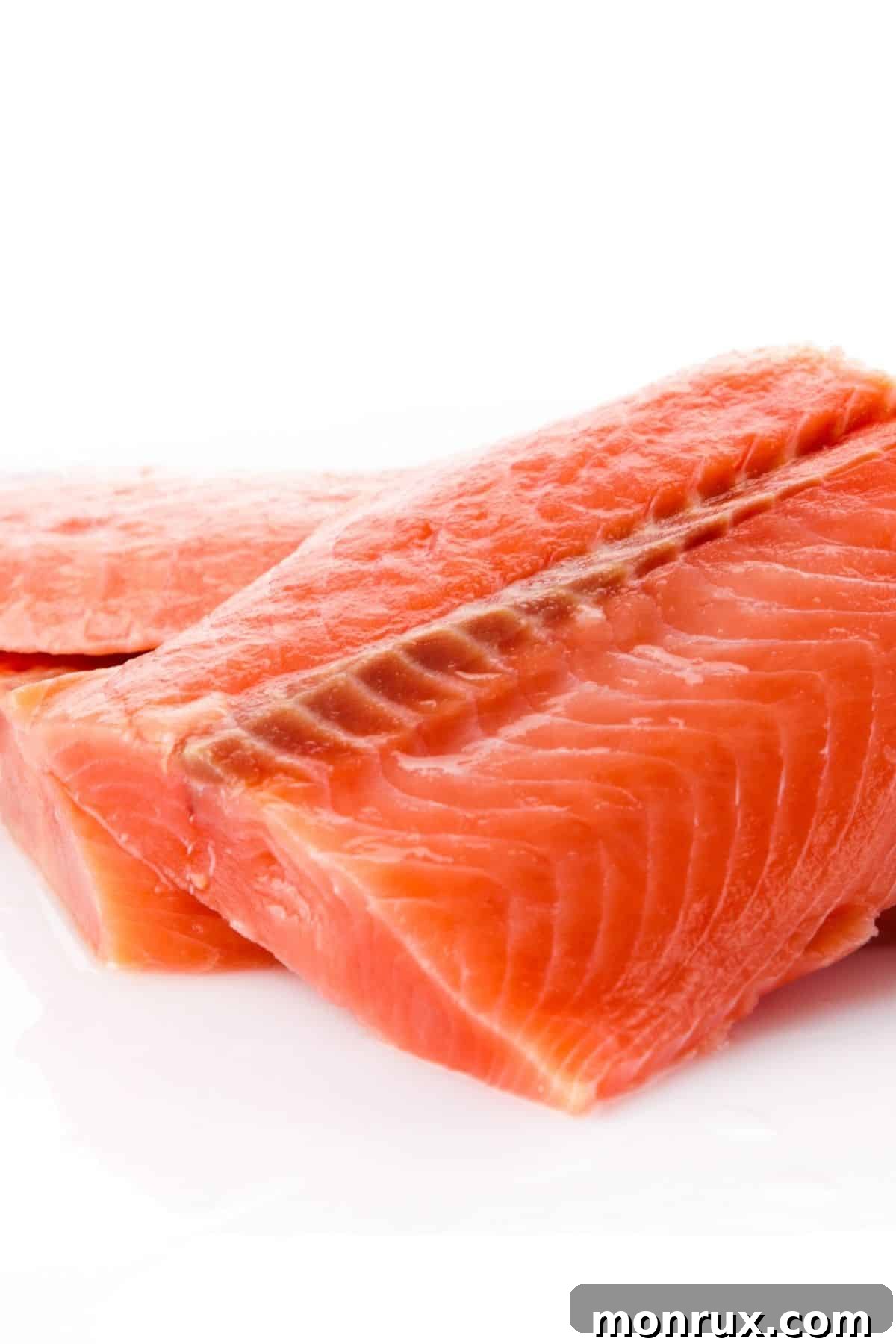
Fatty fish are nutritional powerhouses, primarily due to their abundant content of omega-3 polyunsaturated fatty acids (PUFAs), which are incredibly beneficial for digestive health. These essential fats play a critical role in maintaining gut equilibrium and overall systemic wellness.
Omega-3s are known to promote a balanced gut microbiome by supporting the growth of beneficial bacteria and reducing the population of harmful ones. They also facilitate the production of anti-inflammatory compounds within the body, which are vital for mitigating inflammation in the gut lining. This anti-inflammatory action is key to preventing and alleviating symptoms associated with various digestive disorders. Furthermore, omega-3s are instrumental in boosting the immune system and actively aiding in the repair of damage to the intestinal wall, thereby guarding against leaky gut syndrome and its related health complications.
Excellent sources of omega-3s include a variety of delicious fatty fish:
- Salmon (wild-caught is often preferred for higher omega-3 content)
- Sardines (a small but mighty source)
- Atlantic mackerel
- Herring
- Albacore tuna (choose pole-and-line caught for sustainability)
If consuming fish isn’t to your liking, or if you have dietary restrictions, you can still reap the myriad benefits of omega-3s through high-quality supplements. When choosing a supplement, look for those derived from fish oil, krill oil, or algal oil (a vegetarian option) and ensure they are third-party tested for purity and potency.
Discover easy and delicious ways to prepare fatty fish with my recipes for Instant Pot Salmon and Rice, a creamy Salmon Salad with Mayo, or my simple Air Fryer Salmon. Aim to incorporate fatty fish into your diet at least twice a week for optimal gut and overall health benefits.
5. Raw Dairy Products
Raw dairy products, including raw butter, raw cheese, raw milk, and raw cream, contain a rich array of living bacteria and enzymes that are often destroyed during the pasteurization process. These living components act as natural prebiotics and probiotics, effectively boosting both the number and diversity of beneficial bacteria in the gut, which is paramount for a healthy microbiome.
The unpasteurized nature of raw dairy means it retains enzymes like lactase, which can help individuals who are mildly lactose intolerant digest dairy more easily. The presence of a wider spectrum of beneficial bacteria can also contribute to a more resilient gut ecosystem.
However, it is crucial to understand the distinction and inherent risks. Raw dairy products bypass the pasteurization process, which is designed to eliminate potentially harmful pathogens. This means that consuming raw milk or raw milk products carries a risk of exposure to bacteria such as E. coli, Salmonella, and Listeria, which can cause serious illness. For this reason, the sale and consumption of raw milk are restricted or banned in many regions and countries, as public health authorities often conclude that the potential risks outweigh the benefits.
Despite these concerns, many individuals attest to the healing benefits of raw milk and its products for their gut health, feeling that for them, the perceived benefits justify the risks. It’s a highly personal decision that warrants careful consideration and research into local regulations and sourcing from reputable, clean farms.
For those on dairy-free diets, often due to allergies, sensitivities, or ethical choices, consuming raw dairy may not be an option. However, if you do not have a confirmed dairy allergy or a medical directive to avoid dairy, it might be worth cautiously exploring the re-introduction of high-quality, raw dairy into your diet as a potential gut-healing food, always with guidance from a healthcare professional and an understanding of the associated risks.
6. Coconut Milk
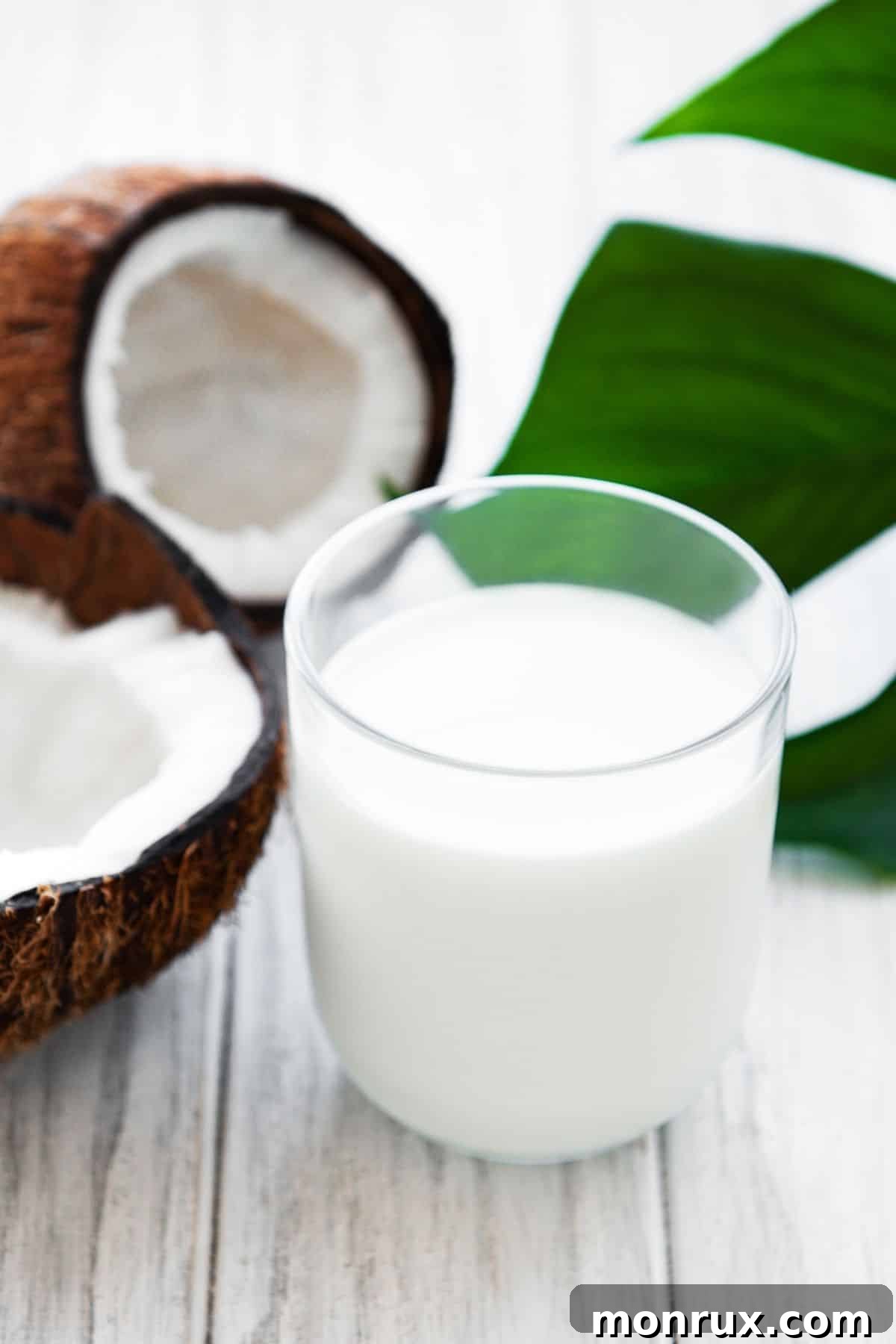
Derived from the luscious flesh of mature coconuts blended with water, coconut milk is not just a creamy culinary ingredient; it’s a source of several impressive gut-healing benefits. Its unique composition makes it a standout choice for supporting digestive health.
Coconut milk is notably rich in medium-chain saturated fatty acids (MCFAs). Approximately 50% of these MCFAs consist of lauric acid, a highly beneficial compound. Once ingested, your body transforms lauric acid into monolaurin. Studies have indicated that monolaurin can effectively reduce stomach ulcers by inhibiting the growth of harmful bacteria like H. pylori. Beyond its antimicrobial properties, coconut milk is also believed to reduce inflammation and provide a protective barrier for the lining of the stomach, making it particularly soothing for irritated digestive tracts.
The versatility of coconut milk makes it easy to incorporate into your daily routine. From enhancing your morning coffee or tea to being a base for nutrient-rich smoothies, curries, and desserts, its uses are boundless. For the freshest and healthiest option, consider making your own homemade coconut milk. Simply blend 1 cup of unsweetened shredded coconut with 2 cups of hot water, then strain the mixture through muslin or cheesecloth to achieve a smooth, rich milk. For a detailed guide, refer to my Coconut Milk recipe. Opting for full-fat, unsweetened varieties ensures you’re getting the most beneficial MCFAs without added sugars or artificial ingredients that could hinder gut healing.
7. Probiotic Supplements
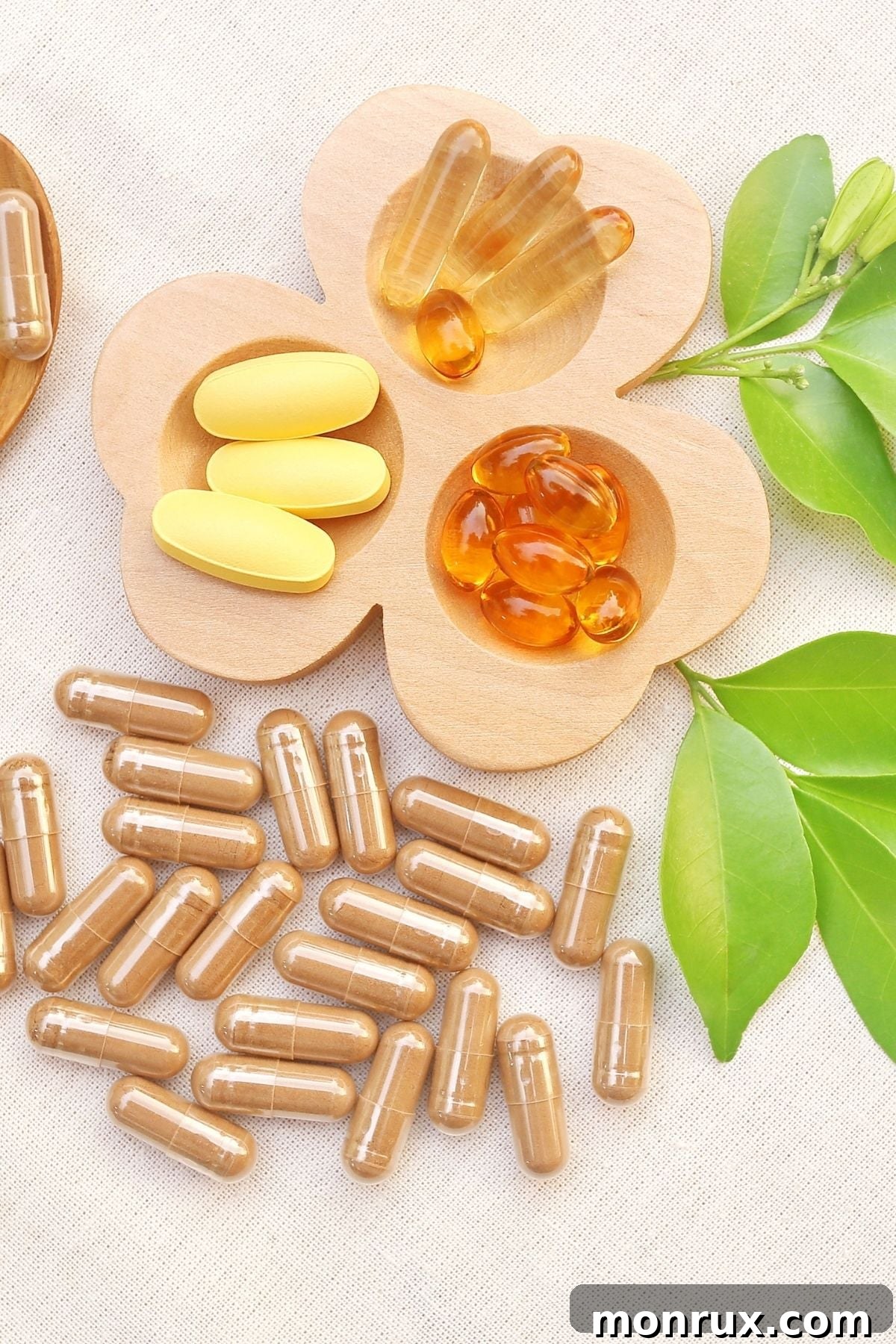
While food sources of probiotics are generally considered the most holistic and beneficial for long-term health, they may not always be sufficient or appealing to everyone. If cultured milk products or fermented foods don’t align with your palate or dietary needs, probiotic supplements offer a convenient and effective alternative to reap the benefits of beneficial bacteria.
The world of probiotic supplements is vast and can be overwhelming, which is why it’s highly recommended to discuss your options with a qualified healthcare provider. Unlike probiotic foods, which typically offer a broad spectrum of bacterial strains, supplements are often more targeted, containing specific strains known to address particular conditions. Without guidance, selecting a supplement with strains that haven’t been studied for your specific digestive concern might result in little to no symptom relief.
When selecting a probiotic supplement, several factors are crucial. Always ensure you store them carefully, often in a cool, dark place or refrigerated, as live bacteria can be sensitive to heat and light. Adhere strictly to the dosage instructions provided by the manufacturer or your healthcare professional. To guarantee quality and efficacy, utilize independent resources like Consumer Lab to verify that the ingredients have been independently tested and confirmed. This diligence ensures you invest in a product that genuinely supports your gut health and delivers on its promises.
8. Prebiotic Foods
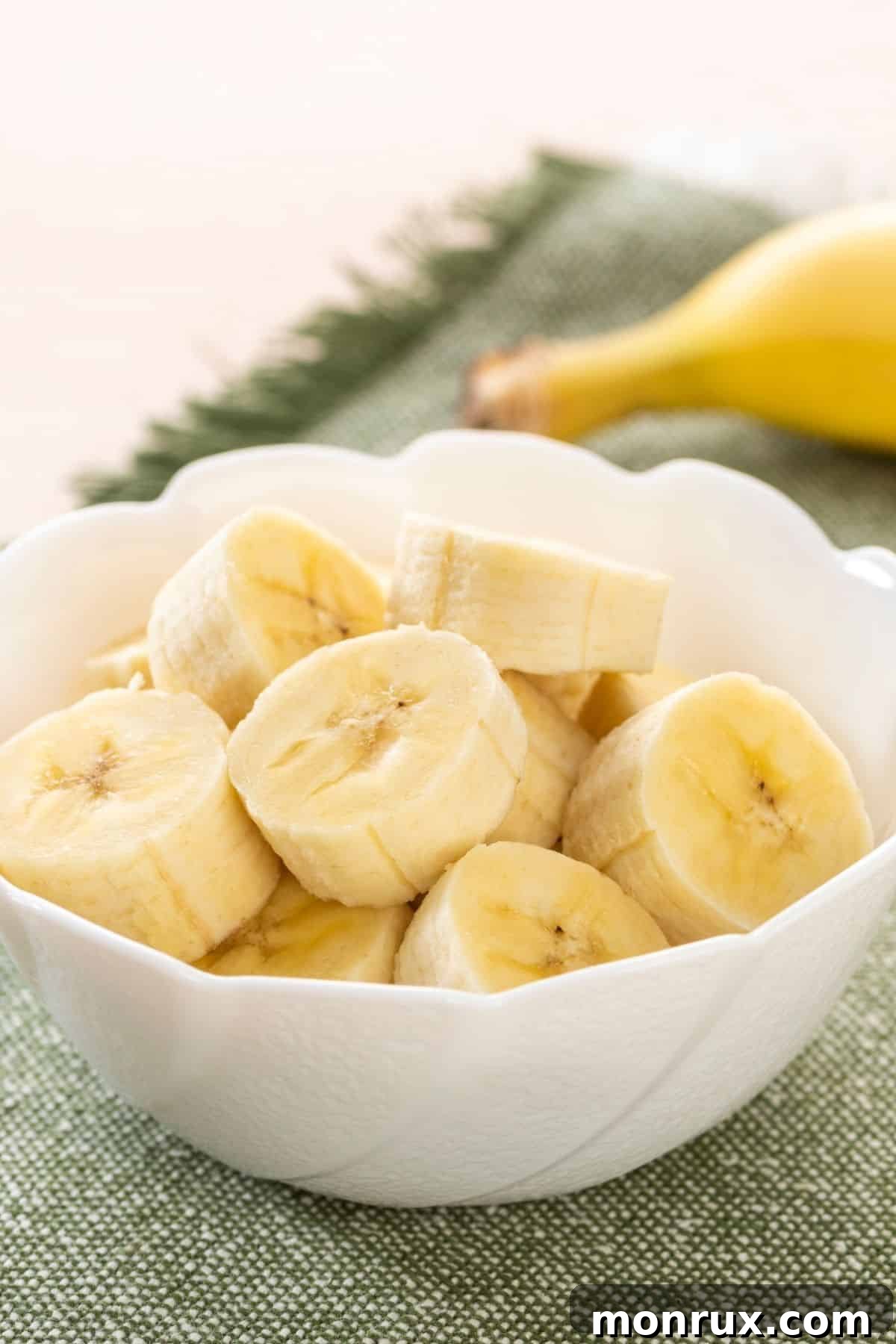
Prebiotic foods are essentially non-digestible dietary fibers that act as fuel for the beneficial bacteria (probiotics) residing in your gut. By providing this vital nourishment, prebiotics stimulate the growth and enhance the activity of these good bacteria, leading to a more robust and diverse gut microbiome.
While prebiotic supplements are available, the most effective and holistic way to consume prebiotics is through natural food sources. Fruits, vegetables, and legumes are particularly rich in these beneficial fibers. Excellent sources include:
- Onions (raw or cooked)
- Leeks
- Legumes (beans, lentils, chickpeas)
- Bananas (especially slightly unripe ones, which have higher resistant starch)
- Garlic
- Leafy greens (such as spinach and kale)
- Kiwi fruit
- Asparagus
- Oats (whole, rolled oats)
However, it’s crucial to acknowledge that a diet rich in certain prebiotics may not be suitable for all gut issues. Many prebiotics are also classified as FODMAPs (Fermentable Oligosaccharides, Disaccharides, Monosaccharides, and Polyols). These are short-chain carbohydrates that can be poorly absorbed in the small intestine, leading to fermentation by gut bacteria and potentially exacerbating symptoms like bloating, gas, and abdominal pain in individuals with conditions like Irritable Bowel Syndrome (IBS). If you experience such symptoms, it is highly recommended to speak to your healthcare provider or a registered dietitian to determine if a low-FODMAP diet or specific prebiotic intake is right for you.
In addition to eating these prebiotic-rich foods, incorporating them into a refreshing green smoothie can be a delicious and convenient way to boost your intake. Learn more about the comprehensive health benefits of green smoothies, including their potential to support gut health.
9. Pineapple

Pineapple, a tropical delight, offers a surprisingly extensive range of gut-healing benefits, primarily due to its unique enzymatic and anti-inflammatory profile. This vibrant fruit is an exceptional source of bromelain, a powerful group of proteolytic enzymes. Bromelain aids in the digestion of proteins, making meals easier to break down and nutrients more readily absorbed, thereby reducing digestive strain and discomfort. Its enzymatic action can be particularly helpful for individuals with insufficient natural digestive enzyme production.
Beyond its digestive aid, pineapple also boasts significant anti-inflammatory properties. Inflammation in the gut is a common denominator in many digestive disorders, and bromelain’s ability to modulate inflammatory responses is a key benefit. Research, including studies in animals, has demonstrated that bromelain can effectively reduce inflammation and promote the healing of ulcers associated with conditions like IBS. Further animal studies have also shown its protective effects against harmful gut bacteria, contributing to a healthier microbial balance.
Pineapple is especially beneficial for individuals managing inflammatory bowel disorders (IBD) such as ulcerative colitis and Crohn’s disease, where it has been shown to reduce gut inflammation. Its natural sweetness and tangy flavor make it a delightful addition to various meals and snacks. Enjoy pineapple fresh, in fruit salads, or as a vibrant component of smoothies and juices. For refreshing and gut-friendly beverage ideas, explore my list of the best juices for gut health, many of which incorporate this incredible fruit.
Cultivating a Healthy Gut: Beyond Just Food
Achieving and maintaining good gut health extends beyond simply identifying and consuming specific foods. It involves a holistic approach that focuses on nurturing your gut microbiome, which is a complex ecosystem of microorganisms residing in your digestive tract. Balancing this delicate community of bacteria by consciously consuming the right kinds of foods—especially those rich in prebiotics and probiotics—is the cornerstone of robust digestive health.
When your gut microbiome is thriving and balanced, your body’s ability to digest food and absorb essential nutrients is significantly enhanced. A healthy gut also functions more efficiently in eliminating waste products, which is vital for preventing toxin buildup and maintaining internal cleanliness. In many cases, rebalancing gut bacteria can not only prevent the onset of various digestive conditions but also minimize the severity of their symptoms, offering a natural pathway to relief.
Beyond diet, adopting certain lifestyle practices can profoundly impact your gut. Chronic stress is a known disruptor of gut health, impacting motility and the delicate balance of gut flora. Incorporating stress-reduction techniques such as mindfulness, yoga, or spending time in nature can be incredibly beneficial. Adequate sleep is another unsung hero of gut health; a consistent sleep schedule supports circadian rhythms that influence gut function. Furthermore, staying well-hydrated is crucial for maintaining the mucosal lining of the intestines and ensuring smooth digestive processes.
By consciously avoiding certain detrimental foods (as discussed in the next section) and increasing your intake of gut-friendly ones, you empower your body to boost its immune system, strengthen and repair the protective lining of your gut, and effectively control inflammation. These synergistic factors are all critical in preventing a wide array of common gut issues, ranging from occasional bloating to more chronic inflammatory conditions.
As always, while dietary and lifestyle changes are powerful, persistent or severe digestive problems warrant professional attention. It is highly advisable to consult a qualified healthcare provider for an accurate diagnosis and a personalized treatment plan tailored to your individual health situation.
For more targeted guidance, explore my comprehensive Leaky Gut Diet article, which includes a practical 3-day meal plan designed to kickstart your healing journey. You might also find valuable insights in my article detailing the best herbs for gut healing, offering natural remedies to complement your dietary efforts.
Foods to Avoid for Optimal Gut Health
Just as certain foods can heal and nourish your gut, others can actively disrupt its delicate balance, exacerbate inflammation, and hinder digestive function. When striving for optimal gut health, it’s equally important to identify and minimize your intake of these problematic foods. Here’s a guide to foods that are best avoided or consumed in moderation during your gut-healing journey.
1. Raw Vegetables (During Healing Phase)
While raw vegetables are generally lauded for their nutritional content, there’s a nuanced perspective when it comes to a compromised gut or during an active healing phase. Recent research, including findings from studies, indicates that cooking food can positively alter the gut microbiome, whereas a diet heavily reliant on raw vegetables might have the opposite effect for some individuals. This is partly because raw vegetables can contain certain plant compounds that, in large quantities, may interfere with the gut flora, potentially disturbing the beneficial bacteria in our intestines.
Moreover, raw vegetables are typically very hard to digest due to their high content of insoluble fiber and cellulose, which are tougher for a compromised digestive system to break down. For individuals with sensitive guts or conditions like Irritable Bowel Syndrome (IBS), consuming raw vegetables can aggravate symptoms such as bloating, gas, and abdominal pain.
For these reasons, particularly while actively healing your gut, it’s often recommended to opt for cooked vegetables. Cooking breaks down tough plant fibers, making vegetables much easier to digest and gentler on an irritated gut lining. For instance, instead of eating raw kale in a smoothie, try steaming it lightly before blending (check out my Kale Green Smoothie recipe with steamed kale). Similarly, cooking vegetables like carrots and tomatoes rather than consuming them raw can significantly reduce digestive stress and allow your gut to focus on healing. This is a temporary strategy for healing, not a long-term rule for everyone.
2. Gluten
Gluten, the protein complex found in cereal grains like wheat, rye, and barley, provides elasticity to dough and gives bread its characteristic texture. While not problematic for everyone, for a significant portion of the population, gluten can trigger or worsen a range of gut problems, hindering the healing process.
It’s important to clarify that avoiding gluten isn’t a universal recommendation. Indeed, some research suggests that an unnecessary gluten-free diet could potentially alter the human gut microbiome in ways that are not always beneficial. However, for those with specific sensitivities or conditions, gluten avoidance is crucial.
Individuals diagnosed with celiac disease must adhere to a strict gluten-free diet, as even trace amounts can cause severe intestinal damage. Beyond celiac disease, many people experience non-celiac gluten sensitivity (NCGS), where symptoms like bloating, gas, abdominal pain, and fatigue manifest after gluten consumption, despite not having celiac disease. For these individuals, removing gluten can lead to significant relief.
Furthermore, compelling research indicates that gluten can increase the release of zonulin, a protein that regulates the permeability of tight junctions in the intestinal lining. Elevated zonulin levels are strongly associated with leaky gut syndrome (increased intestinal permeability) and a host of related systemic inflammatory conditions. Therefore, for anyone aiming to heal their gut, reducing or eliminating gluten is often a strategic step.
To learn more about the potential benefits for certain individuals, delve into the reasons to go gluten-free, or explore my extensive index of gluten-free recipes. You might also find valuable resources in this list of the best gluten-free carbohydrate foods or gain insights from this article on navigating a dairy and gluten-free diet.
3. Sugar
Excessive consumption of sugar, especially refined sugars and high-fructose corn syrup, is a major detrimental factor for gut health. A diet high in sugar is believed to profoundly impact the delicate balance of the gut microbiome by feeding harmful bacteria and yeasts, potentially leading to dysbiosis—an imbalance that can pave the way for conditions like leaky gut syndrome and other digestive problems. Beyond its direct impact on microbes, sugar is also strongly linked to increased systemic inflammation, which can further aggravate gut issues and hinder healing.
What makes sugar particularly insidious is its ability to create a vicious cycle. The imbalance of bacteria in the gut, fueled by high sugar intake, can actually trigger intense sugar cravings. This leads to even higher consumption, perpetuating the problem and making it incredibly challenging to break free from the cycle of poor gut health and sugar dependence.
Cutting down on sugar is one of the most impactful steps you can take for your gut. Explore my list of the best sugar-free foods to stock your pantry with healthy alternatives. For practical strategies and support in breaking free from sugar’s grip, check out these articles on how to beat sugar cravings and effective tips to cut out sugar from your diet. Prioritizing whole, unprocessed foods naturally low in sugar is key to nurturing a balanced and healthy gut.
4. Artificial Sweeteners
In an effort to avoid the negative health consequences of refined sugar, many individuals turn to artificial sweeteners as a seemingly healthier alternative. However, mounting research now suggests that common artificial sweeteners—such as saccharin, sucralose, and aspartame, frequently found in diet sodas and processed “sugar-free” foods—can pose significant risks to gut health. Far from being inert, these compounds can negatively impact the delicate ecosystem of your gut microbiome.
Studies indicate that artificial sweeteners may alter the composition of gut bacteria, potentially causing beneficial “good” bacteria to become pathogenic, or disease-causing. This shift in microbial balance, known as dysbiosis, can compromise the integrity of the intestinal walls. Over time, this damage can either trigger new gut issues or worsen the symptoms of existing conditions like IBS, IBD, and leaky gut syndrome.
The implications extend beyond just digestive discomfort; a disrupted gut microbiome has systemic effects on metabolism, immunity, and overall health. Therefore, opting for natural alternatives is crucial when looking to satisfy a sweet tooth without undermining your gut healing efforts. I’ve compiled a helpful list of the best natural sugar substitutes that can help you navigate cravings without resorting to artificial sweeteners that can harm your gut flora and beneficial gut bacteria. Embrace natural sweetness from fruits or mild, unrefined sweeteners in moderation to support your digestive health.
Gut Healing Food FAQs
The timeline for gut healing is highly individual and can vary significantly depending on the severity and nature of the digestive issues, lifestyle factors, and consistency of treatment. For some, relief from symptoms might be noticed relatively quickly, within weeks to a few months, with consistent dietary and lifestyle changes. However, for chronic or complex conditions, it can take anywhere from several months to a year or even longer to achieve substantial healing and lasting improvement. In certain cases, particularly with severe diagnoses, complete reversal of digestive issues may not be possible, but significant symptom management and improved quality of life are often achievable. The most effective approach involves working closely with a qualified healthcare practitioner who can provide an appropriate diagnosis, monitor your progress, and tailor a personalized treatment plan for your unique situation.
Integrating gut-healing foods into your daily routine is generally recommended for sustained benefits. For instance, incorporating fermented foods like yogurt or sauerkraut, a serving of bitter greens, or a cup of bone broth daily can be highly beneficial. The specific frequency and quantity will depend on your individual needs, tolerance, and the severity of your gut issues. Listen to your body and observe how it responds to different foods. Gradually increasing your intake and diversifying your diet with these beneficial foods is often the best strategy. In addition to dietary intake, various gut-healing supplements can offer targeted support. Herbs like slippery elm and marshmallow root are traditionally known for their soothing properties on the digestive tract and can be explored under professional guidance.
While “fast” healing is not always realistic for complex gut issues, a strategic gut health diet can accelerate the process. A truly healthy gut is nurtured by a balanced diet rich in whole, unprocessed foods. Prioritize high-fiber foods from a diverse range of fruits, vegetables, and legumes, as these provide crucial prebiotics to feed beneficial gut bacteria. Incorporate fermented products like kefir, kombucha, and sauerkraut for a direct source of probiotics. Maintain excellent hydration by drinking plenty of water throughout the day. Simultaneously, it’s vital to avoid highly processed foods, artificial sweeteners, excessive alcohol, and high sugar intake, as these can disrupt the delicate balance of beneficial gut bacteria and fuel inflammation. Incorporating anti-inflammatory foods, such as those rich in omega-3 fatty acids (like salmon) and healthy fats (like avocados and olive oil), further supports the gut lining and overall digestive health. Beyond diet, managing stress, ensuring adequate sleep, and being cautious with medications, especially antibiotics, are crucial components of nurturing a robust gut microbiome and promoting efficient healing.
Several beverages are celebrated for their profound benefits to gut health, each offering unique advantages. Probiotic-rich drinks like kefir and kombucha are excellent choices, directly introducing beneficial bacteria to your gut microbiome. Bone broth, packed with collagen and amino acids, is superb for repairing and strengthening the gut lining. Herbal teas such as green tea (rich in antioxidants), ginger tea (known for its anti-inflammatory and digestive properties), and peppermint tea (which can soothe an upset stomach and aid digestion) also contribute positively. Pure, filtered water is undeniably essential for maintaining the mucosal lining of the intestines and ensuring smooth bowel movements. Additionally, diluted apple cider vinegar, taken before meals, may support healthy stomach acid levels, which is crucial for efficient digestion and nutrient absorption. The “best” drink often comes down to individual preference and specific gut needs, but incorporating a variety of these can provide comprehensive support.
More Gut Health Diets and Resources
Conclusion
A thriving digestive system is not just about avoiding discomfort; it’s a cornerstone of holistic well-being that impacts your entire body. A healthy gut provides robust support for your immune system, plays a pivotal role in regulating sleep patterns, offers significant protection against a spectrum of chronic diseases, and can even profoundly enhance your mood and cognitive function. The gut-healing foods highlighted in this article – from the collagen-rich bone broth to the probiotic powerhouses and enzyme-boosting pineapple – are not only delicious but also remarkably easy to integrate into your everyday diet. By consciously choosing these nourishing ingredients and making informed decisions about foods to limit, you empower yourself to take charge of your digestive health and elevate your general well-being to new heights. Embark on this journey of dietary transformation and experience the profound benefits of a truly healed and happy gut.
Don’t forget to join my newsletter list to get exclusive clean eating recipes and tips. The newsletter is 100% free with no spam; unsubscribe anytime.
About the Author: Carrie Forrest has a master’s degree in public health with a specialty in nutrition and is a certified holistic nutritionist. She is a top wellness and food blogger with over 5 million annual visitors to her site. Carrie has an incredible story of recovery from chronic illness and is passionate about helping other women transform their health. Send her a message through her contact form.
Note: this post is for informational purposes only and is not intended as medical advice. Please consult your healthcare provider for recommendations related to your individual situation.